How to Store Vape Carts Properly
Learn how to store vape carts properly to preserve potency and flavor.
Learning how to store vape carts properly is one of the simplest ways to protect both your investment and your experience. A cartridge is essentially a sealed reservoir of concentrated oil paired with a heating element, and the quality of that oil degrades over time when exposed to heat, light, and oxygen. Whether you vape daily or keep a cart tucked away for occasional use, the way you store it determines how the oil tastes, how smoothly it flows, and how potent each draw remains. The good news is that proper storage requires no special equipment — just an understanding of what actually damages a cartridge and a few consistent habits.
Why Proper Vape Cart Storage Matters
Preserving potency and flavor: The oil inside a cartridge is rich in cannabinoids and terpenes, both of which are sensitive to environmental stress. Terpenes are particularly volatile — they evaporate and break down when exposed to heat and air, which is why a poorly stored cart often tastes flat or harsh compared to a fresh one. Knowing how to store vape carts properly directly preserves the aromatic, flavorful character that makes each strain distinct.
Beyond flavor, storage affects the chemical stability of the oil itself. Over time, exposure to oxygen and ultraviolet light can degrade cannabinoids like THC, slowly converting it into other compounds and reducing the overall potency you paid for. A cart that has sat in a sunny windowsill for weeks will simply not deliver the same effect as one kept in a cool, dark space.
There is also a practical, functional dimension. The oil's viscosity changes with temperature, and the hardware itself — the coil, the wicking material, the seals — can be compromised by extreme conditions. Proper storage keeps the entire system working as the manufacturer intended, which means fewer clogs, leaks, and burnt hits.
What Temperature to Store Vape Carts
The ideal temperature range: Vape carts do best at room temperature or slightly cooler — roughly 60°F to 70°F (15°C to 21°C). This range keeps the oil at a stable, workable viscosity while slowing the chemical breakdown of its active compounds. A drawer, cabinet, or closet away from heat-generating appliances usually fits the bill perfectly without any extra effort.
Extreme heat is the single most damaging condition for a cartridge. Leaving a cart in a hot car, near a stove, or on a sunny surface can thin the oil to the point of leaking, accelerate terpene loss, and even warp plastic components. Conversely, refrigerating or freezing a cart is a common temptation but is generally unnecessary and can introduce its own problems.
If you do store carts in a cooler environment, keep these realities in mind:
- 🌡️ Thickened oil: Cold temperatures make oil viscous and sluggish, leading to weak draws until the cart warms back to room temperature.
- 💧 Condensation risk: Moving a cold cart into warm air can create moisture inside the cartridge, which may damage the coil or dilute the oil.
- 🔄 Temperature cycling: Repeatedly warming and cooling a cart stresses the seals and is worse than simply keeping it at a steady room temperature.
How Light and Air Affect Vape Cart Storage
Why darkness protects your oil: Ultraviolet light is a quiet but persistent enemy of cannabis oil. UV rays break down cannabinoids and terpenes through a process called photodegradation, which is the same reason cannabis flower is stored in opaque containers. Keeping cartridges in a dark drawer, box, or pouch shields the oil from this slow erosion and helps maintain both potency and color over the long haul.
Air exposure is the other major factor, though it is largely controlled at the design level. A sealed cartridge limits how much oxygen reaches the oil, but every time you remove a cart from its battery or leave it loosely capped, you risk introducing air. Oxidation dulls flavor and can change the oil's consistency, so keeping carts sealed in their original packaging when not in use is a smart, low-effort habit.
Humidity plays a supporting role as well. While the sealed nature of most cartridges offers decent protection, excessive moisture in a storage area can affect packaging, labels, and any exposed threading. A simple dark container in a climate-stable room handles all three threats — light, air, and humidity — at once.
Best Position to Store Vape Carts
Upright is the gold standard: Storing a cart in a vertical, upright position with the mouthpiece pointing up is widely considered best practice. This orientation keeps the oil settled around the heating coil and atomizer, ensuring the wick stays saturated and ready for a clean, even draw. It also reduces the chance of oil migrating into the mouthpiece or air channels, where it can cause clogs and messy leaks.
When a cart is laid flat or stored upside down for long periods, the oil can pool unevenly or seep into parts of the hardware where it does not belong. This is especially common with thinner oils or in warmer conditions where viscosity drops. A simple way to keep carts upright is to use a small cup, drawer organizer, or the original box stood on end.
Here are the key positioning takeaways at a glance:
- ⬆️ Mouthpiece up: Keeps oil near the coil and prevents it from clogging the airway.
- 📦 Use a holder: A cup or organizer keeps carts vertical and prevents them from rolling around.
- 🚫 Avoid flat storage: Long-term horizontal storage encourages uneven pooling and leaks.
- 🔌 Detach from battery: Storing the cart separately avoids accidental firing and battery drain.
How Long Do Vape Carts Last in Storage
Realistic shelf life expectations: A well-made cartridge stored under good conditions can stay enjoyable for roughly six months to a year, and sometimes longer. The oil does not spoil in a dangerous way like food, but its potency and flavor gradually fade. The clock on that decline runs much faster when storage conditions are poor, so the habits described above are what extend a cart's usable life.
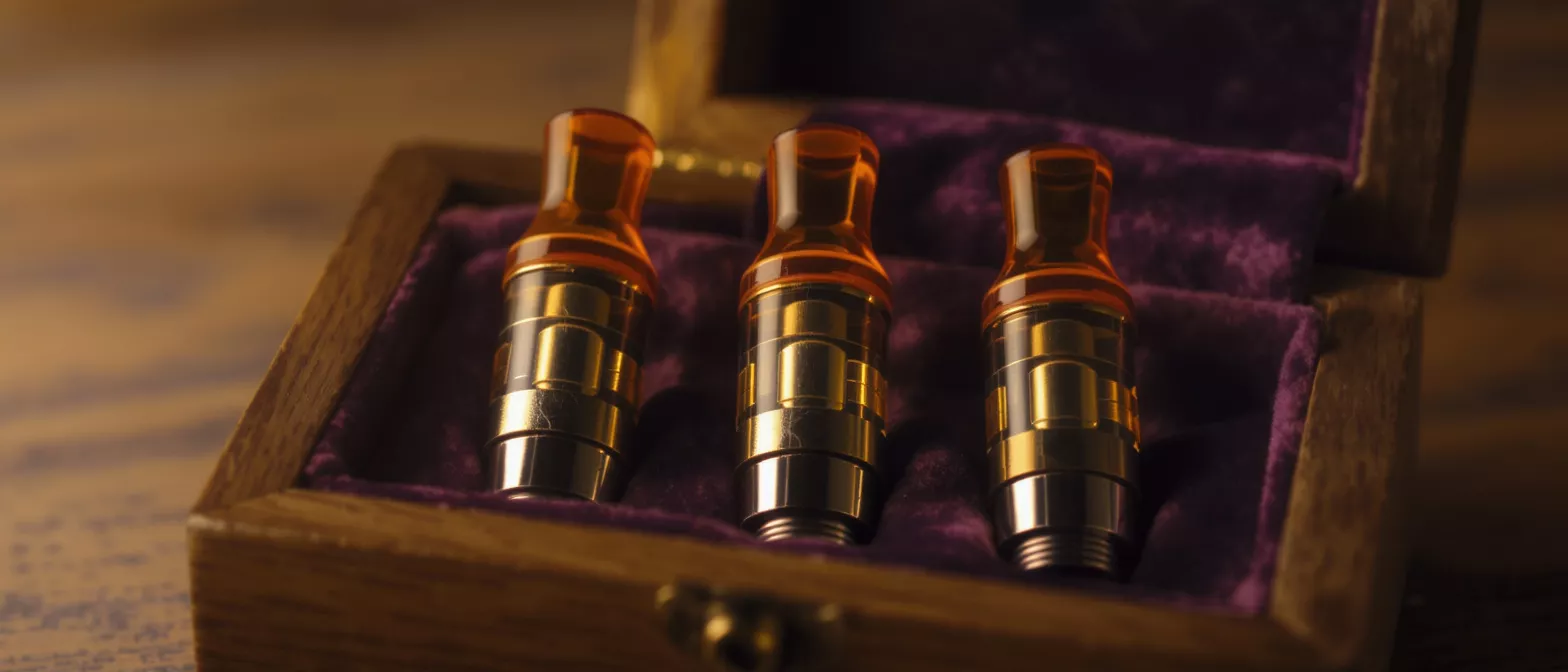
You can often judge a cart's condition by looking at it. Fresh oil tends to be clear to golden or amber, and it flows smoothly when the cart is tilted. As oil ages, you may notice it darkening or thickening, which signals natural oxidation and terpene loss. While darkened oil is not inherently unsafe, it usually points to diminished flavor and a slightly harsher experience.
To get the most out of your carts over time, keep these guidelines in mind. They help you rotate stock sensibly and avoid surprises:
- 📅 First in, first out: Use older cartridges before newer ones to avoid letting any sit too long.
- 👀 Inspect before use: Significant darkening or sludgy thickness suggests the oil is past its prime.
- 🏷️ Note purchase dates: Keeping track of when you bought a cart makes it easy to prioritize.
Common Vape Cart Storage Mistakes to Avoid
The car glovebox trap: Far and away the most frequent mistake is leaving a cart in a vehicle. Cabin temperatures can swing from freezing to well over 100°F within hours, exposing the oil to exactly the heat and temperature cycling that destroys flavor and stresses hardware. A car is the worst possible storage location, yet it is where countless carts get forgotten.
Another common error is leaving the cart permanently attached to a charged battery and exposed on a desk or nightstand. This invites light exposure, accidental activation, and unnecessary heat from repeated firing. Detaching the cart and tucking it into a dark drawer between sessions costs nothing and protects the oil far better.
Storing vape carts properly comes down to a handful of consistent, easy habits: keep them cool, dark, sealed, and upright, away from cars and sunny windows. Treat the cartridge as the perishable, light-sensitive item it is, rotate your stock so nothing lingers too long, and inspect the oil before vaping. Master these basics and every cart will deliver the full flavor and potency it was made to provide, from the first draw to the last.