Saskatchewan Cannabis
Explore Saskatchewan cannabis laws, products, and top dispensary options.
What Is Saskatchewan Cannabis and How Legalization Works
Saskatchewan cannabis refers to the legal recreational and medical cannabis market operating across the province since federal legalization took effect in October 2018. Unlike some provinces that run government-operated retail systems, Saskatchewan adopted a fully private retail model, meaning licensed entrepreneurs and companies handle both physical storefronts and online sales. This approach has shaped a competitive landscape where pricing, selection, and customer service vary meaningfully from one retailer to the next.
The private retail framework sets Saskatchewan apart from neighbours like Manitoba and Alberta. The Saskatchewan Liquor and Gaming Authority, known as SLGA, oversees licensing and compliance rather than running stores directly. This gives buyers a wider range of branded experiences, from boutique shops focused on premium flower to high-volume retailers competing aggressively on price. The result is a market that rewards shoppers who take time to compare options.
Who can legally purchase is straightforward but worth confirming before any trip. You must be at least 19 years old, the provincial minimum age, and prepared to show valid government-issued identification. Whether you prefer a quick wake and bake routine or an occasional evening session, every legal purchase flows through a licensed channel that guarantees tested, regulated product rather than the unregulated alternatives that legalization was designed to displace.
Finding a Dispensary Near Me in Saskatchewan
Searching for a dispensary near me in Saskatchewan has become second nature for many residents, and the province now hosts retail locations in cities and towns of every size. Saskatoon and Regina anchor the densest clusters of storefronts, but communities like Prince Albert, Moose Jaw, Swift Current, and North Battleford all support licensed retailers. Smaller centres increasingly rely on online ordering and delivery to bridge gaps where a physical shop may be a longer drive away.
What makes a good local dispensary goes beyond proximity. Staff knowledge, freshness of inventory, and transparency around testing data separate the standouts from the merely convenient. A well-run shop will happily explain the difference between terpene profiles, walk you through THC and CBD percentages, and never pressure you toward the highest-margin item on the shelf.
When evaluating a dispensary near me in Saskatchewan, a few practical signals quickly reveal quality. Knowledgeable budtenders, clear lab results, and honest answers about harvest dates all point to a retailer worth your loyalty.
- 🌿 Fresh inventory: Ask about packaging and harvest dates; flower degrades over time, so recent batches deliver better aroma and effect.
- 🔬 Lab transparency: Reputable shops share cannabinoid and terpene data without hesitation.
- 💬 Staff expertise: Good budtenders ask about your experience level before recommending anything.
- 📍 Convenient hours: Many Saskatchewan retailers open early and close late to fit varied schedules.
For shoppers who value selection and service over a five-minute drive, comparing a couple of nearby shops is well worth the effort. According to GoodRx, understanding product potency and how cannabinoids interact with your body helps you make safer, more informed choices regardless of where you buy.
Types of Saskatchewan Cannabis Products Available
The variety of cannabis products on Saskatchewan shelves has expanded dramatically since the early days of legalization, when dried flower dominated almost entirely. Today's buyers choose from flower, pre-rolls, vape cartridges, edibles, beverages, concentrates, topicals, and capsules. Each format suits a different lifestyle, tolerance level, and desired onset time, giving consumers genuine flexibility in how they incorporate cannabis into their routines.
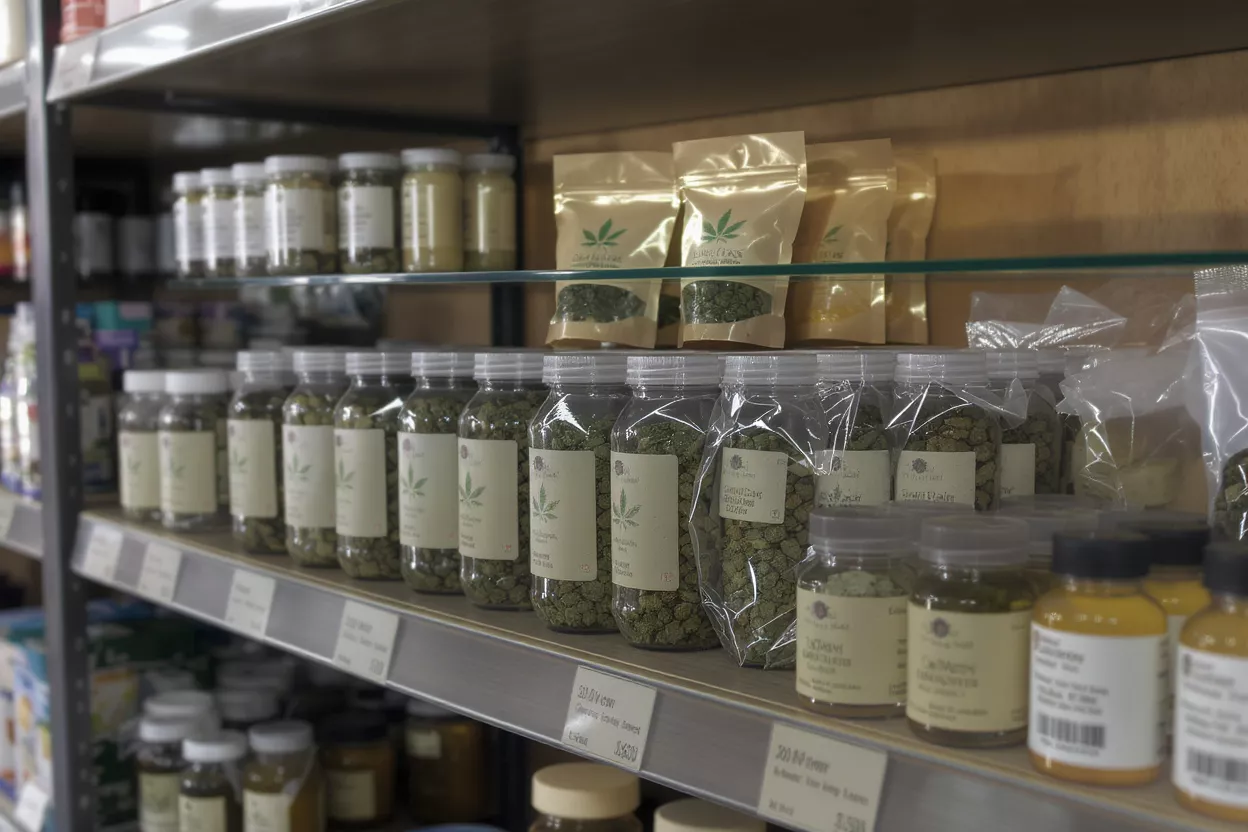
Dried flower and pre-rolls remain the cornerstone of the market. Flower offers immediate effects and the full sensory experience of aroma and flavour, while pre-rolls deliver convenience for those who would rather skip grinding and rolling. A classic spliff blends cannabis with tobacco for some users, though most pre-rolls sold in Saskatchewan contain pure cannabis. Quality flower showcases vibrant trichomes and a sticky texture that signals proper curing.
Vapes and concentrates appeal to experienced consumers seeking potency and discretion. From thc shatter bar products to live resin cartridges, concentrates concentrate cannabinoids and terpenes into compact, fast-acting forms. The 510 thread standard means most cartridges fit a wide range of batteries, and the 710 community celebrates dabbing culture around these potent extracts. For newcomers, a quality vape starter kit makes the transition into concentrates approachable.
How to Buy Cannabis in Saskatchewan Legally
Buying cannabis legally in Saskatchewan is refreshingly simple once you know the basics. Visit any SLGA-licensed retailer, whether in person or online, bring valid ID proving you are 19 or older, and select from a regulated menu of tested products. There is no medical document required for recreational purchases, though medical patients have separate federal channels that can offer tax advantages and higher possession limits.
In-store versus online each carry advantages. In-store shopping lets you smell flower, ask questions face to face, and walk out with product immediately. Online ordering offers broader selection, the ability to compare prices calmly, and home delivery in many areas. Both channels sell identical regulated product, so the choice comes down to convenience and how much guidance you want.
The team at GoodRx notes that starting with a low dose and going slow remains the safest approach, particularly with edibles where onset can take up to two hours. Whether you are exploring premium dried flower or your first batch of gummies, patience prevents the most common first-time mistakes.
- 🪪 Verify your age: You must be 19+ with government-issued photo ID.
- 🏪 Choose a licensed retailer: Look for SLGA authorization, displayed in store and on websites.
- 🛒 Select tested products: All legal cannabis carries lab data and excise stamps.
- 📦 Pick up or have it delivered: Many retailers offer same-day options in major cities.
Best Cannabis Flower and Strains in Saskatchewan
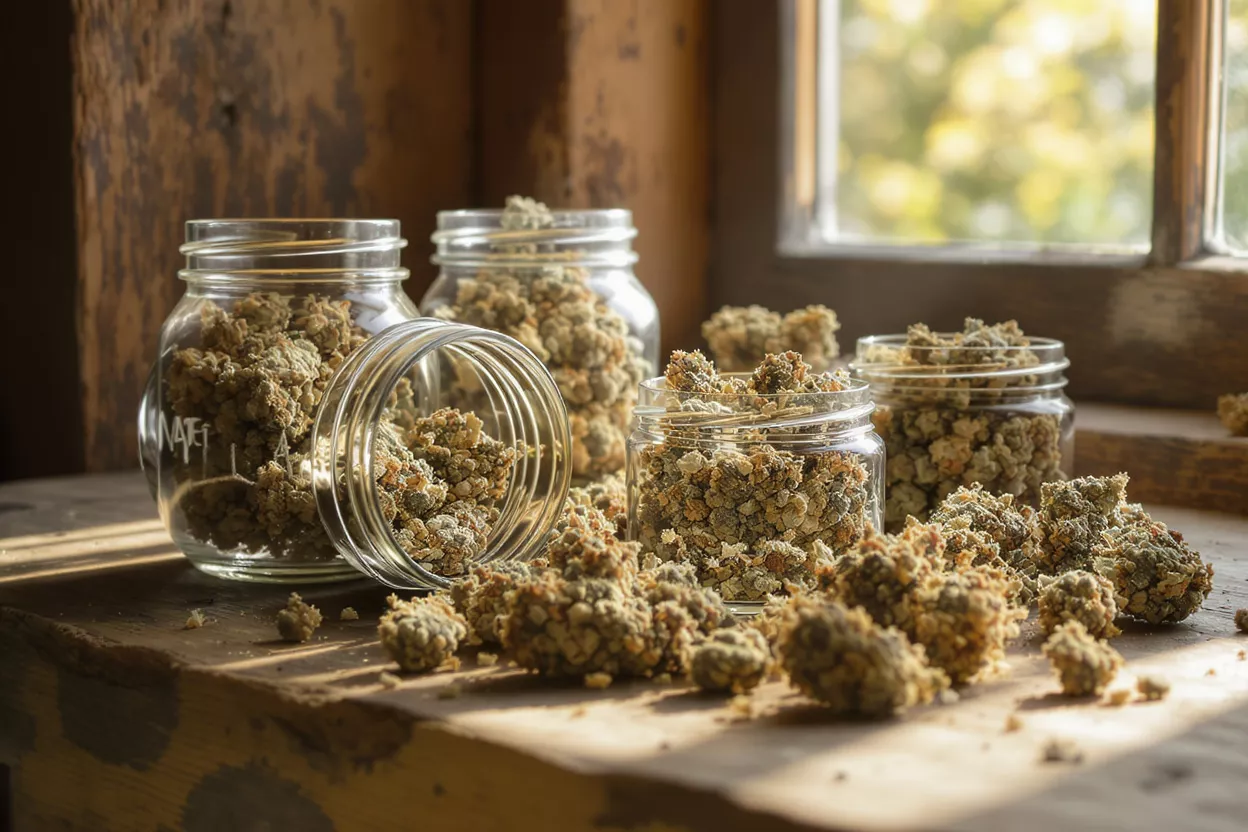
Cannabis flower remains the most beloved format for connoisseurs and casual users alike, and Saskatchewan retailers stock an impressive rotation of indica, sativa, and hybrid strains. The best flower balances potency with a rich terpene profile that delivers character beyond raw THC numbers. Terpenes like valencene contribute citrusy, uplifting notes, while myrcene and caryophyllene drive the relaxing, earthy qualities many users seek.
Choosing strains by effect matters more than chasing the highest THC percentage. Indica-dominant flower tends toward body relaxation and evening use, sativas energize and suit daytime activity, and hybrids land somewhere between. Popular high-potency cultivars sometimes labelled zaza command premium prices, but a balanced mid-range strain often delivers a more enjoyable, well-rounded experience for everyday use.
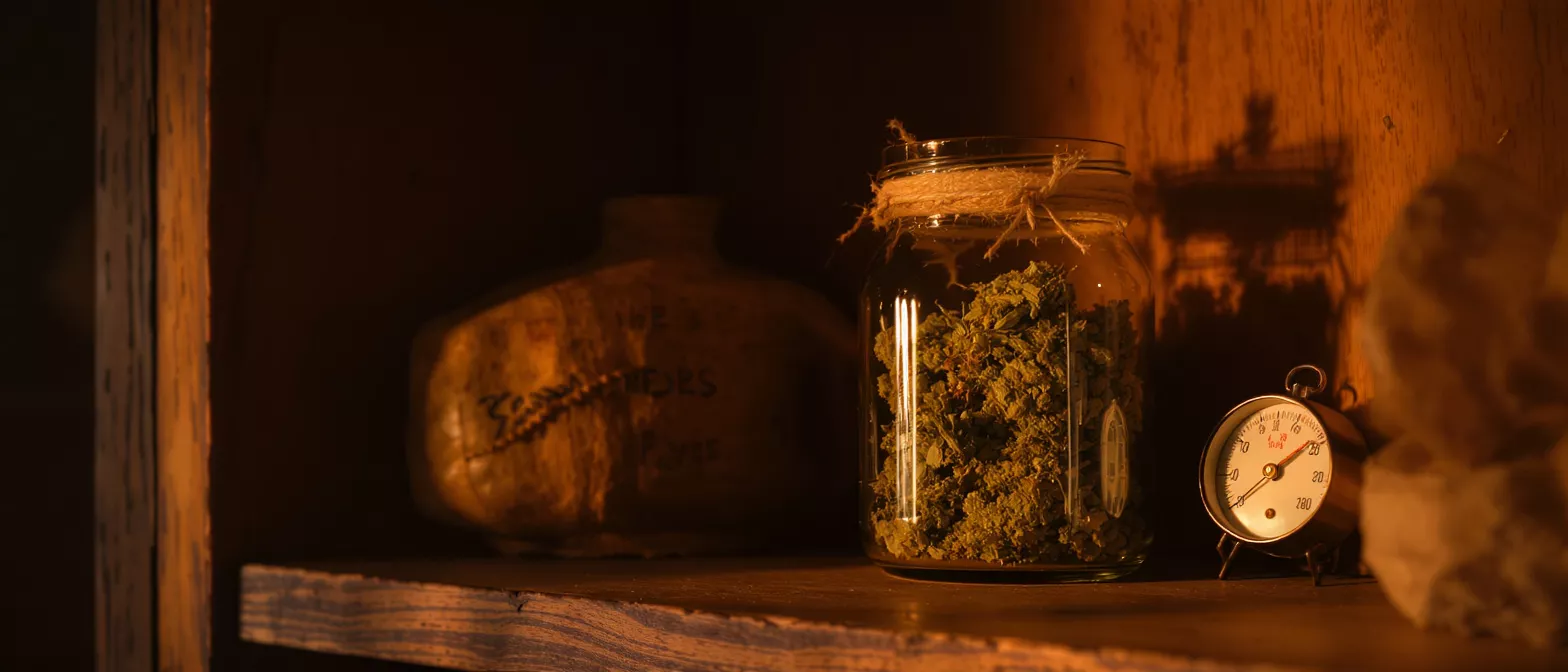
Storage and freshness protect your investment. Cannabis flower stays at its best when kept in airtight glass away from light and heat, ideally with humidity control. For buyers who appreciate exceptional aroma and slow-cured quality, premium small-batch flower rewards the extra attention. Proper winterization and careful curing during production also influence how clean and smooth the final smoke tastes.
Cannabis Edibles and Concentrates in Saskatchewan
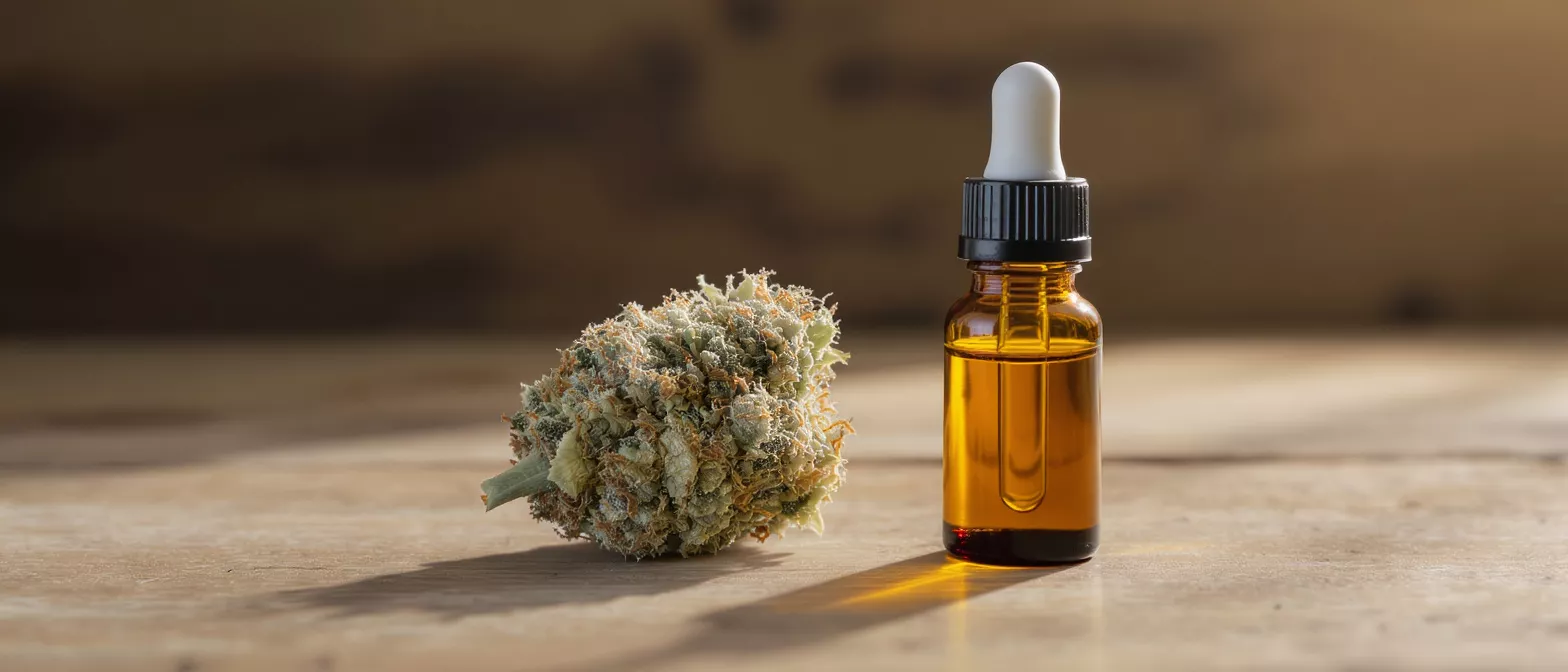
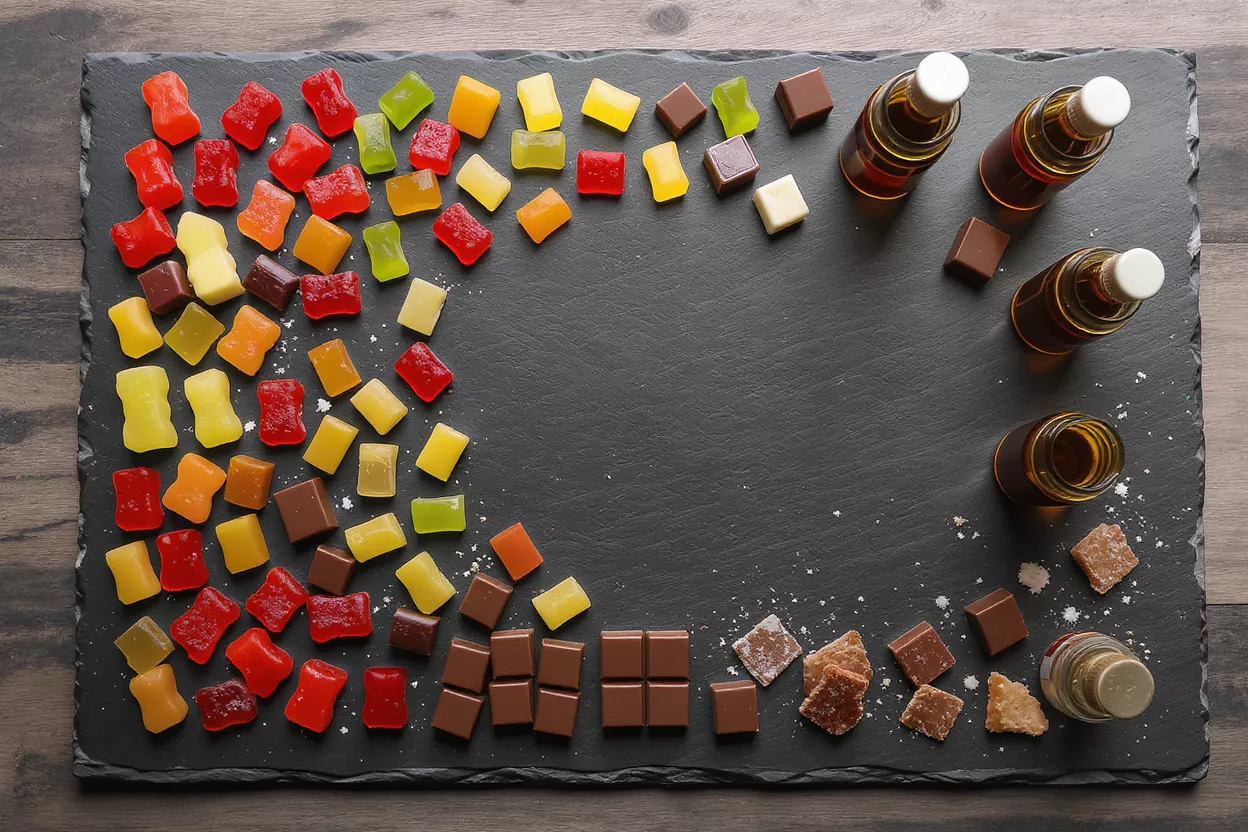
Edibles and concentrates represent the fastest-growing categories in Saskatchewan's cannabis market, drawing in both newcomers who prefer not to smoke and veterans chasing intense, long-lasting effects. Edibles include gummies, chocolates, baked goods, and beverages, all capped at 10 milligrams of THC per package under federal rules. Concentrates range from rosin and live resin to shatter and distillate, offering far higher potency per gram.
Understanding edible onset is essential for a positive experience. Because edibles pass through the digestive system, effects typically take 30 minutes to two hours to appear and last considerably longer than inhaled cannabis. Ingredients like xanthan gum help stabilize many gummies and beverages, ensuring consistent dosing across each piece. Patience is the golden rule; redosing too early causes the majority of uncomfortable experiences.
Concentrate formats explained can intimidate beginners. Extraction methods such as alcohol extraction and hydrocarbon processing produce different textures and flavours, and dabbing equipment with proper adapters lets users dial in temperature for cleaner vapour. For those curious about high-potency options, a beginner-friendly concentrate sampler offers a low-commitment way to explore textures from budder to sauce without overbuying.
Saskatchewan Cannabis Prices and What to Expect
Cannabis prices in Saskatchewan fluctuate based on quality tier, format, and the competitive private retail environment. Dried flower commonly ranges from budget ounces around the lower end to premium top-shelf grams that cost several times more per gram. The private model generally keeps Saskatchewan pricing competitive, with frequent sales and loyalty programs rewarding repeat customers who pay attention to promotions.
Value-conscious shoppers find the best deals by buying in larger quantities, watching for weekly specials, and comparing per-gram pricing across formats. A larger ounce purchase almost always lowers the per-gram cost compared to single grams, while pre-rolls and infused products carry a convenience premium for the processing involved.
Price should never be the only factor, since extremely cheap flower often reflects older inventory or lower-grade trim. Balancing cost against freshness, potency, and terpene quality delivers the best overall value for your money.
- 💰 Buy in bulk: Ounces and half-ounces dramatically reduce per-gram cost.
- 🏷️ Watch for sales: Saskatchewan's private retailers run frequent promotions and loyalty rewards.
- ⚖️ Compare per-gram pricing: Larger formats almost always offer better value than singles.
- ✨ Weigh quality vs price: The cheapest option rarely delivers the best experience.
Online Cannabis and Delivery in Saskatchewan
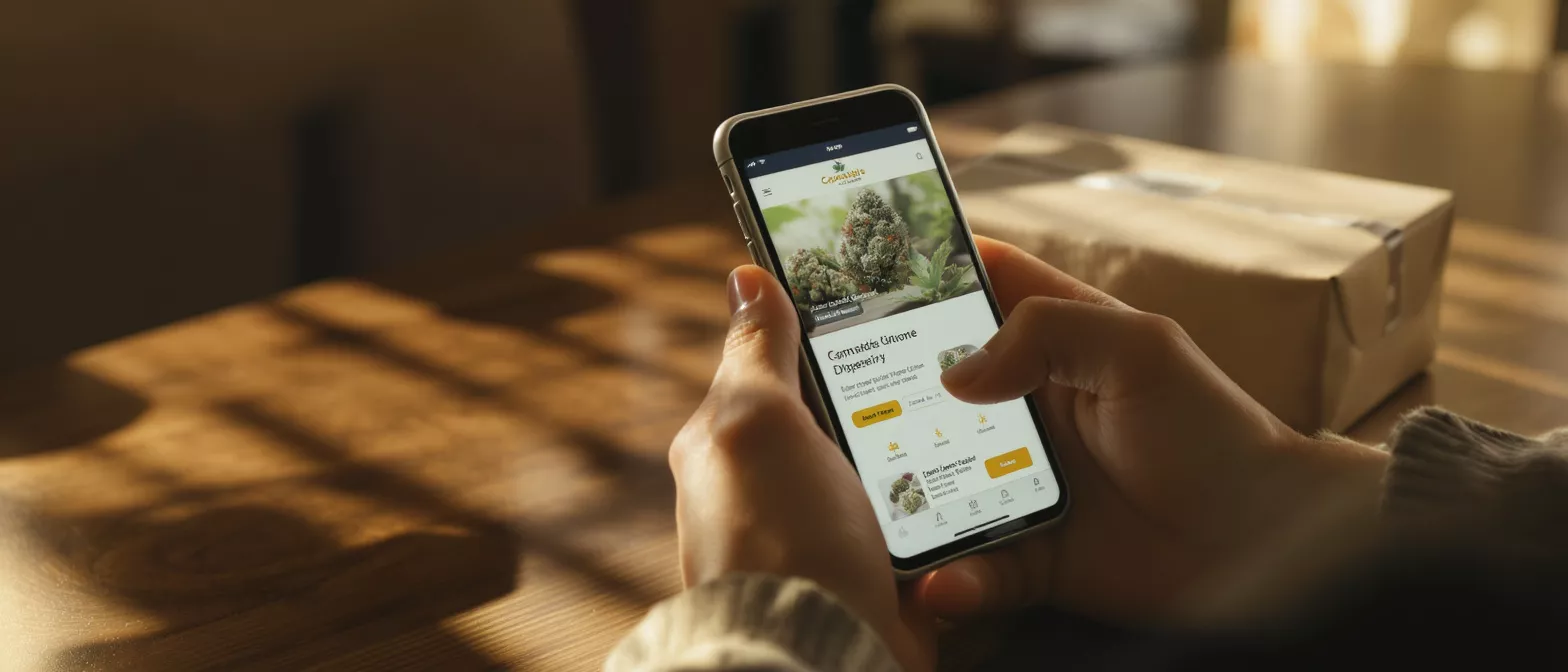
Online cannabis shopping has transformed how Saskatchewan residents access their favourite products, particularly for those in smaller communities far from a physical storefront. Licensed online retailers display full menus with detailed product information, cannabinoid percentages, and customer reviews, letting you research thoroughly before committing. Delivery windows vary by location, with major cities often enjoying same-day or next-day service.
What to look for online mirrors in-store quality signals plus a few digital extras. Clear product photography, detailed lab data, transparent shipping policies, and responsive customer service all indicate a trustworthy retailer. Always confirm the site holds proper SLGA licensing before entering any payment information, as only licensed sellers guarantee tested, legal product.
Discreet packaging and reliable tracking add peace of mind for online orders. Many shoppers appreciate browsing the full catalogue at their own pace, whether stocking up before a long weekend, the 420 holiday, or simply restocking essentials. For accessories, online stores carry everything from grinders to a complete dabbing rig kit shipped straight to your door.
Saskatchewan Cannabis Laws Every Buyer Should Know
Saskatchewan cannabis laws blend federal regulations with provincial rules that every buyer should understand. The legal minimum age is 19, public possession is capped at 30 grams of dried cannabis or its equivalent, and consumption is restricted to private property in most cases. Driving under the influence carries serious penalties, and cannabis must be transported in a sealed container out of reach of the driver.
Home cultivation follows federal allowances, permitting up to four plants per household for personal use. However, landlords and condo boards may restrict growing on their properties, so renters should check their agreements first. Plants must be kept out of public view and away from minors, reflecting the same care that governs storage of finished product.
Public consumption rules tend to surprise newcomers. Smoking or vaping cannabis in public spaces is largely prohibited, mirroring tobacco restrictions, and many municipalities add their own bylaws. Knowing these limits before you light up prevents fines and keeps the legal market in good standing with the broader community.

Choosing the Right Saskatchewan Cannabis for You
Selecting the right cannabis ultimately comes down to matching products to your goals, experience level, and lifestyle. A first-time user might start with a low-THC flower or a single 2.5 milligram edible, while a seasoned consumer could reach for high-potency concentrates without hesitation. There is no universally best product, only the best product for your particular needs on a given day.
Pay attention to how your body responds and keep informal notes on strains, formats, and doses that work well. Over time this builds a personal map of preferences that makes every future purchase faster and more satisfying. Budtenders and online product descriptions become far more useful once you can articulate the effects you are chasing.
Saskatchewan's private retail market gives consumers remarkable choice, competitive pricing, and a steadily improving selection of tested, regulated cannabis. By searching thoughtfully for a dispensary near me in Saskatchewan, comparing options on quality rather than price alone, and starting low with anything new, you set yourself up for consistently good experiences. Whether you favour classic flower, modern concentrates, or convenient edibles, the province's legal market has matured into a reliable, rewarding place to shop.