
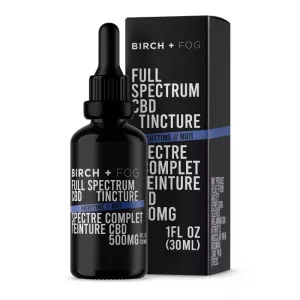
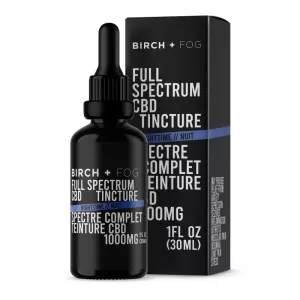
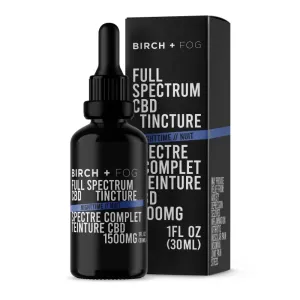
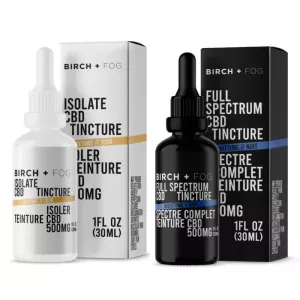


Sleep Tinctures
Dream Deeper: Curated Sleep Tinctures

Restorative formulas for peaceful nights

Don't forget to check out the Weekly Deals from BIRCH+FOG!

Woman in a light dress holding a dropper bottle, sitting on a bed.

Sleep Tinctures

Discover how sleep tinctures with CBN and THC promote deep, restful sleep.

Showing 1–10 of 10 results

Sleep Tinctures: Your Guide to Cannabis-Enhanced Rest

Sleep tinctures represent a growing category of cannabis wellness products designed specifically to promote deeper, more restful sleep. Unlike traditional sleep aids that rely on synthetic compounds, these liquid extracts harness the natural sedative properties of cannabinoids like CBN and THC to help you fall asleep faster and stay asleep longer. Whether you're dealing with occasional sleeplessness or looking for a natural alternative to pharmaceutical sleep medications, understanding how these tinctures work can transform your nightly routine.

What Are Sleep Tinctures and How Do They Work

Cannabis-based sleep formulations are liquid extracts that combine specific cannabinoids known for their sedative effects with carrier oils for easy absorption. The primary mechanism involves CBN (cannabinol), often called "nature's sleeping pill," which forms when THC ages and breaks down. This process creates a compound that's significantly more sedating than its parent molecule. When you place a few drops under your tongue, the cannabinoids absorb directly into your bloodstream through the sublingual tissues, bypassing the digestive system for faster onset—typically within 15-30 minutes. The entourage effect plays a crucial role here, as multiple cannabinoids work synergistically with terpenes like myrcene and linalool to enhance the overall sedative impact.

CBN vs THC: Which Sleep Tinctures Work Best

CBN-dominant formulations offer a more gentle, non-intoxicating approach to sleep enhancement, making them ideal for users who want rest without the psychoactive effects. CBN binds weakly to CB1 receptors, producing minimal cognitive impairment while still promoting drowsiness through its interaction with the body's natural sleep-wake cycle. Research suggests that CBN works particularly well for maintaining sleep rather than initiating it, helping reduce middle-of-the-night awakenings. THC-based sleep tinctures, on the other hand, provide more immediate sedation by directly activating CB1 receptors in the brain's sleep centers. While THC can be highly effective for falling asleep quickly, it may interfere with REM sleep patterns and can lead to tolerance over time. Many premium formulations combine both cannabinoids in specific ratios—often 2:1 or 3:1 CBN to THC—to maximize benefits while minimizing potential drawbacks like morning grogginess or dependency concerns.

Sleep Tinctures Benefits for Deep Rest

The therapeutic advantages of sleep tinctures extend far beyond simple sedation, offering a comprehensive approach to sleep wellness that addresses multiple aspects of rest quality. Users consistently report falling asleep 30-50% faster compared to their baseline, with many experiencing their first full night's sleep in months or even years. Enhanced sleep architecture represents one of the most significant benefits, as cannabinoids help regulate the sleep-wake cycle by interacting with the endocannabinoid system's role in circadian rhythm maintenance. Unlike pharmaceutical sleep aids that often leave users feeling groggy or dependent, cannabis tinctures typically allow for more natural sleep cycles and easier morning awakening. The anti-inflammatory and pain-relieving properties of cannabinoids also address underlying physical discomfort that commonly disrupts sleep, while the anxiety-reducing effects help quiet racing thoughts that keep minds active at bedtime. Many users find that consistent use actually improves their natural sleep patterns over time, requiring lower doses as their sleep hygiene and circadian rhythms normalize.

Types of Sleep Tinctures Available

The sleep tincture market offers diverse formulations tailored to different sleep challenges and user preferences, each designed with specific cannabinoid profiles and complementary ingredients. Full-spectrum sleep blends contain the complete cannabinoid and terpene profile from the source plant, maximizing the entourage effect for comprehensive sleep support, while broad-spectrum options remove THC for users in restricted environments or those sensitive to psychoactive effects. Isolate-based tinctures focus on single cannabinoids like pure CBN, offering precise dosing for users who want to avoid any potential drug interactions or prefer minimal ingredient lists.

  • 🌙 CBN-Dominant Formulas: 5-25mg CBN with minimal THC for gentle, non-intoxicating sleep support
  • 💤 THC Sleep Blends: 2.5-10mg THC combined with CBN for rapid sleep onset
  • 🌿 Terpene-Enhanced Versions: Added myrcene, linalool, and terpinolene for amplified sedative effects
  • ⚖️ Micro-Dose Options: 1-2.5mg total cannabinoids for sleep maintenance without morning effects
  • 🎯 Fast-Acting Formulations: Nano-emulsified cannabinoids for 10-15 minute onset times

Sleep Tincture Dosage Guide for Beginners

Proper dosing represents the most critical factor in sleep tincture success, as the difference between restful sleep and unwanted side effects often comes down to finding your personal sweet spot through careful experimentation. Start low and go slow remains the golden rule, with most experts recommending an initial dose of 1-2.5mg of total cannabinoids taken 30-60 minutes before desired bedtime. Begin with a single drop or the manufacturer's minimum recommended serving size, holding the tincture under your tongue for 60-90 seconds before swallowing to maximize absorption. Track your response for at least three nights before increasing the dose, as sleep improvement often appears gradually rather than immediately. Increase by 1-2.5mg increments weekly until you achieve your desired sleep quality without experiencing morning grogginess or other adverse effects. Most users find their optimal dose falls between 2.5-15mg of total cannabinoids, though individual tolerance, body weight, and metabolism significantly influence these ranges. Take your dose consistently at the same time each night to help establish healthy sleep patterns and maintain stable blood levels of active compounds.

How to Choose Quality Sleep Tinctures

Third-party lab testing serves as the most reliable indicator of tincture quality, ensuring accurate potency labeling and confirming the absence of harmful contaminants like pesticides, heavy metals, and residual solvents. Look for certificates of analysis (COAs) that test for the full cannabinoid profile, not just THC and CBD, as this reveals whether the product actually contains the CBN levels advertised for sleep benefits. Premium manufacturers use CO2 or ethanol extraction methods that preserve the full spectrum of beneficial compounds while avoiding harsh chemical solvents that can leave behind toxic residues. Organic source material and carrier oils indicate a commitment to purity, with many top-tier products using organic MCT oil, hemp seed oil, or olive oil as carriers for optimal bioavailability and shelf stability. Pay attention to the cannabinoid ratios listed on the label—effective sleep formulations typically contain at least 3-5mg of CBN per serving, often combined with complementary amounts of THC or CBD. Avoid products with artificial flavoring, colors, or unnecessary additives that can interfere with absorption or cause sensitivities, and choose brands that provide detailed information about their cultivation, extraction, and manufacturing processes.

Sleep Tinctures vs Other Natural Sleep Aids

When compared to traditional natural sleep aids like melatonin, valerian root, and chamomile, cannabis sleep tinctures offer several distinct advantages in terms of both efficacy and versatility. Melatonin supplementation works primarily by signaling the brain that it's time to sleep, but provides little help for staying asleep or managing pain-related sleep disruptions, whereas cannabinoid-based tinctures address multiple pathways involved in sleep maintenance and quality. Unlike melatonin, which can lose effectiveness over time and may cause vivid dreams or morning grogginess, cannabis tinctures often provide more consistent results with the potential for reduced dependency as natural sleep patterns improve. Prescription sleep medications like zolpidem (Ambien) or eszopiclone (Lunesta) carry significant risks of dependency, memory problems, and dangerous sleep behaviors, while cannabis tinctures generally offer a gentler profile with fewer concerning side effects. The customizable nature of tinctures also provides an advantage over fixed-dose capsules or tablets, allowing users to fine-tune their dosing based on nightly needs and gradually reduce intake as sleep quality improves naturally.

Are Sleep Tinctures Safe for Nightly Use

Long-term safety profiles for cannabis sleep tinctures appear favorable based on current research and user reports, though individual responses can vary significantly based on dosage, frequency, and personal health factors. Unlike many pharmaceutical sleep aids that carry warnings about dependency and cognitive impairment, cannabinoids like CBN show minimal risk of physical dependence when used responsibly. However, regular THC use can lead to tolerance, requiring progressively higher doses for the same effect, which is why many experts recommend occasional "tolerance breaks" or cycling between different formulations. The most commonly reported side effects include mild morning drowsiness, dry mouth, and occasional vivid dreams, typically occurring with higher doses or THC-dominant formulations. Drug interactions remain a consideration, particularly for users taking blood thinners, seizure medications, or other sedatives, as cannabinoids can potentially amplify or interfere with these medications' effects. Individuals with respiratory conditions, heart problems, or psychiatric disorders should consult healthcare providers before incorporating cannabis tinctures into their sleep routine, and pregnant or breastfeeding women should avoid cannabis products entirely due to unknown developmental risks.

Sleep tinctures represent a promising natural approach to achieving better rest quality, offering customizable dosing, fast-acting relief, and fewer side effects than many conventional sleep aids. The key to success lies in choosing high-quality products from reputable manufacturers, starting with conservative doses, and maintaining consistent usage patterns that support your body's natural sleep-wake cycle. As research continues to expand our understanding of how cannabinoids interact with sleep physiology, these products are likely to become an increasingly important tool for anyone seeking sustainable, effective sleep support without the drawbacks of pharmaceutical alternatives. Remember that the best sleep tincture is the one that helps you achieve restful nights while fitting seamlessly into your wellness routine—take time to experiment with different formulations and dosages to discover what works best for your unique needs.


Frequently Asked Questions

What are sleep tinctures and how do they work?

Sleep tinctures are liquid cannabis extracts containing cannabinoids like CBN and THC that promote rest. They work by absorbing under the tongue into the bloodstream, where cannabinoids interact with sleep receptors in the brain to reduce the time it takes to fall asleep and improve sleep quality.

Which is better for sleep: CBN or THC tinctures?

CBN tinctures offer gentle, non-intoxicating sleep support ideal for maintaining sleep without psychoactive effects. THC tinctures provide faster sleep onset but may cause morning grogginess. Many premium products combine both cannabinoids in 2:1 or 3:1 CBN to THC ratios for optimal results.

What dosage of sleep tinctures should beginners start with?

Beginners should start with 1-2.5mg of total cannabinoids taken 30-60 minutes before bedtime. Hold the tincture under your tongue for 60-90 seconds before swallowing. Wait at least three nights before increasing the dose by 1-2.5mg increments weekly until desired effects are achieved.

How long do sleep tinctures take to work?

Sleep tinctures typically take effect within 15-30 minutes when taken sublingually (under the tongue). Fast-acting nano-emulsified formulations may work in 10-15 minutes. For best results, take your dose 30-60 minutes before your intended bedtime.

Are sleep tinctures safe for nightly use?

Sleep tinctures generally have favorable safety profiles for regular use, especially CBN-dominant formulations. THC products may cause tolerance over time, requiring occasional breaks. Common mild side effects include morning drowsiness and dry mouth. Consult healthcare providers if taking medications or having health conditions.

Do sleep tinctures cause morning grogginess?

High-quality sleep tinctures formulated with proper CBN to THC ratios typically cause minimal morning grogginess when dosed correctly. Start with low doses and avoid THC-heavy formulations if you're sensitive to morning effects. Most users report feeling refreshed rather than groggy.

Can I take sleep tinctures with other sleep aids?

Avoid combining sleep tinctures with prescription sleep medications or alcohol as this may increase sedation risks. Cannabis can interact with blood thinners and seizure medications. Always consult your healthcare provider before combining cannabis products with other medications or supplements.

What's the difference between full-spectrum and isolate sleep tinctures?

Full-spectrum sleep tinctures contain multiple cannabinoids and terpenes that work together through the entourage effect for comprehensive sleep support. Isolate tinctures contain single cannabinoids like pure CBN, offering precise dosing and avoiding any THC content for users in restricted situations.

Popular Categories

Canada's #1 Online Cannabis Dispensary: Over 600 Premium Products with Daily Deals

Learn More About Sleep Tinctures

Sleep Tinctures Essentials

Sleep tinctures have emerged as one of the most trusted natural solutions for those seeking restful nights without the harsh side effects of traditional sleep aids. At BIRCH+FOG, our carefully curated collection represents the pinnacle of sleep-supporting cannabis formulations, designed to help you transition from restless nights to restorative sleep cycles. Whether you're dealing with occasional sleeplessness or chronic insomnia, understanding the essentials of sleep tinctures will empower you to make the right choice for your unique sleep needs.

What Are Sleep Tinctures

Sleep-specific cannabis extracts: Sleep tinctures are concentrated liquid formulations that combine cannabis compounds with carefully selected botanicals to promote relaxation and deep sleep. Unlike general-purpose tinctures, these products are specifically formulated with higher ratios of sedating cannabinoids like CBN and sleep-promoting terpenes such as myrcene and linalool, creating a synergistic effect that naturally guides your body toward rest. The sublingual delivery method allows these compounds to bypass digestive processing, providing faster onset times compared to edibles while maintaining the longer-lasting effects that make them ideal for maintaining sleep throughout the night 😴

How Sleep Tinctures Work for Rest

Endocannabinoid system activation: Sleep tinctures work by interacting with your body's endocannabinoid system, particularly the CB1 receptors in your brain that regulate sleep-wake cycles and stress response. When you place a sleep tincture under your tongue, the cannabinoids begin working within 15-30 minutes to reduce cortisol levels, slow racing thoughts, and activate the parasympathetic nervous system that signals your body it's time to wind down. The carefully balanced ratios of THC, CBD, and CBN create what's known as the entourage effect, where each compound amplifies the others' sleep-promoting properties while minimizing any unwanted effects like morning grogginess.

Best Sleep Tinctures for Insomnia

The most effective sleep tinctures for chronic insomnia typically feature high-CBN formulations combined with indica-dominant strains known for their sedating properties. These therapeutic blends address both the inability to fall asleep and the frustrating pattern of waking up multiple times during the night, providing sustained relief that lasts 6-8 hours.

  • 🌙 High-CBN formulas: Contain 5-15mg CBN per dose for deep sedation
  • 🌿 Full-spectrum blends: Include minor cannabinoids and sleep terpenes
  • ⚖️ Balanced ratios: 1:1:1 THC:CBD:CBN for comprehensive sleep support
  • 🕘 Extended-release options: Specially formulated for 8+ hour sleep duration
  • 🌱 Botanical additions: Enhanced with melatonin, valerian, or chamomile

Types of Sleep Tincture Formulas

Cannabinoid-specific formulations: Sleep tinctures come in several distinct formula types, each targeting different aspects of sleep challenges. CBD-dominant tinctures (10:1 or 20:1 CBD:THC) work exceptionally well for anxiety-induced insomnia, providing calming effects without psychoactive intensity, while THC-forward formulas (3:1 or 5:1 THC:CBD) offer more pronounced sedation for those who struggle with severe sleep disruption. Specialized nighttime blends: Many of our most popular sleep tinctures incorporate additional natural sleep aids like passionflower, lemon balm, or magnesium, creating comprehensive formulas that address multiple pathways to better sleep while supporting your body's natural circadian rhythm restoration.

Are Sleep Tinctures Safe Nightly

Long-term safety profile: Research indicates that cannabis-based sleep aids, particularly those with balanced cannabinoid profiles, can be used nightly without the dependency risks associated with pharmaceutical sleep medications. Unlike benzodiazepines or Z-drugs, sleep tinctures don't suppress REM sleep or create rebound insomnia when discontinued, making them a sustainable long-term solution for chronic sleep issues. Most users can safely incorporate sleep tinctures into their nightly routine for months or years, though it's wise to take occasional tolerance breaks and work with healthcare providers familiar with cannabis medicine to optimize your regimen and ensure it continues meeting your evolving sleep needs.

Sleep tinctures represent a sophisticated approach to natural sleep support, offering precise dosing, predictable effects, and the flexibility to customize your experience based on your specific sleep challenges. With BIRCH+FOG's expertly curated selection, you have access to the highest quality sleep formulations designed to transform your nights from restless struggle to restorative sanctuary, helping you wake up refreshed and ready to embrace each new day.

Understanding Sleep Tincture Types & Formulas

Sleep tinctures come in remarkably diverse formulations, each designed to address specific sleep challenges through carefully crafted cannabinoid profiles and complementary ingredients. Understanding these different types and formulas helps you identify which approach aligns best with your unique sleep patterns and preferences. Whether you're dealing with difficulty falling asleep, staying asleep, or achieving truly restorative rest, there's likely a targeted tincture formulation designed for your specific situation.

What Are Different Sleep Tincture Types

CBD-dominant sleep tinctures typically contain high levels of CBD with minimal or no THC, making them ideal for those seeking relaxation without psychoactive effects. THC-based sleep formulas leverage the sedating properties of THC, often combined with specific terpenes like myrcene and linalool to enhance sleepiness and promote deeper rest phases throughout the night.

How Sleep Tincture Formulas Vary

Ratio-based formulations represent the most sophisticated approach to sleep tincture design, with popular ratios including 1:1 CBD:THC for balanced effects, 2:1 CBD:THC for gentle relaxation, or 5:1 CBD:THC for minimal psychoactivity while maintaining therapeutic benefits. These precise ratios allow manufacturers to create predictable effects profiles that cater to different tolerance levels and sleep requirements, while additional botanicals like chamomile, valerian root, or passionflower often complement the cannabinoid base for enhanced sleep support.

Best Sleep Tinctures for Specific Needs

Different sleep challenges require targeted approaches, and modern tincture formulations address these specific needs through strategic ingredient selection. Fast-acting formulas utilize nano-emulsion technology or alcohol-based extractions for quicker onset, while extended-release formulations combine immediate and delayed-release compounds to support sleep maintenance throughout the night.

  • 🌙 Falling Asleep: Fast-onset formulas with higher THC or CBN concentrations
  • Staying Asleep: Extended-release formulations with balanced cannabinoid profiles
  • 🔄 Sleep Quality: Terpene-rich blends featuring myrcene, linalool, and beta-caryophyllene
  • 😌 Anxiety-Related Insomnia: CBD-dominant formulas with adaptogenic herbs
  • 🩹 Pain-Disrupted Sleep: Higher-ratio THC formulations with anti-inflammatory terpenes

Types of Sleep Tincture Bases

Oil-based sleep tinctures typically use carriers like MCT oil, hemp seed oil, or olive oil, providing longer-lasting effects through slower absorption and enhanced bioavailability when taken sublingually. Alcohol-based tinctures offer faster onset times and more efficient cannabinoid extraction, though they may not be suitable for everyone due to the alcohol content, while water-soluble formulations provide the quickest onset but often require more frequent dosing to maintain effects throughout the night.

Are Sleep Tincture Combinations Effective

Synergistic formulations that combine multiple cannabinoids like CBD, THC, CBN, and CBG with complementary botanical extracts often prove more effective than single-compound approaches, leveraging the entourage effect to create comprehensive sleep support. These complex formulations allow for lower individual cannabinoid doses while achieving superior therapeutic outcomes, making them particularly valuable for those seeking gentle yet effective sleep enhancement without morning grogginess or dependency concerns.

The diversity of sleep tincture types and formulas available today means you can find precisely the right approach for your unique sleep challenges. From simple single-cannabinoid solutions to complex multi-ingredient formulations, each type offers distinct advantages depending on your specific needs, tolerance level, and desired effects profile. Understanding these differences empowers you to make informed choices and work with your healthcare provider to identify the most effective sleep tincture formula for your individual situation.

Sleep Benefits & Effects

Understanding how sleep tinctures work and what benefits they provide can help you make informed decisions about incorporating them into your nightly routine. Unlike other sleep aids, tinctures offer precise dosing and faster onset times, making them an increasingly popular choice for those seeking natural sleep support. Let's explore the science behind these formulations and what you can realistically expect from consistent use.

How Sleep Tinctures Work in Your Body

Sublingual absorption provides the fastest pathway to effectiveness: When you hold a sleep tincture under your tongue for 30-60 seconds, the active compounds bypass your digestive system and enter your bloodstream directly through the mucous membranes. This sublingual method typically produces noticeable effects within 15-30 minutes, compared to 45-90 minutes for capsules or edibles. Your body's endocannabinoid system responds to cannabinoids like CBD and CBN by promoting relaxation and regulating sleep-wake cycles, while complementary ingredients like melatonin signal your brain that it's time to wind down naturally.

What Are the Main Benefits of Sleep Tinctures

Sleep tinctures offer a comprehensive approach to improving sleep quality that extends beyond simply helping you fall asleep faster. Regular users report experiencing deeper, more restorative sleep cycles, reduced nighttime anxiety, and improved morning alertness without the grogginess associated with pharmaceutical sleep aids. The key advantages include:

  • 🌙 Faster sleep onset: Most users fall asleep 20-40% quicker than without assistance
  • 💤 Longer sleep duration: Reduced middle-of-the-night wake-ups and earlier morning rising
  • 🧠 Enhanced sleep quality: More time spent in deep, restorative sleep phases
  • ⚖️ Balanced morning recovery: Wake up refreshed without next-day drowsiness
  • 🎯 Precise dosing control: Adjust your dose drop-by-drop to find your optimal amount

Sleep Tincture Effects Timeline and Duration

The onset and duration of sleep tincture effects depend on several factors including your metabolism, body weight, and whether you've eaten recently: Most people begin feeling relaxed and drowsy within 15-45 minutes of sublingual administration, with peak effects occurring around the 1-2 hour mark. The sleep-promoting effects typically last 6-8 hours, making them ideal for a full night's rest without morning grogginess. Consistency matters more than individual doses when it comes to long-term sleep improvement— many users find that their sleep quality continues to improve over the first 2-3 weeks of regular use as their body's natural sleep rhythms become more regulated.

Comparing Sleep Tincture Ingredients and Their Effects

Different sleep tincture formulations target various aspects of sleep challenges, and understanding these ingredient profiles helps you choose the most appropriate option for your specific needs. CBD-dominant tinctures excel at reducing anxiety and racing thoughts that prevent sleep onset, while CBN-focused formulas provide more sedating effects for those who struggle with staying asleep throughout the night. Combination formulas that include natural sleep aids like melatonin, chamomile, or valerian root offer synergistic benefits that address both the mental and physical aspects of sleep preparation, creating a more comprehensive approach to nightly rest than single-ingredient options.

Are Sleep Tinctures Safe for Nightly Use

Most high-quality sleep tinctures are formulated for regular, long-term use without the dependency risks associated with prescription sleep medications: Hemp-derived CBD and CBN have excellent safety profiles with minimal side effects, and natural ingredients like melatonin can actually help restore your body's circadian rhythm when used consistently. However, it's important to start with lower doses and gradually increase as needed, monitor how your body responds over time, and consult with healthcare providers if you're taking other medications or have underlying health conditions. The non-habit-forming nature of most tincture ingredients means you can adjust or discontinue use without withdrawal symptoms, making them a sustainable option for ongoing sleep support that works with your body's natural processes rather than overriding them.

The benefits and effects of sleep tinctures extend far beyond temporary drowsiness—they offer a pathway to naturally improved sleep architecture and overall wellness. By understanding how these formulations work in your body and what realistic outcomes to expect, you can approach sleep tinctures as part of a comprehensive strategy for better rest, rather than a quick fix that masks underlying sleep issues.

Sleep Tinctures Dosing & Usage Guide

Getting your sleep tincture dosing right can make the difference between restful nights and restless tossing. Unlike other cannabis products, tinctures offer precise control over your dose, but finding your personal sweet spot requires understanding how these liquid extracts work with your unique body chemistry. Whether you're new to sleep tinctures or looking to optimize your current routine, proper dosing techniques will help you achieve the deep, restorative sleep you're seeking.

What Are Proper Sleep Tincture Doses

Start low and go slow remains the golden rule for sleep tincture dosing, with most beginners finding success between 2.5-5mg of active cannabinoids for their first dose. The beauty of tinctures lies in their precise measurement capabilities—each dropper typically contains clearly marked milligram amounts, allowing you to increase by small increments of 1-2.5mg until you discover your optimal dose. Individual tolerance varies dramatically based on factors like body weight, metabolism, previous cannabis experience, and even what you've eaten that day, which is why starting conservatively protects you from taking too much and experiencing grogginess the next morning.

How Sleep Tinctures Work in Your Body

Sleep tinctures deliver cannabinoids through two distinct pathways that create a unique onset profile perfect for bedtime routines. When you hold the tincture under your tongue for 30-60 seconds before swallowing, some compounds absorb directly into your bloodstream through sublingual tissues, providing initial relaxation effects within 15-30 minutes, while the remainder travels to your digestive system where it's processed more slowly, extending the duration for 6-8 hours of sustained sleep support throughout the night.

Best Sleep Tincture Timing for Bedtime

Timing your dose 30-60 minutes before your intended bedtime allows the tincture's effects to align perfectly with your natural wind-down routine, giving you time to feel the initial relaxation while avoiding the frustration of lying awake waiting for effects to kick in. Consider these timing strategies for optimal results:

  • Full-spectrum tinctures: Take 45-60 minutes before bed for complete cannabinoid activation
  • 🌙 CBD-dominant formulas: Allow 30-45 minutes for gentle, non-intoxicating relaxation
  • 💤 THC-containing blends: Start 60-90 minutes early to gauge psychoactive effects
  • 🕘 Micro-dosing approach: Split your dose, taking half an hour earlier for gradual onset

Are Sleep Tinctures Safe for Nightly Use

Most people can safely use CBD-dominant sleep tinctures nightly without developing tolerance or dependency, though THC-containing formulas may require occasional breaks to maintain effectiveness. Listen to your body's signals and pay attention to morning alertness—if you're experiencing persistent grogginess, brain fog, or needing increasingly higher doses to achieve the same sleep benefits, it may be time for a short tolerance break or consultation with a healthcare provider familiar with cannabis therapeutics.

Sleep Tincture Dosing Mistakes to Avoid

Avoid the common trap of redosing too quickly when effects don't appear within the first 20 minutes, as tinctures can take up to 90 minutes to reach full potency, and taking additional doses can lead to overwhelming effects that disrupt rather than enhance your sleep quality. Another frequent mistake involves inconsistent administration—sometimes holding the tincture under your tongue, sometimes swallowing immediately—which creates unpredictable onset times and makes it difficult to establish a reliable dosing routine that works consistently night after night.

Mastering sleep tincture dosing is a personal journey that rewards patience and careful attention to your body's responses. By starting with conservative doses, timing your intake appropriately, and avoiding common dosing pitfalls, you'll develop a sustainable routine that supports consistent, quality sleep. Remember that your optimal dose may change over time due to stress levels, health changes, or tolerance shifts, so remain flexible and willing to adjust your approach as needed for the best long-term results.

Quality & Potency Standards for Sleep Tinctures

When investing in sleep tinctures, understanding quality and potency markers helps ensure you're getting products that deliver consistent, effective results. At BIRCH+FOG, our sleep tincture collection undergoes rigorous testing and quality control processes that guarantee both purity and accurate cannabinoid concentrations, giving you the confidence to achieve better rest night after night.

What Makes High-Quality Sleep Tinctures

Premium carrier oil selection: The foundation of any quality sleep tincture lies in its carrier oil, which affects both cannabinoid absorption and shelf stability. High-grade MCT oil, hemp seed oil, or organic olive oil should be used as the base, as these carriers enhance bioavailability while maintaining the tincture's potency over time. Quality manufacturers also ensure their carrier oils are food-grade and free from additives that could interfere with the sleep-promoting compounds. Additionally, the extraction process should preserve the natural terpenes that work synergistically with cannabinoids to enhance sleep benefits, creating what's known as the entourage effect for more comprehensive rest support.

How Potency Affects Sleep Tincture Effectiveness

Potency directly correlates with a sleep tincture's ability to promote deeper, more restorative sleep cycles. Higher-potency formulations typically contain concentrated amounts of sleep-specific cannabinoids like CBN and CBD, allowing users to achieve their desired effects with smaller serving sizes while maintaining consistent results. However, potency must be balanced with quality—a highly concentrated tincture made from inferior source material won't deliver the same therapeutic benefits as a moderately potent product crafted from premium hemp. The key lies in finding tinctures that offer optimal cannabinoid ratios specifically formulated for sleep, rather than simply seeking the highest milligram count available. 🌙

Testing Standards for Premium Sleep Tinctures

Third-party laboratory verification: Reputable sleep tinctures undergo comprehensive testing by independent laboratories that analyze both cannabinoid content and potential contaminants. These tests should verify the exact concentrations of sleep-promoting compounds like CBN, CBD, and relevant terpenes, ensuring the product matches its label claims for potency and effectiveness. Quality assurance testing also screens for pesticides, heavy metals, residual solvents, and microbial contaminants that could compromise both safety and therapeutic value. The most reliable manufacturers provide easily accessible Certificates of Analysis (COAs) that detail these test results, giving consumers transparency about what they're purchasing and confidence in the product's purity and potency standards.

Extraction Methods That Preserve Cannabinoid Quality

The extraction method used to create sleep tinctures significantly impacts both the quality and potency of the final product. CO2 extraction stands as the gold standard for preserving delicate cannabinoids and terpenes while eliminating unwanted compounds, resulting in clean, potent tinctures that maintain their effectiveness over time. This method operates at lower temperatures compared to other extraction techniques, preventing the degradation of heat-sensitive compounds that contribute to sleep benefits. Other quality extraction methods include ethanol-based processes that, when properly executed, can also yield high-quality sleep tinctures with excellent cannabinoid profiles and minimal residual solvents.

Identifying Potent Sleep Tinctures Before Purchase

Label transparency and dosing information: Quality sleep tinctures provide clear, detailed labeling that includes precise cannabinoid concentrations, recommended serving sizes, and total servings per bottle. Look for products that specify the exact amounts of sleep-promoting compounds like CBN and CBD rather than just listing total cannabinoid content, as this information helps you select the most appropriate potency for your needs. Additionally, premium manufacturers include batch numbers, expiration dates, and QR codes linking to current lab results, demonstrating their commitment to quality and potency consistency. Here are key indicators of high-quality, potent sleep tinctures:

  • 🔬 Detailed COA access: Current lab results showing exact cannabinoid profiles and contaminant screening
  • 📋 Specific cannabinoid breakdown: Clear listing of CBN, CBD, and other sleep-relevant compounds
  • 🌿 Source transparency: Information about hemp cultivation methods and extraction processes
  • 📅 Freshness indicators: Manufacturing dates and proper expiration dating for potency assurance
  • 🏷️ Third-party certifications: Independent quality seals from recognized testing organizations

By understanding these quality and potency standards, you can confidently select sleep tinctures that deliver consistent, effective results for better rest. The combination of premium ingredients, proper extraction methods, rigorous testing, and transparent labeling ensures that your investment in sleep support provides the therapeutic benefits you're seeking, night after night.

Choosing Your Perfect Sleep Tincture

Finding the right sleep tincture isn't about picking the strongest option on the shelf—it's about matching a product to your unique sleep challenges, experience level, and lifestyle needs. Whether you're dealing with racing thoughts at bedtime, frequent wake-ups, or simply want to enhance your natural sleep quality, the perfect tincture should feel like it was designed specifically for you. Let's explore how to make that ideal match happen.

What Are the Best Sleep Tinctures for Beginners

Low-dose CBD-dominant formulas serve as the gentlest introduction to sleep tinctures. If you're new to cannabis products, starting with a CBD-heavy tincture containing 2.5-5mg of THC per dose allows you to experience mild relaxation without overwhelming psychoactive effects. These beginner-friendly options typically combine CBD's calming properties with just enough THC to promote drowsiness, creating what many describe as a "warm blanket" feeling that naturally guides you toward sleep. Balanced ratio tinctures (1:1 or 2:1 CBD to THC) offer predictable effects that won't leave you feeling groggy or disoriented the next morning. Many first-time users find these formulations provide exactly the gentle nudge needed to quiet an active mind without the intensity that higher THC concentrations can bring.

How to Choose Sleep Tinctures for Your Sleep Pattern

Your specific sleep disruption pattern should directly influence which tincture formulation you choose. For trouble falling asleep, fast-acting tinctures with moderate THC levels (5-10mg) work best when taken 30-60 minutes before your desired bedtime, allowing the sedating effects to peak right as your head hits the pillow. If staying asleep through the night is your main challenge, look for tinctures that include CBN or other sleep-supporting cannabinoids that provide longer-lasting effects throughout your sleep cycle.

  • 🌙 Early bedtime struggles: Choose tinctures with terpenes like myrcene and linalool for immediate relaxation
  • Frequent night wakings: Opt for full-spectrum formulas that provide sustained cannabinoid release
  • ☀️ Early morning awakening: Select higher CBN content tinctures for deeper, more restorative sleep phases
  • 🔄 Inconsistent sleep schedule: Use microdose-friendly tinctures that allow flexible timing adjustments

Sleep Tincture Strength vs Your Experience Level

Cannabis tolerance and experience level should be your primary considerations when selecting tincture potency. Newcomers often make the mistake of assuming they need high-potency products to address serious sleep issues, but starting with 2.5-5mg doses allows you to build up gradually while learning how your body responds to different cannabinoid combinations. Experienced users who've built tolerance may find their sweet spot in the 10-25mg range, but even cannabis veterans benefit from periodically resetting with lower doses to maintain effectiveness. Regular tincture users should consider cycling between different formulations every few weeks to prevent tolerance buildup. This approach not only keeps the products working effectively but also helps you discover which specific cannabinoid profiles work best for different types of stressful periods or seasonal sleep pattern changes.

Which Sleep Tinctures Work Best for Insomnia

Chronic insomnia typically responds best to full-spectrum tinctures that combine multiple sleep-promoting cannabinoids with targeted terpene profiles. Look for products that specifically mention CBN content alongside CBD and THC, as this cannabinoid is particularly effective for addressing the type of persistent wakefulness that characterizes true insomnia rather than occasional sleeplessness. The most effective insomnia-focused tinctures often include sedating terpenes like myrcene, linalool, and bisabolol, which work synergistically with cannabinoids to promote both mental relaxation and physical sedation. Severe insomnia may require higher THC concentrations (15-25mg) combined with CBN for maximum effectiveness. However, it's crucial to work up to these levels gradually and consider taking them earlier in the evening to avoid morning grogginess, as the goal is restorative sleep that leaves you refreshed rather than heavily sedated.

Are Sleep Tinctures Right for Your Lifestyle

Your daily routine, work schedule, and morning responsibilities should heavily influence whether sleep tinctures fit your lifestyle needs. If you need to wake up early for demanding work or have unpredictable schedules, start with lower-dose formulations that won't leave you feeling foggy if you get less sleep than planned. Shift workers or people with irregular schedules often find that keeping both mild and stronger tincture options available allows them to adjust their approach based on how much recovery time they have available. Consider your tolerance for morning effects when choosing THC levels, as some people metabolize cannabinoids more slowly than others. Parents, healthcare workers, or anyone who might need to wake up alert during the night should generally stick to CBD-dominant formulas or very low THC doses, while those with more flexible morning routines can explore stronger options that provide deeper, more restorative sleep experiences.

The right sleep tincture becomes an invaluable tool in your wellness routine when properly matched to your individual needs and circumstances. Take time to honestly assess your sleep patterns, experience level, and lifestyle demands before making your selection—this thoughtful approach will help you find a product that enhances rather than complicates your path to better rest.

Top 10 Sleep Tips

Great sleep isn't just about what you take—it's about creating the perfect conditions for rest. Whether you're new to sleep tinctures or looking to enhance your current routine, these ten evidence-based tips will help you maximize both the effectiveness of your chosen products and your overall sleep quality. From environmental tweaks to timing strategies, these recommendations work synergistically with quality sleep tinctures to deliver the restorative rest you deserve.

10. Optimize Your Sleep Environment

Your bedroom environment plays a crucial role in sleep quality, working alongside your sleep tincture to create ideal conditions for rest. Keep your room between 60-67°F, invest in blackout curtains or an eye mask, and consider a white noise machine to mask disruptive sounds. The goal is to create a cave-like environment that signals to your body it's time to wind down.

Pay attention to your mattress and pillow quality—uncomfortable sleeping surfaces can counteract even the most effective tincture formulations. A supportive mattress and properly aligned pillow can significantly improve sleep onset and reduce nighttime awakenings.

9. Establish a Consistent Bedtime Routine

Consistency is key to training your body's internal clock. Start your wind-down routine 60-90 minutes before your target bedtime, incorporating calming activities like reading, gentle stretching, or meditation. This routine should include taking your sleep tincture at the same time each night to maintain consistent levels in your system.

Your routine acts as a signal to your body that sleep is approaching, making it easier for both natural processes and your chosen sleep aid to take effect. Stick to the same schedule even on weekends to maintain your circadian rhythm.

8. Limit Blue Light Exposure

Blue light from screens suppresses melatonin production, potentially interfering with your body's natural sleep signals and reducing the effectiveness of your sleep tincture. Install blue light filters on your devices or use blue light blocking glasses in the evening hours.

Consider switching to warm, dim lighting throughout your home after sunset. This creates an environment that supports your body's natural melatonin production, working in harmony with any melatonin-enhanced tinctures you might be using.

7. Mind Your Evening Nutrition

What you eat and drink in the evening can significantly impact sleep quality. Avoid large meals, caffeine, and alcohol within 3-4 hours of bedtime. While alcohol might initially make you feel drowsy, it disrupts sleep cycles and can reduce the effectiveness of sleep aids.

If you're hungry before bed, opt for a light snack containing complex carbohydrates or a small amount of protein. Foods rich in tryptophan, magnesium, or natural melatonin can complement your tincture routine and promote deeper, more restorative sleep.

6. Incorporate Relaxation Techniques

Active relaxation techniques can enhance the calming effects of your sleep tincture. Practice deep breathing exercises, progressive muscle relaxation, or gentle yoga stretches as part of your bedtime routine. These techniques help activate your parasympathetic nervous system, the body's "rest and digest" mode.

Meditation apps or guided relaxation recordings can be particularly helpful for beginners. The combination of mental relaxation techniques with quality sleep tinctures creates a powerful synergy for achieving restorative sleep 😴

5. Time Your Tincture Intake Properly

Timing is everything when it comes to sleep tinctures. Most formulations work best when taken 30-60 minutes before your desired bedtime, allowing sufficient time for absorption and onset of effects. Start with the recommended dosage and adjust timing based on your individual response.

Keep a sleep journal to track how different timing affects your sleep onset and quality. Some people find that taking their tincture with a small amount of food enhances absorption, while others prefer taking it on an empty stomach for faster onset.

4. Create a Tech-Free Bedroom

Remove or silence electronic devices in your bedroom to eliminate distractions and sleep disruptions. Charge your phone in another room, or at minimum, use airplane mode and place it face-down away from your bed. The bedroom should be associated solely with sleep and relaxation.

If you use your phone as an alarm, consider investing in a traditional alarm clock instead. This simple change can dramatically improve sleep quality and help you maintain the calm, focused state that sleep tinctures are designed to support.

3. Manage Stress and Racing Thoughts

Mental stress and anxiety are among the most common barriers to quality sleep. Develop strategies for processing daily stress before bedtime, such as journaling, planning tomorrow's tasks, or practicing gratitude. This mental clearing pairs beautifully with the calming effects of sleep tinctures.

If racing thoughts persist despite relaxation efforts, consider tinctures that contain additional calming compounds like linalool or other sleep-supporting botanicals. The key is addressing both the physical and mental aspects of sleep preparation.

2. Understand Your Sleep Cycles

Learning about your natural sleep patterns can help you optimize both bedtime and wake times for maximum restfulness. Most adults need 7-9 hours of sleep, but quality matters more than quantity. Pay attention to how you feel after different amounts of sleep and adjust accordingly.

Use your sleep tincture consistently to support healthy sleep architecture—the natural progression through light sleep, deep sleep, and REM stages. Quality sleep aids can help you spend more time in restorative deep sleep phases, leading to better morning alertness and daytime energy.

1. Develop a Personalized Sleep Strategy

The most effective sleep approach combines multiple strategies tailored to your unique needs and lifestyle. This might include a specific tincture formulation, environmental modifications, relaxation techniques, and timing adjustments that work specifically for you. What works for others may not work for you, so be patient with the experimentation process.

Track your sleep patterns, tincture effects, and overall well-being to identify what combination of factors produces your best sleep. Consider consulting with healthcare providers familiar with sleep medicine to develop a comprehensive approach that addresses any underlying sleep issues while maximizing the benefits of your chosen sleep tincture products.

Remember that building better sleep habits is a gradual process. Start with one or two of these tips alongside your tincture routine, then gradually incorporate others as they become natural parts of your evening ritual. The investment in better sleep pays dividends in every aspect of your daily life, from improved mood and energy to better physical health and mental clarity.