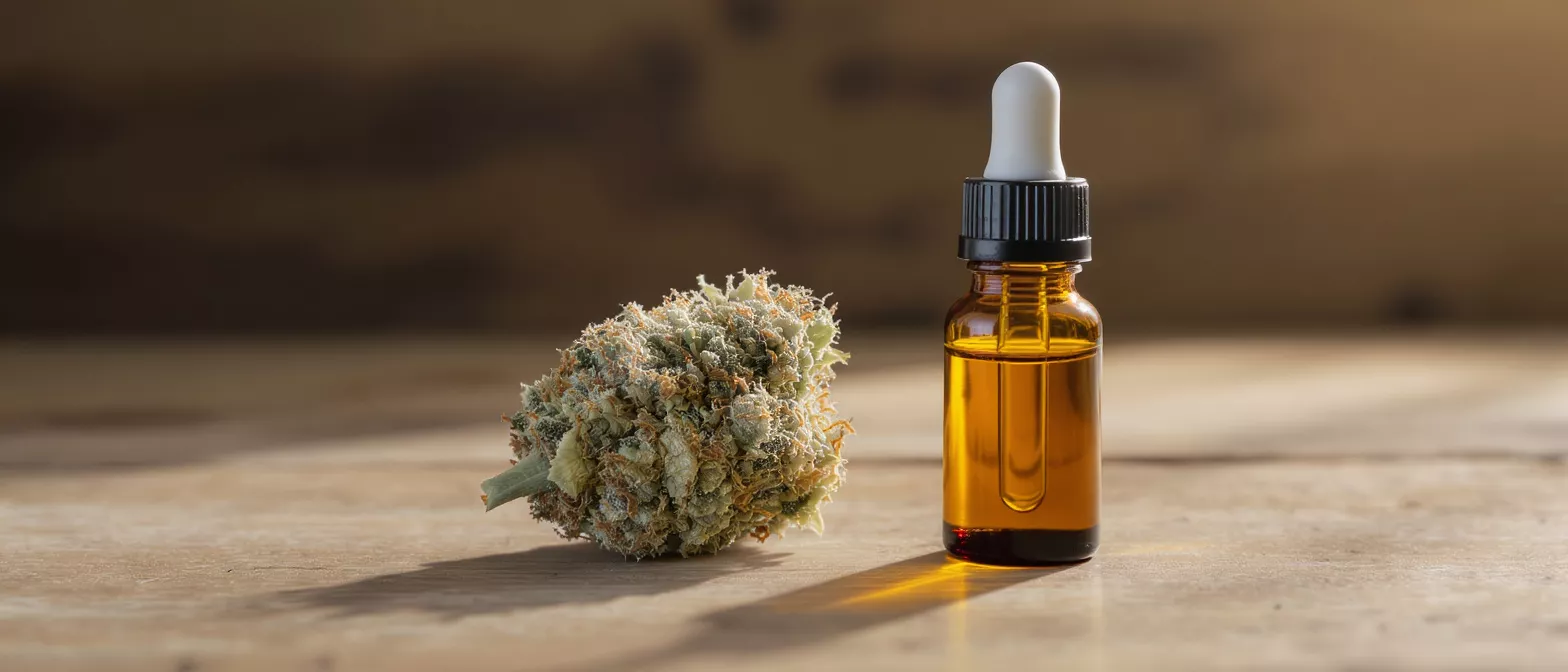
Yukon Cannabis
Explore Yukon cannabis dispensaries and licensed retailers.
What Is a Dispensary Near Me in Yukon
Searching for a dispensary near me in Yukon brings up a network of licensed cannabis retailers spread across one of Canada's most sparsely populated territories. Unlike the dense urban grids of southern provinces, the Yukon presents a unique retail landscape where a handful of well-stocked stores and a robust online ordering system serve a population scattered between Whitehorse, Dawson City, and remote communities along the highway. Understanding what a legal dispensary actually is — and how it differs from the grey-market operations of the past — is the first step toward shopping with confidence.
The difference between legal and unregulated sellers matters more in the territories than almost anywhere else. A licensed dispensary sources its products exclusively from federally regulated producers, meaning every gram, gummy, and cartridge has passed through Health Canada's compliance framework. This contrasts sharply with informal sellers who offer no testing data, no childproof packaging, and no recourse if something goes wrong. The legal market exists to give Yukoners a transparent, accountable place to buy.
For most residents, the term "dispensary" covers both the physical storefronts operated under territorial licensing and the government-affiliated online channel that ships directly to your door. Whether you favor the ritual of browsing shelves in person or the convenience of a discreet parcel, both routes connect you to the same regulated supply chain. That consistency is one of the quiet strengths of the Yukon's approach to cannabis retail.
How Yukon Cannabis Retail Works
The Yukon operates a hybrid retail model that blends government oversight with private enterprise. The territorial government, through the Yukon Liquor Corporation, manages wholesale distribution and runs the primary online store, while licensed private retailers operate brick-and-mortar locations. This structure keeps quality control centralized while allowing local businesses to bring personality and community focus to the storefront experience.
Wholesale and supply chain logistics in a northern territory carry real challenges. Products travel long distances to reach Yukon shelves, and the territory's distributor coordinates inventory to keep popular strains and formats consistently in supply. According to Prevention, consistent access to tested, labeled cannabis products is a cornerstone of harm reduction, and the Yukon's centralized wholesale model is built precisely to deliver that reliability even to its farthest communities.
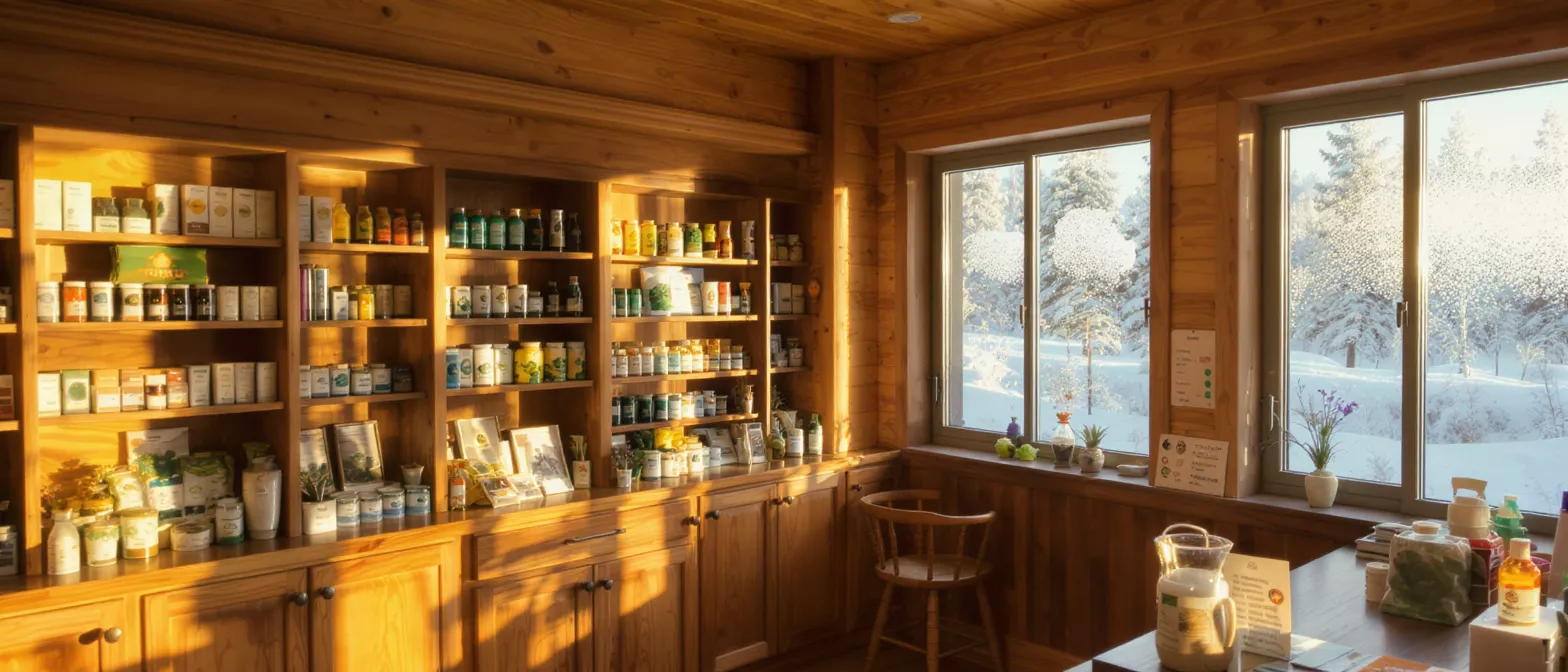
Private retailers add the human layer to this system. They set their own store hours, curate their shelves, design loyalty programs, and hire the budtenders who guide customers through their choices. The result is a market where the back-end consistency of government distribution meets the front-end warmth of locally owned shops — a balance that suits the territory's tight-knit communities. Many newcomers find that a beginner-friendly cannabis starter kit is the easiest way to learn the ropes without overcommitting.
Finding a Dispensary Near Me in Yukon
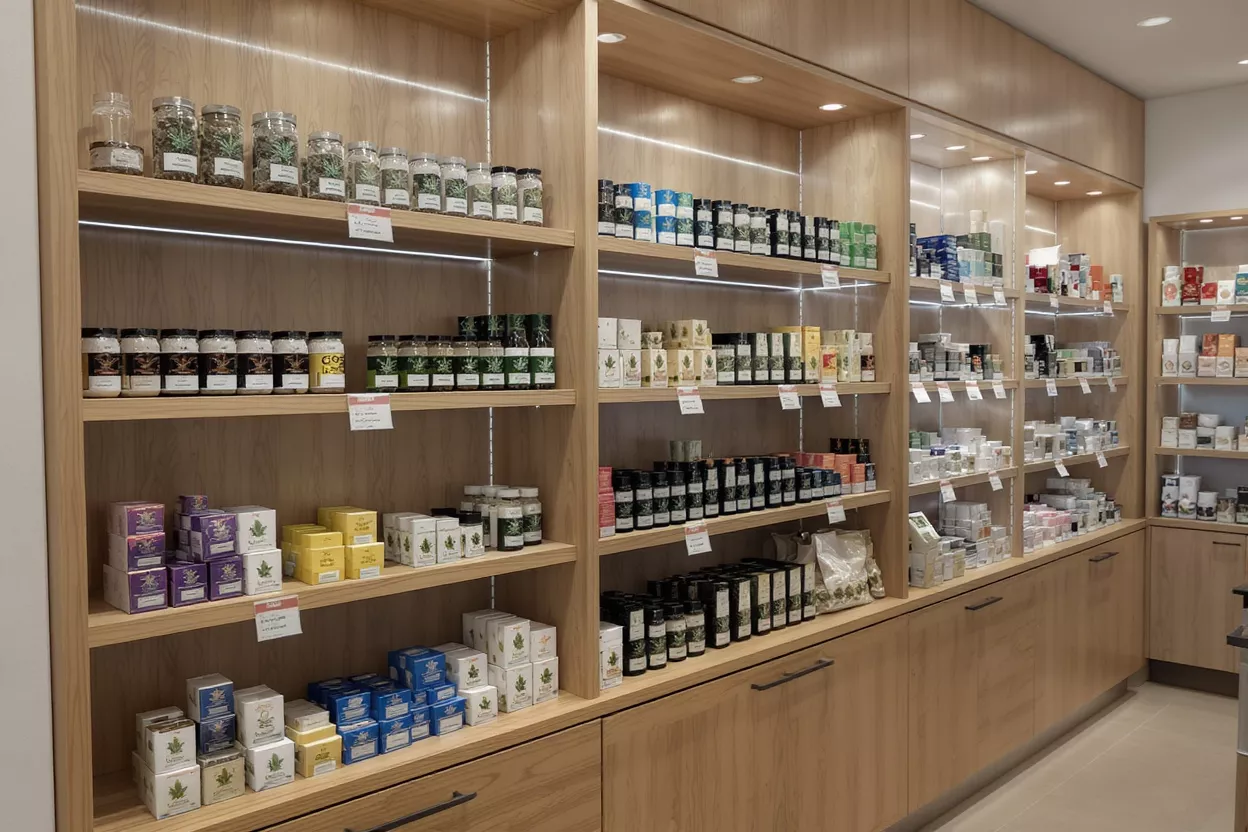
Locating a dispensary near me in Yukon usually starts with a quick map search, but the territory's geography means your options depend heavily on where you live. Whitehorse, home to roughly three-quarters of the population, hosts the densest cluster of retail locations. Outside the capital, residents often lean on the online ordering system, which reaches every postal code in the territory.
When you evaluate a store, look beyond proximity. Consider these practical factors that separate a convenient stop from a genuinely good shopping experience:
- 📍 Location and hours: Confirm the store is reachable on your schedule, especially during long winter nights when daylight is scarce.
- 🌿 Product range: A strong shop carries flower, pre-rolls, edibles, concentrates, and topicals rather than a thin selection.
- 💬 Staff knowledge: Budtenders who can explain terpenes and dosing add real value to your visit.
- 🎁 Rewards programs: Loyalty perks stretch your budget over repeat purchases.
- 🚗 Parking and access: Easy access matters when temperatures drop well below freezing.
For residents in Dawson City, Watson Lake, or the smaller communities, the practical answer to "where is the nearest dispensary" is frequently the territorial online store. It treats every Yukoner equally regardless of distance from the capital, and orders arrive in discreet, tamper-evident packaging. This levels the playing field in a way that traditional retail never could in such a vast, thinly settled region.
Types of Cannabis Products Available in Yukon
The range of cannabis products on Yukon shelves mirrors the national menu, giving residents access to everything from classic dried flower to precisely dosed edibles. Whether you prefer the ritual of a morning wake and bake session or the discretion of a low-dose gummy, the regulated market accommodates a wide spectrum of preferences and tolerances.
Flower and pre-rolls remain the backbone of the market. Dried bud sold by the gram lets you build a classic spliff or pack a bowl, while pre-rolls offer grab-and-go convenience. Connoisseurs in Whitehorse increasingly seek out specialty formats like the Thai stick, a traditional cannabis preparation that has seen a revival among enthusiasts who value old-school craft.
Concentrates and vapes appeal to experienced users chasing potency and flavor. This category includes everything from a thc shatter bar to live resin and distillate cartridges that thread onto a standard 510 thread battery. Extraction methods such as winterization help refine these products, removing fats and waxes to deliver a cleaner final concentrate rich in terpenes like valencene.
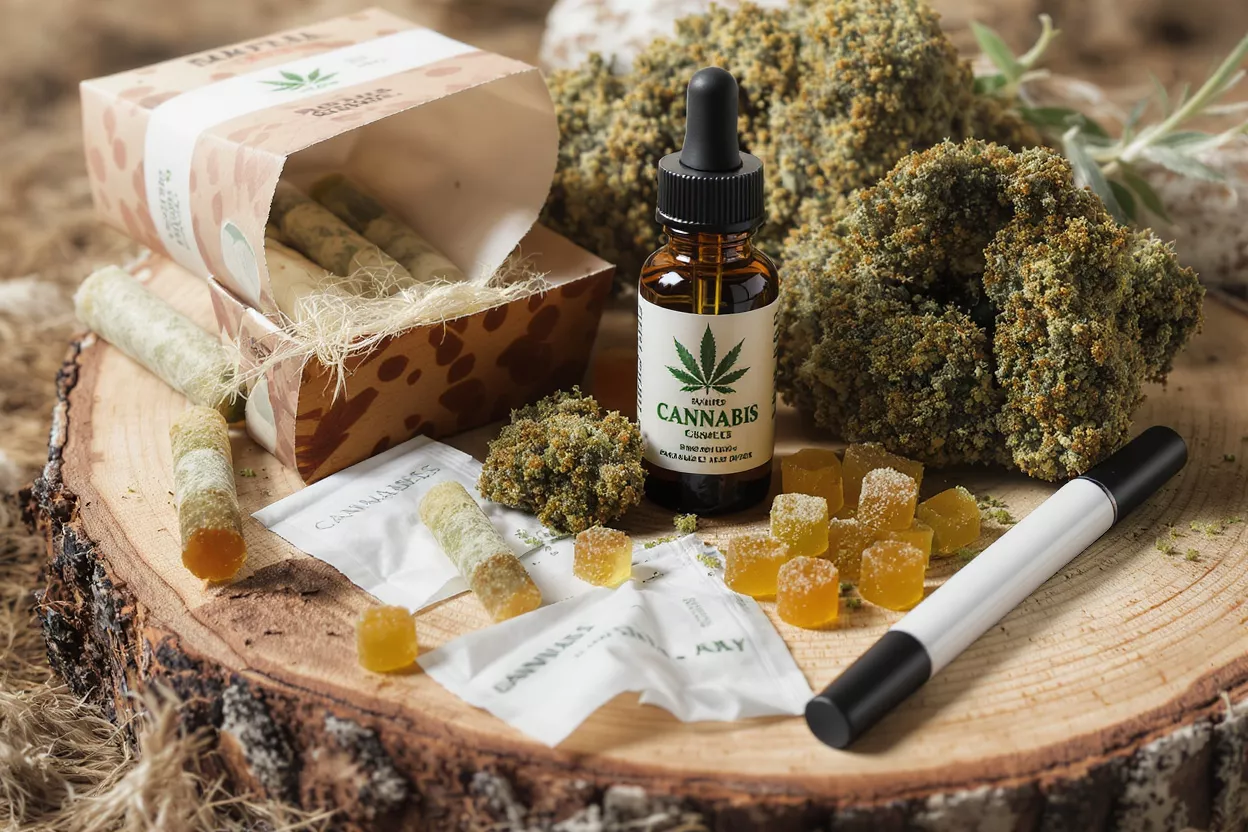
Edibles, beverages, topicals, and capsules round out the selection for those who would rather not inhale anything at all. A quick comparison helps clarify which format fits which moment:
- 🍬 Edibles: Slow onset, long duration — ideal for sustained, relaxed evenings.
- 💨 Vapes: Fast onset and portability, perfect for a 710 dab-style experience without the gear.
- 🌸 Flower: Full-spectrum, customizable dosing, and the traditional sensory ritual.
- 🧴 Topicals: Localized relief with no intoxication — a growing Topical 2025 trend.
What to Expect From Yukon Dispensary Staff
Professional, knowledgeable staff are the difference between a transactional purchase and a genuinely helpful visit. In Yukon's licensed dispensaries, budtenders are trained to guide customers through product categories, explain potency, and recommend formats suited to your experience level. They serve as translators between dense lab labels and the everyday questions real shoppers actually have.
How budtenders help you choose often comes down to asking the right questions. A skilled staff member will ask about your tolerance, your desired effect, and your preferred consumption method before steering you toward a product. If you mention you want something calming for sleep, expect a thoughtful suggestion rather than a hard upsell — good dispensaries measure success by repeat trust, not single transactions.
Beyond product guidance, staff handle the compliance side seamlessly. They verify age, explain possession limits, and ensure every sale follows territorial law. For shoppers new to the legal market, this guidance removes anxiety from the process. Many regulars come to rely on a favorite budtender the way they might trust a knowledgeable bartender, and a discreet odor-proof storage bag is a common accessory they will point you toward for keeping product fresh.
Quality Assurance and Product Testing in Yukon
Every product sold through a legal dispensary near me in Yukon has cleared rigorous testing before it ever reaches a shelf. Federal regulations require licensed producers to screen for pesticides, heavy metals, residual solvents, and microbial contaminants. This testing regime is the single biggest advantage of buying legally — you know exactly what you are consuming.
What lab testing actually screens for goes well beyond a simple THC number. Cannabinoid and terpene profiles, moisture content, and contaminant panels all factor into whether a batch passes. Compounds like xanthophyll pigments and aromatic terpenes are documented, and stabilizers such as xanthan gum may appear in beverage formulations to keep ingredients evenly suspended.
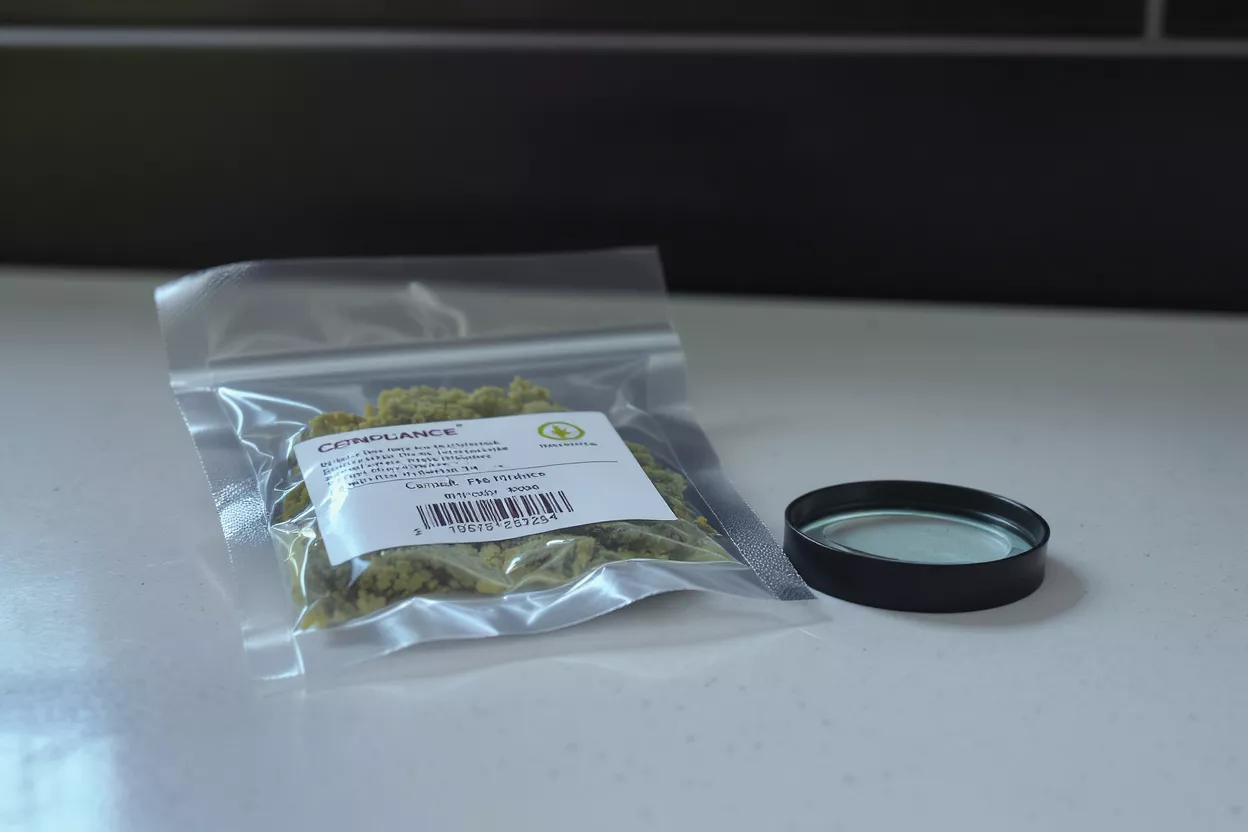
Packaging carries this transparency forward. Every legal product displays a standardized label listing THC and CBD content, the producer, the lot number, and an expiry or best-before date. This accountability simply does not exist in the unregulated market, where a product labeled "zaza" might contain anything at all. Choosing a tested product means choosing certainty, and many shoppers pair their purchase with precision dosing tools to track exactly how much they consume.
Customer Rewards at a Dispensary Near Me in Yukon
Loyalty programs have become a defining feature of competitive cannabis retail, and Yukon dispensaries are no exception. Rewards systems give regular customers tangible value — points on every purchase, members-only discounts, and early access to new product drops. Over a year of routine buying, these perks add up to meaningful savings.
How rewards programs typically work varies by retailer, but most follow a familiar points-per-dollar structure. You accumulate points with each visit, then redeem them for discounts or free accessories like grinders, papers, or 510 thread batteries. Some shops layer in tiered membership, where higher annual spending unlocks better perks.
The best programs go beyond raw discounts. They might offer birthday bonuses, referral credits, or educational events where staff demonstrate proper storage or explain new formats. For the engaged customer, a good rewards program turns an occasional errand into an ongoing relationship with a trusted local shop — and that relationship often translates into better personalized recommendations over time.
Online Versus In-Store Cannabis Shopping in Yukon
The choice between ordering online and visiting a physical store comes down to priorities. In-store shopping delivers immediacy and human guidance; online ordering wins on convenience and reach, particularly for residents far from Whitehorse. Both connect to the same regulated supply, so the decision is about experience, not quality.
The case for shopping in person rests on sensory experience and expertise. You can examine flower up close, smell terpene profiles, ask follow-up questions, and walk out with product in hand. For anyone learning the difference between a tree perc and a Swiss perc on a water pipe, or weighing accessories like adapters for different rigs, hands-on advice is invaluable.
The case for ordering online centers on accessibility. Residents in remote communities gain the same selection as those in the capital, with discreet delivery straight to the door. Online menus also list full lab data, letting you research compounds — from agonist activity at cannabinoid receptors to the presence of a stamen in a particular cultivar — at your own pace before buying. For housebound or rural shoppers, this reach is transformative.
Cannabis Consumption Rules for Yukon Residents
Understanding the rules around legal cannabis keeps your enjoyment stress-free and within the law. In the Yukon, adults aged 19 and over may purchase, possess, and consume cannabis, with possession capped at 30 grams of dried product in public. Knowing these boundaries protects both you and the people around you.
Where you can legally consume is more restricted than where you can buy. Private residences are the safest setting, while public consumption rules vary and smoking near schools, playgrounds, and other sensitive areas is prohibited. Renters should also check their lease, since landlords may limit smoking on their property.
Home cultivation adds another dimension. Yukon residents may grow up to four plants per household for personal use, opening the door to hobbyist techniques from simple soil grows to advanced aeroponics setups. Whether you celebrate 420 with friends or simply enjoy a quiet evening, respecting consumption limits and storage rules — keeping product sealed and away from children — ensures the legal market continues to serve the community well.
Tips for First-Time Buyers at a Yukon Dispensary
Walking into a dispensary for the first time can feel intimidating, but a little preparation makes the visit smooth and rewarding. The golden rule for newcomers is to start low and go slow — choose modest potencies and give products time to take effect before considering more, especially with edibles.
What to bring and ask sets you up for success. Bring valid government ID, since every customer is carded regardless of apparent age. Come with a few questions ready: ask about onset times, recommended starting doses, and how to store your purchase properly. A good budtender welcomes these questions and tailors their advice to your goals.
Build your knowledge gradually as you explore. A handful of quick takeaways for your first trip:
- 🆔 Bring ID: Valid photo identification proving you are 19 or older is mandatory.
- 📉 Start low: Begin with 2.5–5 mg THC edibles or low-potency flower.
- ⏳ Be patient: Edibles can take up to two hours to peak — never redose early.
- ❓ Ask questions: Budtenders expect them and give better recommendations as a result.
- 🔒 Store safely: Keep cannabis sealed, cool, and out of reach of children and pets.
The Yukon's regulated cannabis market combines centralized quality control with the warmth of locally owned retail, giving residents across the territory dependable access to tested, properly labeled products. Whether you shop in person at a Whitehorse storefront or order online from a remote community, you benefit from professional staff, rigorous testing, and rewarding loyalty programs. Approach your first visit with curiosity, lean on knowledgeable budtenders, respect the consumption rules, and you will find that finding a quality dispensary near me in Yukon is the start of a confident, informed relationship with legal cannabis.