
The Complete Guide to Sleep Capsules for Natural Rest
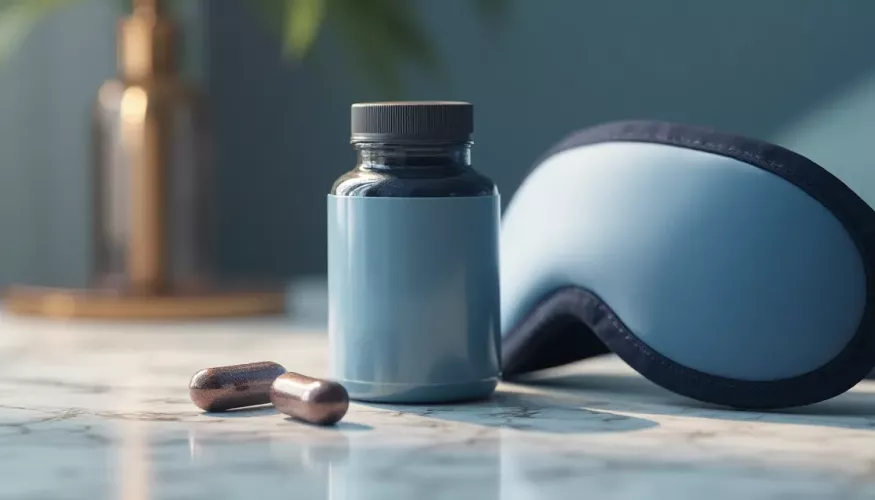
Sleep capsules offer a precise, convenient way to achieve restful nights without the guesswork of traditional sleep aids. Unlike inconsistent herbal teas or habit-forming pharmaceuticals, these carefully formulated capsules deliver exact doses of cannabinoids, terpenes, and natural compounds that work with your body's sleep cycles. Whether you're dealing with racing thoughts at bedtime or frequent middle-of-the-night wake-ups, the right sleep capsule can transform your relationship with rest.
What Are Sleep Capsules and How They Work
Cannabis-based sleep capsules combine precisely measured amounts of THC, CBD, or both with sleep-promoting terpenes like myrcene and linalool. Unlike smoking or vaping, capsules provide consistent dosing and extended effects that last 6-8 hours — perfect for maintaining sleep throughout the night. Traditional sleep capsules may contain melatonin, valerian root, or other herbal extracts, but cannabis formulations offer unique advantages through the entourage effect, where multiple compounds work synergistically to promote deeper, more restorative sleep than any single ingredient alone.
Types of Sleep Capsules: THC, CBD, and Hybrid Formulas
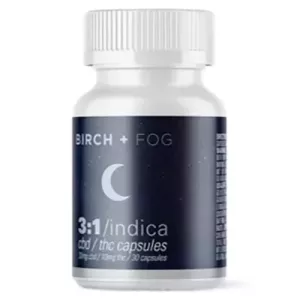
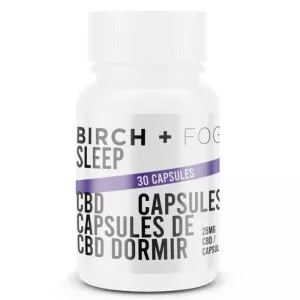
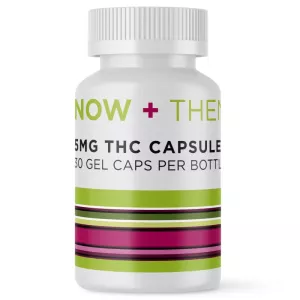
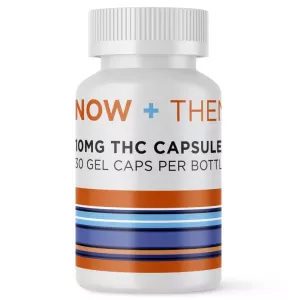
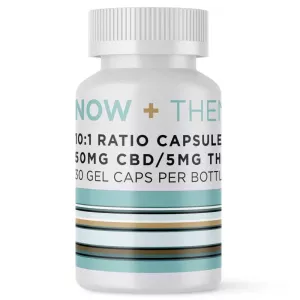
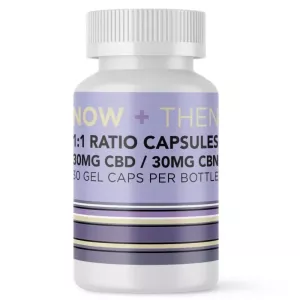
THC-dominant sleep capsules typically contain 5-25mg of THC combined with sedating indica strains that create the heavy, drowsy sensation many people need to fall asleep quickly. These work best for individuals who struggle with racing thoughts or physical tension at bedtime. CBD-focused formulations provide 10-50mg of CBD without psychoactive effects, making them ideal for those who want to avoid feeling "high" while still benefiting from cannabis's sleep-promoting properties. Hybrid capsules balance both cannabinoids — often in 1:1 or 2:1 CBD:THC ratios — to provide relaxation without overwhelming sedation.
- 🌙 High-THC capsules: Best for severe insomnia and racing thoughts
- 💤 CBD-dominant capsules: Ideal for anxiety-related sleep issues without psychoactive effects
- ⚖️ Balanced ratios: Perfect for beginners seeking mild relaxation with sleep benefits
- 🌿 Full-spectrum blends: Include minor cannabinoids like CBN for enhanced sedative effects
Sleep Capsules vs Gummies: Which Works Better
While both capsules and gummies deliver cannabinoids through digestion, capsules offer several advantages for sleep specifically. The gelatin or vegetable-based capsule dissolves quickly in your stomach, providing more predictable onset times of 45-90 minutes compared to gummies that may take longer to break down due to sugar content. Capsules also avoid the temptation to "dose up" with additional servings — a common issue with tasty gummies that can lead to uncomfortable overconsumption the next morning.
How Sleep Capsules Work in Your Body
The digestion process begins when sleep capsules dissolve in your stomach acid, releasing cannabinoids that travel to your liver for processing into more potent compounds — particularly 11-hydroxy-THC, which produces stronger, longer-lasting effects than smoking. Your endocannabinoid system receives these compounds through CB1 and CB2 receptors throughout your brain and body, triggering the release of sleep-promoting neurotransmitters while reducing cortisol and other stress hormones that interfere with rest. This process explains why edible effects feel different from inhaled cannabis — the liver conversion creates a more body-focused, sedating experience that's particularly effective for sleep.
Benefits of Sleep Capsules for Restorative Rest
Extended duration sets sleep capsules apart from other consumption methods — while inhaled cannabis might wear off in 2-3 hours, properly dosed capsules maintain therapeutic levels for 6-8 hours, preventing middle-of-the-night wake-ups that plague many cannabis users who smoke before bed. Deeper sleep phases result from cannabis's ability to increase time spent in slow-wave sleep, the restorative stage where your body repairs tissue, consolidates memories, and releases growth hormones. Many users report waking up more refreshed compared to pharmaceutical sleep aids, which often suppress REM sleep and create morning grogginess.
- 🔄 Consistent dosing: No guesswork about how much you're taking each night
- 🚫 No smoke or vapor: Gentle on lungs and respiratory system
- ⏰ Long-lasting relief: Maintains effects through complete sleep cycles
- 🎯 Targeted formulations: Specific terpene profiles for different sleep issues
Sleep Capsules Dosage Guide for Beginners
Start low, go slow remains the golden rule for sleep capsule dosing — beginners should begin with 2.5-5mg of THC or 10-15mg of CBD, taken 60-90 minutes before desired sleep time. Individual tolerance varies dramatically based on body weight, metabolism, cannabis experience, and even what you've eaten that day, so maintaining a sleep journal helps you dial in your optimal dose over several weeks. Most people find their sweet spot between 5-15mg THC or 20-40mg CBD, but some require higher amounts for therapeutic effects. Remember that you can always take more tomorrow night, but you can't take less once you've swallowed tonight's dose.
How to Choose the Best Sleep Capsules
Third-party lab testing should be your first consideration when evaluating sleep capsules — reputable manufacturers provide certificates of analysis showing exact cannabinoid content, terpene profiles, and confirmation that products are free from pesticides, heavy metals, and residual solvents. Strain-specific formulations matter more than many realize, as different cannabis cultivars produce distinct effects even at identical THC levels — look for capsules made from well-known sleepy strains like Granddaddy Purple, Northern Lights, or Bubba Kush rather than generic "indica blend" products that may contain energizing varieties.
Are Sleep Capsules Safe: Side Effects and Precautions
Common side effects include morning grogginess if you take too high a dose or don't allow sufficient sleep time — most people need 7-8 hours from capsule consumption to feel refreshed upon waking. Drug interactions can occur with blood thinners, seizure medications, and some heart medications, as cannabis affects how your liver processes other compounds through the cytochrome P450 enzyme system. Avoid combining sleep capsules with alcohol, which amplifies sedating effects and can lead to dangerous respiratory depression. Pregnant and breastfeeding individuals should avoid cannabis sleep aids entirely, and anyone with a history of substance abuse should consult healthcare providers before starting any cannabis regimen.