

Shatter vs Wax: Complete Cannabis Concentrate Guide
Discover shatter vs wax differences in texture, potency, and consumption.
What Is Shatter vs Wax
The debate over shatter vs wax sits at the heart of modern cannabis concentrate culture, and for good reason. Both products represent concentrated forms of cannabis that deliver far higher potency than traditional flower, yet they differ dramatically in appearance, consistency, and the experience they offer. If you have ever stood at a dispensary counter wondering which one suits you, understanding the fundamental nature of each is the first step toward an informed choice.
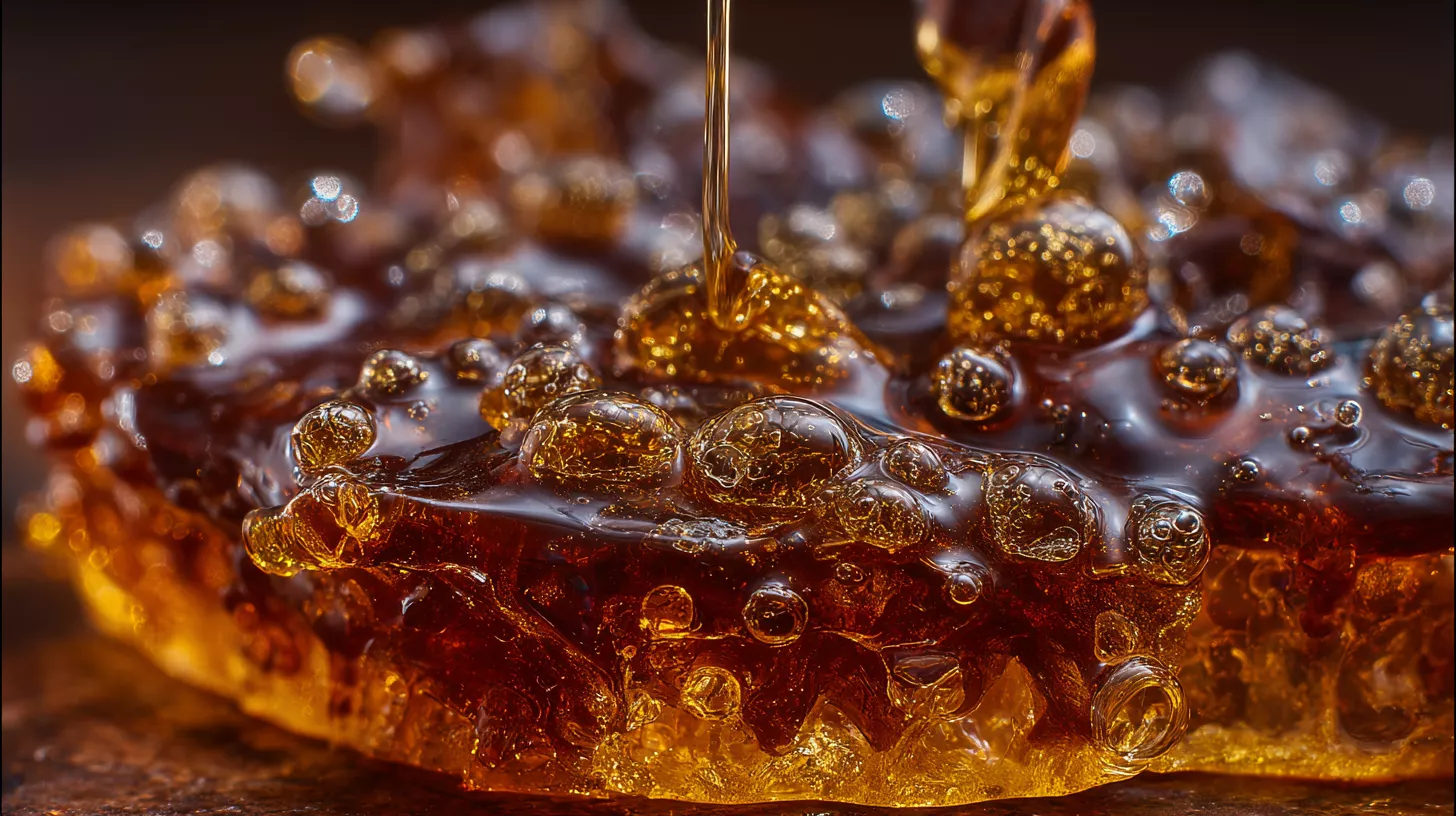
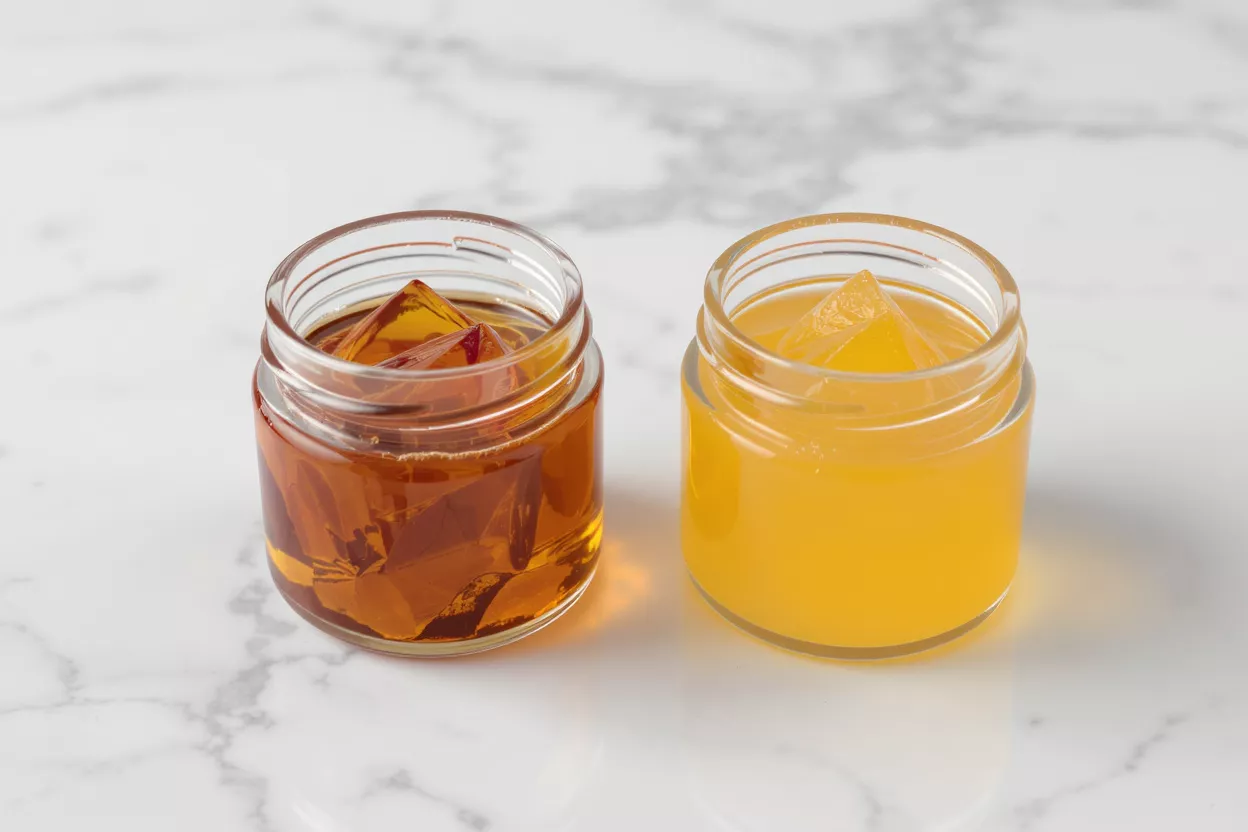
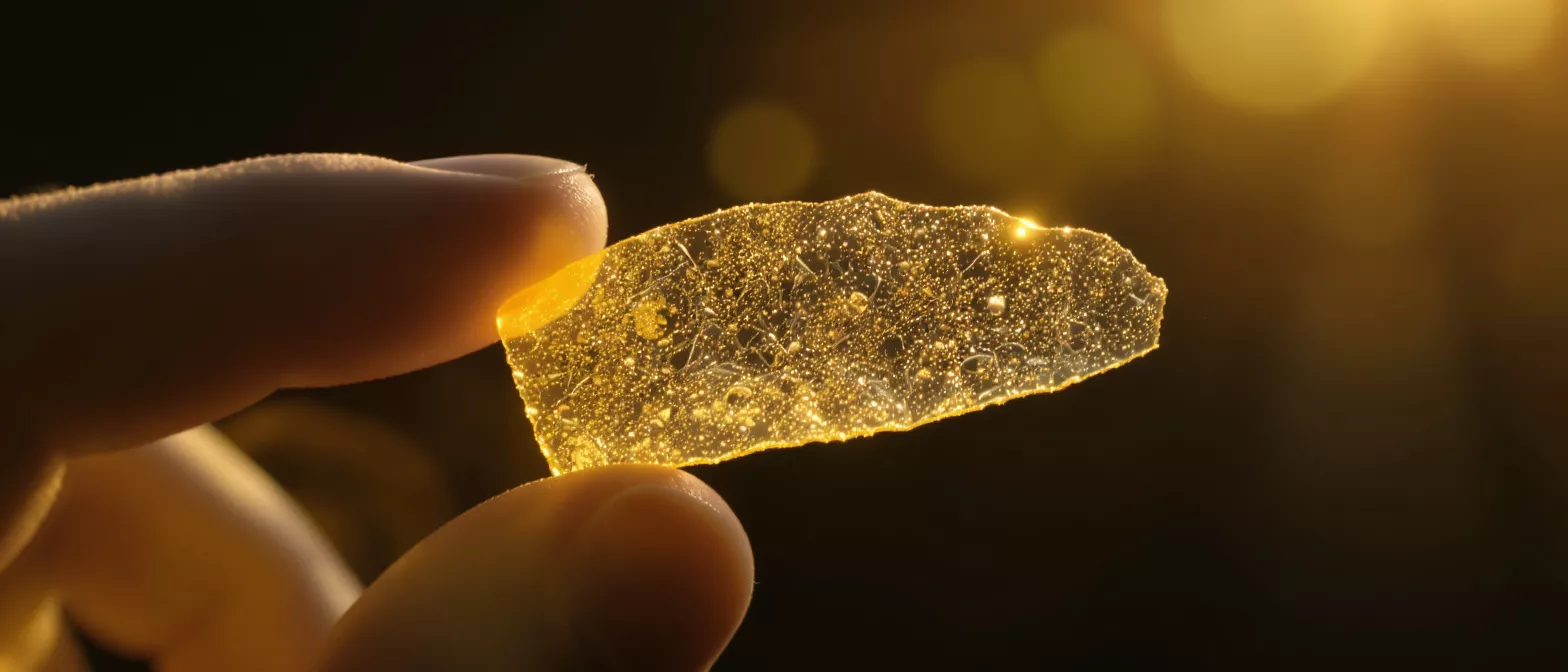
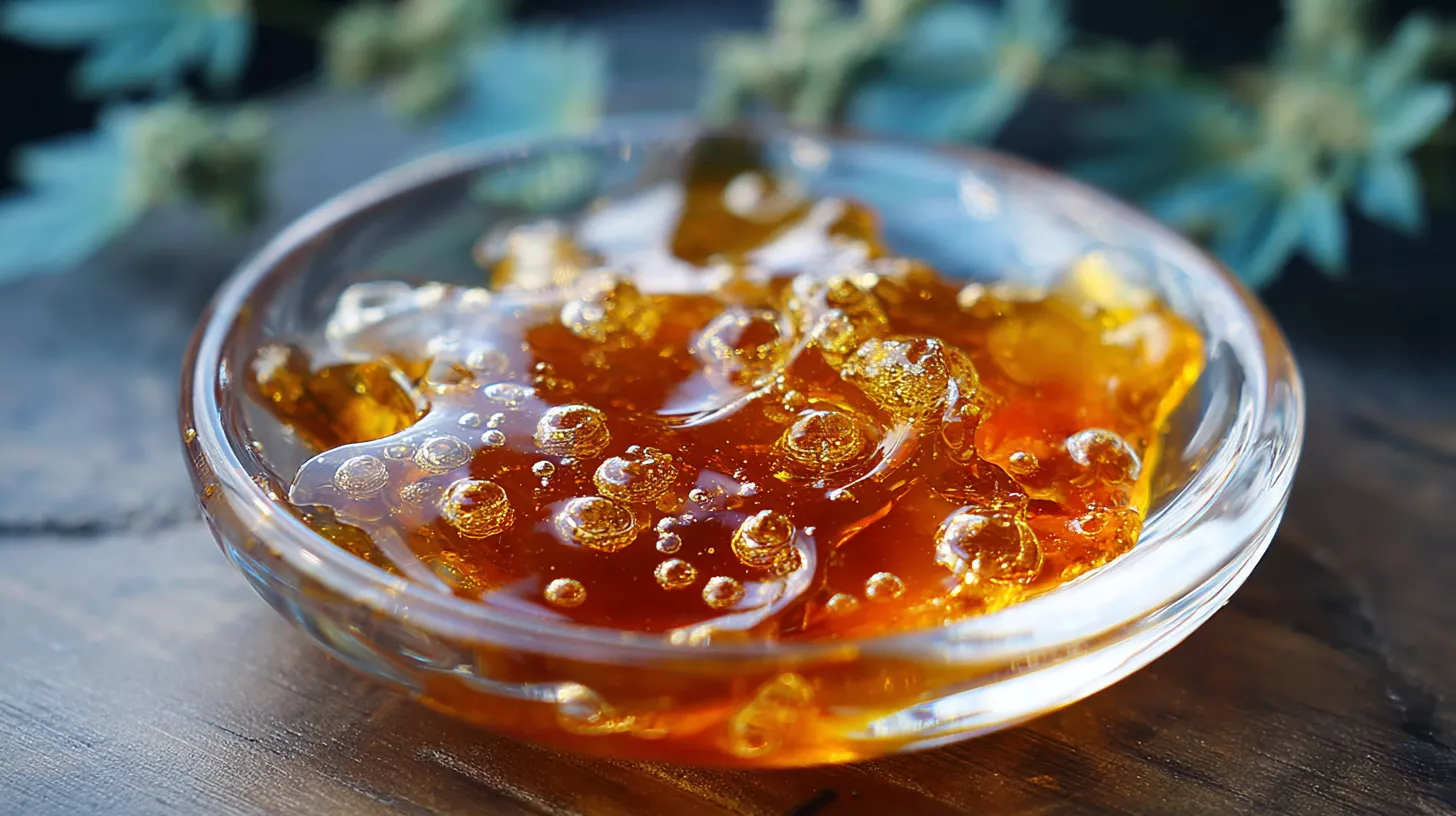
Shatter is a translucent, glass-like concentrate that snaps and breaks when handled cold, hence its name. Wax, by contrast, is an opaque, malleable substance with a texture somewhere between soft butter and crumbly honeycomb. Both are extracted from the same starting material—cannabis flower or trim—and both concentrate the plant's cannabinoids and terpenes into a remarkably potent product. The visual difference you notice is largely a result of how the extract is handled after the initial extraction.
At a molecular level, the distinction between these two concentrates comes down to crystallization and agitation during the purging process. Shatter retains a stable, uniform molecular structure that allows light to pass through, while wax is intentionally agitated, disrupting that structure and trapping air to create its signature cloudy, whipped appearance. Understanding this foundation makes the rest of the comparison far clearer, and it explains why two products from identical source material can look and behave so differently.
How Shatter and Wax Are Made
The extraction process behind concentrates: Both shatter and wax typically begin with hydrocarbon extraction, most commonly using butane or propane as a solvent to strip cannabinoids and terpenes from the plant material. This process, known as butane hash oil (BHO) extraction, produces a raw extract that is then purged of residual solvents in a vacuum oven. The temperature, pressure, and timing of this purge largely determine whether the final product becomes shatter or wax. Some producers also use alcohol extraction or CO2 methods, though hydrocarbon remains the dominant approach for these particular textures.
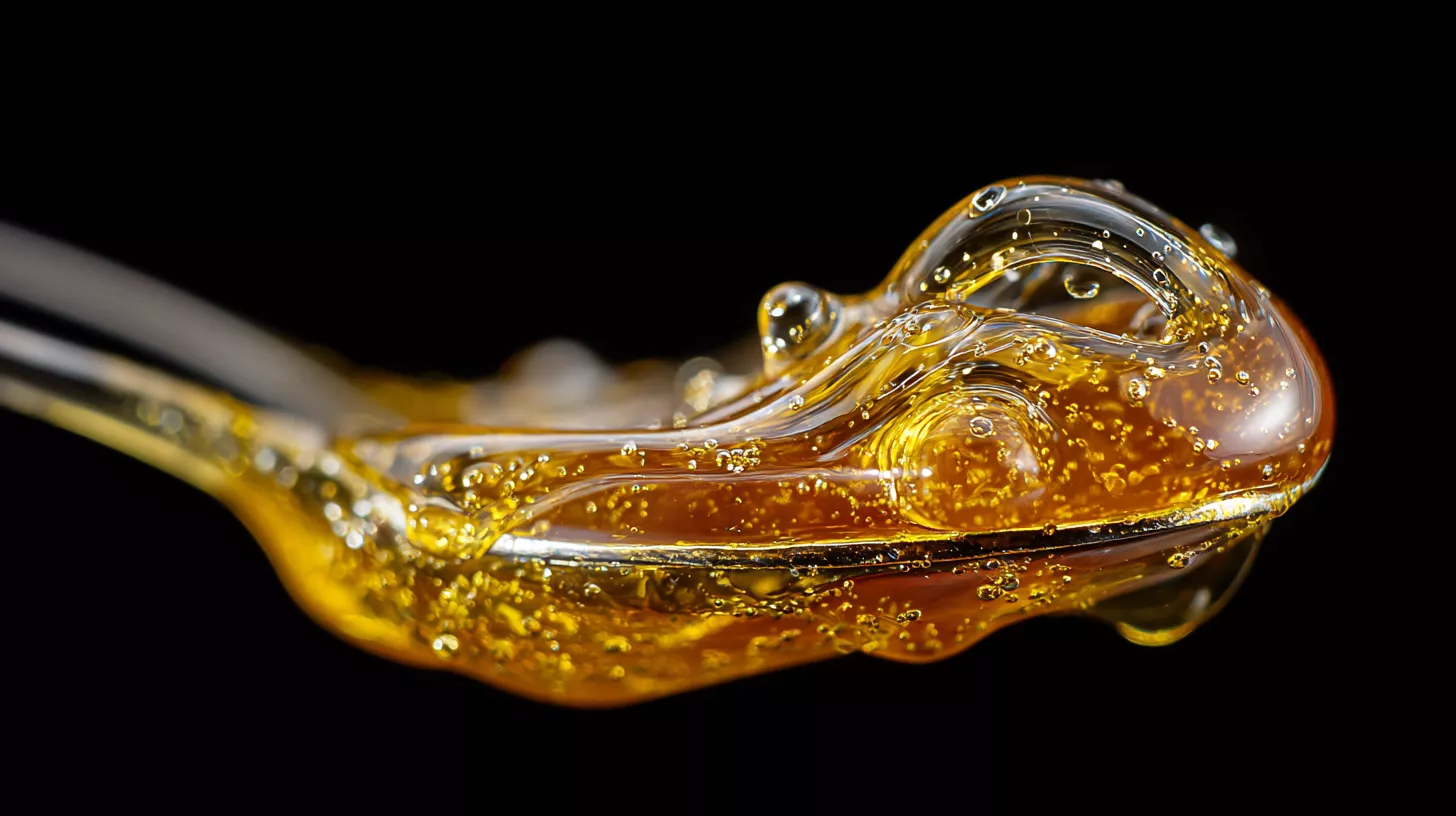
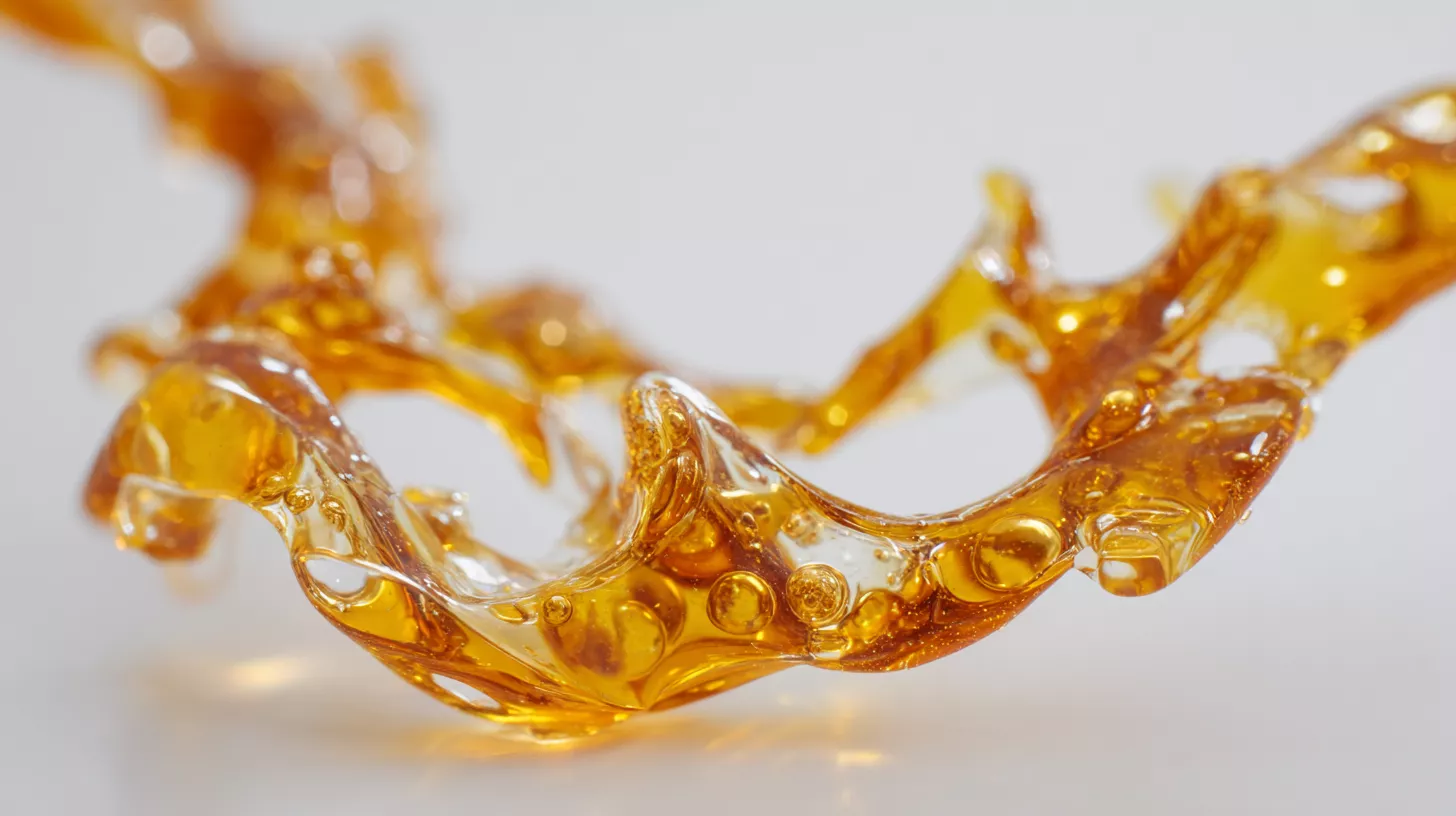
The defining moment comes during purging. To create shatter, extractors apply low heat and minimal agitation, allowing the extract to settle into a flat, stable sheet that hardens into a brittle, amber slab. For wax, technicians introduce agitation—whipping, stirring, or shaking the extract during purging—which whips air into the mixture and breaks up the crystalline lattice. This is why a wake and bake session with wax feels different from one with shatter; the physical handling changes everything downstream.
Quality control matters enormously here, and reputable producers test for residual solvents, pesticides, and potency. Organizations like the Society of Cannabis Clinicians emphasize that proper extraction and testing protocols are essential for consumer safety, particularly when solvents are involved. A poorly purged concentrate can retain harmful residual butane, which is why third-party lab testing has become a hallmark of trustworthy brands.
Shatter vs Wax Texture Differences
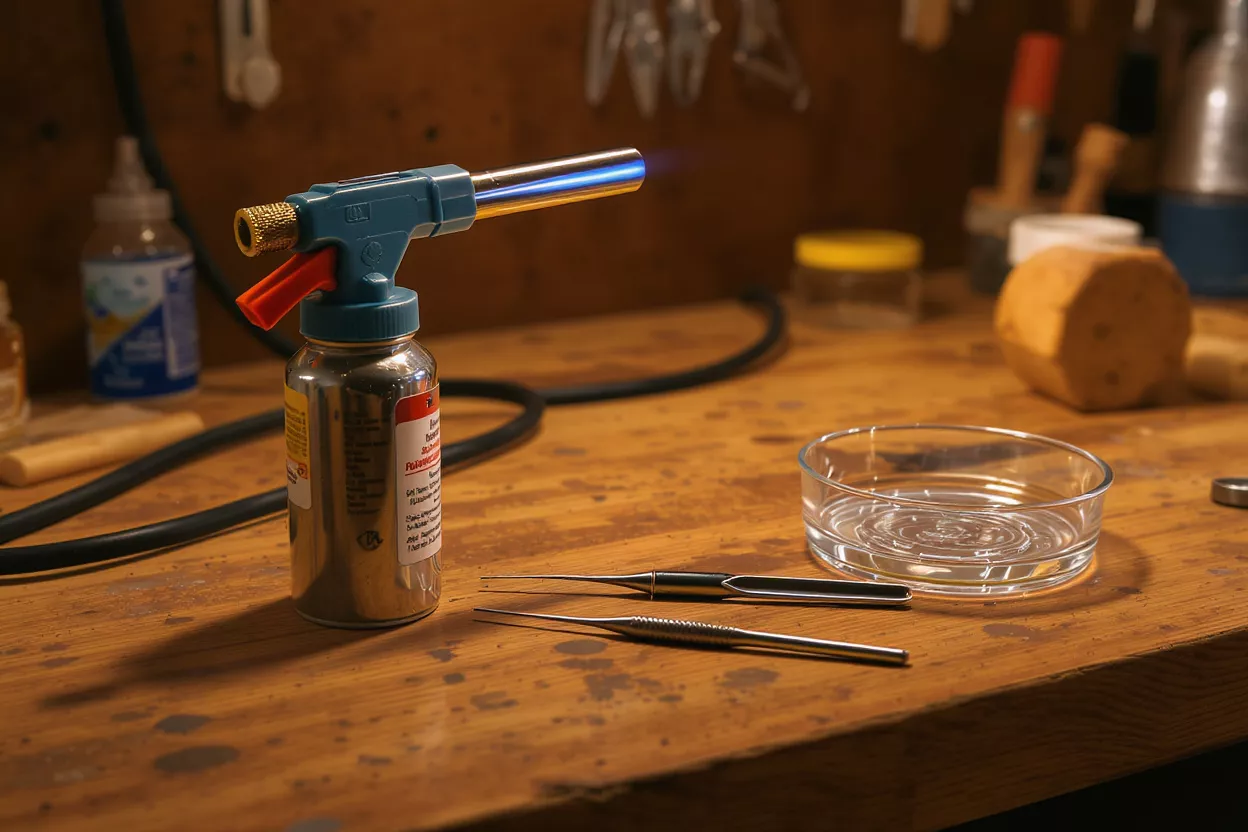
Texture is the most immediately obvious difference when comparing shatter vs wax, and it influences nearly every aspect of how you handle and use each product. Shatter earns its name from its glass-like brittleness—at room temperature or colder, it snaps cleanly into shards. This rigidity can make it tricky to portion, as it often fractures unpredictably and small pieces can scatter. Many enthusiasts keep their shatter slightly warmed to make it more pliable for dosing.
Why wax is easier to handle: Wax offers a more forgiving consistency that ranges from a soft, pliable budder to a dry, crumbly honeycomb depending on the moisture content and whipping technique. This malleability makes wax considerably easier to scoop and load onto a dab tool, which is one reason newcomers often gravitate toward it. The trade-off is that wax can be messier and tends to stick to surfaces, requiring a steady hand and a quality dab tool to manage cleanly.
Here is a quick comparison of the textural qualities that set these two concentrates apart:
- 💎 Shatter: Glass-like, translucent, snaps and breaks; can be brittle and difficult to portion.
- 🍯 Wax: Opaque, malleable, ranges from buttery budder to crumbly honeycomb; easier to scoop.
- 🌡️ Temperature sensitivity: Shatter softens when warm and hardens when cold; wax stays relatively stable.
- 🧴 Handling: Wax loads more easily onto tools; shatter requires more finesse and often a warmer touch.
Shatter vs Wax Potency Compared
When it comes to raw potency, shatter and wax are remarkably similar, with both typically testing between 60% and 90% THC. The notion that one is inherently stronger than the other is largely a myth; potency depends far more on the quality of the source material and the skill of the extractor than on the final texture. That said, there are subtle differences worth understanding, particularly regarding terpene and cannabinoid preservation.
How terpene retention affects the experience: Because wax undergoes more agitation and sometimes slightly higher temperatures during whipping, it can lose a fraction of its volatile terpenes—the aromatic compounds responsible for flavor and the entourage effect. Shatter's gentler processing often preserves a more complete terpene profile, which can translate to a richer flavor and a more nuanced experience. Terpenes like valencene contribute citrusy notes, and their preservation matters to flavor-focused consumers. For those who prioritize taste, a terpene-rich live resin concentrate may be worth exploring alongside traditional shatter.
It is worth noting that potency perception also depends heavily on consumption method and individual tolerance. A high-THC concentrate consumed via a hot dab will feel dramatically more intense than the same material vaporized at lower temperatures. The cannabinoids present—including THC, CBD, and minor compounds—interact with your endocannabinoid system as either agonist or antagonist molecules, shaping the overall effect in ways that go beyond a simple potency number.
How to Consume Shatter and Wax
Both shatter and wax are most commonly consumed through dabbing, a method that involves vaporizing a small amount of concentrate on a heated surface and inhaling the resulting vapor. Dabbing requires specific equipment, typically a dab rig with a nail or banger, a torch or electronic heating element, and a dab tool for handling the concentrate. The culture around dabbing has grown so much that 710—a number that spells "OIL" upside down—has become an unofficial holiday for concentrate enthusiasts.
Vaporizers and portable options: Beyond traditional dab rigs, many consumers use specialized concentrate vaporizers and dab pens that accept wax or shatter directly. These portable devices often use 510 thread connections, making them compatible with a wide range of cartridges and attachments. For those who prefer convenience, a portable concentrate vaporizer pen offers discreet, on-the-go use without the need for a torch. Adapters can extend compatibility between devices, letting you mix and match components from different brands.
Some users also add small amounts of concentrate to flower in a bowl or joint, a practice that boosts potency without requiring specialized dabbing equipment. This method is more forgiving for beginners and uses far less concentrate than a full dab. Whichever route you choose, start with a tiny amount—concentrates are dramatically more potent than flower, and a portion the size of a grain of rice is often more than enough for a satisfying experience.
- 🔥 Heat: Warm the nail or banger to the appropriate temperature, ideally between 315°F and 450°F for flavor.
- ⏳ Cool: Allow the surface to cool slightly to avoid scorching the concentrate and wasting terpenes.
- 💨 Dab: Apply a small amount with your dab tool and inhale slowly and steadily.
- 🧼 Clean: Wipe the banger after each use to keep flavor crisp and prevent buildup.
Shatter vs Wax: Which Is Better for Beginners
For someone new to concentrates, the shatter vs wax decision often comes down to ease of handling rather than effect. Wax generally wins on the beginner-friendliness front because its malleable texture is far simpler to portion and load. A new user fumbling with brittle shatter shards may lose product and grow frustrated, whereas wax scoops cleanly onto a dab tool with minimal fuss.
That said, beginners should focus less on texture and more on dosing discipline and quality sourcing. The single most important rule for newcomers is to start small. Concentrates can contain three to four times the THC of premium flower, and an overzealous first dab can lead to an uncomfortable, overwhelming experience. Patience and gradual experimentation pay off enormously here.
Building a starter setup: A reliable beginner kit includes a quality vaporizer or a small dab rig, a dab tool, and a heat-resistant storage container. Many people find that a simple beginner-friendly dab rig kit removes much of the guesswork and provides everything needed in one package. Investing in proper equipment from the start prevents the frustration and waste that comes from improvised setups, and it makes the learning curve far gentler.
Shatter vs Wax Storage and Shelf Life
Proper storage dramatically affects how long your concentrates retain their potency, flavor, and texture. Both shatter and wax are sensitive to heat, light, air, and humidity—the four primary enemies of concentrate quality. Exposure to these elements degrades cannabinoids and terpenes over time, gradually diminishing both potency and flavor. The good news is that with proper care, quality concentrates can remain excellent for months.
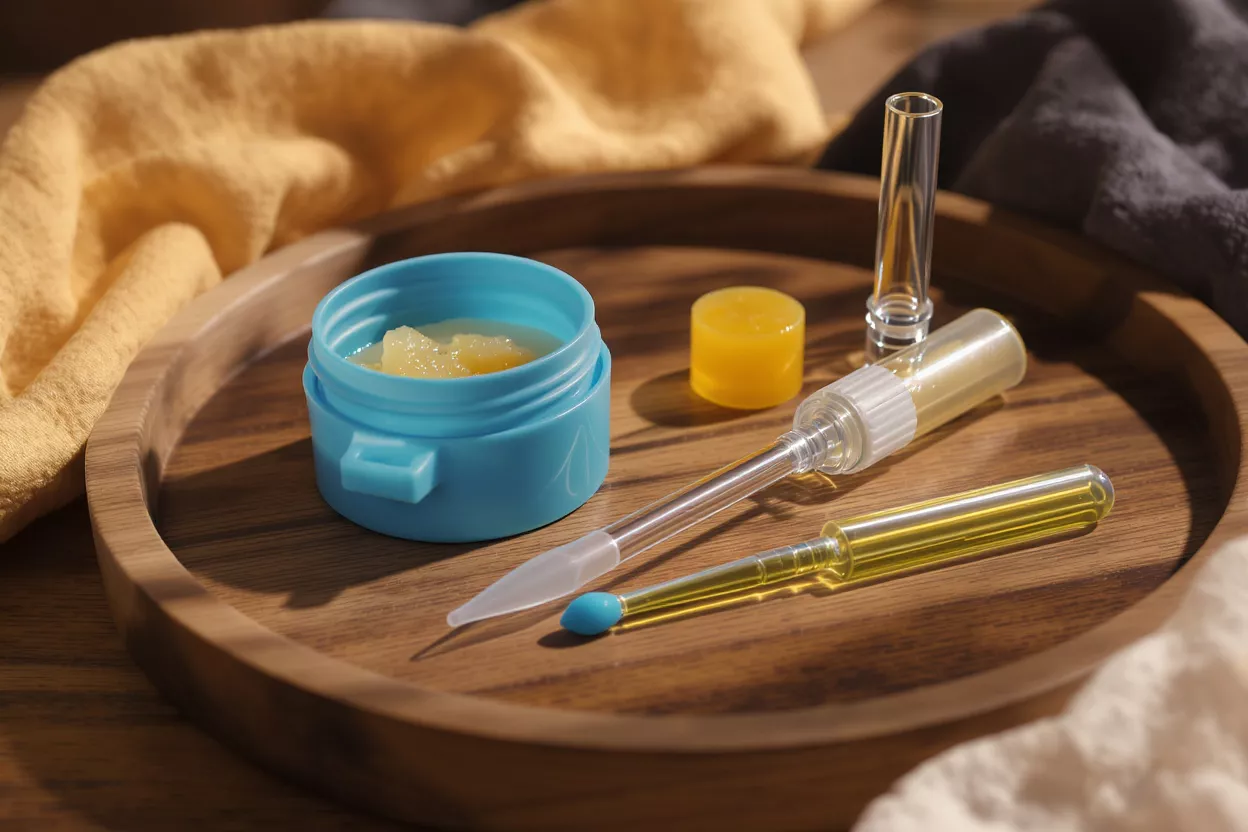
Best storage containers and conditions: Silicone containers and non-stick parchment paper are popular for short-term storage, while glass jars with airtight seals work well for longer keeping. The ideal environment is cool, dark, and dry—many enthusiasts store concentrates in a refrigerator, though it is important to let the product return to room temperature before opening to prevent condensation. Some advanced users explore winterization, a process that removes fats and waxes, to improve stability and shelf life.
Shatter tends to be slightly more stable over time because its lower surface area and stable molecular structure resist degradation, though it can "sugar up" and crystallize as it ages. Wax, with its greater surface area exposed to air, may degrade marginally faster but remains perfectly usable for extended periods when stored correctly. Keeping a quality storage container in a cool drawer away from windows is the simplest way to protect your investment.
- ❄️ Temperature: Store cool; avoid heat that melts and degrades concentrates.
- 🌑 Light: Keep in dark containers or drawers to prevent UV degradation.
- 🔒 Air: Use airtight containers to limit oxidation and terpene loss.
- 💧 Humidity: Avoid moisture; let refrigerated concentrates warm before opening.
Types of Cannabis Concentrates Beyond Shatter and Wax
While shatter and wax dominate many conversations, the world of cannabis concentrates extends far beyond these two textures. Understanding the broader landscape helps you appreciate where shatter and wax fit and may reveal alternatives better suited to your preferences. Each concentrate type results from different extraction methods, processing techniques, and starting materials, producing a spectacular diversity of products.
Live resin and live rosin have surged in popularity for their exceptional terpene preservation, made from flash-frozen fresh plant material rather than dried flower. Rosin in particular appeals to the solventless crowd, as it is pressed using only heat and pressure with no chemical solvents involved. Other notable concentrates include budder, crumble, sauce, and diamonds—the latter being crystalline THCA structures that can reach extraordinary purity levels. Some consumers chasing the most potent strains, sometimes labeled zaza, seek out these high-purity options specifically.
How concentrates compare at a glance: Each type occupies a different niche based on texture, potency, flavor, and production method. Here is a brief overview of common concentrates beyond the classic shatter and wax:
- 🧊 Live resin: Flash-frozen material, terpene-rich, soft and saucy texture.
- 🌿 Rosin: Solventless, pressed with heat and pressure, prized for purity.
- 💎 Diamonds: Crystalline THCA, extremely potent, often paired with terpene sauce.
- 🍮 Budder: Creamy, whipped consistency, easy to handle and flavorful.
- 🥧 Crumble: Dry, brittle, crumbly texture that breaks apart easily.
Are Shatter and Wax Safe to Use
Safety is a legitimate and important question when discussing high-potency concentrates, and the honest answer is that shatter and wax are reasonably safe when produced properly and consumed responsibly. The primary concerns center on extraction quality, residual solvents, and the elevated potency that demands careful dosing. Purchasing from licensed, tested sources eliminates most of the meaningful risks.
Residual solvents and lab testing: The biggest safety concern with hydrocarbon-extracted concentrates is residual butane or propane left behind by inadequate purging. Reputable producers purge thoroughly and submit products for third-party lab testing that verifies solvent levels fall well below safety thresholds. Always check for a certificate of analysis, and avoid any concentrate from an unverified or unlicensed source where testing cannot be confirmed.
Beyond extraction concerns, the main consideration is the sheer potency these products deliver. Overconsumption rarely causes physical harm but can produce intense anxiety, dizziness, or discomfort. Responsible use means starting with minimal amounts, staying hydrated, and giving effects time to manifest before taking more. Some people pair their wellness routines with adaptogens like ashwagandha to manage stress, though concentrates themselves should always be approached with measured respect for their strength.
Choosing Between Shatter and Wax
Ultimately, the choice between shatter and wax comes down to personal priorities rather than any objective superiority. If you value a pristine terpene profile, robust flavor, and slightly better long-term stability, shatter may be your preference. If you prioritize ease of handling, simpler dosing, and a more forgiving texture, wax is likely the better fit. Neither is wrong, and many enthusiasts keep both on hand for different occasions.
Consider your experience level, your equipment, and the kind of experience you are chasing. A flavor connoisseur with a quality banger might lean toward shatter or even live resin for that full-spectrum richness, while a busy professional who wants quick, low-fuss sessions might favor wax loaded into a convenient pen. Your preferences will likely evolve as you gain experience, and there is genuine value in experimenting with both to discover what truly resonates with you.
The cannabis concentrate landscape continues to evolve rapidly, with new textures, extraction methods, and products emerging constantly. Whether you settle on shatter, wax, or branch out into live resin and rosin, the most important principles remain consistent: buy from tested sources, start with small amounts, store your products properly, and respect the potency. Armed with this understanding of shatter vs wax, you are well equipped to navigate the dispensary counter with confidence and make choices that genuinely suit your needs.

Comments