

Tea: Cannabis and CBD-Infused Teas Explained
Discover how cannabis tea works, CBD tea benefits, dosing tips & recipes.
What Is Cannabis Tea and How Does It Work
Cannabis tea is one of the oldest and gentlest ways to enjoy the plant, blending the calming ritual of a warm beverage with the effects of cannabinoids like THC and CBD. Long before vape pens and gummies existed, people steeped cannabis leaves, flowers, and stems in hot water to coax out the plant's active compounds. Today, infused tea has matured into a refined wellness category, ranging from caffeine-free herbal blends to potent THC-forward brews designed for a slow, full-body experience.
The appeal of tea lies in its simplicity and its softness. Unlike a sharp inhalation or a fast-acting tincture, a cup of cannabis tea unfolds gradually, mirroring the relaxed pace of the ritual itself. For many people, the act of brewing and sipping becomes as therapeutic as the cannabinoids themselves — a deliberate pause built into a busy day.
Why heat matters in cannabis tea: Raw cannabis contains cannabinoids in their acidic forms, such as THCA and CBDA, which do not produce the familiar effects until they undergo decarboxylation. Heat converts these acids into THC and CBD, the active compounds your body responds to. This is why simply soaking flower in lukewarm water does little — proper temperature and time are essential. According to the National Center for Complementary and Integrative Health, cannabinoids interact with the body's endocannabinoid system, a network that helps regulate mood, sleep, and pain perception.
Types of Cannabis and CBD-Infused Tea
The infused tea landscape is broader than most newcomers expect. At one end sit pure CBD teas, which deliver relaxation without intoxication. At the other end are robust THC brews that produce a clear psychoactive experience. In between lies a spectrum of balanced blends, each tuned to a different mood or moment.
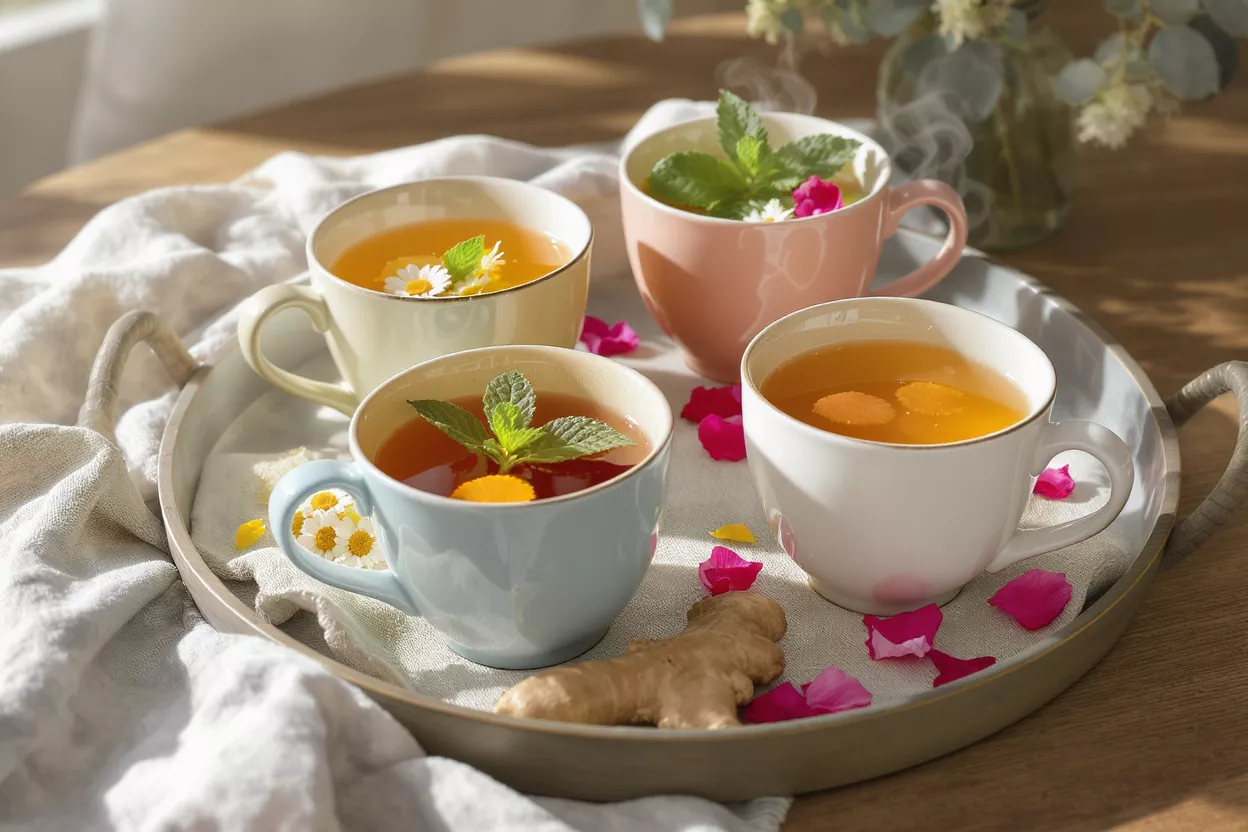
CBD-dominant teas appeal to people who want calm without a high. These blends often pair cannabidiol with classic relaxing botanicals like chamomile, lavender, and lemon balm. THC-forward teas deliver the recognizable euphoria and body relaxation associated with cannabis, and because they are edibles, the effects last longer and arrive more slowly than smoking. Functional adaptogenic blends combine cannabinoids with ingredients like turmeric, ginger, and ashwagandha to target inflammation, recovery, and stress.
Here is a quick breakdown of the most common infused tea styles you will encounter:
- 🍵 CBD herbal blends: Non-intoxicating, often caffeine-free, ideal for daytime calm and winding down at night.
- 🌿 THC green and black teas: Stronger psychoactive effects layered over traditional tea leaves and natural caffeine.
- 🫚 Adaptogenic wellness brews: Cannabinoids paired with ginger, turmeric, or carene-rich botanicals for recovery support.
- 🌙 Sleep formulas: CBN and CBD blends with valerian or chamomile aimed squarely at deeper rest.
If you prefer convenience over loose-leaf measuring, a ready-to-steep CBD sleep tea blend can take the guesswork out of dosing while still delivering a genuine ritual.
How CBD Tea Works in the Body
CBD tea works through the same endocannabinoid system that governs many of your body's balancing functions, but its journey is shaped by the fact that you are drinking it. When you consume cannabinoids as a beverage, they pass through the digestive system and liver before reaching the bloodstream. This first-pass metabolism is why edibles, including tea, take longer to kick in than inhaled cannabis.
Fat solubility and absorption: Cannabinoids are fat-soluble, not water-soluble, which means plain water alone struggles to carry them efficiently. This is why many quality infused teas include a fat source or an emulsifier. Adding a splash of cannabis milk, coconut oil, or a touch of cannabis-infused oil dramatically improves how much CBD or THC your body can actually absorb. Some commercial blends use carrageenan or other emulsifiers to suspend cannabinoids in the liquid.
The onset timeline is one of the most important things to understand. Most people feel CBD tea within 30 to 90 minutes, with effects lasting several hours. This slow, sustained curve makes tea excellent for steady relief rather than rapid rescue. The gentle ramp also reduces the likelihood of the overwhelming experience that can come from over-consuming faster-acting products.
How to Make Cannabis Tea at Home
Brewing cannabis tea at home is rewarding, but it rewards patience and attention to detail. The single most common mistake is skipping decarboxylation — without it, your tea will be mild at best and inert at worst. The goal is to activate the cannabinoids, then bind them to a fat so your body can use them.
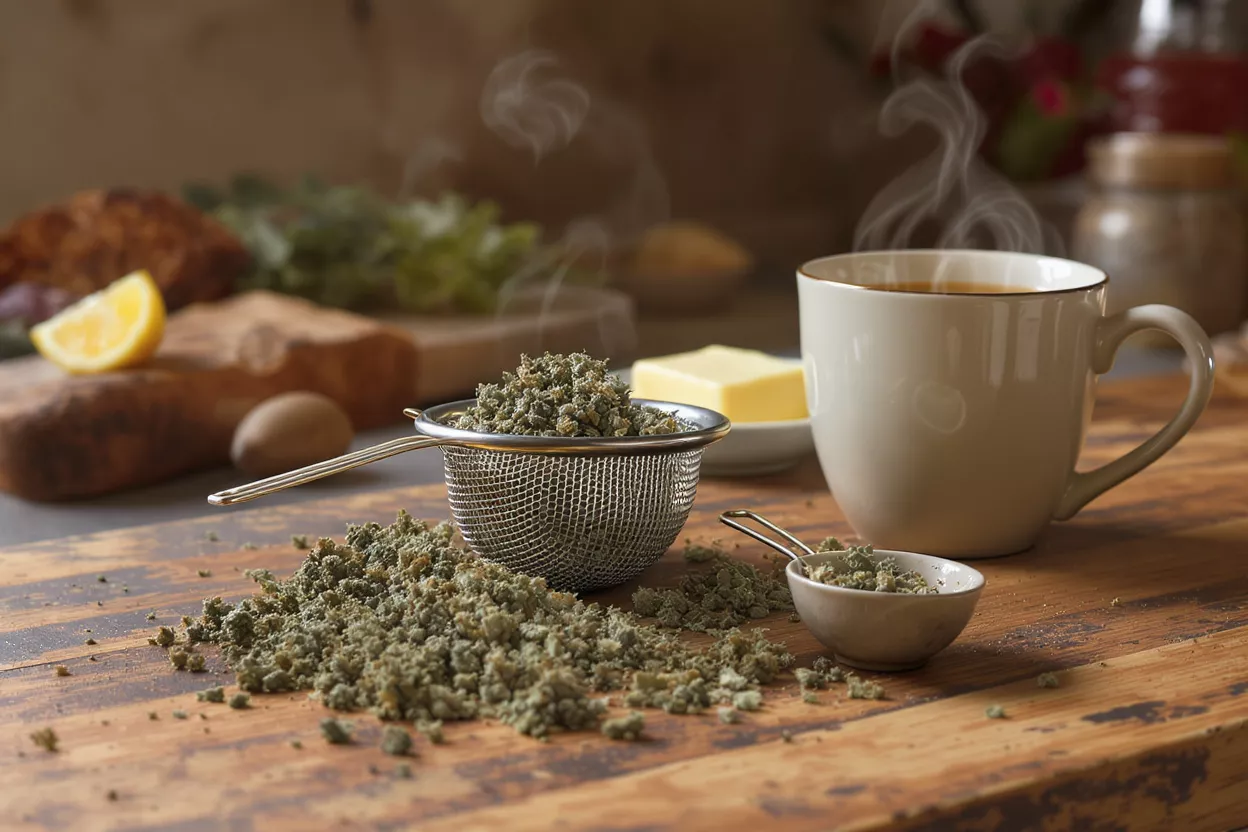
The fat is non-negotiable. Because cannabinoids cling to fat rather than water, you cannot simply drop flower into hot water and expect strong effects. Steeping decarboxylated cannabis with butter, cream, or a cannabis-infused oil creates the vehicle the cannabinoids need. Without a fat source, much of the active material literally floats away unused.
Here is a simple, reliable method for a single pot of homemade infused tea:
- 🔥 Decarboxylate: Bake ground flower at 240°F for 30–40 minutes to activate THC and CBD.
- 🧈 Add fat: Simmer the decarbed flower with butter, coconut oil, or whole milk for 15–20 minutes.
- 🍵 Steep your tea: Add a regular tea bag and the infused fat mixture to hot water and let it steep.
- 🍯 Strain and sweeten: Strain out plant material, then add honey or sugar to taste.
If you experiment with concentrates instead of flower, remember that products like BHO or other butane hash oil extracts are already decarboxylated in many cases and far more potent, so a tiny amount goes a long way.
CBD Tea Benefits for Sleep and Relaxation
The most celebrated benefit of CBD tea is its ability to ease the body and mind into rest. The combination of warmth, ritual, and cannabinoids creates a layered relaxation effect that few other products match. For people who struggle to quiet their thoughts at night, a warm cup an hour before bed can become an anchor in a consistent wind-down routine.
Sleep support beyond sedation: CBD does not knock you out the way a heavy sedative might. Instead, it appears to help by reducing the anxious mental chatter and physical tension that keep many people awake. Pairing CBD with CBN — a cannabinoid associated with drowsiness — produces blends specifically formulated for deeper, longer sleep.
Everyday stress and recovery: Beyond bedtime, many people reach for infused tea after a demanding day or a hard workout. Adaptogenic ingredients combined with cannabinoids may help with the body's stress response and post-exercise recovery. A soothing chamomile and CBD relaxation tea offers a caffeine-free way to decompress without the grogginess some sleep aids cause.
- 😴 Better sleep onset: Calms mental chatter so you drift off more easily.
- 🧘 Stress relief: Warmth plus cannabinoids ease physical and emotional tension.
- 💪 Recovery support: Adaptogens and anti-inflammatory botanicals aid muscle recovery.
- 🌿 Gentle, non-habit-forming: A softer alternative to conventional sleep medications.

Cannabis Tea Dosing Guide for Beginners
Dosing cannabis tea correctly is the difference between a pleasant experience and an uncomfortable one. Because tea is an edible, its effects are slower and longer-lasting than smoking, which makes it easy to accidentally over-consume while waiting for the first cup to take hold. The golden rule is to start low and go slow.
Start with a low dose: Beginners should begin with 2.5 to 5 milligrams of THC, or a comparable serving of a CBD-forward blend, and then wait a full two hours before deciding whether to drink more. Pure CBD teas carry no intoxication risk and can be enjoyed more freely, but even then, moderation helps you learn how your body responds.
Patience is your best tool here. Drinking a second cup after 30 minutes because "nothing is happening" is the classic mistake that leads to an overwhelming experience once both cups finally hit. Respecting the onset window keeps the experience comfortable and predictable.
- 🌱 Microdose (1–2.5 mg THC): Subtle relaxation with minimal intoxication.
- ☕ Low dose (2.5–5 mg THC): Gentle effects ideal for newcomers.
- 🌀 Moderate dose (5–15 mg THC): Noticeable euphoria for experienced users.
- ⏳ Always wait two hours: Never re-dose before the onset window closes.
Is Cannabis Tea Safe to Drink
For most healthy adults, cannabis tea is a safe and gentle way to consume cannabinoids, especially compared to smoking, which introduces combustion byproducts to the lungs. That said, "safe" depends on dose, frequency, and individual health factors. Knowing the risks lets you enjoy tea responsibly.
Watch for over-consumption effects: The most common adverse experiences come from taking too much THC — anxiety, dizziness, rapid heart rate, and nausea. Heavy, chronic high-dose cannabis use has, in rare cases, been linked to Cannabinoid Hyperemesis Syndrome, a condition marked by cycles of severe nausea and vomiting. This is uncommon and tied to frequent heavy use rather than the occasional cup of tea.
CBD-only teas carry a far gentler risk profile, with the most common side effects being mild drowsiness or dry mouth. Still, cannabidiol can interact with certain medications, particularly blood thinners, so anyone on prescription drugs should consult a healthcare provider before adding infused tea to their routine. Pregnant and nursing individuals should avoid cannabis products entirely.
Best Infused Tea for Relaxation and Recovery
Choosing the best infused tea comes down to matching the blend to your goal. Someone seeking deep nighttime sleep wants a very different formula than someone looking for a mellow afternoon unwind or post-workout recovery support. Understanding the supporting botanicals helps you pick wisely.
For sleep, look for blends that combine CBD or CBN with valerian root, chamomile, and passionflower. The terpene profile matters too — calming compounds like borneol and linalool, often found in lavender, deepen the relaxing effect. For recovery, seek out anti-inflammatory pairings with turmeric, ginger, and antioxidant-rich green tea. These functional blends support the body after physical strain rather than simply inducing drowsiness.
For a versatile everyday option, a balanced full-spectrum hemp wellness tea bridges daytime calm and evening relaxation without committing you to one purpose. Flavor matters more than people expect, since a tea you genuinely enjoy is one you will actually drink consistently.
- 🌙 Best for sleep: CBN + chamomile + valerian for deep, lasting rest.
- ☀️ Best for daytime: Light CBD green tea blends for focused calm.
- 🔥 Best for recovery: Turmeric and ginger adaptogenic formulas.
- 🍋 Best flavor: Citrus and lemon balm blends that mask earthy notes.
Cannabis Tea vs Other Edibles
Cannabis tea occupies a unique niche in the edibles category. Like a cannabis baked good or a cannabis jelly, it travels through the digestive system, producing slow-onset, long-lasting effects. But tea differs in one meaningful way: hydration and warmth make it feel lighter and more ritualistic than chewing a dense brownie or a cannabis lollipop.
Onset and predictability: Tea's liquid form can absorb slightly faster than solid edibles for some people, though it still falls well short of the near-instant effects of a cannabis disposable vape. Because the dose is dissolved in liquid, it can also be easier to sip slowly and titrate than biting into a fixed-dose gummy or a cannabis cough drop.
The ritual is the real differentiator. A baked good is something you eat; tea is something you experience over time. That slow, contemplative pace makes it a favorite for people who value the wind-down process as much as the effects. The downside is preparation — pouring a glass of cannabis milk or unwrapping a candy is faster than steeping and straining a proper pot of tea.
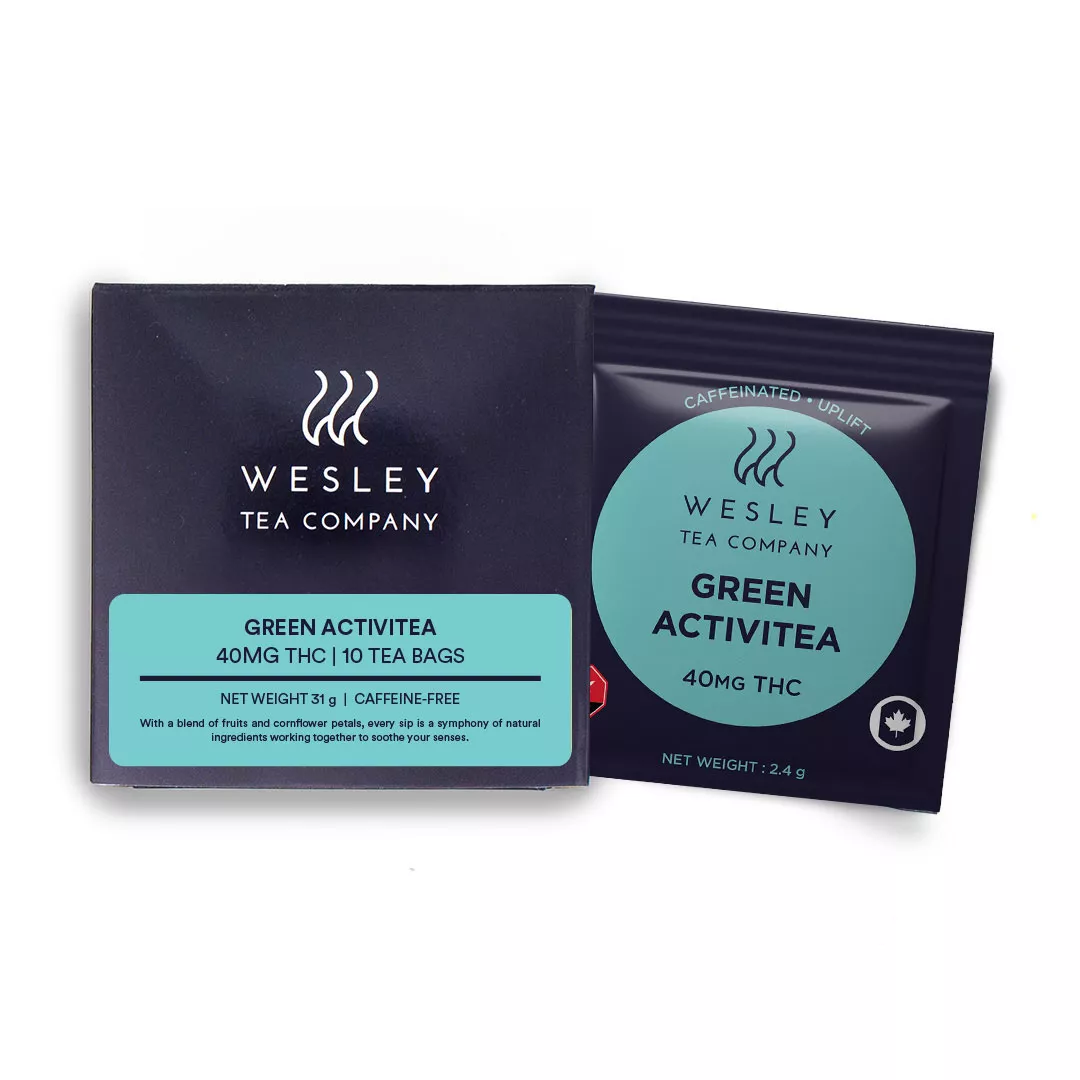

ACTIVITEA THC Green Tea 40mg / 1 Tea Bag – Wesley
Tea time, elevated. Wesley's ACTIVITEA pairs antioxidant-rich green tea with a precise 40mg of THC and a touch of MCT, for a smooth, sophisticated lift that arrives the civilized way — by the cupful. Toasted, mellow, and easy to dose, it's a refined alternative to the usual edible: brew, sip, and let a measured glow unfold over a slow afternoon.
- Metabolic Enhancement : Green tea catechins boost fat oxidation while providing sustained energy without jitters or crashes
- Digestive Optimization : Brown rice fiber promotes healthy gut bacteria while delivering slow-release carbohydrates for stable blood sugar
- Therapeutic Synergy : Cannabis leaf terpenes enhance THC effects through entourage interactions that amplify mood stabilization
- Cognitive Fuel : MCT oil crosses blood-brain barrier rapidly, providing immediate mental clarity alongside improved cannabinoid uptake
- Consistent Potency : THC distillate purification removes plant matter variability, ensuring predictable psychoactive responses across batches
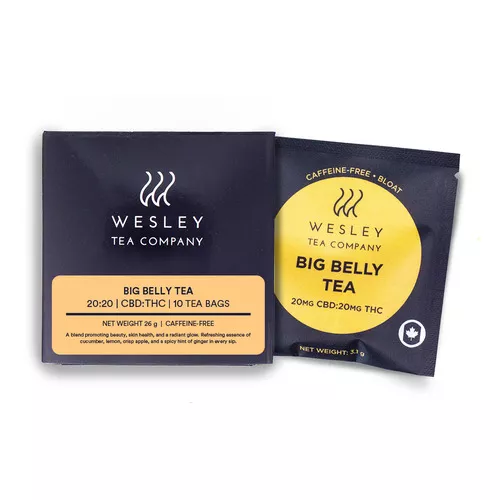
Tummy Tea Ratio CBD : THC 20:20mg / 1 Tea Bag – Wesley
Settle your stomach and your mind at once. Wesley's Tummy Tea balances 20mg of CBD with 20mg of THC over a digestive blend of ginger, peppermint, cinnamon, and lemon balm — a warm, spiced cup made for after dinner or an unsettled afternoon. Soothing, well-rounded, and gentle, it's comfort in a mug when both body and head need easing.
- Ginger: Aids digestion and reduces inflammation.
- Peppermint: Soothes the stomach and eases nausea.
- Cinnamon: Supports metabolism and has antioxidant properties.
- Cardamom: Promotes digestion and freshens breath.
- Lemon balm: Calms the mind and reduces stress.

Grape High Dose Phoenix Tears THC Gummies 1000mg x 3pcs (3000mg) – KANDY KANDY
Extreme strength, handle with care. KANDY KANDY's Grape Phoenix Tears gummies deliver a colossal 1000mg of THC per piece across three grape-flavoured candies — among the most potent edibles available, with effects that last and last. Strictly for the most experienced, high-tolerance users; a fraction of one is a serious dose. Start very low and go very slow.
- Extreme-Strength Pain Support : A 1000mg dose for the highest tolerances managing severe pain
- Long Duration : A single high dose delivers especially long-lasting effects
- Cancer Support : Designed for severe medical needs
- Total Symptom Control : Addresses multiple severe conditions
- Great Value : A high dose per piece means a little goes a long way
What to Look for When Buying Infused Tea
Shopping for quality infused tea requires a little more scrutiny than grabbing a box off a grocery shelf. The cannabis market varies widely in transparency and quality, so knowing what to look for protects both your wallet and your wellbeing. The single most important indicator is third-party lab testing.
Demand a certificate of analysis: Reputable brands publish lab results, called a COA, that confirm cannabinoid content and screen for pesticides, heavy metals, and residual solvents. This matters especially with extract-based teas, where leftover compounds from processes like butane hash oil extraction could otherwise go undetected. A clear COA is the surest sign a company stands behind its product.
Read the full ingredient list: Look for recognizable botanicals and natural emulsifiers rather than vague "flavoring." Ingredients like carrageenan help suspend cannabinoids in liquid, while quality terpenes and herbs signal a thoughtfully formulated blend. Check the cannabinoid ratio too, so you know whether you are buying a calming CBD product or a more intoxicating THC one.
Cannabis and CBD-infused teas offer one of the most approachable, soothing ways to enjoy the plant, marrying centuries-old tea ritual with modern cannabinoid science. Whether you are steeping a caffeine-free CBD blend for better sleep, brewing a potent THC pot for a slow evening, or sipping an adaptogenic recovery formula after a workout, success comes down to understanding decarboxylation, the role of fats in absorption, and patient, low-and-slow dosing. Choose lab-tested products, respect the onset window, and let the ritual itself become part of the benefit. A well-made cup of infused tea is proof that sometimes the gentlest path to relaxation is also the most rewarding.