

What Is THCA? Effects, Legality, and How It Becomes THC
Discover what is thca, how it differs from THC, and why raw cannabis won't get you high.
If you have spent any time reading cannabis lab reports, you have probably noticed a number for THCA that dwarfs the THC figure — and wondered what that acid-form cannabinoid actually does. Understanding what is THCA unlocks a surprising truth about the plant: the raw flower on the branch is chemically very different from the smoke that leaves a joint. THCA is the precursor molecule that later converts into the compound most people associate with feeling high, and its story touches everything from wellness trends to legality to the simple chemistry of heat.
This guide walks through THCA from the ground up. We will look at how it differs from THC, why it does not intoxicate in its raw state, how decarboxylation transforms it, and what current research suggests about its potential. Along the way we will cover legality in Canada, the product formats worth knowing, and practical ways people incorporate raw cannabis into a routine.
What Is THCA? The Raw Cannabinoid Explained
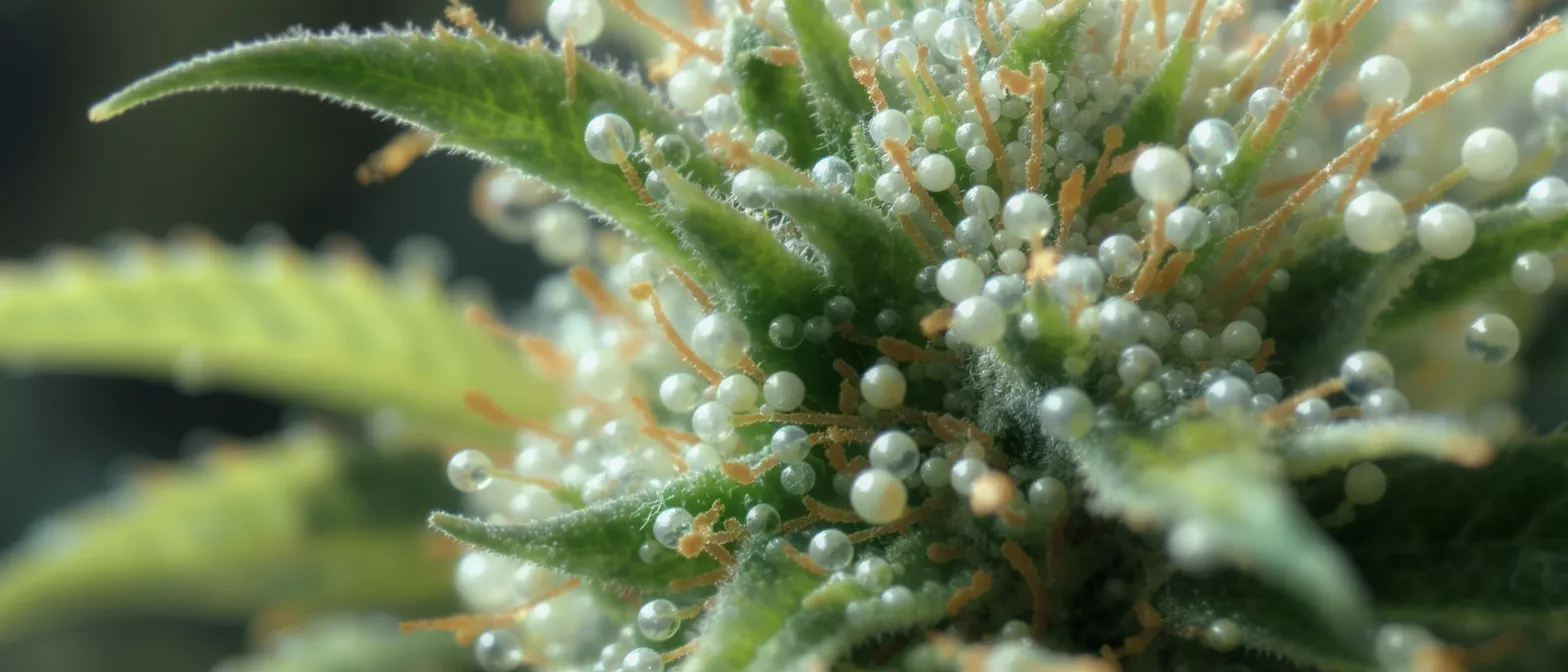
THCA stands for tetrahydrocannabinolic acid, and it is the naturally occurring, acidic form of THC found in living and freshly harvested cannabis. When the plant grows, it does not actually produce THC directly. Instead, the trichomes — those frosty, resinous glands coating premium flower — synthesize THCA in abundance. Only later, through heat or prolonged aging, does that acid shed part of its molecular structure and become the THC people know.
The trichome connection matters more than most people realize. Those sparkling crystals are where the plant concentrates its cannabinoids and phenolic compounds, and a heavy coating of them signals a flower rich in THCA. Growers who chase potency are, in a very literal sense, chasing THCA density. The higher the concentration in the raw material, the more THC becomes available once heat is applied.
Because THCA carries an extra carboxyl group, it behaves differently in the body than THC. That single chemical difference is the reason a fresh cannabis leaf will not intoxicate you the way a lit bowl will. It also opens the door to a category of raw-cannabis wellness practices — juicing, tinctures, and cold-processed extracts — that aim to deliver cannabinoids without the psychoactive payload.
THCA vs THC: What Is the Real Difference?
The relationship between THCA and THC is best described as parent and offspring. THCA is the raw precursor; THC is what it becomes after losing its carboxyl group. Structurally they are nearly identical, but that small variation changes how each interacts with the body's endocannabinoid system. THC fits neatly into CB1 receptors in the brain, producing the classic high, while THCA's bulkier shape does not bind the same way.
Bioavailability is where the two really diverge. THC is fat-soluble and readily crosses the blood-brain barrier once it is in its neutral form. THCA, by contrast, is poorly absorbed in its acidic state and is largely excluded from the brain, which is a core reason it is classed as a non psychoactive cannabinoid. For anyone weighing options, a good non-psychoactive wellness tincture highlights this distinction in practice.
Here is a quick comparison to keep the two straight:
- 🌿 THCA: Raw, acidic, non-intoxicating, found in fresh flower, converts with heat.
- 🔥 THC: Activated, neutral, intoxicating, created by decarboxylation, binds CB1 receptors.
- 🧪 Lab reports: Total THC is calculated from both, since THCA becomes THC when consumed by smoking or vaping.
- 🥬 Wellness use: THCA suits juicing and raw prep; THC suits smoking, vaping, and cooked edibles.
Does THCA Get You High Before Decarboxylation?
On its own, raw THCA does not produce a high. Eat a fresh cannabis leaf and you will not feel intoxicated, because the molecule cannot efficiently engage the receptors responsible for that effect. This is why cannabis juicing has become a niche wellness ritual — people consume large quantities of raw plant material specifically to access cannabinoids without impairment.
The catch is that "raw" has to stay genuinely raw. Any meaningful application of heat begins converting THCA into THC, and even a warm day or extended curing can trigger partial conversion. That is why laboratories that test flower report both figures separately. According to NORML, the acid forms of cannabinoids are increasingly studied for their distinct properties apart from their psychoactive counterparts.
It is worth noting that a poorly stored jar of old flower — sometimes dismissively called reggie or reggie-grade weed — will have undergone some passive decarboxylation over time. That slow conversion is one reason aged, low-quality material can still deliver mild effects when smoked, though it is a far cry from properly cured private reserve buds.
How THCA Becomes THC: The Decarboxylation Process
Decarboxylation is the chemical bridge between THCA and THC. The term describes the removal of a carboxyl group as carbon dioxide, a reaction driven primarily by heat. When you light a joint, vaporize flower, or bake cannabis into an edible, you are decarboxylating the material in real time, converting stored THCA into active THC that your body can actually use.
The reaction is temperature and time dependent. Lower heat over a longer period tends to preserve more cannabinoids and terpenes, while blasting flower with excessive heat can degrade both. Home cooks who make edibles often decarb their material in a low oven — typically around 220°F to 245°F for 30 to 45 minutes — before infusing it into oil or butter. Skipping this step is the classic reason a first batch of homemade edibles fails to work.
Several practical factors influence how completely THCA converts:
- 🌡️ Temperature: Higher heat converts faster but risks burning off delicate compounds like phytol and terpenes.
- ⏱️ Time: Longer exposure at moderate heat gives a more complete, even conversion.
- 💨 Method: Combustion (smoking) is near-instant; vaping is efficient; oven decarb is gradual and controllable.
- 📦 Storage: Even without deliberate heat, light and time slowly convert THCA, which is why proper storage in polyethylene or glass containers matters.
THCA Effects and Potential Benefits
Early research points toward anti-inflammatory potential. One of the most discussed THCA benefits is its possible anti-inflammatory activity, which has attracted interest from researchers studying cannabinoids that do not carry intoxicating effects. Because THCA does not impair the user, it is an appealing candidate for daytime wellness routines where a clear head is essential.
Beyond inflammation, preliminary studies and anecdotal reports touch on neuroprotective and anti-nausea properties, though it is important to stress that human clinical data remains limited. Much of the excitement is extrapolated from lab and animal models, and THCA research is still in an early phase. Anyone exploring a daytime raw cannabis wellness product should treat it as a complement to, not a replacement for, evidence-based care.
The appeal is partly about experience. Someone who wants the potential physiological support of cannabinoids without the head change gravitates toward raw preparations. Pair that with the entourage of terpenes, phenolic compounds, and trace cannabinoids present in whole flower, and you have a compelling reason people experiment with THCA-forward formats rather than isolated THC.
Is THCA Legal in Canada?
In Canada, cannabis is regulated by total THC potential, not raw THCA alone. This is a crucial distinction from some other jurisdictions. Canadian regulations account for the THC that THCA will produce once decarboxylated, so a high-THCA flower is treated as the high-THC product it effectively becomes when smoked or vaped. That means THCA flower falls squarely within the regulated legal cannabis framework here.
This closes the loophole seen in certain markets where THCA hemp is sold as a technically compliant product. In Canada, you purchase THCA-rich flower and extracts through the legal, tested supply chain, which offers reassurance on contaminants and accurate labelling. Reciprocity between provinces varies on retail rules, but the underlying legality is national and clear.
The practical upside is quality assurance. Buying from a regulated source means your lab-tested premium flower comes with a verified cannabinoid profile, so the THCA and THC figures on the label reflect what is actually in the jar rather than marketing guesswork.
Types of THCA Products: Flower, Isolate, and More
THCA flower is the most familiar format, and it is simply high-quality cannabis rich in the acid cannabinoid before you apply heat. Whether you break it down into a pinner joint or pack a bowl, the THCA converts as you consume it. Growers prize dense, trichome-heavy buds for exactly this reason, and connoisseurs seek out private reserve tiers for their aroma and potency.
THCA crystalline and isolate sit at the other end of the spectrum. These are highly purified extracts, sometimes reaching well over 99% THCA, produced through careful solvent processing rather than open blasting, which is a cruder and riskier extraction method best left to the past. Isolate appeals to those who want to dose precisely or add cannabinoids to their own preparations.
The format landscape is broad. Here are the common ones worth knowing:
- 🌸 THCA flower: Whole raw buds, ideal for smoking, vaping, or juicing.
- 💎 THCA crystalline: Near-pure isolate for precision and versatility.
- 💧 THCA tincture: Sublingual drops for non-intoxicating daily use.
- 🍬 THCA edibles: Note that most cooked edibles decarb during preparation and become active.
- 🧴 Topicals: Applied to skin for localized support without systemic effects.
THCA Research and What the Science Says
The scientific literature on THCA is younger than the research on THC and CBD, largely because acidic cannabinoids were long overlooked in favour of their activated forms. That is changing. As analytical methods improve and interest in non-intoxicating cannabinoids grows, THCA has moved from footnote to focus in a number of laboratory investigations.
Preclinical findings are the current backbone of the evidence. Studies in cell cultures and animal models have explored THCA's interaction with inflammatory pathways and certain receptors outside the classic CB1 route. These are genuinely promising signals, but they are not the same as proof in humans, and reputable researchers are careful to frame them as early groundwork rather than settled conclusions.
What makes THCA scientifically interesting is precisely that it sidesteps the intoxication that complicates THC research. A compound that may offer physiological effects without a psychoactive burden is easier to study for wellness applications and more attractive to people who cannot afford impairment. Expect the body of THCA research to expand meaningfully over the coming years.
How to Use Raw Cannabis for THCA
Juicing is the flagship method for consuming THCA raw. Blending fresh, undried cannabis leaves and flower into a juice or smoothie is the most direct way to take in the acid cannabinoid without triggering conversion. Because the plant material is never heated, the THCA stays intact, delivering cannabinoids in their natural, non-intoxicating state alongside chlorophyll and other plant nutrients.
Tinctures made through cold or low-heat processes are a more convenient alternative. A well-made raw tincture preserves THCA while offering measured, repeatable dosing via a dropper — far easier than sourcing fresh, food-grade flower on demand. Store any raw preparation cold and away from light, since ambient warmth will slowly nudge THCA toward THC over time.
A few practical pointers help preserve the raw profile. Keep material refrigerated, avoid drying or curing if your goal is THCA rather than THC, and understand that any recipe involving an oven or stovetop will activate the cannabinoids. Whether you re-up a supply of fresh flower or lean on a shelf-stable tincture, the guiding principle is the same: no heat, no conversion.


Strawberry Full Spectrum CBD Gummies 50mg x 5pcs (250mg) – KANDY KANDY
Berry-sweet, whole-plant calm. KANDY KANDY's Strawberry CBD gummies pack 50mg of full-spectrum cannabidiol into each of five candies — ripe strawberry flavour and the steady, no-high ease the entourage effect is prized for. Comprehensive everyday relief that tastes like a treat. Calm without the high, one berry bite at a time.
- Entourage Effect : Full spectrum enhances benefits
- Powerful Relief : 50mg provides real results
- Inflammation Fighter : Multiple compounds target swelling
- Anxiety Management : Calm without sedation
- Pain Reduction : Comprehensive relief
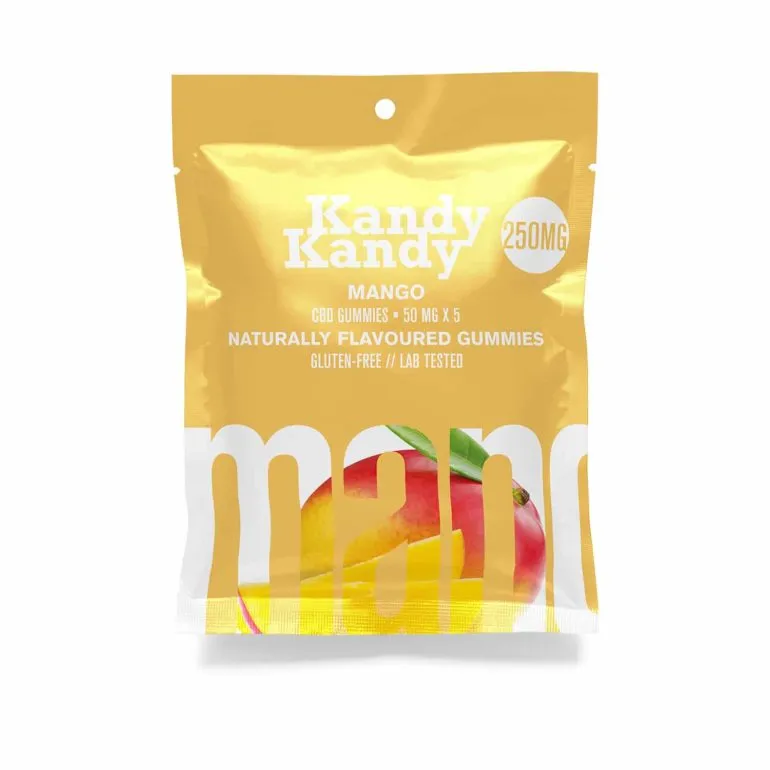
Mango Full Spectrum CBD Gummies 50mg x 5pcs (250mg) – KANDY KANDY
Tropical wellness, full spectrum. KANDY KANDY's Mango CBD gummies pack 50mg of whole-plant CBD into each of five tropical candies — sunshine-sweet flavour and steady, no-high relief that draws on the plant's full entourage. Calm, comfort, and a little escape in every bite.
- Strong Pain Support : A 50mg dose often chosen for chronic, persistent discomfort
- Severe Anxiety Relief : High dose provides comprehensive calm
- Systemic Inflammation Control : Reduces inflammation body-wide
- Enhanced Sleep Quality : Promotes deeper, more restorative rest
- Digestive System Support : CBD helps regulate gut health
How to Buy THCA Online Safely
Shopping for THCA online in Canada comes down to trusting the source. Because potency and purity vary, the single most important factor is a current certificate of analysis showing cannabinoid content and screening for contaminants. A reputable retailer publishes these lab results and stands behind accurate labelling rather than inflated marketing numbers.
Look past the headline THCA percentage. A responsible listing shows the full cannabinoid and terpene breakdown, harvest or packaging dates, and clear storage guidance. Freshness matters enormously for raw-focused use, since older stock has already begun passive decarboxylation. Prioritize vendors who ship quickly and package in light-blocking, airtight materials.
To summarize the journey from raw plant to activated compound: THCA is the abundant, non-intoxicating acid found in fresh cannabis, structurally close to THC but functionally distinct until heat completes the transformation through decarboxylation. It is fully accounted for under Canada's total-THC regulatory framework, comes in formats ranging from whole flower to crystalline isolate, and is drawing serious scientific attention for its potential wellness applications. Whether you are juicing raw leaf or simply reading a lab report with fresh understanding, knowing what THCA is — and how it becomes THC — turns a cryptic number on a label into genuinely useful knowledge.
Comments
Never understood why my lab reports showed such a huge THCA number and tiny THC. The parent-and-offspring explanation finally made it click for me.
I’ve been juicing raw cannabis for a few months for the anti-inflammatory angle and this is the clearest breakdown I’ve read. Glad you were honest that most of the research is still preclinical though.
The point about Canada regulating by total THC is important. A lot of American content pretends THCA is some legal loophole and it just doesn’t work that way here.
So THAT’S why my first batch of edibles did nothing. I skipped the decarb step entirely. Rookie mistake.
Bookmarking this. The product type list is handy — didn’t realize crystalline could hit over 99%.
Great section on decarboxylation temps. I always went too hot and probably torched half my terpenes.
Wait, so an old jar of weed slowly decarbs on its own over time? That explains a lot about some ancient stash I found.