

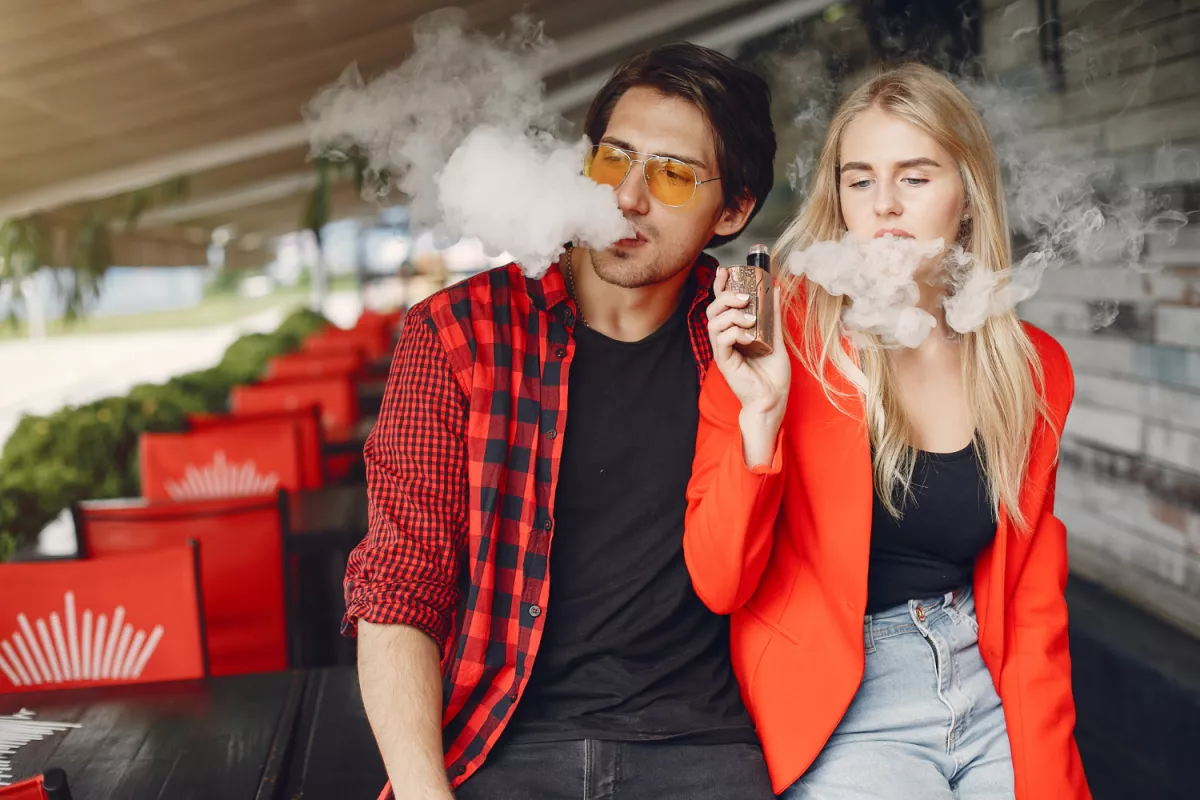
420
Discover what 420 means, where it came from, and why it matters.
Few numbers carry as much cultural weight as 420. What began as a piece of teenage shorthand evolved into a worldwide shorthand for cannabis, its rituals, and its community. Whether you have seen it stamped on merchandise, referenced in films, or printed on a dispensary calendar, the term has become inseparable from how people talk about marijuana today. This guide unpacks the meaning, the disputed origins, and the cultural momentum that turned a simple three-digit code into a global phenomenon.
What Does 420 Mean in Cannabis Culture
At its simplest, 420 is a numeric code that signals cannabis consumption or the broader culture surrounding it. People use it as a verb, a noun, and a time of day. Saying you are "420 friendly" tells others you are comfortable around marijuana, while "blazing at 4:20" refers to a specific moment when consumers traditionally light up. The term functions as a kind of social password that quietly communicates shared values without spelling them out.
Why a number instead of a word: Coded language has always thrived in communities where the activity carried legal or social risk. A number was discreet, easy to remember, and impossible for outsiders to immediately decode. That ambiguity was the point, allowing enthusiasts to identify one another in plain sight long before legalization shifted public attitudes.
Today the meaning has broadened well beyond secrecy. It encompasses a lifestyle, a date on the calendar, and an entire economy of products and events. The number now appears on everything from clothing to edibles, signaling membership in a culture that has grown remarkably mainstream over the past two decades.
How Did 420 Start and Where Did It Come From
The most credible origin story traces back to a group of California high school students in the early 1970s. Known as the Waldos because they hung out by a wall, these teenagers reportedly met at 4:20 in the afternoon to search for an abandoned cannabis crop. The treasure hunt never panned out, but the time stamp stuck as their private code for getting together to smoke.
How the term spread: The Waldos had connections to the Grateful Dead scene, and the band's sprawling network of fans helped carry the phrase far beyond a single school. As reporting from Analytical Cannabis and other outlets has noted, the term gained traction through flyers, concert culture, and word of mouth throughout the 1980s and 1990s.
Competing theories have circulated for years, including claims that 420 was a police radio code or a reference to the number of chemical compounds in cannabis. Neither holds up under scrutiny. The police code explanation in particular has been repeatedly debunked, leaving the Waldos account as the version most historians accept.
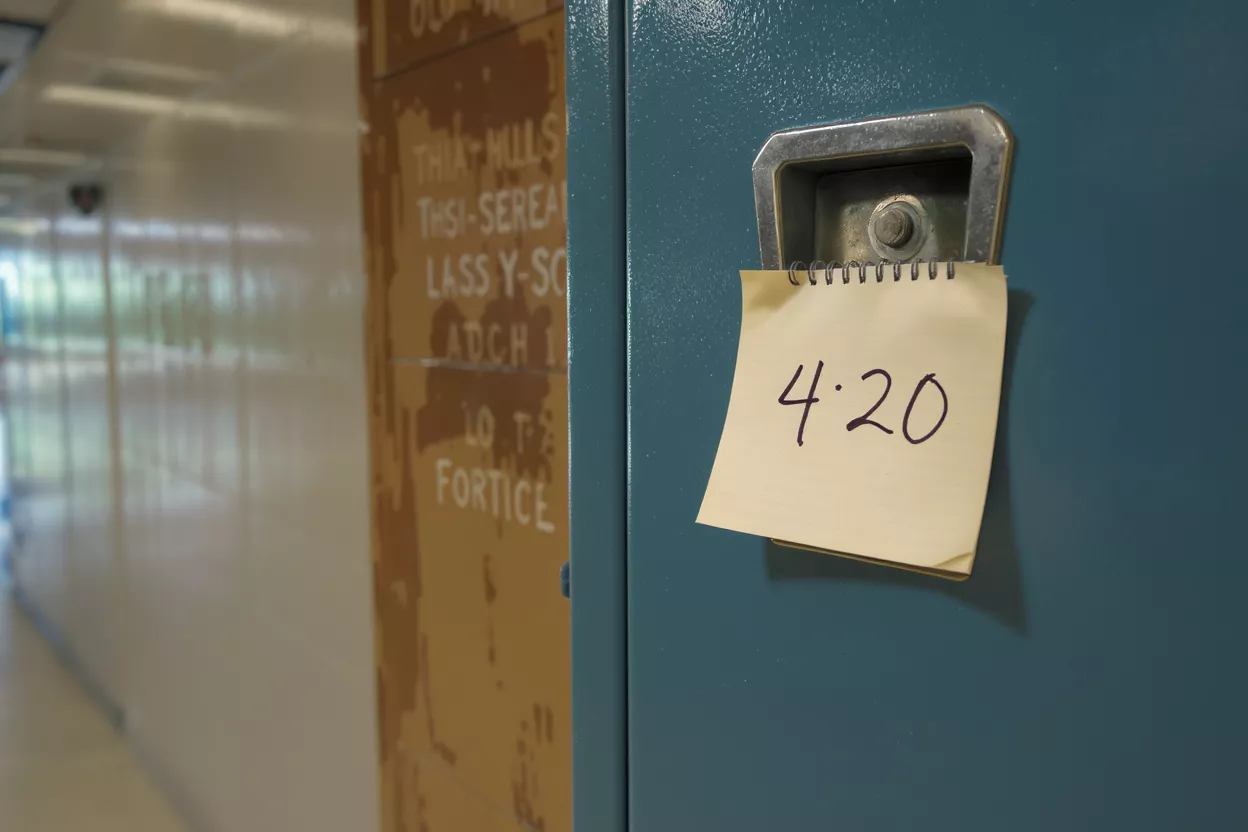
Why the origin matters: Understanding where the term came from grounds it in a real social history rather than marketing invention. It reminds us that cannabis culture grew from grassroots communities, friendships, and shared experiences long before any brand attempted to package it.
Why 420 Became a Global Cannabis Code
What made 420 spread across continents was its simplicity and adaptability. A number transcends language barriers in a way that slang rarely does. A consumer in Berlin, Toronto, or Cape Town can recognize it instantly without translation, which gave it a universal quality that few cultural symbols achieve.
Media amplification accelerated the process. As cannabis appeared more openly in music, film, and eventually social platforms, the number became an easy reference point that creators could deploy with a wink. Each mention reinforced its meaning to a wider audience and cemented its place in the popular lexicon.
The role of the internet: Online forums and early cannabis communities in the late 1990s and 2000s gave the term a digital home. Enthusiasts who might never meet in person could organize, share knowledge, and reinforce the shared vocabulary, accelerating the worldwide adoption of 420 as the default cannabis shorthand.
What Happens on April 20 Every Year
Because the code references 4:20, the fourth month and twentieth day, April 20, became an unofficial holiday. Each year cannabis communities gather to celebrate, protest for reform, and simply enjoy the culture together. Public parks, music venues, and dispensaries see a surge of activity that has become a fixture on the calendar.
Notable gatherings span the globe and have grown from small informal meetups into substantial events. Reporting on consumption trends from Analytical Cannabis has highlighted how these celebrations now blend advocacy, commerce, and community in equal measure.

Some of the most recognizable traditions and activities include:
- 🌿 Public gatherings: Large crowds assemble in parks and plazas, often timed to the 4:20 mark in the afternoon.
- 🎶 Live music events: Concerts and festivals build their lineups around the date, drawing tens of thousands of attendees.
- 📣 Advocacy rallies: Reform groups use the visibility to push for policy change and legalization.
- 🛍️ Retail promotions: Dispensaries offer special pricing and limited products, making it one of the busiest sales days of the year.
Is 420 Just Slang or Something More
Calling 420 mere slang undersells what it represents. It operates as a cultural shorthand, a community identifier, and increasingly a commercial touchstone. The term carries layers of meaning depending on who uses it and in what context, which is precisely what gives it staying power.
A marker of identity: For many consumers, the number signals belonging to a community built around shared experiences and values. It functions much like other subcultural codes, offering a quick way to recognize kindred spirits and signal openness without lengthy explanation.
At the same time, the term has matured into a serious business concept. Brands, events, and entire marketing calendars now revolve around it. That dual nature, both grassroots and commercial, is what distinguishes 420 from ordinary slang that fades with each generation.
Common 420 Myths That Need Debunking
Misinformation has attached itself to the term over the decades, and separating fact from fiction helps preserve an accurate history. The most persistent myths tend to circulate online without any verifiable source behind them.
Here are the claims that deserve correction:
- 🚓 The police code myth: No police department used 420 as a dispatch code for cannabis. This explanation has been thoroughly debunked.
- 🧪 The chemical compound myth: Cannabis does not contain exactly 420 active compounds, and the real count differs entirely from the number.
- 🎸 The Bob Dylan math myth: A theory linking the number to multiplying figures in a Dylan song is a coincidence rather than an origin.
- 📜 The single inventor myth: No one person trademarked or coined it for profit; it emerged organically from a group of friends.
The Waldos eventually preserved postmarked letters and other artifacts to document their claim, which lends credibility to their account over the alternatives. Their evidence has been examined by journalists and historians who largely accept the early 1970s origin as authentic.
How 420 Shaped Cannabis Marketing and Branding
As legalization expanded, the term became a powerful marketing asset. Brands recognized that aligning with 420 instantly connected them to an established culture and a loyal audience. The date now functions much like other retail holidays, complete with anticipated promotions and product launches.
Building seasonal campaigns: Companies plan months ahead for April 20, treating it as their flagship sales event. The approach mirrors how other industries build around peak shopping days, with limited releases and bundled offerings designed to capture heightened consumer interest.
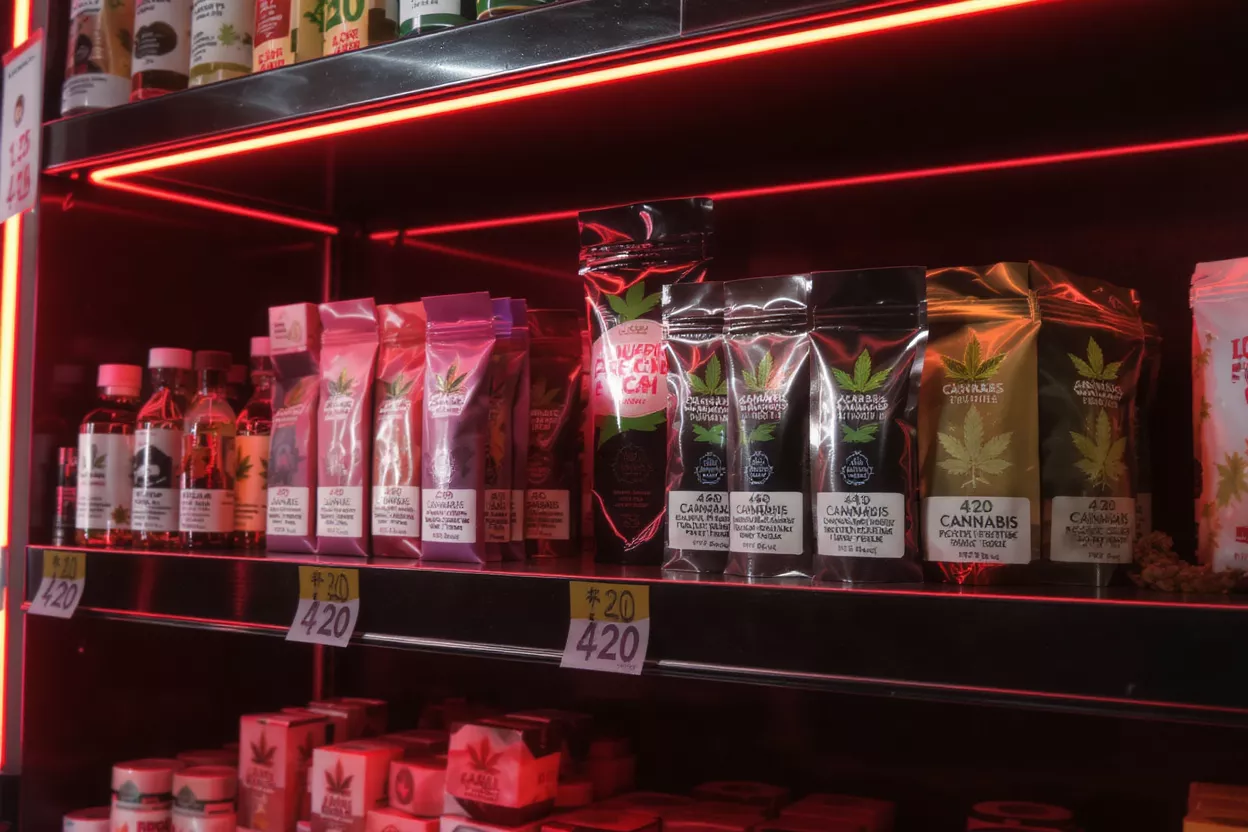
The cultural resonance also shapes everyday branding far beyond a single date. Packaging, store names, and product lines reference the number to signal authenticity and belonging. According to industry analysis from Analytical Cannabis, this kind of cultural alignment has become a competitive necessity rather than an optional flourish in a crowded market.
420 and the Push Toward Legalization
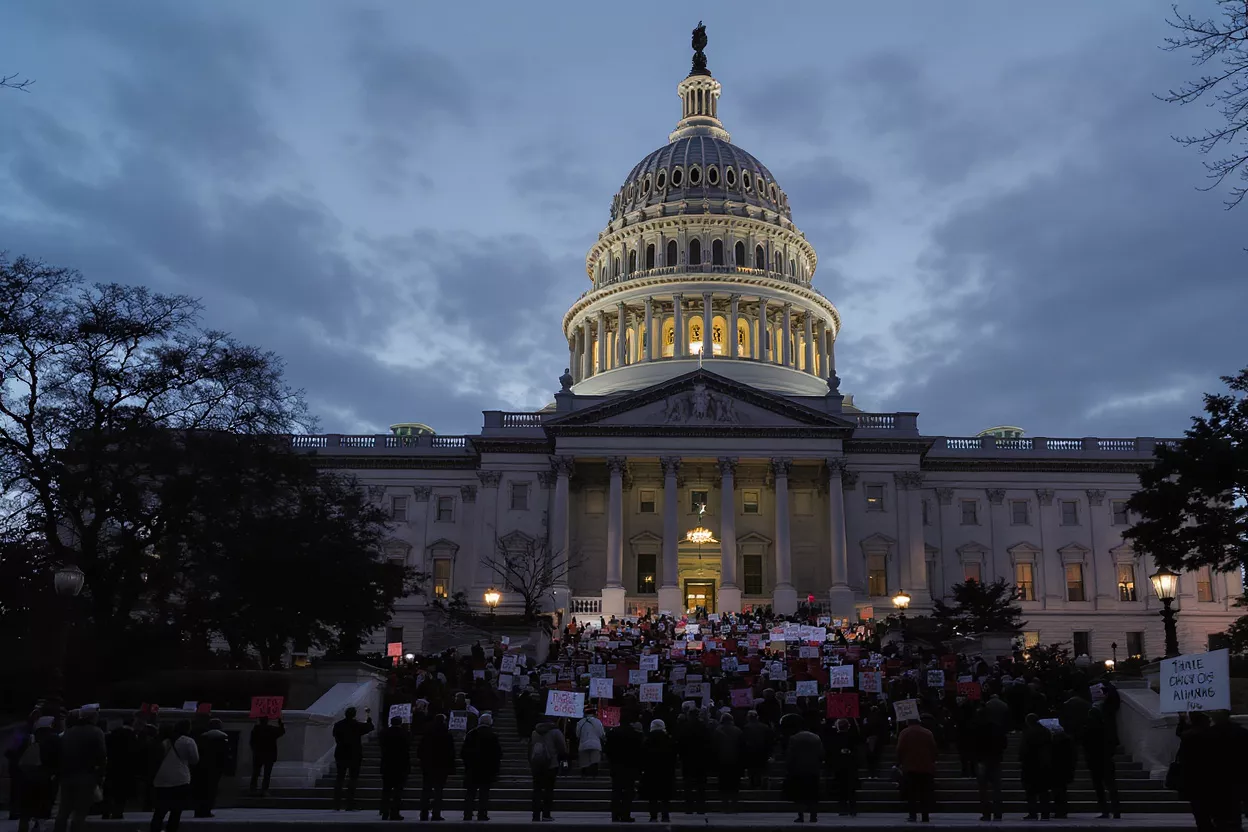
The date has long doubled as a rallying point for cannabis reform. Long before legalization spread across North America, advocates used April 20 to stage demonstrations and draw media attention to prohibition's costs. The gatherings provided visibility that traditional lobbying could not match.
That activist dimension remains central to the day's identity. Even in jurisdictions where cannabis is fully legal, reform groups continue to highlight unresolved issues such as criminal record expungement, equitable licensing, and access for medical patients. The celebration and the cause have always coexisted.
From protest to policy: The steady annual visibility helped normalize cannabis in the public eye, gradually shifting attitudes that eventually translated into ballot measures and legislative change. The cultural momentum behind 420 played a quiet but meaningful role in moving the conversation forward.
How People Celebrate 420 Responsibly
As the culture matures, responsible enjoyment has become a more prominent theme. Experienced consumers emphasize moderation, informed choices, and respect for those around them. The shift reflects a broader move from rebellious novelty to mindful, everyday wellness practices.
Knowing your products: Understanding potency, dosing, and the difference between consumption methods helps people enjoy the day without overdoing it. Whether choosing flower, a vape, or measured edibles, starting low and going slow remains sound advice, especially for newer consumers.
Responsible celebration also means planning ahead, never driving impaired, and being considerate in shared spaces. The community's growing emphasis on safety has helped 420 shed older stereotypes and present a more thoughtful, inclusive face to the wider public.
The Future of 420 in a Legal Market
As cannabis becomes increasingly mainstream, the meaning of 420 continues to evolve. What was once a discreet signal among insiders is now an openly celebrated cultural milestone. The number's future will likely balance its grassroots roots with its expanding commercial profile.
Some worry that heavy commercialization could dilute the term's authentic origins. Yet the documented history and the community's attachment to it suggest the cultural meaning will endure even as brands continue to build campaigns around the date. The story of the Waldos remains a touchstone that keeps the human element alive.
What comes next: Expect the date to grow as a fixture in mainstream retail calendars while reform advocacy persists in the background. As more regions legalize, 420 may shift from a symbol of resistance toward a celebration of normalized, regulated access, but its role as a unifying cultural code shows no sign of fading.
From a teenage code word to a global cultural institution, 420 has traveled a remarkable distance. It carries history, identity, community, and commerce in a single three-digit number. Understanding its origins and meaning offers a window into how cannabis culture grew from the margins into the mainstream, and why a simple number still resonates with millions of people around the world.
Comments