

Hash
Discover what hash is, how it's made, and how to use it.
What Is Hash in Cannabis?
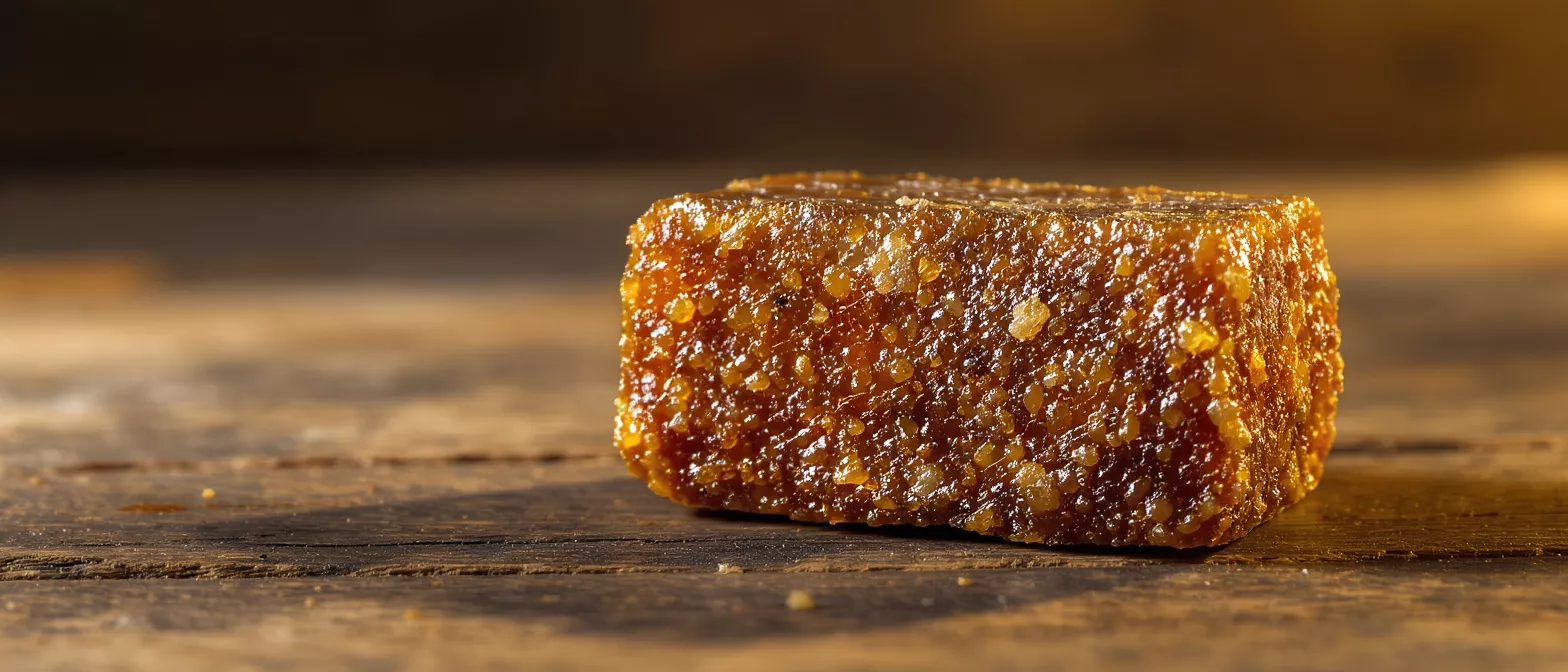
Hash, short for hashish, is one of the oldest cannabis concentrates known to humankind. At its core, hash is a collection of compressed trichomes — the tiny, mushroom-shaped resin glands that coat the surface of mature cannabis flowers. These glands are where the plant stores the vast majority of its cannabinoids and aromatic compounds, which means that separating and concentrating them produces a product far more potent than raw flower.
The word itself traces back to the Arabic term for "grass," and references to hashish appear in texts spanning more than a thousand years across the Middle East, Central Asia, and North Africa. Long before the era of butane extraction and laboratory-grade equipment, communities in regions like Afghanistan, Lebanon, Morocco, and India were refining techniques to gather and press resin into dense, fragrant blocks. That deep history is part of what makes hash so culturally significant within the broader world of cannabis.
What sets traditional hash apart from many modern concentrates is that it is typically solventless. Rather than relying on chemical solvents to strip cannabinoids from plant material, classic hash-making uses physical methods — sifting, agitation, heat, and pressure. This mechanical approach preserves much of the plant's natural character while delivering a concentrated, resin-rich final product that captures the essence of the cultivar it came from.
How Hash Is Made: From Trichomes to Resin
Every method of making hash shares the same fundamental goal: separate the trichome heads from the rest of the plant. The trichome head is the part that contains THC, CBD, and the fragrant terpenes responsible for aroma and flavor. The stalks, leaves, and fibrous material contribute little to a quality concentrate, so the art of hash-making lies in isolating those resin glands as cleanly as possible.
The separation can be achieved through several distinct approaches, but they generally fall into one of three families: hand-rubbing fresh plants, dry-sifting cured material through fine screens, or agitating frozen flower in ice water. Once the trichomes are gathered, they are subjected to gentle heat and pressure, which ruptures the glands slightly and binds the resin together into a cohesive mass. The result ranges from a soft, pliable putty to a hard, brittle slab depending on the technique and the freshness of the resin.
Quality hinges on a few key factors worth keeping in mind:
- 🌿 Starting material: Resin-heavy cultivars with dense trichome coverage yield richer, more aromatic hash.
- ❄️ Temperature control: Keeping trichomes cold and intact during collection prevents premature rupture and preserves terpenes.
- 🔬 Filtration precision: Fine micron screens separate pure resin heads from contaminating plant debris.
- 💪 Pressure and heat: The right balance binds the resin without scorching delicate compounds.
Types of Hash You Should Know
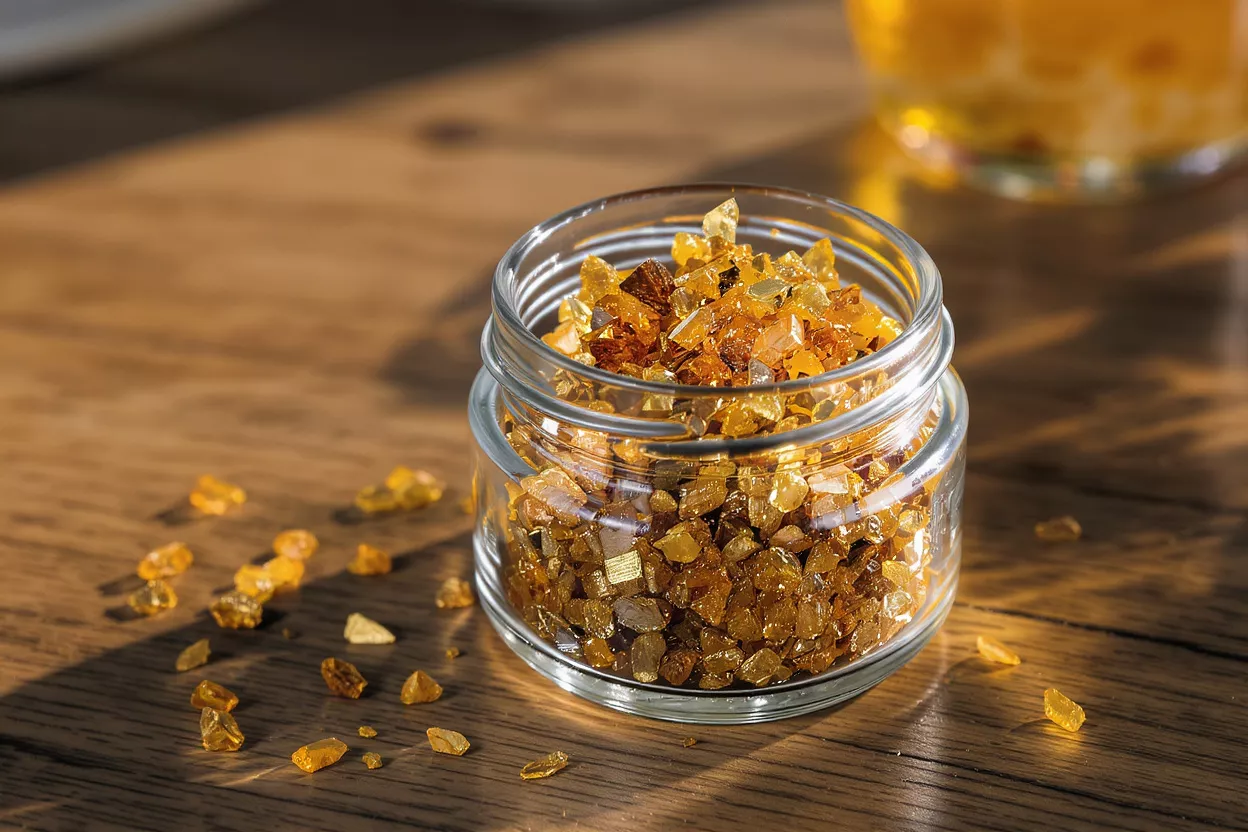
Not all hash is created equal, and the differences between varieties come down largely to how the resin is collected and pressed. Understanding the main categories helps you know what to expect in terms of texture, potency, flavor, and the experience itself. Broadly speaking, the cannabis world recognizes a handful of traditional and modern styles, each with its own loyal following.
Regional traditions have produced distinctive hash styles over centuries. Moroccan and Lebanese hash tend to be dry-sifted and pressed into firm blocks, while Afghani and Indian charas are often softer and stickier due to hand-rubbing fresh plants. More recently, ice water extraction has given rise to bubble hash and its premium cousin, full-melt, prized for purity and clean flavor.
Here is a quick comparison of the most common hash types and what defines each:
- ✋ Charas: Hand-rubbed from live plants, soft and pliable, deeply aromatic and traditional.
- 🧊 Bubble hash: Made with ice water agitation, ranges from sandy to full-melt quality.
- 🏺 Pressed kief: Dry-sifted trichomes compressed into blocks, classic and accessible.
- 🌍 Moroccan and Lebanese: Firm, dry-sifted slabs with earthy, spicy character.
What Is Hand-Rubbed Charas Hash?
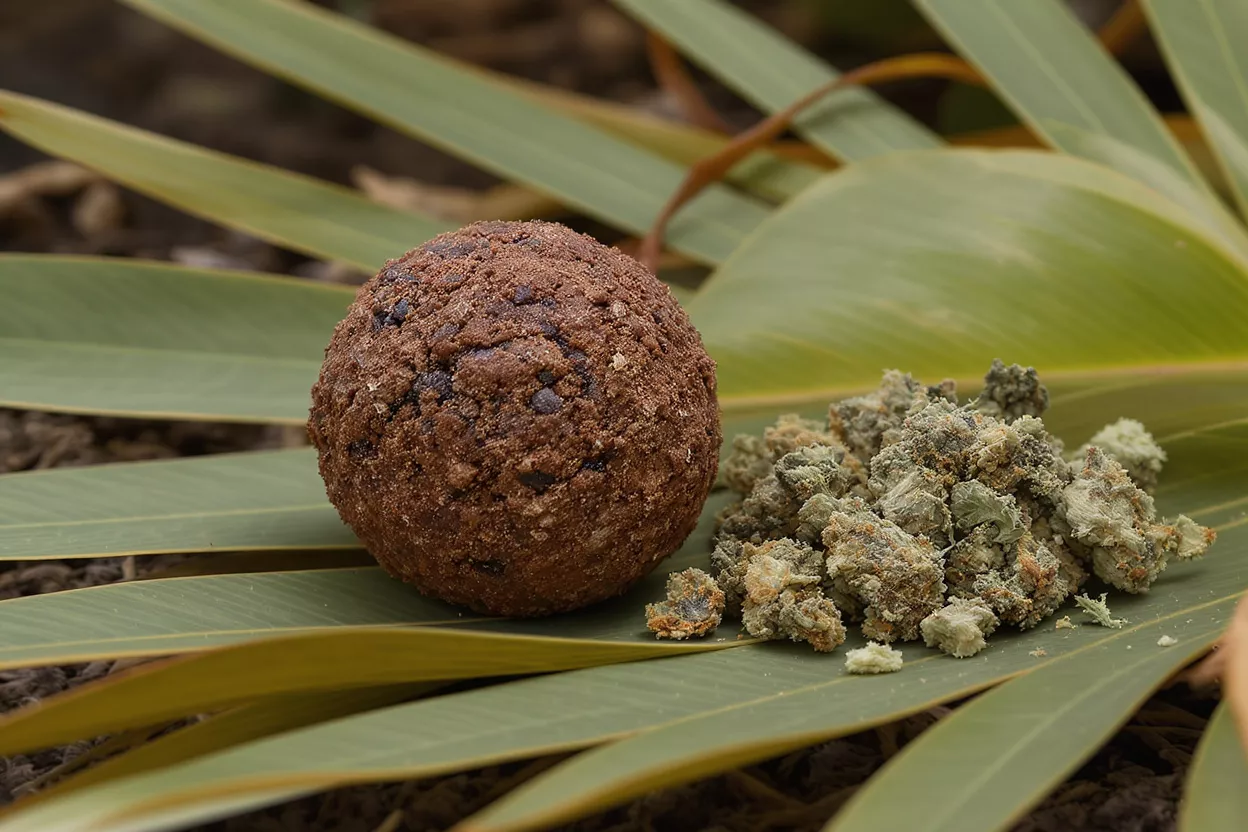
Charas is perhaps the most romantic and labor-intensive method of producing hash. Practiced for generations in the mountainous regions of India, Nepal, and parts of Pakistan, charas is made by gently rubbing living, flowering cannabis plants between the palms. As the maker works, sticky resin accumulates on the skin, gradually building into a dark, fragrant layer that is then rolled into balls or sticks. Because the plant is still alive when the resin is harvested, charas retains a remarkably full terpene profile.
The texture of quality charas is soft and malleable, almost like a dense clay that warms and softens further in the hand. Its aroma is rich and complex, often described as earthy, floral, and slightly spicy. This freshness is the signature trait that distinguishes hand-rubbed hash from dry-sifted varieties made from cured flower. The trade-off is yield: charas production is slow and yields are modest, which is why authentic, well-made charas commands respect among connoisseurs.
For anyone curious about cannabis heritage, charas offers a direct link to centuries-old practice. The technique has changed little over hundreds of years, and the meditative, hands-on nature of the process is part of its enduring appeal. It represents hash in one of its purest and most traditional forms.
How Dry Sift Hash and Kief Are Pressed
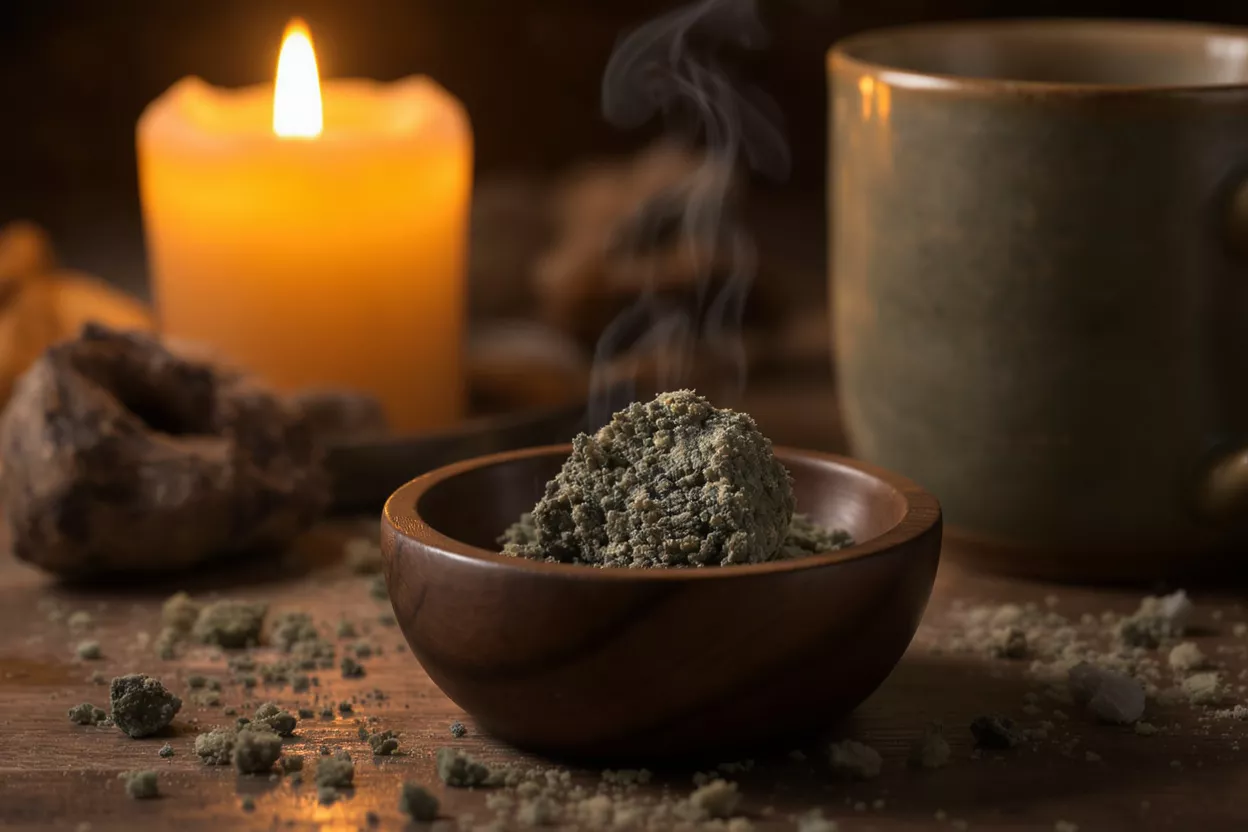
Dry sift hash begins with kief — the loose powder of trichome heads that collects when cannabis is sifted over fine mesh screens. Anyone who has used a multi-chamber grinder has seen kief accumulate in the bottom compartment. On a larger scale, hash-makers tumble dried, cured flower across a series of progressively finer screens, separating the resin glands from leaf and stem material. The purest collections come from the finest micron screens, which let only the smallest, cleanest trichome heads pass through.
Once enough kief is gathered, it is pressed using a combination of heat and pressure. This step transforms the loose powder into a solid, workable block. Pressing slightly ruptures the trichomes, releasing oils that bind the material together and darken its color from pale gold to deep brown. The degree of pressing influences both the texture and the burn characteristics of the finished hash.
Dry sift is one of the most accessible entry points into the world of solventless concentrates. It requires no water, no freezing, and no solvents — just patience and good technique. Regions like Morocco built entire export industries around this method, and the resulting pressed slabs remain a staple of traditional hash culture worldwide.
What Is Bubble Hash and Ice Water Extraction?
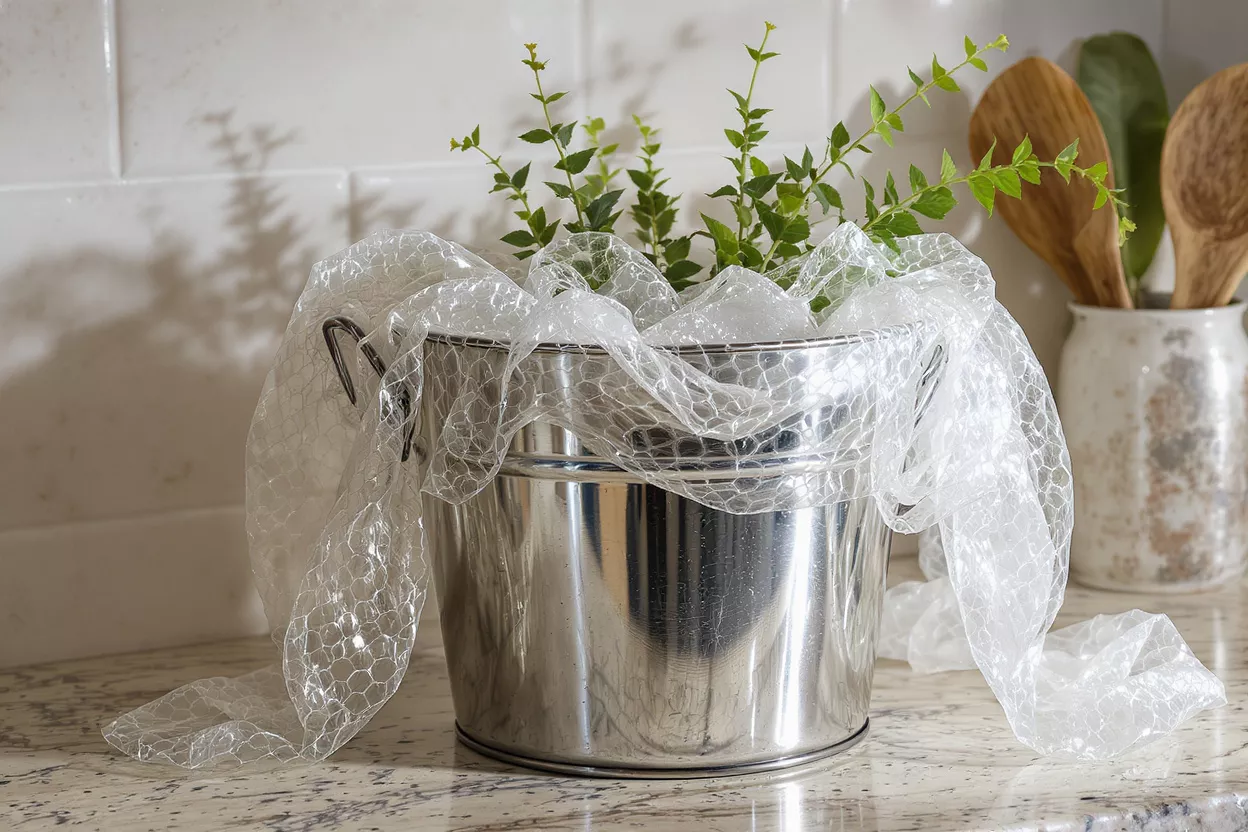
Bubble hash, also called ice water hash, is the modern darling of the solventless concentrate scene. The process relies on a simple principle: trichome glands become brittle when frozen, allowing them to snap off the plant when agitated in ice-cold water. Frozen or fresh flower is stirred in a vessel filled with ice and water, and the dislodged resin heads sink while plant matter floats. A stack of mesh "bubble bags" with descending micron sizes then filters the slurry, capturing pure resin at each level.
The name comes from the way high-quality versions bubble and melt when heated, leaving little to no residue. This "full-melt" grade is considered the pinnacle of solventless extraction, rivaling solvent-based concentrates in purity while preserving a cleaner, more natural flavor. Lower grades may contain more plant contamination and burn rather than melt, but even these make excellent additions to a bowl or joint.
Because ice water extraction uses nothing but water, ice, and agitation, it appeals strongly to consumers seeking a chemical-free product. It has become the foundation for premium solventless offerings, including the live rosin that has surged in popularity among quality-focused enthusiasts.
How Potent Is Hash Compared to Flower?
Hash is significantly more potent than the flower it comes from, and understanding why helps set realistic expectations. Raw cannabis flower typically tests somewhere in the range of 15 to 25 percent THC, with much of that figure diluted by plant material that contributes no psychoactive effect. Hash, by contrast, concentrates the active trichomes, pushing potency considerably higher — quality hash commonly falls between 30 and 60 percent THC, with exceptional full-melt grades climbing higher still.
This concentration is precisely the point. By stripping away inert plant matter and gathering only the resin glands, hash delivers far more cannabinoids per gram. For experienced consumers, that efficiency is a benefit: a small amount goes a long way. For newcomers, however, the elevated potency calls for caution and a measured approach. Starting with a tiny portion and waiting to gauge the effect is always the wise path.
A few points help frame hash potency in practical terms:
- 📊 Higher cannabinoid concentration: Expect roughly two to three times the strength of standard flower.
- 🌡️ Terpene preservation: Solventless methods retain aromatic compounds that shape both flavor and effect.
- ⏳ Start low and slow: Especially with full-melt grades, modest doses prevent overconsumption.
How to Use Hash: Smoking, Dabbing, and Edibles
One of the great appeals of hash is its versatility — there are several ways to enjoy it depending on your preference and equipment. The most traditional method is simply adding small pieces to a bowl, pipe, or joint, layering it on top of or mixed with flower. This approach is approachable, requires no special tools, and lets the hash's flavor shine alongside the herb. Many longtime users consider this the classic, time-honored way to appreciate good hash.
For those seeking the cleanest, most intense experience, dabbing high-grade hash like full-melt bubble or rosin on a dab rig vaporizes the concentrate at controlled temperatures. This method delivers potent, terpene-rich vapor with minimal combustion byproducts. Lower-temperature dabs especially highlight the nuanced flavors that solventless hash is known for, making it a favorite technique among flavor-focused enthusiasts.
Hash also works beautifully in the kitchen. Because it is already a concentrated form of cannabis, it can be decarboxylated and infused into butter or oil to make potent edibles. A little goes a long way, so careful dosing is essential when cooking with hash. Whether smoked, dabbed, or eaten, the key is to respect its strength and adjust your quantity accordingly.
How to Store Hash to Keep It Fresh
Proper storage preserves the potency, aroma, and texture of hash for months or even years. Like all cannabis products, hash degrades when exposed to heat, light, oxygen, and excess moisture. THC slowly converts to less psychoactive compounds over time, and delicate terpenes evaporate, dulling both flavor and aroma. Minimizing exposure to these elements is the single most important thing you can do to protect your investment.
The ideal storage environment is cool, dark, and airtight. A small glass container kept in a cupboard away from sunlight works well for most varieties. For longer-term storage, some people refrigerate or even freeze their hash, though this requires care to avoid condensation when the product warms back up. Allowing frozen hash to return to room temperature before opening the container helps prevent moisture from forming on the surface.
Texture also offers clues about freshness. Quality hash should remain pliable or cleanly brittle depending on its type, and a harsh chemical smell or crumbly, dried-out feel signals improper storage. Treated well, a good piece of hash will reward you with consistent quality long after you first acquire it.
Is Hash Right for You?
Hash occupies a special place in cannabis culture, bridging ancient tradition and modern refinement. If you appreciate the heritage and craftsmanship behind cannabis, exploring different hash styles offers a genuinely rewarding journey. From hand-rubbed charas that connects you to centuries of practice, to full-melt bubble hash that represents the cutting edge of solventless extraction, there is a style suited to nearly every palate and preference.
The higher potency of hash makes it especially appealing to experienced consumers who value efficiency and depth of flavor. That same strength, though, means newcomers should approach it thoughtfully — start with small amounts, choose a method that fits your comfort level, and pay attention to how your body responds. The concentrated nature of hash rewards a measured, intentional approach far more than overindulgence.
Ultimately, hash represents one of the most satisfying ways to experience the full character of the cannabis plant. Its solventless heritage, rich aromatics, and remarkable versatility have kept it relevant for over a thousand years and counting. Whether you are a curious beginner or a seasoned connoisseur, taking the time to understand and appreciate quality hash deepens your relationship with cannabis in a way few other products can match.

Comments