


Rosin
Discover how rosin is made using only heat and pressure—no solvents, pure potency.
What Is Rosin in Cannabis?
Rosin is a solventless cannabis concentrate produced by applying heat and mechanical pressure to flower, kief, or hash until the resin glands rupture and release their oils. Unlike many extracts that rely on chemical solvents to strip cannabinoids from plant material, rosin uses nothing but physical force and controlled temperature. The result is a translucent, sappy concentrate that captures the full spectrum of cannabinoids and terpenes present in the starting material.
The appeal of a clean extraction method has driven rosin from a niche home-press hobby into a premium category sold at dispensaries worldwide. Because no butane, propane, or ethanol touches the final product, there is no residual solvent to purge and no risk of chemical contamination in the finished concentrate. This purity story resonates with consumers who want potency without the industrial chemistry.
The word itself borrows from the rosin used by string musicians and athletes, a sticky residue derived from heat-treated plant resin. In cannabis, the term describes both the process and the product. When someone refers to pressing rosin, they mean squeezing trichome-rich material between heated plates until golden oil weeps out, ready to be collected, cooled, and consumed.
How Rosin Is Made With Heat and Pressure
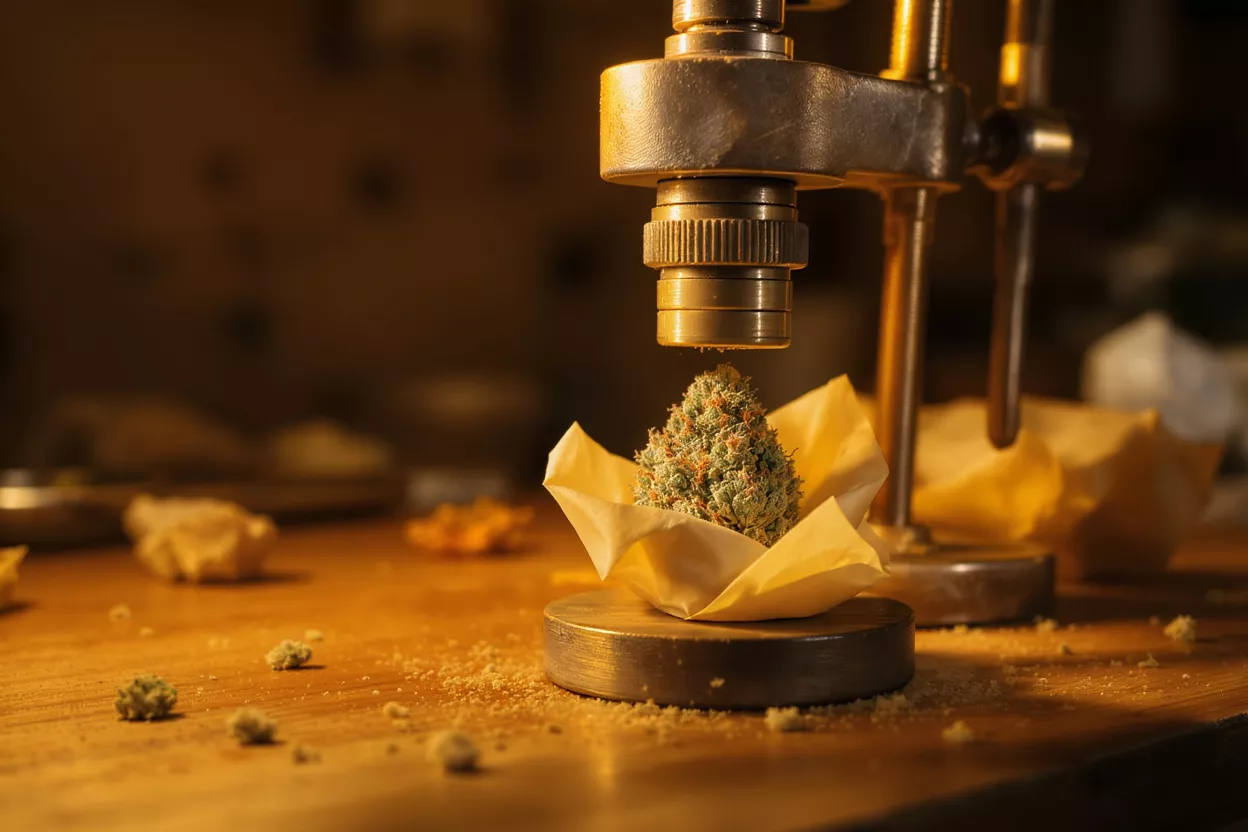
Making rosin comes down to three variables: heat, pressure, and time. Flower or hash is wrapped in a fine micron mesh bag, placed between two heated plates, and compressed under hundreds of pounds of force. The heat lowers the viscosity of the cannabis oils while the pressure forces them out of the plant matter and onto parchment paper or a collection surface.
Temperature control defines quality. Lower temperatures, roughly 160°F to 190°F, yield a stable, budder-like consistency with vibrant terpene preservation but slightly lower overall yield. Higher temperatures, around 200°F to 220°F, produce a runnier, more translucent sap with greater yield but a higher risk of degrading delicate aromatic compounds. Skilled pressers dial in the sweet spot for each batch of input material.
Pressure and dwell time round out the equation. Most operators apply gradual pressure over several seconds rather than slamming the plates shut, giving the oil time to flow without blowing out the bag. The micron rating of the mesh also matters: tighter bags filter out more plant particulate but can restrict flow, while looser bags increase yield at the cost of clarity.
Types of Rosin and Source Material
Rosin is categorized largely by what goes into the press. The starting material determines the grade, flavor, and price of the finished concentrate, and connoisseurs pay close attention to the source.
- 🌿 Flower rosin: Pressed directly from cured cannabis buds. Accessible and forgiving, but yields and purity trail behind hash-based methods because whole flower carries more plant material.
- ❄️ Hash rosin: Made by pressing bubble hash or dry-sift kief. Far cleaner and more potent, since the trichome heads are already isolated before pressing.
- 💎 Live rosin: Pressed from hash made out of fresh-frozen plants rather than cured flower, locking in the most volatile terpenes for a vivid, true-to-plant flavor.
Source material quality cannot be faked. A press cannot add cannabinoids or terpenes that the input did not contain. Garbage in, garbage out is the unofficial motto of solventless extraction. This is why premium rosin starts with carefully grown, properly cured or fresh-frozen flower handled to protect the fragile trichome heads.
Hash rosin sits at the top of the hierarchy for most enthusiasts. By washing the plant in ice water to separate the resin glands first, the presser feeds the plates with concentrated trichomes rather than whole flower. The yield per gram of input climbs, the color lightens, and the flavor sharpens considerably.
Rosin vs Resin: What Is the Difference?
The similar spelling causes endless confusion, but rosin and resin describe very different things. Resin is the sticky substance produced naturally by the cannabis plant inside its trichomes, the same glands that hold cannabinoids and terpenes. Rosin is what you get when you press that resin out of the plant using heat.
Live resin is the common point of confusion. Live resin is a solvent-based extract made from fresh-frozen flower using hydrocarbons like butane. Live rosin is the solventless cousin, made from fresh-frozen hash pressed without any chemicals. Both prioritize terpene preservation, but only one involves solvents in the extraction.
For consumers deciding between them, the choice often comes down to philosophy and palate. Solvent extracts can achieve very high cannabinoid percentages and consistent textures at lower cost. Solventless rosin trades some of that consistency for a cleaner production story and a flavor profile many describe as more faithful to the living plant.
What Is Live Rosin and Why It Matters
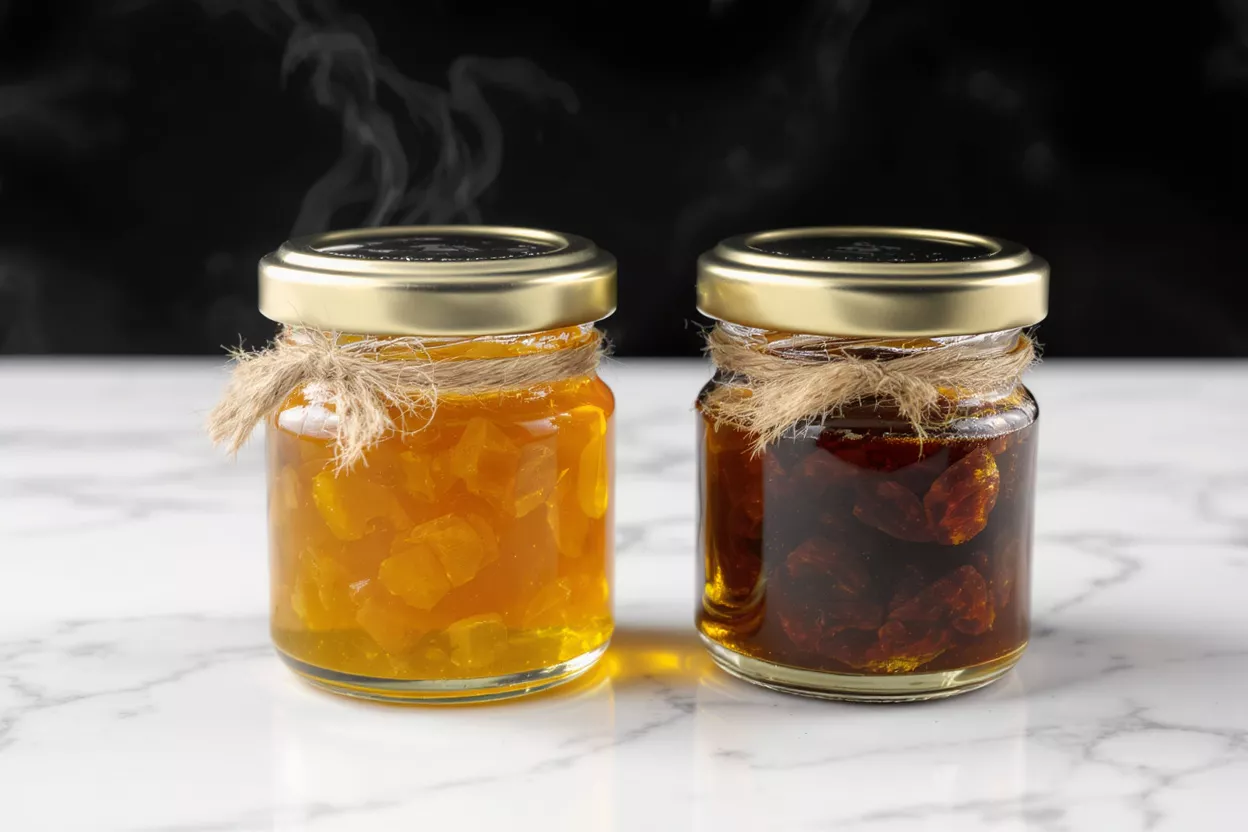
Live rosin represents the pinnacle of solventless extraction. The process begins by harvesting cannabis and immediately freezing it before the flower is cured or dried. Freezing halts the degradation of monoterpenes, the lightest and most volatile aromatic compounds that normally evaporate during drying and curing.
The fresh-frozen advantage shows up in the glass. Because the volatile terpenes never had a chance to escape, live rosin carries an intensity of aroma and flavor that cured-flower products struggle to match. A live rosin pressed from a citrus-forward cultivar can smell startlingly like fresh peel rather than a muted echo of it.
This quality comes at a cost. Fresh-frozen material must be washed into hash, dried carefully under cold conditions, and pressed with precision, all while keeping temperatures low to protect the terpenes. The labor, equipment, and yield losses involved explain why live rosin commands some of the highest prices in any dispensary case.
Rosin Consistencies and Textures Explained
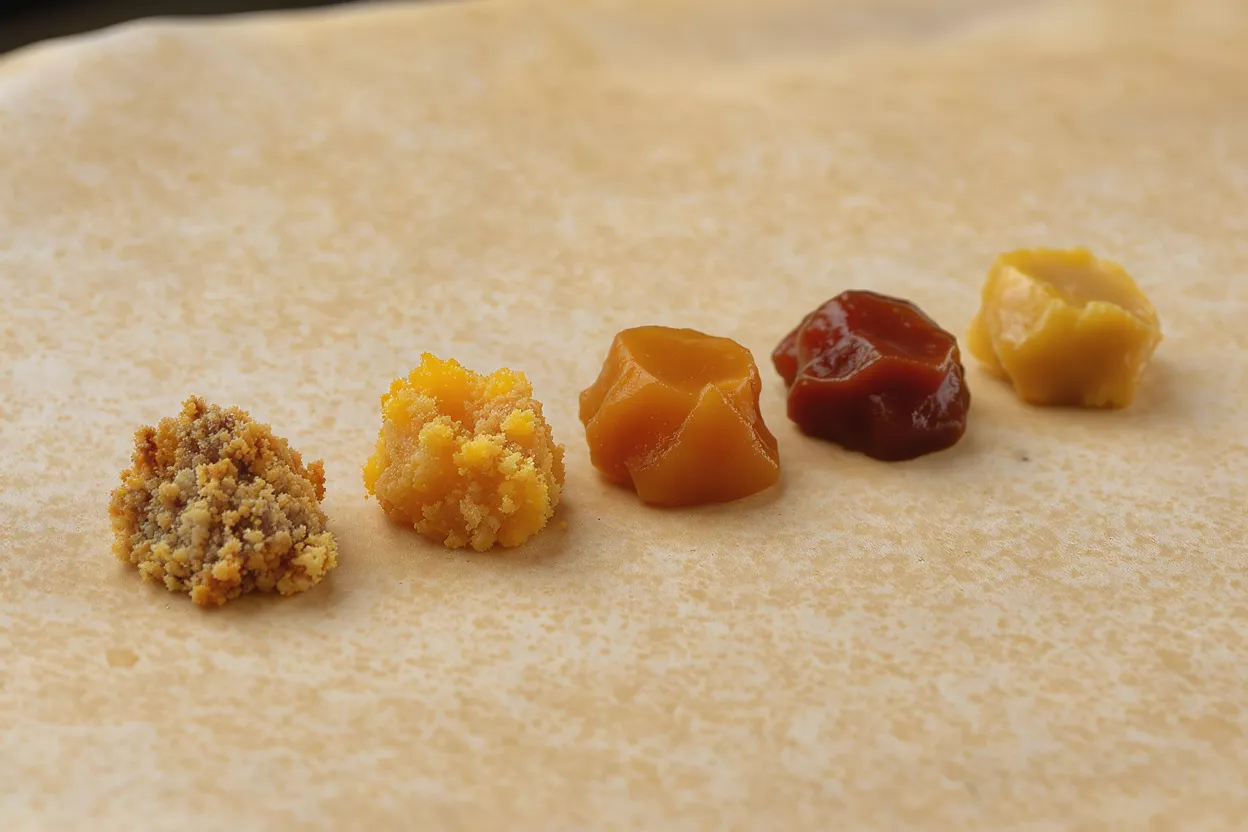
Fresh off the press, rosin is a runny golden sap, but it rarely stays that way. As it sits, the concentrate undergoes physical changes that shift its texture, a process pressers often guide intentionally through temperature and agitation.
- 🧈 Budder: Whipped and warmed until it takes on a creamy, cake-frosting consistency that is easy to scoop and dose.
- 🍯 Sauce: A looser, oilier texture where terpenes separate slightly, prized for flavor and dabbing smoothness.
- 💠 Jam: A thick, spreadable middle ground between sauce and budder with visible movement.
- 🪨 Cold cure: Jarred and aged at low temperature, yielding a uniform, stable batter beloved for shelf life and consistency.
Cold curing versus warm curing is the key fork in the road. Cold cure rosin is sealed in a jar and left at cool temperatures over days, encouraging a uniform batter that holds terpenes well. Warm curing speeds the transition with gentle heat, producing budder faster but sometimes at the expense of the most delicate aromatics.
None of these textures indicate higher or lower quality on their own. A grainy budder and a glossy sauce can come from the exact same press; the consistency simply reflects how the oil was handled afterward. Personal preference, whether for ease of handling or maximum flavor, should guide which texture you seek out.
How to Press Rosin at Home
One of rosin's defining traits is accessibility. Unlike solvent extraction, which demands closed-loop equipment and serious safety precautions, basic rosin can be pressed at home with modest gear. This has made it a gateway into concentrate culture for countless growers and hobbyists.
The home pressing essentials are straightforward: a dedicated rosin press with heated plates, micron filter bags sized for your material, parchment paper, and a collection tool. While early adopters famously used hair straighteners, purpose-built presses offer the temperature accuracy and even pressure that consistent results demand.
Technique improves with repetition. Pre-pressing your material into a flat puck helps the oil flow evenly, and choosing the right micron bag for flower versus hash prevents blowouts. Start with small amounts, log your temperature and pressure settings, and adjust one variable at a time until you learn how your particular input responds to the plates.
Rosin Benefits Over Solvent Extracts
The case for rosin rests on more than marketing. The solventless process delivers tangible advantages that explain its rapid rise from underground curiosity to premium dispensary staple.
No residual solvents is the headline benefit. Solvent-based extracts must be carefully purged to remove residual butane or ethanol, and testing exists to catch failures. Rosin sidesteps the issue entirely because no solvent is ever introduced, leaving nothing harmful to purge from the final concentrate.
Full-spectrum preservation is the second pillar. Gentle heat and pressure keep the natural ratio of cannabinoids and terpenes largely intact, capturing the entourage effect that many users feel makes concentrates more than the sum of their THC percentage. The flavor tends to read as truer to the source flower than heavily processed extracts.
There is also an environmental and safety angle. Home pressing involves no flammable gases, and commercial solventless production avoids the hazardous solvent handling and recovery infrastructure that hydrocarbon extraction requires. For producers and consumers alike, the simplicity is part of the appeal.
How to Store Rosin for Freshness
Rosin is perishable in the sense that its terpenes and cannabinoids degrade with exposure to heat, light, and air. Proper storage protects the flavor and potency you paid a premium to obtain, and the rules are simple to follow.
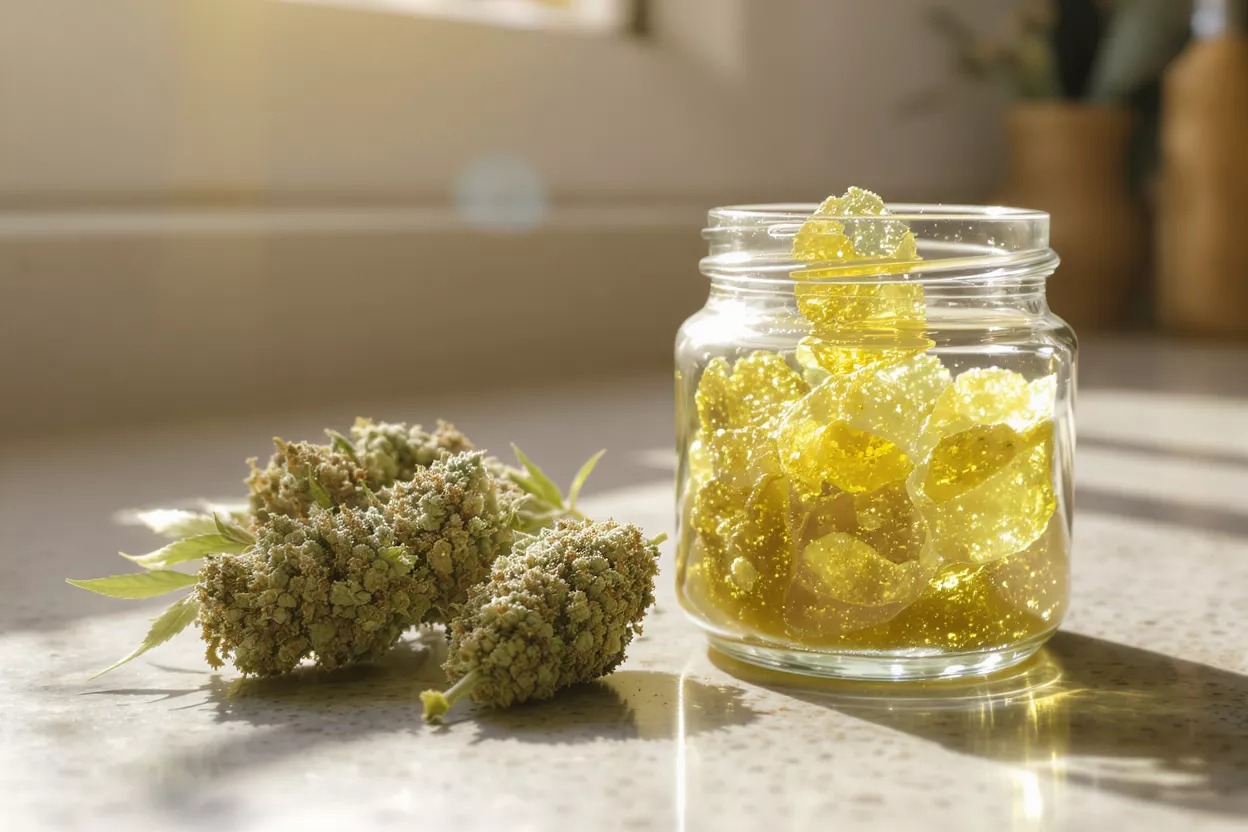
Cold, dark, and airtight is the storage mantra. Most enthusiasts keep rosin in a sealed silicone or glass container in the refrigerator or freezer for long-term storage, bringing only a working amount up to room temperature at a time. Cold storage dramatically slows the oxidation that turns golden rosin dark and dulls its aroma.
Light and oxygen are the silent enemies. UV exposure breaks down cannabinoids over time, so opaque or amber containers stored away from windows preserve the product longer. Limiting how often you open the container reduces oxygen contact, and using clean tools every time prevents introducing contaminants that accelerate spoilage.
Is Rosin Worth the Premium Price?
Rosin, especially hash and live rosin, sits among the most expensive concentrates on the shelf. The premium reflects real costs: high-quality input flower, labor-intensive washing and pressing, low yields per gram, and the cold-chain handling required to protect the product. Whether that premium is worth it depends on what you value.
For flavor chasers, rosin is hard to beat. The clean, full-spectrum profile and faithful terpene expression deliver an experience that many find unmatched by solvent extracts. If you dab primarily for taste and the nuance of a cultivar, solventless rosin justifies its price in the bowl.
For budget-conscious users chasing raw potency per dollar, solvent extracts may make more practical sense, and that is a perfectly valid choice. Rosin's value proposition is purity, flavor, and peace of mind rather than the lowest cost per milligram. Understanding what you are paying for lets you decide where rosin fits in your own routine, and for a growing share of consumers, that clean solventless story is worth every dollar.

Comments