


Sabinene
Discover sabinene, the peppery cannabis terpene with anti-inflammatory benefits.
What Is Sabinene in Cannabis?
Sabinene is a naturally occurring monoterpene found throughout the plant kingdom, and it shows up as a minor but meaningful component in many cannabis cultivars. Like other terpenes, sabinene contributes to the aroma, flavour, and potential therapeutic character of the cannabis flower. While it rarely dominates a strain's profile, its peppery, spicy presence can subtly shape how a cultivar smells and how its effects feel.
Chemically, sabinene belongs to the bicyclic monoterpene family, sharing structural roots with compounds like pinene and other foundational plant volatiles. Its molecular formula, C₁₀H₁₆, places it firmly among the lighter, more volatile terpenes that evaporate readily and deliver an immediate sensory punch the moment a jar is opened.
Understanding sabinene matters because cannabis is far more than just THC and CBD. The interplay of dozens of terpenes and cannabinoids creates the full experience, and sabinene is one of the quieter contributors that connoisseurs are learning to appreciate. As terpene testing becomes more common on product labels, recognising sabinene helps consumers make more informed, intentional choices.
What Does Sabinene Smell and Taste Like?
Sabinene carries a complex, peppery-spicy aroma with citrus undertones. If you have ever caught a sharp, warm, slightly woody scent reminiscent of black pepper or fresh nutmeg, you have likely encountered sabinene. The terpene adds a bright top note that can cut through heavier, earthier profiles, lending freshness to an otherwise dense bouquet.
On the palate, sabinene translates into a spicy, herbaceous flavour that many describe as warm and faintly citrusy. It is the same compound responsible for much of the pungency in nutmeg, which gives a sense of its sensory intensity even in small concentrations. In cannabis, this manifests as a subtle peppery kick layered beneath the more prominent flavours of other terpenes.
Because sabinene is so volatile, its aroma is often most noticeable in fresh flower or in products handled at lower temperatures. Aggressive heat or prolonged storage can diminish these delicate top notes, which is why proper curing and storage preserve the spicy-citrus character that makes sabinene-rich cultivars distinctive.
Where Is Sabinene Found in Nature?
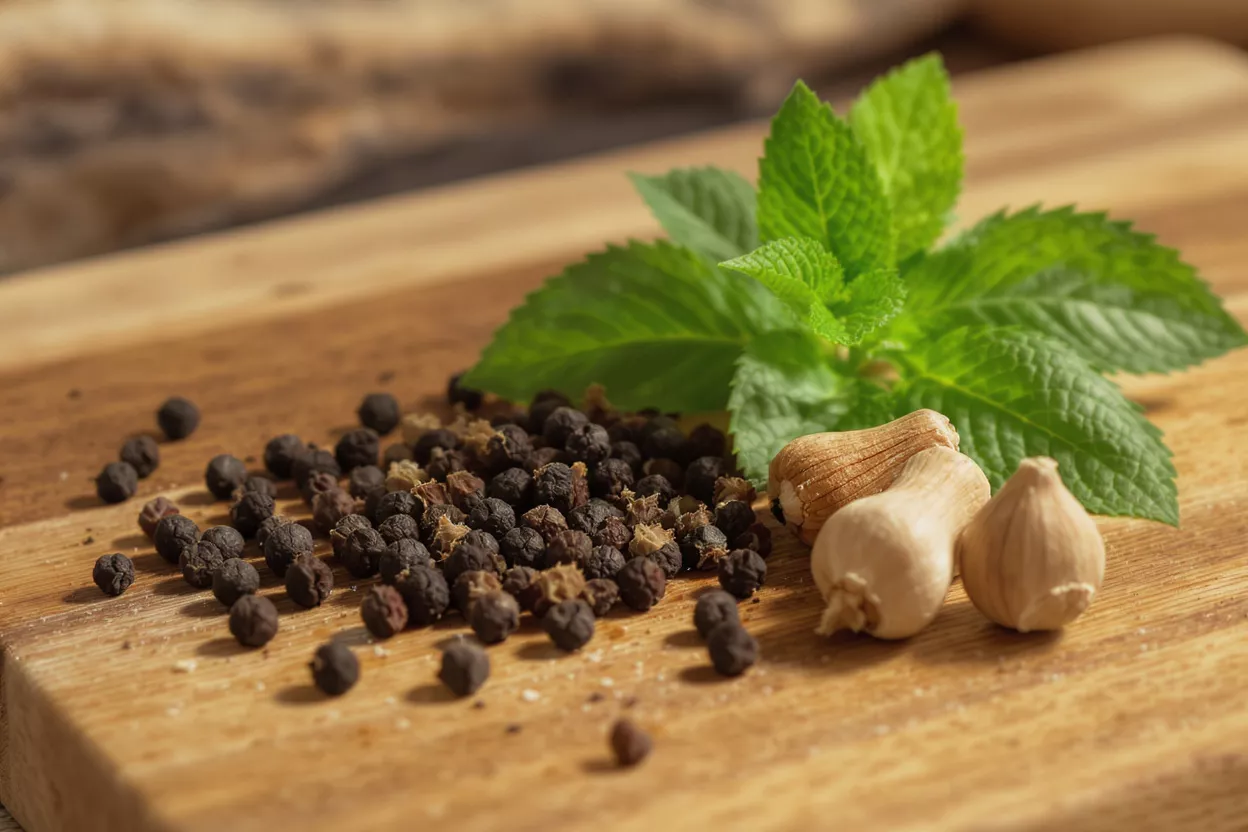
Sabinene is remarkably widespread across the botanical world. Its most famous source is nutmeg, where it is a defining component of the spice's warm aroma, but it also appears abundantly in black pepper, carrots, basil, and the needles of certain conifers such as Norway spruce. This ubiquity means most people have consumed and smelled sabinene countless times without ever knowing its name.
The terpene also plays an important ecological role in the plants that produce it. As a volatile organic compound, sabinene helps deter herbivores and pests while attracting beneficial pollinators, functioning as part of a plant's natural chemical defence system. In cannabis, terpenes serve similar protective purposes, evolving to shield the plant from environmental stressors and predators.
Here are some of the most common natural sources where sabinene appears in meaningful concentrations:
- 🌰 Nutmeg: The signature spice where sabinene contributes much of the warm, pungent character.
- 🌶️ Black pepper: Adds to the sharp, peppery bite alongside other spicy terpenes.
- 🌿 Holy basil and sweet basil: Herbaceous greens rich in aromatic monoterpenes.
- 🥕 Carrots: A surprising source where sabinene lends earthy complexity.
- 🌲 Norway spruce: Conifer needles release sabinene as part of their resinous scent.
How Sabinene Works in the Body
Sabinene interacts with biological systems through several pathways that researchers are still mapping. As a monoterpene, it is lipophilic, meaning it readily crosses cell membranes and can be absorbed through inhalation, ingestion, or topical application. This versatility is part of why terpenes feature so prominently in both traditional herbal medicine and modern wellness products.
Early laboratory studies suggest sabinene exhibits notable biological activity, particularly through its influence on inflammatory and oxidative pathways. Researchers have observed that it can modulate certain enzymes and signalling molecules involved in the body's inflammatory response, although most of this work remains preclinical and centred on cell cultures or animal models rather than human trials.
It is important to set realistic expectations here. While the preliminary research is promising, sabinene is not a proven treatment for any condition, and its concentrations in cannabis are typically modest. Its primary value likely comes from working alongside other compounds rather than acting as a standalone therapeutic agent, a concept central to how whole-plant cannabis is thought to function.
Sabinene Anti-Inflammatory and Antioxidant Benefits
The most researched property of sabinene is its anti-inflammatory potential. Several studies have indicated that sabinene can reduce the production of pro-inflammatory mediators, suggesting a possible role in managing inflammation-driven discomfort. This aligns with the traditional use of sabinene-rich botanicals like nutmeg in folk remedies for aches and digestive complaints.
Sabinene also demonstrates measurable antioxidant activity. Antioxidants help neutralise free radicals, the reactive molecules implicated in cellular ageing and a range of chronic conditions. By scavenging these unstable compounds, sabinene may contribute to the broader protective effects associated with terpene-rich plant extracts, complementing the antioxidant action of cannabinoids and other terpenes.
Beyond inflammation and oxidation, exploratory research has examined sabinene for additional properties worth noting:
- 🛡️ Antimicrobial activity: Laboratory tests show sabinene can inhibit certain bacteria and fungi.
- 🔬 Antioxidant defence: Helps neutralise free radicals linked to oxidative stress.
- 💢 Inflammation modulation: May lower the activity of pro-inflammatory signalling molecules.
- 🌱 Digestive support: Traditional use of sabinene-rich spices points to potential gut benefits.
Sabinene and the Entourage Effect
Sabinene's real significance in cannabis may lie in the entourage effect. This theory proposes that cannabinoids and terpenes work synergistically, with each compound amplifying or modulating the effects of the others. Rather than acting in isolation, sabinene becomes part of a chemical orchestra where the combined result is richer than any single instrument.
In practical terms, a strain containing sabinene alongside cannabinoids like THC and CBD may deliver a subtly different experience than the same cannabinoids without it. The terpene's potential anti-inflammatory and antioxidant contributions could nudge the overall effect in a particular direction, even at low concentrations.
This synergy is why many cannabis enthusiasts and producers now value full-spectrum extracts that preserve the plant's complete terpene profile. Stripping away minor terpenes like sabinene in favour of isolated cannabinoids may sacrifice the nuanced, layered experience that whole-plant cannabis is prized for delivering.
Sabinene-Rich Cannabis Strains
Sabinene rarely appears as a dominant terpene, but it surfaces in cultivars with spicy, peppery profiles. Strains that test for sabinene often share aromatic notes with pepper-forward varieties, where the terpene contributes a warm, herbaceous undertone. Because it is typically present in small amounts, identifying it usually requires detailed lab analysis rather than scent alone.
Cultivars high in caryophyllene, another spicy terpene, frequently carry detectable sabinene as well, since both compounds tend to express in pepper-heavy genetic lines. When shopping, look for terpene panels rather than relying on strain names, as the same name can yield different chemical profiles depending on the grower and growing conditions.
If you enjoy the complexity that sabinene brings, prioritise products from producers who publish full terpene reports. Transparent lab data lets you track which cultivars consistently express sabinene, helping you build a personal library of favourites that match your preferred aromatic and effect profiles.
Sabinene vs Other Common Terpenes
Sabinene occupies a distinctive niche among cannabis terpenes. Compared with the floral sweetness of linalool or the citrus brightness of limonene, sabinene's peppery-spicy signature sets it apart. Each terpene brings its own aromatic fingerprint and its own constellation of potential effects.
What distinguishes sabinene most is its rarity as a primary terpene and its close kinship with spice-forward compounds. While myrcene dominates many cannabis profiles with its earthy, musky character, sabinene tends to play a supporting role, adding warmth and sharpness rather than driving the whole experience.
Understanding these differences helps consumers read terpene panels with greater confidence. Recognising that sabinene contributes pepper and spice, while limonene brings citrus and pinene adds freshness, transforms a list of unfamiliar names into a meaningful map of what to expect from a given cannabis product.
Is Sabinene Safe to Consume?
Sabinene is generally regarded as safe in the small amounts found in food and cannabis. It has been part of the human diet for millennia through common foods like nutmeg, basil, and black pepper, with no widespread evidence of harm at typical dietary concentrations. Regulatory bodies recognise many sabinene-containing botanicals as safe food ingredients.
That said, concentration matters. Nutmeg, one of the richest sources of sabinene, can cause adverse effects when consumed in very large quantities, though this is attributed to a combination of compounds rather than sabinene alone. The trace amounts present in cannabis terpene profiles fall far below any threshold of concern for ordinary use.
As with any botanical compound, individual sensitivities vary. People with allergies to spices or essential oils should pay attention to how they respond, and anyone with specific medical conditions or who is pregnant should consult a healthcare professional before using concentrated terpene products. For most consumers, sabinene at the levels found in cannabis poses no meaningful risk.
Choosing Cannabis Products With Sabinene
Finding sabinene in cannabis starts with reading the terpene panel. The most reliable way to source products rich in this peppery terpene is to seek out brands that provide detailed certificates of analysis listing individual terpene concentrations. Without this data, you are largely guessing, since aroma alone cannot reliably reveal sabinene's modest presence.
When evaluating products, consider these practical tips for prioritising terpene quality:
- 📋 Check lab reports: Look for full terpene panels, not just cannabinoid percentages.
- ❄️ Favour proper storage: Volatile terpenes degrade with heat and air, so choose well-stored flower.
- 🌿 Choose full-spectrum extracts: These preserve minor terpenes like sabinene rather than isolating cannabinoids.
- 🏷️ Trust transparent brands: Producers who publish detailed data tend to value terpene preservation.
Ultimately, appreciating sabinene is part of a broader shift toward valuing the full chemical complexity of cannabis. As terpene awareness grows, compounds once overlooked are taking their rightful place in how consumers evaluate and enjoy the plant. Sabinene, with its warm spice and promising anti-inflammatory and antioxidant properties, exemplifies why the minor terpenes deserve a closer look.
Whether you are a curious newcomer or a seasoned connoisseur, paying attention to terpenes like sabinene deepens your relationship with cannabis. By choosing transparent products, reading lab data, and tuning your senses to the subtle peppery notes sabinene provides, you can craft a more intentional and rewarding experience grounded in genuine understanding of what makes each cultivar unique.


Comments