

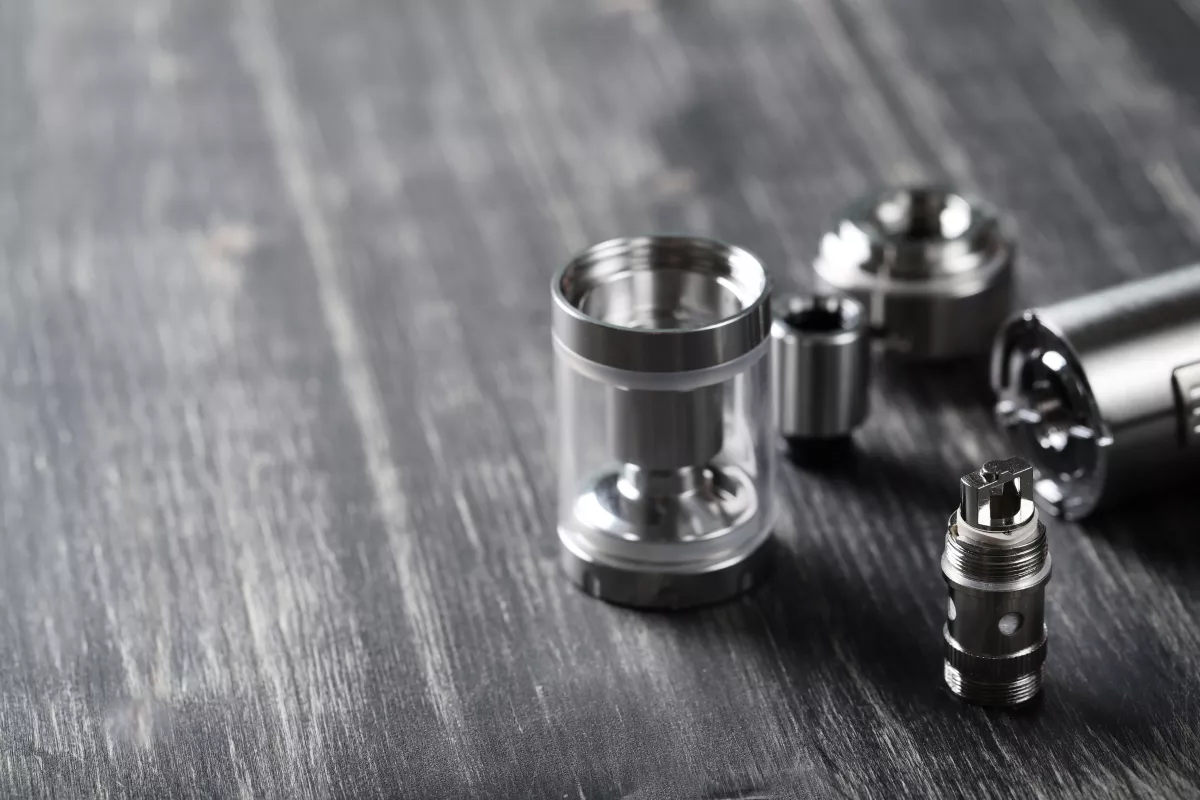
510 thread
Learn how 510 thread connects vape cartridges to batteries.
What Is a 510 Thread Connection?
The 510 thread is the most widely recognized connection format in the cannabis vaping world, a simple screw-thread interface that links a cartridge to a battery. The name refers to its physical specification: ten threads on a connector measuring roughly 5 millimeters across. What began as a generic standard for electronic cigarettes evolved into the de facto coupling for cannabis oil cartridges, and today it underpins an enormous ecosystem of interchangeable hardware.
Because the threading is universal, a cartridge from one brand will almost always twist neatly onto a battery from another. That cross-compatibility is the entire appeal. You are not locked into a single manufacturer's proprietary shape, and you can mix and match a favorite cartridge with whatever battery suits your style.
Where the 510 name comes from: The designation originated with early vaping hardware, where engineers cataloged thread dimensions numerically. The "510" tag stuck even as the technology matured from nicotine devices into the cannabis space. According to Analytical Cannabis, the standardization of vape hardware has been a major factor in the rapid growth of the concentrate market, since consumers can rely on consistent fitment across products.
How 510 Thread Batteries Work
At its core, a 510 thread battery is a small lithium-ion power cell paired with a heating circuit. When you draw on the mouthpiece or press the activation button, current flows from the battery through the threaded connection into the cartridge's atomizer coil. That coil heats the cannabis oil just enough to vaporize it without combustion, producing inhalable vapor rather than smoke.
Most batteries use one of two activation methods. Button-activated models require a press to fire the coil, giving you precise control over when heat is applied. Draw-activated models sense airflow and engage automatically when you inhale, mimicking the simplicity of a traditional cigarette.
The role of the atomizer: Inside every cartridge sits an atomizer, the heating element that converts liquid oil into vapor. The 510 connection delivers power to this component, and the quality of both the coil and the battery's voltage output determines how cleanly the oil vaporizes. A mismatched or low-quality pairing can scorch terpenes and produce a harsh, burnt taste.
Types of 510 Thread Cartridges
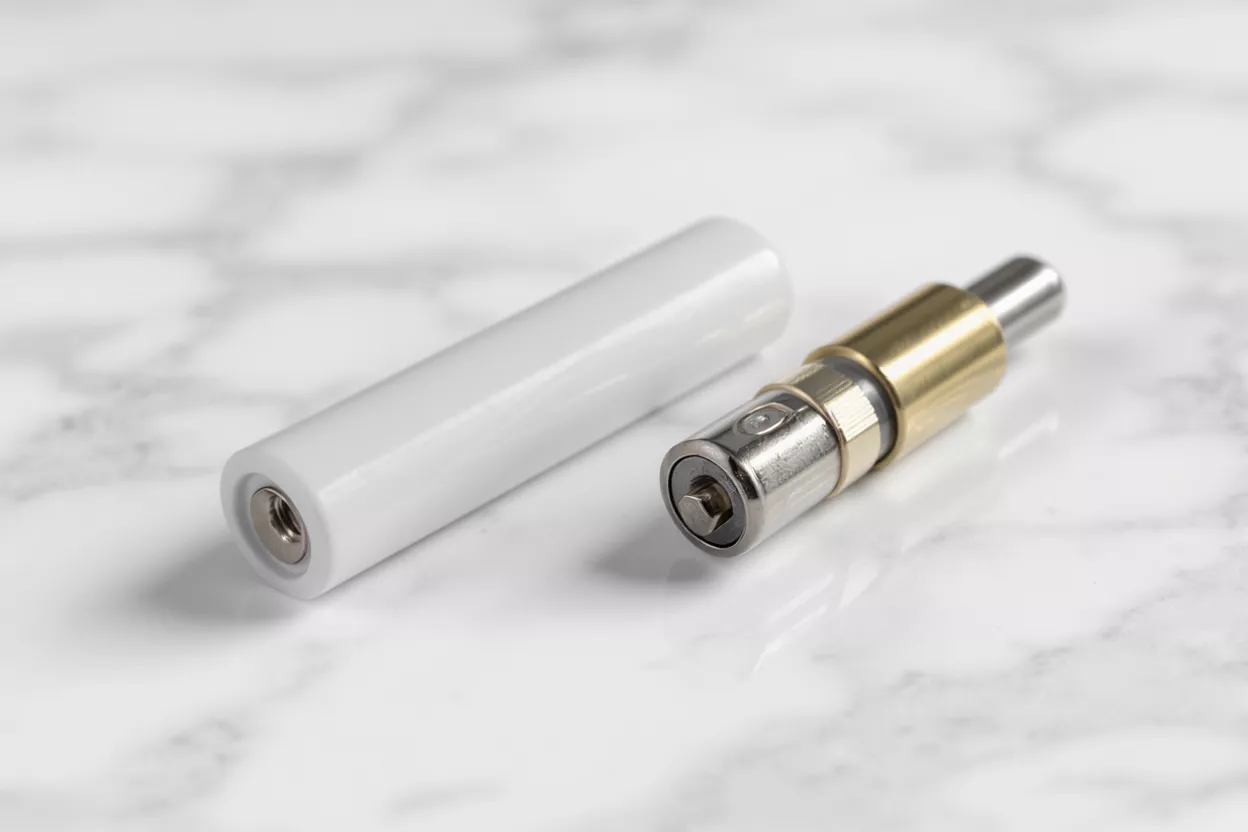
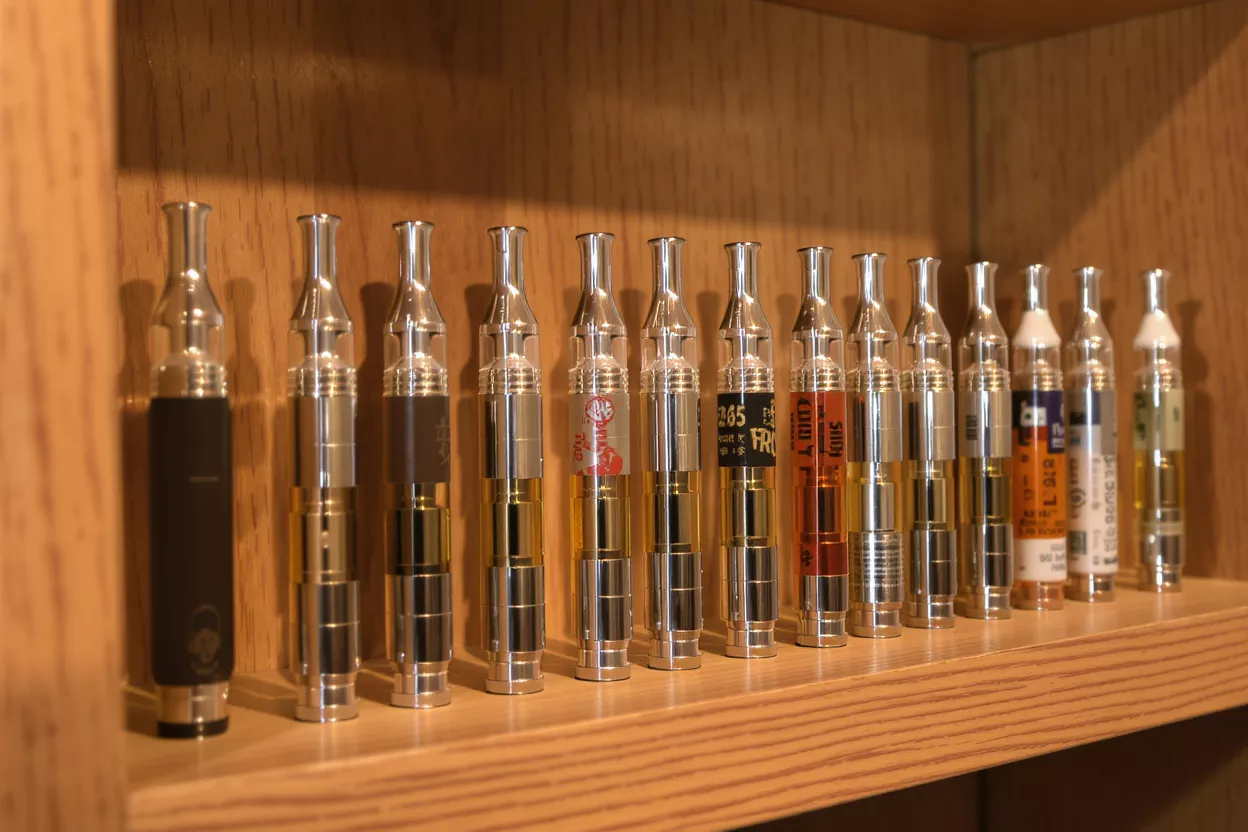
Not all 510 cartridges are created equal. They vary in tank material, coil design, and intended contents. The most common type is the prefilled disposable cartridge loaded with distillate or live resin, designed to be used until empty and then replaced. Refillable cartridges, by contrast, feature a fill port that lets you add your own oil or concentrate.
Cartridge construction has improved dramatically. Early models leaned on plastic tanks and cotton wicks, which could leach flavor or leak. Modern premium carts favor glass tanks and ceramic coils, which preserve the integrity of the oil and handle thicker concentrates more gracefully.
- 🛢️ Distillate carts: Highly refined, potent, and consistent, though stripped of much natural flavor unless terpenes are reintroduced.
- 🌿 Live resin carts: Made from flash-frozen flower to retain a fuller terpene profile and a more aromatic experience.
- 💧 Refillable tanks: Reusable glass cartridges you fill yourself, ideal for those who buy concentrate in bulk.
- 🔥 Ceramic coil carts: Even heating and cleaner vapor, favored for preserving delicate flavors.
The contents matter as much as the hardware. A cartridge filled with high-quality distillate behaves very differently from one packed with viscous full-spectrum extract, and the coil must be matched to the oil's thickness for a satisfying draw.
Why 510 Thread Became the Industry Standard
Standardization rarely happens by decree. The 510 thread won out through sheer momentum, becoming common enough that manufacturers found it easier to adopt than to fight. Once enough cartridge makers and battery producers aligned on the format, network effects took over and the standard cemented itself.
Consumer freedom drove adoption: The biggest winner of standardization is the consumer. Because the 510 thread is open and unlicensed, no single company controls it, which keeps prices competitive and innovation brisk. You can upgrade your battery without abandoning your cartridges, a flexibility that proprietary systems deliberately remove.
Industry analysts have noted that open hardware standards tend to accelerate market expansion, and reporting from Analytical Cannabis highlights how interoperable vaping equipment lowered barriers for both producers and consumers entering the concentrate category. That openness is precisely why the 510 thread remains dominant even as newer pod systems jostle for attention.
Choosing the Best 510 Thread Battery
Picking a battery comes down to a handful of practical considerations: battery capacity, voltage control, size, and activation style. Capacity, measured in milliamp-hours (mAh), dictates how long the device runs between charges. A 350 mAh pen suits light, occasional use, while a 900 mAh unit serves heavier sessions without constant recharging.
Voltage flexibility is the feature that separates entry-level pens from enthusiast hardware. Fixed-voltage batteries fire at a single output, which is simple but inflexible. Variable-voltage models let you dial in the heat to match your oil and personal preference.
- 🔋 Capacity: 350–500 mAh for portability, 900 mAh and up for endurance.
- ⚙️ Voltage control: Variable settings let you tune flavor versus vapor volume.
- 👆 Activation: Button-fire for control, draw-activated for simplicity.
- 🔌 Charging: USB-C ports charge faster than older micro-USB connectors.
- 🛡️ Safety features: Short-circuit protection and auto-shutoff guard against overheating.
For most people, a mid-capacity variable-voltage battery with USB-C charging strikes the best balance of convenience and control. It accommodates nearly every concentrate cartridge you are likely to use.
Voltage and Temperature for 510 Thread Vapes
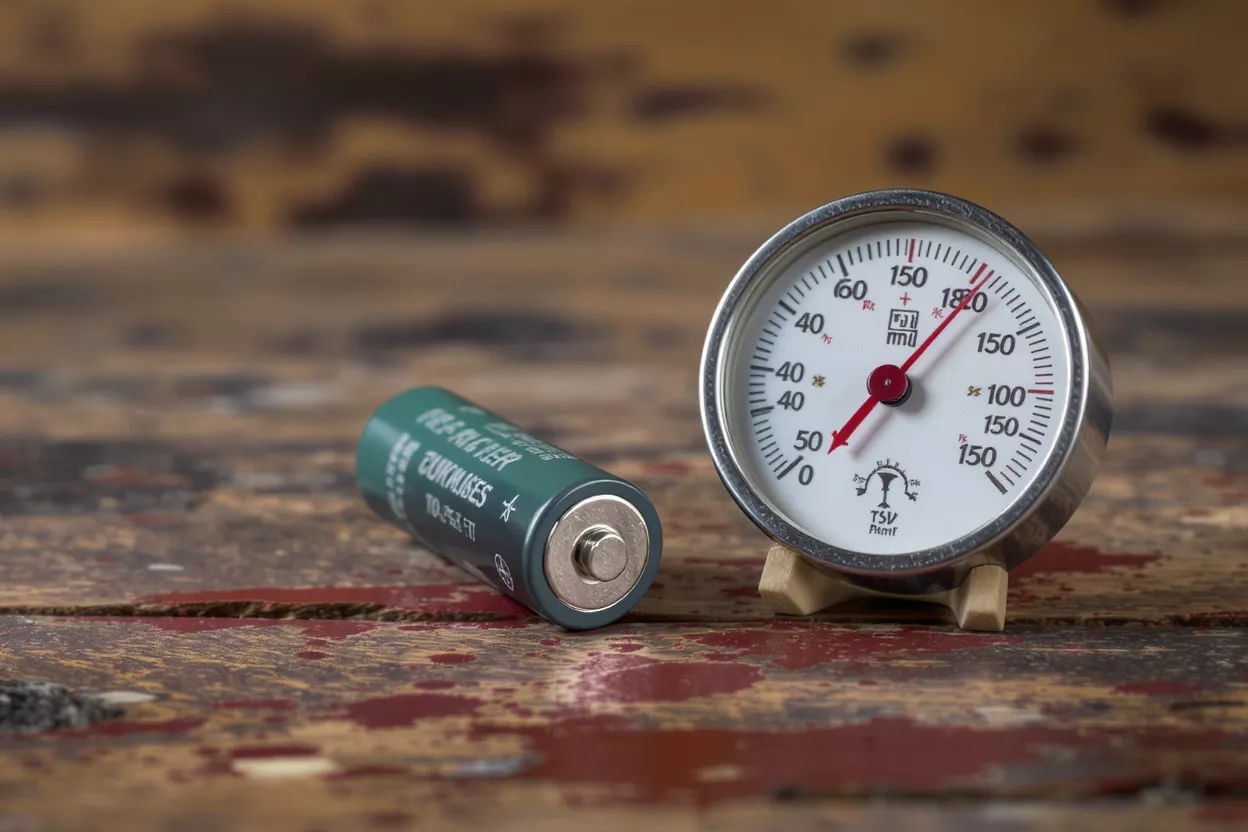
Voltage is the single biggest lever you have over your vaping experience. Lower voltages, generally in the 2.5 to 3.0 volt range, produce cooler, more flavorful vapor that protects delicate terpenes. Higher voltages above 3.7 volts generate denser clouds and bigger hits but risk scorching the oil and dulling the taste.
Finding your sweet spot: The ideal setting depends on your oil's viscosity and your priorities. Thinner distillates vaporize readily at lower voltages, while thick, full-spectrum extracts may need a touch more heat to flow properly. Start low and step up gradually until you find the balance of flavor and vapor that suits you.
Temperature control matters because cannabinoids and terpenes vaporize at different points. Overheating not only ruins flavor but can degrade beneficial compounds. Coverage from Analytical Cannabis has explored how excessive heat alters the chemical makeup of vapor, reinforcing why gentle, controlled heating yields a better and potentially cleaner result.
How to Fill a 510 Thread Cartridge
Refillable 510 cartridges let you load your own oil, which is economical and gives you full control over what you vape. The process is straightforward but rewards patience. Begin by gently warming your concentrate so it flows smoothly, either with a heat gun on low or by placing the syringe in warm water.
Unscrew or remove the cartridge mouthpiece to expose the fill chamber. Using a blunt-tip syringe, dispense the oil slowly down the inner glass wall, avoiding the central airflow tube. Filling that tube is the most common mistake and leads to clogs and gurgling. Fill to the indicated line, never overfill, then reassemble and let the cartridge sit upright for several minutes so the coil saturates.
Priming prevents dry hits: After filling, give the wick or ceramic coil time to absorb oil before firing. Taking a few gentle draws without pressing the button, or using the lowest voltage for the first puffs, prevents the dreaded scorched first hit and extends coil life.
Are 510 Thread Vapes Safe?
Safety with any vaping device comes down to two things: the quality of the hardware and the purity of what you put in it. Reputable 510 batteries from established brands incorporate protective circuitry that guards against short circuits, overcharging, and overheating. The threading itself is inert and poses no inherent risk.
The greater concern lies with cartridge contents. Cartridges should be tested for residual solvents, pesticides, heavy metals, and cutting agents. The vaping-related lung injuries reported a few years ago were overwhelmingly linked to illicit-market products containing vitamin E acetate, not to regulated, lab-tested cannabis oil.
- ✅ Buy lab-tested products: Look for a certificate of analysis confirming purity and potency.
- ⚠️ Avoid unregulated carts: Counterfeit and black-market cartridges carry the highest risk.
- 🔋 Use quality batteries: Protective circuitry prevents most hardware failures.
- 🌡️ Vape at moderate temperatures: Lower heat reduces the formation of harmful byproducts.
Used responsibly with vetted hardware and tested oil, a 510 thread vape is widely regarded as a lower-exposure alternative to smoking flower, since vaporization avoids the combustion byproducts associated with smoke.
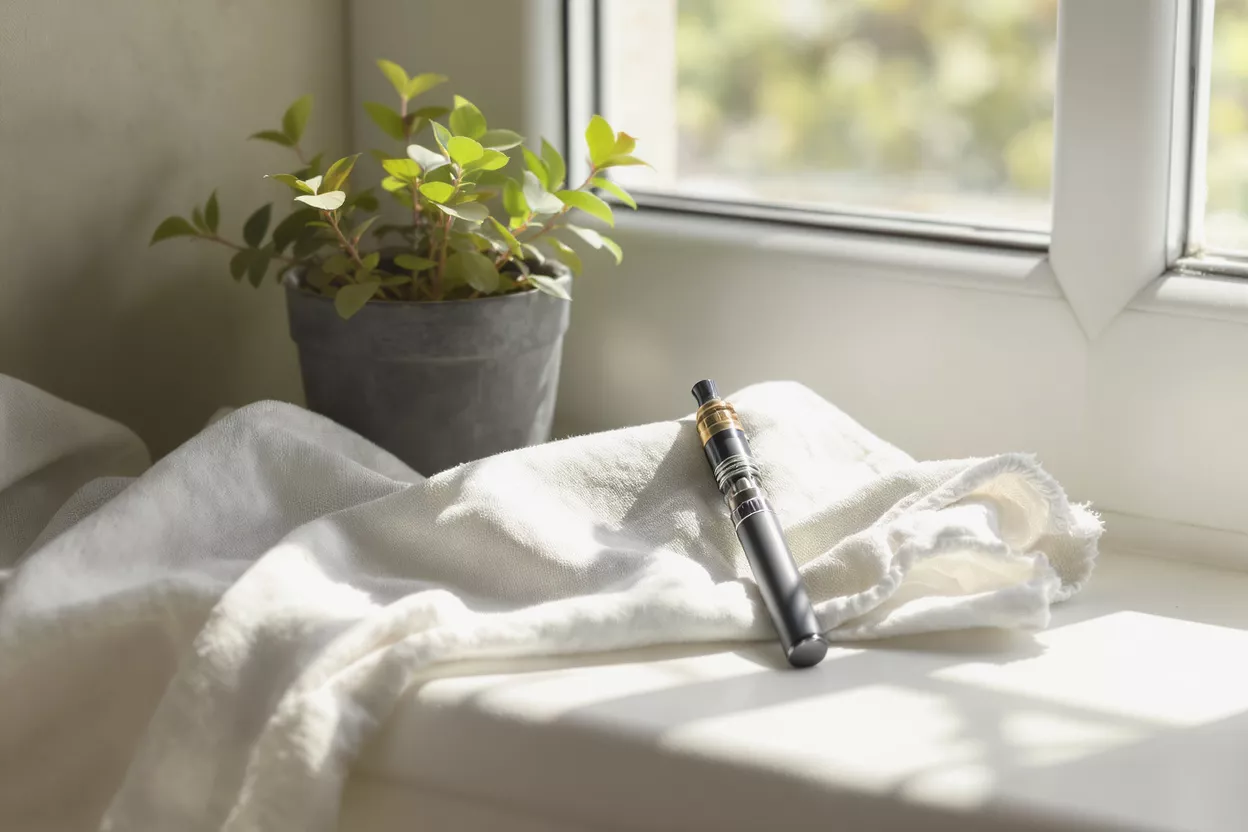
510 Thread Maintenance and Troubleshooting
A little upkeep keeps a 510 setup performing reliably. The connection point between battery and cartridge collects residue over time, which can interrupt the electrical contact and cause weak or inconsistent hits. Wiping the threading and the center contact pin with a dry cotton swab restores a clean connection in seconds.
Solving the most common issues: If your battery is charged but the cartridge will not fire, the contact pin may be recessed or dirty. Cleaning it usually solves the problem. If you taste a burnt flavor, your voltage is likely too high or the coil is dry, so lower the heat and let the wick re-saturate.
Clogged airways are another frequent complaint, usually from oil that has cooled and thickened in the mouthpiece. A few seconds of gentle warmth or a light draw without firing typically clears the blockage. Storing cartridges upright at room temperature prevents most clogging and leaking in the first place.
510 Thread vs Proprietary Pod Systems
The vaping market has seen a wave of closed pod systems that use magnetic or proprietary connectors instead of the universal 510 thread. These systems often promise sleeker designs and tighter draw characteristics, but they trade away the open compatibility that made 510 hardware so popular.
Weighing convenience against freedom: Proprietary pods can offer a polished, plug-and-play experience, and some genuinely improve on draw consistency. The cost is lock-in: you can only use cartridges made for that specific device, which limits your choices and can mean paying a premium. The 510 standard, by contrast, keeps the entire market open to you.
For most consumers, the 510 thread remains the smarter long-term choice precisely because of its openness and the vast selection of compatible vaporizer hardware. Whether you favor a simple draw-activated pen or a feature-rich variable-voltage device, the 510 ecosystem delivers unmatched flexibility, proven reliability, and the freedom to build a setup around your own preferences rather than a manufacturer's. That combination of compatibility, choice, and control is why the humble 510 thread continues to anchor cannabis vaping in 2025 and shows no sign of relinquishing its place.
Comments