


710
Discover what 710 means in cannabis culture, from dabbing to concentrates.
What Does 710 Mean in Cannabis Culture
If you have spent any time around cannabis enthusiasts, you have probably seen the number 710 stamped on merchandise, hashtagged across social feeds, or circled on a July calendar. The simple explanation is that 710 is a numeric slang code that refers to cannabis concentrates, the act of dabbing, and the broader subculture built around extracts. It functions as a kind of secret handshake for people who prefer their cannabis in concentrated form rather than as traditional flower.
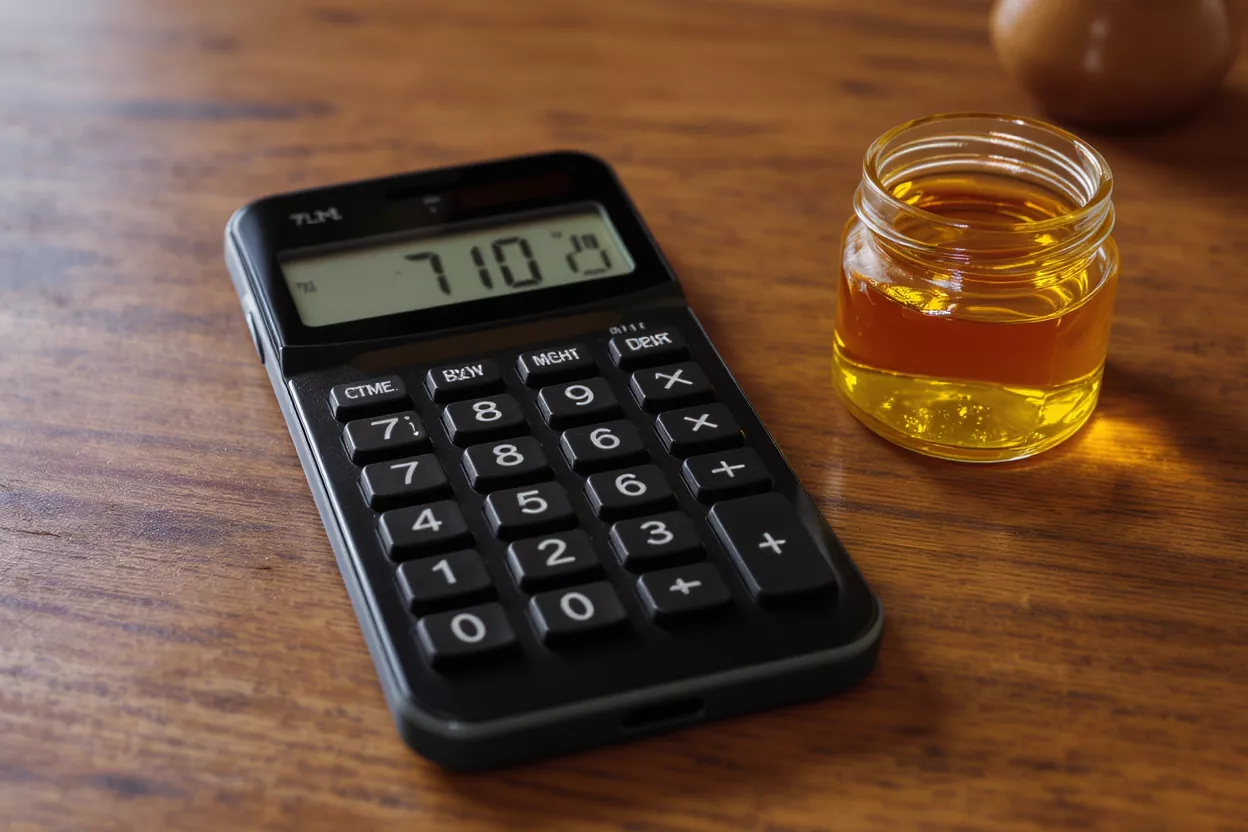
The clever part is visual rather than mathematical. When you write 710 on paper and flip it upside down, the digits roughly spell out the word "OIL." Since cannabis concentrates are frequently called oils, dabs, or wax, the number became a natural shorthand for the entire category. That small piece of wordplay is the entire reason the code caught on so quickly within extract communities.
Why the code matters beyond novelty: Numeric codes give a community shared identity and a calendar to rally around. Just as 420 unified flower smokers, 710 gave concentrate fans their own date, July 10th, to celebrate dabbing culture, trade tips, and discover new products. The growth of cannabis extraction as both an art and a science, documented by publications like Analytical Cannabis, gave the 710 movement plenty of momentum as concentrate quality and variety expanded.
How 710 Started and the Origin of the Code
The exact origin of 710 is fuzzy, which is typical of underground slang that spreads through forums and word of mouth before anyone thinks to document it. Most accounts trace the term to around 2010 and 2011, when online concentrate communities began circulating the upside-down OIL discovery. A track titled "7:10" and various early references on cannabis message boards helped cement the code in the collective vocabulary of extract fans.
From niche slang to mainstream marketing: What began as insider shorthand quickly became a marketing anchor. Dispensaries, extract brands, and gear manufacturers recognized July 10th as a sales opportunity comparable to April 20th. Today you will find 710 promotions, product drops, and themed events clustered around that date, turning a quiet piece of wordplay into a recognized holiday on the cannabis calendar.
The timing of 710's rise is no accident. It emerged exactly as extraction technology matured and Analytical Cannabis and similar outlets began covering the science behind solvent and solventless methods. As concentrates became cleaner, more potent, and more widely available, a dedicated community formed around them, and that community needed a flag to wave. 710 became that flag.
710 vs 420: What Is the Difference
It is easy to assume 710 is simply a competitor to 420, but the two codes represent different things. 420 is the broad, all-encompassing cannabis number, originally tied to a specific time of day and later adopted as a general celebration of the plant in every form. 710, by contrast, is narrower and more specialized, pointing directly at concentrates and the dabbing ritual.
Think of 420 as the umbrella and 710 as a focused chapter beneath it. Someone who celebrates 420 may smoke flower, eat edibles, or vape, while someone celebrating 710 is almost certainly working with wax, shatter, or another extract on a dab rig.
- 📅 The dates: 420 falls on April 20th, while 710 is celebrated on July 10th, giving concentrate fans their own annual moment.
- 🌿 The focus: 420 covers all cannabis consumption; 710 is specifically about oils, dabs, and concentrate culture.
- 🔢 The wordplay: 420 traces to a time of day and a group of students; 710 spells OIL upside down.
- 🛠️ The gear: 420 needs little equipment, while 710 often involves rigs, nails, and torches.
What Are the Cannabis Concentrates Behind 710
At the heart of 710 are cannabis concentrates: products made by extracting the most desirable compounds from the plant, namely cannabinoids and terpenes, and leaving behind the plant material. The result is a potent substance that can contain anywhere from 60 to 90 percent or more THC, compared with roughly 15 to 25 percent in typical flower.
Why people choose concentrates: Potency is the obvious draw, but flavor is just as important to many enthusiasts. High-quality extracts preserve the terpene profile of the original strain, delivering intense aroma and taste alongside the effect. For medical users, concentrates also allow a strong dose to be delivered quickly, which matters when fast relief is the goal.
Extraction methods fall into two broad camps: solvent-based and solventless. Solvent extractions use substances like butane or CO2 to strip the compounds from the plant, while solventless methods rely on heat, pressure, water, or ice. Both approaches have been refined dramatically over the past decade, with safety and purity standards tracked closely by industry observers at Analytical Cannabis.
Types of 710 Concentrates Explained
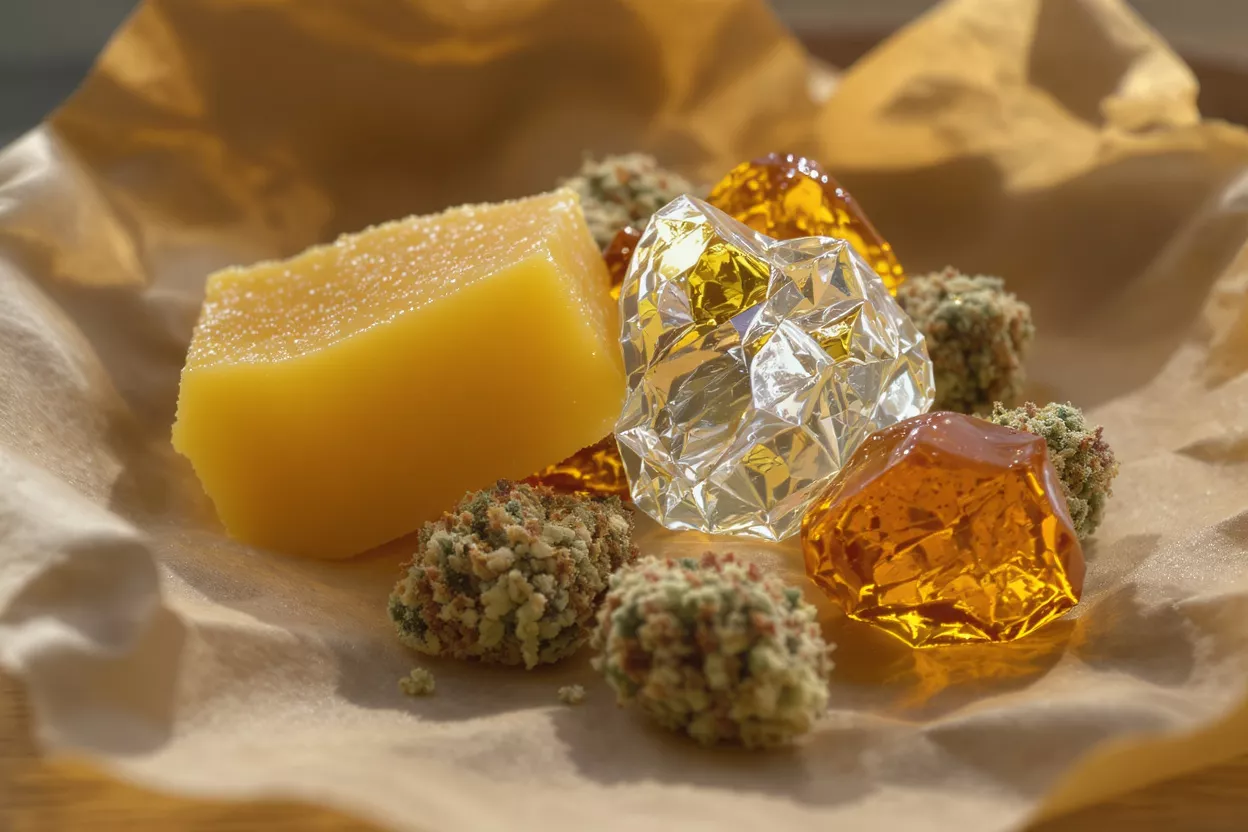
The world of concentrates can feel overwhelming because of the sheer variety of textures, colors, and names. The differences usually come down to the extraction method and how the product is handled after extraction, which affects whether it ends up glassy, crumbly, or buttery.
A quick tour of the major textures: Each type behaves differently on a dab tool and offers a slightly different experience, so knowing the basics helps you choose what suits your style.
- 💎 Shatter: A hard, glass-like concentrate that snaps when broken, prized for its stability and clean appearance.
- 🧈 Wax and budder: Softer, opaque textures that are easy to scoop and handle on a dab tool.
- 🍯 Live resin: Made from flash-frozen fresh plants to capture a vivid terpene profile and full flavor.
- ❄️ Rosin: A solventless extract pressed with heat and pressure, popular with purity-focused users.
- 🔮 Crumble: A dry, cheese-like texture that breaks apart easily and stores well.
Beyond these, you will encounter hash, distillate, sauce, and diamonds, each occupying its own niche. Newcomers often start with shatter or wax because they are widely available and forgiving to handle, then branch into live resin and rosin as their palate develops.
How Dabbing Works on 710
Dabbing is the consumption method most associated with 710, and it is fundamentally different from smoking a joint. Instead of burning plant material, dabbing vaporizes a small amount of concentrate against a heated surface, producing a dense vapor that is inhaled. This flash vaporization is what allows the high cannabinoid content to take effect almost instantly.
The classic process involves heating a nail or banger with a torch, letting it cool to the ideal temperature, then applying a dab of concentrate so it vaporizes on contact. Temperature control is the single biggest factor separating a smooth, flavorful dab from a harsh one. Lower temperatures preserve terpenes and flavor, while higher temperatures produce bigger, more intense clouds.
Why temperature matters so much: Overheating a concentrate scorches the terpenes and can create acrid, potentially irritating vapor. Many enthusiasts now favor low-temperature dabbing precisely to protect flavor and reduce harshness, a shift the science writers at Analytical Cannabis have noted as part of the broader move toward cleaner, more measured consumption.
710 Tools and Gear for Dabbing
Part of the appeal of 710 culture is the gear. Where flower smoking needs little more than papers, dabbing involves a small kit of specialized tools, and assembling that kit is a rite of passage for many concentrate fans.
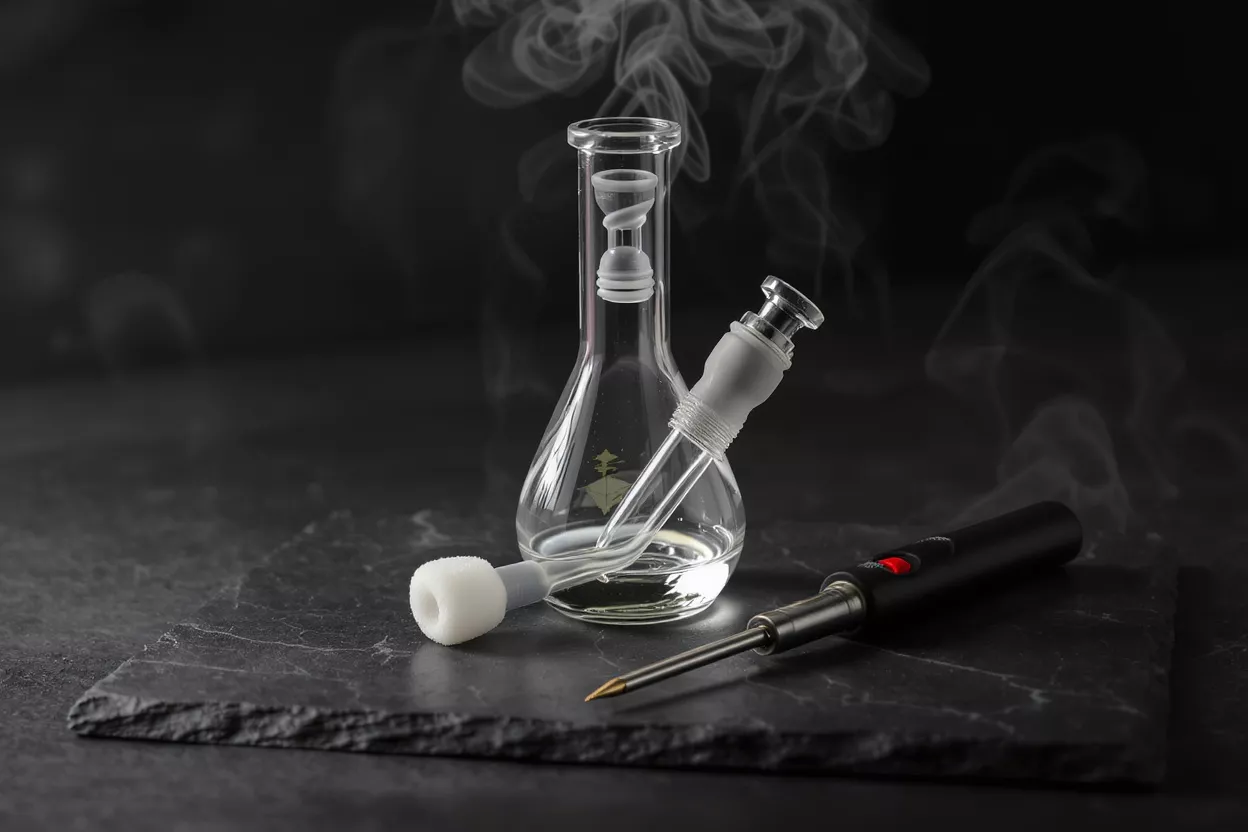
The essential setup: A traditional rig resembles a water pipe with a few key additions designed for concentrates. Knowing each piece helps a beginner understand what they actually need versus what is a nice-to-have upgrade.
- 🔥 Dab rig: A specialized water pipe that cools and filters the vapor before inhalation.
- 🍳 Nail or banger: The heated surface, usually quartz, ceramic, or titanium, where the concentrate vaporizes.
- 🪥 Dab tool: A small metal or glass wand for picking up and applying concentrate cleanly.
- 🎯 Carb cap: A lid that traps heat and improves vaporization at lower temperatures.
- ⚡ Torch or e-nail: The heat source, either a butane torch or an electronic temperature-controlled coil.
Electronic options have made dabbing far more accessible. Portable e-rigs and dab pens remove the torch from the equation entirely, offering preset temperatures and battery power so newcomers can enjoy concentrates without juggling open flame. These devices have widened the appeal of 710 to people who once found the traditional setup intimidating.
Is Dabbing on 710 Safe
Safety is a fair question given how potent concentrates are, and the honest answer is that dabbing carries real considerations that flower smoking does not. The high THC content means effects come on fast and strong, so dosing carefully is essential, especially for those with low tolerance.
Concentrate purity and source: The single most important safety factor is buying from regulated, lab-tested sources. Properly made concentrates have residual solvents purged and are tested for contaminants, whereas poorly made products can retain harmful residues. Reputable testing and reporting from outlets like Analytical Cannabis have helped push the industry toward stricter purity standards.
Beyond purity, the practical risks involve the gear itself. Butane torches demand respect, and overheated nails can cause burns. Newer e-nails and portable devices reduce these hazards considerably. As with any cannabis product, starting low and going slow remains the smartest approach, particularly when a single dab can be several times stronger than a hit of flower.
How to Celebrate 710 Responsibly
July 10th has become a genuine event on the cannabis calendar, and there are plenty of ways to mark it whether you are a seasoned dabber or simply curious about concentrates. The spirit of 710 is appreciation for the craft of extraction and the people who push the quality of these products forward.
For newcomers, 710 is a perfect excuse to try concentrates for the first time under the guidance of someone experienced or a knowledgeable budtender. Many dispensaries run 710 promotions and educational events, making the date an ideal entry point for learning about extracts in a low-pressure environment.
- 🧊 Try a new texture: Sample a live resin or rosin you have not experienced to broaden your palate.
- 🌡️ Experiment with temperature: Compare a low-temp dab to a higher one and notice the flavor difference.
- 📚 Learn the craft: Read up on extraction methods so you understand what you are consuming.
- 🤝 Share responsibly: If introducing a friend, start them with a tiny dab and a safe setup.
Whatever you choose, moderation keeps the celebration enjoyable. Concentrates are powerful, and the goal of 710 is to appreciate quality and flavor rather than to overdo potency. A measured approach lets you enjoy the day and remember it fondly.
710 FAQ: Common Questions Answered
Because 710 sits at the intersection of slang, culture, and consumption science, the same questions tend to come up again and again. Here are clear answers to the ones newcomers ask most.
Does 710 only mean concentrates, or something more? While 710 primarily refers to concentrates and dabbing, it has grown into a broader cultural marker for the entire extract community, including the gear, the holiday, and the lifestyle around oils and dabs.
Is 710 an official holiday? It is not officially recognized by any government, but within the cannabis world July 10th is celebrated much like 420, complete with sales, events, and product launches. The grassroots nature of the date is exactly what gives it character.
In short, 710 is far more than a quirky number. It is a piece of clever wordplay that grew into a banner for one of the most innovative corners of cannabis culture. From the upside-down OIL trick to the sophisticated extraction science behind modern concentrates, 710 captures both the playfulness and the craftsmanship of the dabbing community. Whether you are flipping the number on a calendar or firing up a rig on July 10th, understanding 710 gives you a window into how concentrates earned their own dedicated celebration.
Comments