

Adapters
Learn how cannabis adapters work to connect cartridges and batteries across brands.
What Are Cannabis Adapters
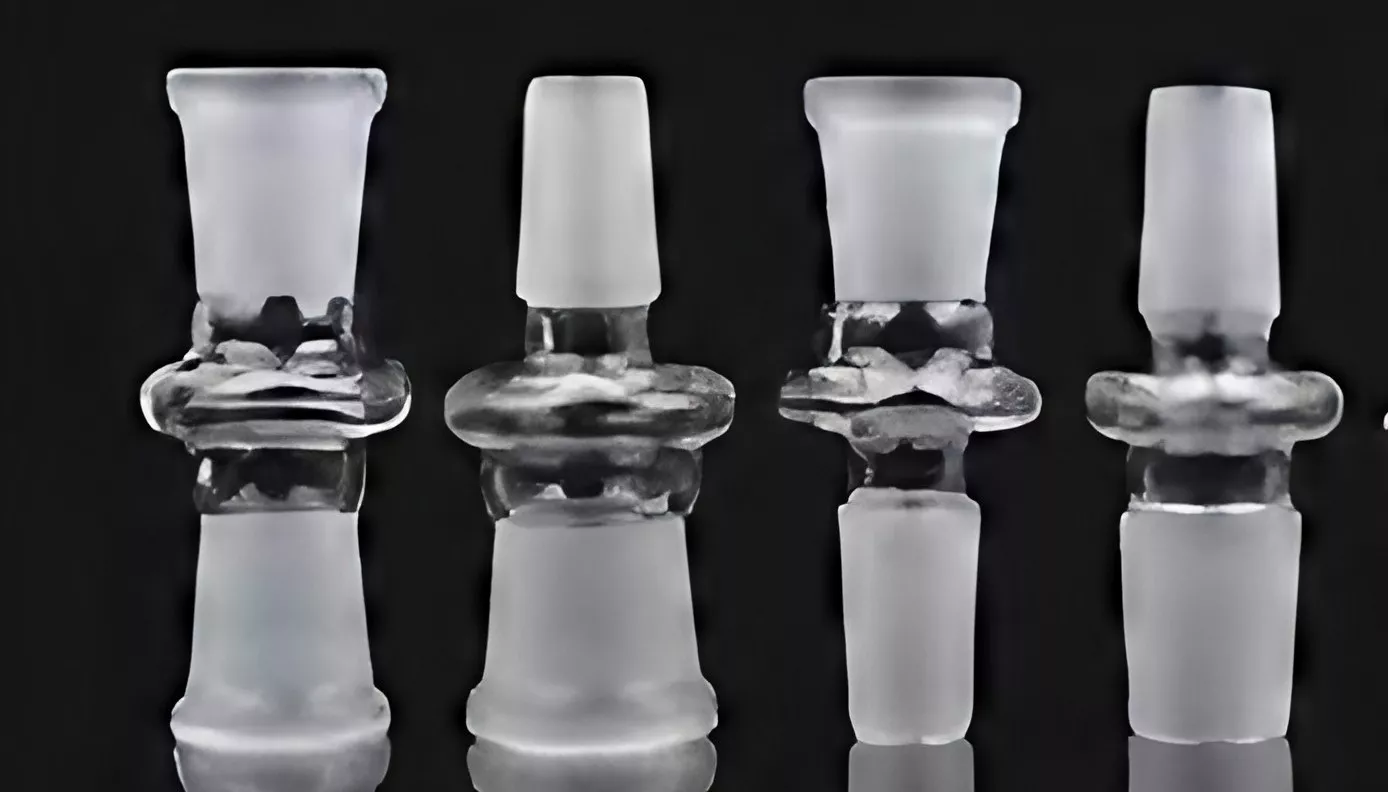
Adapters are small connector pieces that let a cannabis cartridge, pod, or atomizer link up with a battery or mod it was never originally designed to fit. In a hardware ecosystem where dozens of competing connection standards exist, adapters act as the universal translators that keep your favorite gear compatible across brands. If you have ever owned a cartridge that simply would not screw onto your battery, an adapter is usually the piece that bridges that gap.
The need for adapters grew directly out of fragmentation in the vaping market. Manufacturers adopted different threading, magnetic connections, and proprietary pod shapes, partly for engineering reasons and partly to lock customers into their own ecosystems. Adapters quietly undo that lock-in, giving consumers freedom to mix and match the components that work best for them.
Why adapters matter for everyday users: Beyond raw compatibility, adapters extend the life of hardware you already own. Instead of discarding a perfectly good battery because the cartridge standard changed, you add a small connector and keep using it. This reduces electronic waste and saves money, which is why adapters have become a staple accessory in any serious vaporizer collection.
How Vape Adapters Work With Cartridges and Batteries
At their core, vape adapters work by translating one electrical and physical connection into another. A cartridge needs two things from a battery: a stable mechanical hold so it does not wobble or fall out, and a clean electrical contact so current flows from the battery to the heating coil. An adapter sits between these two pieces and provides both, mapping the threading or magnet of one device onto the threading or magnet of another.
The electrical side is just as important as the physical fit. Most adapters are passive, meaning they pass voltage straight through without altering it. The center positive pin connects to the cartridge's coil, while the outer ring completes the negative circuit. As long as those contacts touch cleanly, the adapter behaves as if the cartridge were screwed directly into the battery.
The role of pin alignment: Proper alignment between the center pins of each component is what separates a reliable adapter from a frustrating one. If the center pin sits too deep or too shallow, the circuit may not close and the device will not fire. Quality adapters use spring-loaded or floating pins to accommodate small manufacturing differences between cartridges and batteries.
Types of Cannabis Adapters You Can Buy
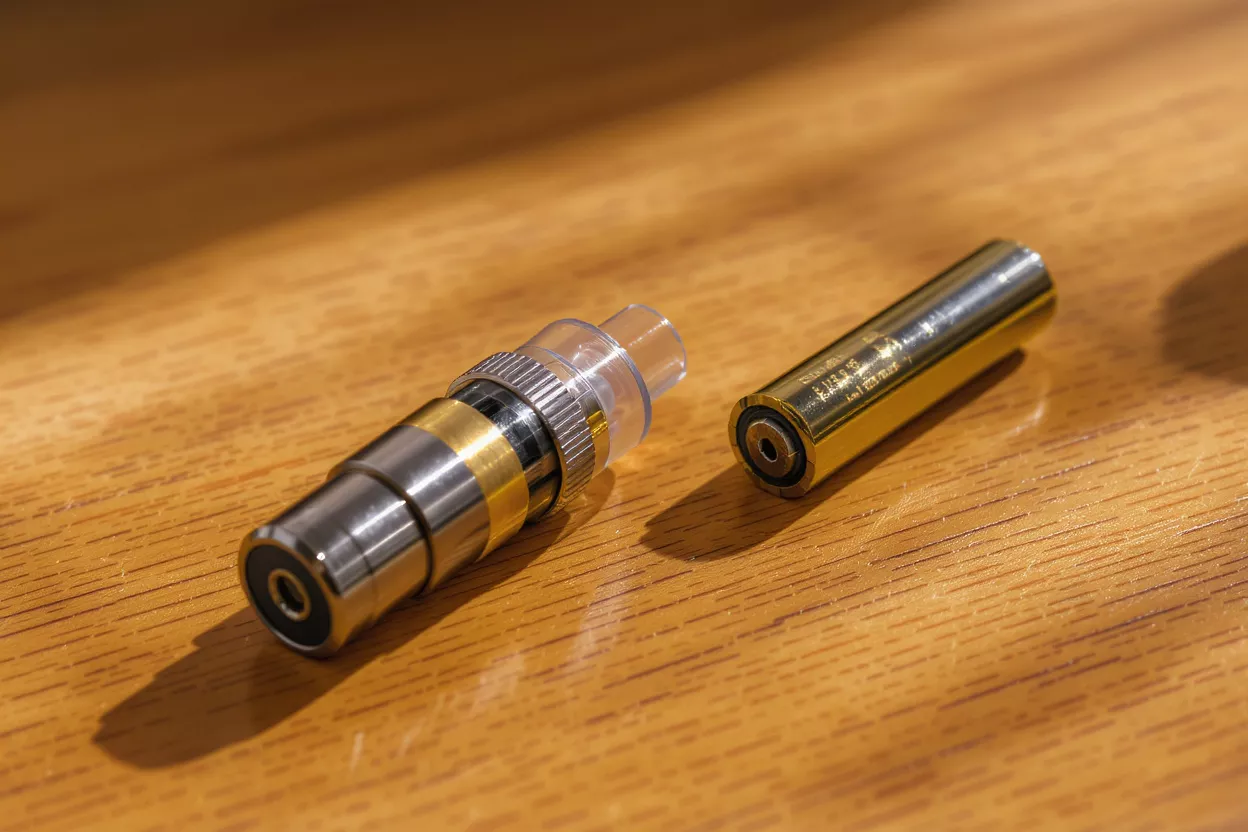
The adapter market has grown into a surprisingly diverse category, with connectors built for nearly every popular standard. Understanding the main families helps you identify exactly which piece you need before you buy. Most adapters fall into one of a handful of categories based on what they connect on each end.
Here is a breakdown of the most common adapter types you will encounter when shopping for cannabis hardware:
- 🔌 510-to-510 spacers: Extend or reposition a cartridge so it sits flush in batteries with recessed connection wells.
- 🧲 Magnetic-to-510: Convert magnetic pod systems so they accept standard threaded cartridges.
- 📦 Pod-to-510 adapters: Let proprietary pod batteries like the Pax Era fire ordinary 510 carts.
- 🔧 USB charging adapters: Bridge older charging ports to modern USB-C cables for battery upkeep.
- ⚙️ Drip tip adapters: Resize mouthpieces so different tips fit a single atomizer.
Choosing by connection direction: When you read an adapter description, pay attention to which end is "male" and which is "female." A 510-to-Pax adapter and a Pax-to-510 adapter are not the same product, and mixing them up is the most common ordering mistake. Always confirm which device you are inserting into which.
510 Thread Adapters Explained
The 510 thread is the closest thing the vaping world has to a universal standard. Named for its roughly ten threads at five millimeters, this connection appears on the majority of oil cartridges and refillable atomizers sold today. Because it is so widespread, 510 adapters are the most popular category by a wide margin.
A 510 adapter typically converts some other proprietary connection into a standard 510 socket, so a cartridge can screw in normally. This is invaluable when a brand sells an excellent battery but restricts it to its own pods. With the right adapter, that battery becomes an open platform that accepts hundreds of available cartridges instead of a closed garden.
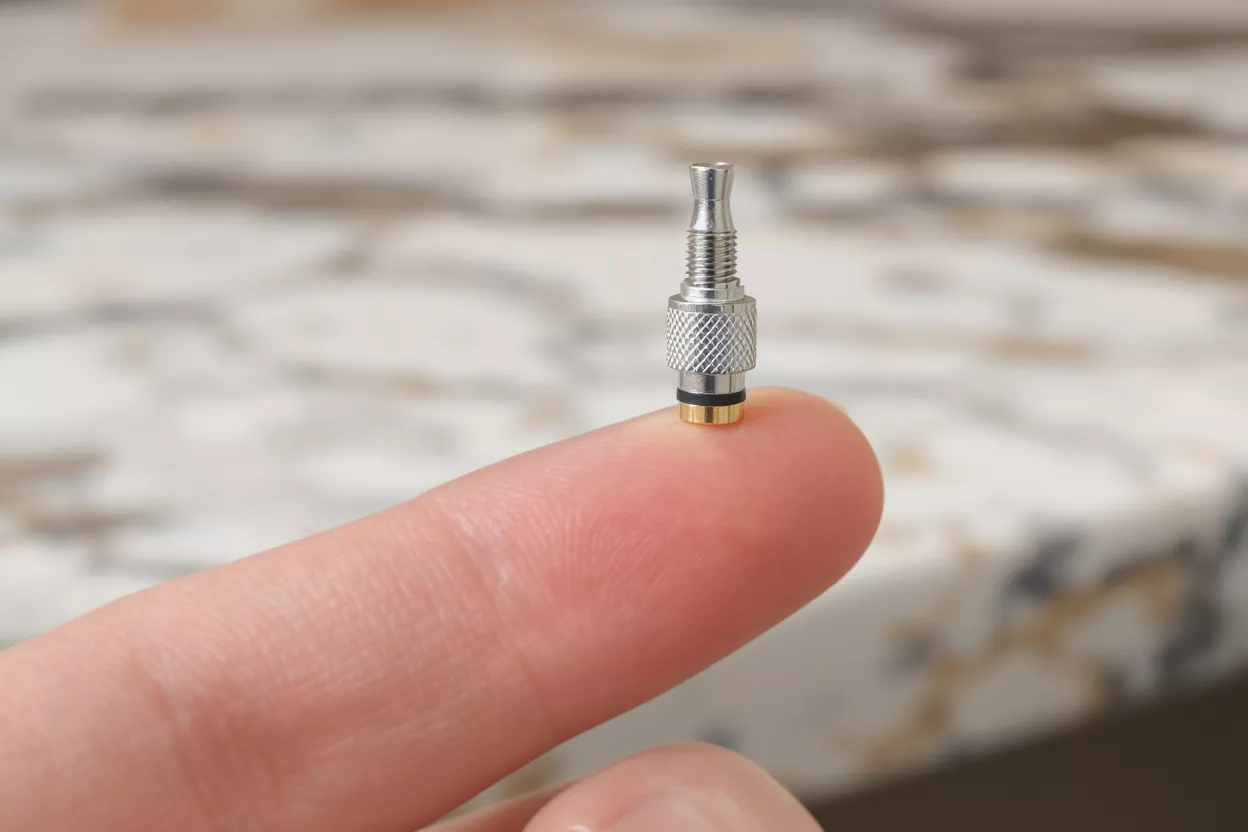
Thread depth and contact issues: Not all 510 connections are identical despite the shared name. Some cartridges have a slightly longer or shorter center pin, and a small number of batteries cut power if the pin does not reach far enough. Spring-loaded 510 adapters solve most of these mismatches, which is why they are the safest choice when you are unsure about a specific cartridge and battery combination.
Pax Era Adapters and Pod-Style Conversions
The Pax Era is one of the most refined pod batteries on the market, prized for its temperature control, app integration, and pocketable design. Its drawback is that it is built around proprietary pods rather than open 510 cartridges. Pax Era adapters were created to solve exactly this limitation, opening the device to the broader cartridge ecosystem.
A Pax Era adapter usually consists of an empty pod shell with a 510 socket built into the top. You screw a standard 510 cartridge into the adapter, then insert the whole assembly into the Era as if it were a normal pod. The battery's contacts read the adapter, and the Era's smart temperature settings then power your chosen cartridge.
What you gain and give up: The trade-off with Pax adapters is that you keep the Era's excellent battery and form factor while unlocking any 510 oil you prefer. You may lose some of the strain-specific dosing data that genuine Pax pods provide, since the adapter cannot communicate cartridge details back to the app. For most users, the freedom to choose their own oil is well worth that minor loss.
Magnetic vs Threaded Adapters
Two main attachment philosophies dominate the adapter world: magnetic and threaded. Threaded connections, led by the 510 standard, screw together for a secure mechanical bond. Magnetic connections snap into place using a small ring that clicks onto the battery, prioritizing speed and convenience over a locked-in hold.
Many modern pen-style batteries ship with a magnetic ring that screws onto your cartridge first. The cartridge-plus-ring assembly then drops into the battery magnetically. Adapters in this space often convert between the two systems, letting a magnetic battery accept a threaded cart or vice versa.
- 🧲 Magnetic strengths: Fast cartridge swaps, no cross-threading risk, and easy one-handed loading.
- 🔧 Threaded strengths: Rock-solid hold, consistent electrical contact, and broad cross-brand compatibility.
- ⚖️ The compromise: Magnetic rings can loosen over time, while threads can wear; adapters let you switch as your needs change.
Which feels better in daily use: Heavy users who swap cartridges constantly often prefer magnetic systems for the speed, while travelers and outdoor users tend to favor threaded connections because they will not jostle loose in a pocket or bag. An adapter lets you have both options on a single battery.
Best Adapters for Your Vaping Setup
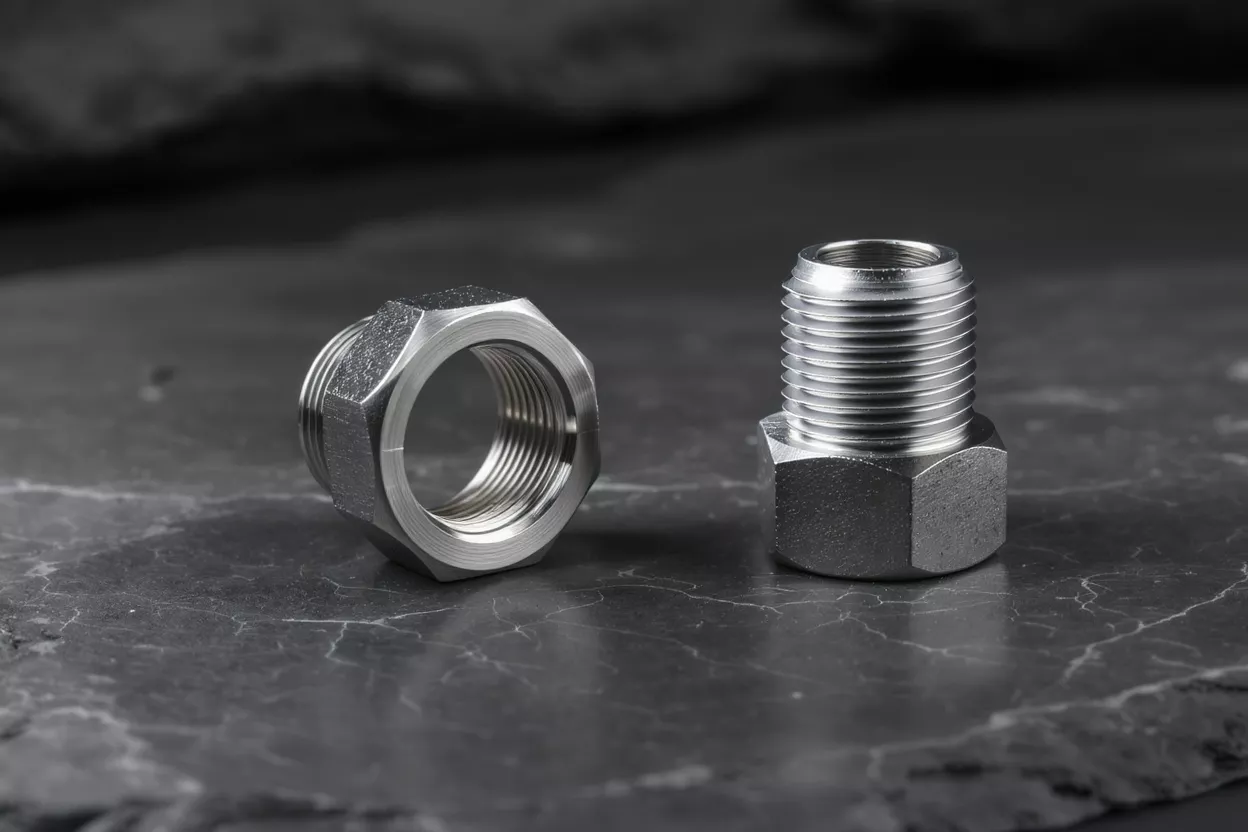
The best adapter is simply the one that matches your specific hardware, but a few qualities separate excellent adapters from cheap ones. Look for solid metal construction, spring-loaded center pins, and clearly labeled connection types. These traits predict a long, reliable service life far better than price alone.
Consider how you actually use your gear before buying. A desktop user who rarely moves their setup can prioritize a low-profile adapter for aesthetics, while someone vaping on the go should weight durability and a secure hold above all else. Matching the adapter to your lifestyle prevents the frustration of a connector that technically works but annoys you daily.
Reading compatibility charts: Reputable sellers publish compatibility charts listing exactly which batteries and cartridges an adapter supports. Spend a minute confirming your specific models appear on that list before ordering. This single habit eliminates the vast majority of returns and disappointed reviews in the adapter category.
Are Cannabis Adapters Safe to Use
Adapters are passive electrical components, and a well-made adapter is as safe as the battery and cartridge it connects. The key safety consideration is contact integrity: a clean, properly seated connection prevents the kind of intermittent firing or short circuits that can stress a battery. Quality materials and precise machining are the foundation of a safe adapter.
Most safety problems trace back to cheap, poorly toleranced adapters rather than the concept itself. A connector with a loose pin or thin plating can create resistance, generate heat, or fail to seat the cartridge fully. Buying from established hardware brands and inspecting the contacts before first use avoids nearly all of these risks.
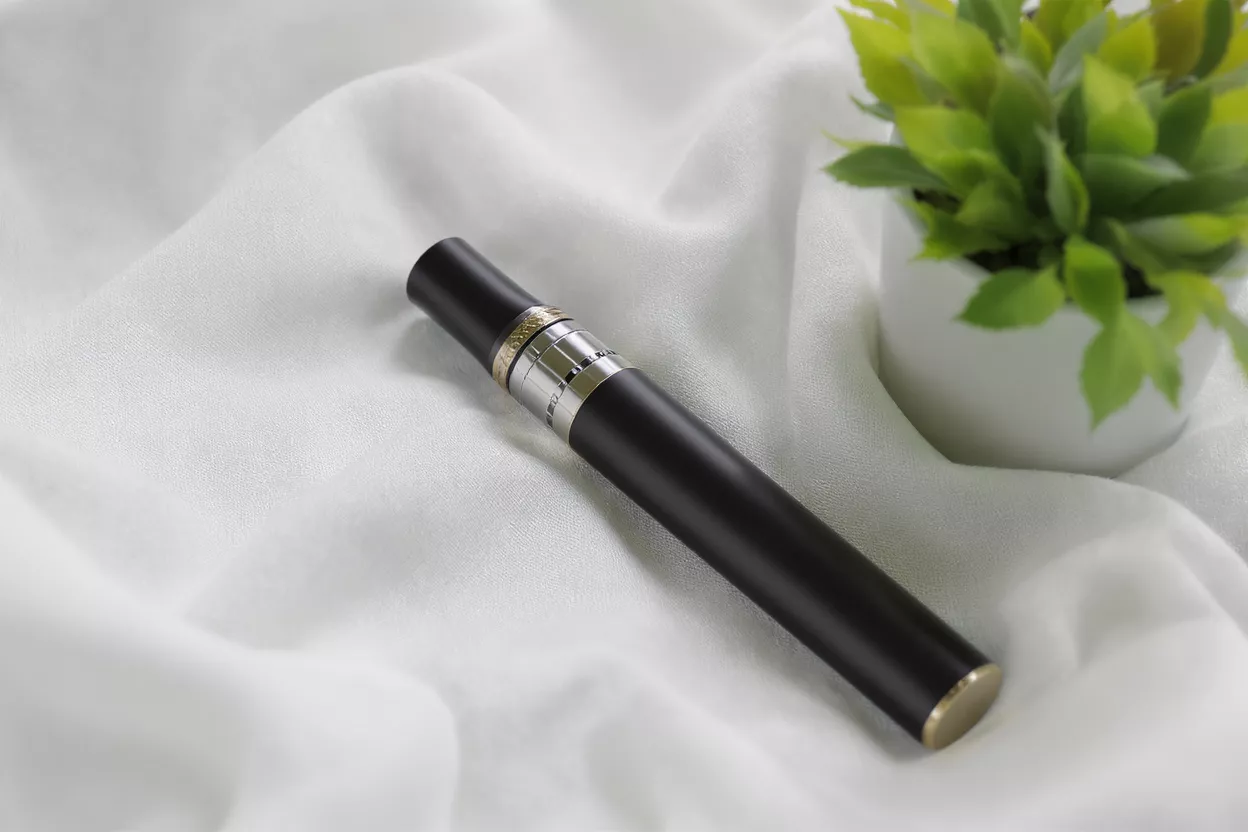
Battery health and adapters: A good adapter never asks more of your battery than a direct connection would, because it simply passes current through. To keep things safe, pair adapters with cartridges rated for your battery's voltage and avoid stacking multiple adapters in a chain, since each added junction is one more place for resistance and looseness to creep in.
Common Adapter Problems and How to Fix Them
Even good adapters occasionally misbehave, and most issues have simple fixes. The most frequent complaint is a cartridge that will not fire after adding an adapter. Nine times out of ten this comes down to a center pin that is not making contact, which a gentle adjustment usually resolves.
Below are the problems users report most often along with quick remedies:
- 🔋 No firing: Gently raise the center pin on the cartridge or battery to ensure the circuit closes.
- 🌀 Loose cartridge: Check for cross-threading and re-seat the cartridge straight; replace a stripped adapter.
- 💨 Weak vapor: Clean both contact points, as residue between junctions reduces current flow.
- 🔥 Overheating: Stop using a chained stack of adapters and connect with a single piece instead.
When to retire an adapter: Adapters are inexpensive, so do not nurse a failing one. If threads are stripped, the pin no longer springs back, or you see visible corrosion on the contacts, swap in a fresh adapter. A two-dollar replacement protects a much more valuable battery and cartridge from inconsistent performance.
Choosing the Right Adapter: A Practical Guide
Pulling everything together, choosing the right adapter comes down to three simple questions: what are you connecting, how will you use it, and where are you buying it. Answer those honestly and the correct product usually reveals itself quickly. Start by identifying the exact connection on both your battery and your cartridge, then find the adapter that bridges precisely that gap.
Next, weigh your real-world use. A traveler benefits from a threaded, low-profile design that resists jostling, while a home user can prioritize convenience or appearance. Finally, buy from a seller that publishes compatibility information and uses quality materials, because a few extra cents spent on a well-made connector pays for itself in reliability and protected hardware.
Adapters are humble accessories, yet they quietly unlock enormous flexibility across the cannabis hardware ecosystem. By bridging incompatible standards, they let you keep beloved batteries, try a wider range of cartridges, and reduce waste in the process. Armed with an understanding of threading, magnets, and contact integrity, you can confidently select the right adapter and get the most out of every piece of gear you own.
Comments