

Aeroponics
Discover how aeroponics supercharges cannabis growth by misting suspended roots with nutrients.
What Is Aeroponics in Cannabis Cultivation
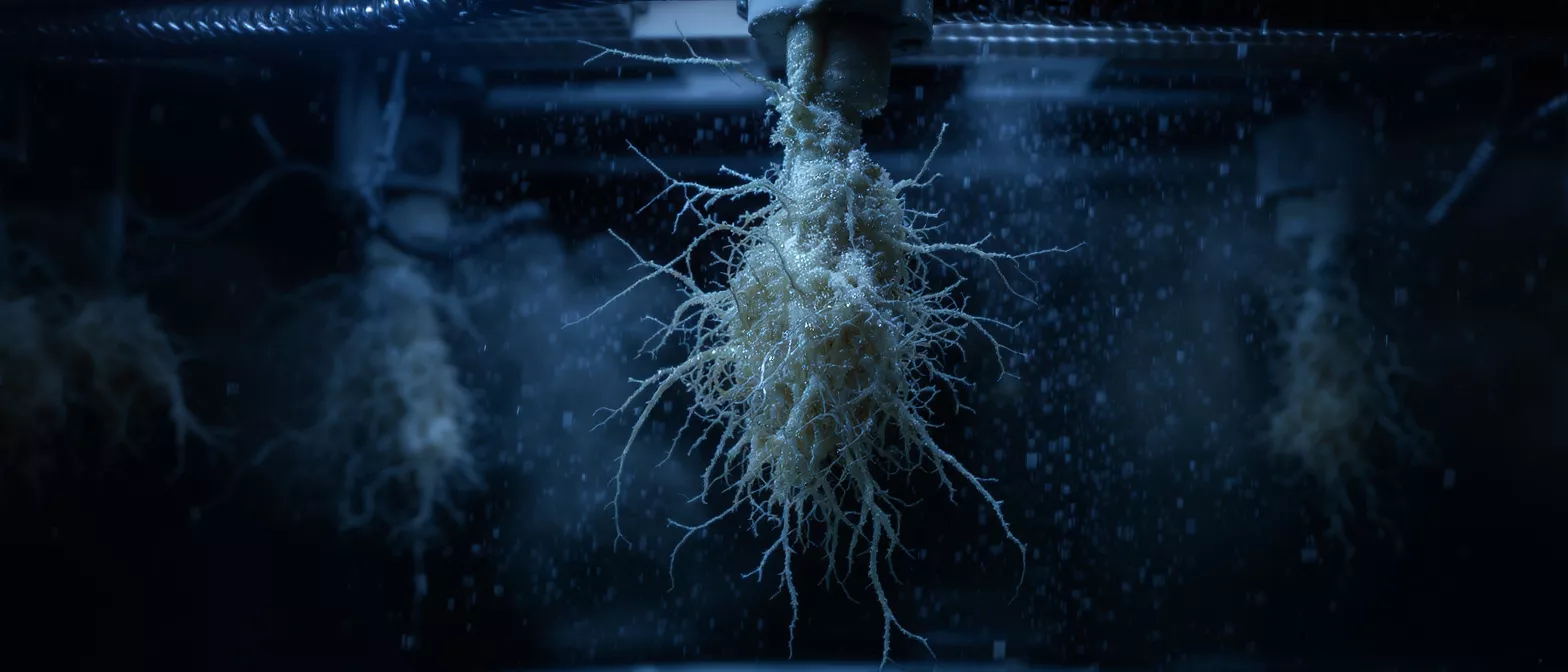
Aeroponics is a soilless growing method where cannabis roots dangle freely in an enclosed chamber and receive nutrients through a fine mist rather than being submerged in water or anchored in a growing medium. Instead of relying on soil or even a reservoir of nutrient solution, the system periodically sprays the bare root mass with an oxygen-rich, nutrient-charged fog. This approach sits at the cutting edge of indoor cultivation, prized for the explosive growth rates and clean root zones it can produce when dialed in correctly.
The concept traces back to plant physiology research from the mid-twentieth century, when scientists wanted to study root systems without the obstruction of soil. NASA later refined the technology for space-based food production, where conserving water and weight is critical. Cannabis growers eventually adopted these principles because the plant responds dramatically to abundant root-zone oxygen, a resource that aeroponics delivers in greater quantity than nearly any other method.
Why root oxygenation matters so much: Cannabis roots respire, meaning they consume oxygen to power nutrient uptake and overall metabolism. In soil or standing water, oxygen availability is often the limiting factor on growth. By suspending roots in air and coating them in a thin film of nutrient mist, aeroponics surrounds the entire root surface with breathable air, allowing the plant to absorb water and minerals far more efficiently than it could in a dense, waterlogged medium.
How Aeroponics Works for Growing Cannabis
At its core, an aeroponic system is built around a sealed root chamber, a nutrient reservoir, a pump, and a network of misting nozzles or atomizers. The pump pressurizes the nutrient solution and pushes it through the nozzles, which break the liquid into tiny droplets. Those droplets settle onto the suspended roots, deliver moisture and minerals, and then drain back to the reservoir to be recirculated. A timer controls how often and how long the misting cycles run.
The size of the droplets is one of the most important variables in the entire process. Fine droplets in the 30 to 80 micron range are widely considered ideal because they cling to root hairs and maximize the surface area available for absorption without drowning the roots. Larger droplets behave more like conventional spray and reduce the oxygen advantage, while excessively fine fog can be difficult to maintain and may not deliver enough volume during peak growth.
Timing cycles are equally crucial. Most growers run short, frequent misting bursts, sometimes a few seconds of spray followed by several minutes of rest, so roots stay moist but never saturated. This rhythm keeps the root zone oxygenated between cycles. If the interval is too long, exposed roots dry out quickly; if it is too short, the chamber becomes humid and the oxygen benefit disappears.
Aeroponics vs Hydroponics: Key Differences
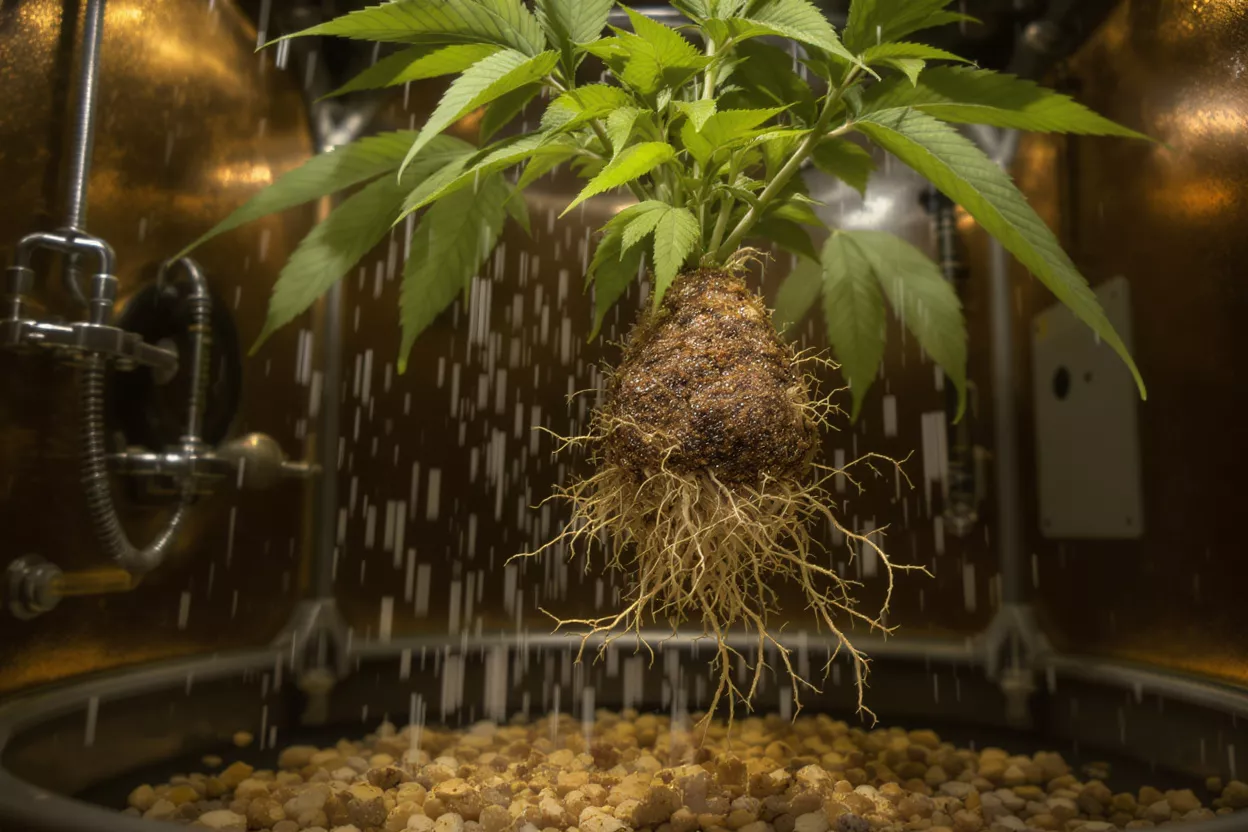
Aeroponics is often described as a specialized branch of Hydroponics, but the distinction matters in practice. Traditional hydroponic methods such as deep water culture or ebb and flow keep roots in contact with a liquid nutrient solution or a growing medium like clay pebbles. Aeroponics removes the medium and the standing water entirely, leaving roots exposed to air and fed only by mist.
That difference changes the grower's experience considerably. Because there is no medium to buffer the nutrient solution, aeroponic systems respond instantly to any change in pH, nutrient strength, or environment. This responsiveness is a double-edged sword: it enables precise control and rapid correction, but it also means problems escalate fast if a pump fails or a sensor drifts.
How the two methods compare at a glance:
- 🌱 Growing medium: Hydroponics often uses an inert medium; aeroponics uses none, suspending roots in open air.
- 💧 Water use: Aeroponics typically consumes less water because the recirculated mist is highly efficient.
- 🌬️ Oxygen delivery: Aeroponics provides the highest root-zone oxygen of any common method.
- ⚙️ System complexity: Aeroponics demands more equipment, monitoring, and reliable power than basic hydro setups.
- 📈 Growth potential: Both accelerate growth over soil, but aeroponics can edge ahead when conditions are perfect.
Types of Aeroponic Systems Explained
Not all aeroponic setups are created equal, and the type you choose dramatically affects results and difficulty. The three broad categories are low-pressure aeroponics, high-pressure aeroponics, and ultrasonic fogponics, each defined by how it generates and delivers the nutrient mist.
Low-pressure aeroponics (LPA): These systems use ordinary submersible or inline pumps to spray nutrient solution through sprinkler-style nozzles. They are affordable and forgiving, making them a popular entry point. The trade-off is droplet size: LPA produces larger droplets that deliver less oxygen benefit than true high-pressure misting, so it is sometimes called "soakaponics" because roots stay wetter.
High-pressure aeroponics (HPA): HPA uses a high-pressure pump, an accumulator tank, and precision atomizing nozzles to create the ideal 30 to 80 micron droplets. This is the gold standard for maximizing growth and oxygenation, but it requires more expensive components, careful tuning, and meticulous maintenance to prevent nozzle clogs. Serious growers chasing peak performance gravitate toward HPA.
Fogponics takes the concept further by using ultrasonic foggers to create an ultra-fine mist measured in single-digit microns. It can be remarkable for rooting clones and seedlings with delicate root systems, though maintaining consistent fog density for mature plants can be challenging.
Aeroponics Benefits for Cannabis Growers
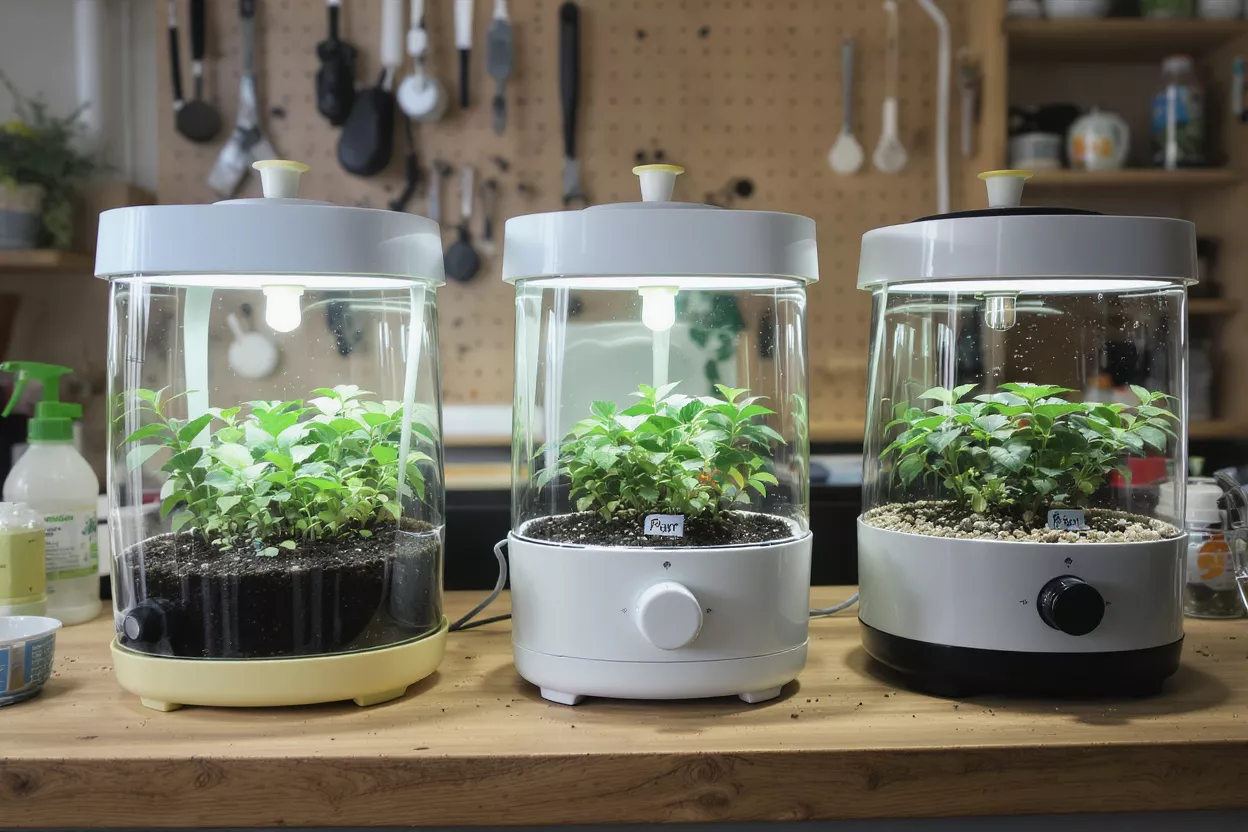
The headline advantage of aeroponics is speed. With roots constantly bathed in oxygen and instantly available nutrients, cannabis plants frequently put on vegetative growth faster than they would in soil or conventional hydroponics. Faster vegetative development can mean shorter overall grow cycles and more harvests per year for commercial operations.
Yield and quality potential: A healthy, oxygen-rich root system supports a larger, more vigorous canopy, which can translate to heavier yields and dense flower production. Because the roots are never competing with anaerobic pockets in a medium, the plant can direct more energy into above-ground growth and resin production when light and climate are also optimized.
Resource efficiency is another genuine benefit. Recirculating systems reclaim and reuse nutrient solution, so aeroponics often uses a fraction of the water that soil cultivation requires. The absence of a growing medium also eliminates the cost, mess, and disposal associated with soil or clay pebbles, and it removes a common hiding place for pests and root-borne pathogens.
- ⚡ Rapid growth: Maximum root oxygen accelerates nutrient uptake and vegetative speed.
- 💦 Water savings: Recirculated mist makes aeroponics one of the most water-efficient methods.
- 🌿 Clean root zone: No medium means fewer pests, less rot, and easier inspection.
- 🔬 Precise control: Direct access to roots allows fine-tuned feeding and fast adjustments.
Building an Aeroponic Setup at Home
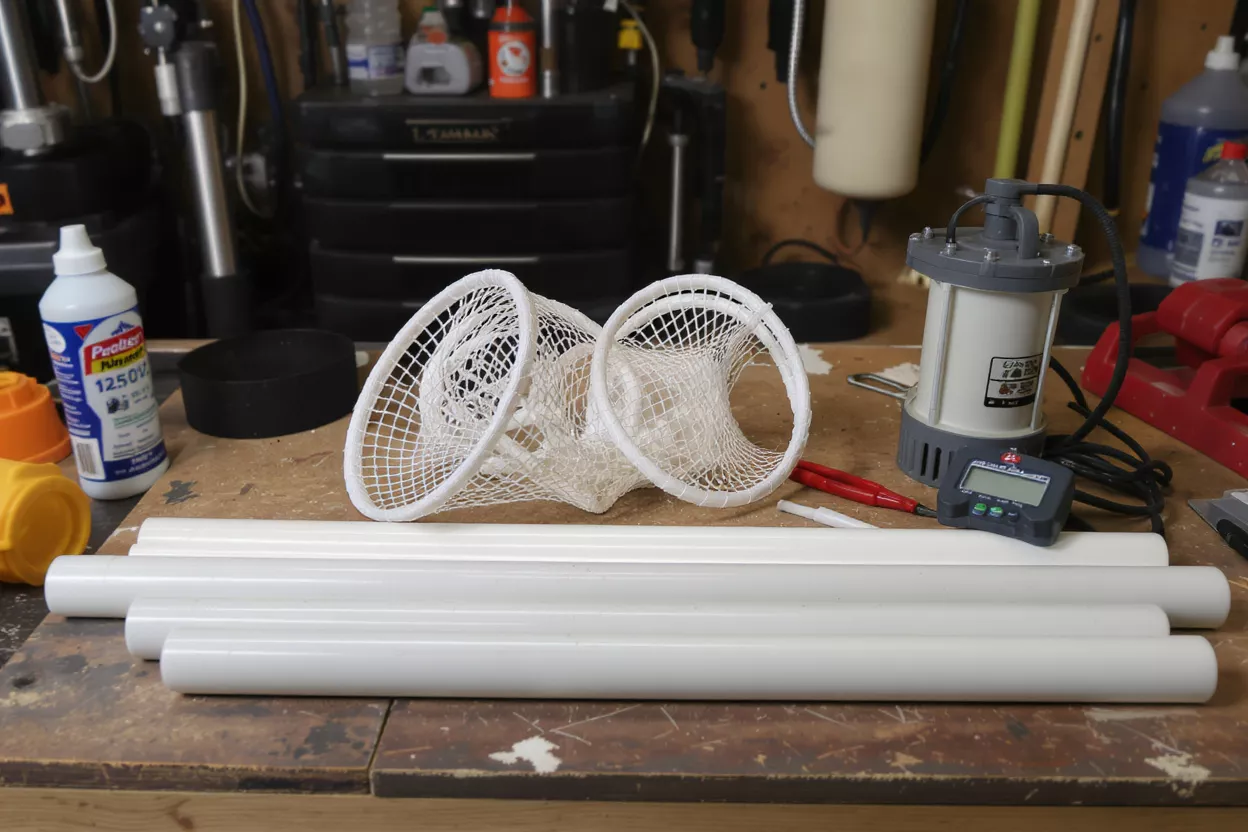
A home aeroponic build does not have to be intimidating, but it does require gathering the right components and assembling them thoughtfully. The fundamental pieces are a light-proof root chamber, a reservoir, a pump sized to your chosen pressure system, misting nozzles, tubing, net pots with collars to hold plants, and a reliable timer. Light-proofing the chamber is essential because exposed roots and nutrient solution invite algae growth when light leaks in.
Start by choosing your system type based on experience and budget. Beginners are usually best served by a low-pressure design, which tolerates minor errors and uses inexpensive parts. Once you understand misting cycles, nutrient management, and environmental control, you can graduate to a high-pressure system that demands tighter tolerances but rewards you with superior oxygenation and growth.
Redundancy protects your crop. Because aeroponic roots have no medium to hold moisture, a pump failure or power outage can stress or kill plants within hours. Experienced growers install backup pumps, battery-backed timers, and alarms that alert them to interruptions. Building in this insurance from the start is far cheaper than losing a harvest.
Managing Nutrients and pH in Aeroponics
Feeding an aeroponic garden requires more attention than soil because there is no buffer between the solution and the roots. Nutrients must be fully soluble and mixed precisely, since any undissolved particles can clog fine misting nozzles. Most growers use high-quality hydroponic nutrient lines specifically formulated to stay in solution and avoid sediment.
Dialing in pH and EC: Cannabis in an aeroponic system generally thrives with a root-zone pH between 5.5 and 6.0, slightly more acidic than soil. Electrical conductivity, or EC, measures dissolved nutrient strength and should be checked frequently. Because the system reacts quickly, even small drifts can affect plants noticeably, so daily monitoring is the norm rather than the exception.
Reservoir hygiene is non-negotiable. Warm, nutrient-rich water is a breeding ground for bacteria and root pathogens, so many growers keep reservoir temperatures cool, change solutions on a regular schedule, and sterilize nozzles to prevent biofilm buildup. Keeping dissolved oxygen high in the reservoir further supports healthy roots and reduces the risk of Root Rot.
Common Aeroponics Problems and How to Avoid Them
The same precision that makes aeroponics powerful also makes it unforgiving. Clogged nozzles are the most frequent headache, caused by mineral buildup or undissolved nutrients. When a nozzle stops misting, the roots it serves can dry out fast, so growers should inspect nozzles regularly and keep spares on hand for quick swaps.
Power and pump dependability: Since roots rely entirely on scheduled misting, any interruption to power or pump function is an emergency. A failed pump during a hot afternoon can desiccate roots in under an hour. This is why backup power, redundant pumps, and monitoring alarms are considered essential rather than optional luxuries in a serious aeroponic operation.
Disease pressure also deserves attention. While the airy root zone resists many soil-borne pests, pathogens can still take hold in a warm reservoir or stagnant chamber. Maintaining cool solution temperatures, good sanitation, and high dissolved oxygen keeps the root environment hostile to harmful microbes. Beneficial inoculants can add another layer of protection by colonizing roots before problem organisms arrive.
- 🚿 Clogged nozzles: Filter solution, use soluble nutrients, and clean nozzles routinely.
- 🔌 Power loss: Add battery backups, alarms, and redundant pumps to prevent crop failure.
- 🌡️ Warm reservoir: Keep solution cool to suppress pathogens and protect dissolved oxygen.
- 🧪 Nutrient drift: Check pH and EC daily because the system reacts instantly to change.
Is Aeroponics Worth It for Cannabis
Whether aeroponics makes sense depends heavily on your goals, budget, and tolerance for hands-on management. For growers who want the absolute fastest growth, the cleanest root zones, and the most precise control, the method can be transformative. Commercial operations chasing rapid turnover and high yields often find the investment justified by the results.
For hobbyists and beginners, the calculus is different. Aeroponics carries a steeper learning curve and higher stakes than soil or basic hydroponics, since small mistakes escalate quickly and equipment failures can be catastrophic. Many newcomers benefit from mastering a simpler hydroponic method first, then transitioning to aeroponics once they are comfortable with feeding schedules and environmental control.
Cost is the final consideration. A reliable high-pressure aeroponic system with proper redundancy represents a meaningful upfront expense, and ongoing maintenance demands time and diligence. That said, water savings, faster cycles, and strong yields can offset those costs over time, particularly at scale where efficiency gains compound across many plants.
Aeroponics Best Practices and Final Takeaways
Success with aeroponics comes down to consistency and vigilance. Keep your misting cycles tuned to your plants' stage of growth, maintain spotless nozzles, and never let your monitoring lapse. The growers who thrive with this method treat it as a system that rewards attention to detail, checking pH, EC, and reservoir temperature like clockwork and responding to changes before they become problems.
Plan for failure before it happens. The single most important habit in aeroponic cultivation is redundancy: backup pumps, battery-backed timers, and alarms that catch interruptions while there is still time to act. A clean, cool, well-oxygenated reservoir and fully soluble nutrients prevent the majority of issues that plague new aeroponic gardens, keeping roots healthy and white.
When everything aligns, aeroponics delivers some of the fastest, cleanest, and most resource-efficient cannabis growth available to cultivators today. It is a demanding method, but for those willing to learn its rhythms and invest in dependable equipment, the payoff is a thriving garden of vigorous plants and a root zone that breathes. Master the fundamentals, respect the system's sensitivity, and aeroponics can become one of the most rewarding ways to grow.
Comments