

Borneol
Discover how borneol shapes cannabis aroma, pain relief, and relaxation.
What Is Borneol in Cannabis?
Borneol is a naturally occurring bicyclic monoterpene found in cannabis and a wide range of aromatic plants, prized for its cooling, camphor-like scent and its long history in healing traditions. While it rarely headlines a strain's chemical profile the way more abundant compounds do, this understated terpene contributes meaningful character to the aroma, flavor, and potential therapeutic reach of the flowers in which it appears. Understanding borneol helps demystify why two strains with similar cannabinoid content can feel and smell remarkably different.
In botanical terms, borneol belongs to the same family of compounds as camphor, and in fact the two are chemically related — borneol can be oxidized into camphor. It occurs in several isomeric forms, with the most studied being the right-handed and left-handed variants. Within the cannabis plant, borneol is produced in the same resinous glands that generate cannabinoids and other aromatic molecules, accumulating in the sticky trichomes that coat mature flowers.
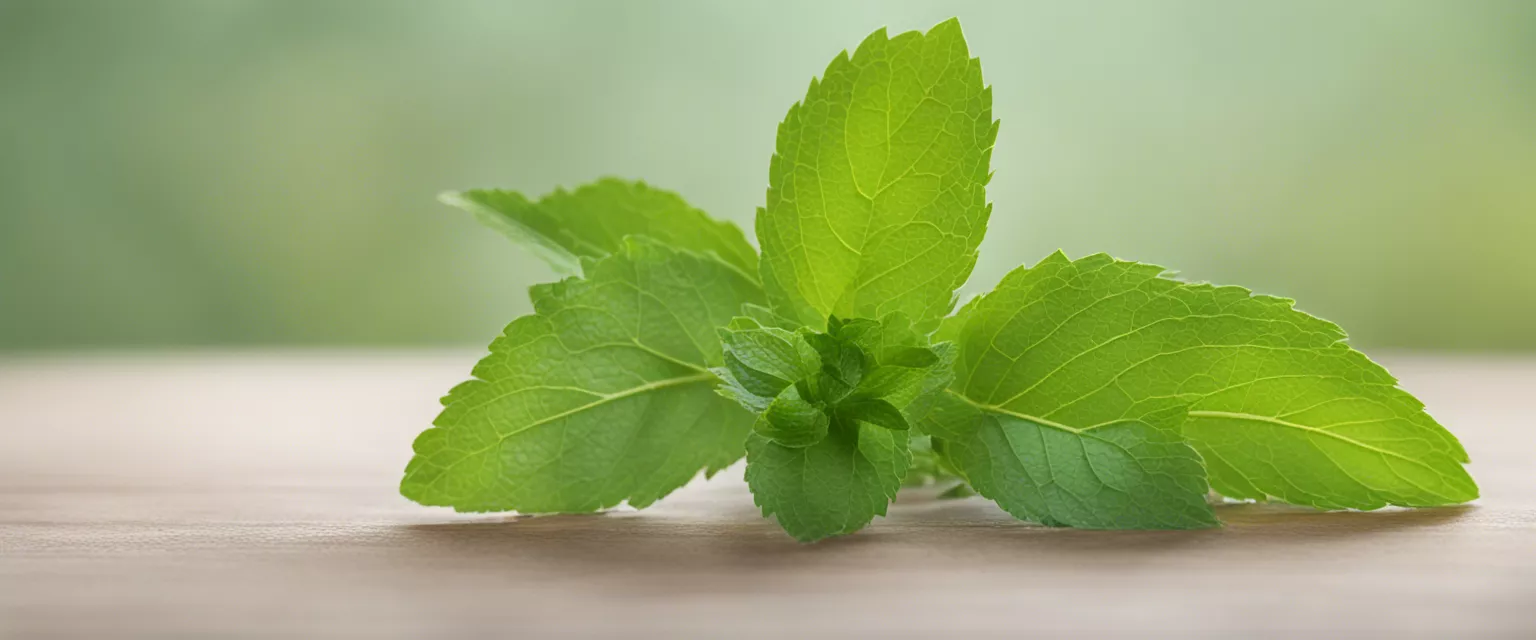
Where borneol comes from in nature: Beyond cannabis, borneol is abundant in herbs and trees including rosemary, mint, sage, ginger, and the wood of certain camphor and cinnamon species. For centuries it was harvested from the Dryobalanops aromatica tree of Southeast Asia, sometimes called the "Borneo camphor" tree — which is precisely where the terpene takes its name. This deep botanical lineage means humans have interacted with borneol for far longer than they have studied cannabis terpenes scientifically.
How Borneol Works in the Body
Like other terpenes, borneol is a small, fat-soluble molecule capable of crossing biological membranes, including the blood-brain barrier. This property is central to why researchers find it so interesting: it can reach the central nervous system and interact with receptors and signaling pathways that influence pain, inflammation, and mood. Its lipophilic nature also means it absorbs readily through the skin, which partly explains its long use in topical balms and liniments.
Interaction with neural pathways: Preliminary research suggests borneol may modulate the activity of certain neurotransmitter systems and ion channels involved in pain perception. Some studies indicate it can influence GABA receptors — the same broad system targeted by many calming compounds — which may underlie its reputation as a relaxing, mildly sedative terpene. It has also been investigated as a natural permeation enhancer, meaning it can help other therapeutic molecules cross into tissues and the brain more efficiently.
This last point is particularly significant in pharmacology. Borneol's ability to act as an "escort" for other compounds has made it a subject of study in drug delivery, where it may improve the bioavailability of medications that otherwise struggle to reach their target. Within a whole-plant cannabis context, this same mechanism may help explain how borneol contributes to the broader synergy among cannabinoids and terpenes.
What Does Borneol Smell and Taste Like?
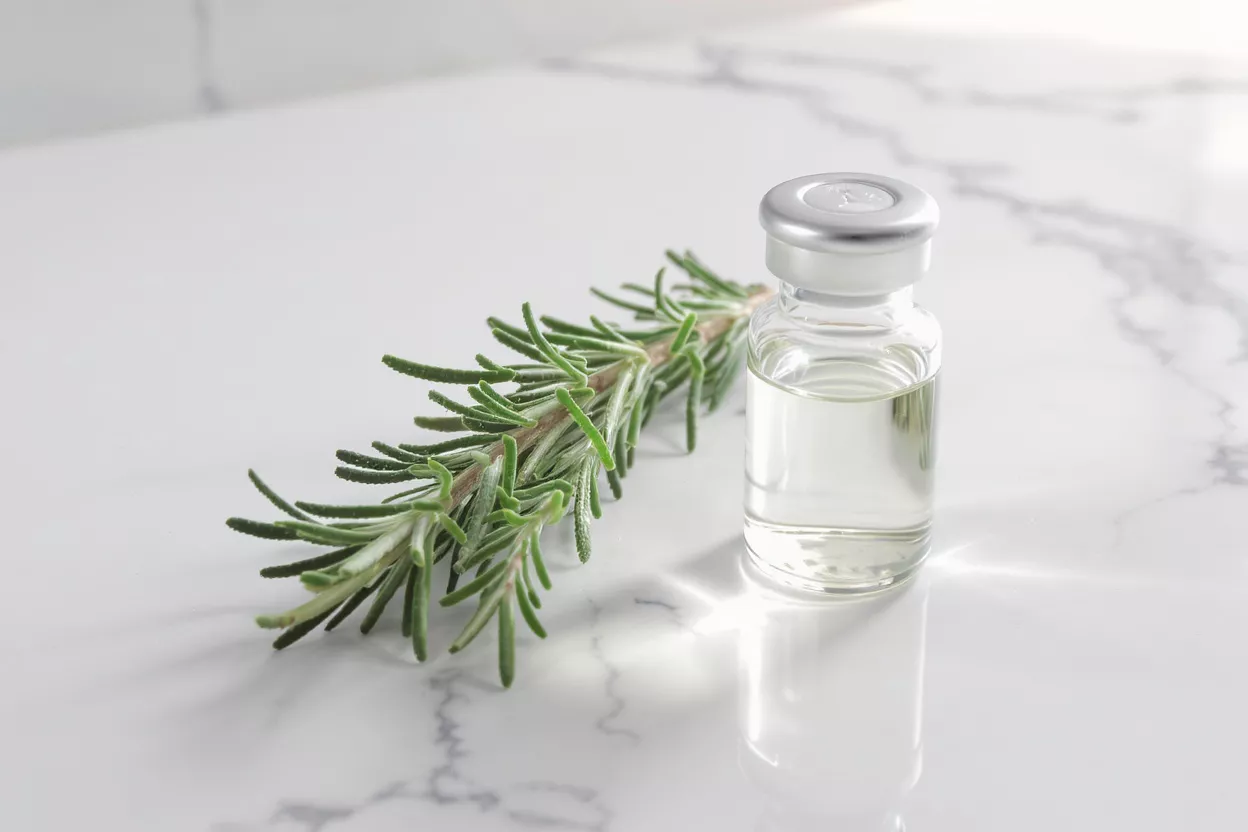
The sensory signature of borneol is unmistakable once you learn to recognize it: a cool, sharp, camphor-forward aroma layered with woody, herbal, and faintly minty notes. It evokes the smell of a freshly opened tin of medicinal balm or the crisp scent of rosemary crushed between your fingers. In cannabis, borneol tends to add depth and a clean, penetrating quality that cuts through sweeter or earthier terpene profiles.
On the palate, borneol translates into a flavor that is herbaceous and slightly spicy, with the same cooling sensation that menthol-adjacent compounds provide — though borneol is distinct from menthol itself. Strains with appreciable borneol content often deliver a refreshing, almost numbing crispness on the inhale that pairs naturally with pine and earth-driven flavor profiles.
- 🌲 Woody and camphorous: The dominant note, reminiscent of aged timber and medicinal camphor blocks.
- 🌿 Herbal and minty: A fresh, green undertone shared with rosemary, sage, and mint.
- ❄️ Cooling crispness: A penetrating, slightly cold sensation that brightens the overall aroma.
- 🌶️ Subtle spice: A faint peppery warmth that adds complexity on the exhale.
Borneol Benefits and Therapeutic Potential
The therapeutic interest in borneol stems from a growing body of preclinical research pointing to several distinct activities. While much of this work has been conducted in laboratory and animal models rather than large human trials, the consistency of the findings has made borneol a compelling candidate for further study. Its benefits appear to span pain management, inflammation, neuroprotection, and antimicrobial action.
Anti-inflammatory activity: Multiple studies have observed that borneol can reduce markers of inflammation, an effect that complements its analgesic properties. Because inflammation underlies a vast range of chronic conditions — from arthritis to certain cardiovascular and neurological disorders — a well-tolerated natural compound with anti-inflammatory potential is of considerable interest to researchers and patients alike.
Neuroprotective and antioxidant effects: Some of the most intriguing research explores borneol's potential to protect brain tissue. Studies suggest it may help shield neurons from oxidative stress and support recovery in models of stroke and ischemic injury, partly through its ability to improve the delivery of protective compounds across the blood-brain barrier. This positions borneol as a terpene of interest in the broader conversation about cannabis and neurological wellness.
Borneol for Pain Relief and Inflammation
Among borneol's most well-documented properties is its analgesic capacity. The terpene has a long folk reputation as a pain reliever, and modern investigation lends credence to that tradition. In animal studies, borneol has demonstrated the ability to reduce both acute and persistent pain responses, with researchers proposing that it dampens the transmission of pain signals through specific receptor pathways in the nervous system.
Topical applications and absorption: Because borneol penetrates skin so readily, it has historically been a staple of liniments, salves, and warming-cooling balms designed for muscle and joint discomfort. This same property makes it a natural fit for modern cannabis topicals, where it may both deliver its own analgesic action and help other active ingredients reach deeper tissues.
When considered alongside cannabinoids like CBD and THC, which carry their own analgesic and anti-inflammatory reputations, borneol may contribute to a layered, multi-targeted approach to discomfort. Many people seeking relief gravitate toward strains and products whose terpene profiles reinforce the effects they are after rather than relying on cannabinoids in isolation.
Borneol and the Cannabis Entourage Effect
The entourage effect describes the theory that cannabis compounds work better together than in isolation, with terpenes shaping and refining the experience produced by cannabinoids. Borneol occupies an interesting place in this framework because of its dual role: it may contribute therapeutic activity of its own while simultaneously enhancing the delivery and absorption of neighboring molecules.
Amplifying sedative and relaxing effects: Borneol's mild calming character is thought to lean into the relaxing end of the cannabis spectrum. When present alongside sedating terpenes like myrcene and linalool, it may reinforce a strain's body-heavy, tension-releasing qualities — making it a quiet contributor to the soothing reputation of certain indica-leaning varieties.
Crucially, the entourage effect is still an emerging area of science, and the specific contributions of any single terpene are difficult to isolate in real-world cannabis. What researchers can say is that the full bouquet of compounds in a flower interacts in complex ways, and borneol — even in modest concentrations — appears to be more than a passive bystander in that chemistry.
Cannabis Strains High in Borneol
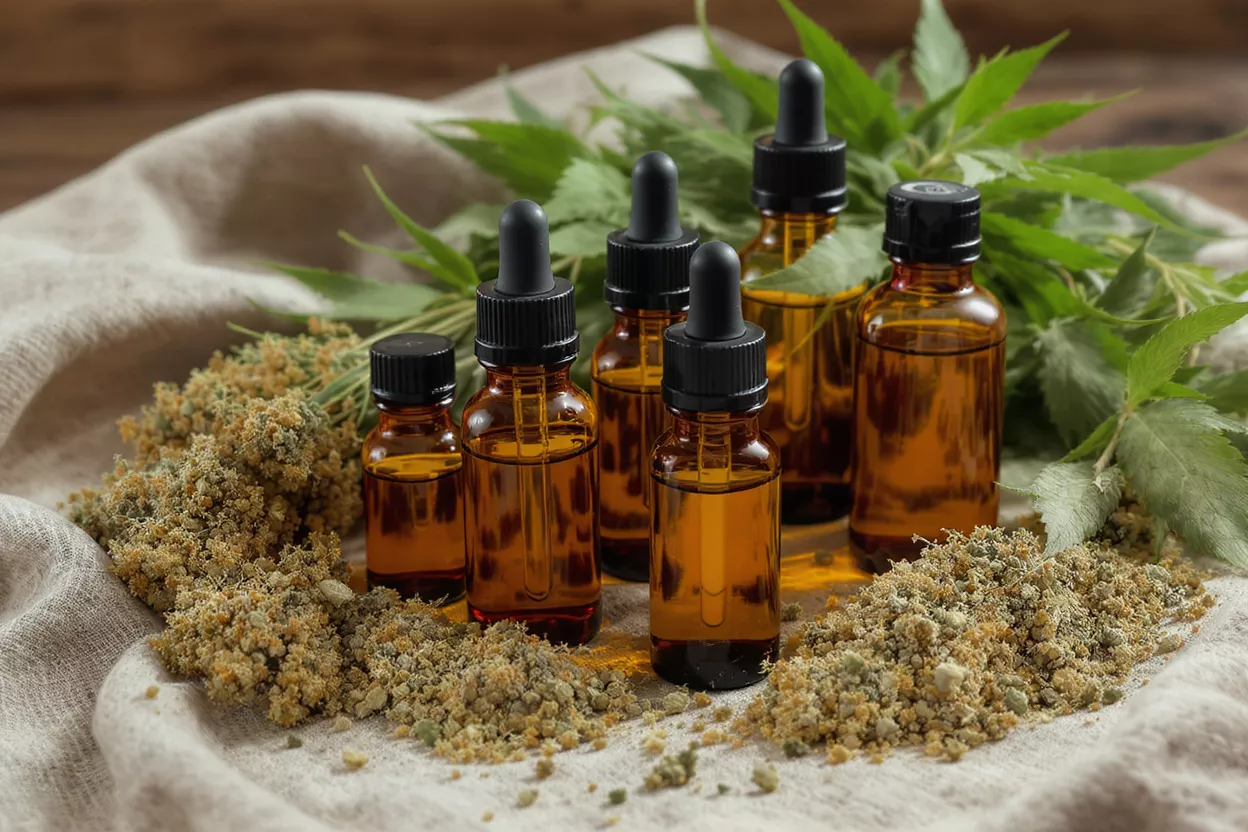
Borneol is rarely the most abundant terpene in any given strain, but certain cultivars express it at noticeable levels, often those with herbal, woody, or camphorous aromatic profiles. Because lab testing for minor terpenes is increasingly common, consumers can now seek out flowers with measurable borneol content by reviewing certificates of analysis where available.
What to look for on a terpene panel: Strains that lean toward earthy, piney, and spicy aromas are more likely to carry borneol alongside companions like pinene and humulene. The presence of a distinctly cooling, medicinal note in a strain's aroma is often a sensory clue that borneol is part of the mix.
- 🌲 Earthy, piney profiles: Strains with prominent forest-floor and conifer notes frequently carry trace borneol.
- 🌿 Herbal, kush-style genetics: Many classic kush lineages express the woody, camphorous character borneol provides.
- ❄️ Cooling, medicinal aromas: A crisp, balm-like scent on the nose is a reliable indicator worth chasing.
- 🧪 Lab-verified panels: The surest route is a certificate of analysis listing borneol among the measured terpenes.
Borneol in Traditional Medicine History
Long before terpene science existed, borneol held an esteemed place in healing systems across Asia. In Traditional Chinese Medicine it is known as bing pian and has been used for centuries to "open the orifices," revive consciousness, and treat pain, inflammation, and skin conditions. It frequently appeared in formulations intended to clear heat and refresh the senses, valued for its penetrating, cooling nature.
A bridge between cultures and centuries: Borneol's prominence in Southeast Asian and Indian traditions speaks to how widely its properties were recognized. Harvested from camphor trees and aromatic herbs, it was traded as a precious commodity along ancient routes, used in incense, perfumery, and medicine alike. This rich heritage gives modern researchers a roadmap of traditional uses now being examined through a scientific lens.
What is striking is how often contemporary findings echo these historical applications. The traditional use of borneol for pain, inflammation, and as an agent to enhance the action of other remedies aligns remarkably well with what laboratory studies are uncovering about its analgesic, anti-inflammatory, and permeation-enhancing properties — a reminder that empirical folk knowledge often anticipates formal science.

Is Borneol Safe to Consume?
Borneol is generally regarded as safe at the low concentrations naturally found in food, herbs, and cannabis. It has been used in culinary and medicinal contexts for centuries and appears in everyday products from flavorings to fragrances. As with any aromatic compound, the dose and route of exposure matter, and the trace amounts present in cannabis flower are far below levels that would raise concern.
Sensible precautions: Highly concentrated borneol or camphor-rich preparations should be treated with respect, as concentrated camphor compounds can be irritating or toxic in large quantities. People who are pregnant, nursing, or managing specific health conditions should consult a healthcare provider before using concentrated terpene products. For the vast majority of cannabis consumers, however, the borneol naturally present in flower poses no special risk.
As always, individual responses to terpenes and cannabis vary. Starting low and observing how a particular strain or product affects you remains the wisest approach, especially when exploring the more nuanced contributions of minor terpenes like borneol to your overall experience.
Borneol vs Other Cannabis Terpenes
Set against the broader cannabis terpene landscape, borneol carves out a distinctive niche. Where myrcene brings musky earthiness and limonene delivers bright citrus, borneol contributes that cool, camphorous, woody depth that few other terpenes provide. Its closest aromatic relative is camphor itself, but among cannabis terpenes its character is genuinely its own.
How borneol compares functionally: Many cannabis terpenes carry anti-inflammatory or relaxing reputations, but borneol's standout trait is its role as a permeation enhancer — its ability to help other compounds reach their targets. This positions it less as a competitor to terpenes like linalool or myrcene and more as a collaborator that can amplify the effects of an entire profile.
Ultimately, appreciating borneol means recognizing that the richness of cannabis lies in its complexity. No single terpene tells the whole story; instead, compounds like borneol weave together with cannabinoids and dozens of other molecules to produce the layered aromas and effects that define each unique strain. As terpene research matures, this once-overlooked compound is earning the recognition its long history deserves — a quiet but consequential thread in the fabric of the plant.
From its camphor-tree origins and centuries of use in traditional medicine to its emerging role in modern entourage-effect research, borneol exemplifies how much there is still to learn from cannabis chemistry. Whether you are drawn to its crisp, woody aroma, its analgesic and anti-inflammatory promise, or its fascinating ability to escort other compounds deeper into the body, borneol rewards a closer look — and a deeper appreciation for the small molecules that make a big difference.
Comments