

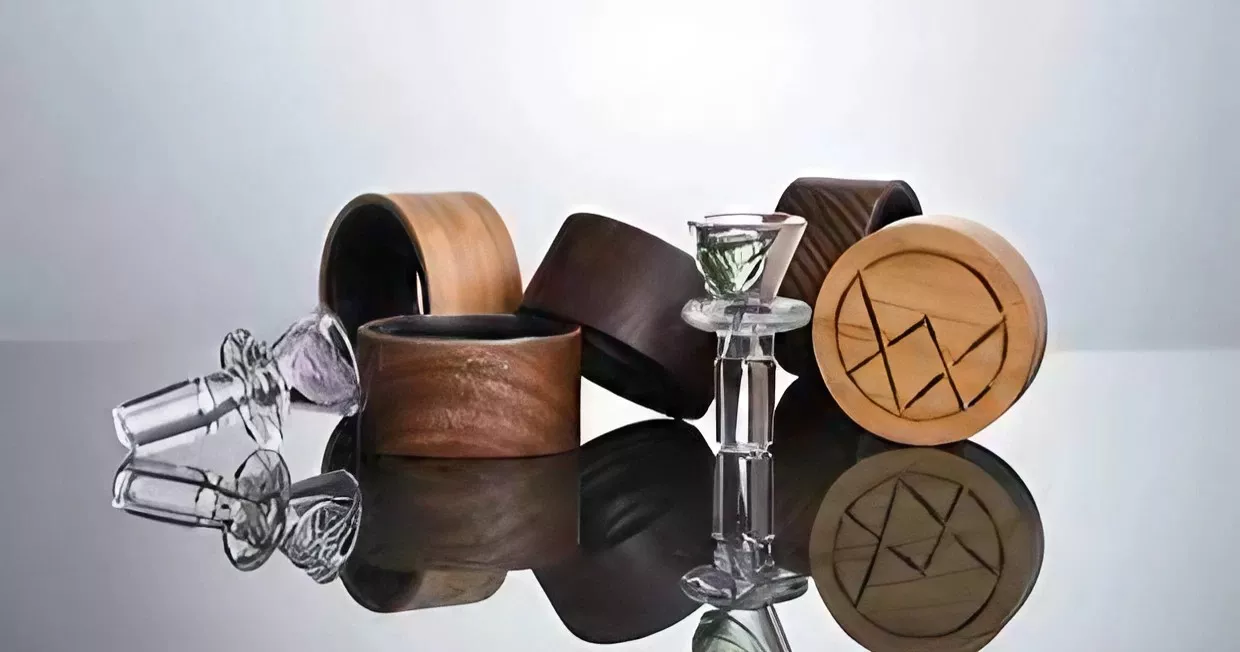
Bowl
Everything about the cannabis bowl — how it works, types, materials, packing tips & cleaning.
What Is a Cannabis Bowl?
A cannabis bowl is the part of a pipe or water pipe that holds ground flower and exposes it to flame so it can combust into inhalable smoke. It is the unassuming workhorse of nearly every dry-flower session, and despite its simplicity, it shapes flavor, efficiency, and smoothness in ways most casual smokers never stop to consider. Whether you reach for a glass spoon, a chillum, or an elaborate water pipe, the bowl is where every session truly begins.
The word carries a useful double meaning in everyday cannabis language. A bowl is both the physical piece that cradles your herb and a single serving of flower itself — which is why "let's smoke a bowl" makes perfect sense to anyone in the room. That linguistic overlap tells you how central this component is to the ritual of consumption.
Getting to know the bowl pays off immediately. A thoughtfully designed one distributes heat evenly, conserves your flower, and delivers smoother draws, while a poor one clogs fast, wastes material, and produces harsh smoke. Understanding how the piece functions is the foundation for getting more out of every gram you own.
How Does a Bowl Work on a Pipe or Bong?
Every bowl runs on the same basic relationship between heat and airflow. When you hold a flame to the dried flower resting in the cup, the cannabis combusts and releases smoke. As you draw on the mouthpiece, that smoke is pulled through a channel and into your lungs. The bowl is simply the staging area where fire meets plant material and the session comes to life.
Dry pipe versus water pipe: On a hand pipe the path is short and direct — smoke travels from the bowl through the stem straight to your mouth. On a bong the route is longer, passing through water that cools and lightly filters the smoke before it reaches you. That is why bong hits often feel softer than pipe hits even with an identical bowl. It is worth noting that, as Harvard Health points out, water filtration does not remove the harmful byproducts of combustion, so smoother is not the same as safer.
The fit between the bowl and the rest of the piece decides how efficiently your flower burns. A bowl that runs too deep can leave the bottom layer unlit, while one that is too shallow burns through herb in a hit or two. Matching bowl size to your typical session is the simplest way to avoid waste and keep results consistent from one smoke to the next.
Parts of a Smoking Bowl Explained
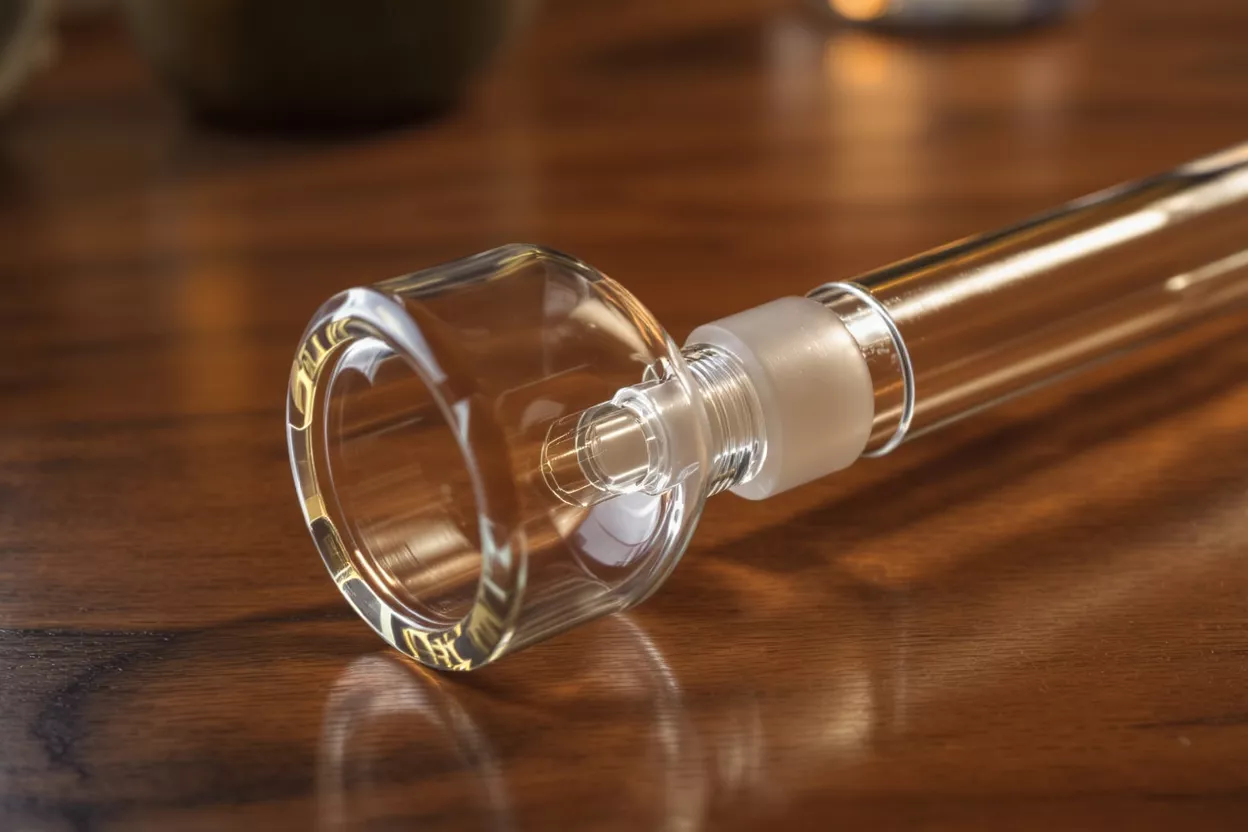
Though it looks like a single sculpted piece, a smoking bowl has several distinct features that each do a specific job. Learning them helps you choose better gear and troubleshoot quickly when smoke refuses to flow the way you expect.
- 🥣 The cup: The concave depression that holds ground flower. Its depth and width set how much cannabis you can load at once.
- 🕳️ The bowl hole: The small opening at the base of the cup that lets smoke pass into the stem while keeping most ash and debris out.
- 💨 The carb: A secondary hole on many hand pipes used to regulate airflow and clear smoke from the chamber.
- 🔌 The joint connection: On bongs, the ground-glass fitting where a removable bowl slides into the water pipe.
The proportions of these parts dictate how the bowl behaves. A hole that is too wide lets unburned flower fall straight through — smokers call this "pulling through" — while a hole that is too narrow clogs with resin and chokes airflow. Quality pieces balance these factors deliberately, which is why a well-made glass piece rewards you across countless sessions.
On a water pipe the bowl is usually a separate, removable slide that seats into the downstem. That modularity is genuinely useful: you can lift it out to clear smoke, swap in a larger or smaller cup, or replace a broken one without setting aside the whole rig.
Types of Bowls for Pipes and Bongs
Bowls come in a wide range of styles, each suited to different habits and preferences. The right pick depends on how often you smoke, whether you go solo or share, and how much you weigh convenience against pure flavor.
Slide bowls for bongs: These removable cups are the standard on most water pipes. They seat into the downstem and pull out to clear the chamber, doing the same job a carb hole does on a hand pipe. They range from single-hit cups to deep multi-gram designs built for passing around a group.
Built-in spoon pipe bowls: On a classic spoon, the bowl is fused directly to the body. These pieces are compact, durable, and ideal for solo use or travel, with no separate parts to misplace. Many smokers keep one as a daily driver for exactly that reason.
- 🌿 Single-hit bowls: Conserve flower and keep each draw fresh — ideal for microdosing or solo sessions.
- 🔥 Deep party bowls: Hold enough ground flower to pass around a circle without constant repacking.
- 🍯 Screened bowls: Use a metal or glass screen to stop pull-through, filtering fine material the way a honeycomb disc does in other gear.
- 💎 Quartz and specialty bowls: Prized by flavor-focused smokers for clean taste and high heat resistance.
If you want a more refined experience, a quality borosilicate glass bowl preserves terpene flavor far better than older metal designs. When you appreciate the nuance that compounds like eucalyptol and humulene bring to a strain, the material your bowl is made from genuinely matters.
What Is a Carb Hole on a Bowl?
The carb, short for carburetor, is a small hole found on many hand pipes and chillums whose only job is to control airflow into the chamber. Cover it with a finger while you inhale and smoke builds up inside the piece. Release it and fresh air rushes in, pushing that collected smoke into your lungs in one clean pull.
Mastering the carb is a small but meaningful skill. Beginners often forget to release at the right moment, leaving stale smoke lingering in the pipe and a weaker hit than expected. With a little practice the timing becomes automatic, and you gain precise control over the size and smoothness of each draw — one reason a simple glass spoon with a carb stays a favorite for newer smokers.
Not every piece has a carb. Bongs typically rely on the removable slide bowl to do the same work, since lifting it out clears the chamber exactly the way releasing a carb does. Knowing which mechanism your piece uses helps you take cleaner, more controlled hits every time you light up.
How to Pack a Bowl Correctly
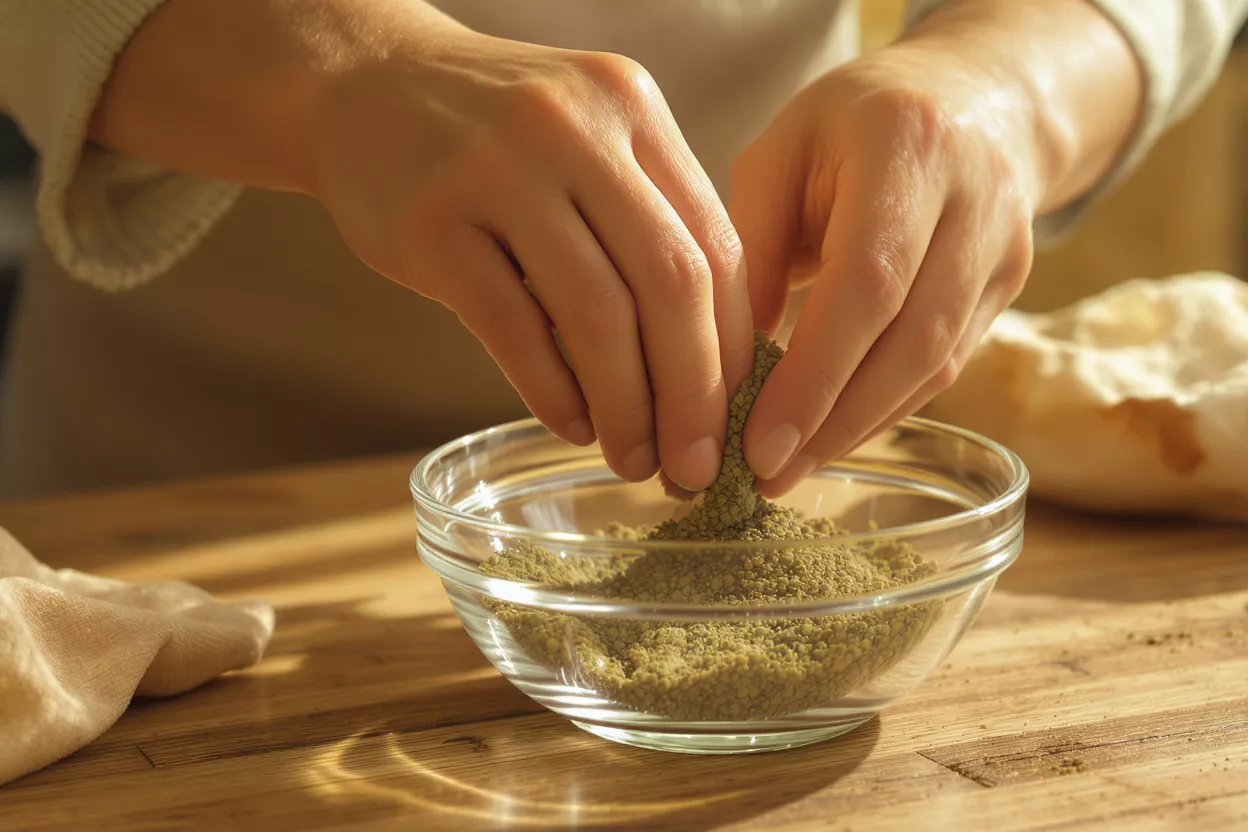
Packing a bowl well is part technique and part feel, and the goal is always even airflow. Pack too loosely and the flower scorches too fast; pack too tightly and you can barely draw a breath through it. Start with cannabis ground to a medium, even consistency — not powder, which pulls straight through the hole, and not large chunks, which burn unevenly.
- 🌱 Grind evenly: Use a grinder for a consistent texture that burns smoothly and packs predictably.
- 🪶 Layer gently: Set a slightly larger nug at the bottom as a natural screen, then add ground flower on top.
- 👌 Press lightly: Tamp the surface just enough to hold its shape while still letting air move through.
- 🔥 Corner the bowl: Light only one edge so the rest stays green for your next hit or the next person.
Cornering deserves a closer look because it is courtesy as much as craft. By lighting only a portion of the surface, you preserve unburned green flower for everyone sharing the session. Torching the whole bowl at once wastes material and delivers harsher smoke — and as public health guidance from Harvard Health notes, reducing the volume and harshness of inhaled smoke is a practical way to limit respiratory irritation.
Packing shifts slightly when you work with infused or concentrate-coated flower, since sticky material burns slower and can gum up the hole. A screen or a slightly looser pack helps these denser products breathe properly in the bowl and keeps your airflow intact.
What Does Cherrying a Bowl Mean?
Cherrying a bowl means keeping the flower smoldering on its own after the first flame, so it stays lit between hits without needing a relight. When a bowl cherries, a glowing red ember holds at the surface — much like the tip of a lit cigarette — and the next person can simply inhale rather than reaching for a lighter.
A cherried bowl is convenient in group settings, but it carries a tradeoff. A continuously burning ember keeps combusting flower even between hits, which wastes material and tends to produce hotter, harsher smoke. Many seasoned smokers prefer to relight on purpose and corner fresh sections rather than let an entire bowl cherry all the way through.
Controlling the cherry: A gentle, steady draw keeps an ember alive, while a sharp puff of air or a light tap snuffs it out when you want to pause. Learning to manage the cherry gives you command over pacing — handy whether you are savoring a flavorful strain slowly or passing a deep slide bowl around a circle of friends.
Bowl Materials Compared: Glass, Metal, Ceramic
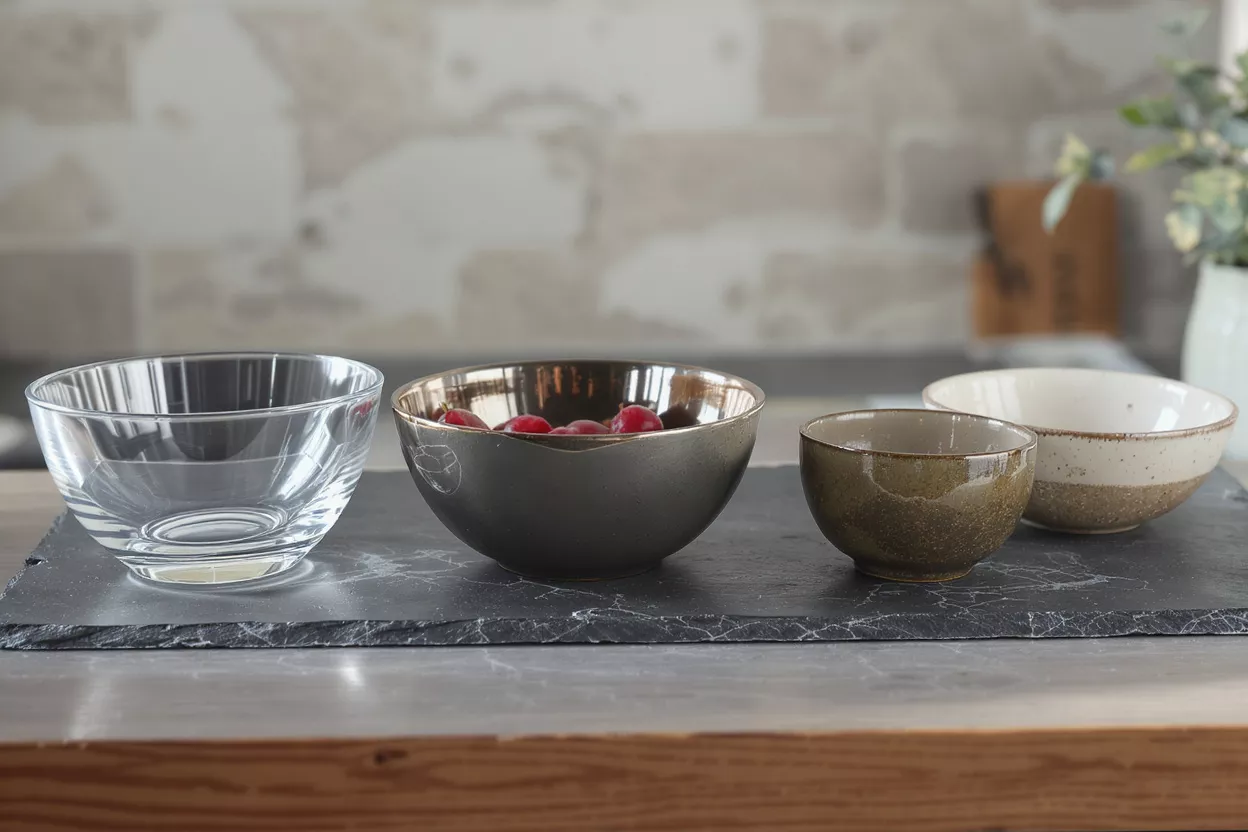
The material a bowl is made from shapes flavor, durability, heat handling, and how easy it is to keep clean. Each option has real strengths, and understanding them helps you choose a piece that matches what you value most in a session.
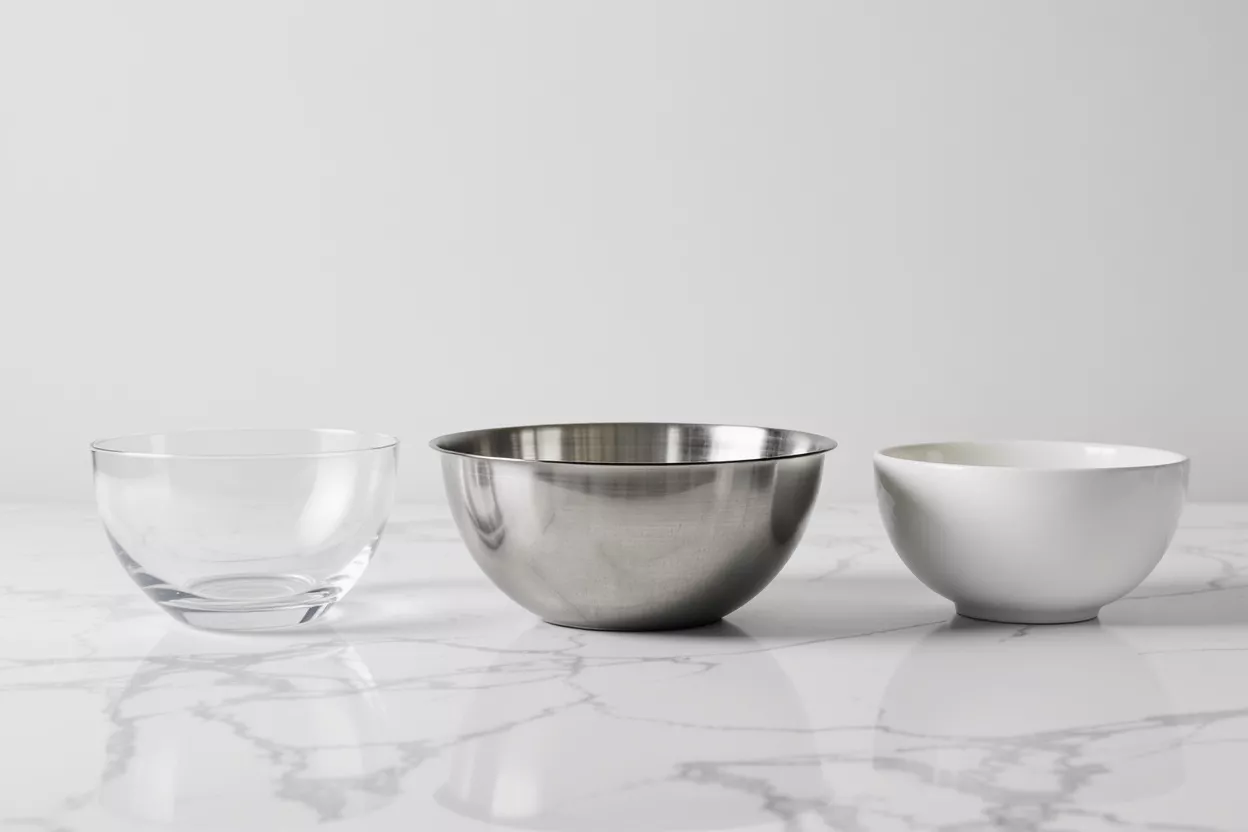
Borosilicate glass: The most popular choice, and for good reason. Glass is non-reactive, so it preserves the true flavor of your flower without adding metallic or chemical notes. It tolerates high heat, cleans easily, and lets you watch resin build up so you know when to scrub. Its only real weakness is fragility, though thick borosilicate is tougher than it looks.
Metal, ceramic, and quartz: Metal bowls are nearly indestructible and cheap, which made them common in older pipes, but they can lend a faint taste and grow uncomfortably hot. Ceramic strikes a middle ground with strong heat retention, clean flavor, and often handmade artistry. Quartz sits at the premium end, offering excellent heat resistance and a notably pure taste.
- 🔬 Glass: Best flavor and easy to clean, but breakable — the go-to for flavor chasers.
- ⚙️ Metal: Durable and inexpensive, but can alter taste and conduct heat to your fingers.
- 🏺 Ceramic: Even heat and clean taste, frequently handmade and artistic in form.
- 💧 Quartz: Premium heat resistance and pure flavor, favored by enthusiasts.
For most everyday smokers seeking the best all-round balance, a borosilicate glass bowl delivers clean flavor and lasting durability. Glass produced in a licensed facility also meets safety standards that cheap, unregulated metal pieces often cannot match.
How to Clean a Cannabis Bowl
A clean bowl is simply a better bowl. Over time resin and tar accumulate inside the cup and around the hole, restricting airflow and dulling flavor with every session. Regular cleaning restores smooth draws and protects the true taste of your flower. The classic method pairs isopropyl alcohol with coarse salt, which acts as a gentle abrasive.
To clean a removable bong bowl, soak it in a sealed bag or container with isopropyl alcohol and a tablespoon of salt, then shake to dislodge resin from the corners. The alcohol dissolves sticky buildup while the salt scrubs surfaces your fingers can never reach. Rinse thoroughly with warm water and let the piece dry completely before your next use so no solvent taste lingers.
- 🧂 Soak: Submerge the bowl in isopropyl alcohol with coarse salt for 30 minutes or longer.
- 🌀 Agitate: Shake or swirl so the salt scours hard-to-reach resin from the hole and corners.
- 💦 Rinse: Flush with warm water until no alcohol or salt residue remains.
- ☀️ Dry: Let it air-dry fully so no solvent taste reaches your next hit.
For those who prefer a gentler routine, a little hot water and mild dish soap handles light maintenance between deep cleans. Whatever method you choose, consistent upkeep keeps your bowl pulling clean and tasting as fresh as the day you bought it.
Common Bowl Mistakes to Avoid
Even experienced smokers slip into habits that quietly compromise their bowls. Sidestepping a handful of common pitfalls keeps your sessions smooth and your flower from going to waste, and most of these mistakes trace right back to packing technique and basic maintenance.
Overpacking and grinding too fine: Cramming flower into the cup restricts airflow and makes the piece hard to draw, while grinding cannabis into fine powder causes it to pull straight through the hole and into the stem. A medium grind with a gentle pack solves both problems at once — aim for a consistent, fluffy texture, not dust like maltodextrin.
Torching the whole bowl: Holding a flame over the entire surface burns through your stash fast and produces hot, harsh smoke. Cornering — lighting just one edge — conserves flower and keeps every hit flavorful. The researchers at Harvard Health consistently emphasize that minimizing inhaled combustion byproducts is sensible for anyone who smokes.
The most common mistake of all is simply never cleaning the bowl. A resin-clogged cup restricts airflow, tastes stale, and harbors buildup you would rather not inhale. A quick rinse after heavy use plus a deep clean every couple of weeks keeps each session as smooth as the first. Whether you pack a quick solo bowl or a deep one for a circle of friends, treating this small component with a little care pays you back in better flavor, less waste, and a more enjoyable experience every single time.
Comments