

Cannabinoids
Discover how cannabinoids like THC and CBD work in your body.
What Are Cannabinoids in Cannabis?
Cannabinoids are the active chemical compounds produced by the cannabis plant, and they are the reason cannabis has such a wide spectrum of effects on the human body and mind. When people talk about THC making them feel high or CBD helping them unwind, they are really talking about cannabinoids at work. These molecules are concentrated primarily in the sticky, crystalline trichomes that coat cannabis flowers, and they represent one of the most studied and fascinating areas of modern plant science.
To date, researchers have identified well over a hundred distinct cannabinoids within the cannabis plant, each with its own chemical fingerprint and potential effects. Some are abundant and well understood, while others appear only in trace amounts and remain the subject of ongoing study. What unites them is their shared ability to interact with the human body in ways that can influence mood, pain perception, appetite, sleep, and much more.
Where the word comes from: The term "cannabinoid" originally referred specifically to the compounds found in cannabis, but science has since broadened its meaning. Today the word encompasses three groups: phytocannabinoids made by the plant, endocannabinoids produced naturally inside our own bodies, and synthetic cannabinoids created in laboratories. Understanding this distinction is the foundation for everything else worth knowing about how these compounds function.
How Cannabinoids Work in the Body
The reason cannabinoids affect us at all comes down to a remarkable biological network called the endocannabinoid system. This system is woven throughout the brain, nervous system, immune cells, and organs, and it relies on receptors that cannabinoids fit into like keys into locks. The two primary receptors are known as CB1 and CB2, and the way a given cannabinoid binds to them largely determines what you feel.
CB1 receptors are densely concentrated in the brain and central nervous system. When a compound like THC binds tightly to CB1 receptors, it produces the euphoria and altered perception commonly described as a high. CB2 receptors, by contrast, are found mostly in immune tissue and the periphery of the body, and activity there tends to influence inflammation and immune response rather than mood.
Not every cannabinoid plugs directly into these receptors. CBD, for example, has a weak direct affinity for CB1 and CB2 and instead works in subtler ways, modulating how other cannabinoids behave and influencing entirely separate receptor systems tied to serotonin and pain signalling. This is part of why CBD does not produce intoxication even though it is unmistakably active in the body.
Types of Cannabinoids You Should Know
Cannabinoids are often grouped by where they come from, and this classification helps make sense of an otherwise overwhelming field. Each category behaves differently, originates from a different source, and carries its own implications for how it is used and studied.
- 🌱 Phytocannabinoids: Produced directly by the cannabis plant, these include the familiar names like THC, CBD, CBN, and CBG. They begin life as acidic precursors and convert into their active forms through heat and age.
- 🧬 Endocannabinoids: Manufactured naturally inside the human body, compounds such as anandamide and 2-AG keep the endocannabinoid system balanced and respond to stress, exercise, and injury.
- ⚗️ Synthetic cannabinoids: Created in laboratories, these range from legitimate pharmaceutical compounds used in research to unregulated street products that can be dangerously unpredictable.
Within the plant category alone, the diversity is striking. The same strain can express wildly different cannabinoid profiles depending on growing conditions, harvest timing, and curing methods. This variability is exactly why two products labelled with the same strain name can deliver noticeably different experiences.
Acidic precursors matter more than people realise: Raw cannabis does not contain meaningful amounts of THC. Instead it holds THCA, the acidic precursor, which only converts to psychoactive THC when exposed to heat through smoking, vaporizing, or cooking. This conversion process, called decarboxylation, is fundamental to understanding why raw and heated cannabis behave so differently.
THC vs CBD: Comparing the Two Major Cannabinoids
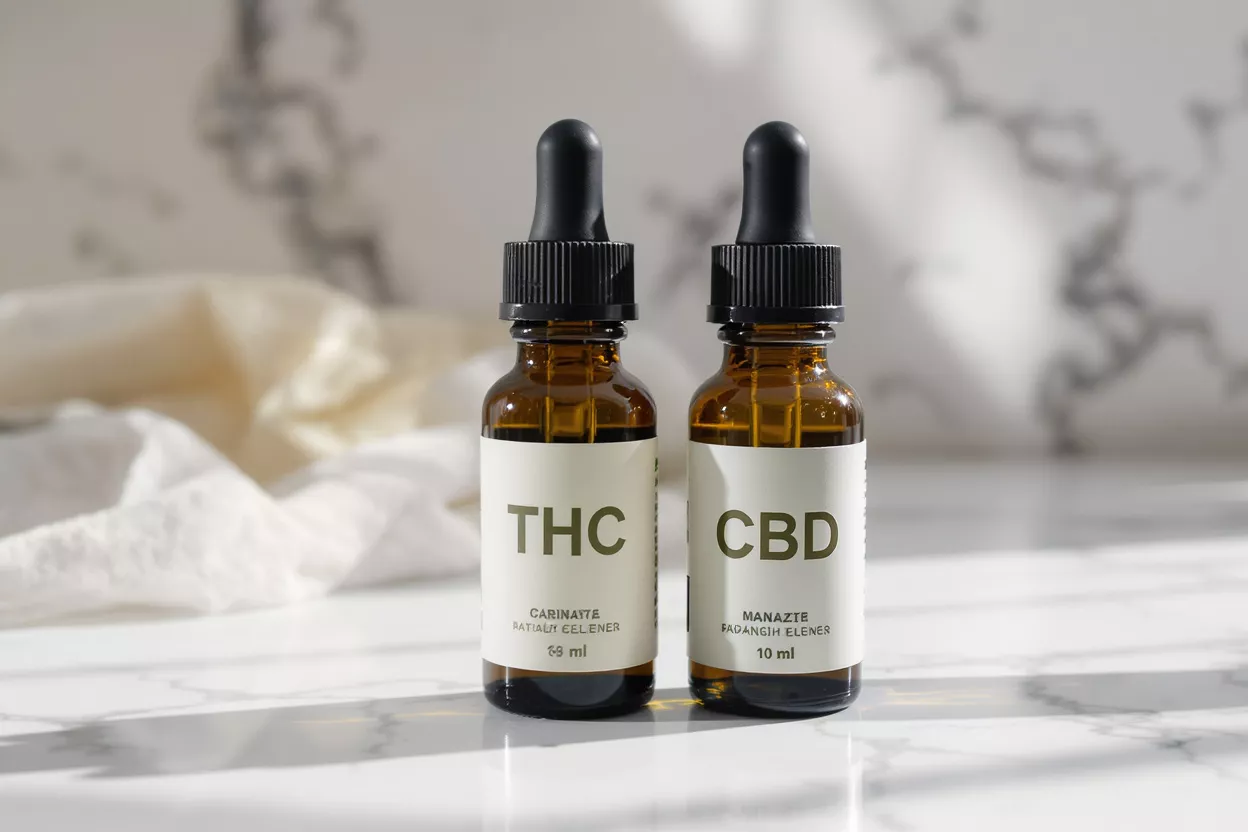
No conversation about cannabinoids gets very far without addressing the two heavyweights: THC and CBD. They are the most abundant cannabinoids in most commercial cannabis, the most thoroughly researched, and the two that shape the majority of consumer products on the market today. Yet despite sharing an almost identical molecular structure, they produce strikingly different experiences.
THC is the compound responsible for the intoxicating effects of cannabis. It stimulates appetite, can ease nausea and pain, and alters perception, mood, and sense of time. CBD shares none of THC's intoxicating quality. Instead it is valued for a calming, non-impairing profile that many people turn to for everyday tension, discomfort, and sleep support.
- 🔥 THC effects: Euphoria, appetite stimulation, pain relief, altered perception, and potential anxiety at high doses for sensitive users.
- 🌿 CBD effects: Non-intoxicating calm, reduced inflammation signalling, and a tendency to soften some of THC's sharper edges when the two are taken together.
- ⚖️ Balanced products: Many users prefer formulas combining both, seeking therapeutic benefit without overwhelming intoxication.
The relationship between these two is more cooperative than competitive. Research suggests CBD can actually temper some of THC's less desirable effects, including anxiety and racing thoughts, which is one reason balanced products have grown so popular among people who want relief without feeling overwhelmed.
Minor Cannabinoids Explained: CBN, CBG and CBC
Beyond the famous duo lies a growing cast of minor cannabinoids that, while present in smaller quantities, are attracting serious scientific and commercial attention. These compounds are minor only in concentration, not in potential significance, and the industry is increasingly developing products that isolate and concentrate them.
CBN and sleep: CBN, or cannabinol, forms as THC ages and oxidizes, which is why older cannabis often has a more sedating quality. It is widely marketed as a sleep aid, and while research is still maturing, anecdotal enthusiasm for CBN in nighttime formulas continues to grow.
CBG as the mother cannabinoid: CBG, or cannabigerol, is sometimes called the parent of all cannabinoids because its acidic form is the precursor from which THC, CBD, and others are synthesised in the plant. Early research explores its potential roles in inflammation, antibacterial activity, and digestive comfort.
CBC, or cannabichromene, rounds out this trio as a non-intoxicating compound studied for its possible contributions to pain and inflammation management. While you will rarely see CBC headlining a product, it is an active participant in the broader cannabinoid synergy that makes full-spectrum products distinct from isolated single compounds.
Cannabinoid Medicinal Effects and Research
The medicinal interest in cannabinoids has driven an explosion of research over the past two decades. While much of the science remains in early or intermediate stages, several areas have produced compelling enough evidence to influence medical practice and regulatory approvals.
Epilepsy and seizure disorders represent the most established medical application. A purified CBD medication has earned regulatory approval for treating certain rare and severe forms of childhood epilepsy, demonstrating that cannabinoids can meet rigorous clinical standards when properly studied and dosed.
Pain management is another prominent area, with cannabinoids studied as alternatives or complements to conventional medications for chronic and neuropathic pain. Beyond pain, ongoing investigations examine cannabinoids in relation to nausea during chemotherapy, appetite loss, muscle spasticity, anxiety, and inflammatory conditions. The picture that emerges is of a versatile class of compounds whose full therapeutic range science is only beginning to map.

The Endocannabinoid System and Cannabinoids
To truly grasp cannabinoids, you have to appreciate the elegant biological system they interact with. The endocannabinoid system was only discovered in the early 1990s, and its existence reshaped how scientists understand the body's self-regulation. It exists in every human being whether or not they have ever touched cannabis.
A system built for balance: The core job of the endocannabinoid system is maintaining homeostasis, the steady internal equilibrium that keeps temperature, mood, hunger, and countless other processes within healthy ranges. The body produces its own endocannabinoids on demand to nudge systems back toward balance, then breaks them down once the job is done.
Plant cannabinoids work because they are similar enough to our internal endocannabinoids to engage the same machinery. This biological compatibility is no coincidence of marketing but a genuine quirk of nature, and it explains why a plant compound can have such precise effects on human physiology.
The discovery of this system also opened doors to understanding conditions that may involve endocannabinoid deficiency. Some researchers theorize that imbalances in this system could contribute to disorders like migraine, fibromyalgia, and irritable bowel syndrome, which would help explain why some people find cannabinoid therapies helpful for these otherwise puzzling conditions.
Cannabinoids and the Entourage Effect
One of the most intriguing concepts in cannabis science is the entourage effect, the idea that cannabinoids work better together than in isolation. According to this theory, the combined presence of multiple cannabinoids and aromatic terpenes produces effects greater than the sum of individual parts.
This concept has practical consequences for how products are formulated. Full-spectrum extracts preserve the plant's complete chemical profile, while broad-spectrum products remove THC but retain other compounds, and isolates contain a single purified cannabinoid. Each approach has its place depending on what a person needs and how they respond.
- 🌈 Full-spectrum: Contains the complete range of cannabinoids and terpenes, including trace THC, for maximum entourage synergy.
- 💧 Broad-spectrum: Retains multiple cannabinoids and terpenes but removes THC, suited to those avoiding intoxication entirely.
- 🔬 Isolate: A single purified cannabinoid with no entourage effect, valued for precision dosing and zero accompanying compounds.
While the entourage effect remains a working hypothesis rather than settled science, the accumulating evidence and consistent consumer reports have made it a guiding principle for many producers who prioritise whole-plant formulations over isolated compounds.
How to Choose Cannabinoid Products
With so many cannabinoids and product formats available, selecting the right option can feel daunting. The key is matching the cannabinoid profile and delivery method to your specific goals, experience level, and tolerance. There is no universally best choice, only the best choice for a given person and purpose.
Start with your intended outcome. Someone seeking daytime calm without impairment might gravitate toward a CBD-dominant product, while a person managing significant pain or seeking robust relief may want a formula with meaningful THC. Those targeting sleep increasingly explore CBN-enhanced nighttime blends.
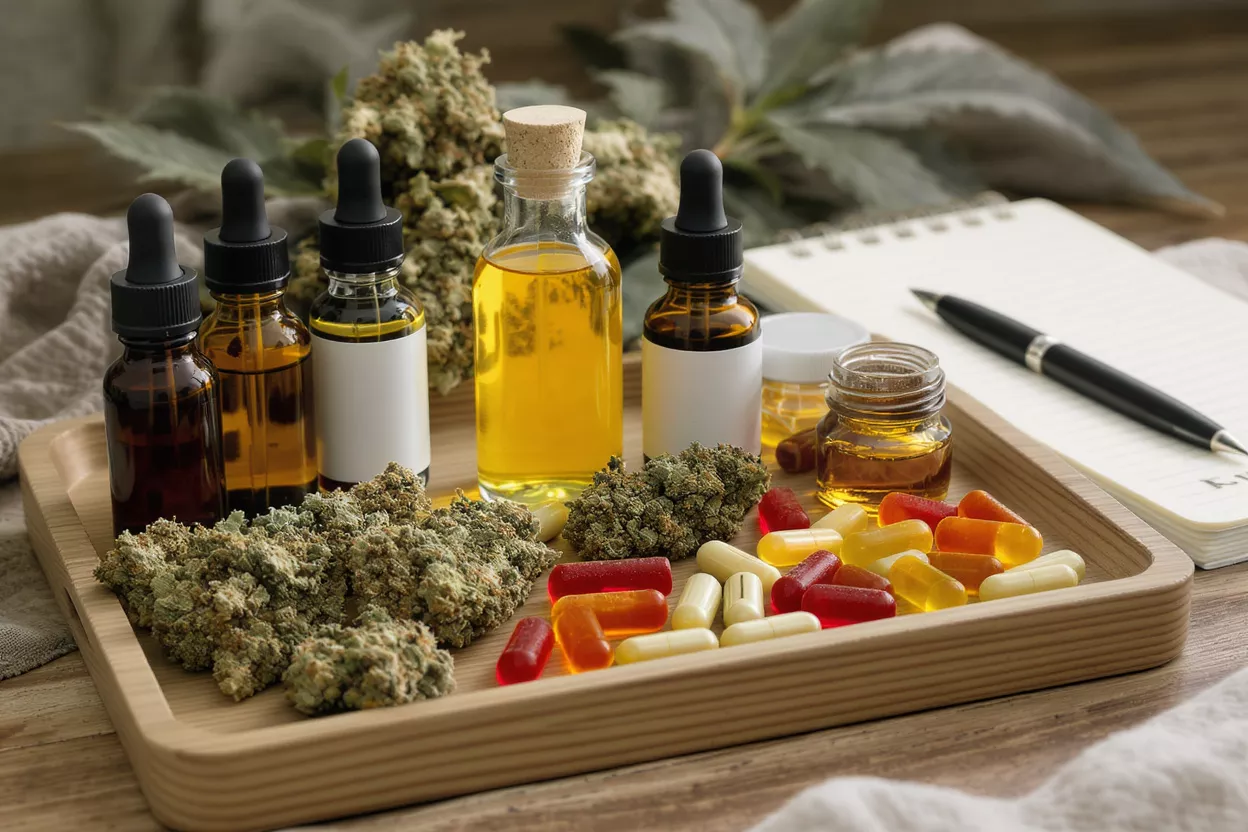
Delivery method matters just as much as cannabinoid content. Inhaled products act within minutes but fade quickly, edibles take longer to begin but last for hours, and tinctures offer a middle ground with relatively predictable timing. Reading a product's certificate of analysis, which lists verified cannabinoid percentages from independent lab testing, is the single most reliable way to know what you are actually getting.
Are Cannabinoids Safe to Use?
Safety is a reasonable concern for anyone considering cannabinoids, and the honest answer is nuanced. For most healthy adults, cannabinoids are generally well tolerated, with side effects that tend to be mild and temporary, such as dry mouth, drowsiness, or, with higher THC doses, temporary anxiety or dizziness.
Responsible use principles go a long way toward a positive experience. Starting with a low dose and increasing gradually, especially with edibles, helps avoid uncomfortable overconsumption. Buying from reputable sources that provide third-party lab results ensures you avoid contaminants and mislabelled potency.
Certain situations warrant extra caution. People who are pregnant or breastfeeding, those taking medications that may interact with cannabinoids, and anyone with a history of certain mental health conditions should consult a healthcare provider before use. Cannabinoids can also impair coordination and judgment, so activities like driving should always be avoided while under their influence.
Cannabinoids represent one of nature's most intriguing pharmacological gifts, a diverse family of compounds that interact with a biological system built into every one of us. From the well-known effects of THC and CBD to the emerging promise of minor cannabinoids and the synergy of the entourage effect, this field continues to expand our understanding of both the cannabis plant and human physiology. Whether your interest is wellness, relief, or simple curiosity, approaching cannabinoids with knowledge, respect, and a measured hand is the surest path to a rewarding experience.


Comments