

Cannabis
Explore cannabis origins, species, effects, and Canadian legality.
What Is Cannabis and Where Does It Come From
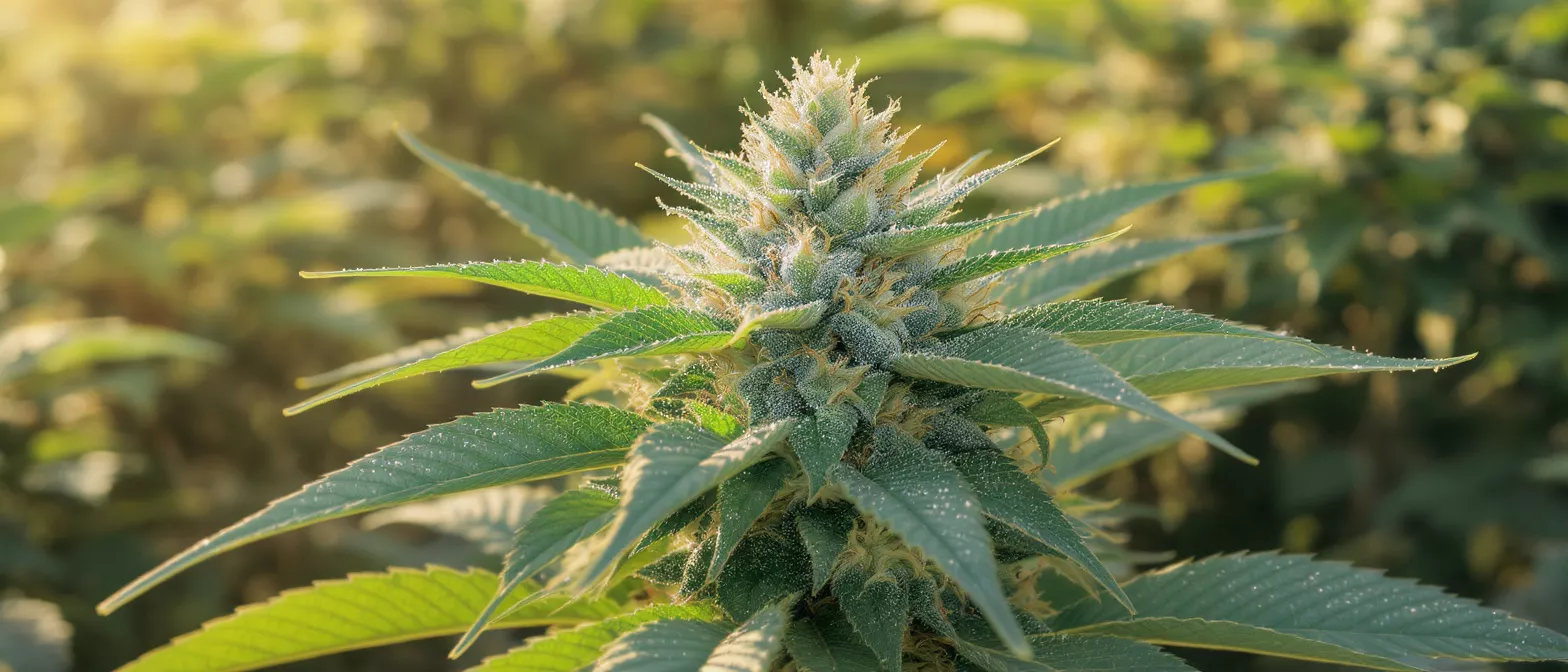
Cannabis is a genus of flowering plants in the Cannabaceae family, prized for thousands of years for its fiber, seeds, and the resin-rich flowers that contain its most talked-about compounds. The two principal species most people encounter are Cannabis sativa and Cannabis indica, though a third, Cannabis ruderalis, plays an increasingly important role in modern breeding. Whether you call it marijuana, weed, pot, or simply flower, this single plant has shaped medicine, agriculture, and culture across continents.
The plant's geographic origins trace back to Central and South Asia, with archaeological evidence suggesting human cultivation stretching back at least 10,000 years. From the steppes of Mongolia to the foothills of the Himalayas, wild and cultivated populations adapted to wildly different climates, producing the genetic diversity that breeders draw on today. Trade routes carried cannabis seeds across the ancient world, embedding the plant into the textiles, rituals, and remedies of dozens of societies.
What sets cannabis apart is its production of cannabinoids, a class of chemical compounds found in meaningful concentrations almost nowhere else in nature. These molecules, concentrated in the sticky trichomes coating mature flowers, interact with the human body in ways that science is only beginning to fully map. Understanding the plant starts with understanding these compounds and the species that produce them.
Cannabis Sativa vs Indica: Key Differences
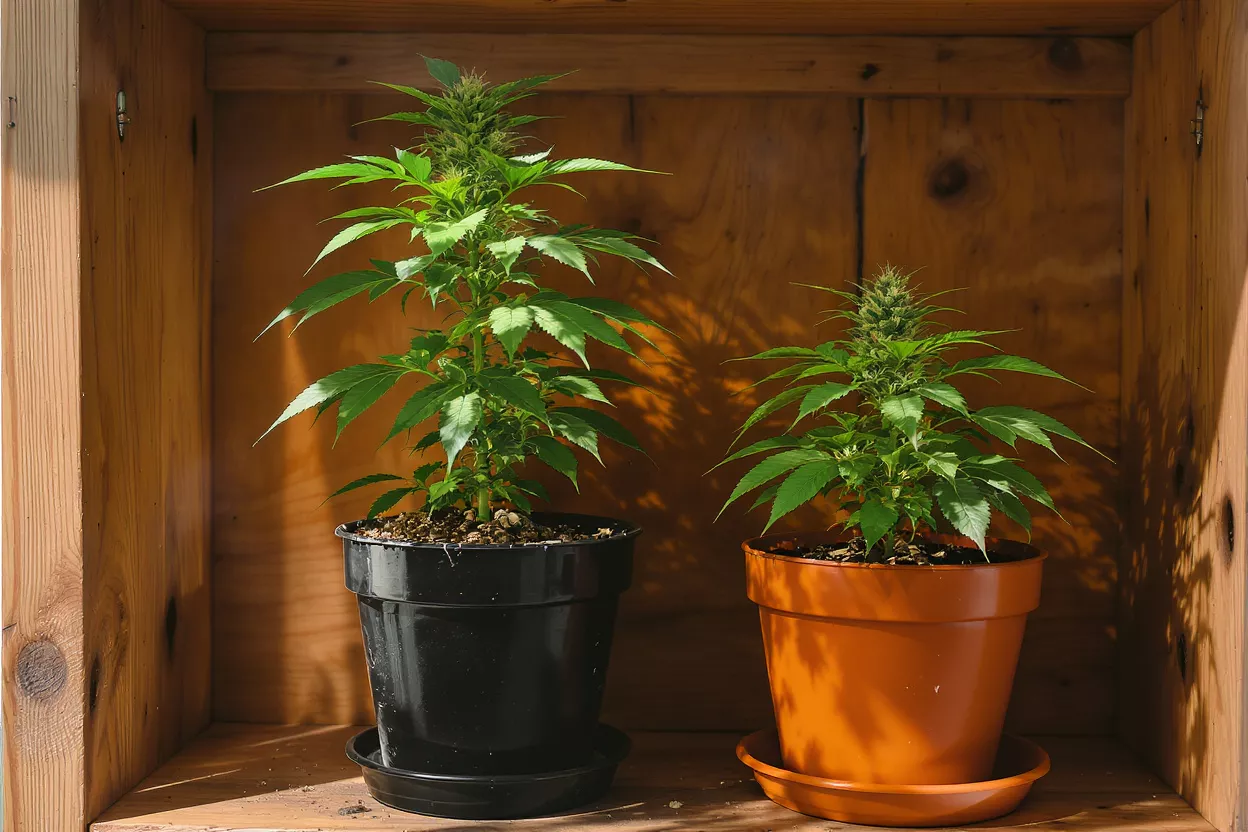
The sativa-versus-indica distinction is the first fork in the road for most new consumers, and while modern botany has complicated the picture, the categories still offer useful shorthand. Sativa plants tend to grow tall and lanky with narrow leaves, thriving in warmer equatorial climates. Indica plants are typically shorter and bushier with broad leaves, adapted to the cooler, harsher conditions of mountainous regions.
Effects are where the labels get interesting. Consumers and budtenders have long associated sativa strains with energizing, cerebral, and creative effects suited to daytime use, while indica strains are linked to relaxing, body-heavy, sedative experiences often described as "couch-lock." These generalizations are a starting point rather than a rule, since the actual effect depends far more on a strain's cannabinoid and terpene chemistry than its botanical lineage.
Most cannabis sold today is technically a hybrid, a cross between sativa and indica genetics bred to combine desirable traits. Here is a quick comparison to keep the basics straight:
- 🌿 Sativa: Tall growth, narrow leaves, longer flowering time, typically uplifting and cerebral effects best suited for daytime.
- 🌙 Indica: Compact growth, broad leaves, faster flowering, typically relaxing and sedative effects best suited for evening.
- ⚖️ Hybrid: Blended genetics offering a customizable middle ground, balanced or leaning toward either parent depending on the cross.
How Cannabis Works in the Body
The reason cannabis affects us at all comes down to a remarkable biological system discovered only in the early 1990s: the endocannabinoid system. This network of receptors, enzymes, and naturally occurring signaling molecules helps regulate mood, appetite, sleep, pain, memory, and immune function. Cannabis compounds work because they happen to fit, like keys into locks, into receptors our bodies already use.
The two main receptor types are CB1 and CB2. CB1 receptors cluster densely in the brain and central nervous system, which is why THC produces psychoactive effects when it binds to them. CB2 receptors are more common in the immune system and peripheral tissues, helping explain the anti-inflammatory and immune-modulating properties researchers attribute to several cannabinoids.
When you consume cannabis, cannabinoids enter your bloodstream and travel to these receptor sites, nudging the endocannabinoid system toward different states of balance. The intensity, onset, and duration of the experience depend heavily on which compounds are present, the dose, and how the plant was consumed, all factors we will explore in the sections ahead.
Types of Cannabis Products
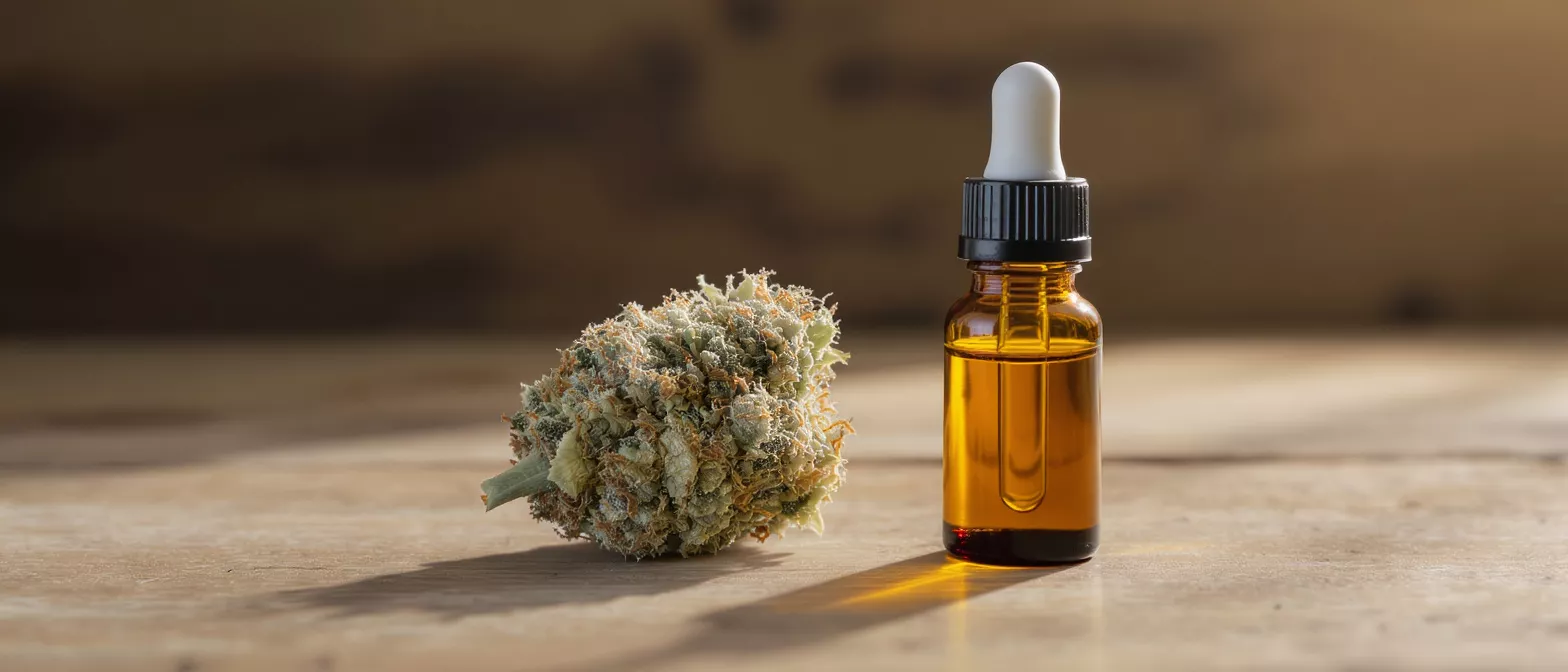
The modern cannabis market extends far beyond dried flower into a sophisticated catalog of formats, each offering a distinct experience. Dried flower remains the classic choice, but concentrates, edibles, tinctures, and topicals have expanded what cannabis can be and who it appeals to. Choosing among them is largely a matter of desired onset, intensity, and convenience.
Concentrates and extracts represent the potent end of the spectrum. Products like shatter, wax, and live resin isolate cannabinoids and terpenes from plant material, delivering THC levels that can exceed 70 to 90 percent. These are favored by experienced consumers and are typically vaporized or dabbed rather than smoked like flower.
Edibles and infused products swap inhalation for digestion, offering a smoke-free experience with notably different pharmacology. Because the liver metabolizes THC into a more potent compound, edibles tend to produce stronger, longer-lasting effects with a delayed onset that catches many newcomers off guard.
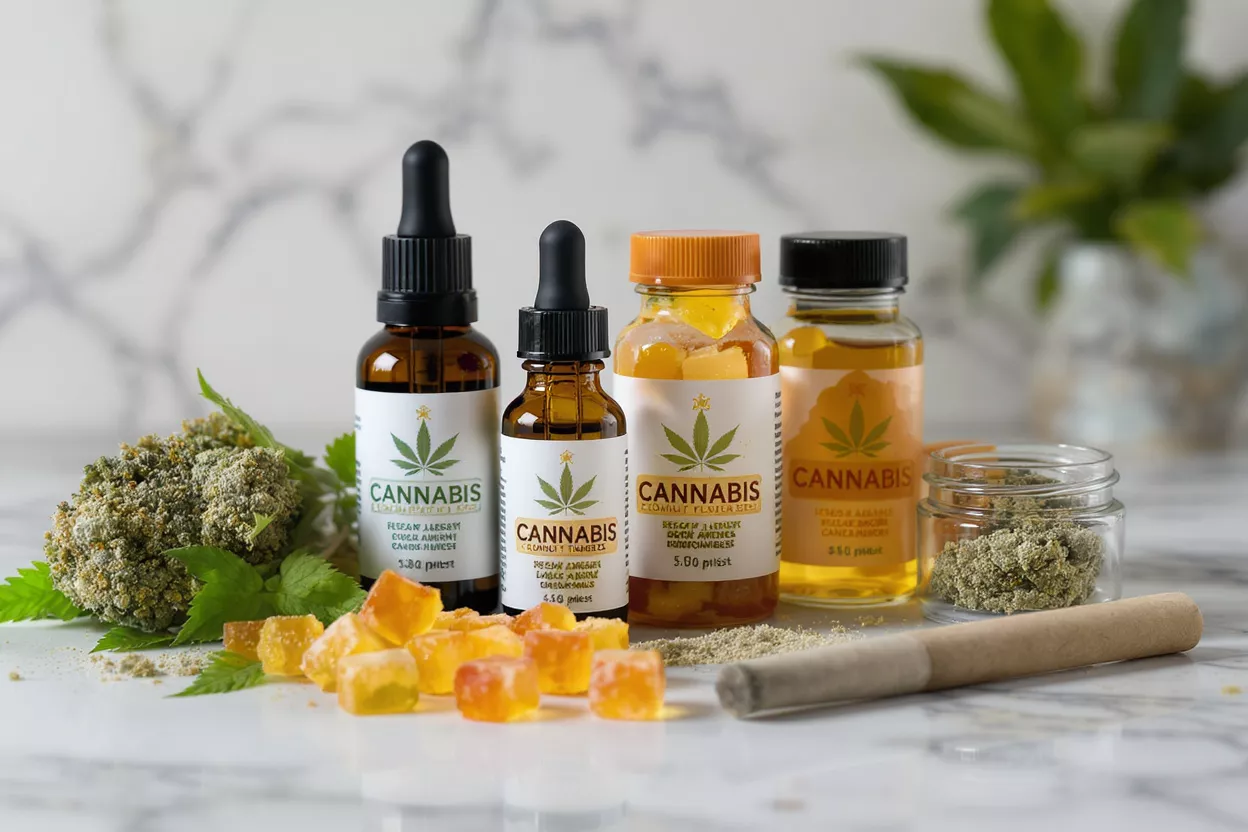
- 🌸 Flower: The dried, cured buds of the plant, smoked or vaporized for fast onset and full-spectrum effects.
- 💎 Concentrates: Highly potent extracts including shatter, wax, and live resin for experienced users.
- 🍬 Edibles: Food and drink infused with cannabis, offering delayed but long-lasting effects.
- 💧 Tinctures: Liquid extracts taken sublingually for discreet, controllable dosing.
- 🧴 Topicals: Creams and balms applied to the skin for localized relief without intoxication.
Cannabis Cannabinoids Explained
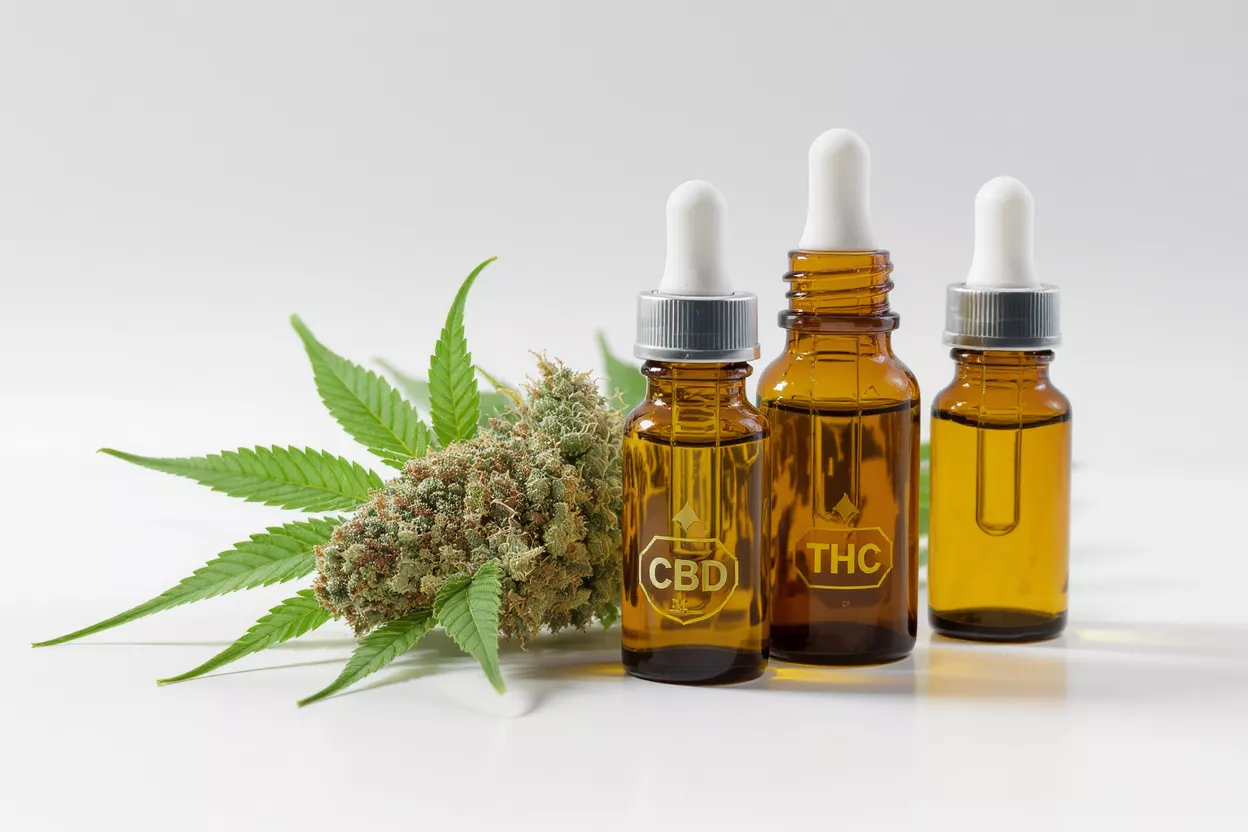
Cannabis owes its effects to more than a hundred distinct cannabinoids, though two dominate the conversation. THC, or tetrahydrocannabinol, is the primary psychoactive compound responsible for the characteristic "high," while CBD, or cannabidiol, is non-intoxicating and widely studied for its therapeutic potential.
Beyond THC and CBD lies a growing list of minor cannabinoids attracting scientific and commercial interest. CBG (cannabigerol) is often called the "mother cannabinoid" because other compounds form from it. CBN (cannabinol) develops as THC ages and is associated with sedation, while THCV may influence appetite and energy in ways that distinguish it from its more famous cousin.
The entourage effect describes how cannabinoids, terpenes, and other plant compounds may work together synergistically, producing effects greater than any single isolated molecule. This concept underpins the popularity of full-spectrum products and helps explain why two strains with identical THC percentages can feel remarkably different from one another.
Cannabis Benefits and Effects
The appeal of cannabis spans recreational enjoyment and serious therapeutic application, and research into its benefits has accelerated dramatically as legal barriers have eased. While the plant is not a cure-all, a growing body of evidence supports specific uses, and millions of people report meaningful improvements in quality of life.
Medical applications are among the most studied. Cannabis and its derived compounds have shown promise for chronic pain management, nausea relief during chemotherapy, appetite stimulation, muscle spasticity in multiple sclerosis, and certain treatment-resistant forms of epilepsy. The FDA has even approved a CBD-based medication for rare seizure disorders, a milestone for cannabis-derived therapeutics.
Recreationally, the effects people seek range from relaxation and euphoria to enhanced sensory experience, social ease, and creative flow. Reported benefits commonly include:
- 😌 Stress relief: Many users turn to cannabis to unwind and decompress after demanding days.
- 😴 Sleep support: Sedative strains and cannabinoids like CBN may help with falling and staying asleep.
- 🍽️ Appetite stimulation: The well-known "munchies" effect has genuine clinical value for patients struggling to eat.
- 🎨 Creative enhancement: Some consumers find certain strains spark divergent thinking and focus.
How to Consume Cannabis
How you consume cannabis dramatically shapes the experience, influencing how quickly effects arrive, how intense they feel, and how long they last. There is no single best method, only the right method for your goals, tolerance, and comfort level. Understanding the trade-offs helps you make smart, safe choices.
Inhalation methods, including smoking flower and vaporizing, deliver the fastest onset, with effects felt within minutes. This makes them easy to titrate, since you can take a small amount and wait before deciding whether to consume more. Vaporizing heats cannabis below combustion temperature, reducing exposure to many of the harmful byproducts associated with smoking.
Oral and sublingual methods trade speed for duration. Edibles can take 30 minutes to two hours to take effect but last considerably longer, while tinctures placed under the tongue strike a middle ground with relatively quick absorption and precise, repeatable dosing.
The golden rule for any method, especially edibles, is to start low and go slow. New consumers should begin with a small dose, wait to gauge the full effect, and only then decide whether to take more. This single habit prevents the vast majority of uncomfortable overconsumption experiences.
Is Cannabis Legal Where You Live
Cannabis legality is a patchwork that varies dramatically by country, state, and province, and it continues to shift rapidly. Canada legalized recreational cannabis nationwide in 2018, and a growing number of U.S. states have followed suit, while many others permit only medical use or maintain prohibition. Internationally, the spectrum runs from full legalization to strict criminalization.
Medical versus recreational frameworks matter enormously. Some jurisdictions allow medical cannabis with a physician's authorization but prohibit recreational sales, often with different rules governing possession limits, permitted products, and where consumption can legally occur. Always verify the current laws in your specific location before purchasing or traveling with cannabis.
Even where cannabis is legal, regulations govern age limits, possession amounts, home cultivation, and public consumption. Crossing borders with cannabis remains illegal almost everywhere, including between legal jurisdictions, so the safest approach is to consume responsibly and stay informed about the rules that apply to you.
Cannabis Culture and History
Few plants carry the cultural weight that cannabis does. From ancient medicinal texts and religious ceremonies to the counterculture movements of the twentieth century, cannabis has been woven into human expression for millennia. Its modern image, shaped by decades of prohibition and the activism that pushed back against it, is still evolving in real time.
The path to prohibition in much of the Western world began in the early twentieth century, driven by a mix of political, racial, and economic forces rather than scientific consensus. The criminalization that followed shaped generations of policy and public perception, the effects of which legalization advocates are still working to address through social equity initiatives.
Today cannabis culture has entered a renaissance. Craft cultivation, terpene appreciation, and a sophisticated connoisseur scene have grown alongside legalization, mirroring the trajectory of craft beer and specialty coffee. The plant once pushed to society's margins now anchors a multibillion-dollar legal industry and an increasingly mainstream conversation about wellness.
Is Cannabis Safe to Use
Cannabis has a favorable safety profile compared to many legal substances, with no documented cases of fatal overdose from the plant itself. That said, "relatively safe" does not mean risk-free, and responsible use requires understanding the genuine considerations involved, particularly for certain populations and consumption patterns.
Short-term effects can include dry mouth, red eyes, increased heart rate, impaired coordination, and short-term memory disruption. Overconsumption, especially with edibles, may trigger anxiety, paranoia, or temporary discomfort, though these effects resolve as the cannabinoids clear the system. Impaired driving is a real and serious risk, and you should never operate a vehicle under the influence.
Who should exercise extra caution includes adolescents, whose developing brains may be more vulnerable to cannabis, people with a personal or family history of psychotic disorders, and those who are pregnant or breastfeeding. Anyone taking prescription medications should consult a healthcare provider, since cannabinoids can interact with how the body processes certain drugs.
Cannabis is a remarkably versatile plant with a deep history, a rich chemistry, and an expanding role in both medicine and everyday life. Whether your interest is therapeutic, recreational, or simply curious, the keys to a good relationship with cannabis are the same: understand the plant, respect the dose, know your local laws, and listen to your own body. Armed with that knowledge, you can navigate the modern cannabis landscape with confidence and care.


Comments