

Cannon
Discover what a cannon is in cannabis culture.
What Is a Cannon in Cannabis Culture
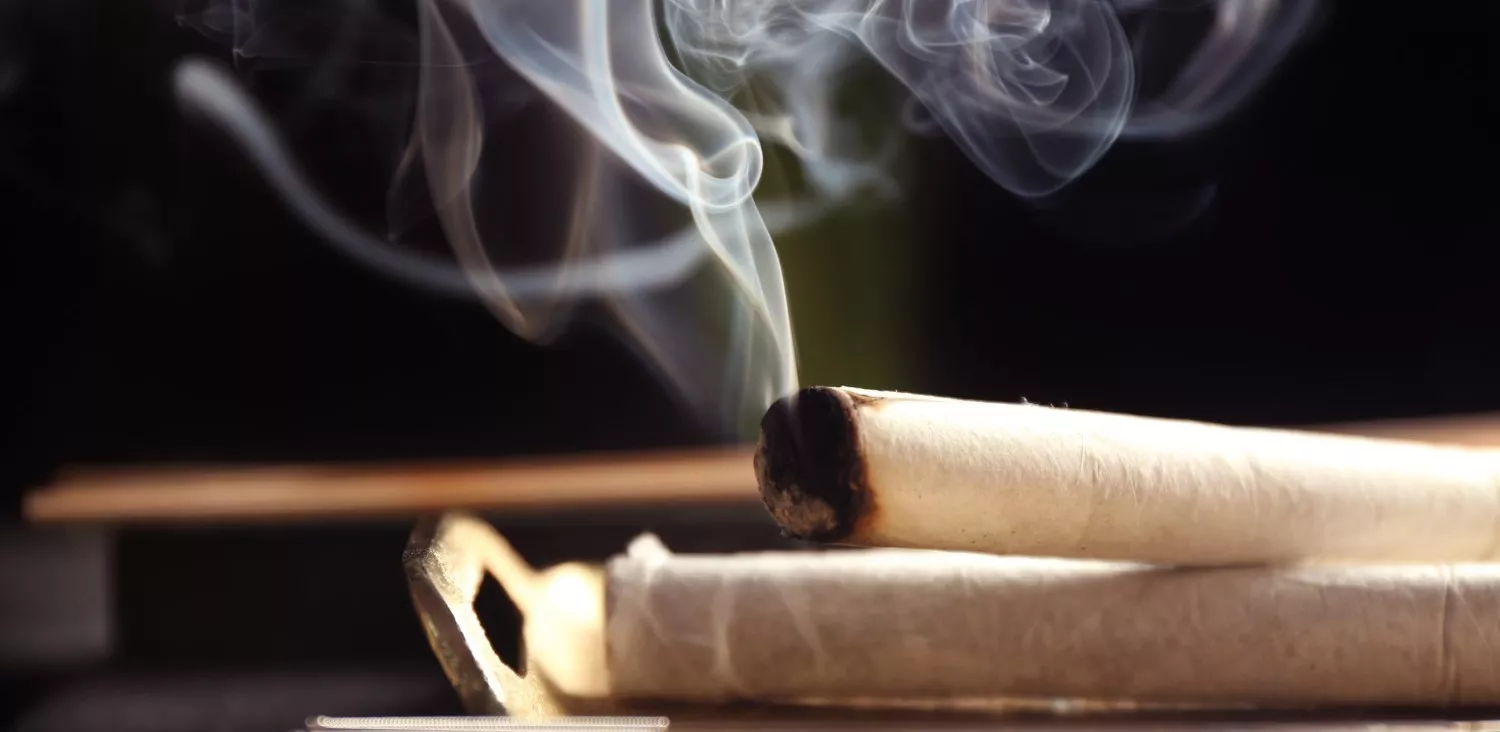
A cannon is one of cannabis culture's most theatrical creations: an oversized joint or blunt packed with several grams of flower, rolled specifically for moments that call for spectacle. While a standard joint holds somewhere between a third of a gram and a full gram, a cannon often carries two, three, or more grams in a single roll. The name says everything — it is bigger, bolder, and built to make an impression. When someone pulls out a cannon at a gathering, the message is clear: this is a celebration.
The term sits comfortably alongside other slang for large format rolls, and you will hear it used interchangeably with words like "log," "torpedo," or simply "the big one." What separates a cannon from a casual oversized joint is intent. People roll cannons on purpose, choosing thicker papers, generous flower portions, and sometimes elaborate techniques to keep the whole thing burning evenly from start to finish.
Cannons earned their place in the lexicon because group consumption has always been central to how people enjoy cannabis. A single small joint passed among six friends burns down fast. A cannon, by contrast, can hold court for an entire session, which is exactly why it became the centerpiece of festivals, birthdays, and harvest celebrations.
How a Cannon Differs From a Regular Joint
The most obvious difference is scale, but the distinction runs deeper than weight alone. A cannon changes the entire ritual. Where a regular joint is quick and personal, a cannon is slow, communal, and deliberate. It demands more planning, more flower, and more patience to roll correctly.
Size and capacity: A typical joint uses roughly 0.3 to 0.5 grams of ground flower wrapped in a single rolling paper. A cannon scales that up dramatically, often requiring multiple papers glued together or a king-size cone built to hold two to five grams. The increased diameter means more surface area, a longer burn, and a noticeably heavier draw.
Burn time and experience: Because a cannon holds so much material, it burns far longer than a standard joint. A regular joint might last five to ten minutes in a small group, while a well-built cannon can sustain a circle of smokers for twenty minutes or more. That extended burn is the whole point — it keeps the session flowing without anyone needing to roll up again.
Skill required: Rolling a cannon is genuinely harder. The larger surface needs even packing to avoid air pockets, runs, and uneven combustion. Beginners often start with pre-made oversized cones before graduating to rolling cannons by hand, since the margin for error grows with every added gram.
Types of Cannon Rolls and Formats
Not every cannon looks the same. The format you choose shapes the flavour, burn, and overall vibe of the session. Some smokers prefer the clean taste of paper, while others reach for tobacco-leaf wraps that add their own character to the experience.
Here are the most common cannon formats you will encounter:
- 📜 Paper cannon: Built from multiple king-size rolling papers joined together, this is the purest expression of flower flavour with minimal interference from the wrap.
- 🍂 Blunt cannon: Rolled in a tobacco leaf or blunt wrap, this version burns slower and adds a robust, earthy note that many longtime smokers love.
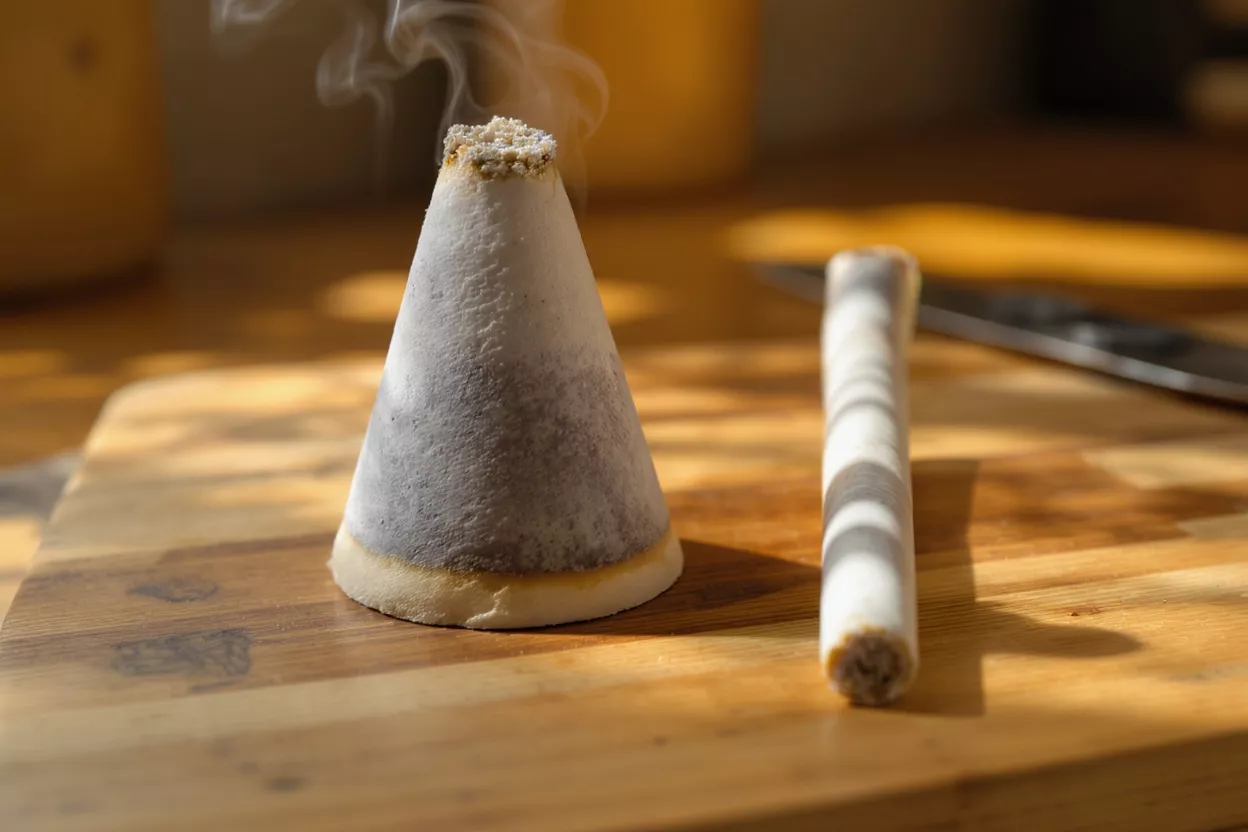
- 🔵 Cone cannon: A pre-formed oversized cone that tapers from a wide chamber to a narrow tip, making it the easiest format for beginners to pack and smoke.
- 🌀 Cross cannon: An advanced novelty roll shaped like a cross or branching structure, often built for photos and special occasions rather than practicality.
Each format carries its own personality. A paper cannon highlights terpenes and lets the strain speak for itself, while a blunt cannon trades some clarity for a heavier, slower draw. The cone cannon remains the most forgiving option for anyone still building their rolling confidence.
How to Roll a Cannon Step by Step
Rolling a successful cannon comes down to preparation and patience. The bigger the roll, the more every small mistake compounds, so taking your time pays off in a smooth, even burn. Start with a clean surface, a quality grinder, and more flower than you think you need.
Grinding and packing: Begin by grinding several grams of flower to a consistent, medium texture — not so fine that it restricts airflow, and not so coarse that it burns unevenly. Consistency matters more in a cannon than in any small joint, because air pockets in a large roll cause runs and canoeing. A proper grinder makes this step far easier.
Building the structure: If you are joining papers, overlap their adhesive strips to form one large sheet before adding flower. Many rollers use a thin rolled-paper or filter tip at the mouth end to maintain structure and prevent flower from pulling through. Distribute the ground flower evenly along the length, then tuck and roll slowly to keep tension consistent.
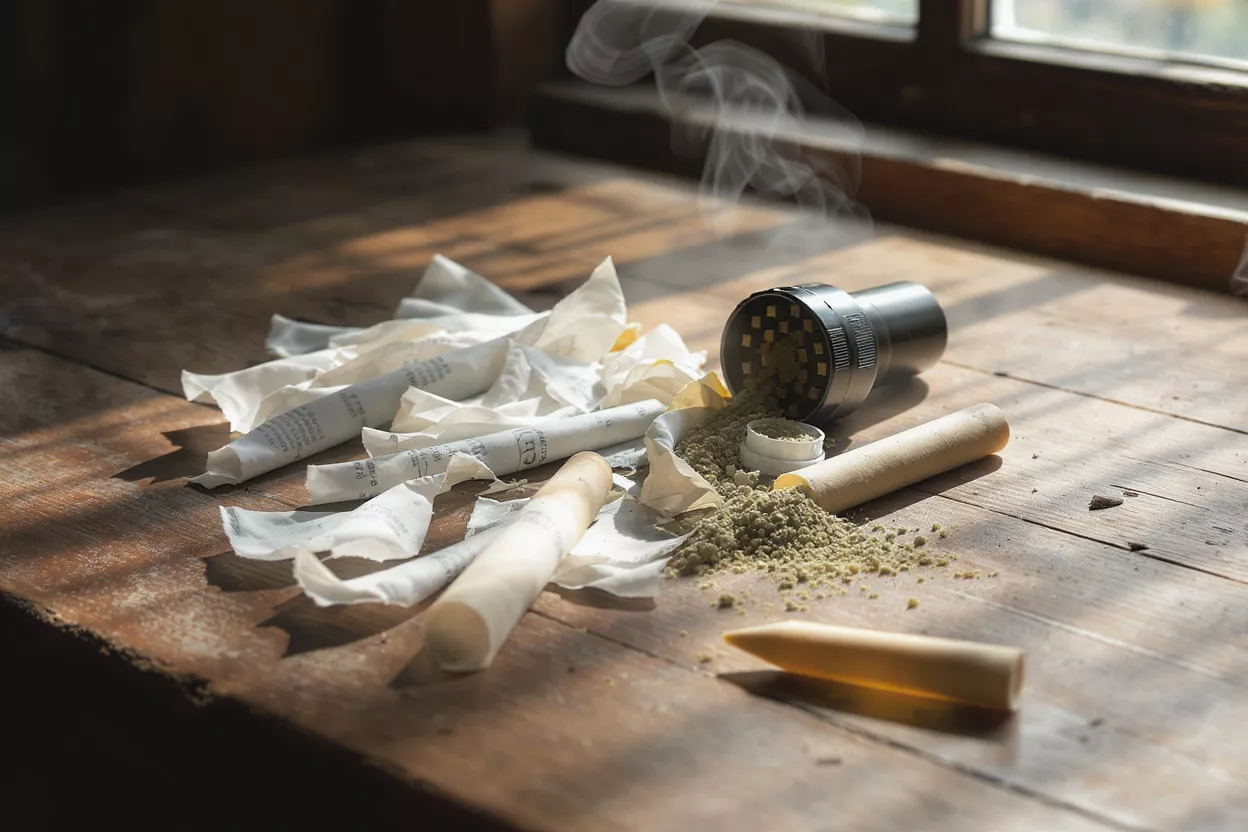
Once rolled, pack the open end gently with a chopstick or pen to firm up the contents, then twist it closed. Let a freshly rolled cannon rest for a minute or two before lighting — a slightly settled roll burns more evenly than one packed and sparked in a hurry.
Best Cannon Sizes for Group Sessions
Choosing the right cannon size depends on your group and the occasion. A cannon that is too large for a small gathering wastes flower and overwhelms the session, while one too small for a big crowd burns out before everyone gets a turn. Matching size to setting keeps the experience smooth.
Use this rough guide to size your cannon appropriately:
- 👥 Two grams: Ideal for three to four people, this size offers a generous communal smoke without becoming a commitment.
- 🎉 Three to four grams: The sweet spot for a party of five to eight, balancing burn time with manageability.
- 🔥 Five grams and up: Reserved for festivals, large celebrations, or photo-worthy moments where spectacle is the goal.
- 🎯 One to two grams: A "mini cannon" for couples or pairs who want something bigger than a joint but not overwhelming.
The larger the cannon, the more important even rolling becomes. A five-gram monster looks impressive, but it only delivers if it burns cleanly. For most casual gatherings, the three-to-four-gram range hits the ideal balance of generosity and practicality, which is why it remains the most popular choice among experienced rollers.
Choosing the Right Flower for a Cannon
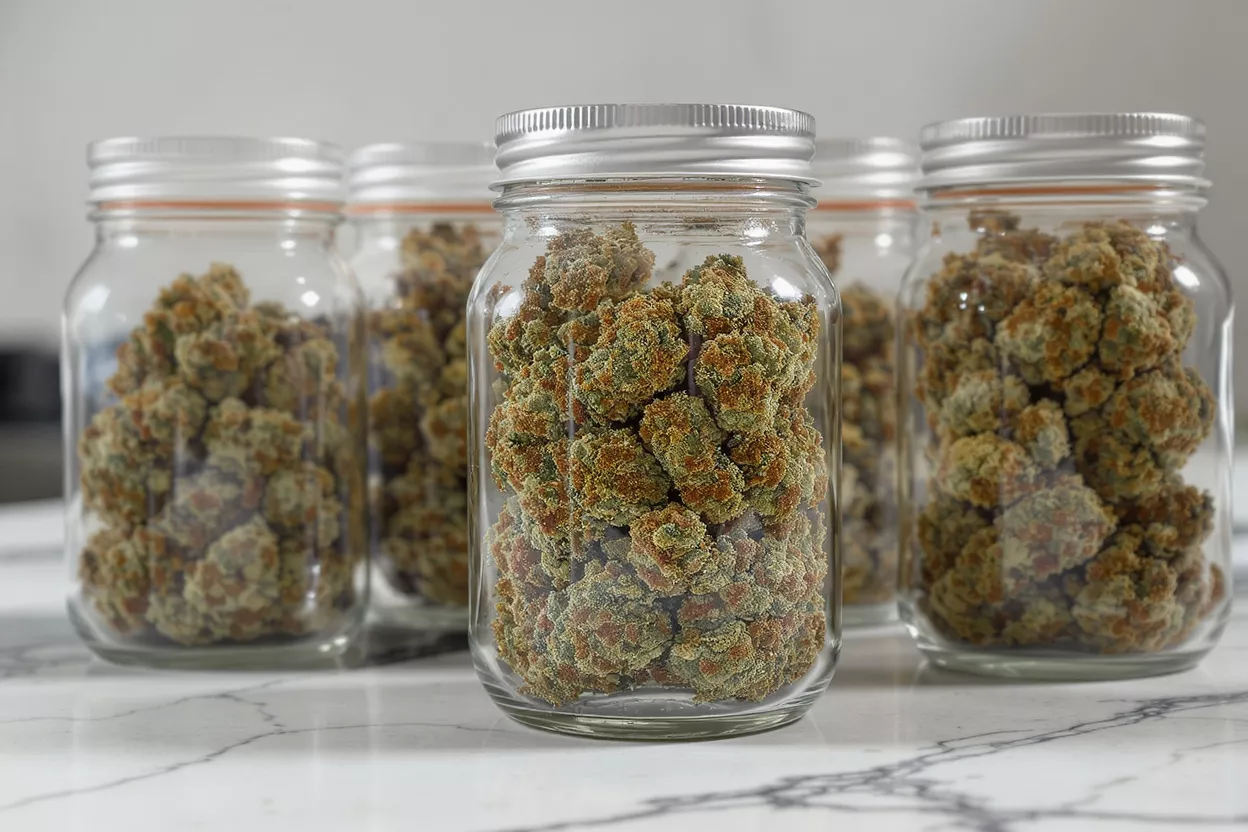
The flower you pack into a cannon defines the entire session. Because a cannon uses several grams at once, strain choice has an outsized impact on how the group feels by the end. Stick to fresh, properly cured buds that grind cleanly rather than crumbling to dust or refusing to break apart.
Potency and tolerance: A cannon delivers a lot of smoke over a long session, so consider the tolerance of everyone in the circle. A balanced hybrid often works best for mixed groups, offering a sociable lift without overwhelming less experienced smokers. Save the heaviest indica strains for relaxed evening sessions where everyone is settled in for the long haul.
Moisture and texture: Flower that is too dry burns hot and fast, while overly moist flower struggles to stay lit in a large roll. Aim for a slightly springy texture that holds together when ground. The right moisture content keeps a cannon burning evenly and preserves the terpenes that carry flavour and aroma.
For special occasions, some rollers blend two complementary strains to create a layered effect, mixing an uplifting daytime variety with something more relaxing. This kind of intentional pairing turns a cannon into a curated experience rather than just a big pile of flower.
Cannon Papers, Wraps and Cones Compared
The wrap you choose shapes flavour, burn rate, and ease of rolling. There is no single best option — only the right choice for your priorities. Understanding the trade-offs helps you build a cannon that matches the occasion and your group's taste.
Rolling papers: Thin rice or hemp papers deliver the cleanest flavour and let the strain's character come through unfiltered. They burn faster than tobacco wraps and demand a steadier hand, but for purists chasing pure flower taste, nothing beats a well-built paper cannon. Hemp papers in particular strike a nice balance between slow burn and neutral flavour.
Blunt wraps and tobacco leaves: These wraps burn slower and thicker, adding a robust earthiness that complements bold strains. They also hold structure better under the weight of several grams, which makes them forgiving for larger cannons. The trade-off is the tobacco influence, which not everyone wants in their session.
Pre-rolled cones: Oversized cones remove most of the difficulty from cannon building. You simply fill, pack, and twist. For anyone intimidated by hand-rolling several grams, cones offer a reliable shortcut that still delivers an impressive finished roll. They are the most consistent option for first-time cannon builders.
How to Smoke a Cannon Without Canoeing
Canoeing — when one side of a roll burns faster than the other — is the bane of every large joint. The bigger the cannon, the more prone it is to this uneven burn. Fortunately, a few simple techniques keep your cannon burning straight down the centre.
The initial light: Toast the entire tip evenly before taking your first draw, rotating the cannon as you apply the flame. A clean, even cherry from the start sets the tone for the whole session. Rushing the light is the single most common cause of a lopsided burn.
Managing the burn mid-session: If one side starts running ahead, gently moisten the faster-burning edge with a touch of saliva or wet finger to slow it down. Holding the cannon vertically between draws also helps the cherry burn evenly. In a group, encourage everyone to take measured, consistent pulls rather than fast, hard hits that pull the flame to one side.
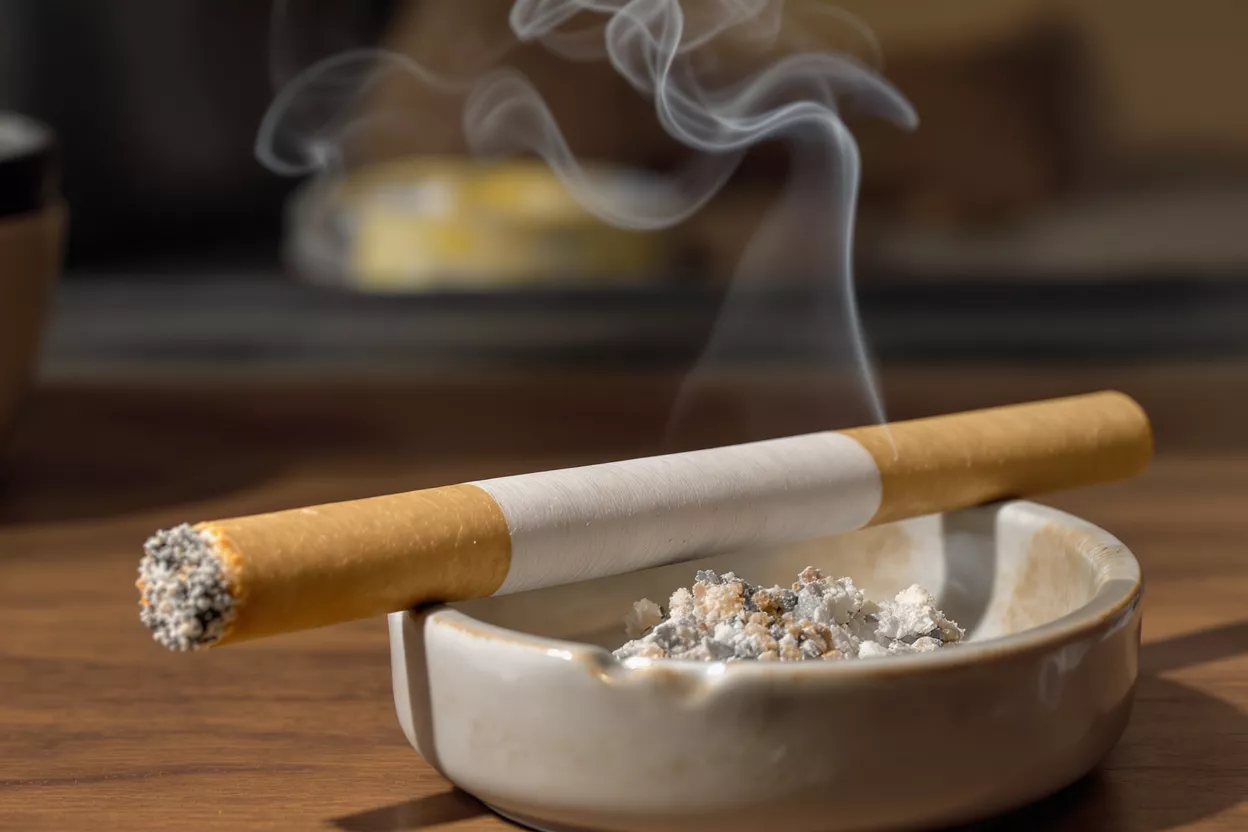
Proper rolling prevents most canoeing before it starts. An evenly packed cannon with consistent density throughout rarely runs, which circles back to the importance of grinding well and rolling with even tension. When the foundation is solid, the burn takes care of itself.
Cannon Etiquette for Shared Sessions
Because a cannon is built for sharing, unwritten etiquette governs how it gets passed around. Honouring these customs keeps the session friendly and ensures everyone enjoys the experience. The cannon is communal by nature, so generosity and courtesy matter.
Keep these shared-session customs in mind:
- 🔄 Pass to the left: The classic rotation direction keeps things orderly and predictable for the whole circle.
- 👏 Honour the roller: Tradition holds that the person who rolled the cannon takes the first spark, a small thank-you for their effort.
- 💧 Mind the mouthpiece: Keep your draws clean to avoid leaving a wet tip for the next person — nobody enjoys a soggy pass.
- ⏱️ Two and pass: Take a reasonable couple of pulls, then keep it moving so the cannon circulates fairly.
Beyond the rules, the real etiquette of a cannon is about reading the room. A cannon is meant to bring people together, so staying attentive to the pace and comfort of the group matters more than any rigid custom. When everyone respects the shared rhythm, the session unfolds smoothly from first light to final ash.
Are Cannons Worth It: Pros and Cons
For all their spectacle, cannons are not the right choice for every situation. They shine in specific contexts and fall short in others. Weighing the advantages against the drawbacks helps you decide when a cannon earns its place and when a simpler roll serves better.
The advantages: A cannon excels at group bonding. It keeps a long session flowing without constant re-rolling, makes a memorable centrepiece for celebrations, and delivers a generous, sustained smoke. For festivals and gatherings, few formats match its communal appeal or its ability to anchor a shared moment.
The drawbacks: Cannons consume a lot of flower quickly, which makes them an indulgence rather than an everyday choice. They demand rolling skill, burn unevenly when poorly built, and can overwhelm smokers with lower tolerance. For solo sessions or quick personal use, a standard joint is far more practical and economical.
Ultimately, a cannon is a tool for a specific job: celebration, connection, and spectacle. When the occasion calls for something memorable and the group is ready to settle in, a well-rolled cannon delivers an experience that a single small joint simply cannot match. Save it for the moments that deserve a little theatre, and it will reward you every time.



Comments