


Carene
Discover what carene does in cannabis — its piney aroma, potential benefits, and top strains.
What Is Carene in Cannabis?
Carene, more precisely known as delta-3-carene, is a bicyclic monoterpene that appears across hundreds of plant species, cannabis among them. If you have ever walked through a stand of pine trees and felt that sharp, resinous freshness hit the back of your throat, you have already met carene without knowing its name. In cannabis, it is one of the secondary terpenes, present in smaller quantities than heavyweights like myrcene or limonene, but still meaningful to a strain's character.
The compound was first catalogued by chemists studying conifer resins and citrus oils, long before cannabis terpene profiling became routine in dispensary lab reports. Today, modern terpene profile testing routinely flags carene in certain cultivars, giving growers and consumers a clearer picture of what shapes a plant's aroma and potential effects.
Why carene matters despite its low concentration: Terpenes do not need to dominate a profile to influence it. Even at fractions of a percent, carene contributes a distinctive cedar-and-cypress backbone that rounds out the citrus and floral notes carried by other compounds. It is a supporting actor that quietly defines the scene rather than stealing it.
What Does Carene Smell and Taste Like?
The carene aroma is best described as earthy, woody, and faintly sweet, with a pungent forest-floor quality that many people associate with cypress, cedar, and fresh-cut pine. On the palate it can read as resinous and slightly citric, a crisp counterpoint to the heavier, more musky terpenes that often accompany it in cannabis flower.
Aroma is rarely the product of a single molecule. Carene works alongside pinene to amplify those coniferous, sappy top notes, while traces of citrus terpenes lift the overall impression. This layering is why two strains with similar cannabinoid percentages can smell dramatically different.
For consumers learning to nose their flower, carene offers a useful training scent. Compare a few of these reference points to fix it in memory:
- 🌲 Cypress and cedar: the dry, woody heart of the carene profile
- 🍋 Citrus rind: a faint zesty brightness that sharpens the wood
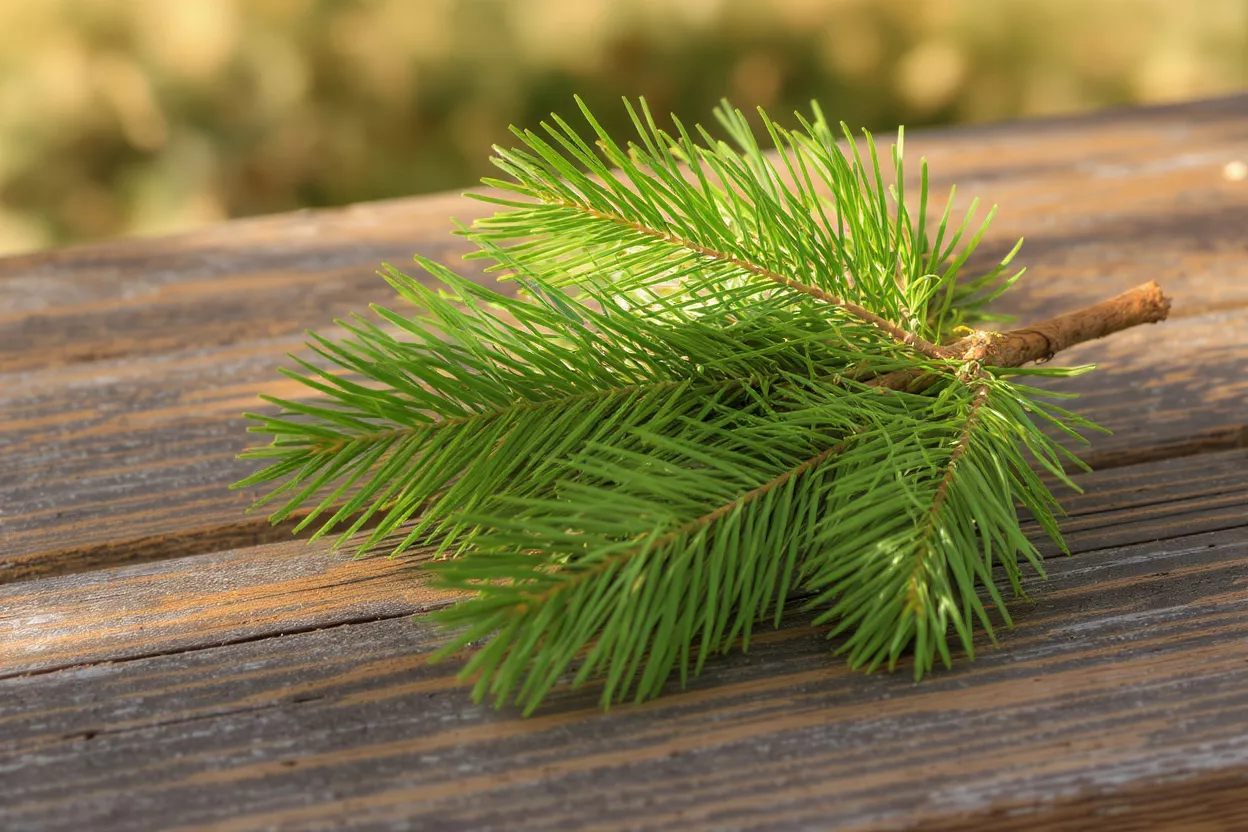
- 🌿 Fresh pine sap: the resinous, sticky-green note that signals coniferous terpenes
- 🪵 Old-growth forest floor: the earthy, slightly damp base that grounds the aroma
How Carene Works in the Body
Like other terpenes, carene is a volatile aromatic compound that interacts with the body through several pathways once inhaled, ingested, or applied topically. It is lipophilic, meaning it dissolves readily in fats and oils, which helps it cross cell membranes and reach receptor sites throughout the body.
Interaction with sensory and nervous systems: Inhaled terpenes engage olfactory receptors that connect directly to the limbic system, the brain region governing mood and memory. This is part of why aroma alone can shift how a cannabis experience feels, separate from any cannabinoid activity. Carene's crisp, alerting scent profile may contribute to the perceived clarity some users report in carene-rich cultivars.
Beyond scent, preliminary research suggests carene engages with inflammatory and immune pathways at the cellular level. While the bulk of this work has been conducted in laboratory and animal models rather than large human trials, it points to mechanisms worth understanding when considering the broader role terpenes play alongside cannabinoids.
Carene Benefits and Research
Research into carene benefits is still maturing, but the existing literature highlights several intriguing properties. The most frequently cited findings relate to inflammation, allergic response, and tissue health, though it is important to frame all of these as preliminary rather than settled clinical fact.
Anti-inflammatory potential: Several animal studies have observed that carene reduces markers of inflammation, and some researchers have explored its role in bone health and the activity of cells involved in building bone tissue. These findings have generated interest in whether carene-containing botanicals might one day support recovery and skeletal wellness, though human confirmation is needed.
Antihistamine and drying effects: Carene is one of the terpenes sometimes blamed for the dry-mouth and dry-eye sensation associated with certain plants. That same drying action is also why it has been studied for antihistamine-like properties, potentially helping to reduce the runny nose and watery eyes of allergic reactions.
Here is a concise summary of the research themes most often associated with carene:
- 🔬 Anti-inflammatory activity: reduced inflammatory markers in animal models
- 🦴 Bone health interest: early signals around bone-building cell activity
- 🤧 Antihistamine action: possible drying of excess mucus and secretions
- 🍄 Anti-fungal properties: observed activity against certain fungal strains
- 🧠 Cognitive curiosity: preliminary memory-related research in laboratory settings
Is Carene Safe to Consume?
Carene appears naturally in many foods and beverages we already consume, from citrus fruits to herbs and spices, and it is recognized as a flavoring agent. At the trace concentrations found in cannabis and culinary plants, it is generally regarded as well tolerated by most people.
Understanding the dry sensation: The most common everyday effect attributed to carene is dryness, particularly the cottonmouth feeling some cannabis users notice. This is not harmful, but it is worth staying hydrated when enjoying carene-rich strains. Keeping water nearby is the simplest mitigation.
As with any concentrated aromatic compound, exposure to high levels of isolated carene, such as in industrial settings handling pure terpene extracts, can cause respiratory irritation. This is a far cry from the small amounts present in flower or edibles, but it underscores why concentrated terpene products should be handled with care and never applied undiluted to skin.
Where Carene Is Found in Nature
Carene is one of the more widely distributed monoterpenes in the plant kingdom, which is part of what makes its scent feel so familiar. It is a major component of turpentine and is found abundantly in the resins of pine, cedar, and fir trees, lending those forests their characteristic sharpness.
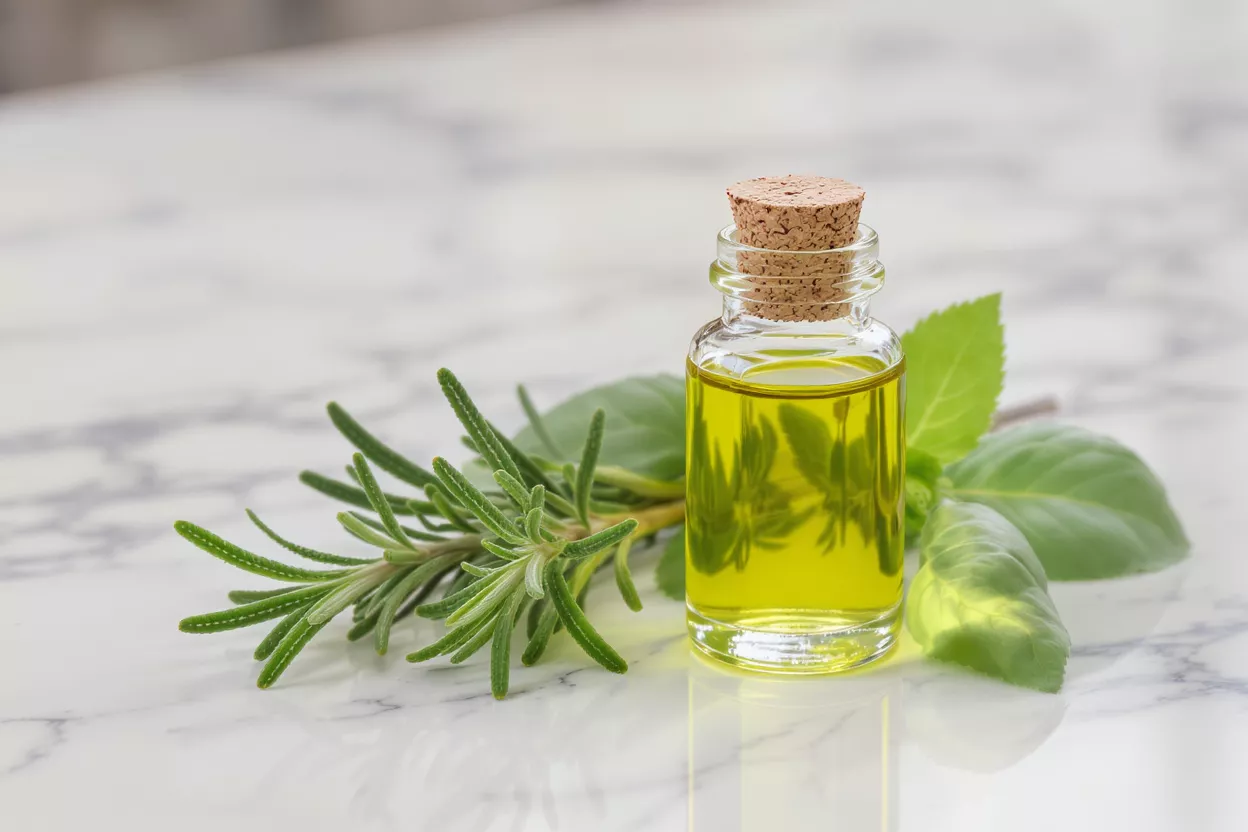
Common natural sources: Beyond conifers, carene shows up in rosemary, basil, bell pepper, citrus peel, and cypress oil. This broad presence means that long before cannabis terpene science existed, humans were already surrounded by carene in cooking, perfumery, and traditional herbal practice.
Its prevalence across so many species also explains why carene is commercially extracted for use in fragrances and as a starting material in the synthesis of other aroma chemicals. The same molecule that brightens a cannabis profile also flavors and scents products throughout the consumer marketplace.
- 🌲 Conifer resins: pine, cedar, fir, and cypress as primary sources
- 🌿 Culinary herbs: rosemary and basil carry noticeable carene
- 🫑 Vegetables and fruit: bell pepper and citrus peel contribute trace amounts
- 🧴 Industry use: turpentine and fragrance manufacturing rely on extracted carene
Carene and the Entourage Effect
No single terpene tells the whole story of a cannabis experience. The entourage effect describes how cannabinoids and terpenes work together, each modulating the activity of the others to produce effects that none would create alone.
How carene fits the ensemble: Carene's crisp, alerting aroma and its potential anti-inflammatory action may complement cannabinoids like THC and CBD. In a profile where carene sits alongside pinene, the combined coniferous character may reinforce a sense of mental clarity rather than heavy sedation.
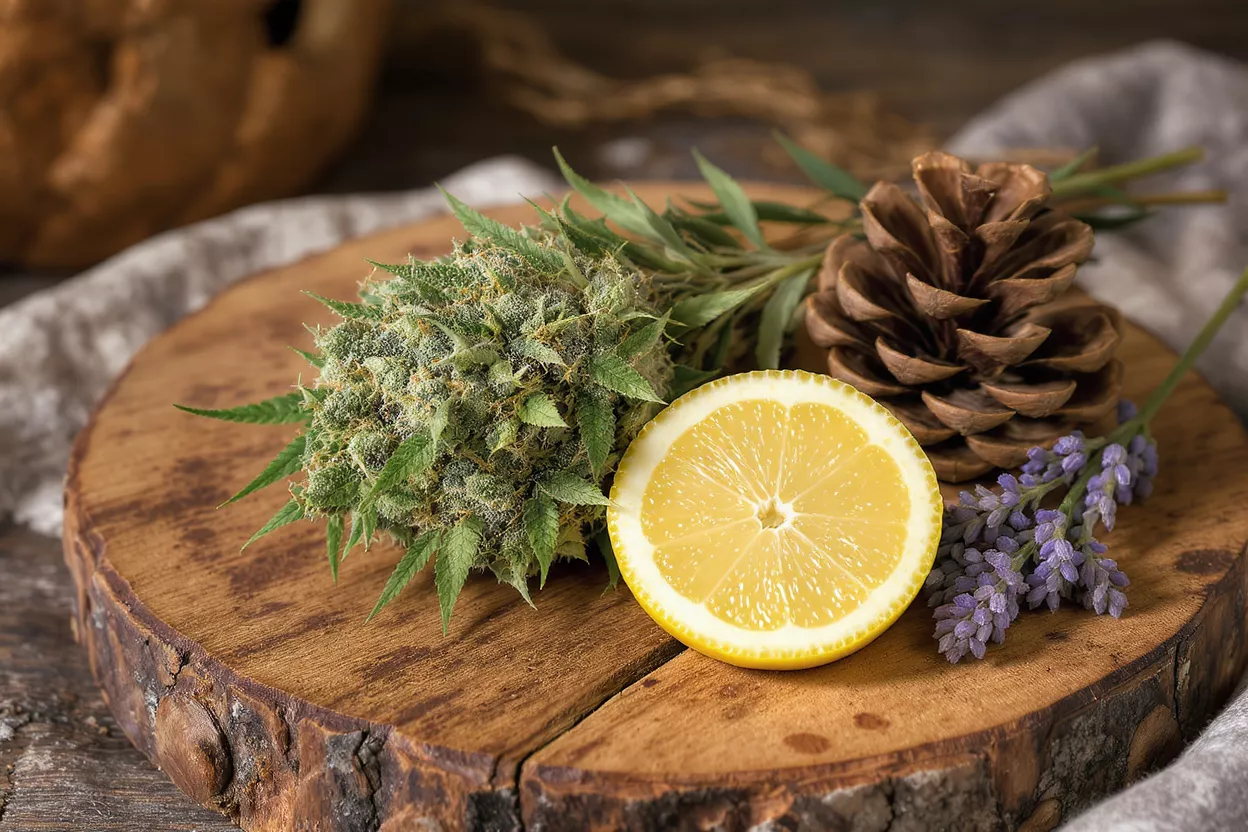
This is why experienced consumers increasingly read full lab panels rather than chasing the highest THC number. A modest THC strain with a rich, balanced terpene profile, carene included, often delivers a more nuanced and satisfying experience than a high-potency cultivar with little aromatic complexity.
Cannabis Strains High in Carene
Because carene rarely appears as the dominant terpene, identifying carene-rich strains takes a bit of detective work through lab reports. That said, certain cultivars consistently express higher levels, generally those with pronounced piney, woody aromas that lean coniferous rather than fruity.
What to look for on a label: Strains that report meaningful carene almost always also carry pinene, since the two share biosynthetic pathways and similar coniferous expression. Look for descriptions emphasizing cedar, cypress, pine, and earthy sharpness rather than berry, tropical, or dessert notes.
When carene is present in appreciable amounts, it tends to accompany an uplifting, clear-headed character. The pairing of carene with energizing strains makes it a terpene many daytime users seek out, especially those who want focus without the foggy edge that heavier profiles can bring. 🌲
If you are building a personal map of terpene preferences, treat carene as a marker of the forest-leaning end of the aroma spectrum, a useful signpost when comparing one cultivar to another across a dispensary menu.
How to Preserve Carene in Cannabis
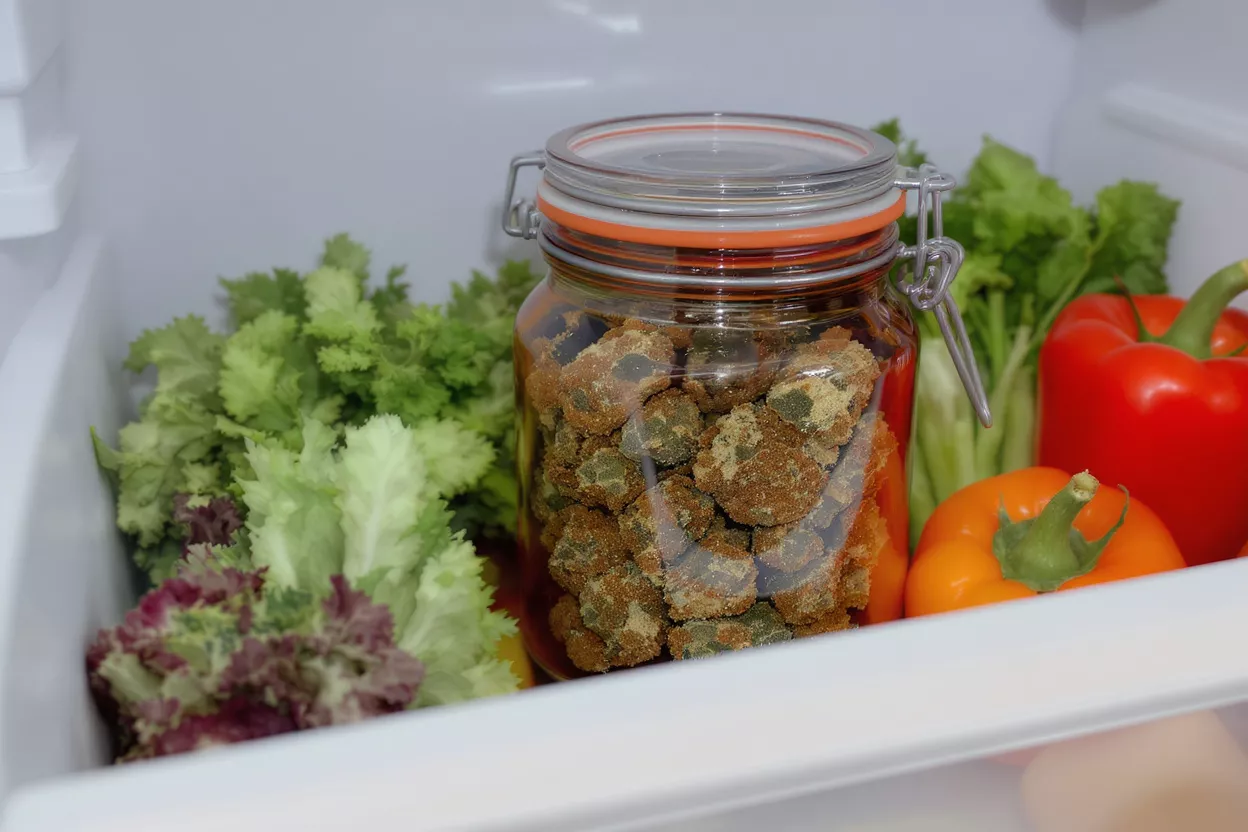
Terpenes are delicate. As volatile compounds, they evaporate and degrade when exposed to heat, light, oxygen, and time, which means a strain's carene content can fade noticeably if flower is stored carelessly. Protecting that aroma is the same as protecting the experience.
Storage best practices: Keep cannabis in airtight glass containers away from direct sunlight, ideally in a cool, dark cupboard. Humidity control packs help maintain the moisture range that preserves both trichomes and the volatile terpenes they hold.
Temperature during consumption matters too. Because carene and its fellow terpenes have relatively low boiling points, low-temperature vaporization preserves more of the aromatic compounds than high-heat combustion, letting you actually taste the cedar-and-pine character rather than burning it away. For anyone serious about flavor, dialing in vape temperature is the single most impactful habit.
Carene FAQs for Cannabis Consumers
To round out this guide, here are quick answers to the questions consumers most often ask once they start paying attention to carene on their lab reports.
Does carene get you high? No. Carene is not a cannabinoid and does not produce intoxication on its own. Its role is aromatic and modulatory, shaping the character of an experience and potentially influencing how cannabinoids feel through the entourage effect.
Is carene responsible for dry mouth? It may contribute. Carene's drying, antihistamine-like properties are sometimes linked to the cottonmouth and dry-eye sensations associated with certain strains, though cannabinoid activity on salivary glands plays a major part as well.
Carene is a small molecule with an outsized contribution to the cannabis sensory experience. From its crisp cedar-and-pine aroma to its preliminary research credentials in inflammation, allergy, and antifungal activity, it rewards the curious consumer who looks past THC percentages toward the full terpene profile. Understanding carene, where it comes from, how to preserve it, and how it interacts with other compounds, helps you make more informed choices and appreciate the remarkable complexity packed into every well-grown flower.

Comments