

CBC
Learn what CBC (cannabichromene) does in your body.
What Is CBC (Cannabichromene)?
CBC, or cannabichromene, is one of the most underrated compounds the cannabis plant produces, and getting to know it changes how you read a lab report forever. While THC and CBD soak up the attention, CBC belongs to a small, important club that researchers refer to as the "big six" major cannabinoids. It is non-intoxicating, surprisingly common in certain genetics, and the subject of growing scientific curiosity for its anti-inflammatory and mood-related activity. If you have ever scanned a full-spectrum certificate of analysis and spotted a modest percentage labeled CBC, you have already crossed paths with a molecule that may be quietly shaping your experience.
Where CBC fits in cannabis chemistry: Researchers first isolated CBC in the mid-1960s, around the same period THC was identified, yet it spent decades on the scientific sidelines. The reason is simple: it rarely shows up in dramatic concentrations in commercial flower. CBC shares the same molecular formula as THC and CBD, but its atoms fold into a distinct three-dimensional shape. That structural difference governs how it interacts with the body and explains why it behaves nothing like its famous relatives.
A cannabinoid does not need to dominate a strain's chemistry to matter. Even at low single-digit percentages, CBC appears to collaborate with other cannabinoids and terpenes to influence the texture and quality of an effect. As consumers grow more literate about genotype and cannabinoid ratios, interest in full-spectrum extracts that protect minor cannabinoids like CBC has climbed steadily across the market.
How Does CBC Work in the Body?
To understand CBC, start with the endocannabinoid system, the body's internal network of receptors and signaling molecules that helps regulate mood, pain, appetite, sleep, and inflammation. THC binds tightly to CB1 receptors in the brain, which is exactly why it produces a high. CBC takes a very different and arguably more intriguing route from a wellness perspective.
CBC and the TRP receptors: Instead of latching onto CB1 receptors, CBC interacts strongly with TRPV1 and TRPA1 receptors, the same ion channels involved in how we perceive pain, temperature, and inflammation. Research summarized by Harvard Health highlights that the endocannabinoid system plays a wide-ranging role in keeping the body in balance, and compounds that influence these pathways have become a serious focus of study. CBC's affinity for TRP channels is the leading explanation for its observed anti-inflammatory potential.
CBC is far more fat-soluble than water-soluble, which means it absorbs best when paired with a carrier oil or a fat-based delivery method rather than something hydrophilic. This is one reason formulators add lecithin to tinctures and edibles, improving how efficiently the body takes the compound up. The practical lesson is straightforward: how a product is made meaningfully changes how much CBC your body can actually use.
Is CBC Psychoactive or Intoxicating?
One of the first questions newcomers ask is whether CBC will get them high. The short answer is no. CBC is non-intoxicating, meaning it will not produce the euphoria or impairment associated with THC. That quality makes it appealing to anyone seeking potential therapeutic benefits without altering their mental state.
Why CBC does not cause a high: The classic cannabis high comes almost entirely from THC binding to CB1 receptors concentrated in the brain. Because CBC has only a weak affinity for CB1, it simply never triggers that cascade. You could take a meaningful dose of isolated CBC and feel no cognitive impairment whatsoever, which is why it sits comfortably beside CBD in the non-intoxicating category.
That said, "non-intoxicating" does not mean "inactive." CBC is biologically busy. It may influence mood and inflammation through pathways that have nothing to do with the cannabis high. For shoppers exploring daytime wellness options, a quality full-spectrum CBC tincture offers the plant's benefits without clouding focus or productivity.
CBC Benefits and Medical Effects
The research on CBC is still emerging, but early findings paint an encouraging picture. Scientists have investigated its potential across several areas, from inflammation to mood to skin health. It is fair to frame these as active areas of study rather than settled medical fact, yet the directions are promising enough that CBC has earned its place among the cannabinoids worth watching closely.
Anti-inflammatory and pain potential: Some of the strongest preclinical evidence centers on CBC's anti-inflammatory activity. Because it engages TRP channels involved in pain signaling, researchers have explored whether it might help manage inflammation-driven discomfort. Notably, CBC appears to do this without leaning on the CB1 pathway, suggesting it could complement other approaches rather than simply duplicate them.
Mood and neurological interest: Animal studies have hinted that CBC may support healthy mood and even promote the viability of certain brain cells, an area researchers are watching closely for its neurological implications. We are still far from clinical recommendations, but this neuroprotective angle is part of why CBC generates excitement that reaches well beyond the inflammation conversation.
- 🌿 Anti-inflammatory support: Engages TRPV1 and TRPA1 channels linked to inflammation and pain perception.
- 🧠 Mood and brain health: Early animal research points to possible neuroprotective and mood-supporting activity.
- 🦠 Antibacterial properties: Lab studies have documented CBC's activity against certain bacterial strains.
- ✨ Skin and acne research: CBC has been studied for its effect on sebum production and inflammation in skin cells.
CBC vs CBD vs THC: The Differences
Placing CBC side by side with the two most famous cannabinoids clarifies exactly what makes it unique. All three begin from the same precursor molecule inside the plant, yet they branch into compounds with very different behaviors. Understanding these distinctions helps you decode a lab report and choose products that genuinely match your goals.
How they interact with receptors: THC binds strongly to CB1, producing intoxication and powerful appetite stimulation. CBD has a complex, indirect relationship with the endocannabinoid system and is non-intoxicating. CBC, meanwhile, largely bypasses CB1 in favor of TRP channels. The Harvard Health overview of cannabinoids underscores that these molecules, though chemically related, can produce strikingly different physiological effects.
Here is a quick comparison to keep the distinctions straight:
- 🔥 THC: Intoxicating, binds CB1, drives the classic cannabis high and strong appetite stimulation.
- 💧 CBD: Non-intoxicating, modulates the system indirectly, widely used for calm and balance.
- 🌱 CBC: Non-intoxicating, acts mainly on TRP channels, studied for inflammation and mood.
For people who want the whole plant rather than a single isolated molecule, a thoughtfully formulated broad-spectrum wellness oil captures CBC alongside CBD and supportive terpenes, delivering a more complete experience than any single compound on its own.
CBC and the Entourage Effect
The entourage effect is the theory that cannabis compounds perform better together than in isolation. Cannabinoids and terpenes appear to modulate one another, producing an outcome that is greater than the sum of its parts. CBC is increasingly recognized as a meaningful contributor to this synergy, even though it shows up in modest amounts.
How CBC supports synergy: When CBC sits alongside CBD, THC, and aromatic terpenes such as humulene, the combined result may feel richer and more nuanced than any isolate could manage. Terpenes contribute their own properties, and CBC may amplify or smooth the overall effect. This is precisely why preserving minor cannabinoids during extraction matters so much to the final product.
Extraction quality determines how much of this entourage survives the journey from plant to bottle. High-grade concentrates prized for terpene preservation retain more of these minor compounds than harsher methods do. Products labeled full-spectrum aim to keep CBC and its companions intact, while isolates strip everything down to a single molecule. For most wellness seekers, a carefully crafted full-spectrum hemp extract delivers the synergy single-compound products cannot.
How CBC Is Made in the Plant
Every major cannabinoid traces back to a single parent molecule, and CBC is no exception. Understanding this biosynthetic pathway reveals why some genotypes produce more CBC than others and why fresh, properly cultivated plants matter so much for the final cannabinoid profile.
From CBGA to CBC: The plant first creates cannabigerolic acid (CBGA), often called the mother cannabinoid. Specialized enzymes then convert CBGA into CBCA, the acidic precursor to CBC. When exposed to heat or ultraviolet light, CBCA decarboxylates into the CBC we actually consume. A plant's genotype determines which enzymes dominate, which is why certain cultivars naturally trend higher in CBC than others.
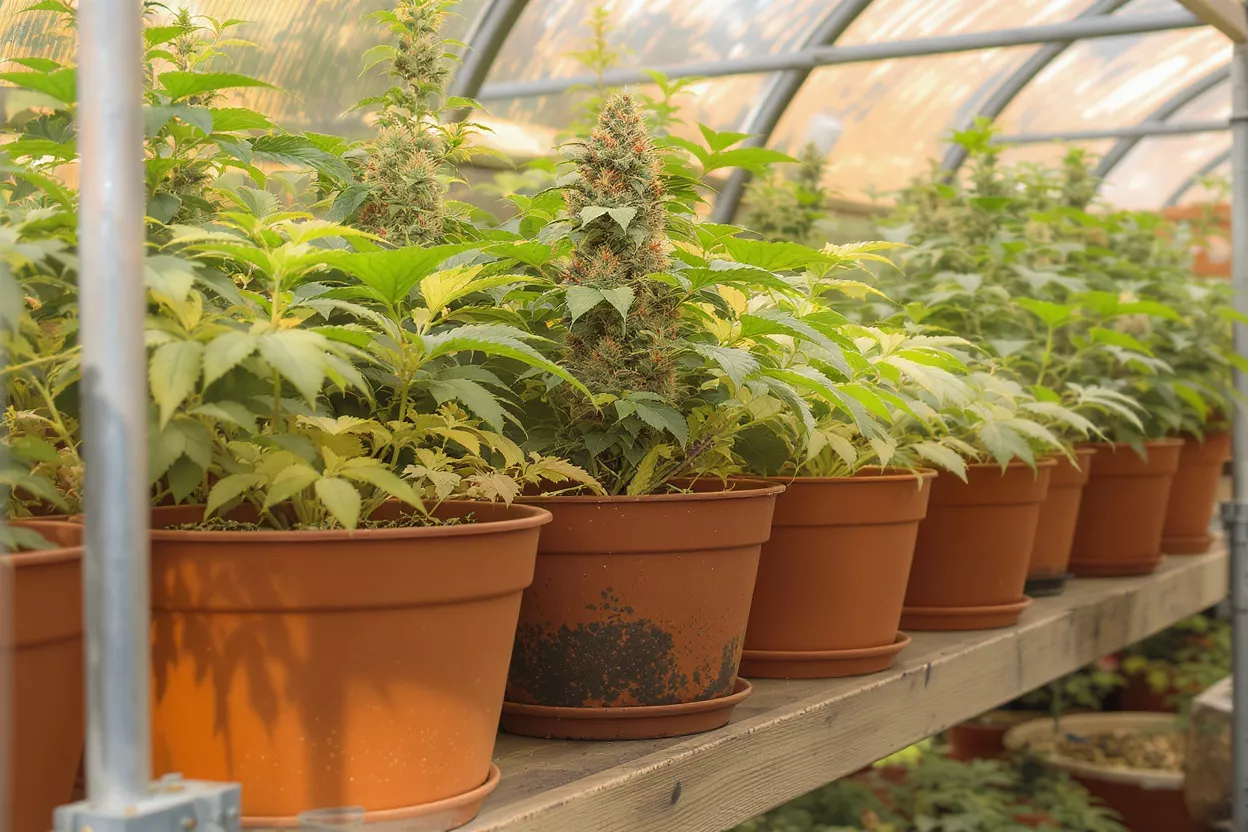
Cultivation and processing factors: Whether a plant is grown in soil or through hydroponics, genetics set the ceiling for CBC content while growing conditions and harvest timing fine-tune the final numbers. After harvest, the extraction method shapes the result, from full-spectrum oils to delicate concentrates like live resin. Cannabis produced in a licensed facility undergoes lab testing that verifies exactly how much CBC made it into the finished product.
Which Cannabis Strains Have CBC?
CBC is more common in cannabis than many people realize, yet it rarely appears in headline-grabbing percentages. Its presence depends heavily on genetics, plant age, and how the material is processed. Knowing where to look helps you find products that actually deliver meaningful CBC content rather than trace amounts.
Why young plants matter: Interestingly, CBC tends to be more abundant in younger cannabis plants. As a plant matures and is exposed to light over time, CBC can degrade into other compounds. This means freshly harvested, properly stored material often preserves more CBC than older flower that has sat exposed to heat and light for months.
Because CBC seldom dominates a strain, the most reliable way to consume meaningful amounts is through concentrated full-spectrum products rather than raw flower. Some processors incorporate CBC-rich extracts into specialty edibles or prerolls to boost the minor cannabinoid profile. When shopping, always check the certificate of analysis rather than trusting strain names alone, since two batches of the same genetics can vary widely.
- 🔬 Check the COA: Lab reports reveal actual CBC percentages, which strain names alone never guarantee.
- 🌱 Favor fresh material: Younger, well-stored cannabis tends to retain more CBC before it degrades.
- 💧 Choose concentrates: Full-spectrum oils and extracts concentrate CBC far above raw flower levels.
How to Use CBC Products
Because CBC is non-intoxicating, dosing is more forgiving than with THC, but a thoughtful approach still produces the best results. The right method depends on your goals, whether that is general wellness, targeted comfort, or simply exploring the full plant experience the way nature assembled it.
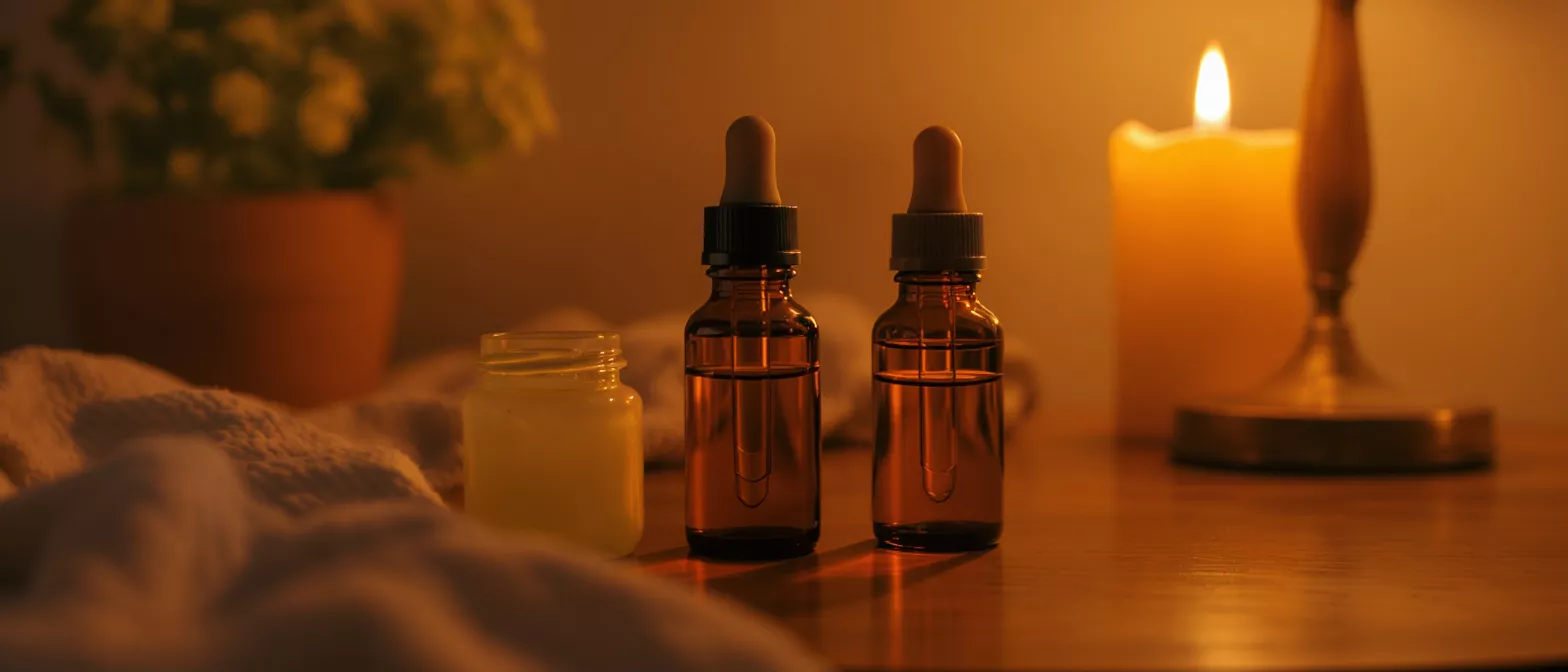
Choosing a delivery method: CBC is fat-soluble, so oil-based tinctures, softgels, and infused edibles tend to offer reliable absorption. Topicals are popular for localized concerns because the skin itself contains TRP channels that CBC engages directly. Many formulators add lecithin or use emulsion technology to improve bioavailability, which matters because raw cannabinoids are not naturally easy for the watery environment of the body to absorb.
Start low and observe: As with any wellness compound, begin with a modest amount and pay attention to how you respond over several days. Since CBC produces no high, you are tracking subtler signals like comfort, sleep quality, and mood rather than intensity. Consistency tends to matter more than large single doses, so a steady daily routine usually outperforms occasional heavy use.
Keep your products stored cool and dark to slow degradation, and always buy from sources that publish third-party lab results. Quality and transparency protect both your wallet and your wellness goals at the same time.
Are CBC Cannabinoids Safe?
CBC has a reassuring safety profile in the research conducted so far. Like other non-intoxicating cannabinoids, it appears to be well tolerated, with no evidence of the impairment or dependency concerns associated with heavy high-THC consumption. Still, the science is young, and honest guidance means acknowledging what we do not yet know.
What current research shows: Preclinical and animal studies have explored CBC's anti-inflammatory, antibacterial, and mood-related properties without flagging significant safety concerns at typical doses. Resources like Harvard Health emphasize that while cannabinoids show genuine therapeutic promise, much of the human clinical evidence is still being gathered. CBC fits this pattern neatly: encouraging signals, but a clear need for larger human trials.
Sensible precautions: If you take prescription medications or manage a medical condition, consult a healthcare provider before adding CBC, since cannabinoids can interact with how the body metabolizes certain drugs. Pregnant or nursing individuals should avoid cannabinoids unless directed by a physician. For most healthy adults, however, CBC represents a low-risk way to explore the broader chemistry of the cannabis plant.
CBC may never rival THC or CBD in fame, but its story illustrates how much value hides in cannabis beyond the headline compounds. From its unique action on TRP channels to its role in the entourage effect, this overlooked member of the big six rewards a closer look. As research matures, CBC stands as a compelling reminder that the whole plant, with all its minor cannabinoids and terpenes intact, often delivers more than any single molecule on its own. Whether you reach for a full-spectrum tincture, a topical, or a specialty concentrate, understanding CBC helps you shop smarter and experience cannabis more completely.

Comments