

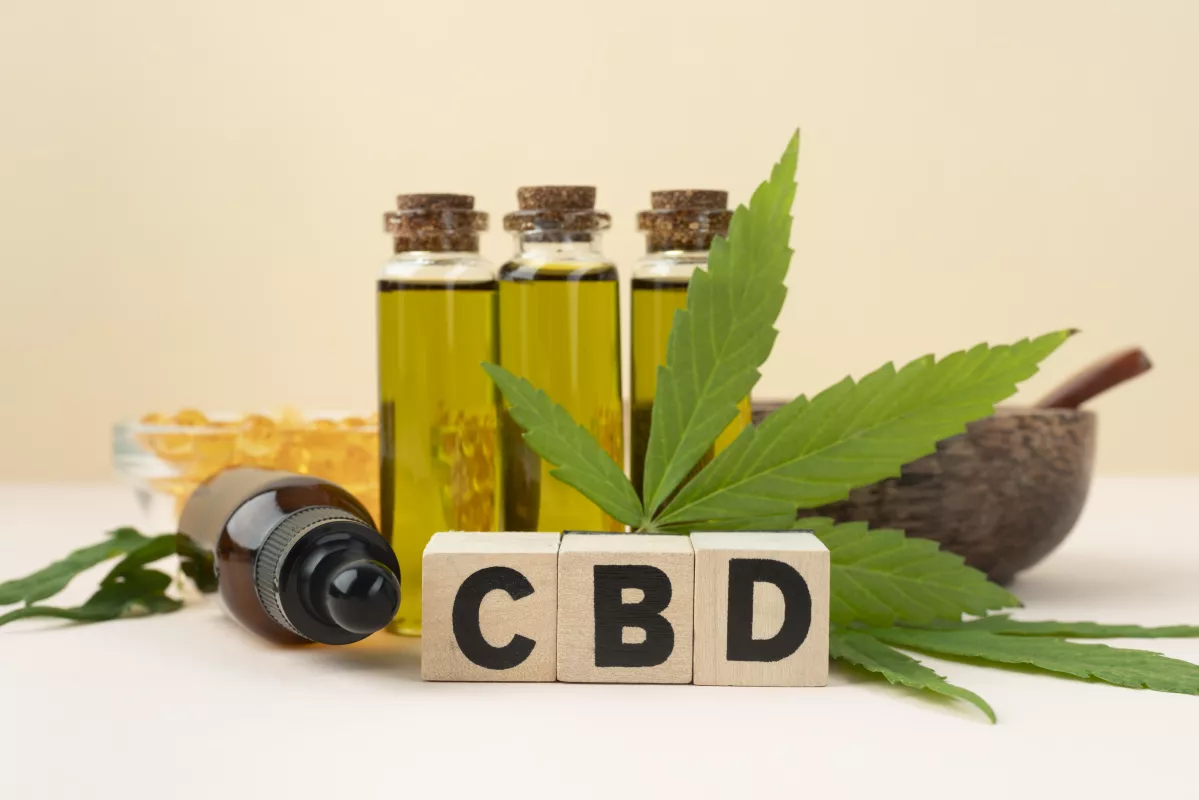
CBD oil
Discover what CBD oil is, how it works, and how to use it.
What Is CBD Oil and How Is It Made
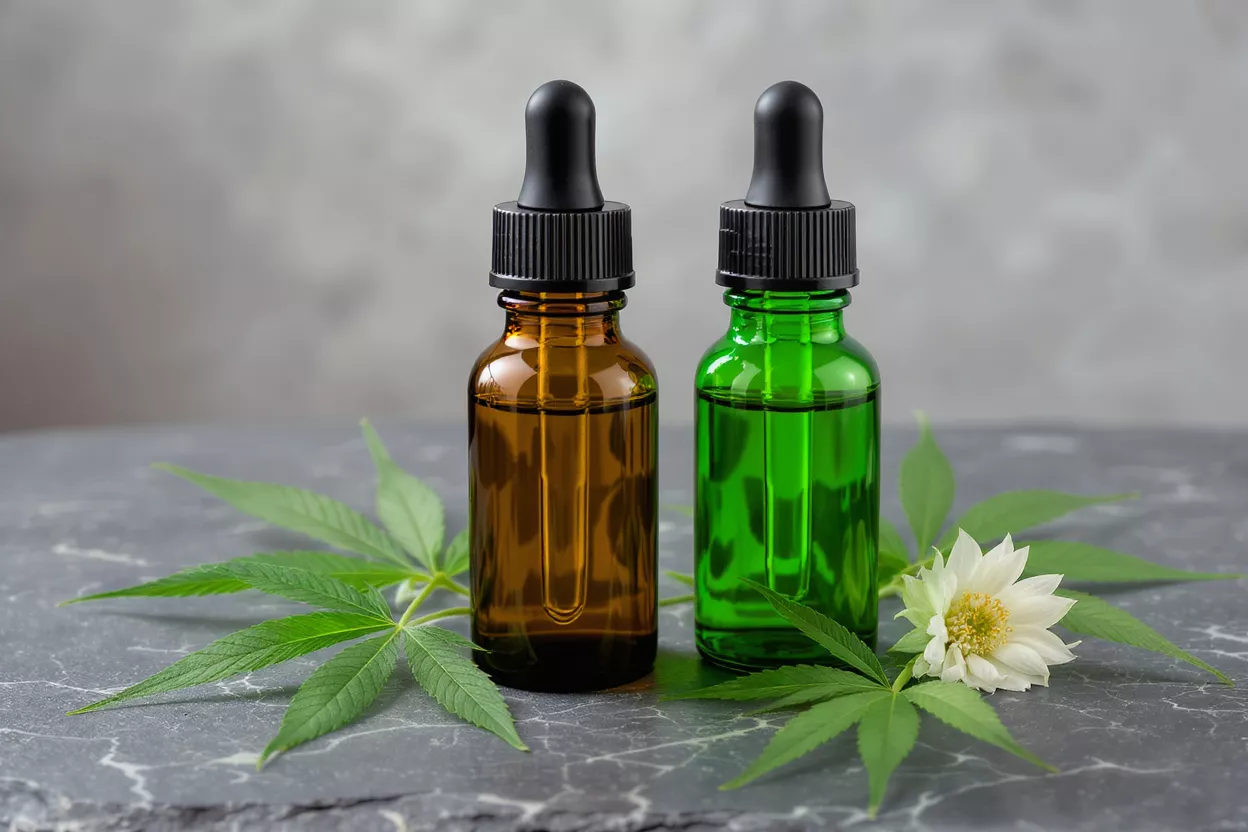
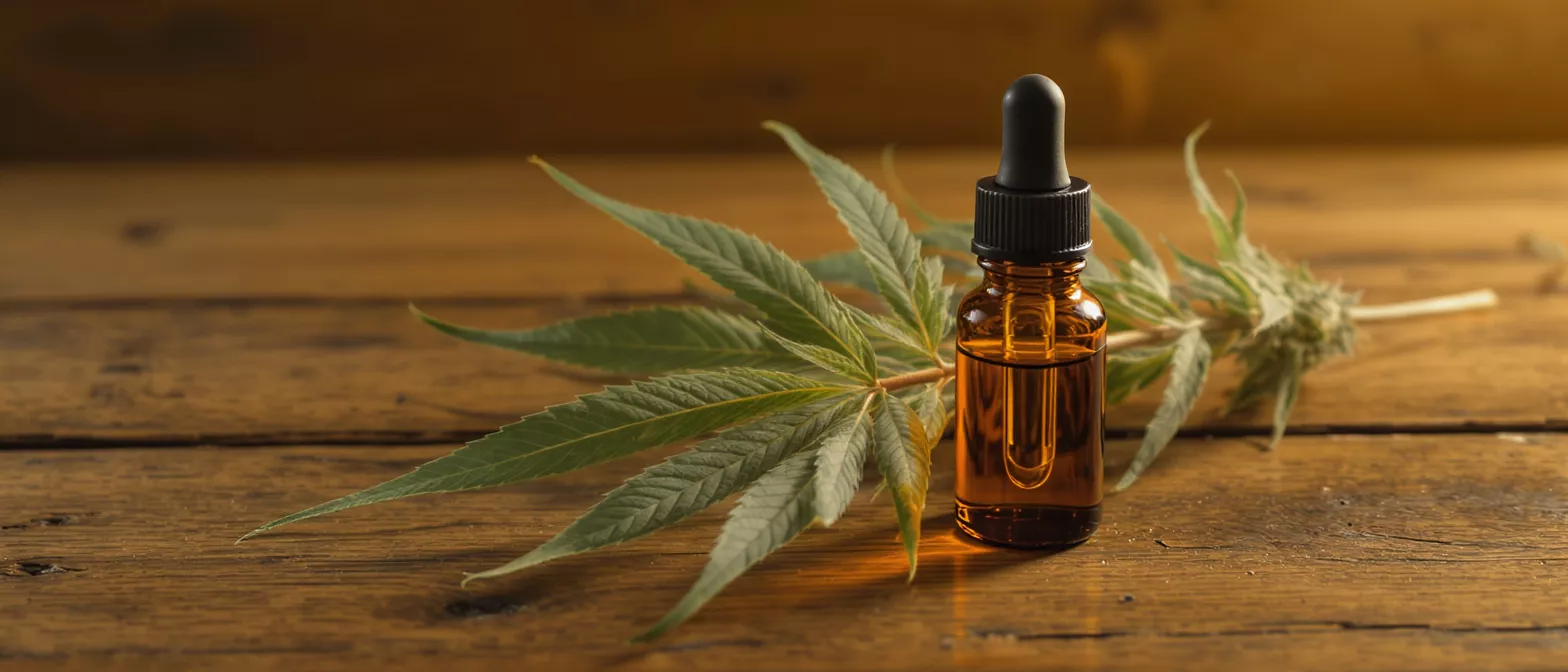
CBD oil is a concentrated extract derived from the flowers, leaves, and stalks of the cannabis or hemp plant, blended with a carrier oil such as coconut MCT, hemp seed, or olive oil. The active ingredient, CBD (cannabidiol), is one of more than a hundred naturally occurring compounds called cannabinoids. Unlike its better-known relative THC, CBD does not produce intoxication, which is why CBD oil has become a staple of the modern wellness conversation.
The production process begins with cultivation and harvesting, followed by an extraction step that separates the cannabinoids from raw plant material. The most respected manufacturers rely on supercritical CO2 extraction, a method that uses pressurized carbon dioxide to pull compounds cleanly from the plant without leaving solvent residue behind. Ethanol extraction is another common approach, prized for efficiency and scalability.
After extraction, the crude oil is often refined through a process called winterization to remove waxes and fats, then standardized to a known potency. The result is a finished product with a predictable concentration of CBD measured in milligrams, giving consumers the consistency they need to dose accurately.
How CBD Oil Works in the Body
CBD interacts with the endocannabinoid system, a vast cell-signaling network discovered in the early 1990s that helps regulate sleep, mood, appetite, immune response, and pain perception. The endocannabinoid system relies on receptors known as CB1 and CB2, distributed throughout the brain, nervous system, and immune tissues.
Rather than binding directly and strongly to these receptors the way THC does, CBD takes a more indirect route. It appears to influence receptor activity and slow the breakdown of the body's own endocannabinoids, allowing them to remain active longer. CBD also engages serotonin and vanilloid receptors, which may explain some of its reported effects on mood and discomfort.
This subtle, modulating action is part of why CBD oil rarely produces dramatic, immediate sensations. Instead, many users describe a gradual sense of balance over days and weeks of consistent use, as the compound works alongside the body's existing regulatory machinery rather than overriding it.
Types of CBD Oil: Full Spectrum, Broad Spectrum, and Isolate
Not all CBD oil is created equal, and understanding the three primary categories is the single most useful thing a new buyer can learn. Each type reflects a different balance between cannabinoid variety and THC content.
- 🌿 Full spectrum: Contains the complete range of cannabinoids, terpenes, and trace THC (under 0.3%). Many users prefer it for the entourage effect, where compounds work synergistically.
- 🍃 Broad spectrum: Retains multiple cannabinoids and terpenes but has THC removed, offering a middle path for those who want plant complexity without any THC.
- 💧 CBD isolate: Pure cannabidiol with everything else stripped away, ideal for people who need to avoid THC entirely or want a flavorless option.
The entourage effect is the deciding factor for many shoppers. The theory holds that cannabinoids and terpenes produce a more complete result together than any isolated compound can alone. While research is still developing, the principle pushes many experienced users toward full or broad spectrum formulas.
Your choice ultimately depends on personal goals, sensitivity to THC, and whether you face routine drug testing. There is no universally superior option, only the one best matched to your circumstances.
CBD Oil Benefits Backed by Research
The most established CBD oil benefit is seizure reduction. The U.S. Food and Drug Administration approved a purified CBD medication for rare, severe forms of childhood epilepsy after clinical trials demonstrated meaningful reductions in seizure frequency. This remains the gold-standard evidence for cannabidiol's therapeutic potential.
Beyond epilepsy, a growing body of research explores CBD's role in managing anxiety, supporting sleep, and easing certain types of chronic pain and inflammation. Studies on social anxiety and stress response have shown promise, and many users turn to CBD oil specifically to take the edge off daily tension without the sedation of conventional options.
It is important to keep expectations grounded. Outside of approved epilepsy treatment, much of the evidence comes from preliminary studies, animal models, and self-reported experiences. CBD oil is not a cure-all, and the most honest framing is that it shows genuine, research-supported potential in several areas while still being actively studied.
How to Use CBD Oil: Sublingual, Topical, and More
Sublingual use is the most popular method and for good reason. Placing oil under the tongue and holding it for 60 to 90 seconds lets cannabidiol absorb through the thin tissues of the mouth directly into the bloodstream, bypassing the digestive system. Effects typically arrive within 15 to 45 minutes, making this the preferred approach for predictable, reasonably fast results.
Topical application is the second major route. CBD oil and CBD-infused balms can be massaged into skin over sore joints or muscles, where they interact with localized cannabinoid receptors. Because topicals do not enter the bloodstream in meaningful amounts, they target specific areas without producing whole-body effects.
CBD oil can also be swallowed directly or added to food and drink, though oral consumption means the compound passes through the liver first, reducing how much ultimately reaches circulation. This route takes longer to feel but tends to last longer, which suits people seeking extended, gentle support.
- ⏱️ Sublingual: Onset 15–45 min, holds under tongue, best for daily consistency.
- 🧴 Topical: Localized relief, no systemic effects, ideal for targeted discomfort.
- 🍽️ Oral/edible: Slower onset, longer duration, convenient but less efficient absorption.
CBD Oil Dosing Guide for Beginners
Start low and go slow is the golden rule of CBD oil dosing. There is no universal dose because individual factors—body weight, metabolism, the condition being addressed, and personal endocannabinoid chemistry—all influence how a person responds. A sensible starting point for most newcomers is 10 to 20 milligrams per day.
From there, hold steady for several days to a week before adjusting. Because CBD's effects are often cumulative and subtle, rushing to increase the dose can lead to overshooting. Keep a simple log noting the amount taken, the time, and how you felt, which makes it far easier to identify your personal sweet spot.
Reading the label carefully is essential. A bottle's total milligram count is not the same as the dose per dropper. Divide total CBD by the bottle's volume to understand concentration, and remember that a full dropper is roughly one milliliter. When in doubt, especially if you take other medications, consult a healthcare provider familiar with cannabinoids.
Is CBD Oil Safe? Side Effects and Interactions
CBD oil has a strong safety profile according to the World Health Organization, which has noted that cannabidiol is generally well tolerated and carries no evidence of recreational abuse potential. For most people, side effects are mild and dose-dependent.
When side effects do occur, they commonly include drowsiness, dry mouth, changes in appetite, and occasional digestive upset. These tend to resolve by lowering the dose. Higher doses are more likely to cause noticeable fatigue, which is one more reason the conservative starting approach makes sense.
The most important safety consideration is drug interactions. CBD can affect how the liver metabolizes certain medications by interacting with the cytochrome P450 enzyme system—the same pathway implicated in the grapefruit warning found on many prescriptions. Anyone taking blood thinners, seizure medication, or other prescriptions should speak with a doctor before adding CBD oil to their routine.
CBD Oil vs THC: Understanding the Difference
The defining difference is intoxication. THC is the cannabinoid responsible for the euphoric high associated with cannabis, while CBD produces no such effect. Both compounds share an identical molecular formula, but the arrangement of their atoms gives them dramatically different relationships with the body's cannabinoid receptors.
THC binds strongly to CB1 receptors in the brain, triggering the psychoactive experience. CBD interacts far more gently and can even temper some of THC's intensity when the two are taken together. This is why some cannabis products are formulated with balanced ratios of both compounds.
For people who want potential wellness support without impairment, CBD oil is the natural choice. It allows users to stay clear-headed, drive, work, and go about their day, which has made it especially appealing to those who have never been interested in getting high.
Best CBD Oil Buying Tips and What to Look For
Third-party lab testing is non-negotiable. Reputable brands publish a certificate of analysis from an independent laboratory, confirming the CBD potency and screening for pesticides, heavy metals, solvents, and microbial contaminants. If a product lacks accessible lab results, treat that as a reason to walk away.
Pay attention to the source of the hemp as well. Plants grown in clean, regulated agricultural conditions are far less likely to carry contaminants, since hemp readily absorbs substances from the soil it grows in. Domestic or certified-organic sourcing offers an extra layer of confidence.
- 🔬 Certificate of analysis: Verify potency and purity from an independent lab.
- 🌱 Hemp source: Look for clean, regulated, or organic cultivation.
- 🏷️ Clear labeling: Total CBD, per-serving dose, and spectrum type stated plainly.
- 💲 Cost per milligram: Compare price by CBD content, not bottle size, for true value.
Finally, calculate cost per milligram rather than judging by sticker price. A larger or more concentrated bottle frequently delivers better value than a cheaper, weaker one. Combining lab transparency, quality sourcing, honest labeling, and fair pricing will steer you toward a CBD oil worth your money.
CBD Oil Legality and Regulations Explained
Hemp-derived CBD oil occupies a different legal space than cannabis-derived CBD. In the United States, the 2018 Farm Bill federally legalized hemp and its derivatives containing no more than 0.3% THC by dry weight, which opened the door to the widespread availability of CBD products. CBD oil sourced from marijuana, however, remains restricted under federal law and is governed by individual state cannabis programs.
Internationally and across states, the rules vary considerably. Some jurisdictions embrace CBD freely, others restrict it to medical channels, and a few prohibit it outright. Regulations also continue to evolve, so it is wise to verify the current law in your location before purchasing or traveling with CBD oil.
Across this entire landscape, CBD oil has earned its reputation as a flexible, non-intoxicating wellness tool with genuine research behind several of its uses. By understanding how it is made, how it works, the different types available, sensible dosing, and what separates a quality product from a poor one, you are equipped to make informed choices and get the most from this remarkable plant extract.


Comments