

CBD
Discover what CBD is, how it works, and why it matters for wellness.
What Is CBD and How Does It Work
CBD, short for cannabidiol, is one of more than a hundred naturally occurring compounds found in the cannabis plant. Unlike its more famous relative THC, CBD does not produce intoxication. You will not feel "high" after taking it, which is precisely why it has become so widely adopted by people who want the potential wellness benefits of cannabis without the psychoactive effects. It is extracted primarily from hemp, a variety of cannabis cultivated to contain very low levels of THC.
The interest in CBD has exploded over the past decade, moving from niche supplement shelves into mainstream pharmacies, wellness clinics, and even veterinary offices. Much of this momentum traces back to growing clinical evidence and the 2018 approval of a CBD-based prescription medication for rare forms of epilepsy. That regulatory milestone signaled that cannabidiol was more than a passing trend.
At a chemical level, CBD belongs to a family of compounds called cannabinoids. These molecules interact with receptors throughout the human body, influencing processes ranging from mood and sleep to inflammation and pain perception. Understanding how this interaction works is the key to understanding why CBD has attracted so much scientific and consumer attention.
How CBD Interacts With the Endocannabinoid System
The human body contains a regulatory network called the endocannabinoid system, or ECS. This system consists of receptors, naturally produced cannabinoids, and enzymes that work together to maintain internal balance, a state scientists call homeostasis. The two primary receptors, known as CB1 and CB2, are distributed throughout the brain, nervous system, immune cells, and peripheral tissues.
Where THC binds directly and strongly to CB1 receptors to produce its characteristic high, CBD behaves very differently. It has a low binding affinity for these receptors and instead modulates them indirectly. CBD appears to influence how other compounds interact with the ECS, and it also affects receptors outside the cannabinoid system entirely, including serotonin and vanilloid receptors that govern mood and pain sensation.
One of CBD's most studied mechanisms involves an enzyme called FAAH. By slowing the breakdown of anandamide, a natural endocannabinoid sometimes nicknamed the "bliss molecule," CBD may help the body retain more of its own balancing compounds. This indirect, regulatory approach helps explain why CBD produces subtle, non-intoxicating effects rather than the sharp psychoactivity associated with THC.
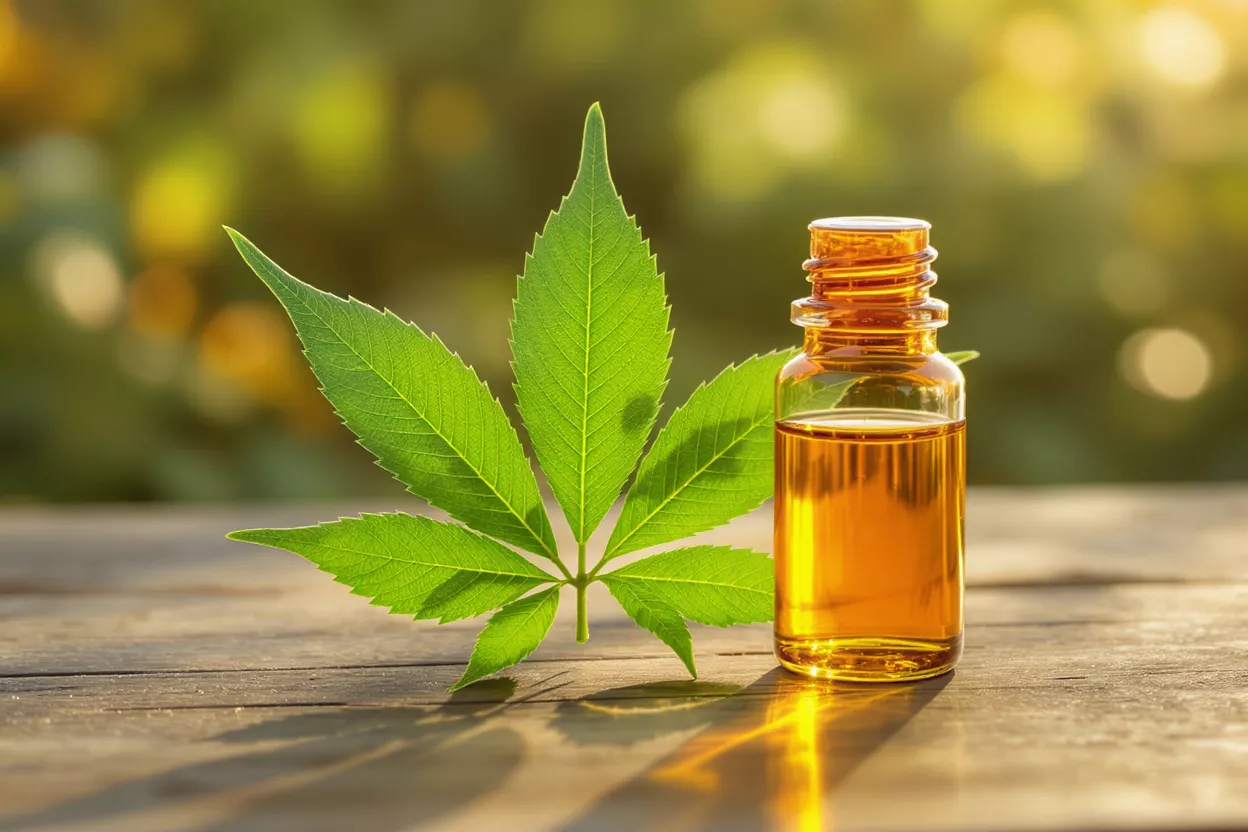
Types of CBD Products Explained
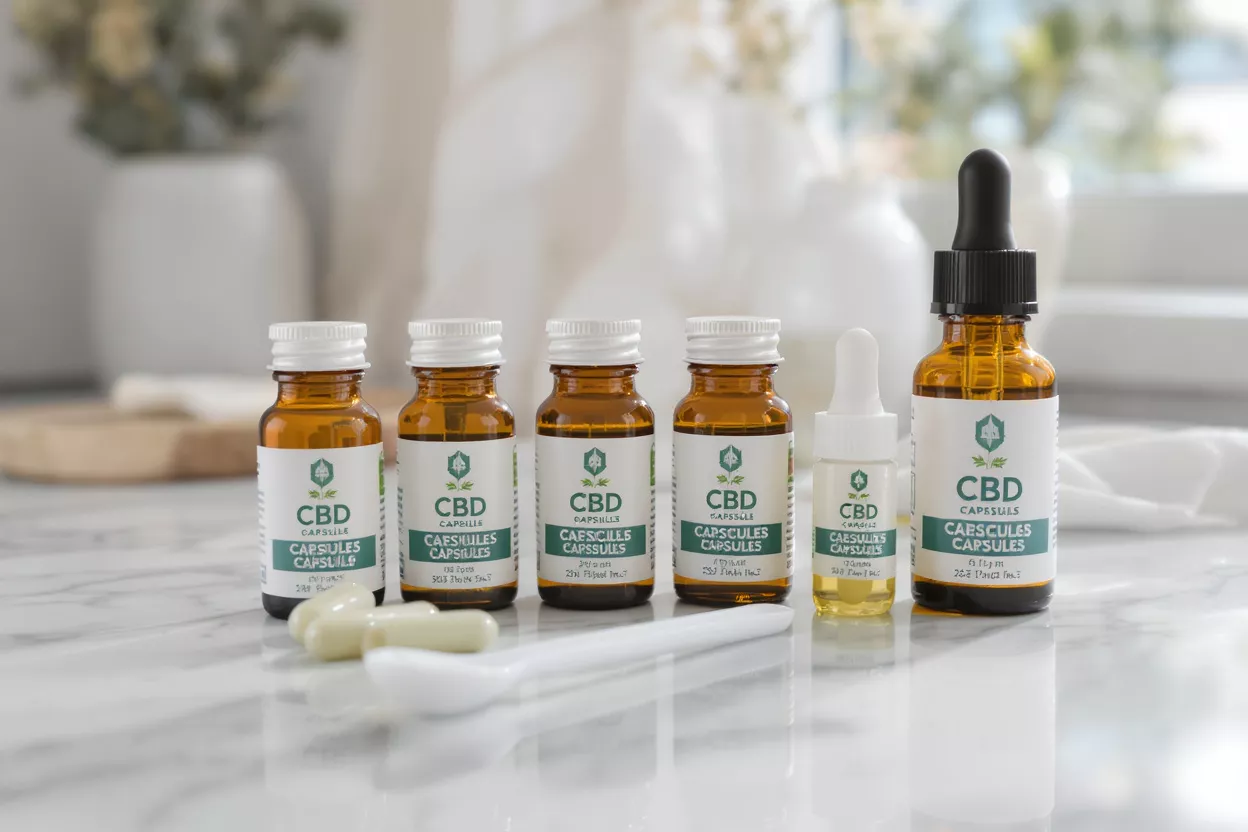
CBD is sold in a remarkably wide range of formats, each suited to different needs and preferences. The right choice depends on how quickly you want effects, how long you want them to last, and how you prefer to consume a supplement. Understanding the main categories makes it far easier to navigate a crowded marketplace.
Beyond the delivery format, CBD products are also classified by their extract type. This distinction matters because it determines whether other beneficial plant compounds are present alongside the cannabidiol, which can influence the overall effect through what researchers call the entourage effect.
- 🌿 Full-spectrum: Contains CBD plus the full range of cannabinoids and terpenes, including trace THC under legal limits.
- 🍃 Broad-spectrum: Retains multiple cannabinoids and terpenes but has THC removed, a middle-ground option.
- 💧 Isolate: Pure CBD with all other compounds stripped away, ideal for those avoiding THC entirely.
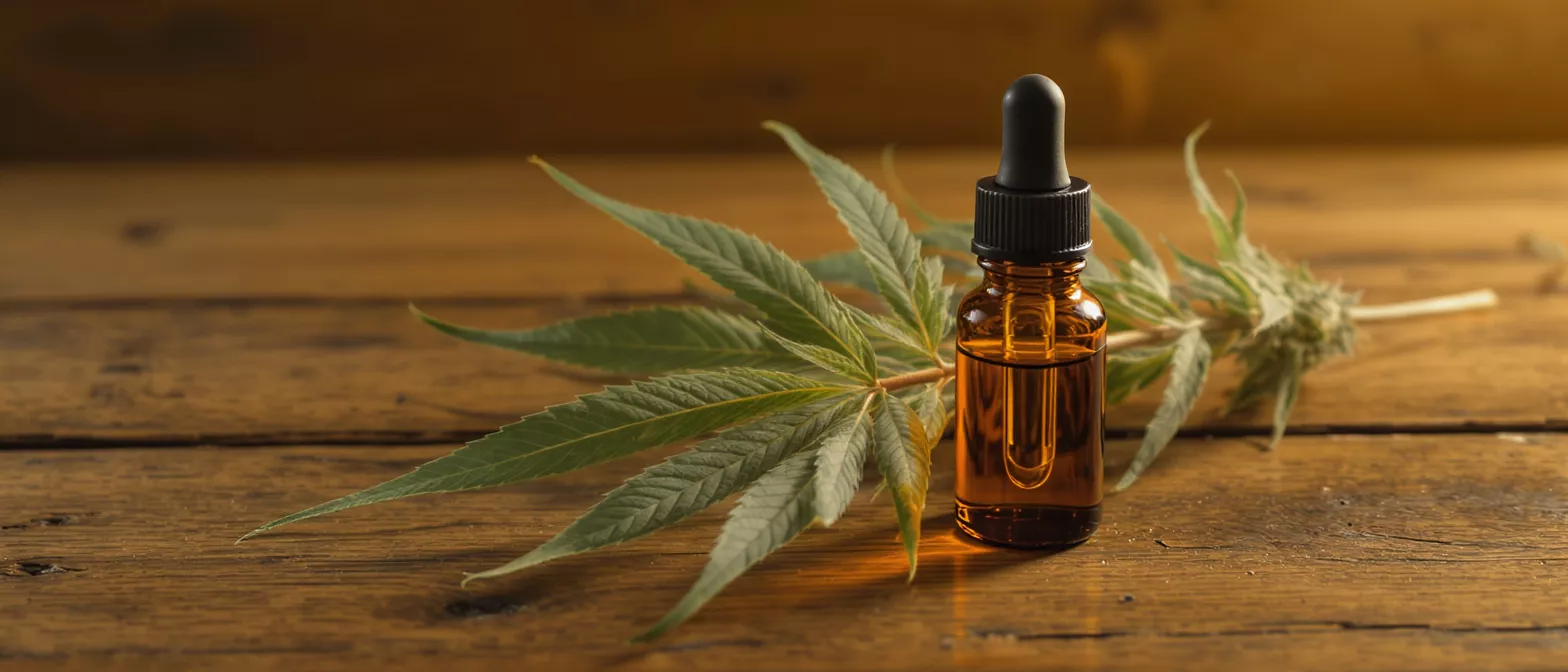
- ⏱️ Oils and tinctures: Taken under the tongue for relatively fast, adjustable dosing.
- 🍬 Edibles and capsules: Slower onset but longer-lasting, convenient and discreet.
Topicals such as creams and balms represent another popular category, applied directly to the skin for localized relief without entering the bloodstream in significant amounts. Vape products offer the fastest onset but raise additional respiratory considerations. Matching the format to your goal is the first step toward a satisfying experience.
CBD Benefits Backed by Research
The most robust evidence for CBD comes from its use in treating epilepsy. Clinical trials demonstrated that purified cannabidiol significantly reduced seizure frequency in patients with Dravet syndrome and Lennox-Gastaut syndrome, two severe and treatment-resistant forms of childhood epilepsy. This research led directly to regulatory approval and remains the gold standard of CBD science.
Beyond seizures, a growing body of research explores CBD's potential for managing chronic pain and inflammation. Studies suggest it may modulate the body's pain-signaling pathways and dampen inflammatory responses, which is why many people with arthritis or persistent musculoskeletal discomfort turn to it. While results are promising, much of this work is still early or based on animal models.
CBD is also being investigated for its neuroprotective properties, sleep regulation, and possible role in supporting cardiovascular and metabolic health. It is important to approach these emerging areas with measured optimism. The compound shows genuine therapeutic promise, but consumers should distinguish between well-established uses and those still under active investigation.

Is CBD Good for Anxiety and Stress
Anxiety relief is among the most common reasons people reach for CBD. Research points to CBD's interaction with serotonin receptors, particularly the 5-HT1A receptor, as a likely mechanism behind its calming effects. This is the same receptor system targeted by many conventional anti-anxiety medications, which gives the cannabinoid a plausible biological basis for its reported benefits.
Several human studies have found that CBD can reduce anxiety in stressful situations, such as public speaking, and may help with social anxiety disorder. Doses used in these trials were often substantially higher than what is typical in over-the-counter products, an important nuance for anyone hoping to replicate clinical results at home.
For everyday stress, many users report a gentle sense of calm and improved ability to cope without sedation or mental fog. Because individual responses vary considerably, finding the right dose and product often involves some patient experimentation. Anyone managing a diagnosed anxiety disorder should view CBD as a potential complement to, not a replacement for, professional care.
CBD Dosing Guide for Beginners
There is no universal CBD dose, which can frustrate newcomers looking for a simple answer. The ideal amount depends on body weight, metabolism, the condition being addressed, and the specific product's concentration. The widely recommended strategy is to "start low and go slow," beginning with a modest dose and gradually increasing it over days or weeks until you notice the desired effect.
A practical starting point for many adults is somewhere between 10 and 25 milligrams per day, taken consistently. Keeping a simple journal of dose, timing, and effects helps you identify your personal sweet spot far more reliably than guesswork. Consistency matters more than people expect, since CBD often works best when it builds steadily in the system.
- 📋 Start low: Begin with 10–25 mg daily and observe how your body responds.
- 📈 Increase gradually: Adjust upward in small increments every few days.
- ⚖️ Factor in body weight: Larger individuals often need higher amounts.
- 🕒 Be consistent: Take it at the same time daily for steadier results.
- 🩺 Consult a professional: Especially important if you take other medications.
Onset time also varies by format. Sublingual oils typically take effect within fifteen to forty-five minutes, while edibles may need one to two hours as they pass through digestion. Understanding these timelines prevents the common mistake of taking a second dose too soon.
CBD vs THC: What Is the Difference
CBD and THC are the two most prominent cannabinoids, and while they share an identical molecular formula, their effects could hardly be more different. The arrangement of their atoms differs just enough to change how each interacts with the body's receptors, producing dramatically different experiences. THC is intoxicating; CBD is not.
THC binds strongly to CB1 receptors in the brain, producing euphoria, altered perception, and the classic cannabis high. CBD, by contrast, does not produce this effect and may even temper some of THC's more intense psychoactive properties when the two are consumed together. This interplay is part of why full-spectrum products are valued by some users.
The legal and practical implications are significant as well. THC remains tightly regulated in many regions and can trigger a positive result on a drug test, whereas CBD derived from hemp enjoys broader legal acceptance. For consumers, the choice often comes down to whether they want intoxicating effects and how their local laws treat each compound.
Is CBD Safe and What Are the Side Effects
CBD is generally considered well tolerated, with a favorable safety profile confirmed by the World Health Organization. It is not associated with the risk of dependence or abuse that accompanies many other substances, and there is no known case of a fatal overdose from cannabidiol alone. This strong safety record is a major reason for its widespread acceptance.
That said, CBD is not entirely free of side effects. Some people experience fatigue, changes in appetite, diarrhea, or dry mouth, particularly at higher doses. These effects are usually mild and resolve on their own, but they are worth knowing about before you begin.
The most important safety consideration is drug interactions. CBD can interfere with the way the liver metabolizes certain medications by affecting the cytochrome P450 enzyme system, the same pathway implicated in the well-known grapefruit warning on many prescriptions. Anyone taking blood thinners, seizure medications, or other prescription drugs should speak with a healthcare provider before adding CBD to their routine.
Is CBD Legal Where You Live
The legal status of CBD varies considerably depending on where you live and the source of the product. In many countries, CBD derived from hemp containing only trace amounts of THC is legal and widely available, while CBD from cannabis with higher THC content falls under stricter regulation. This source distinction is the single most important factor in determining legality.
In the United States, the 2018 Farm Bill federally legalized hemp-derived CBD containing no more than 0.3 percent THC, though individual states retain the power to impose their own rules. In Canada, CBD is legal but regulated under the broader cannabis framework, meaning it is sold through licensed channels rather than ordinary retail shelves.
Because regulations continue to evolve and differ from one jurisdiction to the next, it is wise to verify the current rules in your specific location before purchasing. International travel with CBD products carries particular risk, as a product that is perfectly legal at home may be prohibited at your destination.
How to Choose a Quality CBD Product
Not all CBD products are created equal, and the relatively young market has its share of mislabeled or low-quality options. The most reliable safeguard is third-party lab testing. Reputable brands provide a Certificate of Analysis, or COA, that verifies the cannabinoid content and confirms the product is free from contaminants like pesticides, heavy metals, and residual solvents.
Beyond lab results, consider the source of the hemp and the extraction method used. Hemp grown under careful agricultural standards and extracted using clean methods such as CO2 extraction tends to yield purer, safer products. Transparent brands are happy to share this information; vague or evasive labeling is a warning sign.
Finally, match the product to your personal goals and read the label carefully to understand the actual CBD concentration per serving. A higher price does not always guarantee better quality, but suspiciously cheap products often cut corners. Taking a few minutes to research before buying pays off in both safety and effectiveness, ensuring the cannabidiol you choose genuinely supports your wellness goals.
CBD has earned its place in the wellness conversation through a combination of compelling research, a strong safety profile, and genuine versatility. From its well-documented role in treating epilepsy to its promising applications for anxiety, pain, and sleep, cannabidiol offers real potential for those who approach it thoughtfully. By understanding how it works, choosing quality products, dosing sensibly, and consulting a healthcare professional when needed, you can make informed decisions about whether CBD belongs in your routine.



Comments