

Circ perc
Learn how a circ perc filters smoke through a circular ring of slits for cooler hits.
What Is a Circ Perc?
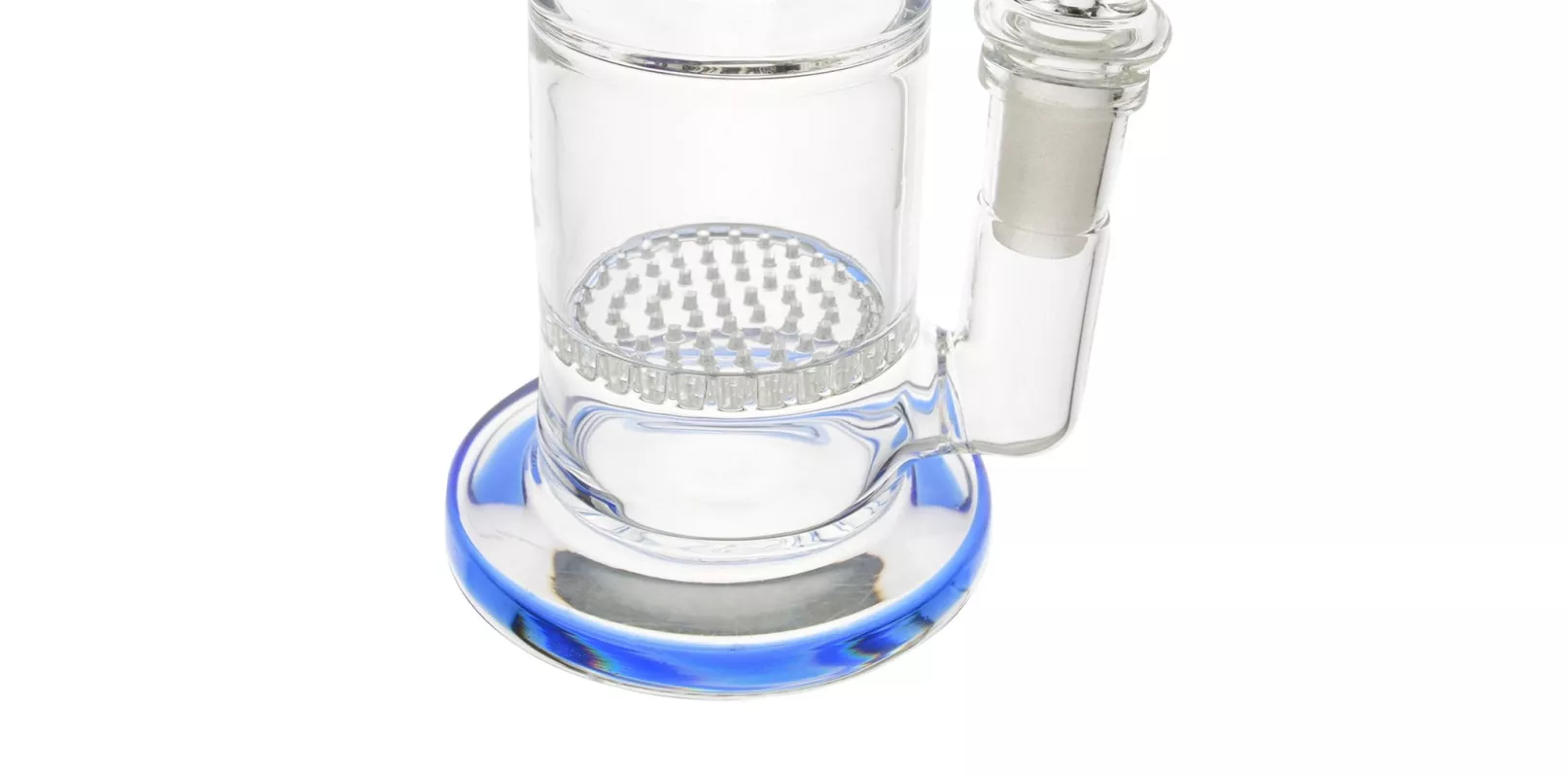
A circ perc, short for circular percolator, is a smoke-filtration component found inside many modern water pipes and dab rigs. It takes the form of a closed, ring-shaped chamber—often a flat disc or a coiled tube bent into a loop—studded with a row of small slits or holes around its circumference. As smoke or vapor passes through it, the circular design forces the stream out through those numerous openings simultaneously, breaking a single column of smoke into dozens of tiny bubbles that travel through the surrounding water.
The "circ" in the name refers purely to the geometry: the percolator is built in a continuous circle rather than the tree-branch arrangement, dome shape, or honeycomb plate you may have seen elsewhere. This round footprint allows the slits to be spread evenly across a generous surface area, which is the entire point of a good percolator. More contact between smoke and water means cooler, more filtered draws.
Circ percs sit somewhere in the sweet spot of percolator design—elegant enough to deliver excellent diffusion, yet simple enough to clean and maintain without the headaches of more elaborate multi-arm systems. That balance is exactly why they have become a staple in everything from entry-level beakers to high-end scientific glass.
How Circ Percs Work to Filter Smoke
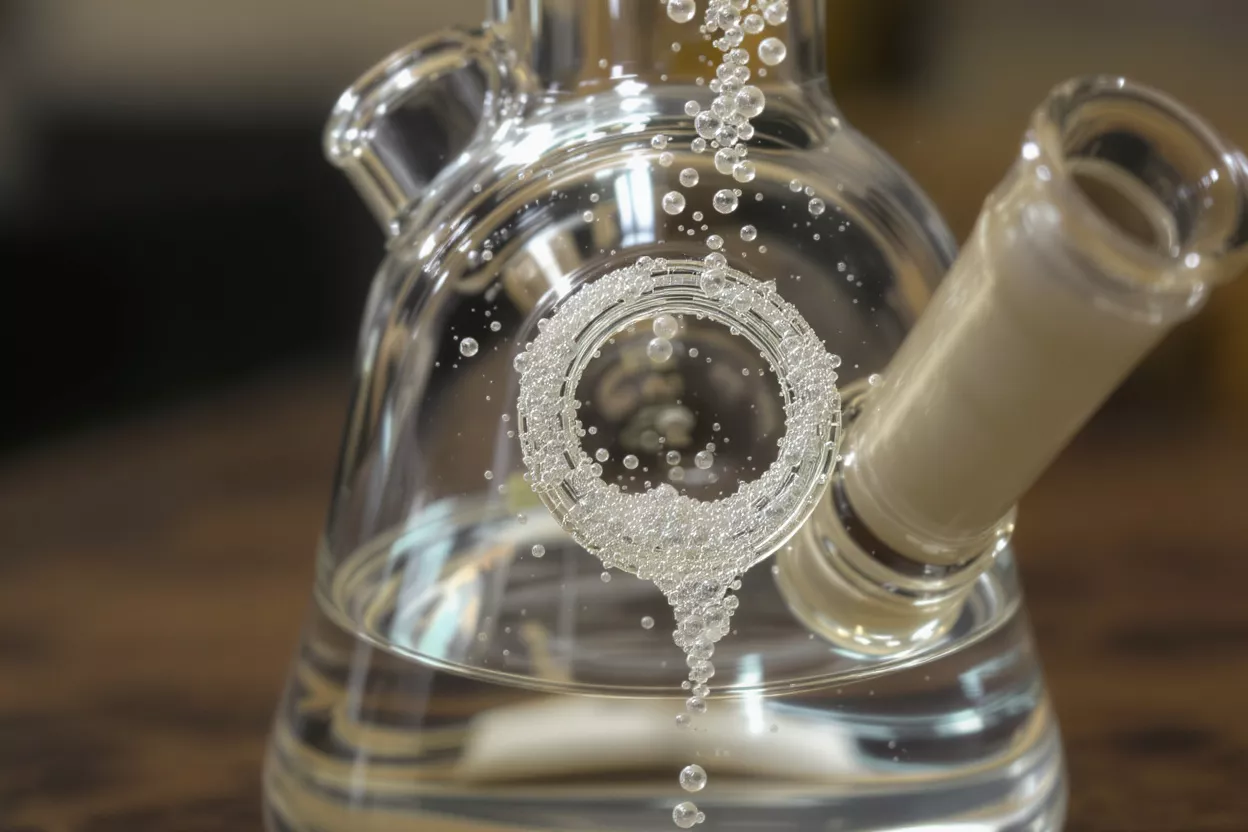
Understanding how a circ perc works starts with the basic principle behind all water filtration in a pipe: diffusion. When smoke is pulled down the downstem and into the percolator chamber, it has nowhere to go but out through the perc's slits. The circular wall of holes splits that smoke into many small streams at once.
Bubble size matters more than bubble count. The smaller the bubbles a percolator produces, the greater the total surface area where smoke meets water. Greater surface area means more heat gets pulled out of the smoke and more particulate matter gets trapped in the liquid. A circ perc with many fine slits excels here precisely because the round layout lets manufacturers pack a high number of evenly spaced openings into a compact ring.
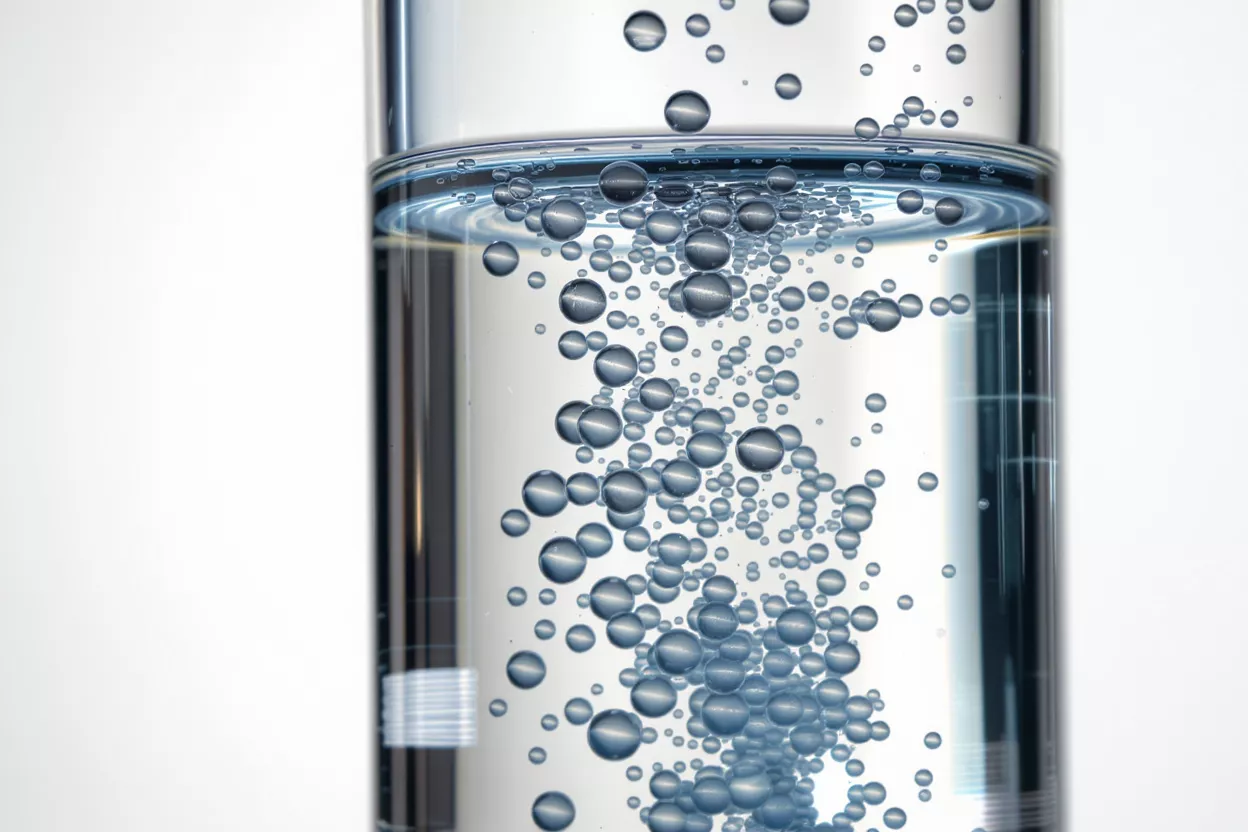
The water itself does the heavy lifting. As the bubbles rise, they cool rapidly and shed some of the harshness that makes unfiltered smoke feel scratchy. By the time the smoke reaches the top of the chamber and continues up the neck of the bong, it is noticeably cooler and softer on the throat and lungs.
Circ Perc vs Other Percolator Types
The percolator world is crowded with designs, and each carries its own trade-offs between filtration power, airflow resistance, and ease of cleaning. A circ perc tends to land in the middle of that spectrum, offering strong diffusion without choking the draw or becoming impossible to maintain.
How a circ perc compares to popular alternatives: the differences usually come down to how the smoke is split and how much drag the design adds. Here is a quick scannable breakdown of the most common percolator styles and where the circ perc fits among them.
- 🔵 Circ perc: A ring of slits produces fine, even bubbles with moderate drag and relatively easy cleaning—a reliable all-rounder.
- 🌳 Tree perc: Multiple vertical arms each with slits offer excellent diffusion but are fragile and notoriously hard to scrub.
- 🍯 Honeycomb perc: A flat disc with many tiny holes gives superb filtration and low drag, but can clog quickly if neglected.
- 🌀 Showerhead perc: A vertical tube with slits at the base, similar in spirit to a circ perc and very durable.
- 💧 Inline perc: A horizontal tube with slits, simple and sturdy but generally less diffusion than a circular design.
No single percolator is objectively best. The circ perc earns its popularity because it delivers most of the smoothness of a complex tree perc while remaining far more practical to live with day to day.
Why Choose a Circ Perc Bong
A circ perc bong is an easy recommendation for anyone who wants a meaningful upgrade in smoke quality without stepping into the most delicate, high-maintenance territory of percolator glass. The circular chamber gives you genuinely smooth hits while keeping the piece durable enough for regular use.
Daily-driver appeal is where these pieces shine. Because the perc is a single contained ring rather than a cluster of thin arms, there is less to break when you bump it against the sink or hand it to a friend. That structural simplicity makes a circ perc bong a sensible choice for a household pipe that sees frequent rotation.
The hit quality is the other half of the equation. A well-made circ perc can rival much more expensive multi-perc setups in terms of cooling, especially when paired with an ice catcher above it. The combination of water diffusion plus a few cubes of ice can transform harsh smoke into something remarkably gentle.
Circ Perc Dab Rigs Explained
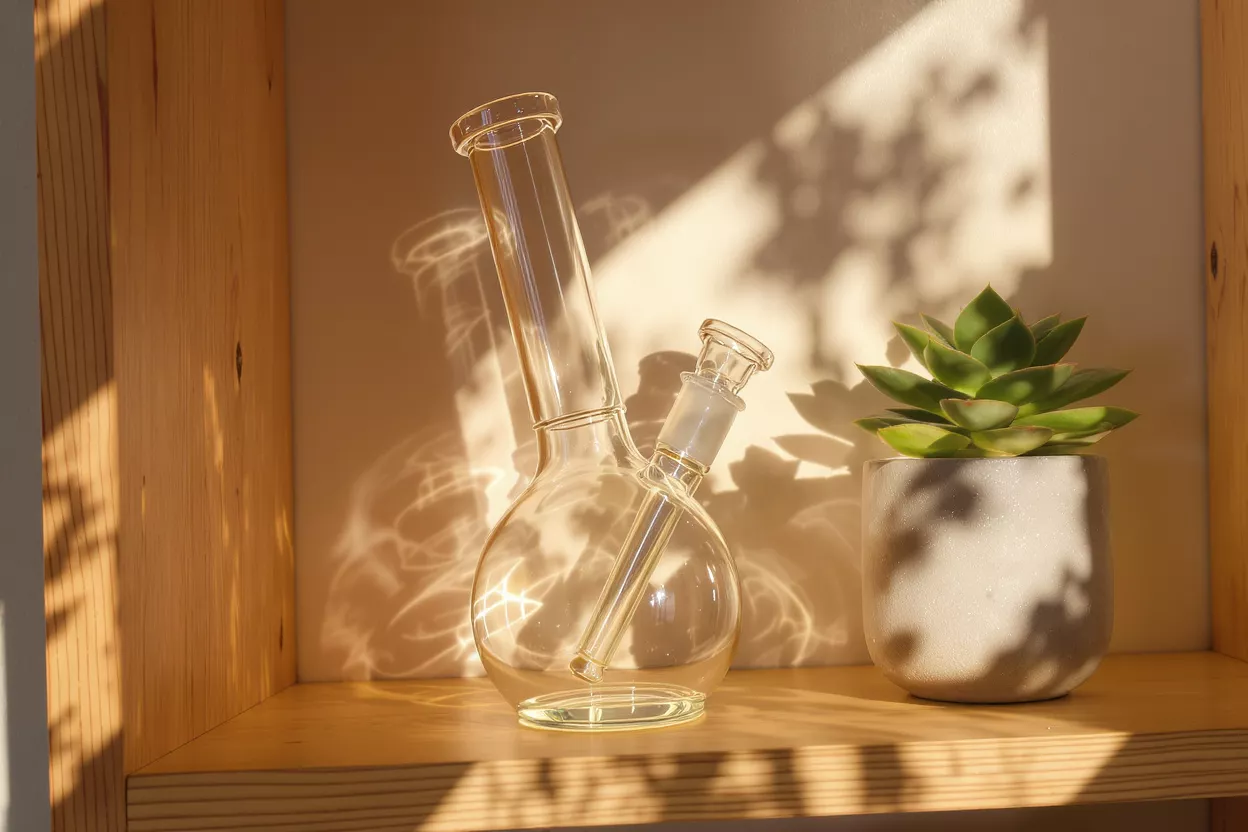
Circ percs are not limited to flower pipes—they appear frequently in dab rig designs where vapor temperature management is just as important as smoke filtration. When dabbing concentrates, the vapor produced is hot and dense, and a circular percolator helps tame it before it reaches your lungs.
The considerations shift slightly with concentrates. Dab vapor is more delicate than combusted smoke, so many users prefer percolators that diffuse gently without scrubbing away too much flavor. A circ perc with moderately sized slits hits a nice balance, cooling the vapor meaningfully while preserving the terpenes that carry the flavor and aroma of your concentrate.
Smaller is often better for rigs. Compact circ perc rigs keep the vapor path short, which means less surface area for vapor to condense and stick to the glass. This translates to bigger, more flavorful clouds and a rig that stays cleaner between sessions compared to oversized pieces with sprawling filtration chambers.
Benefits of a Circ Perc for Smoother Hits
The headline benefit of a circ perc is comfort. By breaking smoke or vapor into a cloud of fine bubbles and pulling it through water, the percolator removes a substantial amount of heat and harshness before each inhale, which makes longer sessions and bigger draws far more manageable.
What a circ perc actually delivers: the advantages are concrete rather than marketing fluff, and each one ties back to the simple physics of increased surface area between smoke and water.
- ❄️ Cooler smoke: Fine bubbles shed heat fast, reducing the throat burn that comes with hot, unfiltered draws.
- 💨 Smoother inhales: Diffusion softens the smoke so it feels less abrasive, encouraging slower, more controlled hits.
- 🧼 Cleaner draws: Water traps ash and some particulates, keeping a measure of grit out of your lungs.
- 🔧 Practical upkeep: A single ring is easier to flush than a tangle of branched arms, so cleaning stays manageable.
- 🛡️ Reasonable durability: The contained design resists breakage better than fragile multi-arm percolators.
Taken together, these benefits explain why the circ perc has remained a go-to choice for years. It is not the flashiest percolator on the market, but it consistently delivers the kind of practical, repeatable smoothness that keeps people reaching for the same piece.
How to Clean a Circ Perc
Keeping a circ perc clean is essential for both performance and flavor. Resin buildup gradually clogs the perc's slits, which restricts airflow, kills diffusion, and eventually turns every hit into a muddy, harsh experience. Fortunately, the circular design is more forgiving than many alternatives.
The reliable cleaning method involves filling the chamber with a cleaning solution and agitating it so the liquid reaches every slit. Isopropyl alcohol combined with coarse salt is the classic approach—the salt acts as a gentle abrasive while the alcohol dissolves resin. Plug the openings, shake, and let the solution circulate through the perc until the slits run clear.
Regular maintenance beats deep cleaning every time. Rinsing the perc with warm water after sessions and changing the bong water frequently prevents resin from hardening into the stubborn brown film that demands aggressive scrubbing. A quick rinse now saves a long soak later, and it keeps the smoke tasting clean.
Single vs Stacked Circ Percs
Not all circ perc setups are equal. Some pieces use a single circular percolator, while others stack two or more circ percs in series so the smoke is filtered multiple times on its way up. Each configuration suits a different kind of user and session.
A single circ perc keeps things simple. With one filtration stage, the draw stays open and easy, cleaning is quick, and the piece remains lightweight. This is ideal for users who value an effortless pull and do not want to fight excessive drag for the sake of marginal extra smoothness.
Stacked circ percs maximize cooling at the cost of airflow and maintenance. Running smoke through two or three circular chambers produces an exceptionally cool, silky hit, but each additional stage adds resistance to the draw and another surface that needs cleaning. Heavy users who prioritize the smoothest possible hit often find the trade worthwhile, while casual users may prefer the lighter feel of a single perc.
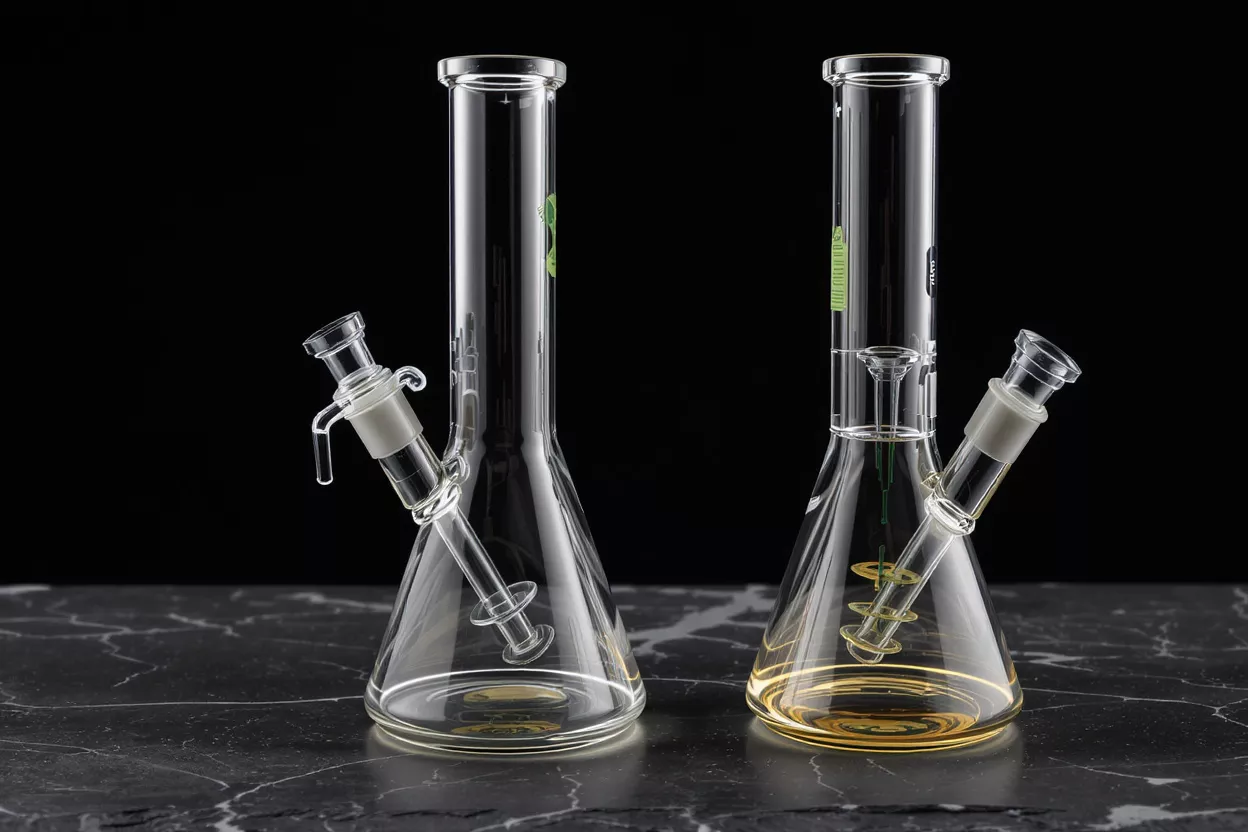
Choosing the Best Circ Perc for Your Setup
Picking the right circ perc comes down to matching the percolator to how you actually smoke. The best circ perc for a flavor-focused dabber is not the same as the best one for someone who wants maximum cooling on huge flower rips, so it pays to think about your priorities before you buy.
Match slit size to your goal: larger slits create bigger bubbles with less drag and better flavor retention, while smaller slits create finer bubbles for maximum filtration at the cost of a tighter draw. There is no universally correct answer—only the one that fits your preferences.
Consider the whole piece, not just the perc. A circ perc paired with thick borosilicate glass, a comfortable mouthpiece, and a quality joint connection will outperform a fancier percolator housed in flimsy glass. Build quality and ergonomics matter as much as the filtration design when you are choosing a piece you will use every day.

Are Circ Percs Worth It?
For the vast majority of smokers and dabbers, a circ perc is absolutely worth it. It delivers a tangible improvement in smoothness over a plain water pipe, sits at a reasonable price point, and avoids the maintenance nightmares that come with the most intricate percolator designs. That combination of performance and practicality is hard to beat.
The honest caveat is that no percolator is magic. A circ perc cools and filters smoke beautifully, but it cannot make harsh material pleasant on its own, and any perc requires regular cleaning to keep performing. Going in with realistic expectations—and a willingness to rinse the piece often—ensures you get the full benefit of the design.
If you are shopping for a new water pipe or rig and weighing the percolator options, the circ perc is one of the safest, most rewarding choices available. It blends fine-bubble diffusion, structural durability, and manageable upkeep into a single elegant ring of glass—a percolator that earns its spot in your collection and keeps every session cool, clean, and comfortable.


Comments