

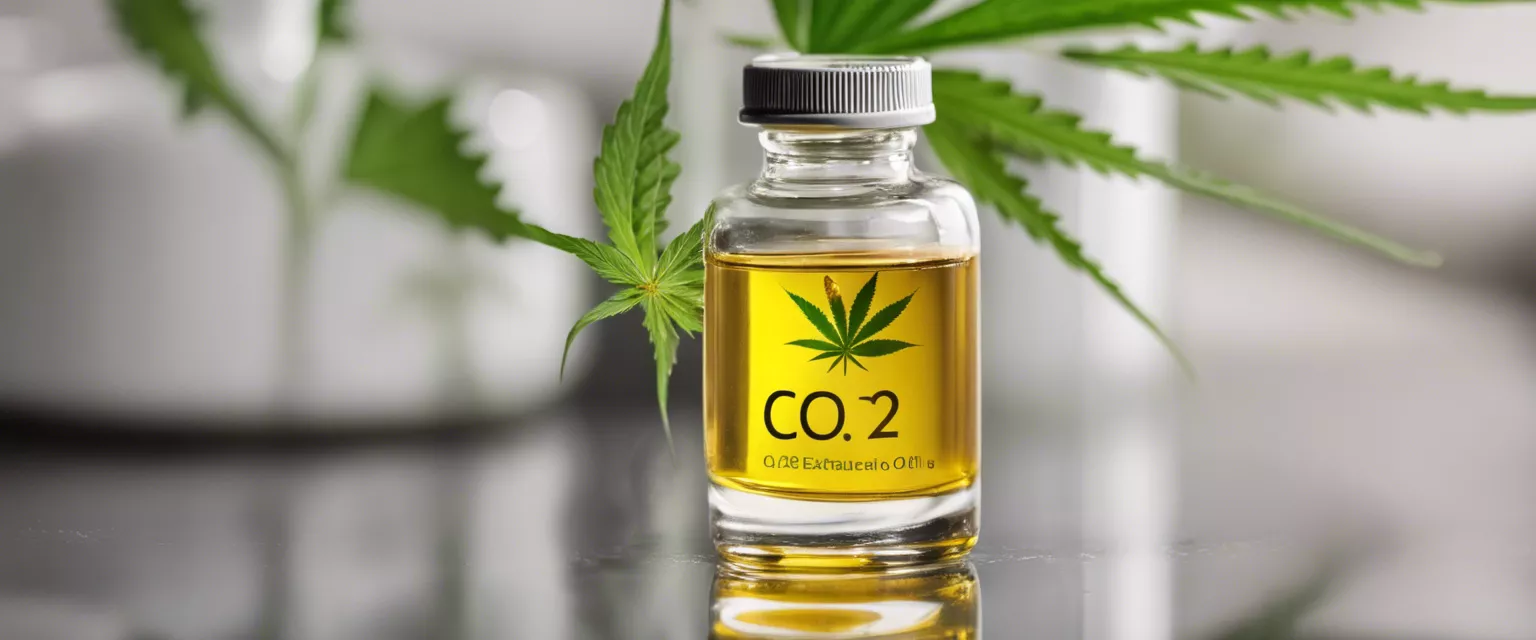
CO2 extraction
Learn how CO2 extraction produces pure, potent cannabis concentrates and vapes.
What Is CO2 Extraction in Cannabis?
CO2 extraction is a refining process that uses pressurized carbon dioxide to pull cannabinoids, terpenes, and other desirable compounds out of raw cannabis or hemp material. Rather than relying on harsh chemical solvents, this method harnesses the unique behavior of carbon dioxide under specific temperature and pressure conditions to act as a tunable, selective solvent. The result is a clean, potent extract that forms the backbone of countless modern concentrates and infused products.
What makes this approach so compelling is its precision. By adjusting the pressure and temperature applied to the CO2, technicians can target particular molecules while leaving unwanted compounds like chlorophyll and waxes behind. This level of control is difficult to achieve with traditional extraction techniques, which is why CO2 extraction has become a gold standard among premium producers who prioritize purity and consistency.
The phrase carbon dioxide may evoke images of a greenhouse gas, but in this context it serves a remarkably elegant purpose. When carbon dioxide is pushed into a special state where it behaves as both a liquid and a gas, it gains the ability to flow through plant material and dissolve target compounds. Once the process is complete, the CO2 simply evaporates away, leaving no toxic residue in the finished extract.
How Does CO2 Extraction Work?
The core of CO2 extraction relies on manipulating carbon dioxide into what scientists call a supercritical state. Under everyday conditions, CO2 exists as a gas. But when subjected to high pressure and carefully managed temperature, it transitions into a fluid that carries the density of a liquid while retaining the diffusivity of a gas. This hybrid state is what allows it to penetrate cannabis trichomes and dissolve cannabinoids efficiently.
The pressure and temperature relationship is the heart of the entire operation. Carbon dioxide reaches its critical point at roughly 31°C and 74 bar of pressure. Above these thresholds, the substance becomes supercritical and ready to work as an extraction medium. Operators fine-tune these variables throughout a run to selectively capture lighter aromatic terpenes early and heavier cannabinoids later, essentially fractionating the plant's chemistry.
Once the CO2 has passed through the plant material and absorbed the target compounds, the mixture moves into a separator. Here the pressure is reduced, causing the carbon dioxide to revert to a gas and release the extracted oils. The CO2 can then be recaptured, recompressed, and cycled back into the system, making the process both efficient and remarkably sustainable compared to single-use solvents.
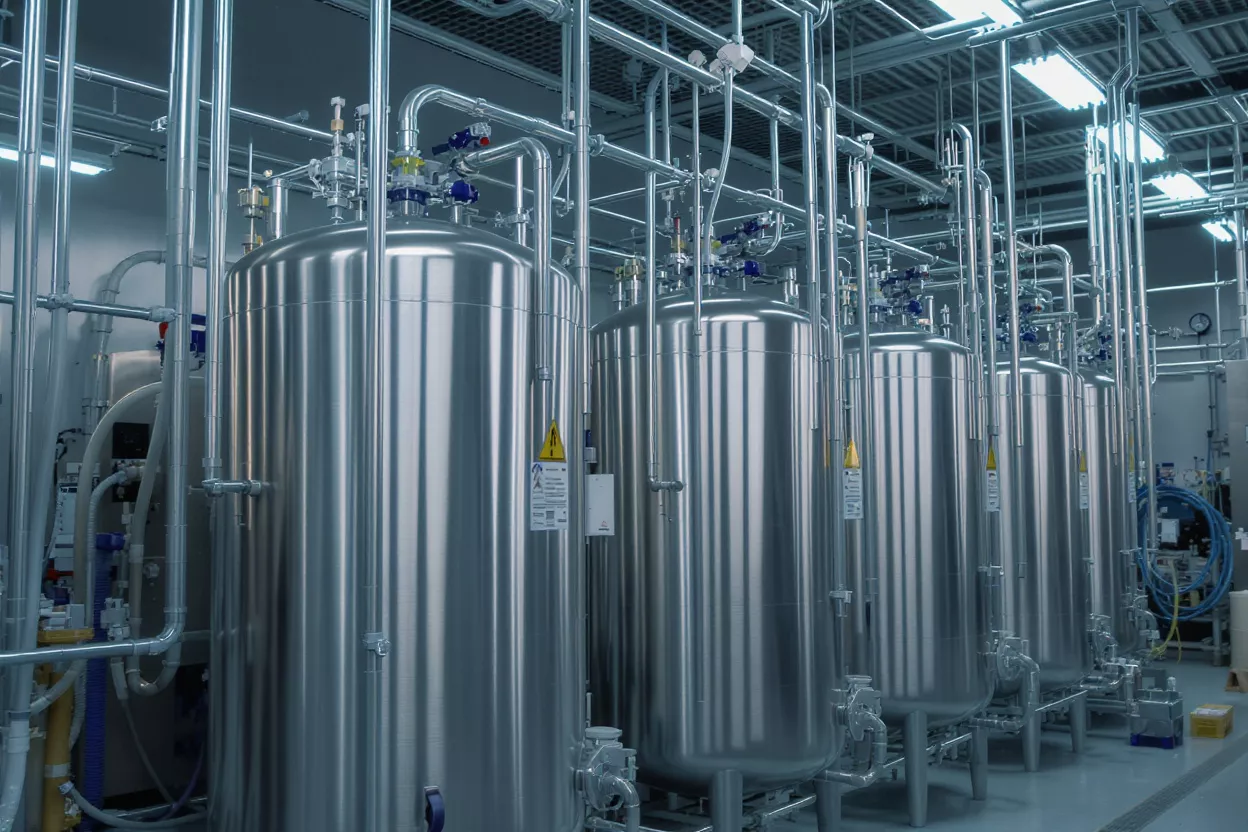
Supercritical vs Subcritical CO2 Extraction
Not all CO2 extraction is identical, and the distinction between supercritical and subcritical methods has a meaningful impact on the final product. Supercritical extraction uses higher pressures and temperatures, allowing the CO2 to dissolve a broad spectrum of compounds quickly and with high yield. This makes it ideal for large-scale operations that need efficiency and full extraction of cannabinoids.
Subcritical extraction takes a gentler path. By keeping pressures and temperatures lower, this approach preserves delicate, volatile terpenes that might otherwise be degraded by the intense conditions of supercritical runs. The trade-off is a slower process and lower overall yield, but the reward is an extract bursting with the nuanced aromatic profile of the original plant.
Many sophisticated operations combine both techniques in a single workflow. They begin with a subcritical pass to capture fragile terpenes, then escalate to supercritical conditions to extract the remaining cannabinoids and heavier compounds. The two fractions can later be recombined to create a full-spectrum extract that faithfully represents the original strain's character.
- 🌡️ Supercritical: High pressure and heat for fast, complete extraction and higher yields.
- ❄️ Subcritical: Lower pressure and cooler temperatures that protect fragile terpenes.
- 🔄 Combined runs: A two-stage approach that captures the best of both worlds.
The Equipment Behind CO2 Extraction
The machinery that powers CO2 extraction is sophisticated, and it explains why this method carries a higher upfront cost than simpler techniques. A typical closed-loop system includes a CO2 supply tank, a pump or compressor to generate pressure, an extraction vessel where the plant material sits, and one or more separators that isolate the finished extract from the recycled gas.
The role of the extraction vessel cannot be overstated. This pressurized chamber holds the ground cannabis material while supercritical CO2 flows through it. Engineers design these vessels from heavy-duty stainless steel to withstand the immense pressures involved, often exceeding several hundred bar. The build quality directly influences both safety and the consistency of each batch.
Beyond the core hardware, modern systems integrate automated controls and sensors that monitor pressure, temperature, and flow rate in real time. This automation allows technicians to replicate successful runs precisely and to dial in specific recipes for different products. The investment in quality equipment pays dividends in the form of reliable, contaminant-free extracts that meet stringent laboratory testing standards.
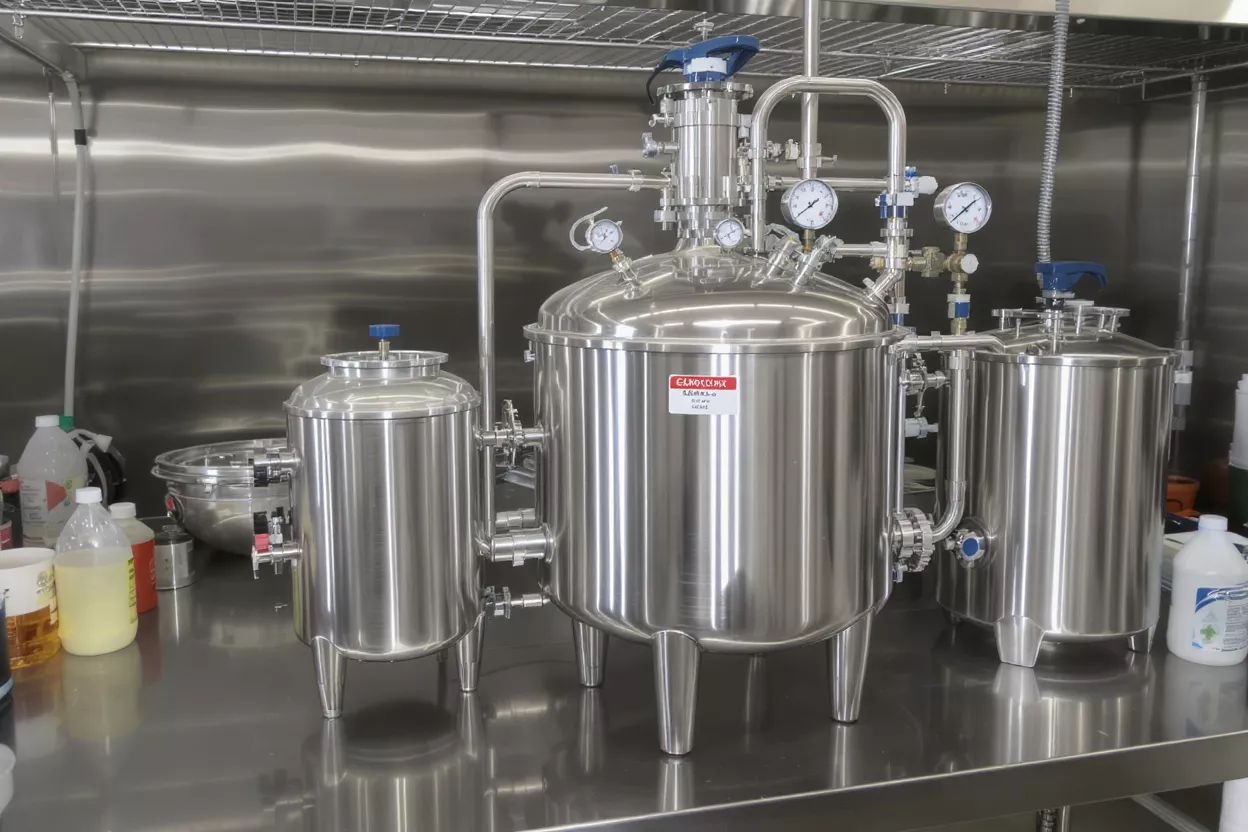
CO2 Extraction Benefits Over Other Methods
The advantages of CO2 extraction explain why so many premium brands have embraced it. Foremost among these benefits is purity. Because carbon dioxide is non-toxic and leaves behind no residual solvent, the resulting extract is exceptionally clean. This is a stark contrast to some hydrocarbon methods that require extensive purging to remove lingering chemical traces.
Environmental sustainability is another compelling advantage. The carbon dioxide used in extraction is often recaptured and reused across multiple cycles, dramatically reducing waste. Many systems even source their CO2 from existing industrial processes, giving a second life to a gas that would otherwise be released into the atmosphere. For environmentally conscious consumers and producers, this closed-loop efficiency is a significant draw.
Consistency rounds out the trio of major benefits. The precise control over pressure and temperature means that a well-designed CO2 process produces nearly identical results batch after batch. This reliability is essential for brands that need their products to taste, smell, and perform the same way every time a customer reaches for them.
- ✨ Purity: No toxic solvent residue remains in the finished extract.
- ♻️ Sustainability: CO2 is recaptured and reused across extraction cycles.
- 🎯 Consistency: Precise controls deliver reproducible results every run.
- 🌿 Selectivity: Tunable conditions target specific cannabinoids and terpenes.
Preserving Terpenes and Cannabinoids
One of the most prized aspects of CO2 extraction is its ability to preserve the delicate aromatic compounds that define a cannabis strain's character. Terpenes are responsible for the distinctive scents and flavors of cannabis, and they also contribute to the broader effects through what researchers describe as the entourage effect. Maintaining these compounds is essential for crafting an extract that reflects the full personality of the source plant.
The entourage effect refers to the synergistic interplay between cannabinoids like THC and CBD alongside terpenes and minor compounds. When these molecules work together, many users report a more rounded and effective experience than isolated compounds provide. CO2 extraction's gentle, tunable nature makes it well suited to capturing this complete chemical ensemble rather than stripping it down to a single component.
Temperature management is the secret to terpene preservation. Because many terpenes are volatile and evaporate at relatively low temperatures, the subcritical phase of extraction is invaluable for capturing them intact. Skilled operators will often perform a dedicated low-temperature terpene extraction first, set those aromatics aside, and reintroduce them into the final product to restore the strain's authentic bouquet.

Products Made With CO2 Extraction
CO2 extraction serves as the foundation for an impressive range of cannabis products that consumers encounter every day. Vape cartridges are among the most popular, as the clean, solvent-free oil produced by this method is ideal for inhalation. The absence of residual chemicals means a smoother experience and peace of mind for health-conscious users.
Tinctures and oils represent another major category built on CO2 extracts. The versatile oil can be diluted into carrier liquids to create precise, easy-to-dose products that customers take sublingually or add to food and drink. Because the extract is so clean and consistent, it lends itself perfectly to the careful dosing that wellness-oriented consumers demand.
Edibles, topicals, and capsules also frequently begin with CO2-extracted oil. The neutral, contaminant-free nature of the extract makes it an excellent building block for infused products where flavor and purity matter. Whether the goal is a gummy, a soothing balm, or a measured capsule, the CO2 process provides a reliable starting material that downstream manufacturers can trust.
Is CO2 Extraction Safe and Clean?
Safety is one of the strongest selling points of CO2 extraction, both for the people operating the equipment and for the consumers who use the final products. Carbon dioxide is naturally occurring, non-flammable, and food-grade, which stands in sharp contrast to volatile hydrocarbon solvents that pose fire and explosion risks. This inherent safety reduces hazards in the production facility considerably.
For the end consumer, the cleanliness of CO2 extracts translates into real health benefits. Because the carbon dioxide evaporates completely and leaves no toxic residue, there is no risk of ingesting leftover solvents. This is especially important for medical patients and anyone using cannabis products to support their wellness, where purity is non-negotiable.
Regulatory bodies and laboratory testing reinforce this safety profile. CO2-extracted products routinely pass rigorous screening for residual solvents because there are simply none to detect. While no extraction method is entirely without considerations, the combination of a benign solvent and stringent quality control makes CO2 extraction one of the cleanest and most trustworthy approaches available today.
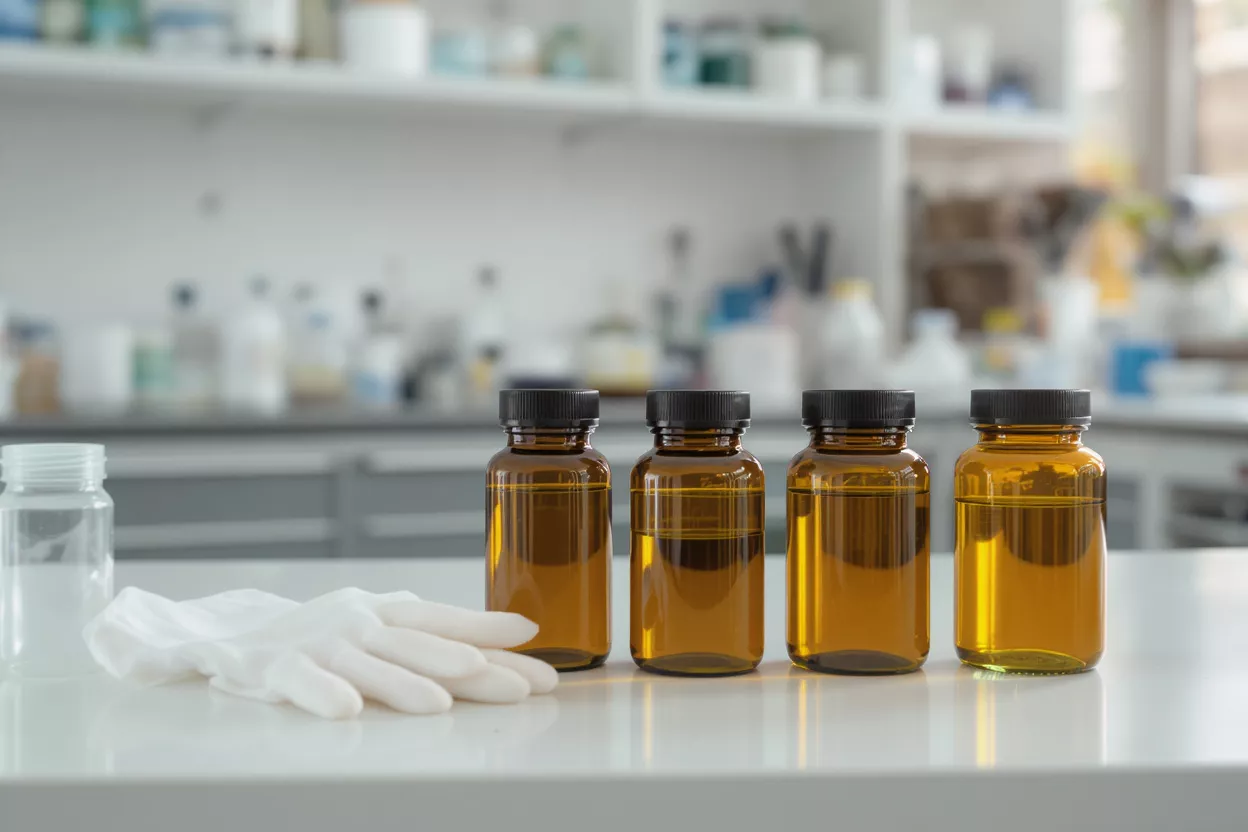
CO2 Extraction vs Solvent Extraction
Comparing CO2 extraction to traditional solvent-based methods reveals why each approach has its place in the industry. Hydrocarbon extraction, using butane or propane, is prized for its ability to capture a rich terpene profile and produce textures like shatter and wax. However, it requires extensive purging to remove residual solvents and carries notable safety risks during production.
Ethanol extraction offers another point of comparison. It is efficient and scalable, making it popular for high-volume operations, but it tends to pull along unwanted compounds like chlorophyll that require additional filtration. CO2 extraction sidesteps many of these issues by offering tunable selectivity and a clean finish without aggressive post-processing to remove solvent traces.
The choice between methods ultimately comes down to the desired product and the producer's priorities. CO2 extraction shines when purity, sustainability, and consistency are paramount, while other solvents may be chosen for specific textures or budget considerations. For brands building a reputation on clean, reliable products, the CO2 approach remains a defining standard.
The Future of CO2 Extraction in Cannabis
As the cannabis industry matures, CO2 extraction continues to evolve alongside it. Equipment manufacturers are constantly refining their systems to improve yield, reduce energy consumption, and shorten processing times. These advances are gradually lowering the barrier to entry, allowing more producers to adopt this clean technology without the prohibitive costs of earlier generations of machinery.
Innovation in fractionation is opening exciting new possibilities. Researchers are developing techniques to isolate increasingly specific compounds, including rare minor cannabinoids that were previously difficult to capture. This precision allows brands to craft highly targeted products tailored to particular effects and consumer preferences, pushing the entire market toward greater sophistication.
CO2 extraction stands as a cornerstone of modern cannabis production, balancing purity, safety, sustainability, and precision in a way few other methods can match. From clean vape oils to carefully dosed tinctures, the products it enables reflect the best of what thoughtful science can offer. As technology advances and demand for clean, consistent extracts grows, this method is poised to remain at the heart of the industry for years to come, helping shape a future built on quality and trust.




Comments