

CO2 oil
Discover how CO2 oil is made, why it's the cleanest cannabis concentrate, and how to use it.
CO2 oil has become one of the most respected concentrates in the modern cannabis market, prized for its purity, clean flavor, and the absence of harsh chemical residues. As consumers grow more conscious about what enters their bodies, CO2 oil sits at the intersection of cutting-edge science and clean-label appeal. This guide breaks down exactly how it is made, why processors favor carbon dioxide as a solvent, and how to tell premium extract from mediocre product.
Whether you are filling a vape cartridge, dosing a tincture, or simply trying to understand the language on a dispensary label, knowing how CO2 oil behaves will sharpen your buying decisions. We will cover extraction chemistry, concentrate types, safety considerations, and practical usage so you can approach this category with confidence.
What Is CO2 Oil and How Is It Made?
The basic definition: CO2 oil is a cannabis concentrate produced by pushing pressurized carbon dioxide through ground cannabis to strip out cannabinoids, terpenes, and other desirable compounds. The carbon dioxide acts as a tunable solvent, dissolving the plant's active chemistry without leaving behind the petroleum-derived residues associated with older methods.
What makes carbon dioxide special is its behavior under pressure. When compressed and heated past a certain threshold, CO2 enters a supercritical state where it exhibits properties of both a liquid and a gas. In this form it flows through plant material like a gas while dissolving compounds like a liquid, giving processors remarkable control over what gets extracted and what gets left behind.
Once the extraction is complete, the pressure is released and the carbon dioxide simply evaporates back into a gas, leaving a clean, concentrated cannabis oil behind. Because the solvent literally vanishes into the air, there is no residual chemical to purge or worry about, which is a major reason CO2 oil enjoys such a clean reputation.
How CO2 Extraction Works Step by Step
Understanding the mechanics demystifies why CO2 oil commands a premium. The process relies on a closed-loop machine that recycles the carbon dioxide rather than venting it, making the method both efficient and relatively environmentally friendly compared with single-use solvent runs.
The extraction sequence: the cannabis material is loaded into a sealed vessel, carbon dioxide is pressurized and routed through the plant matter, and the resulting CO2-cannabinoid mixture flows into a separator. As pressure drops in the separator, the carbon dioxide releases the dissolved compounds and reverts to gas, allowing the oil to collect at the bottom.
- 🌿 Preparation: Cannabis is decarboxylated or left raw, then ground to a consistent texture for even solvent penetration.
- 🔧 Pressurization: CO2 is compressed and heated to reach the desired supercritical or subcritical state.
- 💧 Extraction: The fluid passes through the plant, dissolving cannabinoids and terpenes.
- ♻️ Separation: Pressure drops, CO2 evaporates, and concentrated oil is collected.
- 🧪 Refinement: Winterization and distillation may follow to polish the final product.
After the raw extract is collected, many producers refine it further. Winterization removes fats and waxes by chilling the oil in alcohol, while distillation can isolate specific cannabinoids. These optional steps let a single extraction run yield everything from full-spectrum oil to highly refined distillate.
Supercritical vs Subcritical CO2 Oil
Supercritical extraction uses higher pressure and temperature, pushing the carbon dioxide into that hybrid liquid-gas state. This aggressive setting pulls a fuller range of compounds, including heavier molecules and plant waxes, making it efficient for large yields and full-spectrum products.
Subcritical extraction operates at lower pressure and cooler temperatures, treating CO2 more like a liquid. The gentler conditions are kinder to delicate terpenes, which can degrade under intense heat. The trade-off is slower processing and smaller yields, but the flavor and aroma payoff is significant.
Many sophisticated operations run both modes in sequence, performing a subcritical pass to capture fragile terpenes first, then a supercritical pass to harvest the remaining cannabinoids. The two fractions can be recombined to rebuild a product that tastes like the original flower while retaining robust potency.
Types of CO2 Oil Concentrates
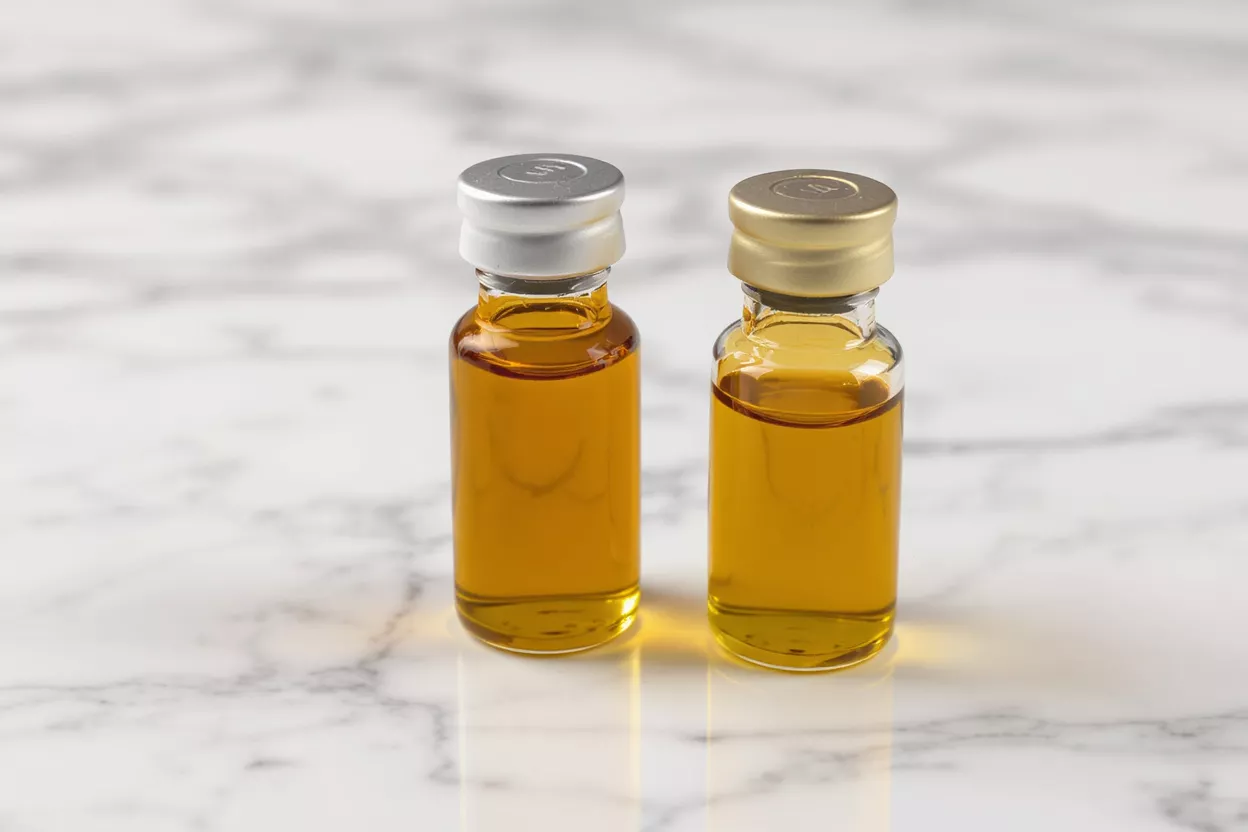
CO2 oil is not a single product but a family of concentrates with different textures and uses. The starting extract can be manipulated through temperature, agitation, and post-processing to create distinct forms that suit different consumption styles.
Texture and consistency depend heavily on terpene content and how the oil is handled after extraction. Higher terpene retention tends to produce runnier, more fragrant oils, while refined products lean toward thicker, more stable forms.
- 🛢️ Vape oil: A flowable, terpene-rich oil engineered for cartridge viscosity and smooth vaporization.
- 💎 Distillate: Highly refined and nearly odorless, often exceeding 90% cannabinoid content.
- 🍯 Full-spectrum oil: Retains the broad chemical profile of the plant, including minor cannabinoids.
- 🧴 Tincture base: CO2 oil blended into carrier oils for sublingual dosing.
Because carbon dioxide is so tunable, a single processor can dial in extraction parameters to target a specific outcome. This versatility is why CO2 oil underpins so many finished goods, from discreet cartridges to clean-tasting edibles and tinctures.
CO2 Oil Benefits Over Other Extraction Methods
Purity is the headline benefit. Because carbon dioxide evaporates completely and is non-toxic, there is no risk of leftover butane, propane, or ethanol lingering in the finished extract. For consumers who prioritize clean inhalation, this absence of residual hydrocarbons is a genuine advantage rather than a marketing slogan.
Selectivity is the second benefit. By adjusting pressure and temperature, processors can target specific compounds and leave undesirable ones behind. This precision means a producer can craft a terpene-forward oil for flavor enthusiasts or a high-potency distillate for those chasing maximum cannabinoid content, all from the same equipment.
There is also a sustainability angle. Closed-loop CO2 systems recapture and reuse the carbon dioxide across runs, and the gas itself is often sourced as a byproduct of other industrial processes. Combined with the non-flammable nature of the solvent, this makes CO2 extraction safer for facility workers than volatile hydrocarbon methods.
Is CO2 Oil Safe to Consume?
For most consumers, properly produced CO2 oil ranks among the cleaner concentrate options available. The solvent leaves no toxic residue, and reputable producers send their products to third-party labs to verify cannabinoid content and screen for contaminants like pesticides, heavy metals, and microbial growth.
What to verify before consuming: always look for a certificate of analysis from an accredited lab. This document confirms the THC and CBD levels and proves the oil is free of harmful residues. Without lab results, you are trusting a label at face value.
One nuance worth noting: some vape cartridges add cutting agents or thinning compounds to adjust viscosity. The cleanest CO2 vape oils rely on native or reintroduced terpenes for flow rather than synthetic additives, so reading the ingredient list matters as much as trusting the extraction method itself.
CO2 Oil vs BHO and Solvent Extracts
The core difference is the solvent. BHO, or butane hash oil, uses hydrocarbon solvents to produce textures like shatter, wax, and budder. These products can be exceptionally flavorful and potent, but they require rigorous purging to remove residual butane, and the extraction itself carries fire risk.
CO2 oil trades some of the high-terpene punch of fresh hydrocarbon extracts for an unmatched safety and purity profile. While a connoisseur might argue that a well-made live resin captures terpenes more vividly, CO2 oil delivers consistency and a clean conscience that mass-market products demand.
Neither method is universally superior; they serve different priorities. The choice often comes down to whether a producer values maximum terpene expression, processing scalability, or solvent-free peace of mind for safety-conscious customers.
How to Use CO2 Oil and Vape Cartridges
The most common way people encounter CO2 oil is inside a pre-filled vape cartridge. The oil's tunable viscosity makes it ideal for cartridge hardware, delivering measured, discreet doses without the equipment a dab rig requires.
Beyond vaping, CO2 oil is remarkably versatile. It can be incorporated into capsules, blended into edibles, formulated into topicals, or diluted into a sublingual tincture. This adaptability is one reason it dominates the finished-product supply chain.
Dosing should always start low and build slowly, especially with refined distillate that can carry very high cannabinoid percentages. A single inhalation from a potent cartridge can deliver a substantial dose, so newcomers benefit from waiting several minutes between draws to gauge their response before continuing.
CO2 Oil Potency and Terpene Preservation
Potency in CO2 oil ranges widely depending on the target product. Full-spectrum oils may sit in the 60 to 80% cannabinoid range, while distillates pushed through additional refinement can exceed 90% pure cannabinoid content.
The terpene question is where extraction craft truly shows. Heat-sensitive terpenes can be lost during aggressive supercritical runs, which is why skilled processors either work subcritically or capture terpenes separately and reintroduce them later. The result is an oil that smells and tastes like the strain it came from rather than a flat, neutral concentrate.
This terpene preservation matters beyond flavor. The entourage effect describes how cannabinoids and terpenes may work together to shape the overall experience, so a full-spectrum CO2 oil that retains its aromatic compounds can feel more nuanced than a stripped-down distillate of equal potency.
How to Identify Quality CO2 Oil
Recognizing premium CO2 oil comes down to a handful of reliable signals. The best products are transparent about their sourcing, extraction parameters, and lab verification, and they let the natural chemistry of the plant speak rather than masking it with additives.
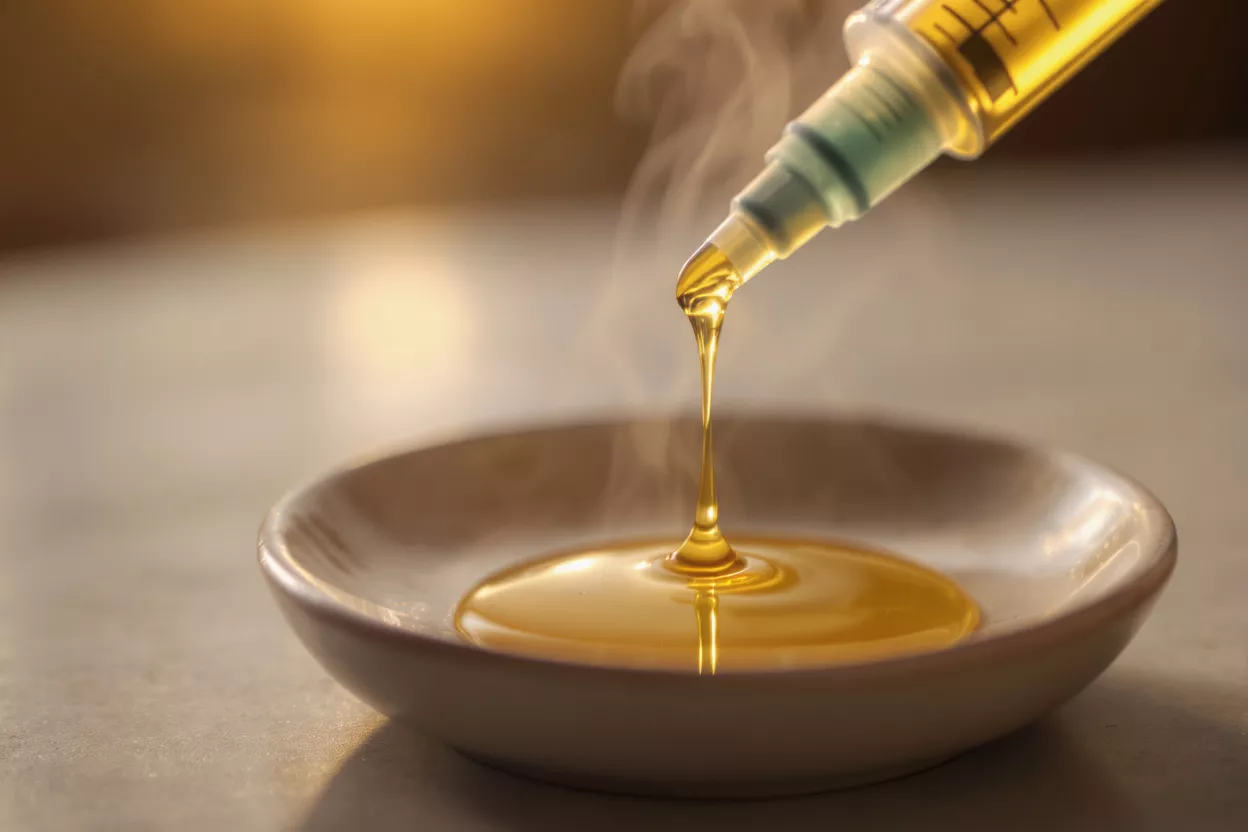
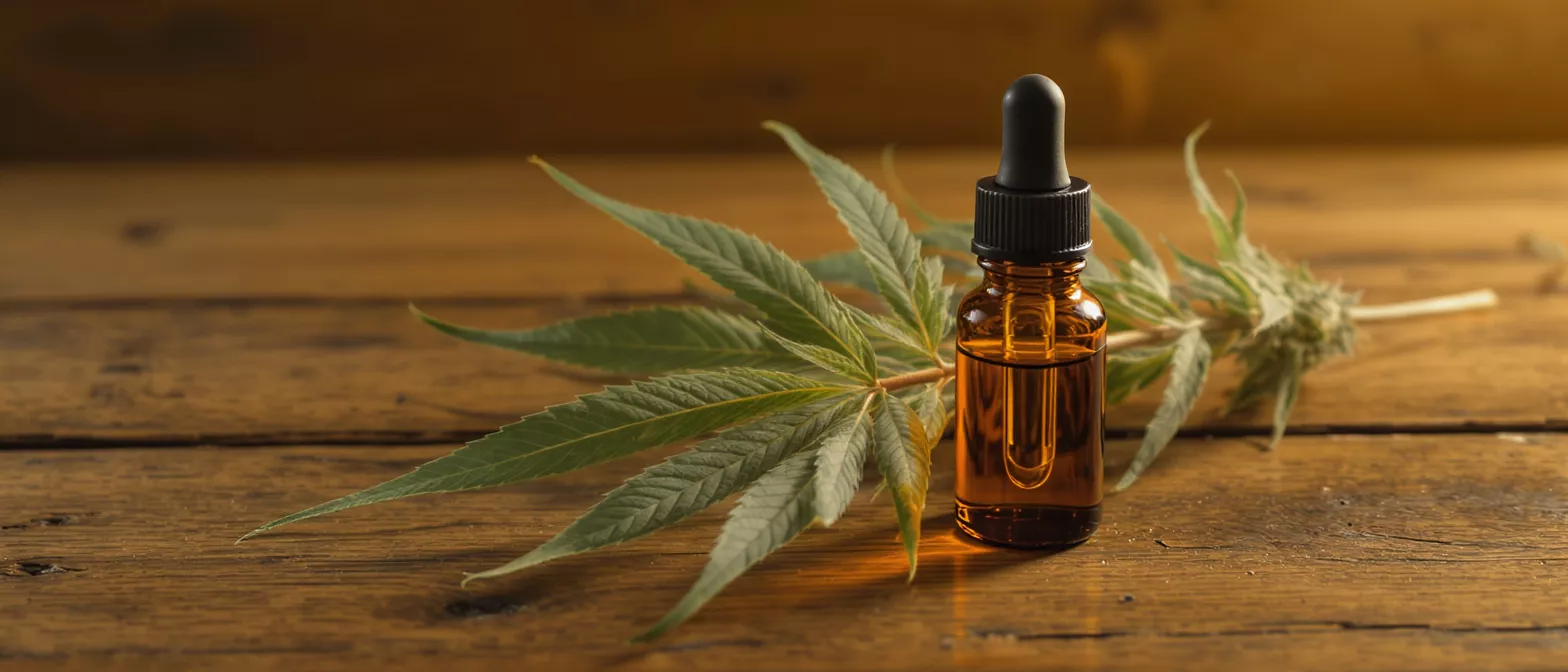
Visual and sensory cues tell part of the story. High-quality CO2 oil should appear clear to golden amber, free of cloudiness or dark discoloration that can indicate degraded material or contamination. A genuine, strain-specific aroma signals well-preserved terpenes rather than synthetic flavoring.
- 🔬 Lab tested: A current certificate of analysis from an accredited third-party lab.
- 🌈 Clear color: Light gold to amber, never murky or unnaturally dark.
- 🏷️ Clean ingredients: No synthetic cutting agents or unidentified thinners.
- 📋 Source transparency: Clear information on the strain and cultivation practices.
CO2 oil represents one of the cleanest, most adaptable concentrates in cannabis, balancing scientific precision with consumer-friendly purity. By understanding how it is extracted, the difference between supercritical and subcritical methods, and the markers of quality, you can navigate this category with genuine confidence. Whether you prioritize flavor, potency, or a solvent-free profile, knowing what goes into CO2 oil empowers you to choose products that align with your standards and enjoy them responsibly.




Comments