

Cola
Learn what a cola is, how it forms, and why it holds the most cannabinoids.
What Is a Cola in Cannabis
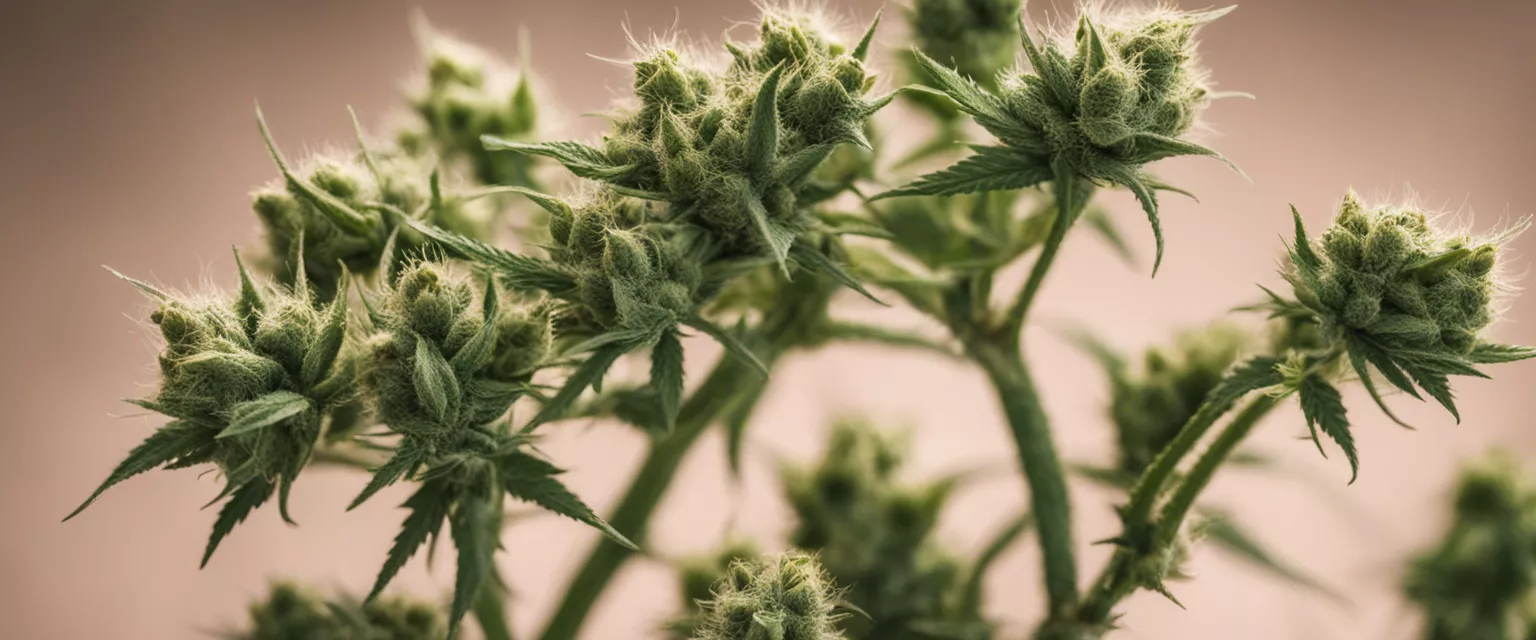
A Cola is the dense, resinous cluster of female cannabis flowers that develops at the tips of a plant's branches and main stem. When growers talk about the prize sections of a harvest, they are almost always pointing to the Cola — the tightly packed column of buds where trichomes, calyxes, and pistils concentrate during the flowering stage. The term carries a slightly romantic history, borrowed from the Spanish word for "tail," a nod to the way these flower clusters taper upward like a fox's brush.
Understanding the Cola matters whether you grow your own plants or simply want to judge quality at a dispensary counter. These flower clusters represent the most cannabinoid-rich, terpene-loaded part of the plant, and their size and density tell you a great deal about how the plant was cultivated, trained, and finished.
The anatomy of a Cola is straightforward once you know what to look for. Each Cola is built from many individual calyx structures stacked together, coated in sticky resin glands and threaded with vibrant pistils. The result is a single, cohesive bud column that can range from a finger-length nugget to a forearm-sized centerpiece depending on genetics and growing technique.
How Cannabis Colas Form on the Plant
Colas form during the flowering stage, when a female cannabis plant responds to shifting light cycles by redirecting its energy from leafy vegetative growth into reproductive flower production. Indoors, this transition is triggered when growers switch their lights to a 12-hour-on, 12-hour-off schedule. Outdoors, it happens naturally as summer days shorten toward autumn.
As flowering progresses, the plant develops bud sites at the nodes where branches meet the stem. These sites swell over several weeks, the calyxes multiply, and pistils emerge and darken. Over time the individual flower clusters merge into the dense formations we recognize as colas, with the most pronounced one crowning the very top of the plant.
Light is the single biggest driver of Cola formation. The buds that receive the most direct, intense light grow the largest and densest, which is exactly why the apical Cola at the plant's peak outpaces everything beneath it. This relationship between light exposure and bud development is the foundation of nearly every advanced training technique a grower might use.
Main Cola vs Secondary Colas
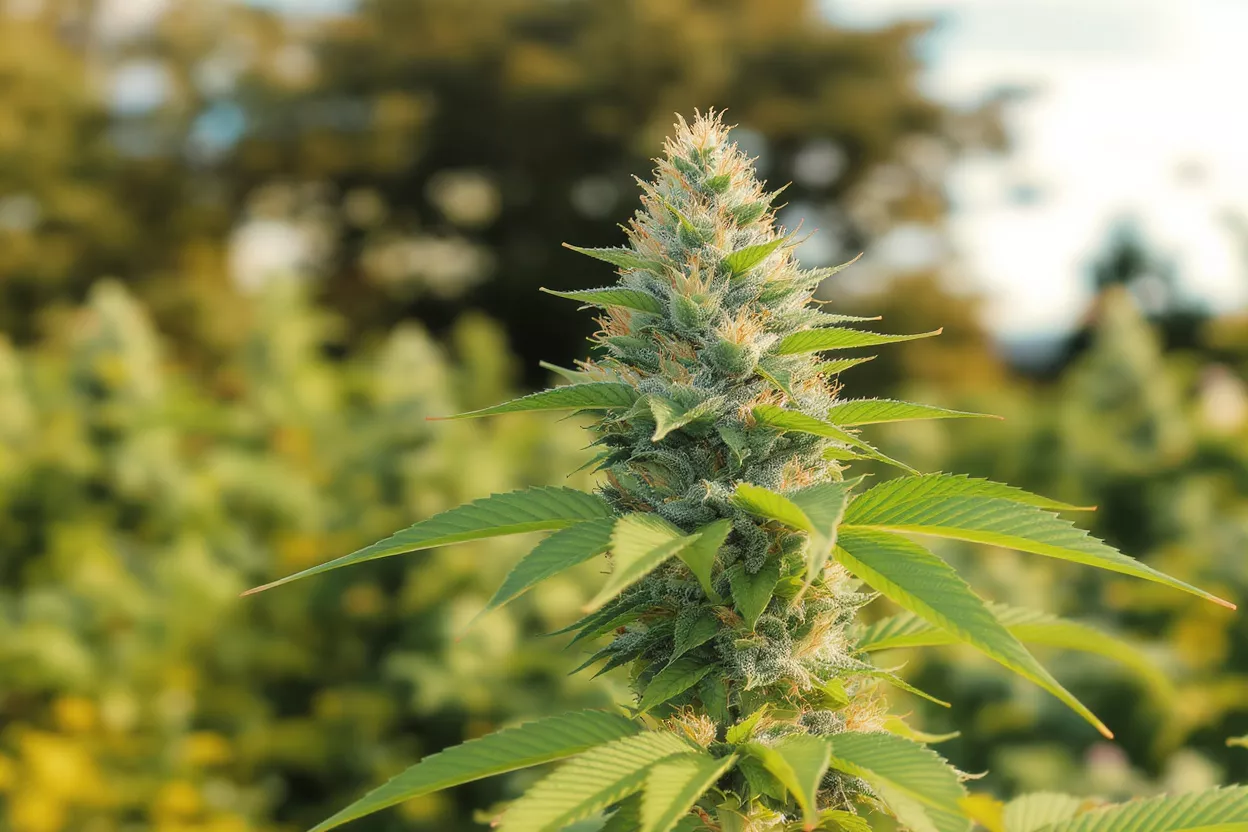
Every cannabis plant produces one dominant Cola, often called the main Cola, apical Cola, or simply the top Cola. It forms at the highest point of the central stem where the plant naturally concentrates the bulk of its growth hormones and receives unobstructed overhead light.
Below the main Cola, smaller secondary colas develop along the side branches. Left untrained, a plant will pour most of its resources into that single dominant top while the lower buds stay smaller, looser, and less potent — a pattern known as apical dominance. Growers who understand this hierarchy can manipulate it to their advantage.
Here is how the two compare at a glance:
- 🌿 Main Cola: Largest, densest bud at the plant's apex; receives the most light; highest cannabinoid concentration when left untrained.
- 🌱 Secondary colas: Smaller flower clusters on side branches; potential to rival the main Cola when training evens out the canopy.
- ✂️ Trained canopy: Multiple uniform colas of similar size, achieved by breaking apical dominance through pruning or bending.
- 🔆 Light penetration: The deciding factor — buds that catch direct light fatten up, shaded buds languish as "popcorn" nugs.
Why Colas Have the Highest Cannabinoid Content
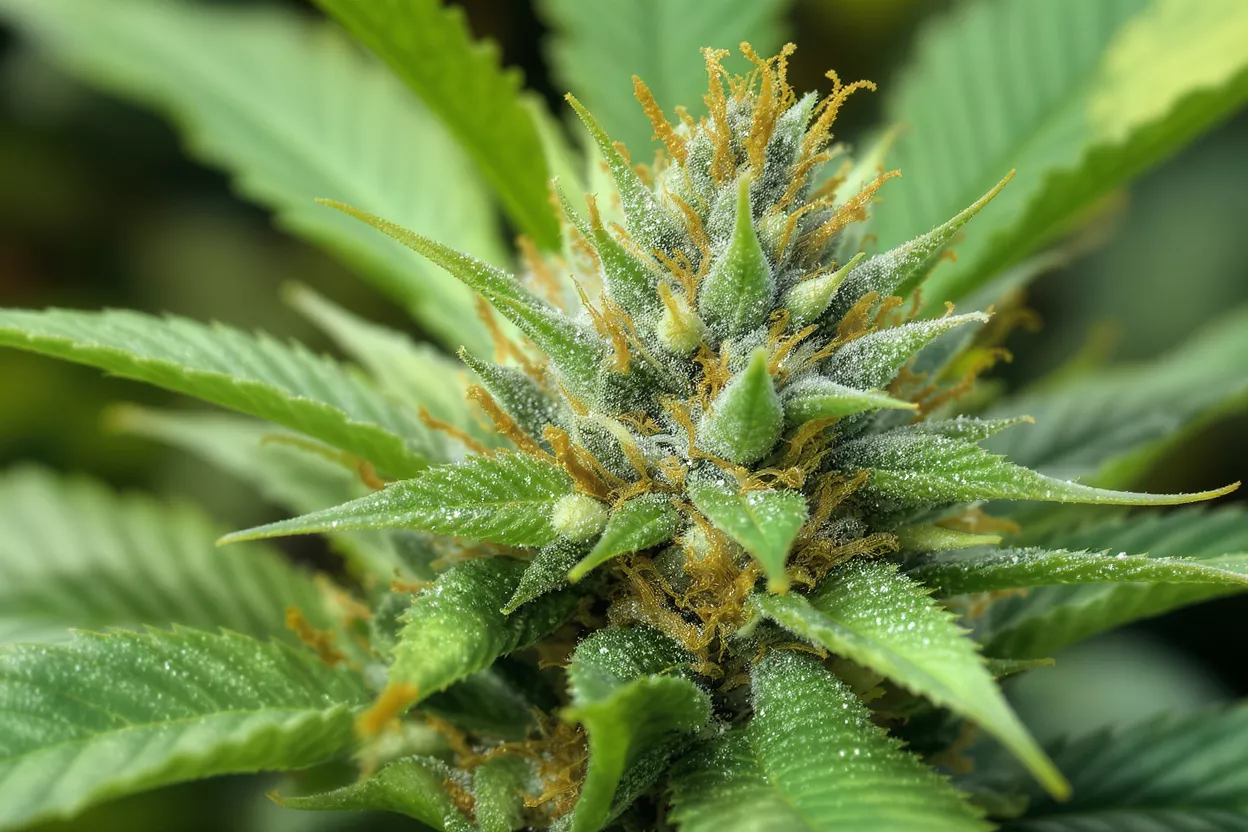
Colas concentrate the plant's trichome production more than any other part of the plant. These tiny, mushroom-shaped resin glands are where the plant manufactures and stores cannabinoids like THC and CBD, along with the aromatic terpenes that define a strain's flavor and effect.
The light connection drives the chemistry. Trichomes develop most heavily on flowers exposed to strong light, and because colas occupy the brightest real estate on the plant, they accumulate the greatest density of these resin glands. The result is a flower cluster that delivers more potency per gram than the smaller, shaded buds lower down.
This is why colas command the highest value in both home grows and commercial operations. When a harvest is sorted, the prime colas are typically reserved as top-shelf flower, while the smaller lower buds get directed toward pre-rolls, extracts, or edibles. The difference is not just size but the measurable concentration of cannabinoids packed into every square inch of resin-coated calyx.
How to Grow Bigger Cannabis Colas
Growing larger colas comes down to three controllable factors: light, plant structure, and overall plant health. Maximizing direct light to as many bud sites as possible is the central goal, because every Cola you want to fatten needs intense exposure throughout the flowering stage.
Light intensity and positioning set the ceiling for Cola size. High-output LED or HID lighting positioned at the correct distance ensures the canopy receives enough photons to fuel dense bud development. Growers who invest in proper light coverage routinely see fuller, harder colas than those working with underpowered setups or uneven distribution.
Beyond light, the plant needs a strong nutritional foundation during flowering, particularly adequate phosphorus and potassium to support flower swelling. Good airflow, stable humidity, and a healthy root zone all feed into the final size and integrity of each Cola. Neglect any one of these and even a well-lit plant will underperform.
- 💡 Maximize light: Position high-output lighting to reach every bud site, not just the canopy top.
- 🌬️ Control climate: Steady temperature, moderate humidity, and gentle airflow prevent stress and mold.
- 🧪 Feed for bloom: Provide phosphorus and potassium during flowering to drive dense flower formation.
- 🌳 Train the structure: Open the canopy so light penetrates to lower bud sites and multiple colas develop.
Training Techniques for Multiple Colas
The most effective way to multiply your Cola count is to break apical dominance through plant training. By disrupting the plant's tendency to favor a single top, you can coax many side branches into producing colas that rival the main one in size and quality.
Topping and fimming are the foundational high-stress techniques. Topping removes the growing tip above a node, prompting the plant to split into two new main stems, each of which becomes its own Cola. Repeated topping can transform a plant that would have produced one dominant Cola into a bush with eight or more substantial tops.
Low-stress training, or LST, takes a gentler approach by bending and tying down branches to flatten the canopy without cutting. This exposes more bud sites to even light and encourages uniform colas across the entire plant. Many growers combine techniques for the best results.
- ✂️ Topping: Cut the main growing tip to split it into two colas; repeat for exponential top count.
- 🤏 FIMming: Pinch rather than fully cut the tip to encourage three or four new tops at once.
- 🪢 Low-stress training: Bend and tie branches to flatten the canopy and even out light exposure.
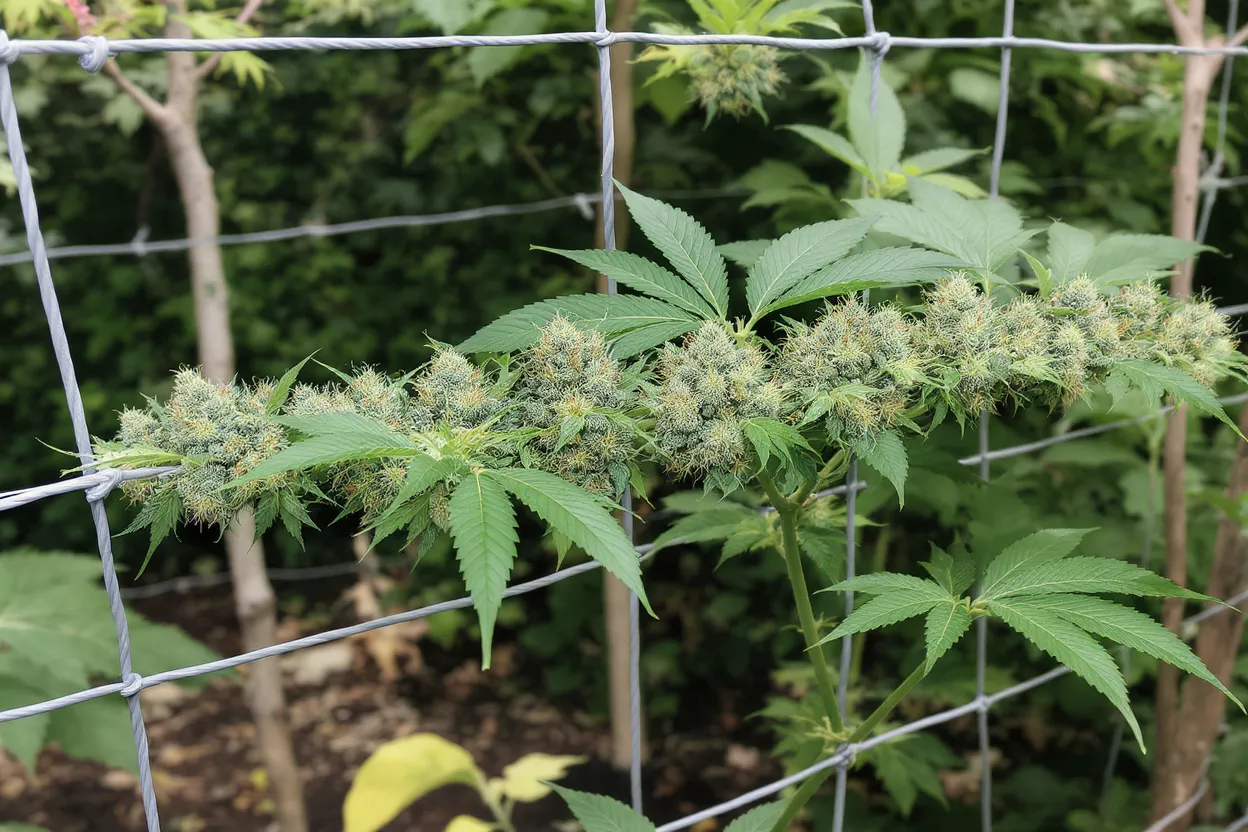
- 🕸️ ScrOG: Weave growth through a screen so a sea of uniform colas fills the available space.
When Are Colas Ready to Harvest
Knowing when to cut your colas is one of the most consequential decisions in cultivation, because harvest timing directly shapes potency, flavor, and the character of the final effect. Harvest too early and the buds lack maturity; wait too long and the experience shifts toward a heavier, more sedating profile.
Trichome color is the gold standard for reading ripeness. Using a jeweler's loupe or pocket microscope, growers examine the resin glands on the Cola. Clear trichomes signal immaturity, milky-white ones indicate peak THC, and amber trichomes point toward a more relaxing, couch-locked finish. The ideal harvest window depends on the effect you want.
Pistils offer a quicker, lower-resolution check. When the majority of the once-white hairs have darkened to orange, amber, or brown and curled inward, the Cola is approaching its harvest window. Most growers use pistil color as a first signal and confirm with a close trichome inspection before making the cut.
How to Trim and Cure Cannabis Colas
Once harvested, colas need proper trimming and curing to reach their full potential. A beautifully grown Cola can be ruined by sloppy post-harvest handling, so this stage deserves as much care as the grow itself.
Trimming removes the sugar leaves surrounding the buds, sharpening the Cola's appearance and concentrating its resin-coated surface. Some growers trim while the plant is still wet for speed and easier handling, while others prefer dry trimming for a slower moisture release that can preserve terpenes. Both approaches work; the choice comes down to environment and preference.
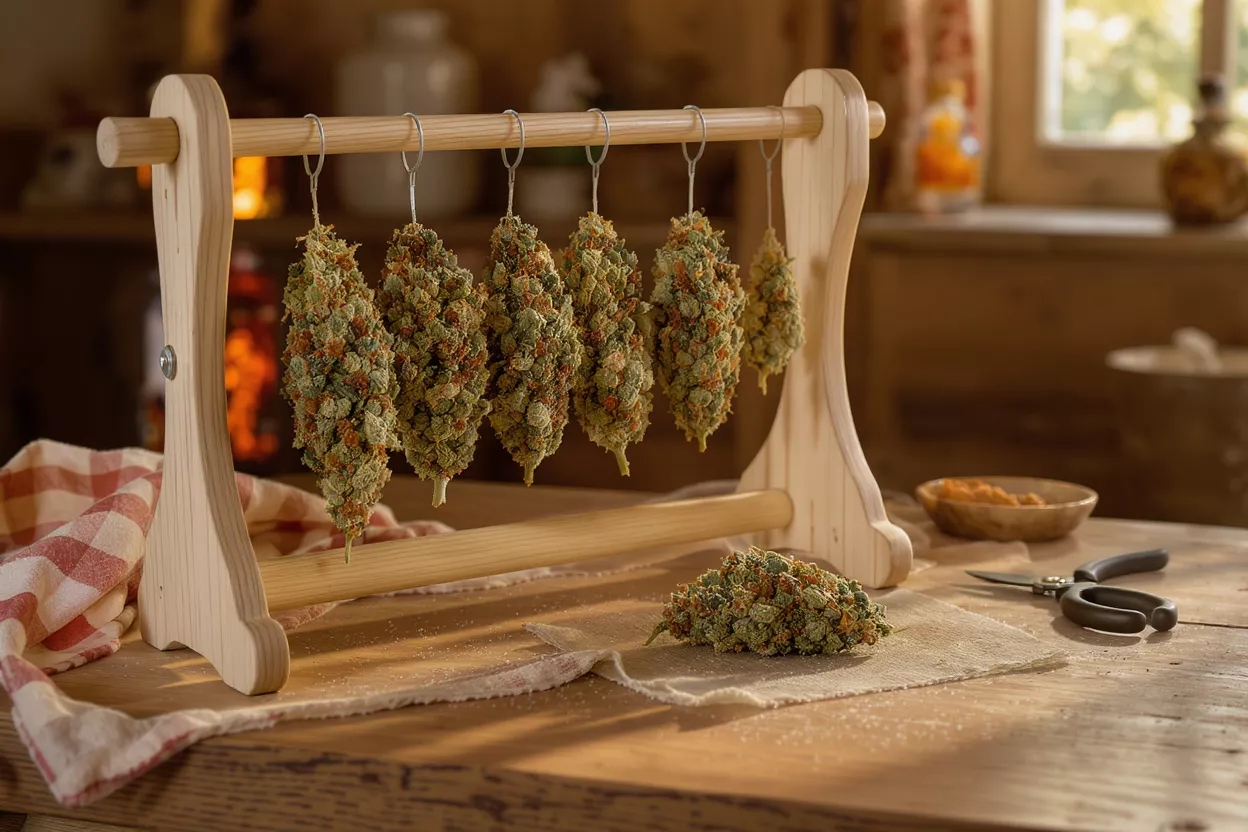
Curing is where good flower becomes great. After drying the colas slowly over roughly seven to ten days, they go into airtight jars opened periodically to release moisture and exchange air — a process called burping. A proper cure over several weeks smooths harshness, develops aroma, and stabilizes the cannabinoids for a cleaner, more flavorful smoke.
- 🌬️ Slow dry: Hang colas in a dark, cool space at moderate humidity for seven to ten days.
- 🫙 Jar cure: Seal trimmed buds in airtight containers and burp them daily during the first weeks.
- 👃 Aroma develops: A patient cure deepens terpene expression and removes grassy, harsh notes.
Cola Quality: What Buyers Should Look For
For consumers shopping at a dispensary, the Cola tells you almost everything about quality before you ever open the jar. A premium Cola is dense, deeply colored, and visibly frosted with trichomes that catch the light like sugar.
Density and structure separate top-shelf flower from mid-grade. A well-grown Cola should feel firm when gently squeezed and spring back rather than crumbling to dust or compressing into a solid wad. Excessively airy, loose buds often signal insufficient light or rushed growing, while overly hard, dense buds can sometimes hint at curing issues.
Aroma is the other great tell. A quality Cola broadcasts a rich, complex scent driven by its terpene profile — fruity, piney, earthy, or fuel-like depending on the strain. A flat or hay-like smell usually points to poor curing or aging. Trust your nose alongside your eyes when judging any flower.
Common Cola Growing Problems to Avoid
Even experienced growers run into issues that compromise Cola development, and most of them are preventable with attention and consistency. The dense structure that makes colas so desirable also makes them vulnerable to specific problems during the final weeks of flowering.
Bud rot is the most feared enemy of a fat Cola. Because the densest buds trap moisture in their tightly packed cores, they become breeding grounds for botrytis mold when humidity climbs too high. The mold often starts hidden deep inside the Cola and can destroy a top before any outward sign appears, which is why airflow and humidity control are non-negotiable late in flowering.
Light burn, nutrient imbalances, and pests round out the common culprits. Pushing lights too close in pursuit of bigger colas can bleach and damage the very tops you are trying to maximize, while overfeeding can lock out nutrients and stall flower development. The throughline is balance: colas reward consistent, attentive care far more than aggressive intervention.
The Cola is, quite literally, the high point of any cannabis plant — the dense, trichome-rich flower cluster that concentrates the potency, flavor, and visual appeal cultivators chase all season. Understanding how colas form, why light governs their size, and how training, harvest timing, and curing shape the final product gives you a complete picture of what makes great flower great. Whether you are growing your own or evaluating buds at the counter, the Cola is the truest measure of quality cannabis has to offer.




Comments