

Concentrate slurry
Learn what a concentrate slurry is, how it's made, and why it matters.
What Is a Concentrate Slurry in Cannabis?
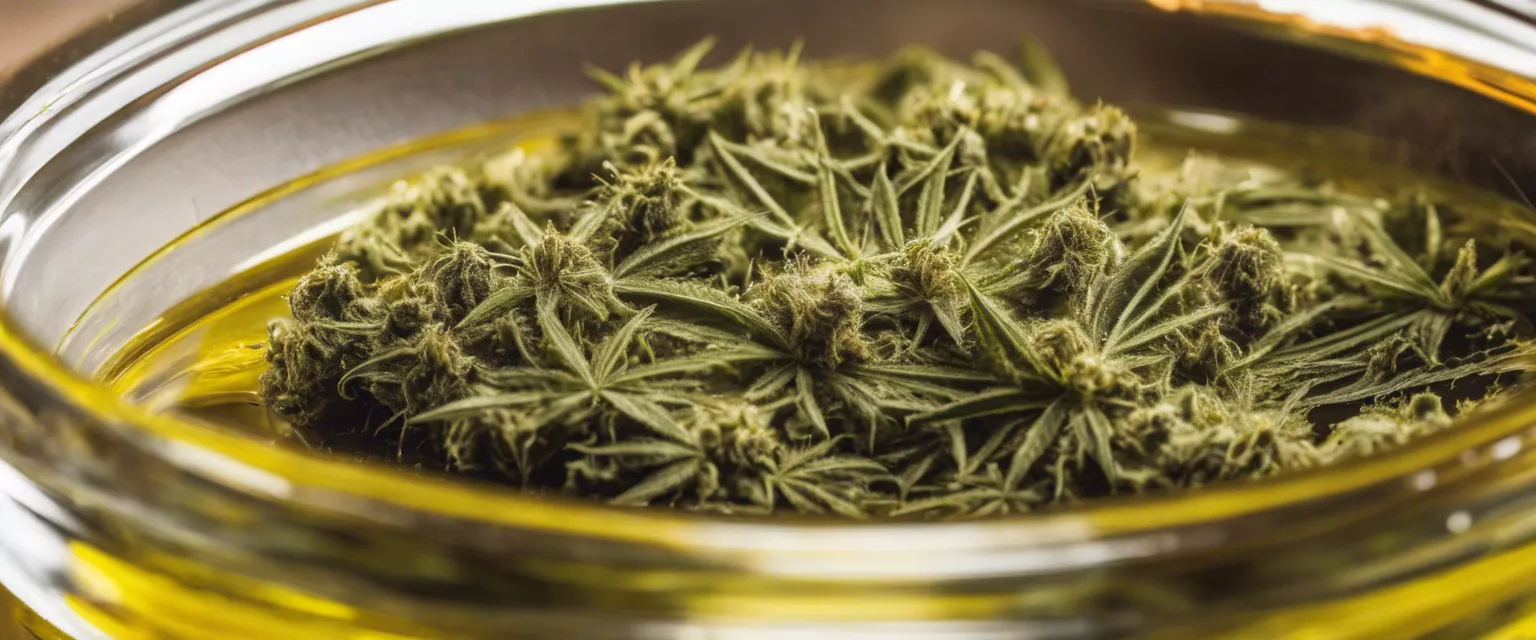
A concentrate slurry is a liquid or semi-liquid mixture of concentrated cannabis oils combined with terpenes, flavonoids and sometimes emulsifiers to reach a specific viscosity, aroma and effect profile. The term borrows from manufacturing, where a slurry describes any thick suspension of solids or oils blended into a flowable medium. In the cannabis world, it refers to that intermediate stage where refined extract becomes a workable, pourable material ready to be formulated into a finished product.
Unlike a single isolated compound sitting in a jar, a concentrate slurry is intentionally blended. Processors start with a refined base — often distillate rich in THC or CBD — and reintroduce aromatic and functional ingredients that were stripped away during purification. The result is a customized liquid that behaves predictably when heated, mixed or dosed.
The slurry stage matters because it is where a manufacturer dials in the character of the end product. Effect, flavor and flowability are all decided here, well before anything reaches a cartridge, a gummy mold or a bottle of beverage. Understanding the slurry helps explain why two products built from the same starting extract can feel and taste entirely different.
How Concentrate Slurry Is Made
From extraction to blended slurry: Production begins with a raw cannabis extract pulled from plant material using solvents like CO2 or hydrocarbons, or through solventless methods. That crude extract is then refined — often through winterization and distillation — to remove fats, waxes and impurities. What remains is a potent but flavorless concentrate that serves as the slurry's foundation.
Reintroducing terpenes and flavor: Once the base is clean, formulators add back terpenes, flavonoids and occasionally minor cannabinoids. These additions restore aroma and steer the experience toward a specific outcome. Gentle heat and stirring help everything dissolve into a uniform liquid, eliminating clumps or separated layers that would cause inconsistent dosing.
The final step is homogenization, where the blend is mixed until every milliliter carries the same ratio of cannabinoids to terpenes. This consistency is the entire point of the slurry stage — it guarantees that the first dose poured from a batch matches the last.
Types of Concentrate Slurry and Their Textures
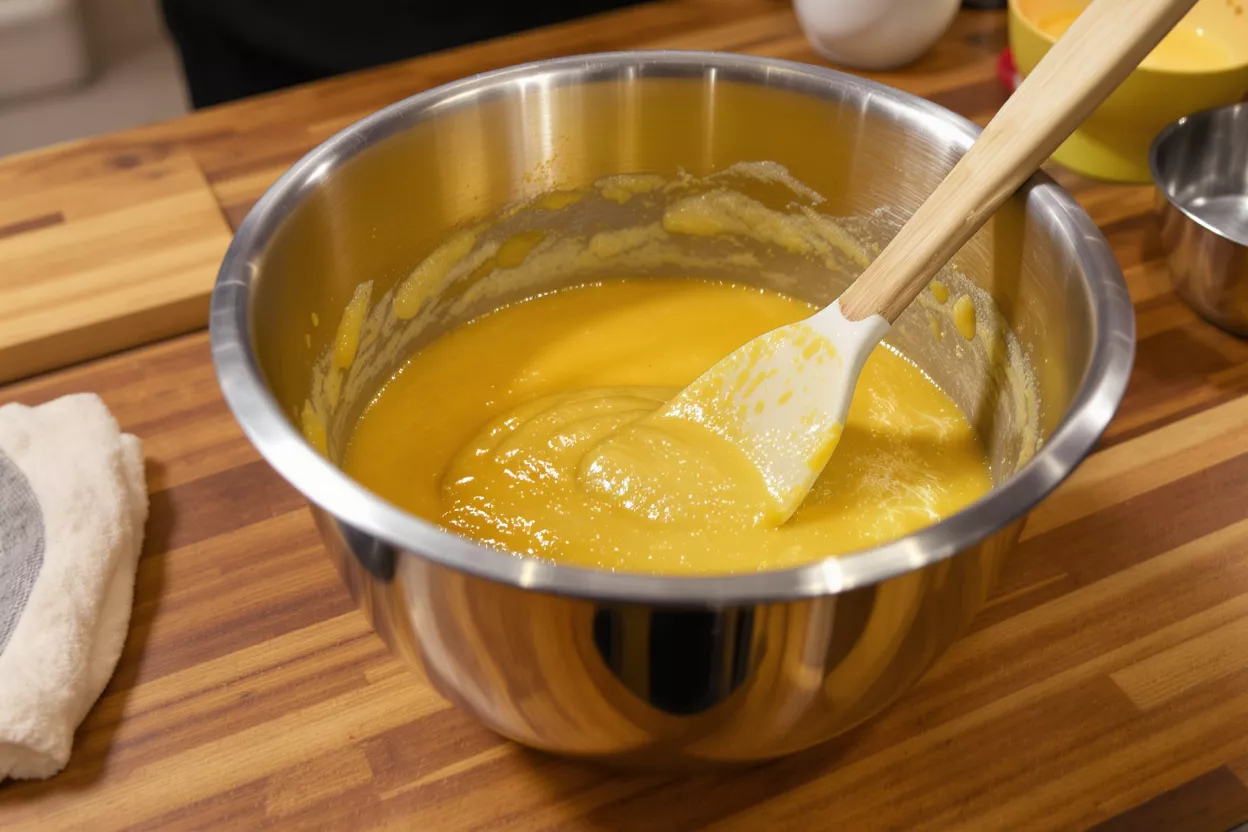
Not every concentrate slurry looks or pours the same way. Texture depends on the base material, the temperature it is held at, and the ratio of terpenes to cannabinoids in the mix. Some slurries are thin and water-like, ideal for filling cartridges, while others stay thick and resinous for use in dabbable or pressable products.
Common slurry consistencies you'll encounter:
- 💧 Thin pourable slurry: Higher terpene content lowers viscosity, making it easy to fill vape hardware and dose by volume.
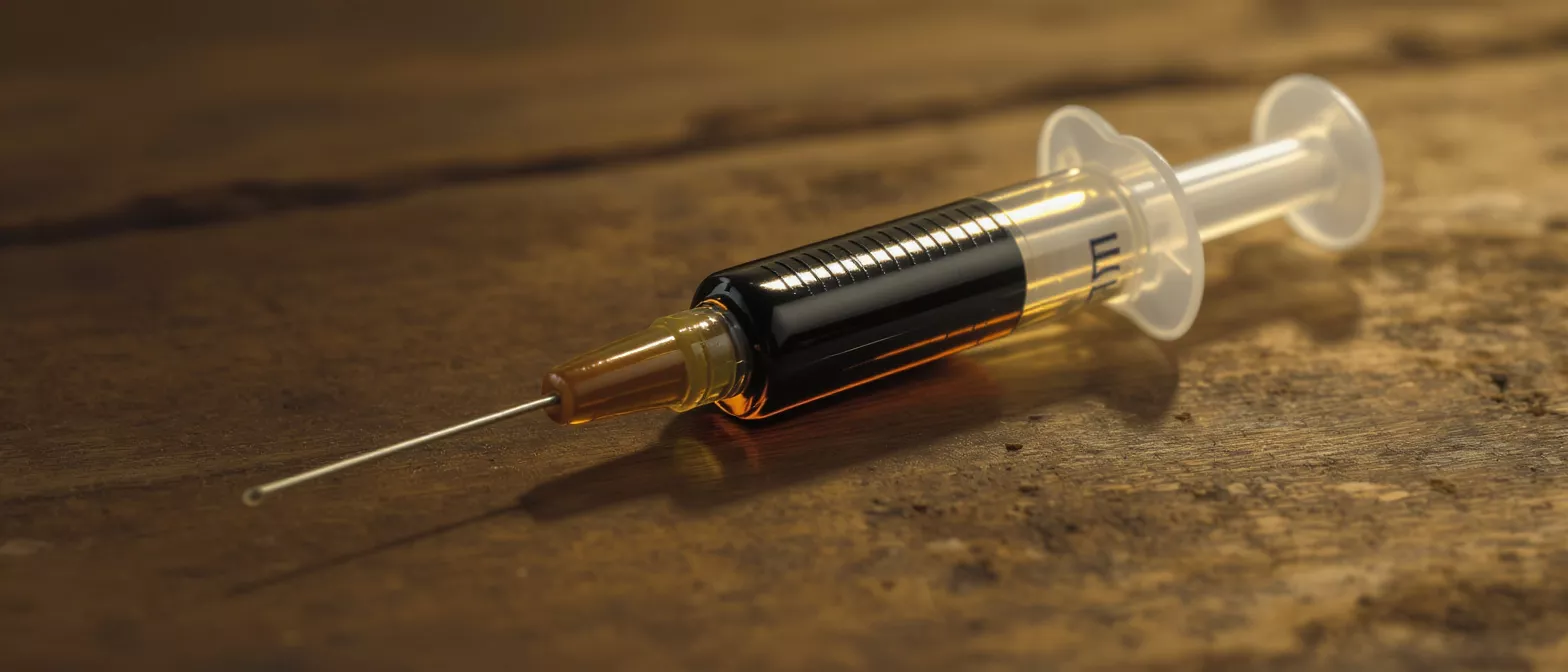
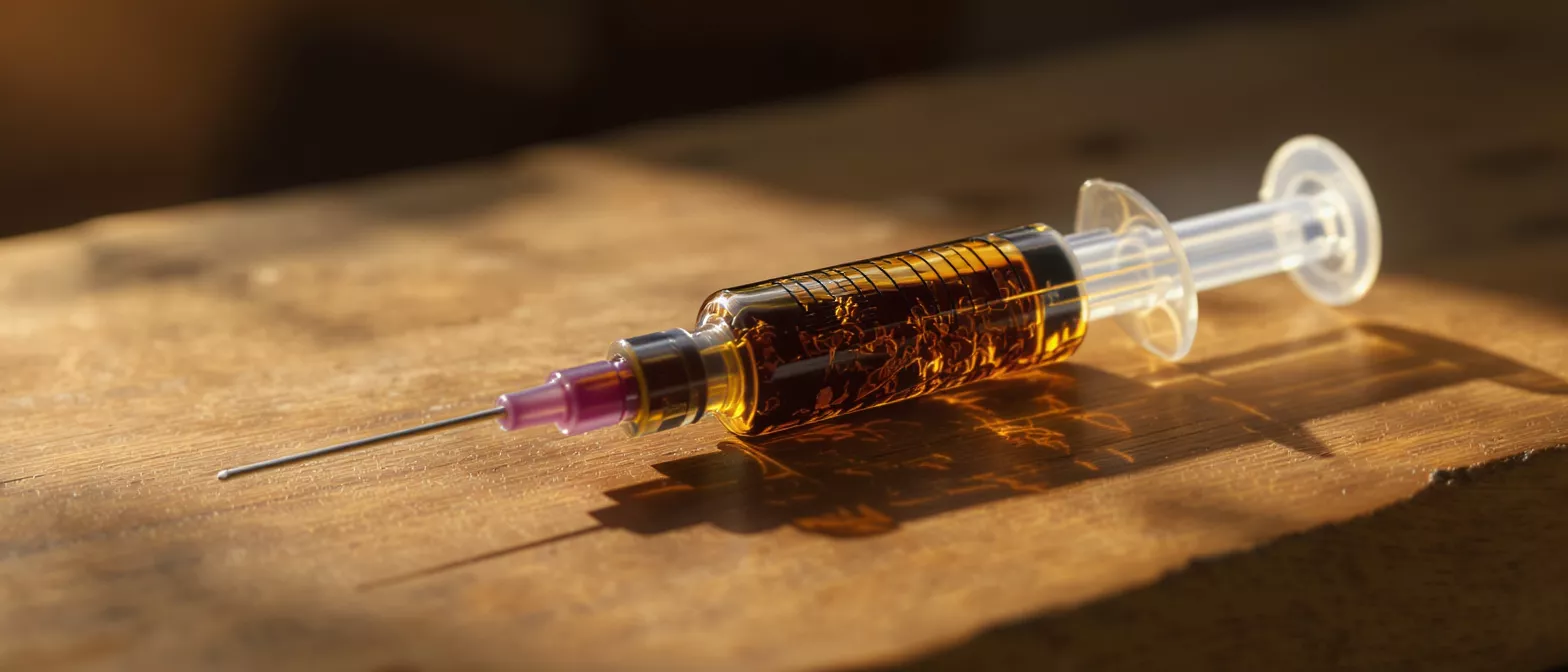
- 🍯 Thick honey-like slurry: A heavier distillate base holds more structure and works well in syringes and applicators.
- 🧊 Cold-set slurry: Material that firms up at room temperature but flows again with gentle warming.
- 🌫️ Emulsified slurry: Blended with carriers so it can disperse into water-based products like beverages.
The texture a manufacturer chooses is rarely accidental. It reflects the intended delivery format, since a slurry destined for a beverage must behave very differently from one headed into a vape cartridge or an edible production line.
What Ingredients Go Into a Concentrate Slurry
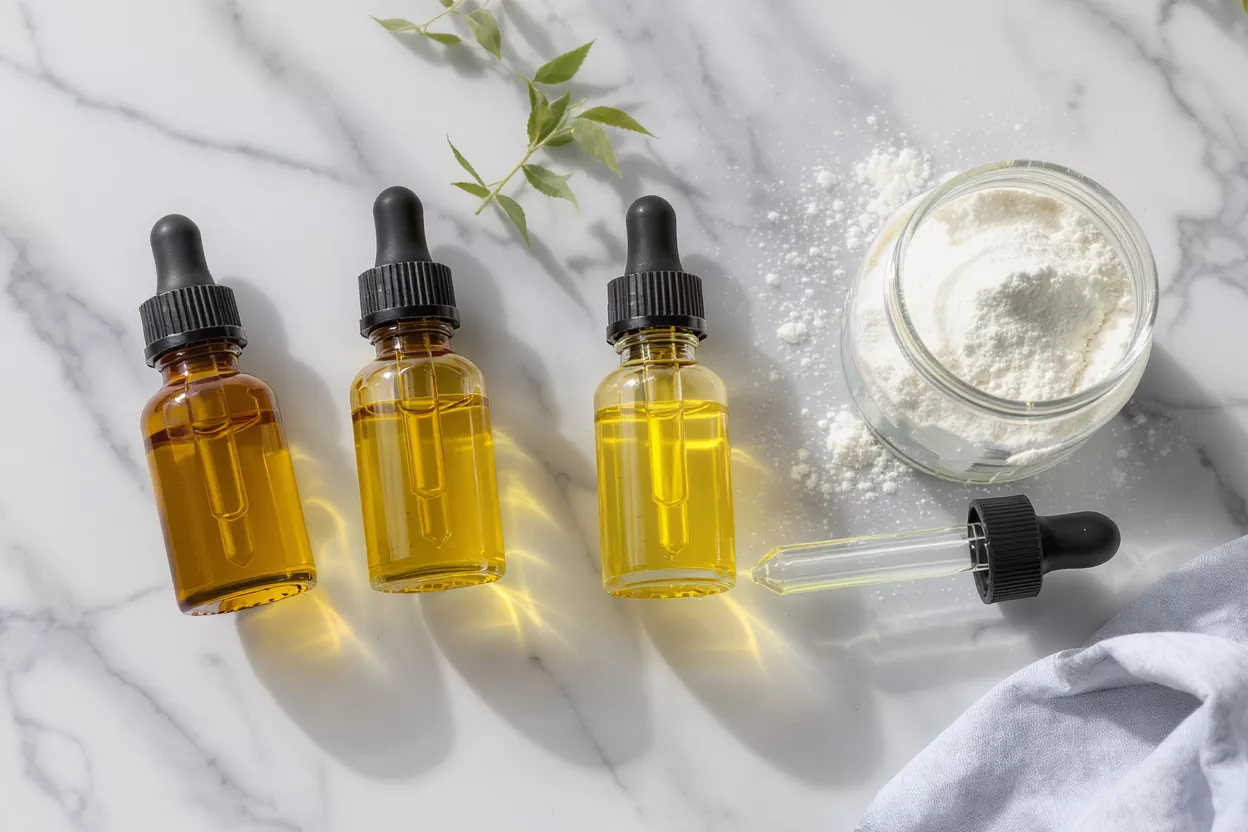
Every concentrate slurry is built from a handful of functional components, each playing a defined role. The cannabinoid base supplies potency, the terpenes supply aroma and flavor, and supporting ingredients adjust how the mixture flows and stays stable over time.
The core building blocks of a slurry:
- 🧪 Cannabinoid base: Usually THC or CBD distillate, occasionally a broad-spectrum oil carrying minor cannabinoids like CBG or CBN.
- 🌿 Terpenes: Cannabis-derived or botanical aromatics that shape flavor and contribute to the entourage effect.
- 🎨 Flavonoids: Plant compounds that round out aroma and color while supporting subtle effect nuances.
- 🔗 Emulsifiers: Added when the slurry must blend into water, helping oil and liquid stay combined.
The proportions are where formulation becomes a craft. Too much terpene content and the slurry turns harsh or unstable; too little and the product tastes flat and overly refined. Skilled processors treat the slurry recipe much like a chef treats seasoning, adjusting in small increments until aroma, potency and texture align.
Concentrate Slurry vs Other Cannabis Extracts
It helps to position the concentrate slurry against the more familiar extract categories. A slurry is not a finished consumer product on its own — it is a formulated intermediate, sitting between raw extract and packaged goods. That distinction separates it from concentrates meant to be consumed directly.
How a slurry differs from dabbable concentrates: Products like shatter, live resin and rosin are typically consumed as-is by dabbing or vaporizing. A slurry, by contrast, is engineered to be measured and incorporated into something else. Its defining feature is flowability and consistency, not the glassy or budder-like texture prized in dab concentrates.
Because it is designed for downstream use, a slurry prioritizes uniformity over the visual appeal that drives the dab market. A processor cares far more about whether the slurry doses accurately into a thousand cartridges than about how it photographs on a dab tool.
Why Viscosity Matters in a Concentrate Slurry
Viscosity — how thick or thin a liquid is — sits at the heart of slurry formulation. A concentrate slurry must flow well enough to be pumped, poured or injected into hardware, yet stay stable enough that it doesn't leak or separate. Getting this balance right determines whether a product performs reliably in the hands of a consumer.
How temperature controls slurry flow: Cannabis oils thicken as they cool and thin as they warm. Manufacturers exploit this by working the slurry at elevated temperatures during filling, then allowing it to set once it reaches its destination. A cartridge filled with a perfectly tuned slurry resists leaking at room temperature but still wicks properly when heated by the device.
Viscosity also affects dosing accuracy. A slurry that is too thin can over-fill or drip, while one that is too thick clogs equipment and traps air bubbles. Dialing in the right consistency reduces waste, improves consistency across a production run, and protects the end-user experience.
How Concentrate Slurry Is Used in Vape Products
Vape cartridges are one of the most common destinations for a concentrate slurry. The slurry must be fluid enough to flow through narrow fill nozzles and saturate the wicking material inside a cartridge, while remaining potent and flavorful once vaporized. This makes the vape format one of the most demanding tests of a well-built slurry.
Why slurry consistency matters in cartridges: If a slurry is too viscous, it won't wick efficiently and produces weak, uneven draws. If it is too thin, it can flood the coil or leak from the mouthpiece. Formulators tune terpene content precisely to land in the sweet spot, often testing dozens of small batches before committing to a recipe.
Flavor retention is the other priority. Because vaping heats the material rapidly, terpenes that are too volatile can burn off or taste harsh. A thoughtful slurry recipe balances aromatic intensity against thermal stability, delivering a smooth draw that still carries the strain's intended character.
Using Concentrate Slurry in Edibles and Beverages
Beyond vapes, concentrate slurry plays a major role in edibles and infused drinks. Here the goal shifts from vaporization performance to even distribution and accurate dosing across many individual servings. A gummy line or a batch of beverages depends entirely on the slurry blending uniformly into the base.
Emulsified slurries for beverages: Oil and water don't naturally mix, so cannabis drinks rely on emulsified slurries where the oil is broken into microscopic droplets and stabilized with emulsifiers. This produces a clear, stable beverage with predictable onset, rather than an oily film floating at the top of the glass.
Slurry in gummies and baked goods: For edibles, the slurry is metered into a heated base of pectin, gelatin or batter and stirred until fully incorporated. Consistent slurry viscosity ensures each piece in a batch carries the same dose, which is essential for both safety and a reliable consumer experience.
Quality, Testing and Safety of Concentrate Slurry
Because a concentrate slurry feeds directly into consumer products, quality control is non-negotiable. Reputable producers run laboratory testing at multiple stages — on the incoming extract, on the finished slurry, and sometimes on the packaged product — to verify potency and screen for contaminants.
What lab testing reveals about a slurry: A certificate of analysis confirms cannabinoid concentration so dosing claims are accurate, and screens for residual solvents, pesticides, heavy metals and microbial contamination. For a slurry built on solvent-based extraction, residual solvent testing is especially important, since any leftover solvent would carry through into the final product.
Homogeneity testing matters just as much as potency. A slurry might hit its target THC percentage on average yet vary wildly from sample to sample if it wasn't mixed properly. Good manufacturers test multiple points across a batch to confirm the blend is truly uniform before it moves into production.
Choosing a Quality Concentrate Slurry
For producers and curious consumers alike, recognizing a quality concentrate slurry comes down to a few practical signals. Transparency around testing, clear ingredient sourcing and consistent texture all point to careful formulation rather than a rushed, corner-cutting blend.
Look for products backed by a current certificate of analysis, terpenes that are clearly identified as cannabis-derived or botanical, and a manufacturer willing to explain how their slurry is made. Consistency from batch to batch is one of the strongest indicators that a producer has truly mastered their formulation process.
A concentrate slurry may live behind the scenes, but it shapes nearly every infused product you encounter — from the smoothness of a vape draw to the precise dose in a gummy or the clarity of an infused drink. Understanding this intermediate stage gives you a sharper lens for evaluating the cannabis products you choose, and a deeper appreciation for the craft that turns raw extract into a refined, reliable experience.

Comments