


Cone
Learn how cone rolling papers work, how to fill a cone perfectly, and which sizes suit you best.
What Is a Cone in Cannabis?
A cone is a pre-shaped rolling paper with a built-in filter tip that arrives ready to fill with ground cannabis, eliminating the trickiest part of rolling a joint. Instead of coaxing flat paper into a cylinder by hand, you simply pack the open end with flower, tamp it down, and twist it shut. The cone takes its name from its tapered geometry: narrow at the mouthpiece, wider toward the tip, which is the same profile experienced rollers spend years trying to perfect by hand.
The appeal is straightforward. For newcomers, a cone removes the manual dexterity barrier that keeps so many people reliant on a friend who "knows how to roll." For veterans, it saves time and delivers a consistent burn without the fuss. The format has become one of the most recognizable shapes in modern cannabis culture, sold in dispensaries pre-packed as finished pre-rolls or sold empty in bulk for personal filling.
Why the cone shape matters: The widening taper concentrates more flower toward the burning end while keeping the draw end slim and comfortable on the lips. This design promotes an even, slow burn and reduces the harsh, fast-burning experience that plagues poorly rolled cylinders. The integrated tip also keeps loose plant material out of your mouth and gives you a sturdy handle to hold as the joint shortens.
How Pre-Rolled Cones Work
A pre-rolled cone is essentially a rolling paper that the manufacturer has already wrapped and glued into its final cone shape, with a rolled paper filter tip inserted at the narrow end. The seam is sealed, the tip is set, and the only thing left for you to do is add ground cannabis. This shifts all the structural work to the factory and leaves the user with a simple loading task.
The mechanics rely on the crutch, or tip, doing double duty. It holds the cone's mouth open so flower can be poured in, and it keeps the paper from collapsing while you pack. Once filled, a quick tamp with a poking tool settles the ground material, and a twist of the excess paper at the top seals everything in. The result burns from the twisted tip down toward the filter, mirroring a hand-rolled joint but with far more reliable construction.
Consistency is the real engineering win here. Because every cone is machine-formed to the same dimensions, the airflow and paper-to-flower ratio stay predictable from one to the next. That predictability is exactly why dispensaries lean on cones for their packaged pre-roll lines.
Types of Cones for Rolling
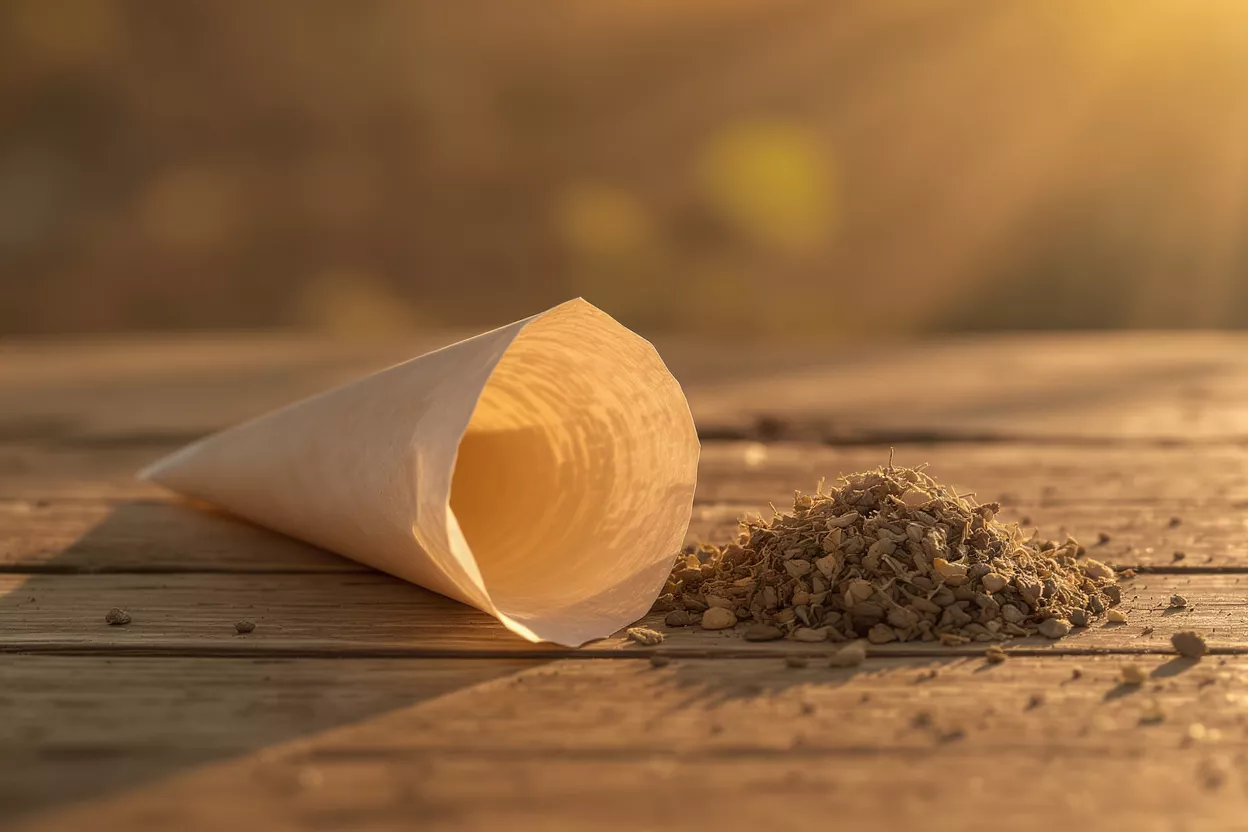
Not all cones are cut from the same material, and the paper you choose shapes the entire smoking experience. The most common varieties trade off burn rate, flavor neutrality, and visual appearance, so understanding the categories helps you match a cone to your preferences.
- 🌾 Classic wood pulp: The traditional off-white paper, slightly thicker and very forgiving. It burns a touch faster but stays lit reliably, making it a great starting point for beginners.
- 🍃 Unbleached and unrefined: Light brown papers with minimal processing and no chlorine bleaching, prized by smokers who want a cleaner, more natural draw with subtle taste.
- 🌱 Rice paper: Thin and nearly flavorless, rice cones burn slow and clean but demand a steadier hand because the delicate material tears more easily.
- 🌿 Hemp paper: Made from the same plant family as the flower inside, hemp cones offer a medium burn, decent grip, and a flavor profile many find complementary.
- ✨ Specialty and flavored: Clear cellulose, gold leaf, or terpene-infused options exist for novelty and presentation, though purists often skip them.
Material choice also affects how forgiving a cone is during filling. Thicker wood pulp tolerates aggressive packing, while ultra-thin rice paper rewards a gentle touch. If you are new to filling your own, start with a sturdier paper and graduate to thinner options as your technique improves.
Brand reputation matters too. Established paper makers control their glue lines, paper thickness, and tip quality tightly, which translates to fewer runs, canoes, and blowouts during your session.
Cone Sizes Explained
Standard sizing conventions: Cones follow the same size language as flat rolling papers, borrowed from decades of joint-rolling tradition. The most common sizes are 1¼, which holds roughly half a gram and suits solo sessions, and king size, which holds closer to a full gram or more and works well for sharing.
Beyond those two staples, you will find dogwalker or single-gram minis for quick solo smokes, plus oversized party cones that hold several grams for group occasions. The size you pick should match how much you intend to smoke in one sitting, since a partially smoked joint loses freshness and relights harshly.
- 🟢 Dogwalker (~70mm): A short cone for a quick solo session, roughly a third of a gram.
- 🟢 1¼ (~84mm): The everyday favorite, around 0.5g, balanced for one or two people.
- 🟢 King Size (~109mm): The sharing standard, holding 0.75g to 1g comfortably.
- 🟢 Party / Foot-long: Novelty giants for events, packing several grams of flower.
Matching cone size to your grinder yield is a small habit that prevents waste. Grind only what the cone will hold, and you avoid leftover flower drying out on the counter.
How to Fill a Cone Step by Step
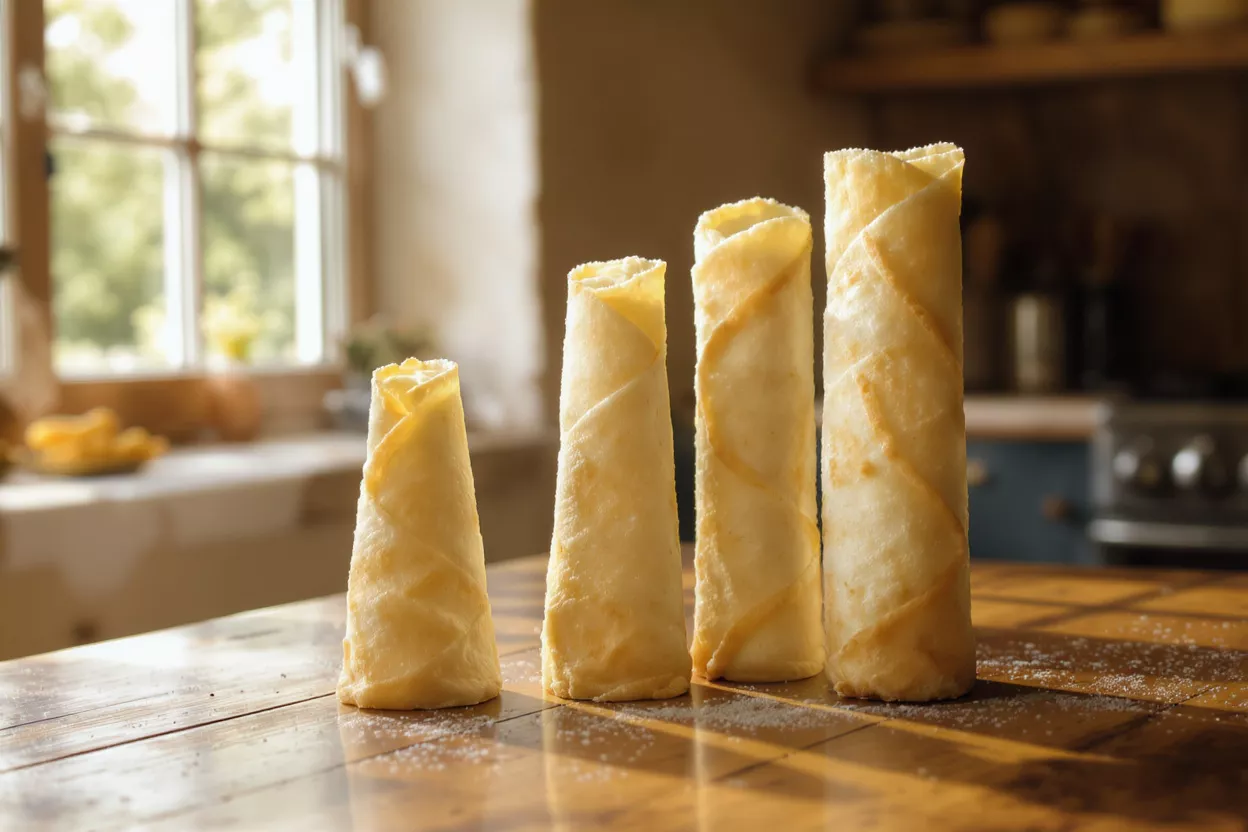
Filling a cone is far simpler than rolling from scratch, but a little technique goes a long way toward an even, smooth-burning joint. The whole process takes under two minutes once you have done it a few times.
The basic loading sequence: Grind your flower to a medium consistency, not too fine and not chunky. Open the cone, pour a small amount in, and use a packing tool, chopstick, or the back of a pen to gently settle it. Add more in stages, tamping lightly between each pour rather than dumping everything at once, which causes uneven density.
- 🌿 Grind: Aim for an even, medium grind so airflow stays consistent and the joint burns straight.
- 📥 Load in stages: Add flower a little at a time, tamping gently after each addition.
- 👌 Pack firmly, not tight: Aim for the resistance of a partially packed pillow, enough to hold shape without choking airflow.
- 🔄 Tamp and top off: Settle the contents, leaving a small gap of paper at the top to twist closed.
- 🔒 Twist to seal: Pinch and spin the excess paper into a tight tail that you can light.
The most important rule is patience with the packing pressure. Too loose and the joint runs hot and burns unevenly; too tight and you will struggle to draw any smoke at all. The sweet spot comes quickly with practice, and a dedicated cone-loading tool can speed up batches if you fill several at once.
Cone vs Hand-Rolled Joints
The eternal debate between cones and freehand rolling comes down to a trade-off between convenience and craft. Cones win decisively on consistency and speed, while hand-rolling appeals to those who enjoy the ritual and want full control over shape and density.
Where cones pull ahead: A machine-formed cone delivers the same shape every time, burns evenly, and requires zero rolling skill. For anyone with limited dexterity, shaky hands, or simply no patience for practice, the cone is a genuine equalizer. It also tends to waste less flower because you are not fumbling and spilling during construction.
Hand-rolling, by contrast, gives a satisfying sense of mastery and lets you dial in a tighter or looser joint to taste. It is cheaper per smoke since flat papers cost less than pre-formed cones, and it carries a certain old-school credibility among longtime smokers. The downside is the learning curve, which can frustrate beginners for weeks.
For most casual users, cones simply remove friction. For hobbyists who treat rolling as part of the experience, the freehand approach remains a worthy skill.
Choosing the Best Cone Paper
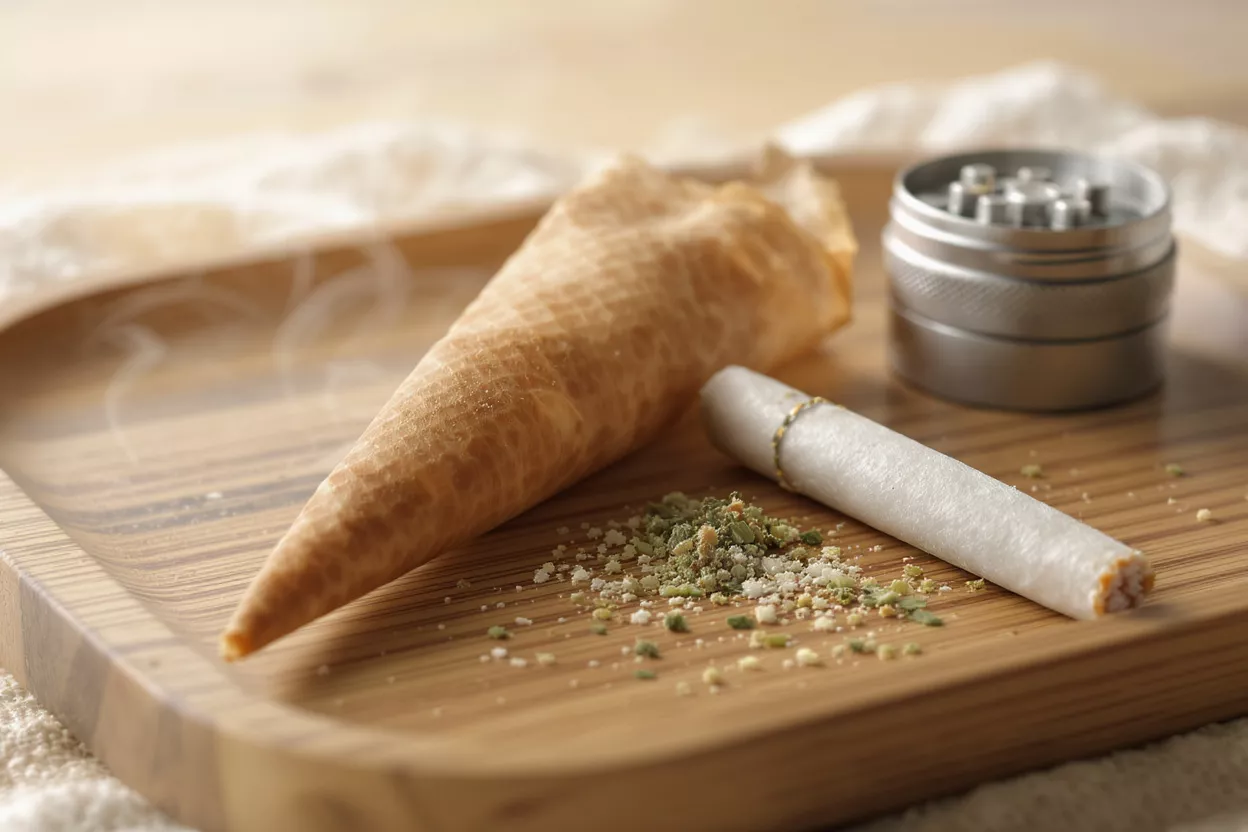
The best cone for you depends on what you value most: burn speed, flavor neutrality, ease of filling, or a clean ingredient list. Rather than chasing a single "best" brand, it helps to weigh a few practical attributes against your habits.
Burn rate and thickness: Thinner papers like rice burn slower and intrude less on flavor, but they demand careful handling. Thicker wood pulp lights easily and stays lit in a breeze, which matters if you smoke outdoors. Match the paper to your environment and patience level.
Flavor and additives: Unbleached and additive-free papers let the natural terpene profile of your flower come through. If you are tasting paper instead of plant, switch to a cleaner, unrefined option. Avoid flavored or dyed papers when you care about the pure flavor of the strain.
Tip quality is the overlooked factor. A well-made filter holds its shape, resists getting soggy, and gives a comfortable draw. Cheap tips collapse or pull through into your mouth, ruining an otherwise good cone, so reputable brands earn their slight premium here.
Common Cone Filling Mistakes
Even with the structural work done for you, a few common errors can turn a promising cone into a frustrating smoke. Recognizing these mistakes early saves both flower and patience.
- ⚠️ Overpacking the tip end: Cramming too much flower near the burning tip chokes airflow and causes a slow, hard pull.
- ⚠️ Uneven density: Packing one side harder than the other makes the joint "canoe," burning down one side and wasting flower.
- ⚠️ Grind too fine: Powdered flower clogs the draw and can pull through the tip; aim for medium consistency.
- ⚠️ Grind too coarse: Large chunks leave air pockets that cause uneven burning and harsh hits.
- ⚠️ Skipping the tamp: Failing to settle the flower leaves loose gaps that collapse and burn inconsistently.
The moisture factor: Flower that is too dry crumbles and burns fast, while overly damp flower packs into a dense plug that refuses to draw. Properly cured material at the right moisture level fills a cone evenly and burns smoothly, so pay attention to how your flower feels before loading.
Most filling problems trace back to either grind consistency or packing pressure. Dial in those two variables and the vast majority of canoes, clogs, and uneven burns disappear on their own.
Are Pre-Rolled Cones Worth It?
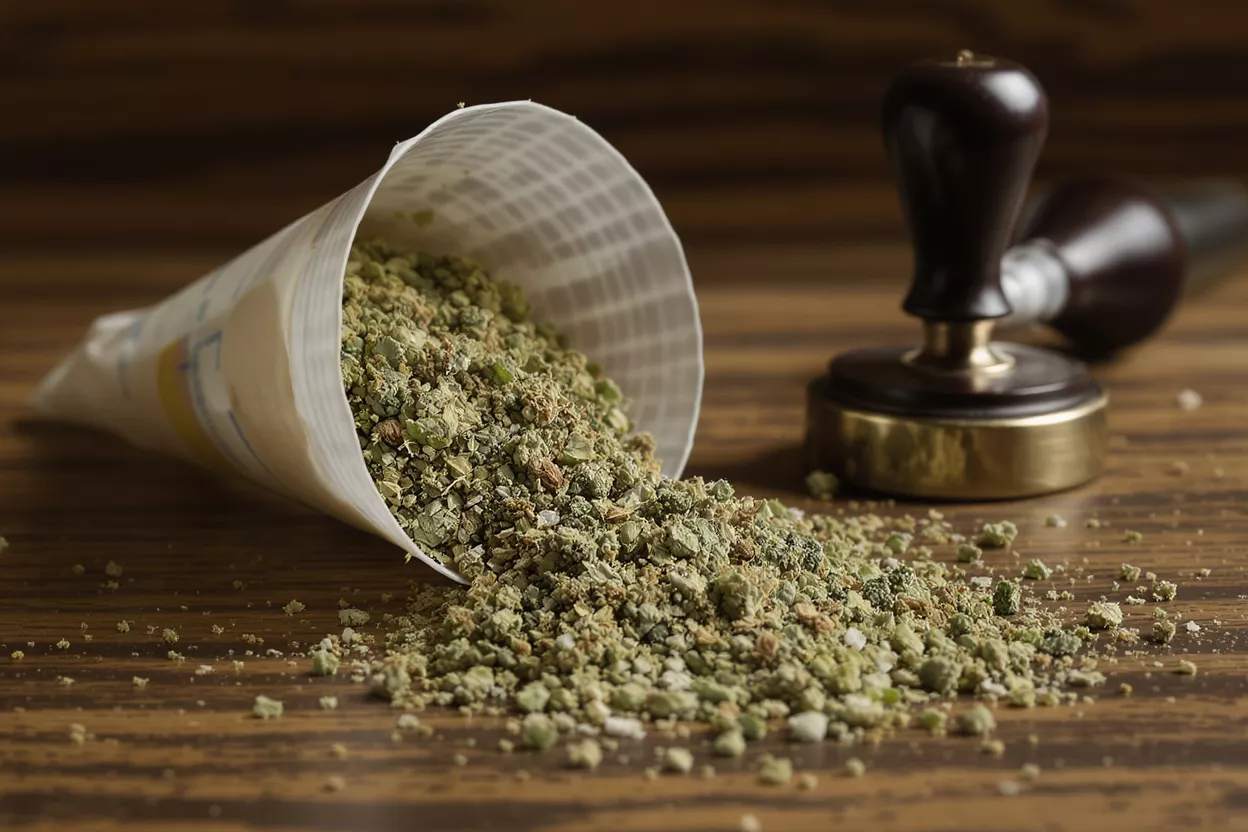
For the price of a small premium over flat papers, cones buy you time, consistency, and a near-guaranteed result, which most users find well worth it. The value calculation depends heavily on how much you smoke and how much you enjoy the rolling process itself.
The convenience math: If you value speed and reliability, a pack of cones lets you load a perfect joint in under two minutes with no skill required. That convenience compounds when you are preparing several joints ahead of a trip or a gathering, since batch-filling cones is dramatically faster than rolling each by hand.
There is also a hygiene and presentation angle. Pre-formed cones look clean and professional, which matters when sharing in social settings. The integrated tip keeps your fingers and lips cleaner than a hastily rolled joint, and the uniform shape simply photographs and presents better.
The main argument against cones is cost per unit and a slight loss of the hands-on ritual. For high-volume smokers watching every dollar, flat papers stretch further. But for the vast majority of users, the small premium pays for itself in saved time and salvaged flower.
How to Store Cones and Pre-Rolls
Proper storage protects both empty cones and finished pre-rolls from the two great enemies of cannabis: excess moisture and bone-dryness. A little care keeps your cones intact and your filled joints fresh and smooth.
Storing empty cones: Keep unfilled cones in their original packaging or an airtight container away from humidity, which can soften the paper and weaken the glue seam. A cool, dry drawer protects them indefinitely, and the rigid tubes many brands include prevent the delicate tips from getting crushed.
For filled pre-rolls, the goal is maintaining ideal flower moisture. Store them in an airtight container, ideally with a two-way humidity pack that holds relative humidity around 58 to 62 percent. This keeps the flower from drying into a harsh, fast-burning stick or absorbing enough moisture to grow mold during longer storage.
Pre-rolled cones bridge the gap between effort and enjoyment, turning a skill that once gatekept good joints into something anyone can master in minutes. Whether you buy them pre-filled or load your own, understanding cone sizes, papers, and packing technique lets you get a consistent, even burn every time. Pair the right cone with properly ground, well-cured flower, store everything correctly, and you have a reliable formula for a smooth session without the frustration of freehand rolling.





Comments