


Convection
Learn how convection heating works for cannabis vaporization.
What Is Convection Vaping?
Convection is a heating method that has quietly reshaped how people consume cannabis flower and extracts. Instead of pressing material against a hot surface, a convection system pushes a stream of heated air through your cannabis, releasing cannabinoids and terpenes as vapor without ever scorching the plant matter. The result is a cleaner, more controlled experience that sits at the heart of modern dry herb and concentrate vaporization.
The word itself describes a principle borrowed from physics and cooking alike. Just as a convection oven circulates hot air to cook food evenly, a convection vaporizer circulates heated air through a packed chamber so that every particle of cannabis reaches vaporization temperature at roughly the same pace. This even distribution is the defining trait that separates convection from older, contact-based heating styles.
For anyone moving away from combustion, understanding convection is the first step toward a better session. It explains why some vaporizers taste so much purer than others, why draw technique matters, and why temperature control has become such a prized feature. Throughout this guide we will unpack the mechanics, compare it to other methods, and help you decide whether a convection device suits your routine.
How Convection Heating Works
At its core, convection relies on the movement of a fluid — in this case air — to transfer thermal energy. A heating element warms incoming air to a target temperature, and that hot air is then drawn or pushed across your cannabis. Because the heat is carried by the moving air rather than a static metal plate, the material itself is never in direct contact with the heat source.
The role of airflow: Airflow is everything in a convection system. When you inhale on a draw-activated unit, or when an internal fan pushes air in a forced-convection device, the speed and volume of that air determine how efficiently heat reaches the material. A slow, steady pull generally extracts a thicker, more flavorful vapor, while a rushed inhale can leave the herb under-heated and the vapor thin.
Why combustion is avoided: Cannabis combusts at roughly 230°C (446°F), the point where smoke, tar, and a host of combustion byproducts appear. Convection vaporizers operate well below that threshold, typically between 180°C and 220°C, hot enough to release active compounds as vapor but cool enough to leave the plant material intact. This is why convection is so often framed as a harm-reduction approach rather than simply a flavor upgrade.
Convection vs Conduction Vaporizers
The most common point of confusion for new users is the difference between convection and conduction. Both are legitimate vaporization methods, but they heat your material in fundamentally different ways and produce noticeably different sessions.
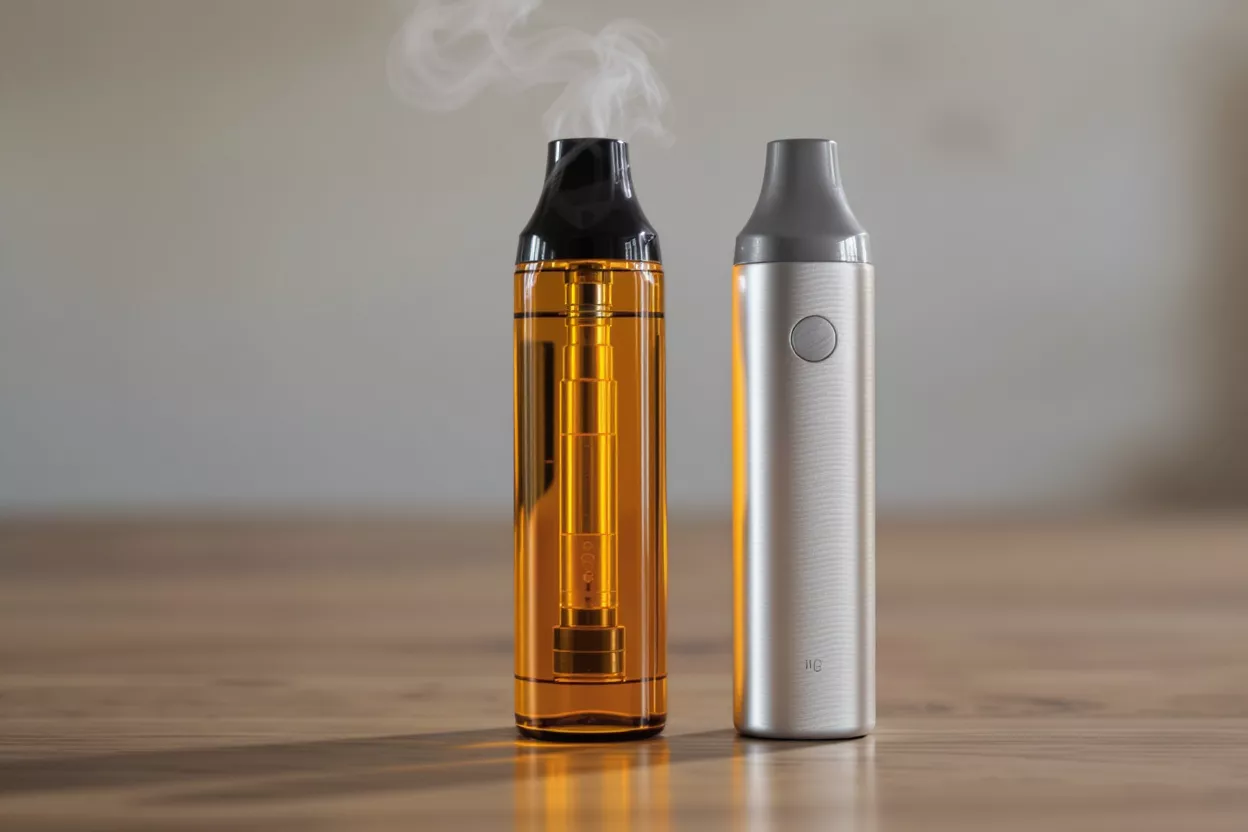
Conduction heats by direct contact: the cannabis rests against a hot surface, much like a pan on a stove. It heats up quickly and is mechanically simple, which keeps conduction devices affordable and pocket-friendly. The trade-off is uneven heating and a real risk of scorching the material touching the chamber wall, especially if you forget to stir between draws.
Where convection pulls ahead: Because hot air surrounds every particle, convection delivers more even extraction and richer flavor, and it only heats the herb while you are actually drawing. That on-demand quality conserves material and reduces waste.
- 🌬️ Heat transfer: Convection uses moving hot air; conduction uses direct surface contact.
- 👅 Flavor: Convection preserves terpenes better, yielding cleaner, more nuanced taste.
- ⚡ Heat-up time: Conduction is usually faster to reach temperature; convection may take a few extra seconds.
- 💰 Cost: Conduction units tend to be cheaper; convection demands more engineering and price.
- 🌿 Efficiency: Convection extracts more evenly and wastes less material over a full chamber.
Convection Vaporizers for Dry Herb
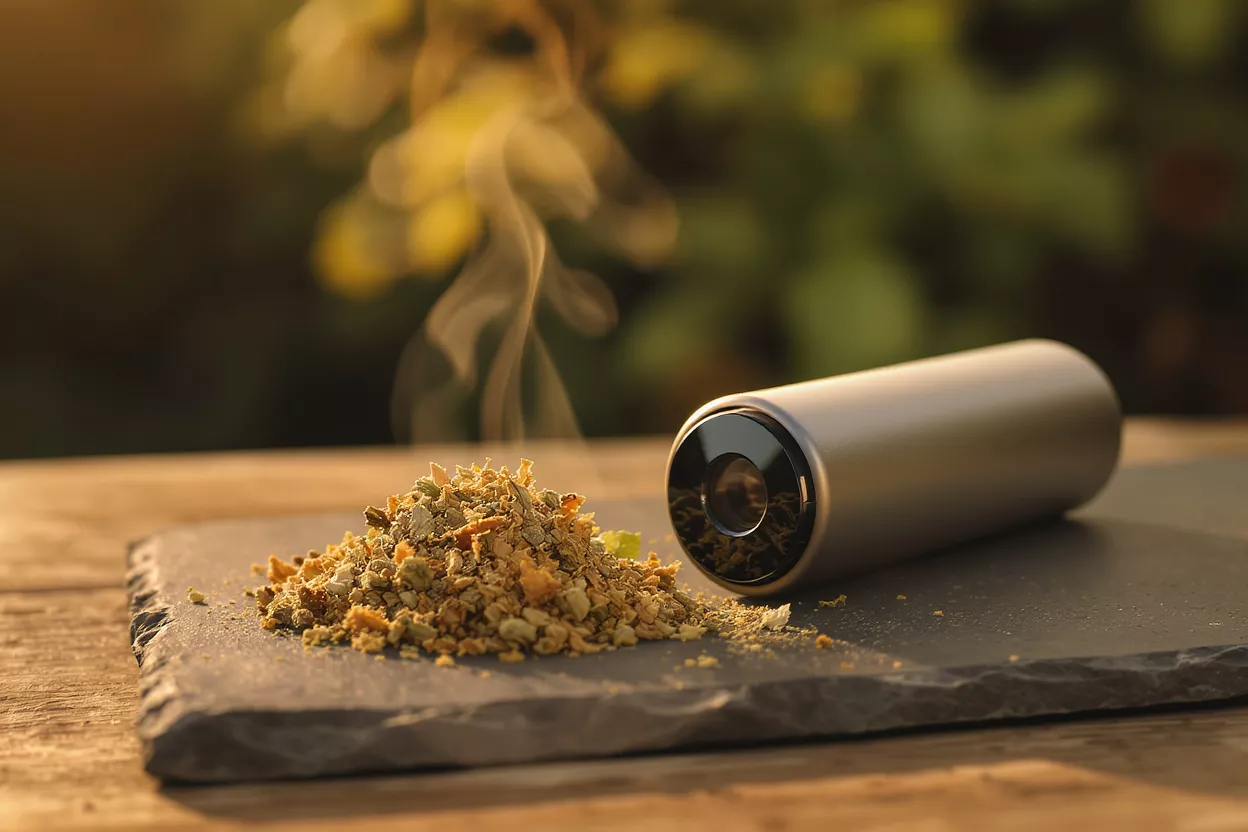
Dry herb is where convection truly shines. When ground cannabis flower is bathed in evenly heated air, the full spectrum of cannabinoids and terpenes is coaxed out gradually rather than blasted off all at once. This produces a layered experience where flavor and effect can shift across a single bowl.
Grind consistency matters: For convection to work properly, air has to flow freely through the chamber. A medium-fine, even grind maximizes the surface area exposed to the hot air stream while still allowing airflow. Packing too tightly chokes the draw; packing too loosely lets air channel around the material and leaves pockets unvaporized.
One practical advantage of convection with flower is the ability to do gradual extraction. By starting at a lower temperature and stepping up over the course of a session, you can taste the lighter, more volatile terpenes first and the heavier cannabinoids later. Many enthusiasts treat this as a tasting ritual rather than a simple delivery method.
Convection Vaping for Concentrates
Convection is not limited to flower. A growing class of devices uses heated air to vaporize concentrates such as wax, rosin, and other extracts. Here the benefit is precision: hot air can melt and vaporize sticky material without the harsh, sometimes acrid hit that comes from dropping a dab onto a glowing-hot surface.
Because extracts are far more potent than flower, temperature control becomes even more important. A convection concentrate vaporizer lets you dial in a lower setting to preserve delicate terpenes in something like live rosin, or push higher for denser clouds from a more stable extract. The even heat means you are less likely to char the product and waste valuable material.
Hybrid chambers that accept both flower and concentrate inserts have made convection a versatile choice for users who do not want to own two separate devices. With the right accessory, a single unit can move from a flavorful flower session to a measured dab without changing the fundamental heating principle.
Convection Benefits for Flavor and Vapor
The reputation of convection rests largely on the quality of vapor it produces. By keeping temperatures below combustion and surrounding material with even heat, these devices preserve the aromatic compounds that give each cultivar its signature character. The difference is most obvious to anyone switching from smoking, where high heat destroys much of that nuance.
Cleaner inhales: Without smoke, tar, and the bulk of combustion byproducts, vapor from a convection device tends to feel smoother on the throat and lungs. While no inhalation is entirely without risk, avoiding combustion removes a significant category of irritants.
- 🍃 Terpene preservation: Lower, even heat protects volatile flavor compounds from being scorched away.
- 💨 Vapor density: A slow draw through evenly heated material yields thicker, more satisfying clouds.
- 🎯 Efficiency: On-demand heating means material is only vaporized while you actually inhale.
- 🔬 Purity: Sub-combustion temperatures reduce exposure to tar and other smoke byproducts.
Beyond the sensory upgrade, many users appreciate the discretion convection affords. Vapor dissipates faster than smoke and carries a lighter, less clingy aroma, making it a more considerate choice in shared spaces.
Types of Convection Vaporizers
Not all convection devices are built the same. The category splits into a few broad designs, each with its own balance of portability, power, and price. Understanding these types helps you match a device to your lifestyle rather than buying on marketing claims alone.
Portable convection vaporizers are battery-powered and pocket-sized, designed for sessions on the move. They draw air across a heating element when you inhale and prioritize discretion and convenience. Battery life and heat-up speed are the main compromises in this category.
Desktop convection vaporizers plug into the wall and often use a powerful fan to force heated air through the chamber. These deliver the most consistent, voluminous vapor and frequently feed a balloon bag or whip. They are the gold standard for home sessions where portability is not a concern.
A third group, sometimes called hybrid or semi-convection units, blends a touch of conduction with convection airflow to speed up heat-up time while retaining much of the flavor benefit. These represent a practical middle ground for users who want quick draws without fully sacrificing convection's signature taste.
Best Convection Temperature Settings
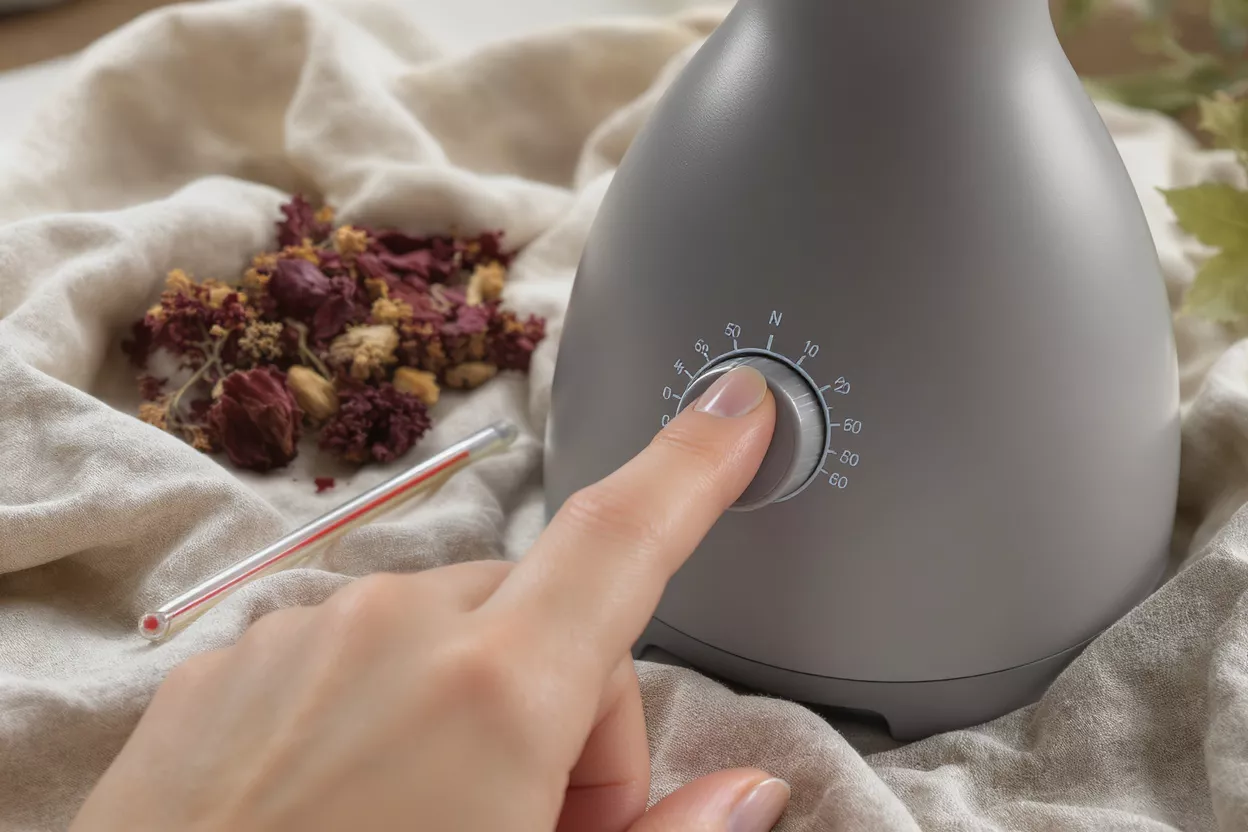
Temperature is the dial that shapes nearly everything about a convection session. Different cannabinoids and terpenes vaporize at different points, so the setting you choose directly influences flavor, vapor thickness, and the character of the effect. Learning the rough zones is the key to mastering any convection device.
At the lower end, roughly 160°C to 180°C, you get the most flavor and a lighter, more functional experience as the delicate terpenes lead the way. The mid-range, around 180°C to 200°C, balances flavor with fuller cannabinoid extraction and is where most users spend their time. Push toward 200°C to 220°C and you trade some flavor for dense, potent vapor.
- 🌡️ 160–180°C: Maximum flavor, gentle effect, light wispy vapor.
- 🌡️ 180–200°C: Balanced flavor and potency — the everyday sweet spot.
- 🌡️ 200–220°C: Dense vapor and stronger effect, with some terpene loss.
The beauty of convection is how responsive it is to these adjustments. Because heat is delivered on demand through airflow, raising or lowering the temperature produces an almost immediate change in your next draw, giving you fine-grained control that contact heating struggles to match.
Are Convection Vaporizers Worth It?
For many people the answer comes down to priorities. Convection devices generally cost more than entry-level conduction units, and they can take a few extra seconds to heat up. If raw simplicity and the lowest possible price are your goals, a basic conduction vaporizer may serve you fine.
Who benefits most: Flavor chasers, frequent users, and anyone particular about vapor quality tend to get the most value from convection. The even extraction conserves material over time, which can offset the higher upfront cost for someone who vapes daily. Concentrate enthusiasts also gain meaningful control they simply cannot get from a hot surface.
If you are still exploring whether to move away from smoking, convection represents one of the most refined options available. It rewards a little patience and attention to technique with a session that is cleaner, tastier, and more adjustable than nearly any other method on the market.
Convection Vaporizer Care and Maintenance
Because convection relies on unobstructed airflow, keeping your device clean is not just cosmetic — it directly affects performance. Resin and fine plant particles can accumulate in screens, vapor paths, and around the heating element, restricting airflow and dulling flavor over time.
A simple cleaning routine: Empty the chamber after each session while it is still slightly warm, since residue brushes away more easily before it fully hardens. Periodically soak removable screens and mouthpieces in isopropyl alcohol, rinse thoroughly, and let everything dry completely before reassembling. Avoid submerging any electronic component.
Storing your device properly also extends its life. Keep batteries partially charged rather than fully depleted, store the unit away from extreme heat, and replace worn screens before they clog. A well-maintained convection vaporizer can deliver consistent, flavorful vapor for years.
Convection has earned its place as a cornerstone of modern cannabis consumption by solving the problems that combustion creates. By circulating clean, precisely heated air through flower or extracts, it preserves flavor, reduces harsh byproducts, and hands the user a level of control that older methods cannot offer. Whether you favor a pocket-sized portable or a powerful desktop, understanding how convection works — and how to dial in temperature, grind, and maintenance — is the surest path to a richer, cleaner session every time.




Comments