

Cymene
Learn how cymene shapes cannabis aroma, fights inflammation, and supports wellness.
What Is Cymene in Cannabis?
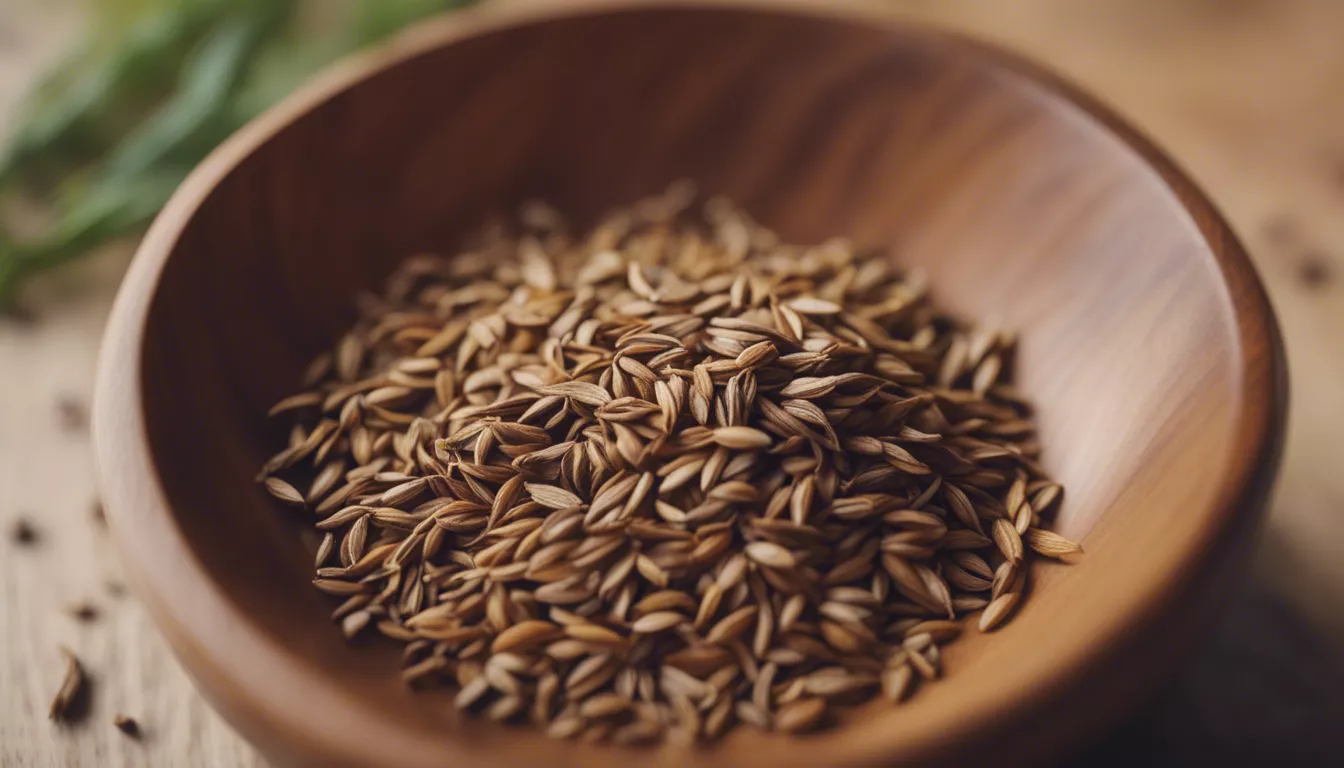
Cymene is an aromatic monoterpene that quietly contributes to the spicy, herbal character of cannabis while spending most of its life inside your spice rack. The same molecule that lends thyme, cumin, caraway, and oregano their warmth shows up in flower as a supporting player, rarely the star of a terpene report but consistently shaping the overall impression. Learning to recognize it adds depth to how you read a cultivar's aromatic fingerprint and how you think about the synergy between plant compounds.
Structurally, cymene is a hydrocarbon built on a benzene ring decorated with a methyl group and an isopropyl group. It most often appears as the para-isomer, written p-cymene, and that is the form virtually every botanical and cannabis study references. Because it is a hydrocarbon rather than an oxygenated terpenoid, the molecule is hydrophobic — it shrugs off water and prefers fats and oils, a trait that quietly governs how it behaves during extraction and formulation.
This terpene almost never operates solo. In cannabis it sits alongside dominant terpenes and a constellation of minor compounds, lending nuance rather than commanding the profile. Its role as a biosynthetic relative of other terpenes makes it especially interesting to chemists mapping how a single genotype expresses its scent. As cultivation in any licensed facility grows more analytical, growers increasingly track trace molecules like cymene to distinguish their flower in a crowded market.
How Cymene Terpene Works in the Body
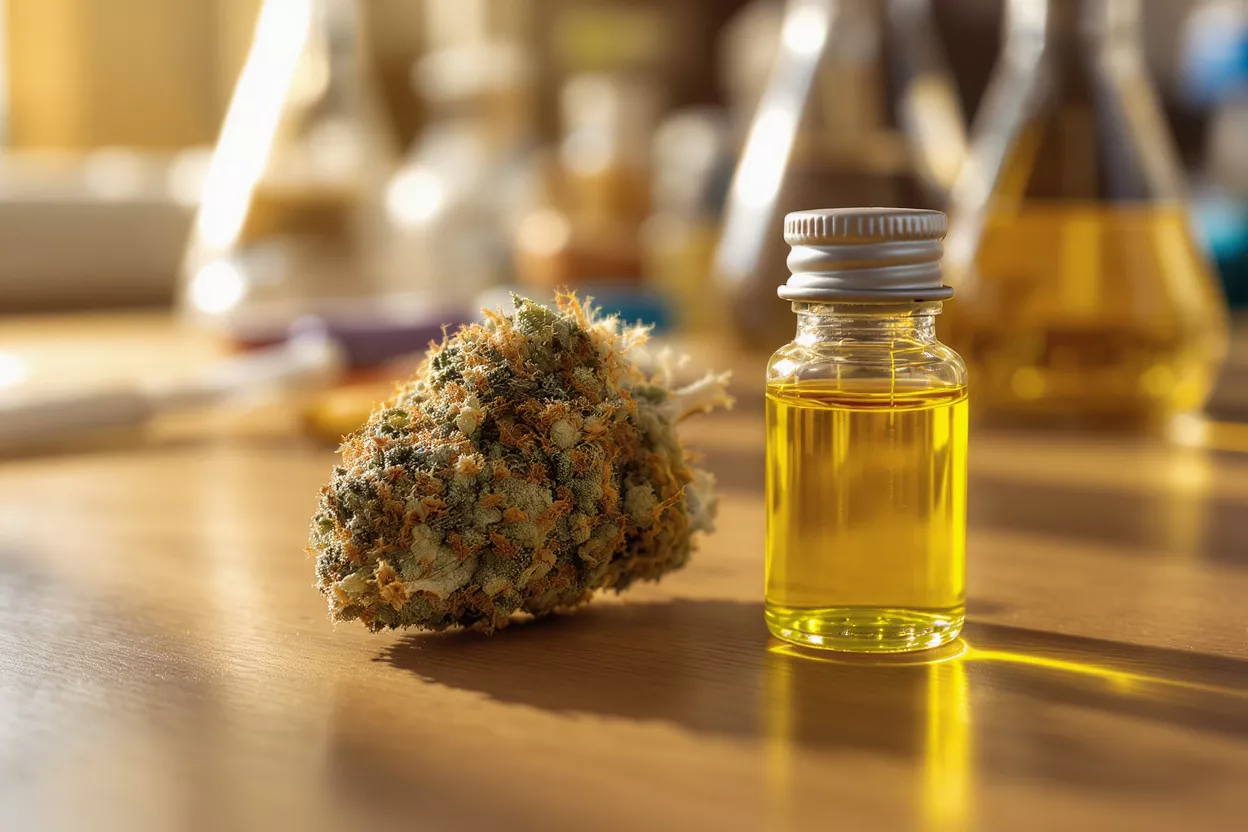
Receptor interaction: The effects attributed to cymene trace back to how the molecule engages receptors and signaling pathways. Research indicates that p-cymene can influence certain pain and inflammation routes, including activity at TRP channels — the same irritation- and temperature-sensing receptors that respond to compounds in chili peppers and mint. That receptor crosstalk is a major reason scientists find this terpene worth studying beyond its pleasant aroma.
Absorption and bioavailability: Because cymene is hydrophobic, it dissolves into fatty tissues far more readily than into the body's watery compartments. This shapes product design directly: pairing terpenes with a lipid or an emulsifier such as lecithin can improve uptake, which is why many infused products lean on oil-based carriers. Inhalation delivers terpenes rapidly through the lungs, while edibles route them through slower digestive absorption that changes both onset and duration.
Like the rest of the terpene family, cymene is understood to work in concert rather than alone. The entourage effect proposes that cannabis terpenes and cannabinoids together generate results neither produces in isolation. According to Harvard Health, the science surrounding individual plant compounds remains an active field, so much of what we credit to a single terpene is best read as part of a larger whole.
Cymene Aroma and Flavor Profile
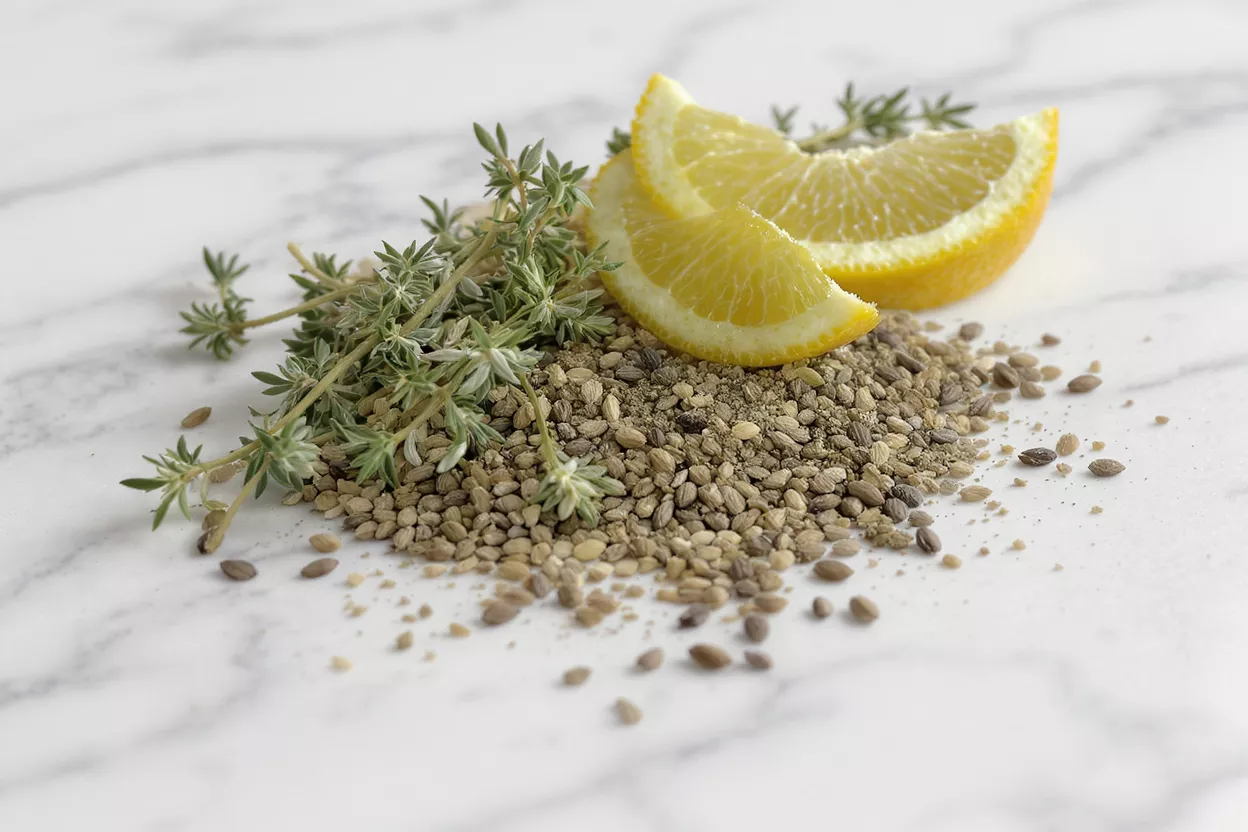
The scent signature: Cymene carries a sharp, faintly citrus aroma wrapped in warm, spicy, woody notes. If you have ever bruised fresh thyme between your fingers or cracked open a handful of cumin seeds, you already know the molecular character it lends to cannabis. In flower it tends to sharpen the herbal and peppery edges of a strain rather than amplify any sweet or fruity quality.
Aroma in cannabis is never the work of one molecule. Cymene plays against compounds like humulene, with its earthy hoppy bite, and eucalyptol, which adds a cooling minty lift. Together these terpenes assemble the layered bouquet you notice the moment you open a jar of well-cured flower. This interplay explains why two strains sharing the same headline terpene can still smell strikingly different from one another.
For anyone exploring concentrates, the contribution of minor terpenes becomes even more obvious. A clean live resin blend preserves the volatile molecules that flash-frozen flower retains, including delicate compounds like cymene that harsher processing tends to strip away. This is why solventless products such as a honeycomb disc often deliver a more faithful echo of the original plant's aroma.
Cymene Benefits Backed by Research
What the studies suggest: Early research on p-cymene points toward several intriguing properties, including antioxidant, anti-inflammatory, antimicrobial, and analgesic activity. Nearly all of this evidence comes from laboratory and animal models rather than large human trials, so these findings are best framed as encouraging leads rather than proven outcomes. Even so, the consistency across separate studies makes the molecule a genuinely compelling subject for deeper inquiry.
Antioxidant behavior is among cymene's most frequently cited attributes. Compounds with antioxidant capacity help neutralize reactive molecules that drive cellular stress, and p-cymene has shown this ability in controlled experiments. Researchers exploring the broader chemistry of dietary and inhaled plant compounds, including work referenced by Harvard Health, continue to investigate how these molecules might support everyday wellness.
Here is a concise snapshot of the properties researchers most often link to p-cymene:
- 🌿 Anti-inflammatory: May lower inflammatory signaling in tissue and cell models.
- 🛡️ Antimicrobial: Shows measurable activity against certain bacteria and fungi.
- ✨ Antioxidant: Helps counter oxidative stress in experimental settings.
- 💆 Analgesic: Demonstrates pain-modulating potential in animal studies.
- 🧪 Synergistic: Thought to amplify the activity of companion terpenes and cannabinoids.
Is Cymene Anti-Inflammatory and Pain-Relieving?
The anti-inflammatory angle: Of all cymene's studied properties, its anti-inflammatory potential attracts the most attention. In animal and cell-based research, p-cymene has been observed to reduce inflammatory markers, hinting that it may temper the body's overzealous immune responses. That places it among the anti-inflammatory terpenes that both researchers and cannabis enthusiasts watch with growing interest.
Pain modulation pathways: Cymene's engagement with TRP channels connects directly to how the body registers pain. By influencing these receptors, the molecule may alter how pain signals travel, which could account for the analgesic effects documented in preclinical models. People seeking gentle, plant-based support for discomfort often gravitate toward terpene-rich full-spectrum formulations precisely because whole-plant blends capture this kind of synergy.
It bears repeating that human clinical data on cymene specifically is still thin. While the laboratory results are genuinely promising, no terpene should be mistaken for medical treatment. The most grounded takeaway is that cymene appears to contribute meaningfully to the anti-inflammatory and analgesic character many people associate with particular cannabis chemotypes.

Cymene Antimicrobial Properties Explained
Fighting microbes naturally: One of the sturdiest areas of cymene research concerns its antimicrobial activity. P-cymene, frequently working in tandem with related compounds like thymol and carvacrol from thyme and oregano, has shown the ability to inhibit the growth of various bacteria and fungi. This partly explains why these aromatic plants have served as natural preservatives and folk remedies for centuries.
The antimicrobial story is a textbook case of synergy. On its own, cymene displays only moderate activity, but combined with its companion terpenes the effect strengthens considerably. That mirrors the entourage logic we see throughout cannabis, where a genotype's complete chemical profile matters more than any single isolated molecule. It is a recurring lesson in botanical chemistry that the plant's full expression outperforms the sum of its parts.
For consumers, this property carries practical weight in product stability. Naturally occurring terpenes with antimicrobial qualities can lend a measure of resistance to spoilage, though no responsible formulator treats them as the sole safeguard. Proper storage, rigorous testing in a licensed facility, and clean extraction remain the genuine backbone of product safety.
Cymene in Cannabis Strains and Products
Where you will find it: Cymene seldom appears as a dominant terpene, so you are unlikely to see a strain marketed as "cymene-rich." Instead it surfaces as a supporting note in cultivars that lean spicy, herbal, or peppery. Strains with prominent humulene and pinene profiles often carry detectable cymene as part of their aromatic backbone, adding that warm, almost savory complexity.
Different product formats preserve cymene to different degrees. Because it is a volatile hydrocarbon, aggressive heat and rough processing can drive it off before it reaches you. This is exactly why concentrate enthusiasts prize gentle, terpene-forward extractions. Consider how these formats compare when the goal is retaining delicate minor terpenes:
- 🧊 Live resin: Flash-frozen flower locks in volatile terpenes for maximum aromatic fidelity.
- 💎 HTFSE and HCFSE: High-terpene and high-cannabinoid extracts separate the aromatic and cannabinoid fractions.
- 🍯 Solventless hash: Formats like jelly hash and the honeycomb disc preserve terpenes without chemical solvents.
- 🌬️ Dried flower: Careful curing retains a balanced terpene profile, minor notes included.
- 🔥 Infused preroll: Adds concentrate to flower, boosting terpene density in every draw.

Whether you keep a curated head stash of premium flower or favor the convenience of a vape, knowing which products retain cymene helps you chase the aromas you enjoy most. A well-made solventless rosin tends to deliver the truest terpene experience for anyone who wants every nuance the genotype has to offer.
Cymene vs Other Cannabis Terpenes
How it stacks up: Cymene belongs to the minor terpene category, typically appearing in smaller concentrations than the marquee names. Where myrcene drives sedating, earthy effects and limonene brings bright citrus, cymene contributes a sharper, spicier accent. Its nearest aromatic relatives in cannabis are the peppery and woody terpenes rather than the sweet or floral ones.
One genuinely distinguishing feature is cymene's chemical architecture. As an aromatic hydrocarbon built around that benzene ring, it differs from many cannabis terpenes that are aliphatic in structure. This quirk shapes its stability and how it interacts with neighboring molecules. The geranyl-derived terpenes, by contrast, follow a different biosynthetic route, a reminder of how varied the plant's terpene machinery truly is.
Because cymene turns up across so many culinary herbs, it also bridges the worlds of cannabis and cooking. The same molecule perfuming a pot of thyme-seasoned stew may appear in your favorite spicy strain. That overlap is part of what makes terpene science so approachable — many of these compounds are already familiar from the everyday foods and spices in our own kitchens.
Is Cymene Safe to Consume?
Safety profile basics: Cymene is widely regarded as safe at the trace levels found in food and cannabis. It occurs naturally across countless edible plants, and regulators have long recognized related aromatic compounds as acceptable food flavoring agents. As with any concentrated substance, though, dose and context matter, and purified terpenes deserve careful handling rather than casual use.
The crucial distinction lies between trace dietary exposure and concentrated use. The cymene in a cumin-spiced meal or a single puff of flower is minuscule, while isolated terpene products can be vastly more potent. Reputable sources such as Harvard Health stress that natural origin alone does not guarantee safety at high concentrations, so moderation and informed sourcing always apply.
For most people enjoying cannabis, cymene presents no special concern beyond the general considerations that apply to any inhaled or ingested product. Choosing items tested in a licensed facility ensures the complete chemical profile — terpenes and cannabinoids alike — falls within safe, accurately labeled limits. That kind of transparency is the single best safeguard a consumer can lean on.
The Future of Cymene Research
What is next for the science: Cymene research is still in its early chapters, and the coming years should bring sharper clarity. As analytical instruments grow more sensitive, labs can quantify minor terpenes with a precision that was simply impossible a decade ago. That means we will increasingly understand how cymene shapes a strain's character and effects rather than dismissing it as background noise.
The surging interest in functional botanicals also fuels cymene's research momentum. Compounds spanning cannabis, culinary herbs, and even functional mushrooms are being studied for their potential wellness contributions. As consumer demand for transparency climbs, expect more detailed terpene panels and a richer vocabulary for describing exactly what makes each genotype distinct.
In summary, cymene may be a minor terpene by volume, but it punches well above its weight in aroma, potential benefits, and scientific intrigue. From its spicy citrus signature to its antimicrobial, anti-inflammatory, and antioxidant promise, this humble compound enriches both the cannabis experience and our broader grasp of plant chemistry. As research deepens and cultivation grows more precise, cymene is poised to step out of the shadows and earn the appreciation it deserves.





Comments