

Dabbing
Learn how dabbing works, from low temp technique to concentrate types.
What Is Dabbing and How Does It Work
Dabbing is a method of consuming concentrated cannabis extracts by flash vaporizing a small amount on a heated surface and inhaling the resulting vapor. The name comes from the small "dab" of concentrate required for a single session — often no larger than a grain of rice. Because extracts like wax, shatter, and hash oil carry far more cannabinoids per gram than dried flower, dabbing delivers a fast, potent experience that has reshaped how experienced consumers approach cannabis.
The practice grew out of the concentrate boom of the early 2010s, when refined extraction techniques made high-purity concentrate widely available. What was once a niche habit among extract enthusiasts has matured into a mainstream consumption category, complete with purpose-built hardware, temperature controls, and a culture of flavor appreciation that rivals fine spirits.
At its core, dabbing relies on a simple principle: heat a surface, apply concentrate, and inhale the vapor before the cannabinoids degrade. The details — temperature, equipment, and extract type — are where the craft lives, and where most of the difference between a harsh hit and a smooth, flavorful one is decided.
How Dabbing Vaporizes Concentrates
The vaporization process explained: Dabbing works by raising a concentrate above the boiling point of its cannabinoids and terpenes but below the point of combustion. THC vaporizes around 157°C (315°F), while many terpenes evaporate at even lower temperatures. By staying in this vaporization window, you release active compounds as inhalable vapor rather than burning them into smoke.
This distinction matters. Combustion destroys delicate terpenes and produces tar, carbon, and other byproducts. Vaporization preserves more of the extract's chemical profile, which is why a well-executed dab tastes cleaner and hits the target dose more efficiently than burning the same material would.
The hot surface — historically a "nail," now often a banger or e-rig chamber — acts as the heat-transfer medium. When concentrate contacts it, the extract liquefies, then flashes to vapor. The user draws that vapor through water filtration, cooling it slightly before it reaches the lungs.
Types of Concentrates You Can Dab
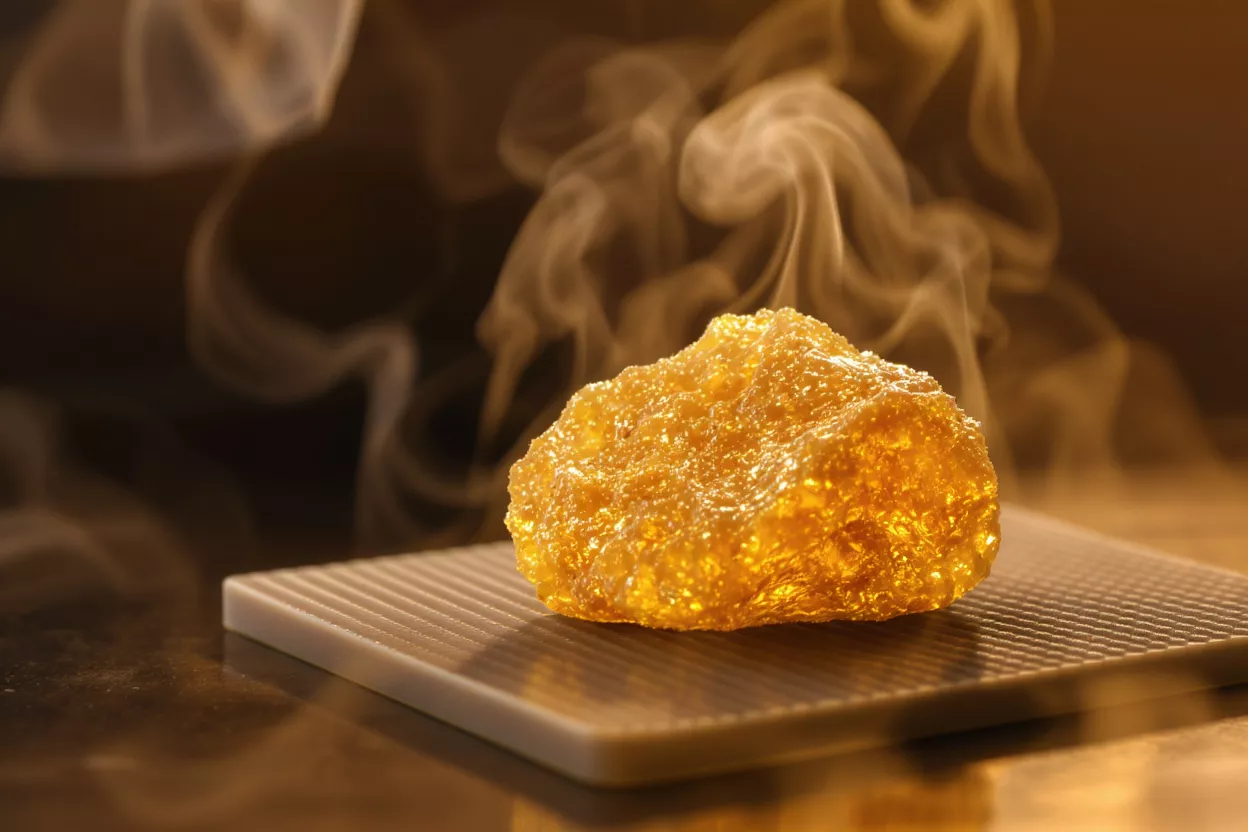
Not all extracts behave the same on a hot surface. The texture, purity, and extraction method of a concentrate affect how it melts, how it tastes, and how potent the experience feels. Understanding the main categories helps you match an extract to your preferences.
Solvent-based vs solventless: Many concentrates are made using solvents like butane or CO2 to strip cannabinoids and terpenes from plant material. Others, like rosin, use only heat and pressure. Solventless extracts command a premium because they capture flavor without leaving residual solvents behind.
- 🍯 Shatter: A glass-like, brittle extract that snaps when broken — stable, potent, and easy to portion.
- 🧈 Wax and budder: Soft, opaque, and creamy in texture, prized for being easy to handle on a dab tool.
- 💎 Live resin: Made from flash-frozen plants to preserve terpenes, delivering vivid flavor and aroma.
- 🌿 Rosin: A solventless option pressed from flower or hash, favored by purists.
- 🛢️ Hash oil: A viscous, oily extract that pours and spreads, often very high in THC.
For newcomers, wax and budder are forgiving because their soft texture is easy to scoop and dose. Shatter and live resin reward a steadier hand but offer exceptional clarity of flavor when handled correctly.
Dabbing Equipment Guide for Beginners
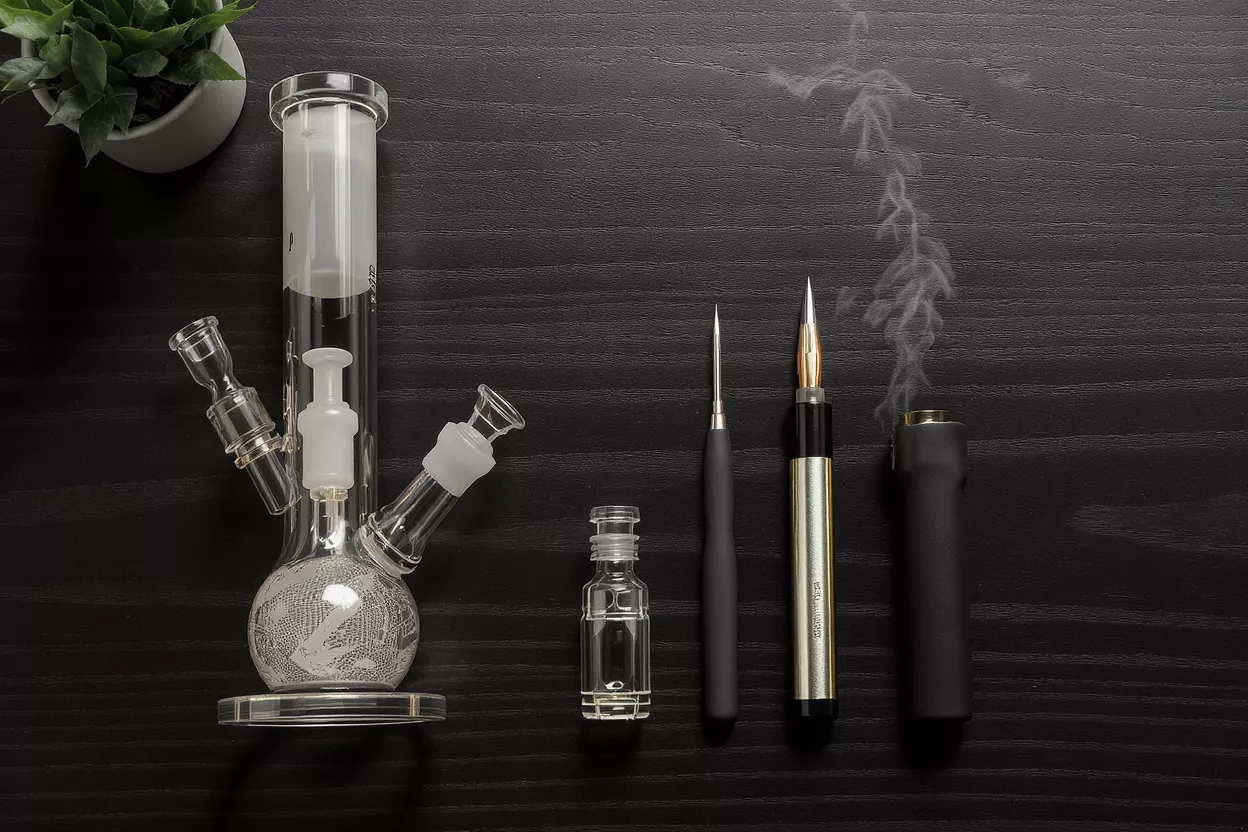
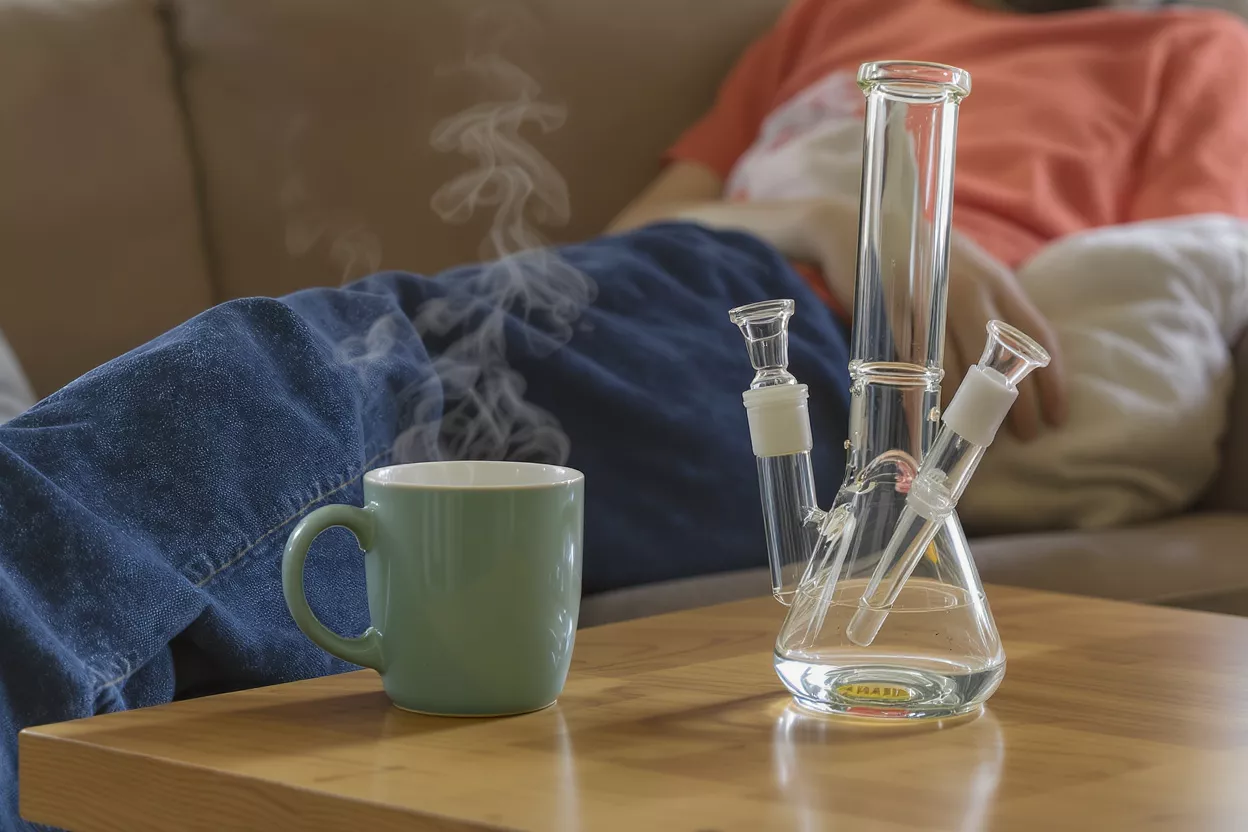
The traditional dab rig setup: A classic dabbing kit centers on a water pipe called a rig, fitted with a banger or nail made of quartz, titanium, or ceramic. You heat the banger with a butane torch, let it cool to the target temperature, then apply concentrate with a metal or glass dab tool. A carb cap traps heat and regulates airflow for a more complete vaporization.
Electronic rigs and portable options: E-rigs have transformed the experience by removing the torch entirely. These battery-powered devices heat to a precise temperature at the push of a button, making dosing consistent and far safer for beginners. Portable dab pens take the concept further, fitting a heated chamber into a pocket-sized device for on-the-go use.
Beyond the heating element, a few accessories make sessions smoother and cleaner. The right supporting gear prevents wasted concentrate and keeps your hardware performing well over time.
- 🔧 Dab tool: A metal or glass pick for handling sticky concentrate without making a mess.
- 🧢 Carb cap: Controls airflow and pressure to vaporize every bit of extract at lower heat.
- ⏱️ Timer or temp reader: Helps you nail the cooldown window for low-temperature dabs.
- 🧴 Isopropyl alcohol: For cleaning residue and keeping your banger tasting clean.
- 🔥 Quality torch: A reliable butane torch for consistent, even heating.
Why Low Temp Dabbing Beats High Heat
The case for cooler dabs: Low temp dabbing — generally in the 150°C to 230°C (300°F to 450°F) range — has become the gold standard among enthusiasts. At these temperatures, terpenes survive vaporization instead of being scorched, so the dab tastes like the strain it came from rather than burnt residue. The vapor is smoother, gentler on the throat, and more flavorful.
High-temperature dabbing, by contrast, blasts the concentrate well past the point where terpenes survive. You get a bigger, harsher cloud, but you sacrifice flavor and waste cannabinoids that combust rather than vaporize. Many newcomers default to high heat simply because a red-hot nail seems intuitive — it isn't the better choice.
The practical takeaway is patience. After heating your banger, let it cool for 30 to 60 seconds before applying concentrate. That brief wait is the single biggest factor separating an amateur dab from a refined one, and it costs nothing but a little discipline.
How to Dab Step by Step
Dabbing looks intimidating the first time, but the sequence is straightforward once you've done it. Working slowly and deliberately protects both your safety and the quality of your hit.
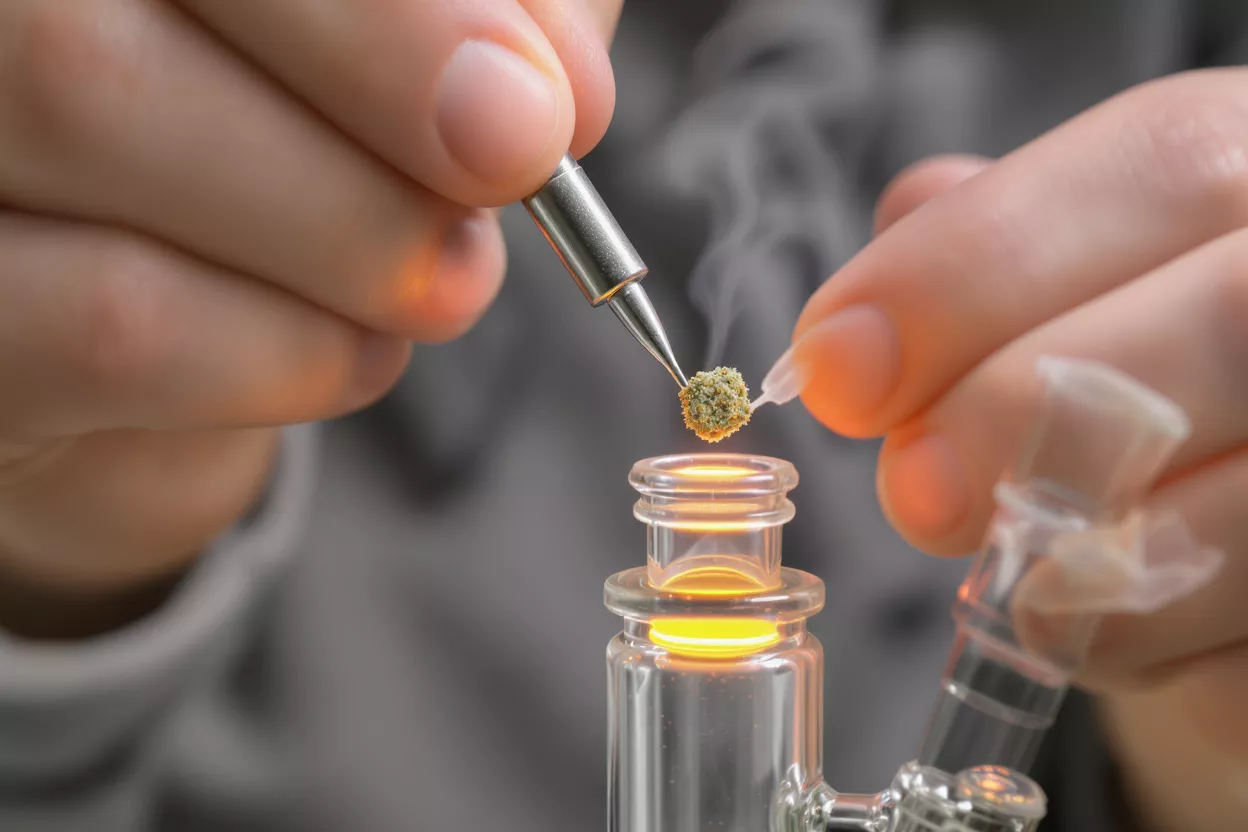
- 📐 Portion your dab: Use the dab tool to scoop a small amount — start tiny, especially if you're new.
- 🔥 Heat the banger: Apply the torch evenly until the surface is hot, then turn it off.
- ⏳ Let it cool: Wait 30 to 60 seconds to reach the low-temp window.
- 💨 Apply and inhale: Touch the concentrate to the banger and draw slowly as it vaporizes.
- 🧢 Cap it: Place the carb cap on to trap heat and finish the vaporization.
- 🌬️ Exhale and clean: Swab any leftover residue with a cotton tip while the banger is warm.
The biggest beginner mistake is using too large a dab. Concentrates are potent — a portion the size of a crumb can be plenty. Start small, gauge how it feels, and adjust upward only once you understand your tolerance.
Consistency comes with practice. After a handful of sessions you'll develop a feel for your hardware's cooldown timing and the exact dab size that suits you, and the whole process becomes second nature.
Dabbing vs Smoking Flower
Potency and onset: The most obvious difference between dabbing and smoking flower is intensity. Dried flower typically tests between 15% and 25% THC, while concentrates often range from 60% to over 90%. A single dab can deliver the equivalent of several bowls of flower, with effects arriving within seconds.
Flavor and efficiency: Because dabbing vaporizes rather than burns, it preserves terpene flavor that combustion destroys. It's also more efficient — you extract more active compound from less material. For medical users seeking rapid, substantial relief, that efficiency can be a meaningful advantage.
That said, smoking flower remains simpler and more accessible. It requires no specialized hardware beyond a pipe or papers, and its lower potency makes it easier to moderate. Dabbing rewards experience; flower forgives inexperience. Neither is strictly better — they serve different needs and tolerance levels.
Dabbing Benefits and Why People Choose It
Fast relief for medical users: The rapid onset of dabbing makes it valuable for people managing acute symptoms like pain or nausea, where waiting an hour for an edible isn't practical. Inhaled vapor reaches the bloodstream within seconds, allowing users to titrate their dose in real time.
For recreational users, the appeal often lies in flavor and potency. A clean low-temp dab of live resin or rosin showcases a strain's terpene profile with a clarity that flower struggles to match. Connoisseurs chase these nuances the way wine enthusiasts chase vintages.
Dabbing also reduces the volume of material consumed. Because concentrates are so potent, a small amount goes a long way, which appeals to heavy users who would otherwise burn through large quantities of flower. The reduced plant matter inhaled is another draw for those mindful of what they're putting into their lungs.
Is Dabbing Safe for New Users
Understanding the risks: Dabbing is safe for most adults when done responsibly, but its potency demands respect. The biggest hazard for beginners is overconsumption — taking too large a dab can lead to dizziness, anxiety, or an uncomfortably intense high. None of these are dangerous in a medical sense, but they can be unpleasant enough to sour the experience.
Concentrate quality matters: The purity of your extract directly affects safety. Poorly made solvent-based concentrates may contain residual butane or contaminants. Buying lab-tested products from reputable sources, or choosing solventless options like rosin, sidesteps this concern entirely. Always check for testing data when available.
Equipment safety is the other consideration. Butane torches require care, and overheating a nail to glowing red produces harsher vapor and potential byproducts. Electronic rigs eliminate the open flame and offer precise temperature control, which is why they're often recommended for anyone new to dabbing.
Dabbing Tips and Common Mistakes
Even seasoned users fall into habits that diminish their sessions. A few simple adjustments dramatically improve flavor, efficiency, and consistency. Most of these come down to patience and maintenance rather than fancy gear.
- 🌡️ Skipping the cooldown: Dabbing on a too-hot banger scorches terpenes and wastes concentrate.
- 📏 Oversized dabs: Start small — you can always take another, but you can't undo too much.
- 🧼 Neglecting cleaning: Residue buildup ruins flavor; swab after each session and deep-clean regularly.
- 🧢 Forgetting the carb cap: Without it, low-temp dabs leave concentrate behind unvaporized.
- 💧 Dirty rig water: Change it often for the smoothest, cleanest-tasting vapor.
The throughline across all of these is restraint. Dabbing rewards the patient user who waits for the right temperature, portions modestly, and keeps their gear clean. Rush the process and you trade away the very flavor and smoothness that make dabbing worthwhile.
Dabbing has evolved from a fringe technique into a refined consumption method with its own tools, vocabulary, and best practices. Whether you're drawn to it for rapid medical relief, terpene-rich flavor, or sheer efficiency, the fundamentals remain the same: use quality concentrate, embrace low temperatures, start with small doses, and keep your equipment clean. Master those basics and dabbing becomes one of the most rewarding ways to enjoy cannabis.




Comments