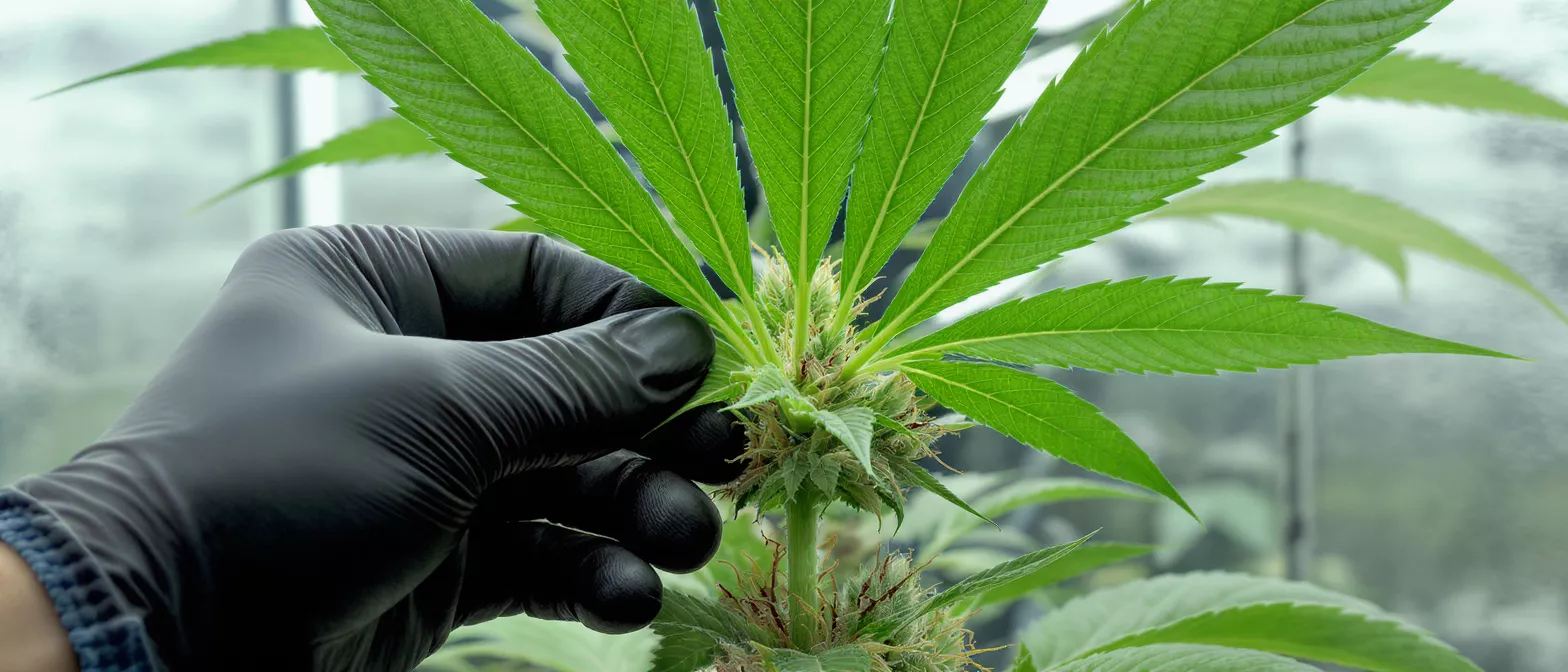
Defoliation
Master defoliation to boost yields and flower quality.
What Is Defoliation in Cannabis Growing
Defoliation is the deliberate removal of fan leaves from a cannabis plant to improve light penetration, airflow, and energy distribution toward developing flowers. While the word might sound destructive, this technique is one of the most refined tools in a cultivator's kit when applied with restraint. It transforms a bushy, shaded canopy into an efficient solar panel where light reaches more bud sites instead of being squandered on lower foliage.
Why growers strip leaves on purpose: Cannabis plants naturally produce more fan leaves than they strictly need under high-intensity indoor lighting. Those big leaves are photosynthetic engines, but they also cast shade over lower branches and trap humid air inside a dense canopy. By thinning select leaves, you redirect the plant's resources and open the structure so more flowering sites mature evenly. The goal is denser, more uniform colas rather than a few top buds surrounded by airy popcorn.
The practice sits alongside other canopy-management methods like topping, low-stress training, and lollipopping. According to research summarized by ScienceDirect, plant productivity depends heavily on how efficiently light is intercepted across the canopy, which is precisely the variable defoliation aims to optimize. Done well, it pushes a plant toward producing genuinely dank, resin-coated flowers instead of leafy filler.
How Defoliation Works on Cannabis Plants
At its core, defoliation works by manipulating the relationship between light, leaf surface area, and the plant's hormonal signaling. When you remove a shading fan leaf, the bud site beneath it receives direct light it was previously denied. Cannabis responds to light intensity at the flowering site, so improving that exposure can meaningfully influence bud density and trichome development.
Source-sink dynamics explained: Plants operate on a source-sink model where leaves (sources) produce sugars and flowers (sinks) consume them. Removing a small number of leaves does not starve the plant; instead, it encourages the remaining foliage to work harder and pushes stored energy toward flower production. The trick is balance — strip too aggressively and you cut off the very factories producing that energy.
Airflow and humidity control: A dense jungle of fan leaves traps stagnant, moist air against the buds, creating ideal conditions for mold and bud rot. Strategic leaf removal improves directional airflow through the canopy, lowering humidity at the flower sites. Pairing defoliation with good environmental control and quality canopy airflow fans dramatically reduces the risk of late-flower mold problems. Healthy circulation also discourages pests that thrive in still, humid microclimates.
When to Defoliate Cannabis Plants
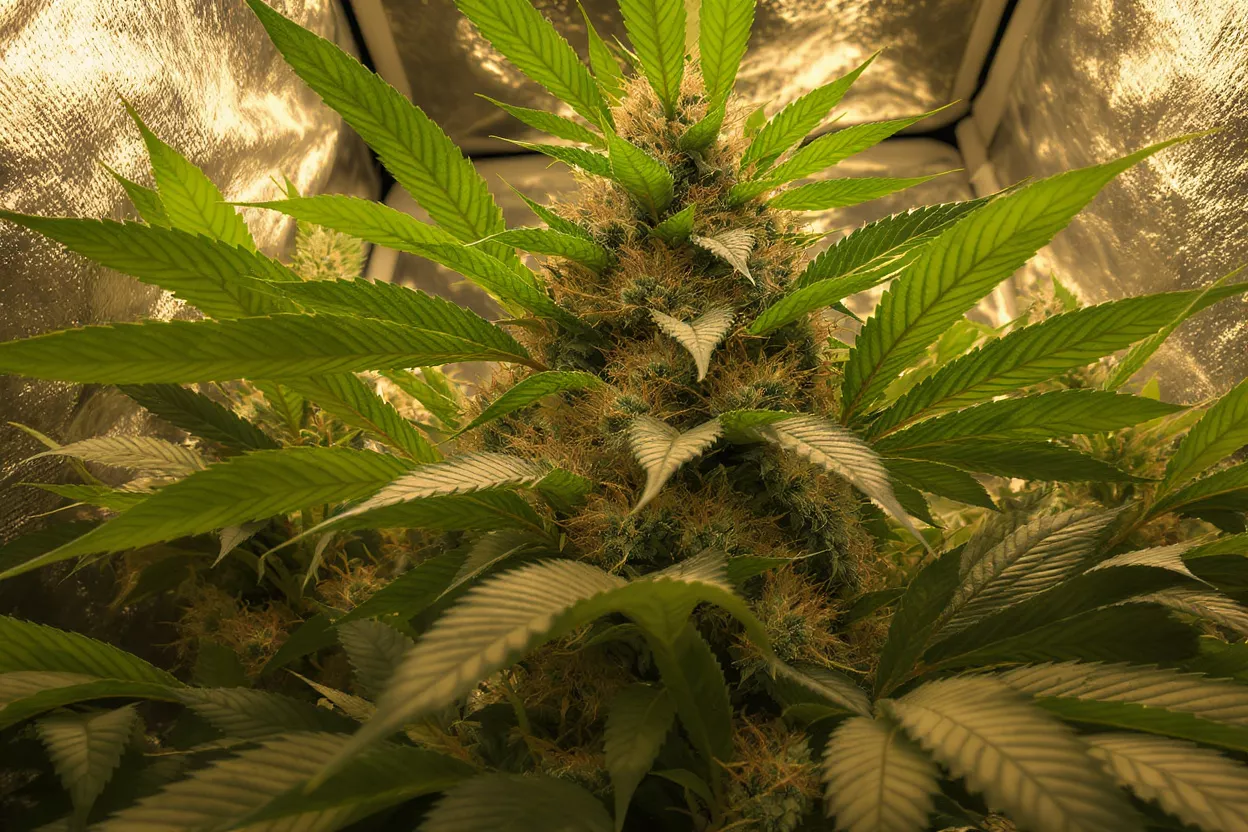
Timing is everything with defoliation. The plant needs to be vigorous and healthy enough to recover quickly, which means you only defoliate plants that are actively thriving. A stressed, nutrient-deficient, or recently transplanted plant should never be defoliated until it has bounced back to full vigor.
Vegetative stage timing: During veg, defoliation can be done more freely because the plant has ample time to regrow leaves and recover. Many growers perform light defoliation a few days before flipping to flower, clearing away the lowest growth that will never receive enough light to produce quality buds. This sets up a cleaner canopy heading into the stretch.
Flowering stage windows: Within flower, the safest windows are typically around day 1-3 of the flip and again around day 21, just before buds begin swelling in earnest. After roughly the third week of flower, heavy leaf removal becomes risky because the plant has less time and energy to recover. Research compiled by ScienceDirect on plant stress recovery underscores why timing interventions to coincide with peak vigor produces the best outcomes.
Types of Defoliation Techniques
Not all defoliation is the same. Growers use several distinct approaches depending on their goals, plant count, and tolerance for risk. Understanding the spectrum helps you choose a method matched to your experience level.
- 🌿 Light thinning: Removing only a handful of the largest fan leaves that shade bud sites — the gentlest, beginner-friendly approach.
- ✂️ Schwazzing: An aggressive method stripping nearly all fan leaves at specific points in flower, reserved for experienced growers with dialed-in environments.
- 🍃 Lollipopping: Clearing lower growth and foliage so energy concentrates on upper colas that get the most light.
- 💨 Selective canopy tuck: Combining leaf tucking with minimal removal to redirect light without heavy stress.
Most home growers do best starting with light thinning before graduating to more intensive methods. Schwazzing in particular demands precise environmental control — temperature, humidity, and feeding all need to be locked in, or the heavy stress can stall the plant rather than boost it.
Matching technique to genetics: Indica-dominant plants tend to grow bushy and dense, benefiting more from thinning than airy sativa structures. A wide, leafy plant heading toward producing diamonds-grade frost will reward careful canopy work, while a lanky sativa may need almost none.
Defoliation Benefits for Yield and Quality
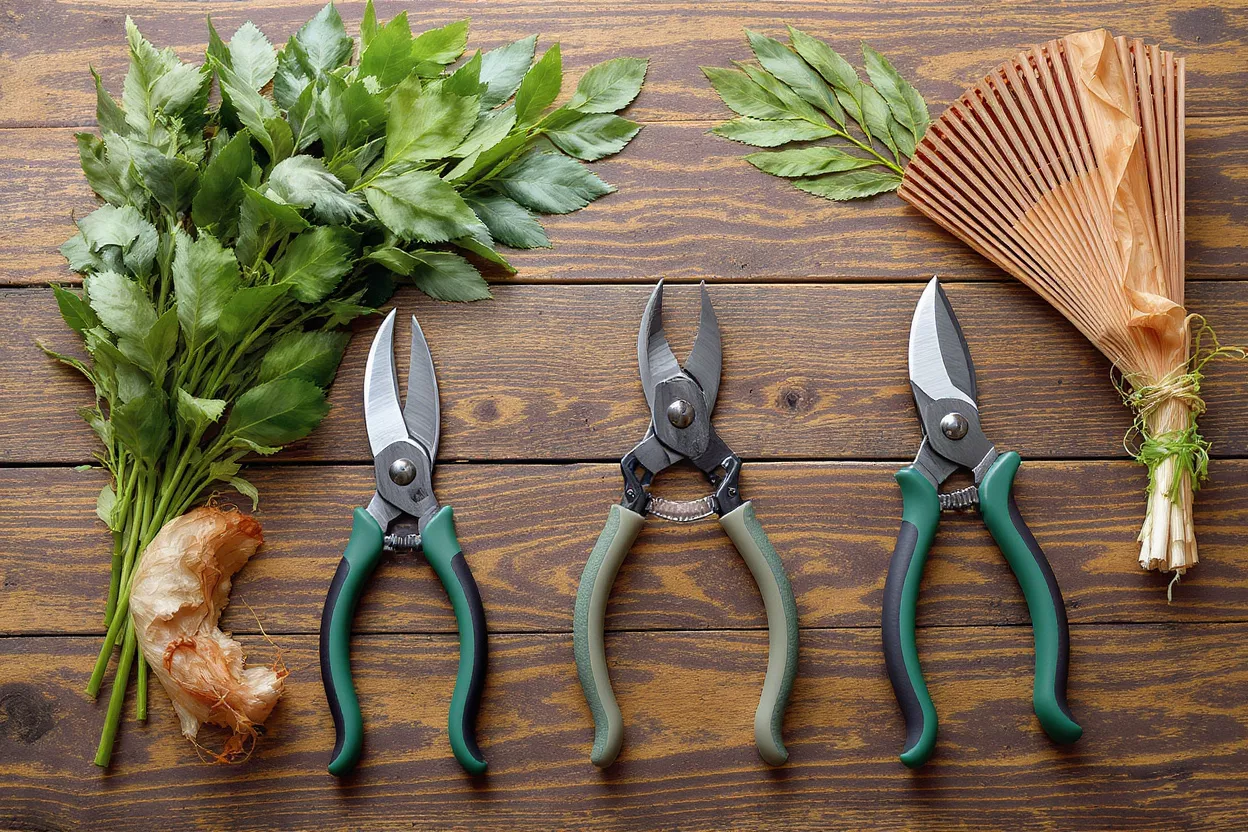
The most compelling reason growers defoliate is the impact on final harvest quality. By exposing more bud sites to direct light and improving airflow, you encourage uniform development across the entire plant rather than a handful of premium tops over a mass of underdeveloped popcorn buds.
Beyond raw weight, defoliation influences quality factors that matter to discerning growers. Better light penetration can boost trichome production on lower buds, and improved airflow reduces the moisture that degrades resin. The result is flower that finishes denser and more potent throughout the plant.
- ☀️ Light penetration: Lower and inner bud sites receive light they would otherwise be denied, maturing them into usable flower.
- 🛡️ Mold prevention: Reduced canopy density lowers humidity pockets where bud rot takes hold.
- ⚖️ Uniform colas: Energy spreads more evenly, producing consistent bud size across branches.
- 🔬 Resin quality: Drier, brighter conditions help preserve and develop trichomes.
A study referenced by ScienceDirect on canopy architecture and yield confirms that light distribution within a plant strongly influences total productive output, which aligns with what experienced cultivators observe in practice.
How to Defoliate Cannabis Step by Step
Executing a clean defoliation comes down to method and patience. Start with sanitized, sharp scissors or simply pinch leaves at the stem. Work methodically from the bottom up, removing leaves that are clearly shading bud sites or crowding the interior of the plant.
Choosing which leaves to remove: Target the largest fan leaves first, especially those pointing inward or lying flat across lower bud sites. Leave smaller sugar leaves nestled directly in the buds — those are doing close-range photosynthesis and protecting developing flowers. A good rule is to step back frequently and assess the whole plant rather than getting tunnel vision on one branch.
How much to take at once: Conservative growers remove no more than 20-30% of foliage in a single session, giving the plant a few days to recover before any further work. Sanitized tools and clean cuts matter here; a quality pair of precision pruning shears reduces tissue damage and lowers infection risk. Always defoliate at the start of a light cycle so the plant has a full day of energy to begin recovery.
Defoliation During the Flowering Stage
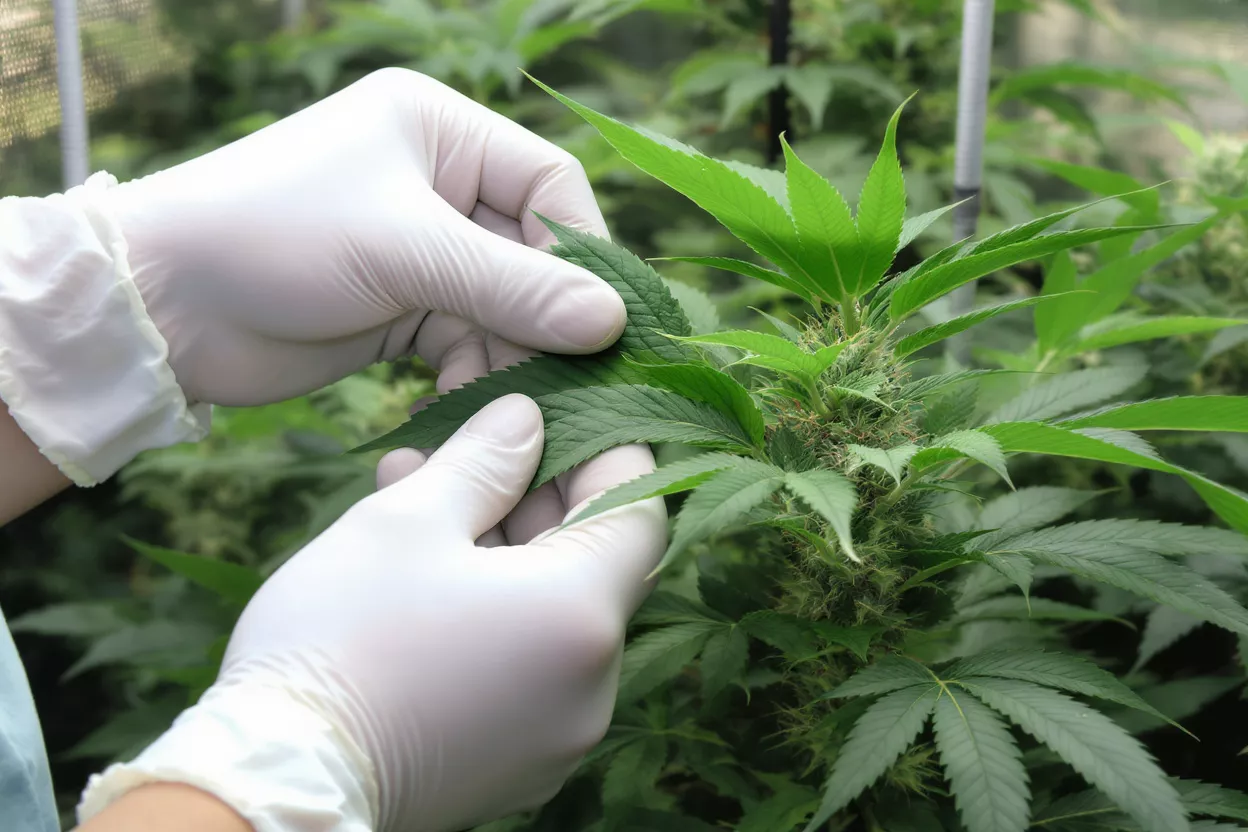
Flowering defoliation is where the biggest gains — and biggest risks — live. The early flower stretch is the ideal moment to set up your canopy, removing leaves that would otherwise shade the bud sites destined to become your main colas. This is the foundation of a productive flowering run.
The day-21 cleanup: Around three weeks into flower, many growers perform one final, measured defoliation to open the canopy just before buds swell rapidly. This last pass clears any regrown fan leaves that have begun crowding flower sites again. After this point, the plant commits its full energy to fattening buds, and further leaf removal offers diminishing returns while raising stress.
Throughout flower, watch for signs of stress like drooping or slowed growth, and back off if the plant struggles. Pairing canopy work with steady nutrition supports recovery, and supplemental products like a bloom nutrient supplement can help plants rebound from the energy demands of repeated leaf removal during this critical window.
Common Defoliation Mistakes to Avoid
The most frequent error is simple overzealousness. New growers, excited by the promise of bigger yields, strip far too much foliage at once and shock the plant into a stall. Remember that fan leaves are energy producers; remove too many and you cripple the very system that fuels bud growth.
Defoliating stressed plants: Never defoliate a plant that is already struggling from nutrient burn, heat stress, pests, or transplant shock. Stacking one stressor on top of another can tip a recoverable plant into serious decline. Wait until the plant shows vigorous, healthy growth before picking up the scissors.
Ignoring genetics and environment: Applying an aggressive schwazzing routine to a plant in a poorly controlled environment is a recipe for disaster. The most extreme techniques only pay off when temperature, humidity, and feeding are precisely managed. According to ScienceDirect, plant stress responses compound when multiple environmental pressures coincide, which is exactly why matching technique to conditions matters so much.
Is Defoliation Safe for Your Plants
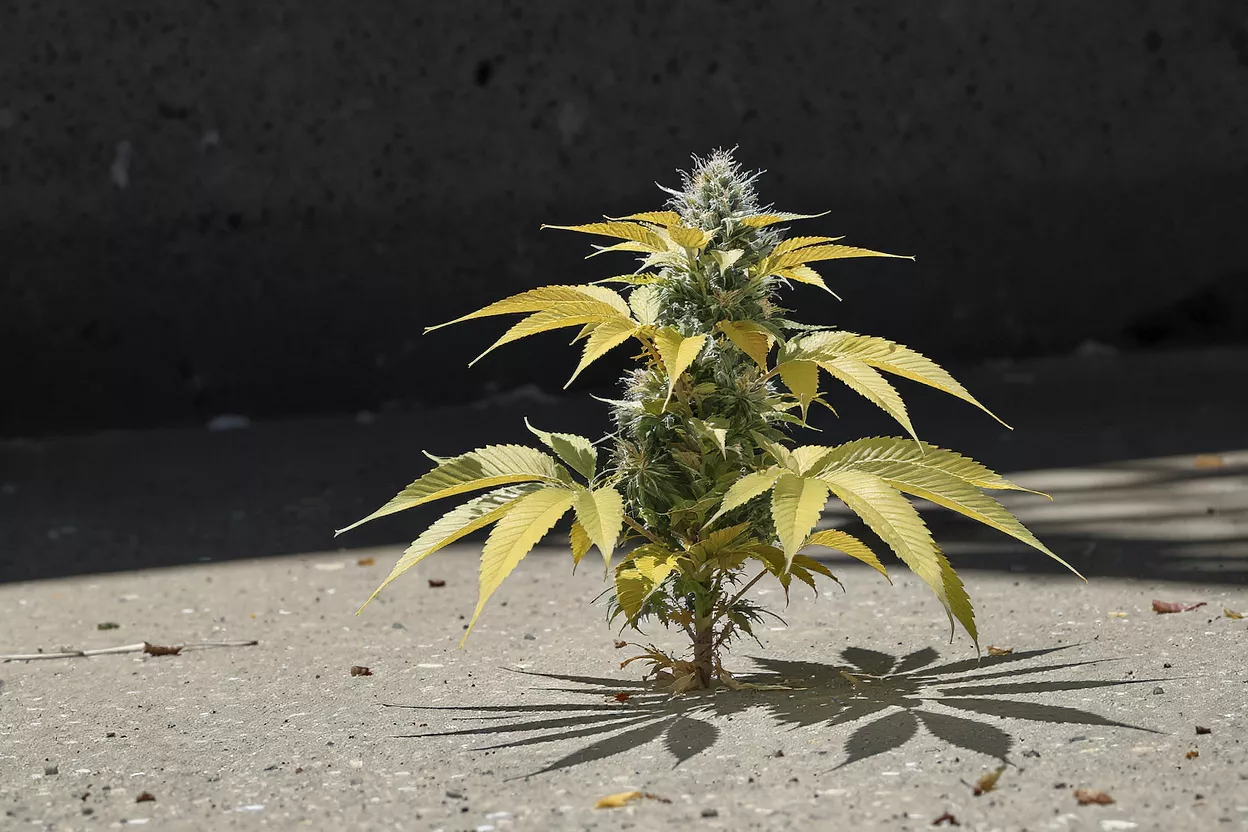
When done correctly, defoliation is a safe and well-established horticultural practice — it is essentially a form of pruning that humans have applied to crops for centuries. The key word is correctly. A healthy plant tolerates the controlled stress of leaf removal and often responds with vigorous, redirected growth.
The risk lies entirely in execution. Removing too much, too often, or at the wrong time turns a beneficial technique into a harmful one. Think of defoliation like a controlled trim rather than a drastic cut: measured, observant, and always tailored to how the specific plant is responding in real time.
For growers who prefer minimal intervention, light-stress training and simple leaf tucking achieve many of the same airflow and light benefits with almost no risk. There is no rule that you must defoliate at all — plenty of excellent harvests come from a gentle touch and good environmental control alone.
Defoliation Tips for Beginners
If you are new to defoliation, start small and observe. Pick one healthy plant, remove just a few of the largest shading fan leaves, and watch how it responds over the following days. This low-stakes approach builds your intuition without risking your whole grow on an aggressive technique you have not yet mastered.
Building a repeatable routine: Keep a simple grow log noting when you defoliated, how much you took, and how the plant responded. Over a few cycles you will develop a feel for how your specific genetics handle leaf removal. Consistency and observation beat any rigid formula copied from a forum.
Tools and hygiene basics: Always work with clean, sanitized tools and clean hands to avoid introducing pathogens into fresh wounds. Defoliate at lights-on, remove fallen debris from the grow space, and give plants time to recover between sessions. With patience and a light touch, defoliation becomes a reliable way to coax denser, higher-quality flower from every plant.
Defoliation rewards the patient and observant grower. By understanding how light, airflow, and plant energy interact, you can use this technique to push your harvest toward uniform, resin-rich, genuinely dank flower. Start conservatively, respect your plant's vigor and genetics, and treat every removal as a deliberate decision rather than a reflex. Master that balance, and defoliation becomes one of the most valuable skills in your cultivation toolkit.