


Diesel
Discover diesel cannabis strains like Sour Diesel and NYC Diesel.
What Is Diesel Cannabis?
Few descriptors in the cannabis lexicon carry as much instant recognition as "diesel." The word refers to a family of pungent, fuel-forward cannabis strains celebrated for their sharp aromatic punch and their bright, energizing high. When someone hands you a jar and says it smells like Diesel, they are signaling a very specific sensory experience: an acrid, gasoline-like sharpness that cuts through the room before you ever spark a bowl.
Diesel is not a single cultivar but rather a lineage and an aroma category at once. The name traces back to a handful of legendary East Coast varieties that exploded in popularity through the 1990s, with Sour Diesel standing as the flagship. Over the decades, breeders folded Diesel genetics into countless hybrids, spreading that signature fuel note across the entire sativa world.
What makes Diesel worth understanding is that it functions as both a flavor profile and a genetic shorthand. Knowing what the term signals helps you predict aroma, effect, and growing behavior across hundreds of modern hybrids. This guide breaks down where the smell comes from, how the lineage developed, and how to pick a jar worth your money.
Why Do Diesel Strains Smell Like Fuel?
The unmistakable gasoline aroma is the entire reason these strains earned their name, and it comes down to chemistry rather than marketing. The smell is produced by a particular blend of terpenes and volatile sulfur compounds that the plant generates in its resin glands. Together these molecules create that sharp, solvent-like impression on the nose.
The sulfur connection: Recent research has identified volatile sulfur compounds, structurally similar to those in garlic, as the true source of the skunky, fuel-like funk found in Diesel and gas strains. For years growers credited terpenes alone, but it turns out these trace sulfur molecules punch far above their weight, contributing the most pungent and characteristic notes despite being present in tiny concentrations.
Why the fuel note matters to buyers: A loud, sharp Diesel aroma is often read as a marker of potency and freshness. While smell alone never guarantees strength, a vivid fuel funk usually signals careful curing and healthy resin production. When that pungency fades to hay or grass, it often means the flower has been mishandled or stored poorly.
How Diesel Strains Were Bred
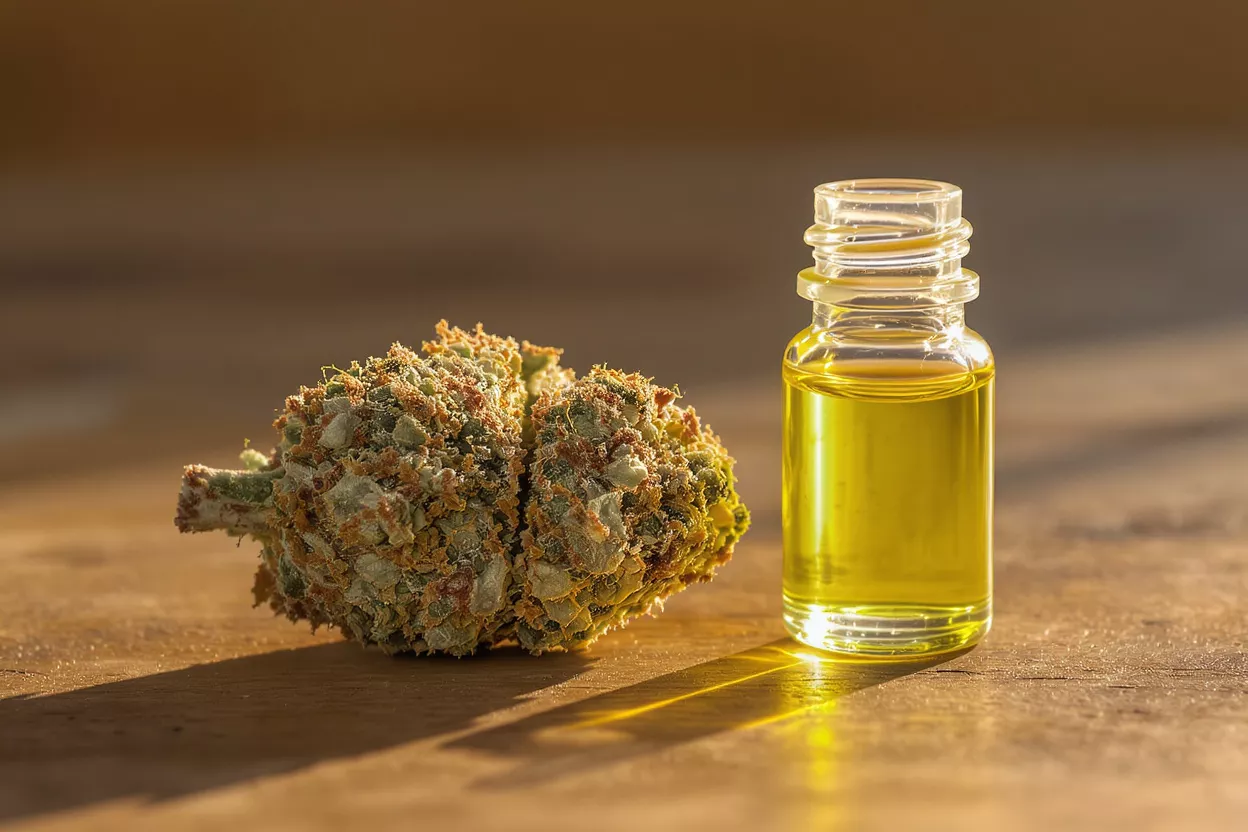
The Diesel story begins on the East Coast of the United States in the early 1990s, where an underground breeding scene produced the original cuts that would define the category. The exact parentage of the first Sour Diesel remains the subject of cannabis folklore, but most accounts point to a chance phenotype that combined Chemdawg genetics with Northern Lights and Skunk influences.
From clone-only cut to global lineage: The earliest Diesel plants circulated as guarded clones rather than seeds, passed between trusted growers. This clone-only status kept the genetics consistent and built mystique around the strain. As breeders eventually crossed Diesel parents into seed lines, the fuel note proved remarkably dominant and easy to pass along to offspring.
The Chemdawg link: Much of the modern gas and fuel flavor in today's market can be traced back through Diesel to the Chemdawg family. These two lineages are deeply intertwined, and many cultivators treat them as cousins within the same pungent branch of the cannabis family tree. Understanding this heritage explains why so many premium hybrids list a Diesel ancestor.
By the 2000s, Diesel had spread far beyond its New York roots, becoming a foundational building block for breeders worldwide who wanted to inject brightness, potency, and that signature sharpness into new crosses.
Sour Diesel Strain Profile
If Diesel is the family, Sour Diesel is its undisputed patriarch. Often abbreviated as "Sour D," this sativa-dominant strain set the standard for what fuel-forward cannabis should taste and feel like. It pairs an intensely sour, gasoline-and-citrus aroma with a fast-acting, cerebral high that has kept it on dispensary shelves for decades.
Sour Diesel typically tests in the high-teens to low-twenties for THC percentage, placing it firmly in the potent category. Its effects lean energizing and heady rather than physically sedating, which is why so many users reach for it during daytime hours when they still need to stay functional and alert.
Here is what defines a classic Sour Diesel experience:
- ⛽ Aroma: Sharp diesel fuel layered over sour citrus and a faint skunky undertone.
- ⚡ Effect: Fast-hitting, cerebral, and uplifting with a long-lasting energetic edge.
- 🌿 Type: Sativa-dominant, favored for daytime and social use.
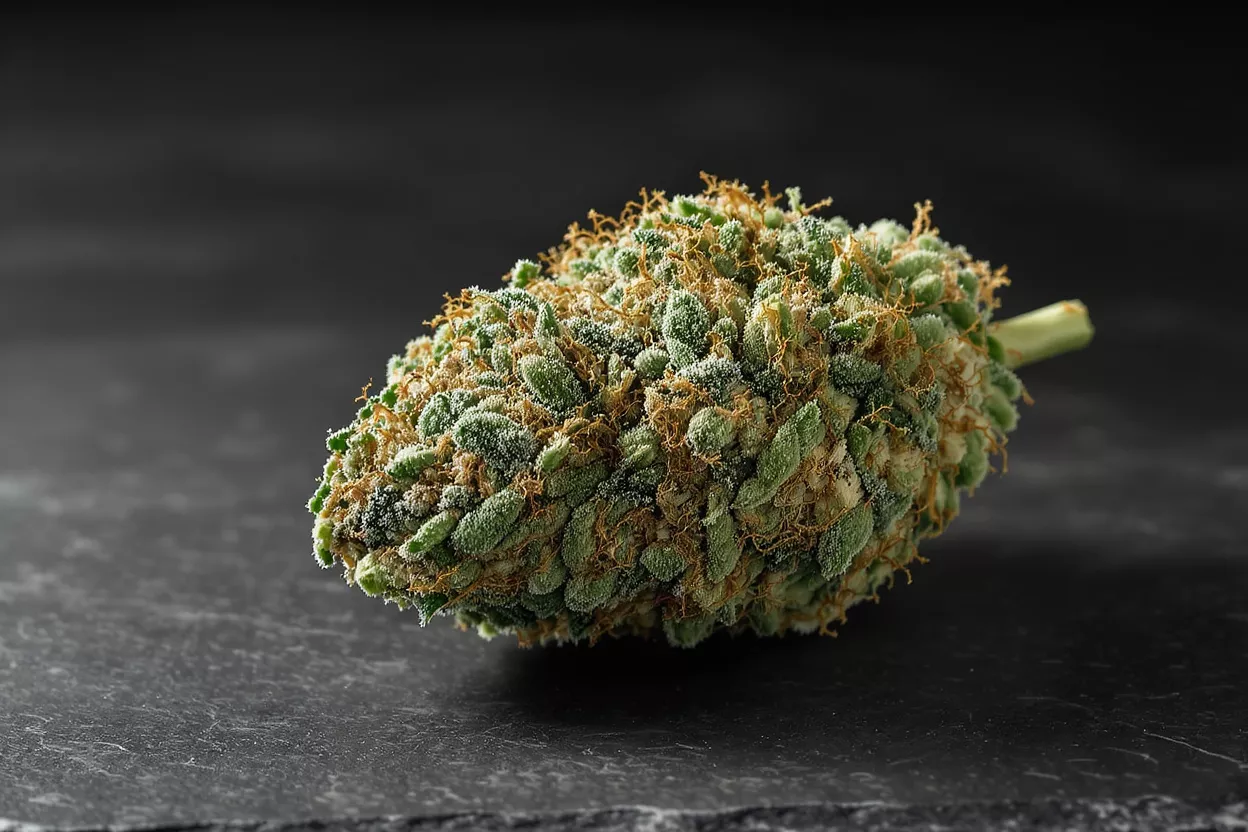
- 🎨 Appearance: Light green buds with vivid orange pistils and a generous frosting of trichomes.
NYC Diesel and Other Popular Diesel Strains
While Sour Diesel headlines the family, the broader Diesel category includes a deep roster of beloved variants. NYC Diesel is perhaps the most famous sibling, prized for layering a bright grapefruit and lime sweetness over the expected fuel base. This award-winning cross softens the harsher edges of classic Diesel while keeping the energizing lift intact.
Notable members of the Diesel family: Beyond the two flagships, breeders have produced dozens of standout crosses that carry the Diesel torch. Each one expresses the fuel note differently, ranging from candy-sweet to aggressively skunky.
- 🗽 NYC Diesel: Grapefruit and lime brightness over a fuel core, with a relaxed yet uplifting effect.
- 🍋 Super Sour Diesel: An even more intense, lemon-forward take on the original Sour D.
- 🔥 Biodiesel: A heavier, more resinous interpretation built for serious gas lovers.
- 🍫 Chocolate Diesel: A coffee-and-cocoa twist that lends its flavor to many modern hybrids.
What unites this family is consistency in the nose and the high. No matter how the sweetness or skunk balances out, you can expect that telltale fuel sharpness and a generally cerebral, motivating effect that distinguishes Diesel from heavy indica couch-lock strains.
What Effects Do Diesel Strains Produce?
The hallmark of Diesel strains is a clear-headed, energetic high that leans cerebral rather than sedating. Where many indica varieties wrap you in physical heaviness, Diesel tends to spark mental activity, conversation, and creativity. This is why the lineage has become a go-to for daytime sessions and social settings.
The energizing sativa effect: Most Diesel strains deliver a fast onset that hits the mind first, often described as uplifting and motivating. Users frequently report a burst of focus and talkativeness, making these cultivars popular for creative work, errands, or anything that requires staying engaged rather than glued to the couch.

That said, potency is real. The high THC content in many Diesel cuts means the cerebral lift can tip into anxious or racing thoughts if you overdo it. Pacing matters more here than with mellower strains, since the stimulating nature can amplify jitteriness in sensitive users or those prone to anxiety.
Diesel Terpene Profile Explained
The flavor and aroma of any Diesel strain are dictated by its terpene makeup, and the family shares a fairly recognizable fingerprint. These aromatic compounds not only shape the smell but also contribute to the overall character of the high through what many researchers call the entourage effect.
The dominant terpenes in Diesel: Caryophyllene typically leads the profile, lending a peppery, spicy sharpness that complements the fuel note. Myrcene and limonene usually follow, adding earthy depth and a citrus brightness respectively. Together this trio explains why Diesel smells like gasoline wrapped in lemon peel and black pepper.
Understanding terpenes helps you shop smarter. Two jars labeled the same strain can smell and feel quite different depending on how they were grown and cured. Trusting your nose and asking for terpene-test results, when available, gives you a far better read than the name on the label alone.
Best Ways to Consume Diesel Cannabis
Diesel's bold aromatic profile translates beautifully across consumption methods, though some formats showcase the fuel character better than others. How you choose to consume it shapes both the flavor intensity and the speed of onset.
Flower versus concentrates: Smoking or vaporizing dried flower remains the classic way to enjoy Diesel, preserving the full spectrum of its pungent terpenes. Concentrates like live resin and rosin, meanwhile, can amplify the gassy intensity dramatically, delivering a more potent and flavor-forward hit for experienced users.
Vaporizing for flavor clarity: A dry-herb vaporizer set to a moderate temperature is one of the best ways to taste the nuanced citrus and pepper notes hiding beneath the fuel. Lower temperatures preserve delicate terpenes that combustion tends to destroy, giving you a cleaner, more articulate Diesel flavor.
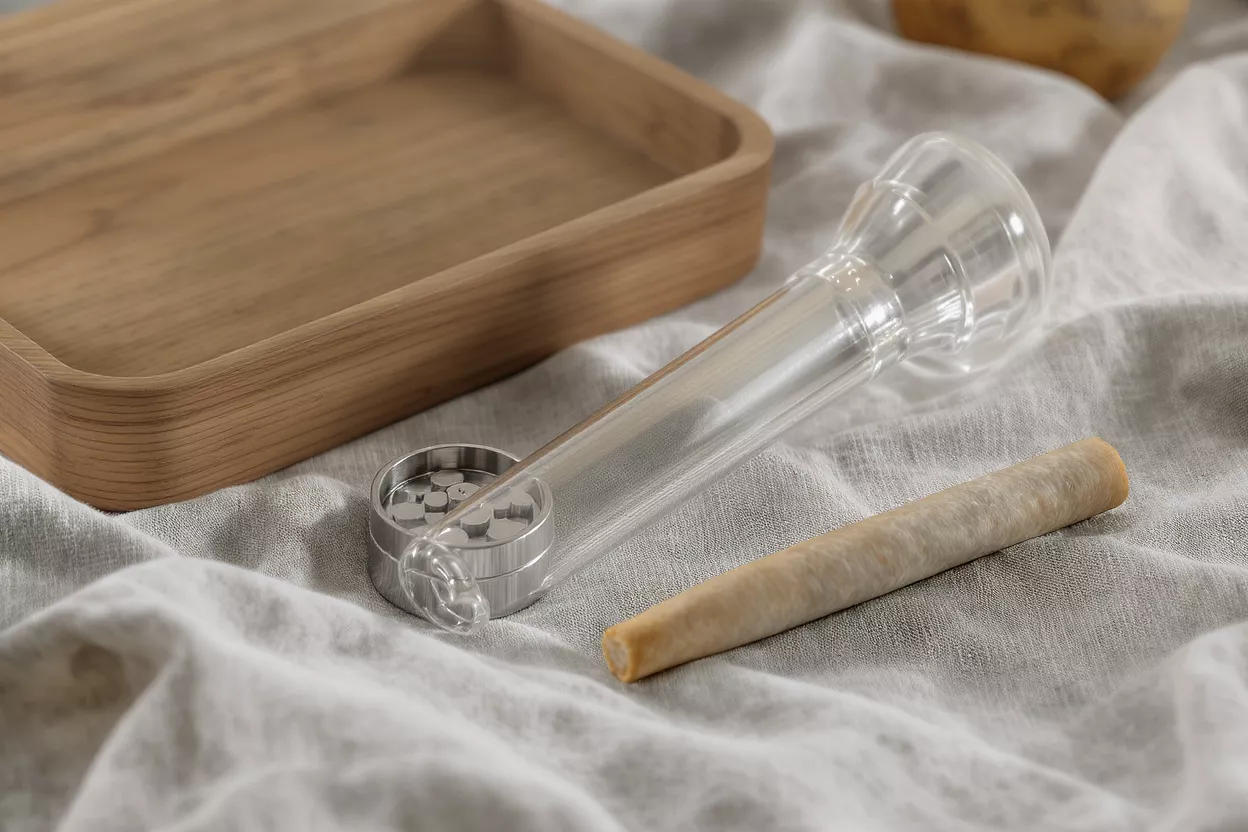
Edibles and tinctures made from Diesel-derived extract are also available, though processing often strips much of the signature aroma. If the fuel character is what draws you to Diesel, flower and fresh concentrates will always deliver the most authentic experience.
Are Diesel Strains Good for Beginners?
Diesel strains can absolutely work for newer consumers, but they call for a measured approach. The combination of high potency and an energizing, cerebral effect means a little goes a long way, and overconsumption can leave a beginner feeling wired or anxious rather than pleasantly elevated.
Start low and go slow: The golden rule of cannabis applies with extra weight here. Take one small inhalation, wait fifteen minutes to gauge the effect, and only continue if you feel comfortable. Because Diesel hits fast and hard, patience prevents the racing-mind discomfort that catches inexperienced users off guard.
For those who find pure sativa energy too intense, a Diesel-leaning hybrid can offer a gentler entry point. These crosses dial back the stimulation with a touch of indica relaxation while still delivering that beloved fuel flavor. Talking with a knowledgeable budtender about your tolerance is always a smart first step.
How to Choose a Quality Diesel Strain
Selecting a great Diesel comes down to engaging your senses and asking the right questions. Because the name appears on so many products, quality varies widely, and a little discernment goes a long way toward landing flower worth your money.
Trust your nose first: A genuine Diesel should hit you with a loud, sharp fuel aroma the moment the jar opens. If the smell is faint, grassy, or hay-like, the flower has likely been poorly cured or stored too long. Vivid pungency is your single best indicator of a fresh, well-handled batch.
Beyond aroma, inspect the buds for a healthy frosting of trichomes, vibrant color, and proper moisture that springs back rather than crumbling to dust. Whenever possible, review lab results for THC and terpene content to confirm the genetics live up to the name. A reputable source will gladly share that data.
Diesel has earned its decades-long place at the top of the cannabis world for good reason: that unmistakable fuel aroma, the bright energizing high, and a genetic legacy woven through countless modern favorites. Whether you reach for a classic Sour Diesel, a fruity NYC Diesel, or a fuel-heavy hybrid, knowing what the name signals helps you shop with confidence and enjoy the experience fully. Trust your senses, start slow, and let that signature gas guide you to the right jar.





Comments