


Dispensary
Learn how a dispensary works, what products it sells, and what to expect on your first visit.
What Is a Dispensary and How Does It Work
A dispensary is a state-licensed retail facility authorized to sell cannabis and cannabis-derived products to qualified customers. Whether you walk in looking for relief from chronic pain or simply want to explore the local recreational market, the dispensary is the legal, regulated bridge between cultivators, manufacturers, and the people who consume their products. Far from the shadowy image many people still hold, a modern dispensary functions much like a specialty pharmacy or boutique retailer, complete with knowledgeable staff, secure storage, and rigorous compliance protocols.
The regulated supply chain is what separates a legitimate dispensary from the unregulated market. Products arrive from licensed growers and processors, pass through tracking systems that follow each gram from seed to sale, and sit on shelves only after laboratory verification. This traceability protects consumers and keeps the business accountable to state regulators.
At its core, the dispensary model exists to provide safe, consistent access. Customers gain confidence knowing that what they purchase has been tested for potency and contaminants, labeled accurately, and sold by people trained to answer questions. That reliability is the single biggest advantage a dispensary offers over any informal source.
Types of Dispensaries: Medical vs Recreational
Not every dispensary serves the same customer. The two primary categories—medical and recreational (often called adult-use)—operate under distinct rules, even when they share the same storefront. Understanding which model applies to you shapes everything from the paperwork you need to the products you can buy.
Medical dispensaries serve patients who hold a state-issued medical card or a physician's recommendation. These facilities often carry higher-potency formulations, offer guidance tailored to specific conditions, and may extend tax exemptions or discounts unavailable to recreational buyers. Patients frequently work with staff who understand dosing for therapeutic goals such as managing nausea, inflammation, or sleep disturbances.
Recreational dispensaries welcome any adult who meets the legal age threshold, typically 21. No medical documentation is required—just valid government identification. The selection skews toward lifestyle and wellness products, and pricing reflects the additional excise taxes most states levy on adult-use sales.
- 🩺 Medical access: requires a card or recommendation, often lower taxes, higher possession limits, and condition-specific guidance.
- 🪪 Recreational access: open to adults 21+, ID-only entry, broader lifestyle selection, and standard retail taxation.
- 🏪 Dual-license shops: many storefronts serve both groups, separating medical and recreational counters or registers.
How Dispensary Licensing Works
Behind every legal dispensary sits a dense framework of permits, inspections, and ongoing compliance. Licensing exists to keep cannabis out of unregulated channels and to ensure that every operator meets baseline standards for security, record-keeping, and product safety.
State and local approval typically operate on two levels. An operator must secure a state license that authorizes cannabis sales, then satisfy local zoning and municipal permitting—rules that dictate how close a shop can sit to schools, parks, or residential areas. A business can hold state approval yet still be blocked by a city ordinance, which is why availability varies so dramatically from one town to the next.
Compliance does not end once the doors open. Dispensaries undergo regular audits, maintain detailed inventory through seed-to-sale tracking software, and face steep penalties for selling to minors or exceeding inventory thresholds. These obligations explain why prices at a licensed dispensary sometimes run higher than informal alternatives—the cost of compliance is real and built into every sale.
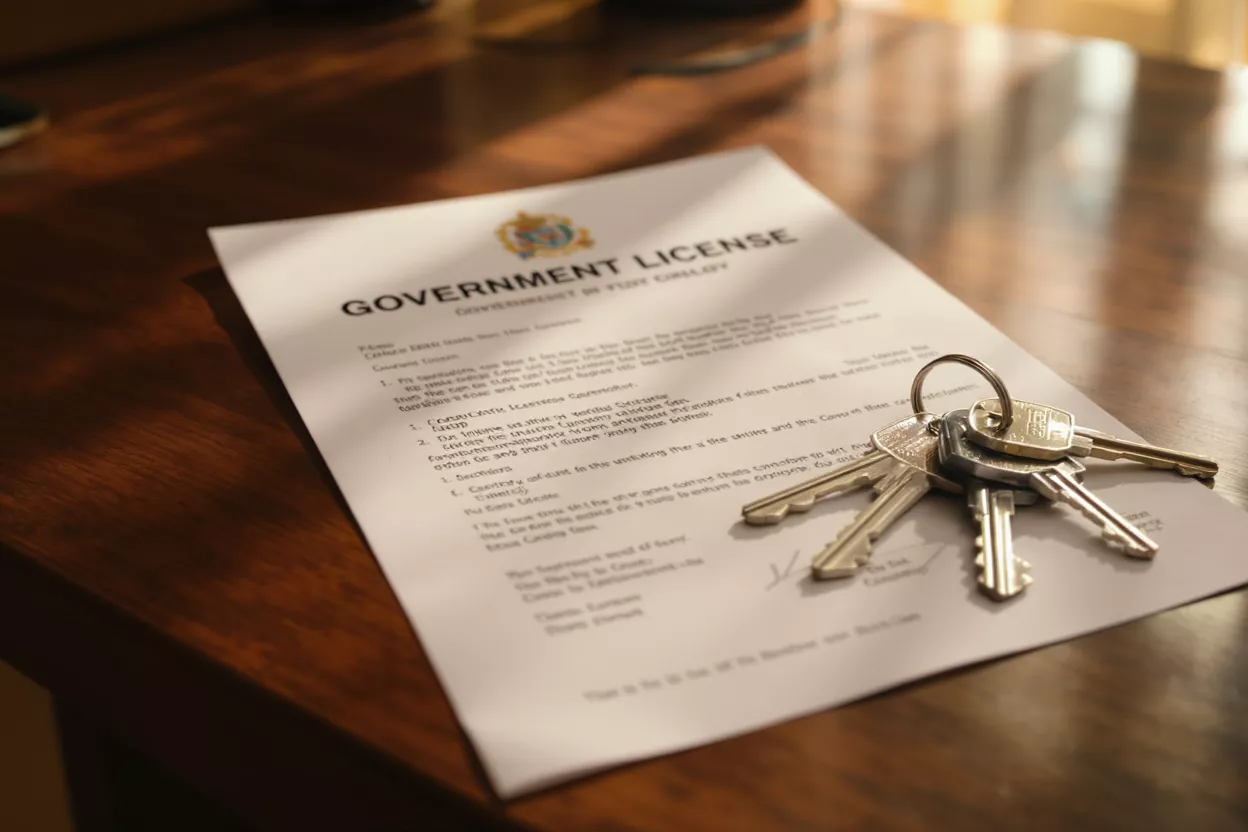
For consumers, the licensing system is a quiet form of protection. A licensed dispensary has every incentive to follow the rules, because its entire business depends on keeping that license in good standing.
What to Expect on Your First Dispensary Visit
Walking into a dispensary for the first time can feel intimidating, but the process is straightforward once you know the rhythm. Most shops follow a similar flow designed to verify your eligibility, protect their license, and guide you toward the right products without pressure.
Check-in and verification come first. A staff member or security host will scan or inspect your ID before you enter the retail floor. In many states you wait in a reception area until your identification clears, a small step that keeps the business compliant and keeps minors out entirely.
Once inside, you'll find products displayed in cases, on screens, or in sample jars you can smell but not handle freely. A budtender—the dispensary equivalent of a knowledgeable sales associate—is there to walk you through options, explain potency, and translate the jargon on each label. There's no obligation to buy quickly; good shops encourage questions.
Payment is the final step, and it carries a quirk worth noting. Because of federal banking restrictions, many dispensaries operate as cash-preferred businesses, though debit and on-site ATMs are increasingly common. Arriving prepared saves you a scramble at the register.
What Products Does a Dispensary Sell
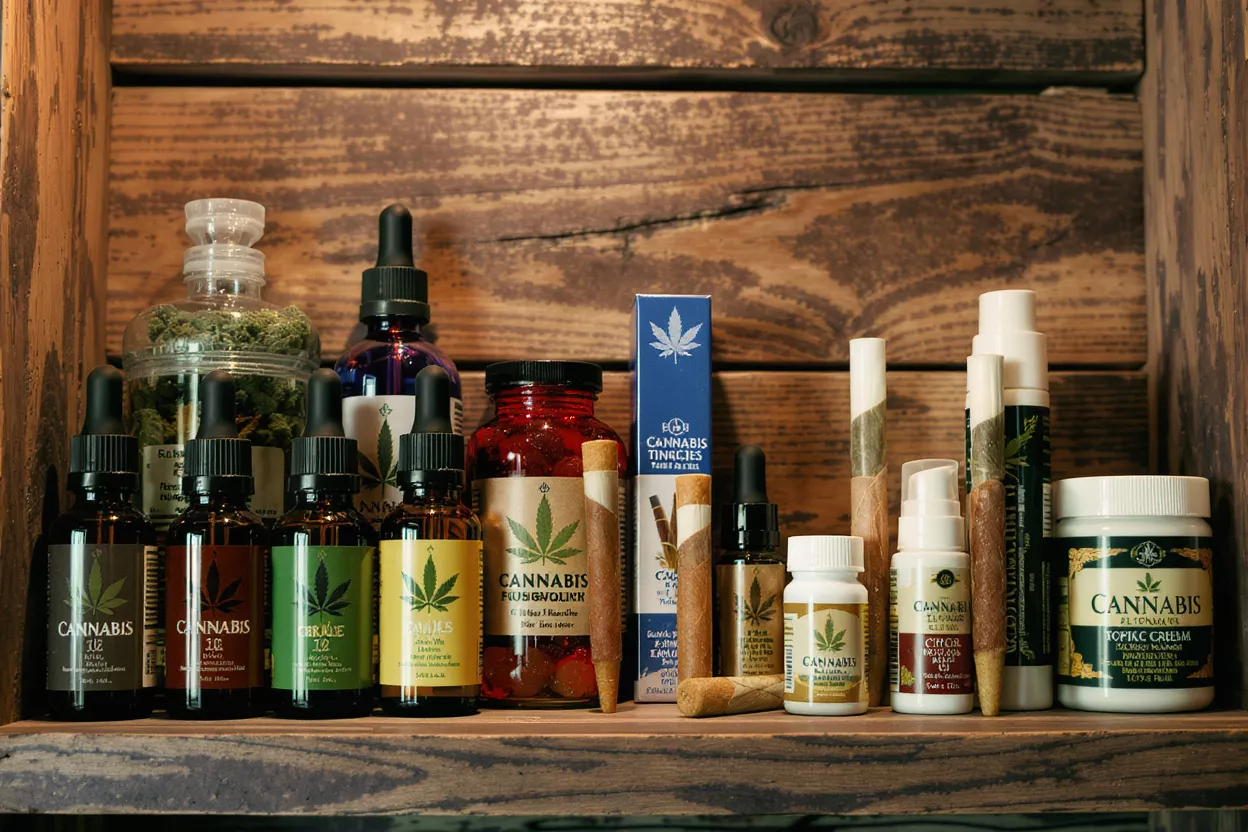
The modern dispensary shelf reaches far beyond dried flower. As extraction and infusion techniques have matured, the variety of formats has exploded, giving consumers precise control over potency, onset time, and experience.
Flower and pre-rolls remain the foundation for many buyers. Whole flower lets you see, smell, and grind your own material, while pre-rolls offer convenience for those who'd rather skip the preparation.
Concentrates and vapes appeal to experienced consumers seeking strength and efficiency. Products like live resin, shatter, and distillate cartridges deliver concentrated cannabinoids, and dispensaries carry them across a spectrum of potencies and flavor profiles.
- 🌿 Flower: dried buds sold by weight, the most traditional and versatile format.
- 🍬 Edibles: gummies, chocolates, and beverages with precise per-piece dosing and a slower onset.
- 💨 Vapes & concentrates: cartridges, dabs, and extracts for fast, potent effects.
- 🧴 Topicals: balms and lotions for localized relief without intoxication.
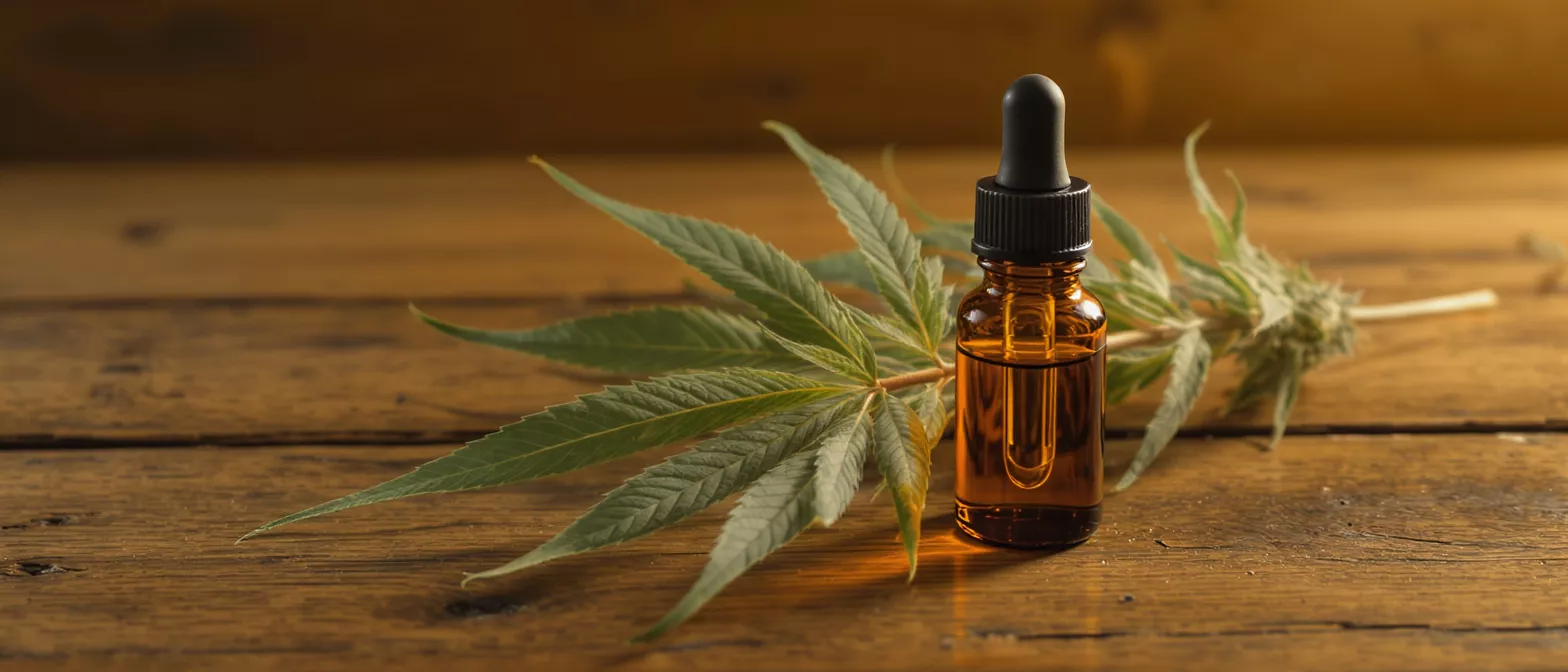
- 💊 Capsules & tinctures: measured, discreet options favored by medical patients.
Edibles, tinctures, and topicals round out the catalog, serving customers who prefer not to inhale anything. This breadth is one reason the dispensary has become a destination rather than a quick stop—there's genuinely something for nearly every preference and tolerance level.
How Budtenders Help You Choose
The budtender is the heart of the dispensary experience. Think of them as part retail associate, part informal guide—trained to translate complex product information into recommendations that fit your goals, tolerance, and budget.
Reading the label together is one of the most valuable things a budtender does. They can explain what the THC and CBD percentages mean for your experience, point out the role of terpenes in shaping aroma and effect, and steer beginners away from products that might overwhelm them.
A good budtender asks questions before recommending anything: Are you new to cannabis? Looking for daytime energy or evening rest? Sensitive to strong effects? Their guidance is most useful when you're honest about your experience level. There's no judgment in admitting you're a beginner—it helps them help you.
Keep in mind that budtenders are product specialists, not medical professionals. They can share what other customers report and what the lab results show, but for serious medical conditions, their advice should complement—not replace—a conversation with your physician.
Dispensary Rules and Purchase Limits
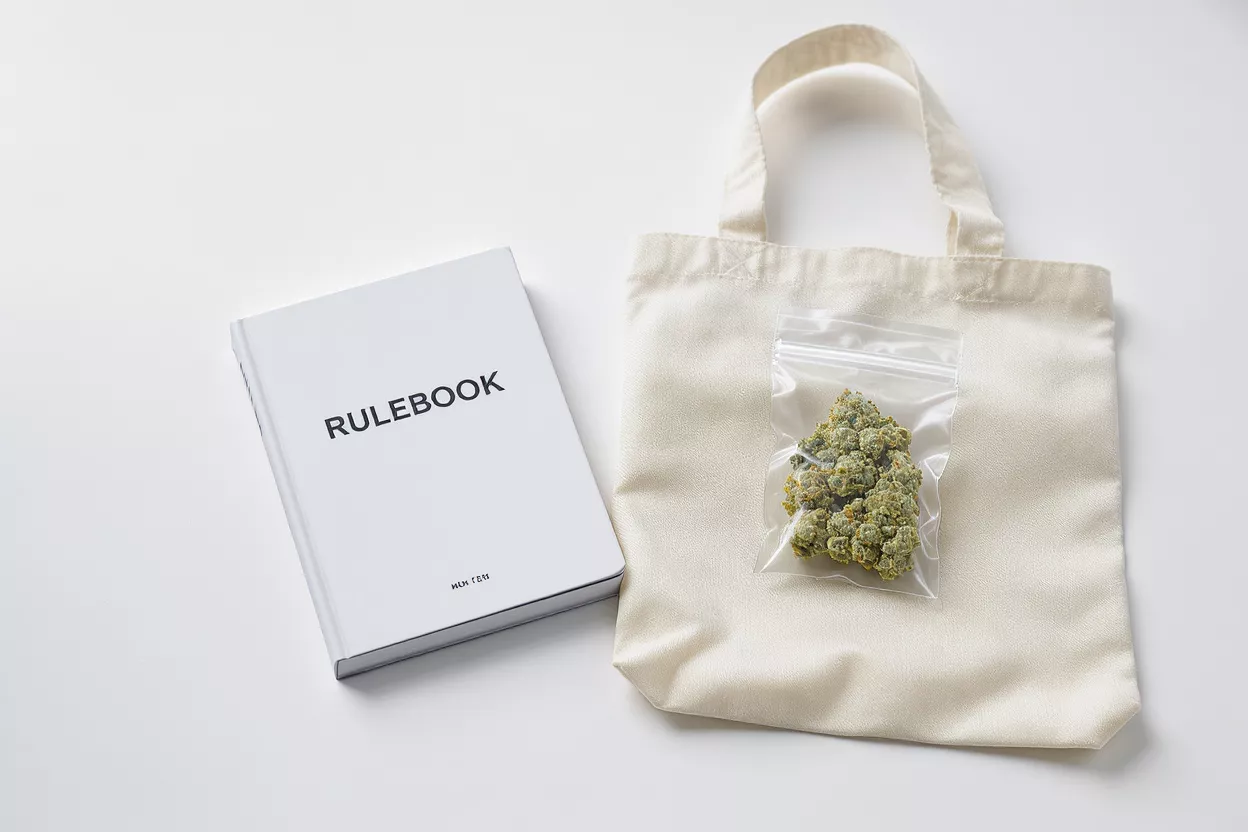
Every legal dispensary operates under purchase limits and conduct rules that protect both the customer and the license. These caps vary by state and by customer category, but they exist everywhere cannabis is sold legally.
Daily possession limits dictate how much you can buy in a single transaction or day. Recreational customers typically face tighter caps than medical patients—often around an ounce of flower with equivalent allowances for concentrates and edibles. The point-of-sale system tracks your purchases to keep totals within legal bounds.
Identification is non-negotiable. You'll show ID at the door and frequently again at the register. Medical patients present their card alongside a government ID. Anyone unable to verify age and eligibility simply won't be served, no exceptions—the consequences for the business are too severe.
- 🪪 Bring valid ID: a current government-issued photo identification is mandatory every visit.
- 📋 Know your category: medical patients carry their card; recreational buyers must be 21 or older.
- 💵 Plan for cash: many shops are cash-preferred due to federal banking limits.
- 🚫 Respect the limits: daily purchase caps are enforced by tracking software at checkout.
Consumption on the premises is generally prohibited, and reselling anything you buy is illegal. These rules feel restrictive, but they're the framework that keeps legal access intact.
Are Dispensary Products Safe and Tested
Safety is the defining advantage of buying from a dispensary rather than an unregulated source. Every product on a licensed shelf has passed through a testing pipeline designed to catch the contaminants and inconsistencies that plague the informal market.
Mandatory lab testing screens cannabis for pesticides, heavy metals, residual solvents, mold, and microbial contamination before it can be sold. Accredited third-party laboratories verify these results, and the data appears on a certificate of analysis you can request at the counter.
Accurate potency labeling means the THC and CBD figures on the package reflect verified lab measurements, not guesswork. This precision lets you dose responsibly, especially with edibles where a few milligrams can change the experience dramatically. For newcomers, knowing exactly how strong a product is removes much of the anxiety around trying cannabis.
None of this guarantees that cannabis is risk-free—any psychoactive substance carries considerations—but it does guarantee that what you buy is what the label claims. That transparency is something no unregulated source can match.
How to Find the Best Dispensary Near You
With legal markets expanding, choosing the best dispensary near you has become a real decision rather than a matter of finding the only option available. A little research goes a long way toward a better experience.
Read reviews and menus online before you go. Most dispensaries publish live menus, and customer reviews reveal which shops have knowledgeable staff, fair pricing, and a welcoming atmosphere. Look for consistency in feedback rather than a single glowing or scathing comment.
Pricing transparency and loyalty programs separate the great dispensaries from the merely adequate. Some shops post all-in prices including tax, while others surprise you at checkout. Frequent buyers benefit from rewards programs, daily deals, and first-time customer discounts that add up over time.
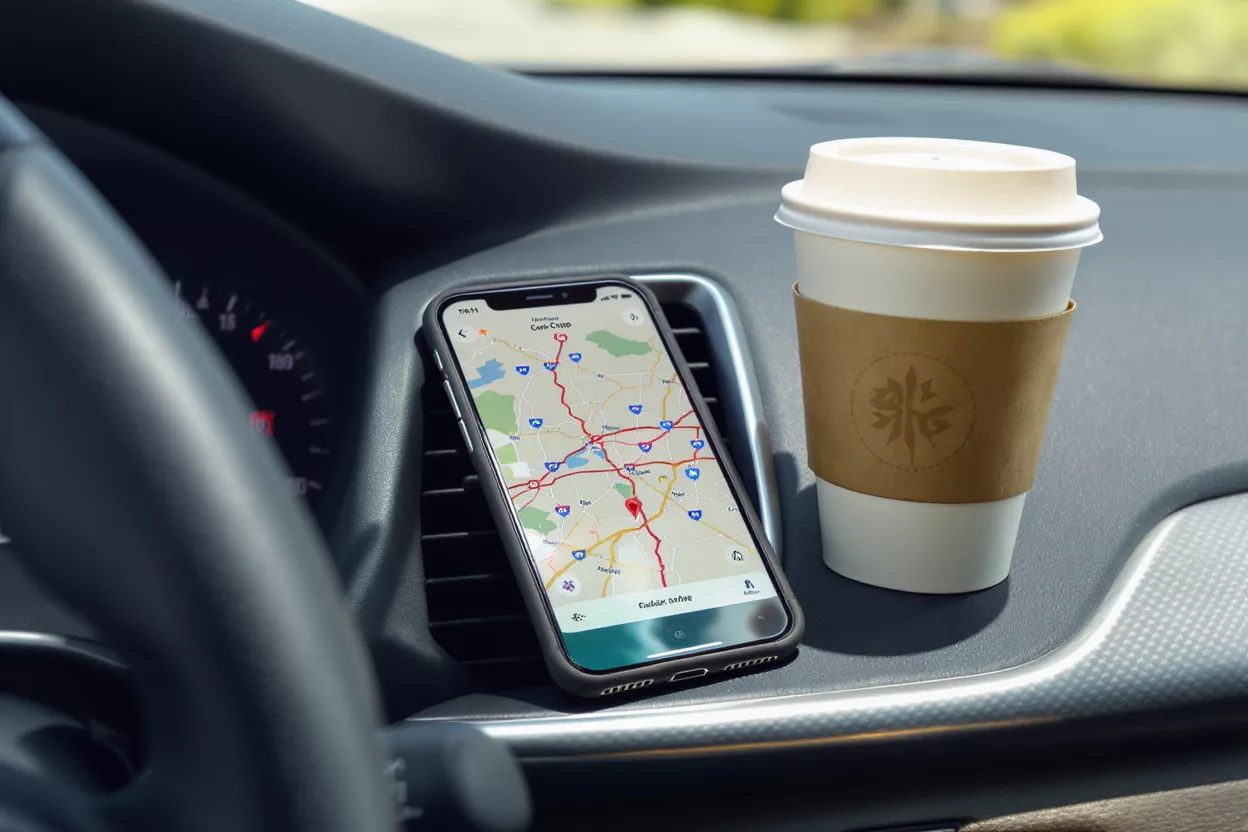
Location and selection matter too. A dispensary with a deep, well-curated menu and a convenient location will serve you better than the cheapest shop across town. The best choice balances quality, service, and the kind of guidance that makes you feel confident in your purchase.
Dispensary Etiquette and Practical Tips
A few simple habits make every dispensary trip smoother, for you and for the staff. Cannabis retail has its own culture, and understanding it marks you as a considerate customer.
Come prepared and patient. Bring cash and your ID, and recognize that lines can form during peak hours—evenings and weekends especially. Knowing roughly what you want before you arrive speeds things up, though browsing is always welcome if you have time.
Tipping is appreciated. Just as in many service industries, budtenders often work for modest hourly wages and welcome tips when they've given you thoughtful guidance. It's never required, but it's a kind gesture for genuinely helpful service.
Finally, ask questions freely and handle products only when invited. A dispensary thrives on informed customers, and there's no such thing as a dumb question when you're learning. The more you engage, the more you'll get out of every visit.
The dispensary has evolved into something remarkable: a safe, transparent, professionally staffed gateway to a plant that was illegal almost everywhere just a generation ago. Whether you're a medical patient seeking consistent relief or a curious adult exploring the recreational market, understanding how a dispensary works—its licensing, its testing, its staff, and its rules—turns an intimidating first visit into a confident, informed experience. Armed with this knowledge, you're ready to walk in, ask the right questions, and find exactly what you're looking for.


Comments