

Distillate
Learn what distillate is and why it reaches 85–99% purity.
Distillate Cannabis Extract
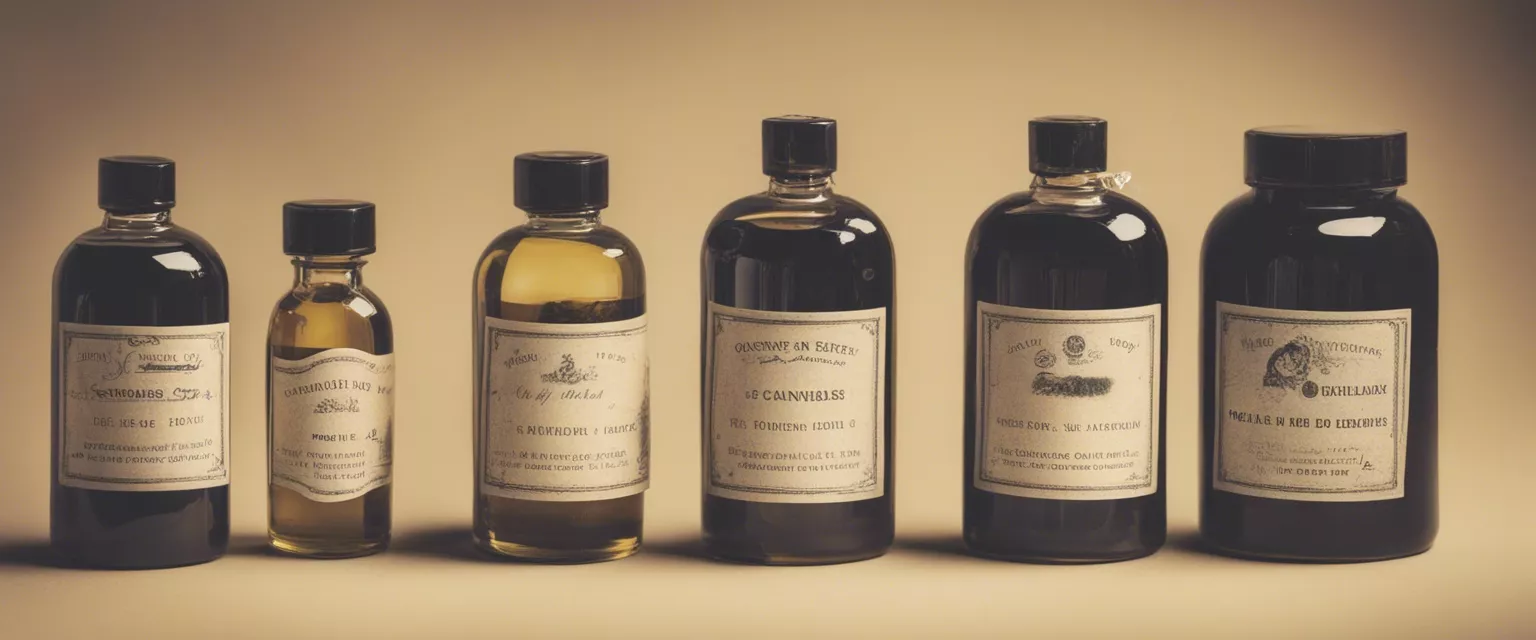
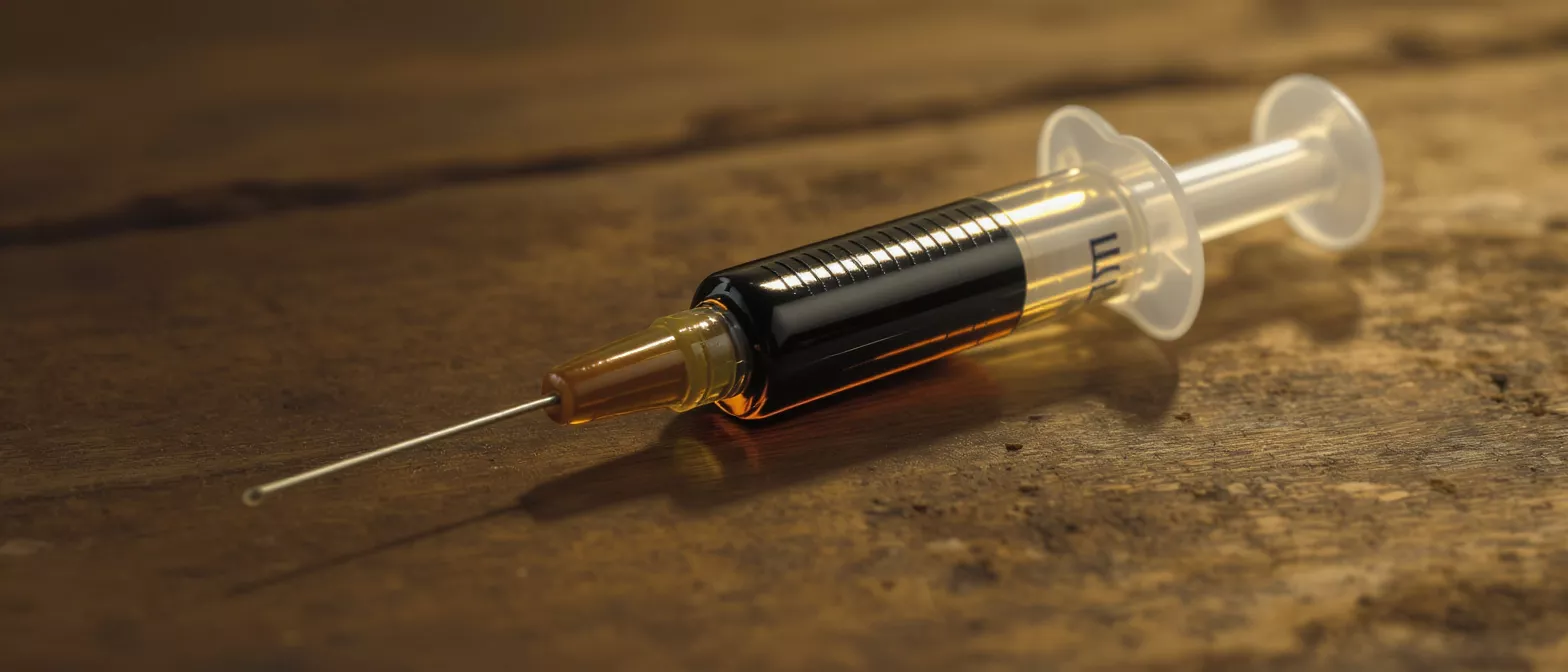
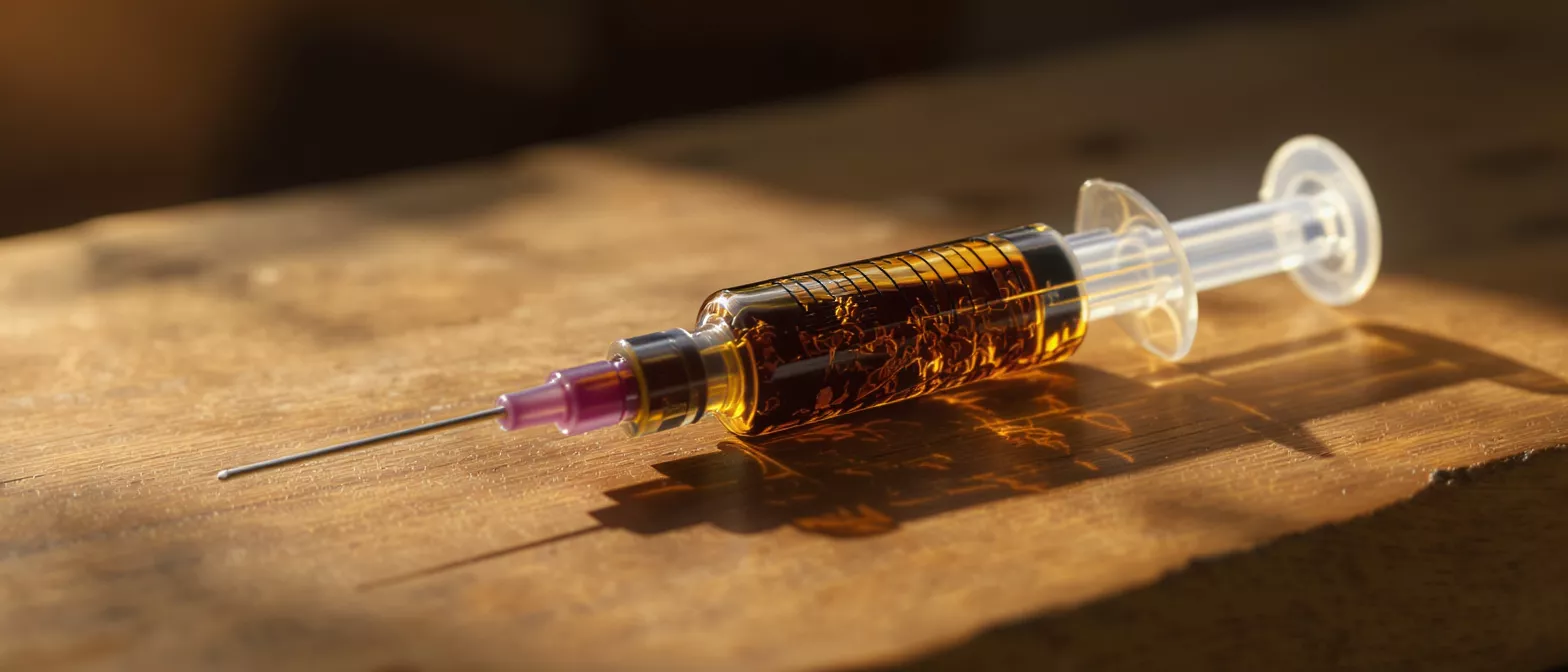
Cannabis distillate represents a highly refined extract achieving 85-99% cannabinoid purity through advanced distillation techniques that separate and concentrate specific compounds based on their boiling points. This honey-colored, viscous oil consists primarily of isolated cannabinoids like THC or CBD, stripped of most terpenes, flavonoids, and other plant compounds during the intensive refinement process. The result is a versatile, potent base ingredient that serves as the foundation for countless cannabis products from vape cartridges to edibles, valued for its consistency, neutral flavor, and precise potency that enables accurate dosing in commercial formulations.
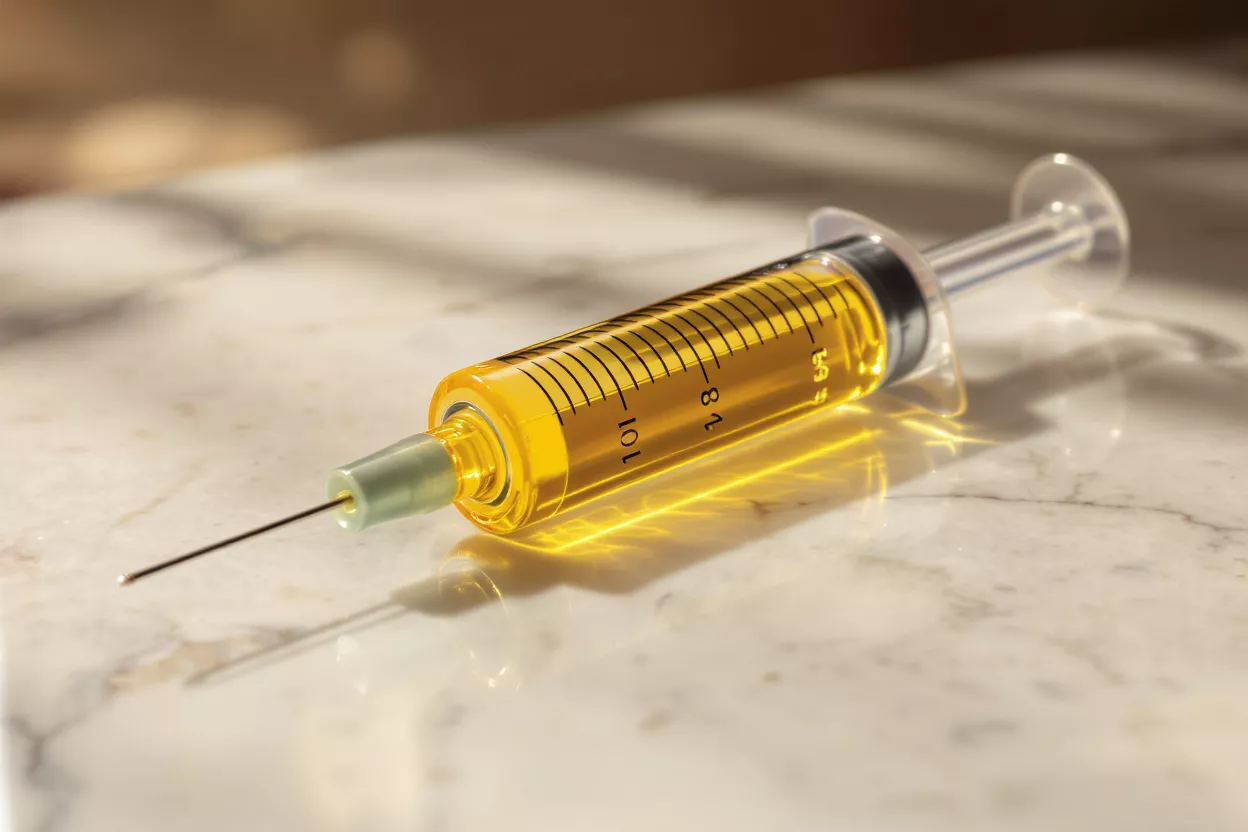
The production of distillate involves multiple refinement stages beginning with crude extraction followed by winterization, decarboxylation, and ultimately molecular distillation under vacuum conditions. This process leverages differences in volatility between compounds, allowing processors to collect specific fractions at precise temperatures while leaving behind unwanted materials. Short-path distillation or wiped-film evaporators create the conditions necessary for cannabinoid vaporization without degradation, producing clear, potent oil that represents one of the purest forms of cannabis extract available commercially.
Contemporary significance of distillate in cannabis markets reflects consumer demand for consistent, discrete products and industry needs for standardized ingredients enabling large-scale manufacturing. While connoisseurs may critique distillate's lack of full-spectrum effects, its reliability and versatility make it the backbone of many cannabis product categories. The ability to create precisely dosed products with predictable effects serves medical patients requiring consistent medication and recreational consumers seeking reliable experiences. Understanding distillate production, characteristics, and applications proves essential for industry professionals as this refined extract continues dominating wholesale markets and enabling cannabis product innovation across multiple categories from pharmaceuticals to consumer goods.
Understanding Cannabis Distillate
Chemical Composition
Cannabinoid concentration in distillate typically ranges from 85-99%, representing some of the highest potency cannabis products available through physical refinement processes. THC distillate commonly achieves 90-95% delta-9 THC content, while CBD distillate reaches similar concentrations of cannabidiol. The refinement process concentrates primary cannabinoids while removing or reducing minor cannabinoids unless specifically targeted for collection. This concentration creates products where small volumes contain substantial active ingredients, enabling precise formulation for manufactured products. The molecular uniformity provides consistent effects batch-to-batch, crucial for medical applications and commercial manufacturing. Advanced distillation can isolate specific cannabinoids like CBG, CBN, or delta-8 THC, creating specialized distillates for targeted applications. This extreme concentration fundamentally differs from full-spectrum extracts maintaining natural cannabinoid ratios.
Terpene absence distinguishes distillate from other cannabis extracts, as the distillation temperatures required for cannabinoid separation exceed terpene boiling points causing their removal. Native cannabis terpenes typically vaporize between 120-220°C while cannabinoid distillation occurs at higher temperatures under vacuum. This stripping of aromatic compounds results in nearly odorless, flavorless oil lacking strain-specific characteristics. Some processors collect terpene fractions during initial processing for later reintroduction, though these separated terpenes may undergo degradation. The absence of terpenes eliminates the entourage effect many consumers seek, creating purely cannabinoid-driven experiences. This characteristic makes distillate ideal for applications where cannabis flavor would be undesirable but limits appeal for consumers valuing whole-plant effects and aromatic complexity.
Residual compounds in quality distillate remain minimal, with proper processing removing fats, waxes, chlorophyll, and other plant materials creating exceptional purity. Pesticide remediation during distillation can reduce certain contaminant levels, though not all compounds separate effectively requiring clean starting material. Residual solvents from initial extraction must be completely removed through proper processing and vacuum application. Heavy metals unfortunately concentrate rather than separate during distillation, emphasizing source material importance. Minor cannabinoids may remain at trace levels unless specifically removed through fractional collection. The clarity and color of distillate indicate refinement level, with water-clear appearance suggesting thorough removal of non-cannabinoid compounds. This purity enables use in applications requiring pharmaceutical-grade ingredients though trace compound analysis remains important.
Physical Properties
Viscosity characteristics of cannabis distillate create handling challenges requiring specific temperature management for processing and filling operations. At room temperature, distillate exhibits extremely high viscosity similar to cold honey, barely flowing without external force. Warming to 40-50°C reduces viscosity enabling pumping and filling equipment operation. Excessive heating risks cannabinoid degradation while insufficient warming prevents proper flow. The non-Newtonian behavior means viscosity changes with applied shear stress, complicating equipment design. Formulation often requires cutting agents or carrier oils reducing viscosity for specific applications like vape cartridges. Understanding rheological properties enables proper equipment selection and process optimization. Temperature cycling during storage can affect long-term consistency requiring controlled environments for inventory management.
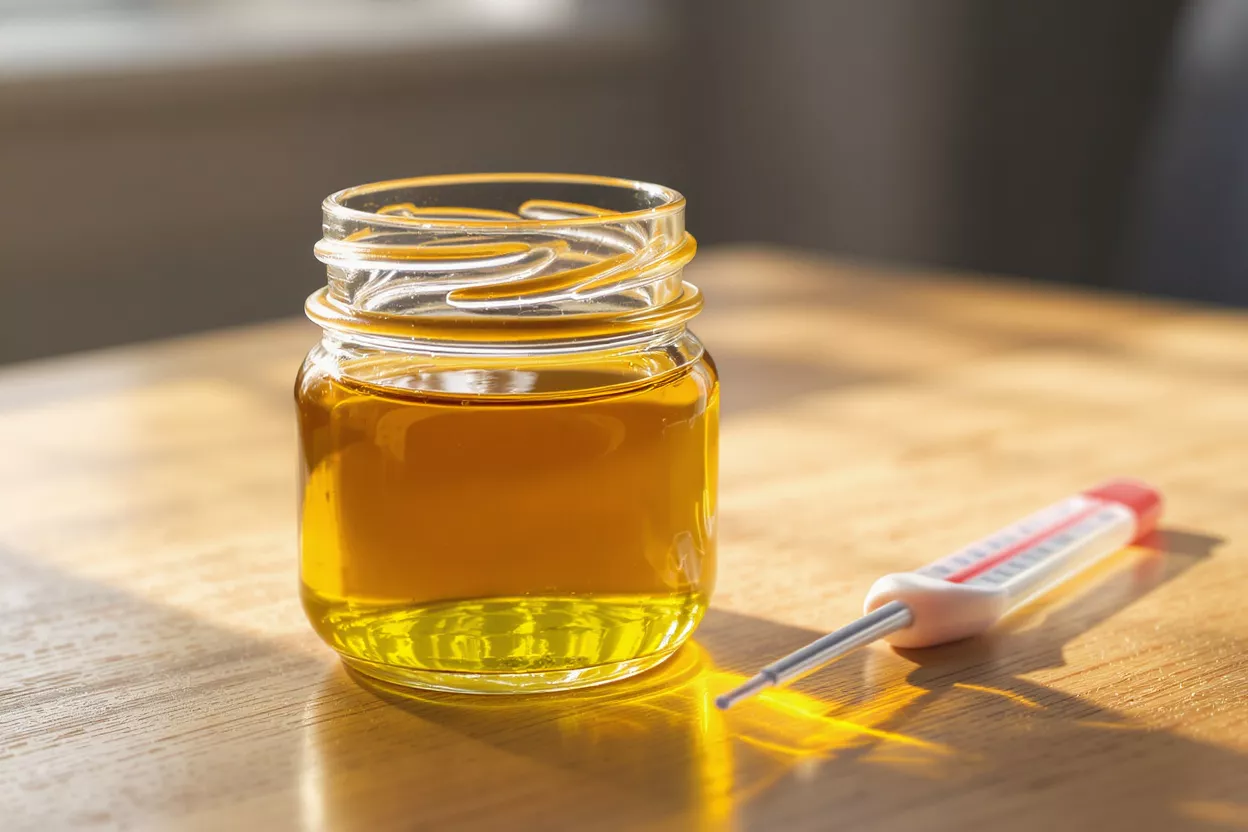
Optical clarity in properly refined distillate appears water-clear to pale yellow, indicating thorough removal of pigments and particulates through distillation. The transparent appearance results from molecular-level refinement removing light-scattering particles and chromophores present in crude extracts. Color intensity correlates with processing parameters and starting material quality, with darker distillates suggesting incomplete refinement or thermal degradation. UV-visible spectroscopy reveals minimal absorption outside cannabinoid peaks in quality distillate. This clarity enables aesthetic applications in clear capsules or beverages where visual appeal matters. Light exposure during storage can induce color changes indicating oxidation or degradation. The gemstone-like appearance of pure distillate in cartridges provides visual quality assurance for consumers associating clarity with purity.
Thermal stability of distillate exceeds many cannabis extracts due to removal of volatile compounds and thermal-sensitive materials during production. The high-temperature processing eliminates compounds prone to degradation at normal storage or processing temperatures. Cannabinoids in distillate form remain stable through multiple heating cycles required for manufacturing various products. This stability enables hot-fill operations, baking applications, and other thermal processes impossible with terpene-rich extracts. However, extended exposure to temperatures above 140°C can induce THC degradation to CBN affecting potency and effects. Crystallization resistance varies with cannabinoid ratios, with high-purity distillates potentially forming crystals during storage. Understanding thermal behavior guides processing parameters and storage requirements for maintaining product quality throughout shelf life.
Production Process
Initial Extraction
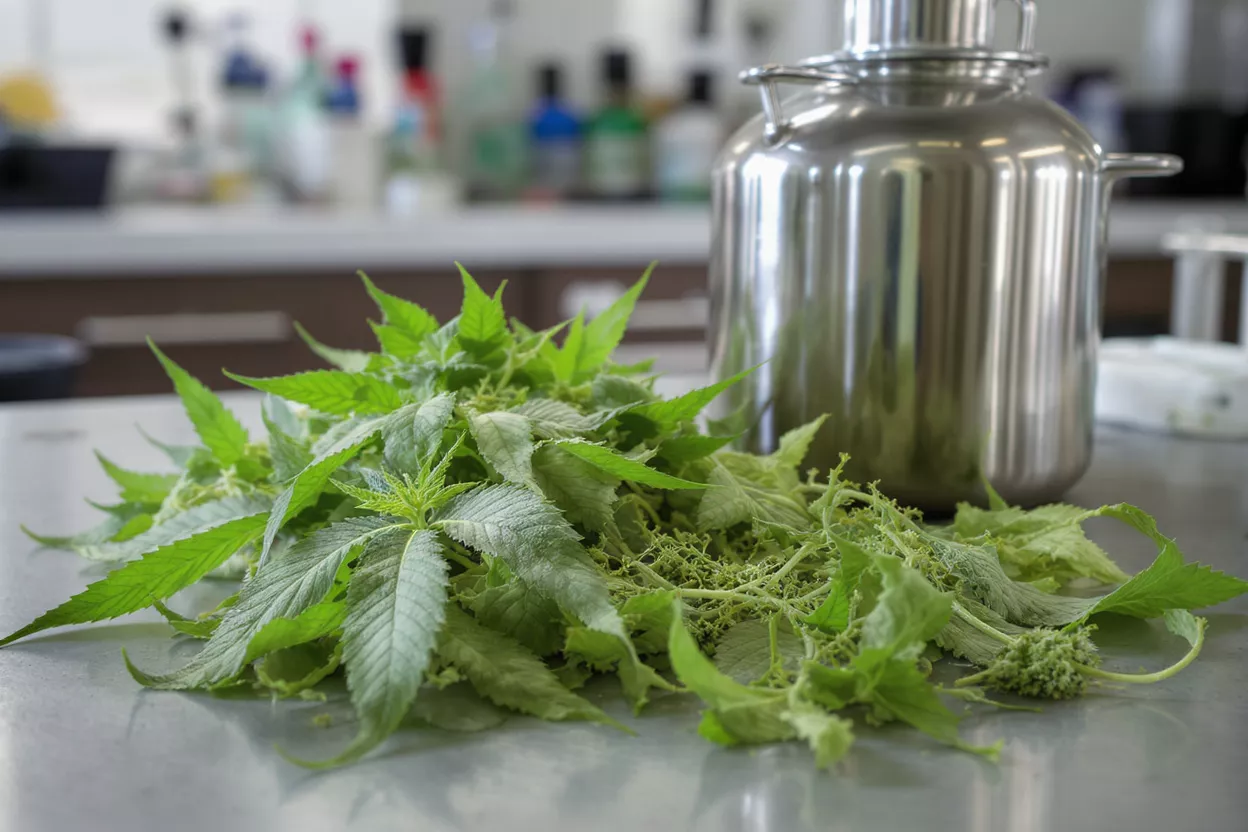
Crude oil preparation for distillation begins with primary extraction using various methods including CO2, ethanol, or hydrocarbon systems producing raw extracts requiring extensive refinement. Starting material quality significantly impacts final distillate purity, with high-potency, clean biomass yielding superior results. Extraction parameters optimize for maximum cannabinoid recovery rather than terpene preservation since volatiles are removed during distillation. Multiple extraction passes ensure complete cannabinoid recovery maximizing distillation feedstock value. The crude extract undergoes filtration removing particulates that could contaminate distillation equipment. Some processors blend multiple crude batches creating consistent feedstock for continuous operations. Initial potency testing guides process parameters and yield projections. This foundation stage determines ultimate distillate quality ceiling regardless of subsequent refinement sophistication.
Winterization removes fats, waxes, and lipids from crude extracts preparing clean feedstock preventing equipment fouling and improving distillate clarity. The process dissolves crude oil in ethanol at 10:1 ratios then freezes solutions to -20°C to -80°C precipitating undesirable compounds. Extended cold exposure ensures complete wax crystallization before filtration through various media removing precipitates. Multiple winterization cycles may be necessary for waxy feedstocks. Some operations employ inline winterization during extraction improving efficiency. The ethanol must be completely removed through evaporation before distillation preventing interference with vacuum levels. Effective winterization dramatically improves distillation efficiency and product quality. Skipping this step creates operational challenges and inferior distillate requiring additional passes.
Decarboxylation converts cannabinoid acids to neutral forms ensuring consistent potency in final distillate products intended for oral consumption or specific effects. Heat application at 105-120°C for 30-60 minutes achieves conversion without excessive degradation. Vacuum ovens enable lower temperature decarboxylation preserving more volatile compounds. Some processors decarboxylate during distillation through residence time at elevated temperatures. Complete decarboxylation ensures predictable effects and simplified formulation for end products. Testing confirms conversion efficiency guiding process adjustments. The timing of decarboxylation within production flows impacts equipment requirements and energy consumption. Understanding decarboxylation kinetics optimizes protocols balancing conversion completeness with operational efficiency.
Quality Characteristics
Purity Standards
Analytical testing for distillate requires comprehensive panels ensuring product safety and label accuracy across multiple potential contaminants and active compounds. Cannabinoid profiling using HPLC confirms potency claims and identifies minor cannabinoid presence affecting product categorization. Residual solvent testing ensures complete removal of extraction and processing chemicals meeting regulatory limits. Pesticide analysis becomes critical as distillation can concentrate certain compounds rather than removing them. Heavy metals testing addresses bioaccumulation concerns in concentrated products. Microbial screening verifies sterilization through processing temperatures. Mycotoxin analysis ensures absence of dangerous fungal metabolites. These comprehensive panels often exceed requirements for other cannabis products recognizing distillate's role as an ingredient in diverse applications. Third-party verification provides credibility in business-to-business transactions.
Color and clarity standards for premium distillate establish visual benchmarks correlating with thorough refinement and proper processing techniques. Water-clear appearance indicates complete removal of pigments and optimal distillation parameters. Slight yellow tinting remains acceptable suggesting minimal thermal exposure. Amber or darker colors indicate processing issues, contamination, or starting material problems reducing market value. Clarity assessment includes absence of particulates, haziness, or crystallization at room temperature. Visual inspection under various lighting conditions reveals quality issues not apparent in standard viewing. Some markets develop color scales similar to maple syrup grading creating standardized quality tiers. These aesthetic standards influence pricing in competitive wholesale markets where buyers associate appearance with overall quality despite limited correlation to potency.
Consistency specifications for distillate address both physical uniformity and batch-to-batch reproducibility essential for commercial manufacturing applications. Viscosity measurements at standard temperatures ensure predictable handling characteristics for automated filling equipment. Homogeneity testing confirms even cannabinoid distribution preventing hot spots in formulated products. Batch matching tolerances typically allow ±5% potency variation meeting manufacturing requirements. Standardized testing protocols ensure comparable results across different laboratories. Long-term stability studies validate shelf life claims under various storage conditions. These specifications enable distillate use as pharmaceutical-style ingredients where variability creates dosing concerns. Investment in quality systems ensuring consistency differentiates premium suppliers in commoditizing markets where reliability commands pricing premiums.


Comments