


Distributor
A cannabis distributor moves regulated products from growers to retailers with compliance built in.
What Is a Cannabis Distributor
A cannabis distributor is a licensed business that moves regulated cannabis products through the legal supply chain, carrying wholesale goods from the people who grow and make them to the stores that ultimately sell them to consumers. While the word might suggest a simple delivery service, the modern cannabis distributor occupies a far more consequential position, often acting as the central compliance hub through which nearly every gram of legal product must pass. Understanding this role is essential to understanding how regulated markets actually function behind the counter.
The legal foundation matters here. In most regulated jurisdictions, a cultivator cannot simply hand product to a dispensary, and a manufacturer cannot ship directly to a retail shelf. The distributor sits deliberately in the middle, creating a checkpoint where taxes are collected, lab testing is arranged, and product movement is logged. This separation of duties is a feature, not a bureaucratic accident — it builds accountability into a market that, by law, demands a clear paper trail from seed to sale.
The distributor model varies significantly from one region to another. Some markets, such as California, built distribution into law as a mandatory, standalone tier with its own license class. Others allow vertically integrated companies to handle their own distribution internally. Either way, the core function remains the same: bridging the gap between production and retail while keeping every transaction transparent to regulators.
How Cannabis Distributors Work in the Supply Chain
To grasp the distributor's job, it helps to trace a single batch of product on its journey. A cultivator harvests flower, or a manufacturer produces a batch of edibles or concentrates. Before any of it reaches a sales floor, the distributor takes custody, coordinates mandatory laboratory analysis, applies the required tax obligations, and only then releases compliant product to retail buyers.
Custody and chain of responsibility define the relationship. When a distributor accepts a shipment, they assume legal accountability for those goods while in their possession. Every transfer is recorded in a state-mandated tracking system, with batch numbers, weights, and timestamps logged at each handoff. If a product later fails testing or triggers a recall, the distributor's records become the trail investigators follow.
The practical workflow typically unfolds in a clear sequence:
- 📦 Intake: Product is received from a cultivator or manufacturer and logged into inventory with batch identifiers.
- 🔬 Testing coordination: Samples are pulled and sent to a licensed laboratory for potency and contaminant analysis.
- 🧾 Tax and compliance: Excise and cultivation taxes are calculated and collected where required by law.
- 🚚 Fulfillment: Compliant, tested product is delivered to licensed dispensaries.
- 📊 Reporting: Every movement is reported to the state tracking system in near real time.
What Does a Distributor License Allow
A distributor license is a distinct credential, separate from cultivation, manufacturing, or retail permits. It authorizes a business to transport, store, and arrange the testing of cannabis goods, but it generally does not permit direct sales to the public. This deliberate boundary keeps the distribution tier focused on logistics and compliance rather than consumer-facing commerce.
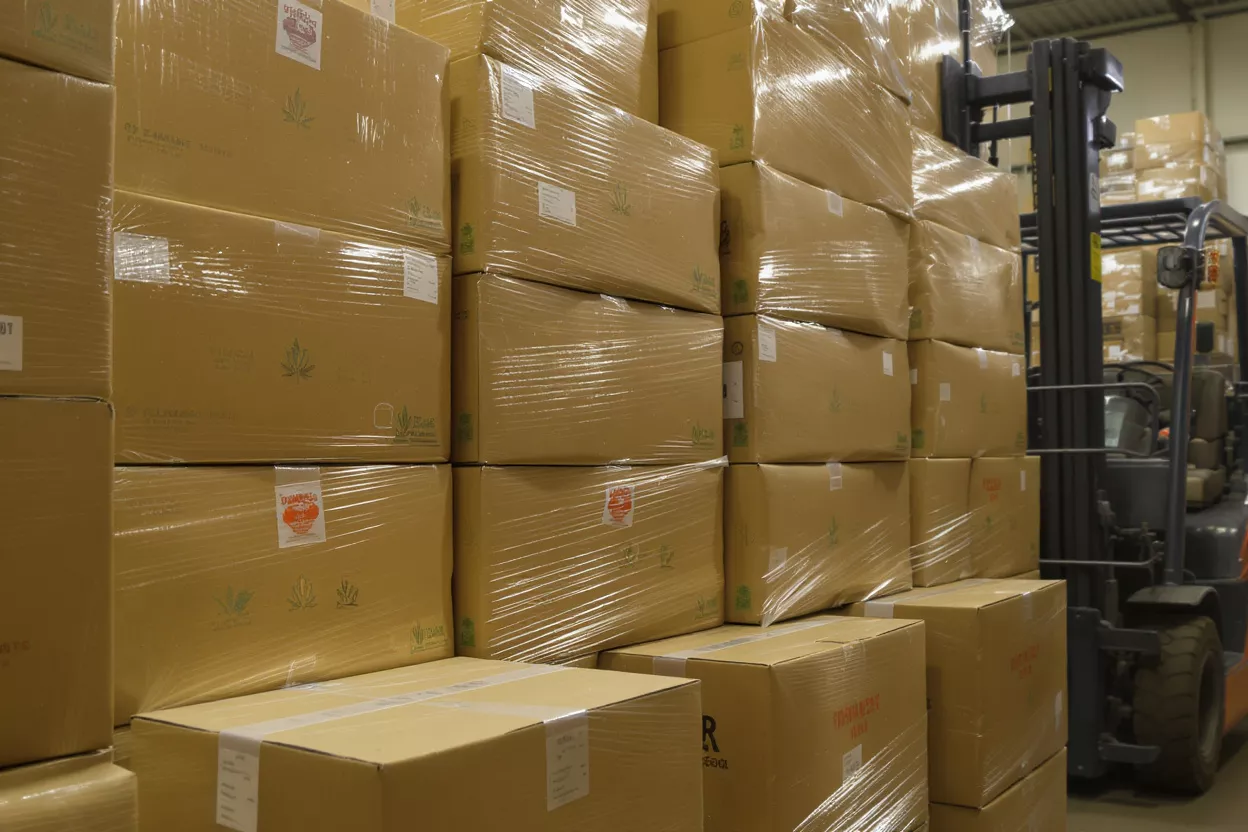
Storage and warehousing form a large part of what the license enables. Licensed distributors maintain secure, surveilled facilities where wholesale inventory can be held legally between production and sale. These facilities must meet strict security standards — limited access, continuous video monitoring, and detailed inventory logs — because they often hold significant quantities of high-value product at any given moment.
The license also carries responsibilities that extend beyond simple permission. Holders must maintain insurance, submit to inspections, file regular reports, and keep their tracking records audit-ready. In many jurisdictions a distributor is also the entity legally responsible for remitting excise taxes to the state, making the license as much a financial obligation as an operational one.
Types of Cannabis Distributors
Not all distributors operate the same way. The category spans a spectrum from full-service operators handling every step to narrow specialists who perform a single function. Knowing the differences helps brands and retailers choose partners that fit their needs.
Full-service distributors handle the complete pipeline — intake, storage, testing logistics, tax collection, and delivery. They function as a one-stop solution, which appeals to smaller brands lacking the infrastructure to manage compliance internally. The trade-off is cost, since comprehensive service commands higher fees.
Other operators carve out narrower niches. The landscape generally breaks down like this:
- 🏢 Full-service distributors: Manage every link from production to dispensary delivery.
- 🚐 Transport-only distributors: Focus purely on compliant movement of goods between licensed locations.
- 📋 Testing-and-compliance specialists: Coordinate lab analysis and regulatory paperwork without large fulfillment fleets.
- 🤝 Self-distributing brands: Vertically integrated companies that hold their own distribution license to control margins.
Distributor vs Wholesaler vs Broker
These three terms are often used interchangeably in casual conversation, yet they describe meaningfully different roles within the cannabis economy. Clearing up the confusion makes industry discussions far easier to follow.
A distributor takes physical custody of product and assumes legal responsibility for it during transport and storage. They handle the regulated, hands-on logistics. A wholesale operation, by contrast, refers more to the scale and pricing of transactions — buying in bulk to resell to retailers — and may or may not involve the same compliance custody role.
A broker occupies yet another lane entirely. Brokers connect buyers and sellers and negotiate deals, but they typically never touch the product themselves. They earn commissions for facilitating transactions rather than fees for handling goods. In a regulated market, brokers must still operate within legal frameworks, but their function is relational and informational rather than physical and logistical.
Why Distributors Handle Lab Testing and Compliance
One of the most important — and least visible — functions of a distributor is acting as the gatekeeper for laboratory testing. Before any product reaches a consumer, it must be screened for potency accuracy and for contaminants such as pesticides, heavy metals, residual solvents, and microbial impurities. The distributor frequently coordinates this critical step.
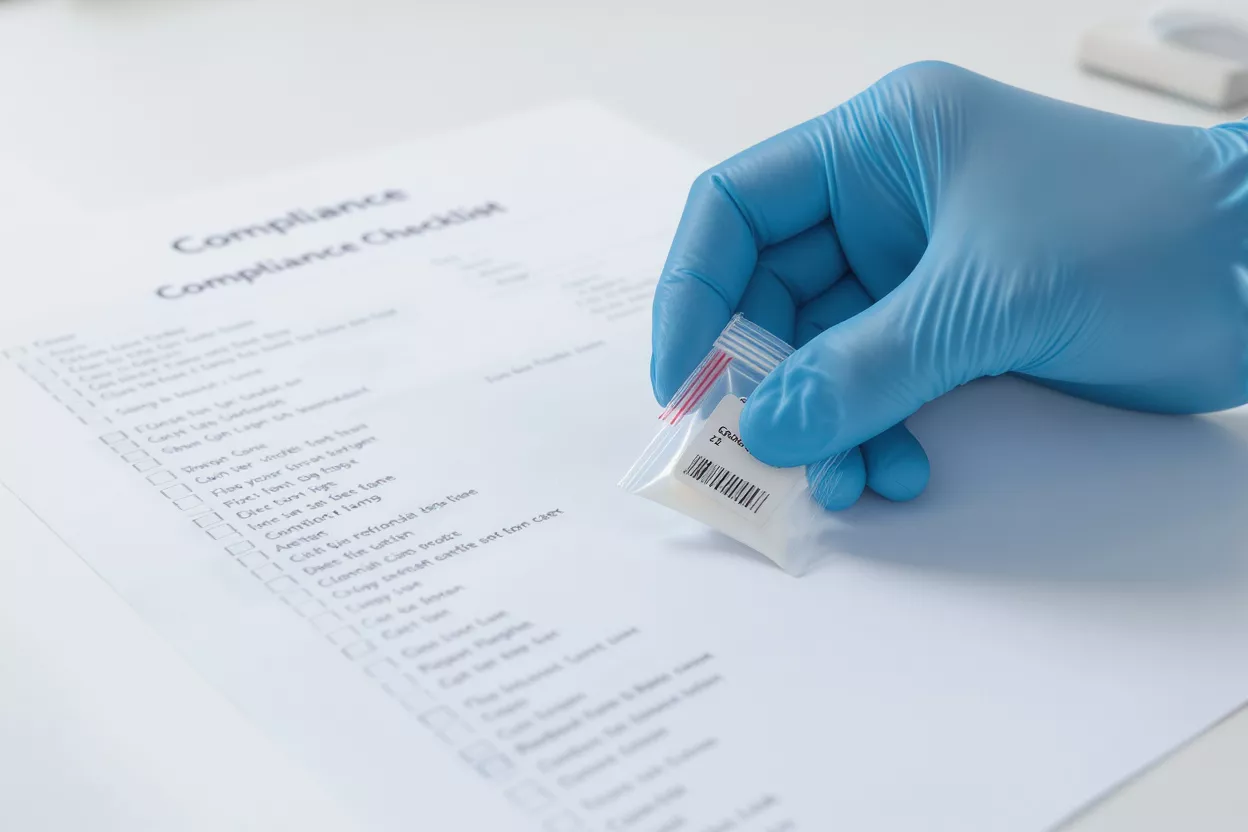
Sampling and the testing handoff happen under the distributor's watch. A representative sample is pulled from each batch, sealed, and delivered to an accredited laboratory. The lab returns a certificate of analysis documenting the results. Only batches that pass may proceed to retail, and the distributor's records tie that certificate to the specific product on the shelf.
This arrangement exists for a reason rooted in consumer protection. By placing testing coordination with a tier that has no incentive to inflate potency numbers or hide contamination, regulators build a layer of independence into quality control. When a recall becomes necessary, the distributor's batch-level records make it possible to pull affected product quickly and precisely rather than clearing entire categories off shelves.
How Distributors Track Products and Manage Inventory
Modern cannabis distribution is built on meticulous tracking. Nearly every legal market mandates the use of a seed-to-sale tracking system that follows each plant and product through its entire lifecycle. Distributors are heavy users of these systems, logging every intake, transfer, and delivery in detail.
Seed-to-sale traceability is the backbone of the whole operation. Each batch carries a unique identifier that links back to its origin and forward to its destination. When a distributor moves product, they scan and record it, creating an unbroken digital chain. This is what allows a state regulator to audit a single gummy back to the specific harvest and grow room it came from.
Inventory management at the distribution tier is also a serious operational discipline. Distributors must reconcile physical stock against system records constantly, because discrepancies can trigger audits or penalties. Strong inventory practices protect both the distributor and the brands relying on them, ensuring that what the records say matches what sits in the vault.
Distributor Fees, Margins, and Pricing
Distribution is not a charity — it is a business, and distributors charge for the value and risk they absorb. Understanding how they make money clarifies why product pricing looks the way it does on a dispensary shelf.
Fee structures vary widely across the industry. Some distributors charge a flat percentage of wholesale value, often in the range of several percentage points per transaction. Others use tiered pricing based on service level, charging more for full-service handling and less for transport-only arrangements. The cost reflects the compliance burden, insurance, security, and logistics the distributor shoulders.
Several factors influence the margin a distributor commands:
- 💰 Service scope: Full-service handling costs more than transport alone.
- 📦 Volume: Larger, consistent shipments often earn better rates per unit.
- 🛡️ Risk and compliance load: Tax remittance responsibility and recall exposure raise the price of service.
- 📍 Geography: Long delivery routes and remote retailers increase logistics costs.
Because the distributor often collects and remits excise taxes, their pricing sits at a sensitive point in the chain. A poorly run distribution operation can erode brand margins, while an efficient one becomes a genuine competitive advantage for the brands it serves.
Choosing a Cannabis Distributor as a Brand
For a cultivator or manufacturer, selecting the right distribution partner is one of the most consequential business decisions they will make. The distributor effectively becomes the bridge between a brand's product and the retail market, and a weak link there can stall even an excellent product.
Retail relationships are the first thing to evaluate. A distributor with deep, trusted connections to dispensaries can place a new brand on shelves far faster than one starting cold. Ask which retailers a prospective partner already serves, how many doors they reach, and whether those accounts match the brand's target market and price tier.
Beyond relationships, operational reliability separates strong partners from risky ones. Compliance track record, financial stability, transparency in reporting, and responsiveness all matter enormously. A distributor that mishandles a tax filing or loses track of inventory can drag a brand into regulatory trouble it did not cause. Due diligence here is not optional — it is foundational to a brand's survival in a tightly regulated market.
The Future of Cannabis Distribution
The distribution tier is evolving quickly as legal markets mature. Early in legalization, distributors often enjoyed comfortable margins simply by being one of the few licensed players. As markets saturate and competition intensifies, the pressure to operate efficiently and add genuine value has grown sharply.
Technology integration is reshaping the field. Route optimization software, automated compliance reporting, and sophisticated inventory platforms are turning distribution into a data-driven discipline. The operators who invest in these tools can move more product with fewer errors, passing efficiency gains to the brands and retailers they serve.
Consolidation is another defining trend. As thin margins squeeze smaller operators, larger distribution networks are absorbing them or out-competing them through scale. At the same time, ongoing regulatory shifts — including the long-discussed possibility of interstate commerce — could reshape distribution entirely, transforming today's state-bound networks into something far larger and more complex.
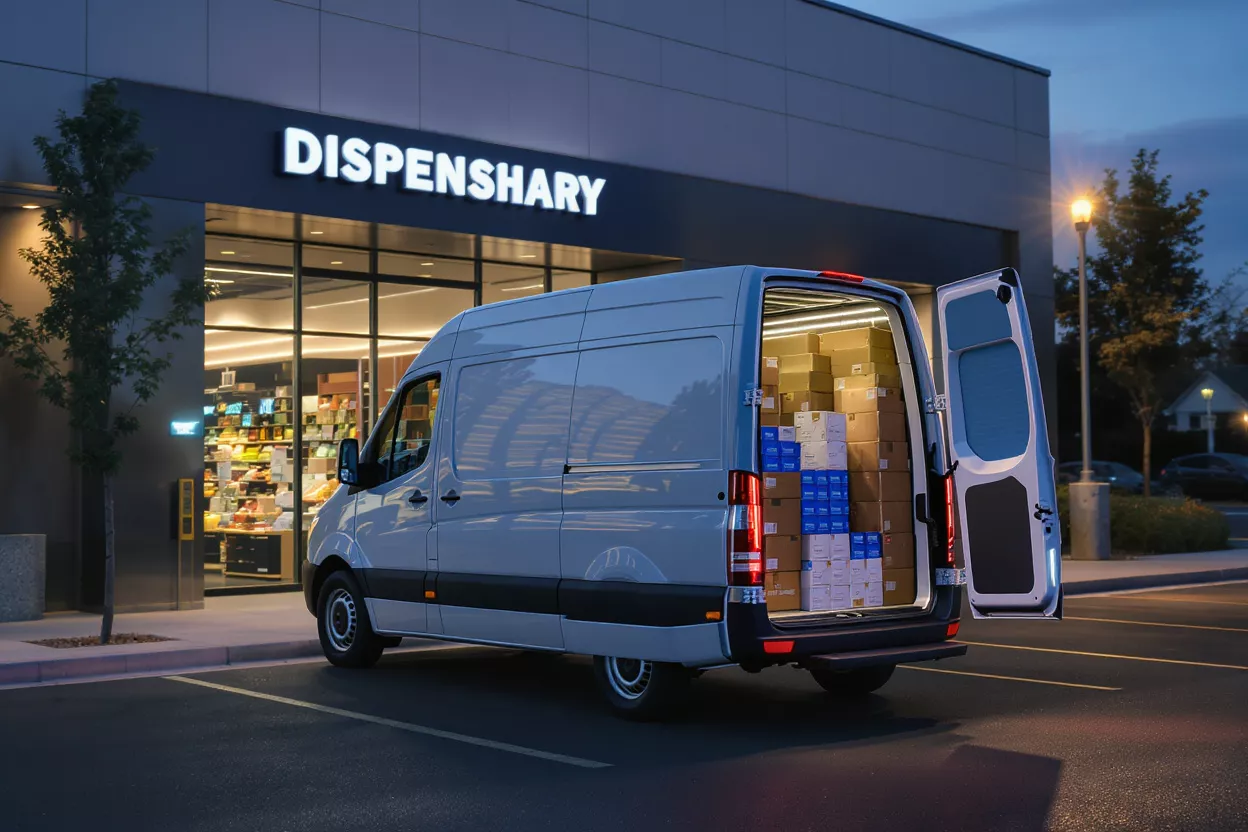
The cannabis distributor may operate out of public view, but its role is central to how regulated markets function. By taking custody of products, coordinating independent lab testing, collecting taxes, and maintaining the meticulous records that traceability demands, the distributor turns a patchwork of growers, manufacturers, labs, and retailers into a coherent, accountable supply chain. For brands, choosing the right distribution partner can determine whether a product thrives or stalls. For consumers, the distributor's quiet diligence is part of what makes the difference between a tested, compliant product and an unknown one. As legal markets continue to mature, the distributor's role will only grow more sophisticated — and more essential.





Comments