


Domeless nail
Learn how a domeless nail works, which materials last longest, and how to clean it.
What Is a Domeless Nail
A Domeless nail is a dabbing accessory designed to vaporize cannabis concentrates without the separate glass dome that older nail designs required. The name describes exactly what sets it apart: there is no removable cover trapping vapor over the heated surface. Instead, the nail features an open bucket or dish that you heat directly, then apply your concentrate to once it reaches temperature.
The appeal here is convenience. With a traditional setup, you heated the nail, placed a glass dome over it, then dabbed through a small opening. That extra step slowed everything down and added a fragile piece that could crack or get lost. The domeless design removes that friction entirely, which is a large part of why it became the standard for so many dabbing enthusiasts.
Where the term comes from: early dab rig nails almost universally used domes to contain vapor and prevent loss. As manufacturing improved and airflow channels were engineered directly into the nail body, the dome became unnecessary. "Domeless" stuck as the descriptor, and it now refers to an entire category of dabbing hardware rather than a single product.
How Does a Domeless Nail Work
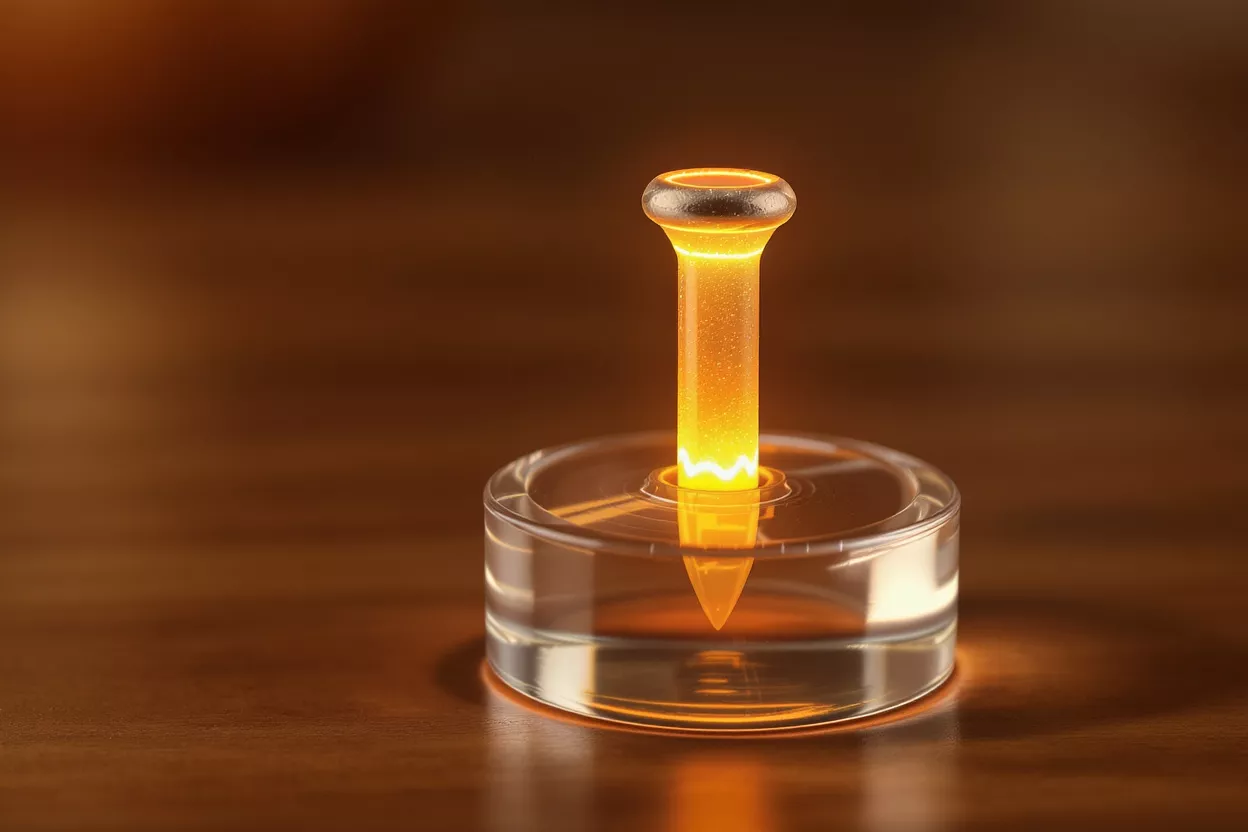
The mechanics of a domeless nail are straightforward once you understand the airflow. The nail seats into the joint of your rig, and its body includes engineered slots, holes, or channels that direct vapor down into the water chamber. When you heat the bucket and drop in concentrate, the rising vapor is pulled through these openings as you inhale, so no dome is needed to capture it.
Directional airflow matters: because vapor travels through fixed channels rather than an open dome, a domeless nail offers more predictable draw resistance. Many users find this produces a smoother, more consistent pull. The tradeoff is that an open bucket can leave a thin film of concentrate pooled on the surface if you overload it, which is where the waste concern enters the conversation.
Heating happens from the outside of the bucket with a butane torch, or electrically if you are using an e-nail coil wrapped around the body. Either way, the heat transfers through the material into the dish, vaporizing the concentrate on contact. The thicker the material, the more heat it retains, which affects how many dabs you can take before reheating.
Domeless Nail vs Traditional Dome Nails
The most useful way to understand a domeless nail is by comparing it directly to the dome-and-nail setup it largely replaced. Both vaporize concentrate, but the experience around them differs in ways that matter day to day.
- ⏱️ Speed: Domeless nails skip the step of placing and removing a glass dome, so your workflow between heating and dabbing is faster.
- 🧩 Fewer parts: No separate dome means one less fragile piece to break, misplace, or clean.
- 💨 Airflow: Domeless designs channel vapor directionally, while domed setups trap it in a chamber until you inhale.
- 🌡️ Heat exposure: Open buckets cool slightly faster than enclosed domes, which can mean shorter working windows on large dabs.
- 💧 Waste: An open dish may let a thin layer of concentrate spread out, so very low-temp dabs can leave residue behind.
Why most people switched: the convenience and reduced part count generally outweigh the minor waste tradeoff for everyday dabbing. Domed nails still have niche fans who want maximum vapor capture from tiny dabs, but the broader market moved toward domeless designs because they are simpler to live with.
That said, neither option is objectively superior. Your preference depends on how you dab, what concentrates you favor, and whether you prioritize speed or absolute efficiency. Understanding the difference lets you choose deliberately rather than defaulting to whatever a shop happens to stock.
Types of Domeless Nails by Material
Domeless nails are made from several materials, and the one you choose shapes flavor, durability, heat retention, and price. There is no universally best material, only the right fit for your priorities.
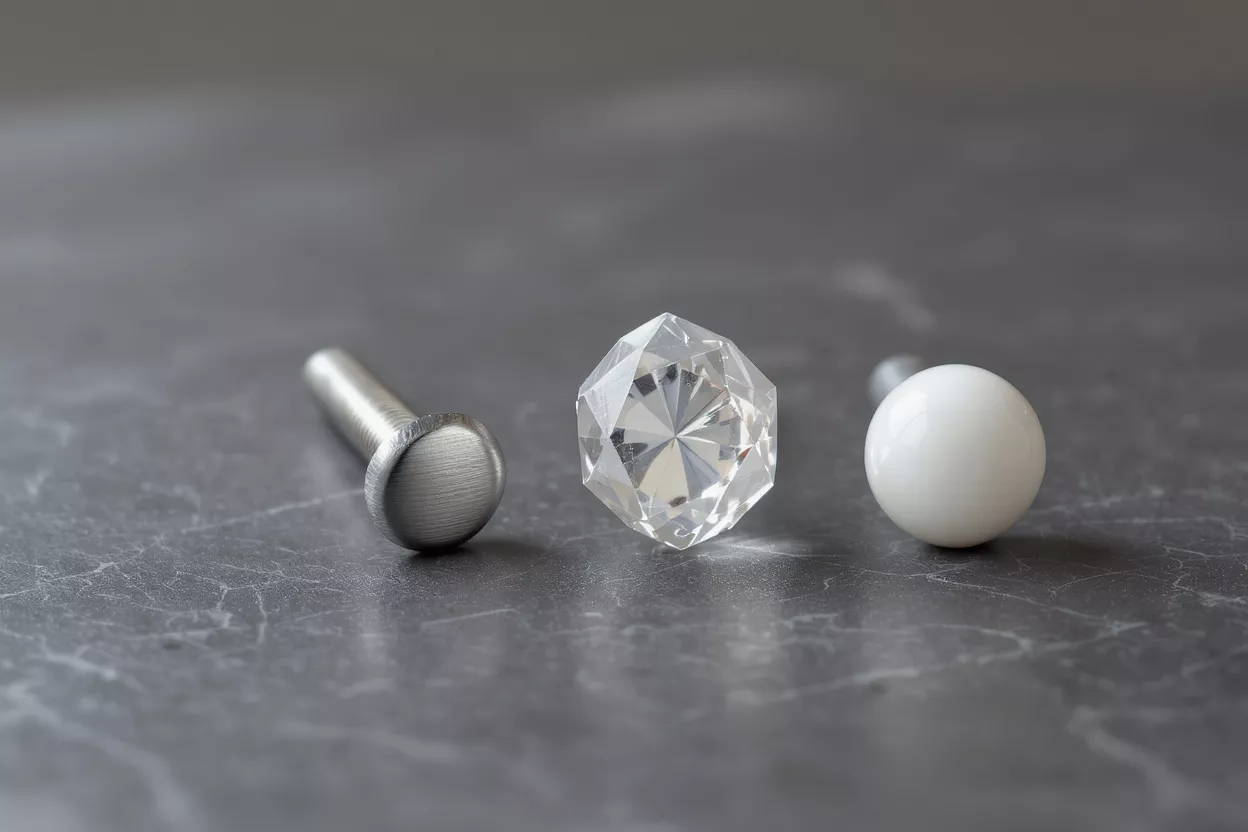
Quartz is the most popular choice for flavor purists. It heats quickly, imparts a clean taste, and handles thermal cycling well. The tradeoff is shorter heat retention, meaning you reheat more often than with denser materials. Most modern banger-style domeless nails are quartz for exactly this reason.
Titanium dominated the early domeless market because it is nearly indestructible. It retains heat for a long time and survives drops that would shatter glass or quartz. The downside is that improperly seasoned or overheated titanium can affect flavor, and some users simply prefer the taste of quartz or ceramic.
- 🔥 Quartz: Best flavor, fast heat-up, shorter retention, moderately fragile.
- 🛡️ Titanium: Nearly unbreakable, excellent retention, requires seasoning, slight flavor impact.
- 🍶 Ceramic: Smooth flavor, slow even heating, long retention, brittle if dropped.
- 💎 Quartz hybrids: Combine a quartz dish with a sturdier base for balance of taste and durability.
Best Domeless Nail for Your Rig
Choosing the best domeless nail starts with matching the joint. Rigs come with male or female joints in standard sizes of 10mm, 14mm, and 18mm, and your nail must mate to the opposite gender and matching diameter. A 14mm female joint needs a 14mm male nail, and getting this wrong is the single most common mistake new dabbers make.
Match your habits to the material: if you chase flavor and dab solo, a quartz domeless nail rewards you with clean terpene expression. If you host sessions, value durability, or want fewer reheats, titanium or a thick quartz piece holds temperature through more passes. Ceramic suits patient dabbers who enjoy a mellow, even draw.
Consider your heating method too. If you plan to upgrade to an e-nail, titanium and certain quartz nails are built to accept a coil and offer precise temperature control without a torch. Torch users have the widest material selection, so your choice comes down to flavor and feel rather than compatibility.
How to Season a Domeless Nail
Seasoning is a break-in ritual most relevant to titanium domeless nails, though some users season ceramic as well. The goal is to burn off any manufacturing residue and create a thin layer that protects flavor on future dabs. Skipping this step on a fresh titanium nail almost always produces a metallic, off taste.
The basic seasoning process involves heating the nail until it glows, then applying a small amount of concentrate and letting it carbonize rather than inhaling it. You repeat this cycle several times, cooling between rounds, until the surface develops a uniform dark patina. Quartz generally does not require this, which is one reason flavor seekers gravitate toward it.
- 🔧 Heat the nail to a red glow with your torch to clear residue.
- 🌿 Apply a tiny dab of inexpensive concentrate and let it char without inhaling.
- ❄️ Allow the nail to cool fully between rounds.
- 🔁 Repeat three to four times until a stable dark coating forms.
Take your time with this. A properly seasoned titanium nail tastes dramatically better than a raw one, and rushing the process undermines the durability advantage that drew you to titanium in the first place.
Domeless Nail Temperature Guide
Temperature is the variable that most affects your dab experience, and a domeless nail gives you full control over it. Too hot and you scorch the concentrate, losing flavor and harshing your throat. Too cool and the oil pools without fully vaporizing, contributing to the waste people associate with open buckets.
Low-temperature dabbing generally falls between 315°F and 450°F. This range preserves terpenes and delivers the fullest flavor, which is why connoisseurs favor it. The catch is that low-temp dabs leave more residue on an open domeless dish, so a quick swab after each dab keeps things clean.
High-temperature dabbing runs hotter, roughly 600°F and up, and vaporizes concentrate almost instantly with little residue. The tradeoff is harsher vapor and degraded flavor as delicate compounds combust. Most experienced users settle into a mid-low window that balances taste against efficiency, often using a timer or an infrared thermometer to dial it in consistently.
Are Domeless Nails Worth It
For most people who dab regularly, a domeless nail is absolutely worth it. The convenience of skipping the dome, the durability of materials like titanium and thick quartz, and the predictable airflow add up to a smoother daily experience. The waste concern is real but manageable with good temperature control and dab sizing.
Who benefits most: anyone tired of fumbling with a fragile glass dome, dabbers who session in groups and want fewer parts to track, and people upgrading toward e-nail temperature control. The open-bucket design is forgiving for beginners learning to time their dabs, since you can see exactly what is happening on the surface.
The honest counterpoint is that ultra-efficiency-focused users who dab tiny amounts at very low temperatures may lose a little more concentrate to an open dish than they would in a sealed dome. If you fall into that camp, a carb cap largely closes the gap by restricting airflow and lowering effective vaporization temperature, recapturing much of the value a dome once provided.
How to Clean a Domeless Nail
Keeping a domeless nail clean directly protects flavor and longevity. Residue builds up as a dark reclaim layer that, left unchecked, dulls taste and reduces heat efficiency over time. The good news is that maintenance is simple if you do it consistently.
The cotton swab method is the easiest routine. While the nail is still warm but not glowing, wipe the bucket with a cotton swab to lift fresh residue before it hardens. Doing this after every session prevents buildup from ever becoming a deep-cleaning problem.
- 🧽 Swab the warm bucket after each dab to remove fresh residue.
- 🧴 Soak heavily soiled nails in isopropyl alcohol to dissolve hardened reclaim.
- 💧 Rinse thoroughly with warm water before the next use so no solvent remains.
- 🔥 For stubborn carbon, a quick torch burn-off followed by a swab clears the surface.
Avoid scraping quartz or ceramic with metal tools, which can scratch the surface and create rough spots that trap more residue. Titanium tolerates gentle scraping better, but even there a swab-and-soak routine outperforms aggressive scrubbing.
Domeless Nail Care and Longevity
With reasonable care, a quality domeless nail lasts for years. The biggest enemies of longevity are thermal shock and chronic overheating. Letting a glowing-hot quartz nail hit cold water, or torching it far past your dab temperature repeatedly, stresses the material and shortens its life.
Protecting your investment comes down to a few habits: heat only to the temperature you actually need, let the nail cool gradually rather than quenching it, and store it where it will not get knocked off a table. Quartz and ceramic reward gentle handling, while titanium forgives the occasional drop but still benefits from controlled heating.
A domeless nail represents a small but meaningful piece of dabbing hardware, and understanding how it works turns it from a mystery component into a tool you can dial in to your exact preferences. Match the joint, pick a material that fits your priorities, control your temperature, and clean consistently. Do those four things and your domeless nail will deliver clean, flavorful, efficient dabs session after session, paying back its convenience many times over.





Comments