Downstem
Everything about the downstem: how it works, types, sizes, and cleaning tips.
What Is a Downstem in a Bong
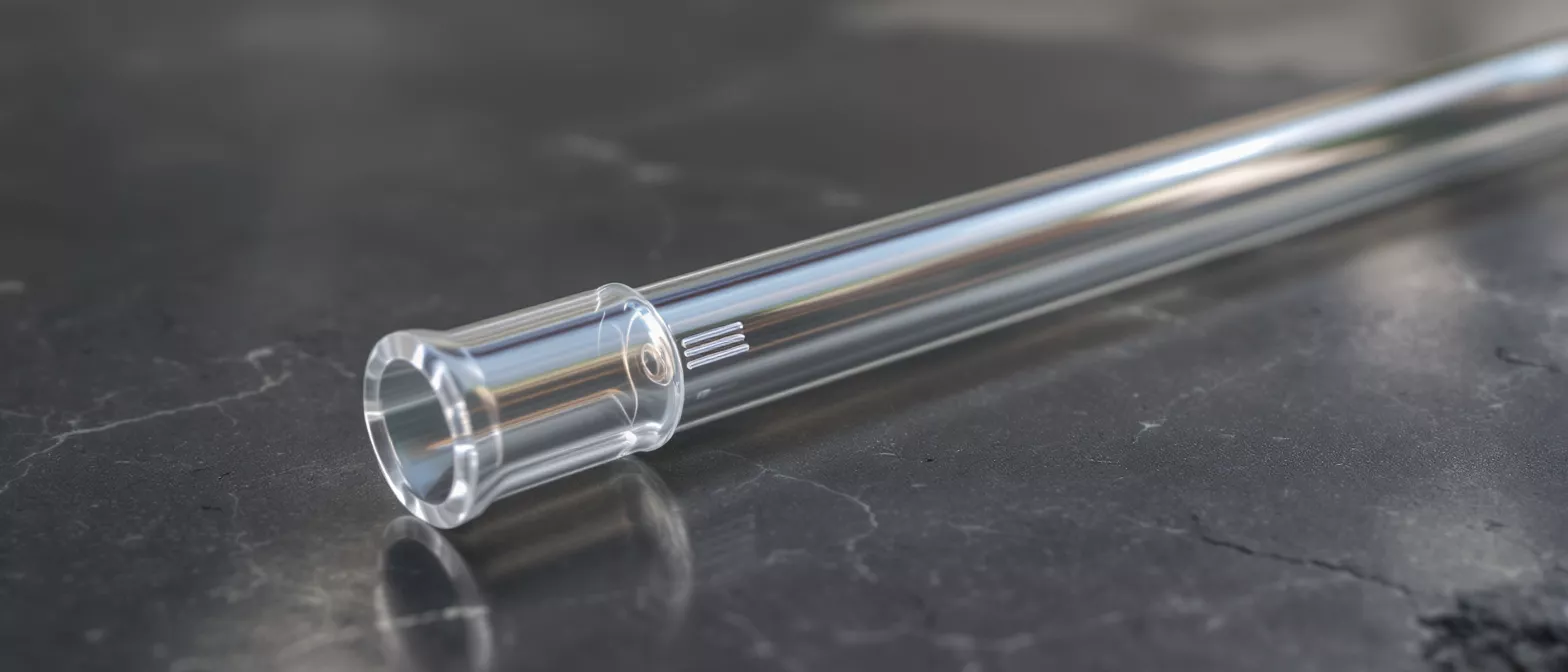
A downstem is one of the most important yet overlooked components of any water pipe, acting as the bridge between your bowl and the water chamber below. If you have ever wondered how smoke travels from a burning bowl of dope into the cool, filtered hit you draw through the mouthpiece, the downstem is doing the heavy lifting. It is a hollow tube, usually made of glass, that carries combusted material downward into the water where it is cooled and partially filtered before rising back up to your lungs.
Understanding the downstem matters because it directly shapes the quality of every pull. A well-matched downstem produces smoother, cooler smoke, while a poorly fitted or low-quality one can lead to harsh hits, restricted airflow, and even cracked glass. For anyone serious about their setup, learning the basics of this component is just as essential as knowing the difference between a domeless nail and an e-nail.
The term itself describes its function and placement: it stems downward from the joint into the base of the pipe. Despite its simple appearance, the downstem influences filtration, percolation, and even the flavor of dense, dank flower. Research published by MDPI on water filtration of combustion byproducts highlights how passing smoke through water can reduce certain particulates, underscoring why this humble tube deserves attention.
How Does a Downstem Work
The path of airflow: When you ignite the bowl and inhale, the resulting smoke is pulled down through the downstem and released beneath the water line. As it exits the bottom of the stem, it bubbles up through the water, which cools the smoke and traps some ash and water-soluble compounds. This directional airflow is the entire reason bongs feel smoother than a dry pipe or a quick puff from a dugout.
Why water filtration matters: The bubbling action does more than cool. As smoke fragments into smaller bubbles, more surface area contacts the water, improving the filtration effect. A downstem with slits or holes, known as a diffuser, multiplies this effect by breaking the smoke into many tiny streams. This is why many enthusiasts upgrade to a diffused glass downstem when they want noticeably smoother draws.
The efficiency of this process depends on submersion depth and hole design. If the stem sits too high above the water, smoke barely contacts liquid and the hit stays harsh. Too deep, and you create excessive drag that makes pulling air difficult. Striking the right balance is the quiet art behind a satisfying session, and it is something seasoned users tune carefully over time.

Types of Downstem Designs Explained
Fixed versus removable: Downstems generally fall into two camps. Removable downstems slide in and out of the joint, making cleaning and replacement easy, while fixed downstems are permanently fused into the glass of the pipe. Removable versions dominate the market because they offer flexibility, letting you swap in different diffusion styles or replace a broken piece without scrapping the whole bong.
Diffused downstems feature a series of slits or holes at the submerged end that break smoke into smaller bubbles. Non-diffused, or open-ended, downstems simply release smoke in a single stream. Beyond these, you will find showerhead-style stems and tree designs that push percolation even further, much like the intricate glasswork found in high-end e-rig accessories.
The variety can feel overwhelming, so here is a quick breakdown of the most common downstem styles you will encounter:
- 💨 Diffused downstem: Slits or holes create multiple bubble streams for smoother, cooler hits.
- 🌬️ Open-ended downstem: A single opening offers less filtration but easier airflow and faster clearing.
- 🚿 Showerhead style: A flared, slotted end pushes diffusion further for serious smoothness.
- 🔧 Fixed downstem: Fused into the pipe for durability, though harder to clean.
- 🔁 Removable downstem: Slides out for easy cleaning and swapping between styles.
Downstem Sizes and How to Measure for a Proper Fit
Joint size versus length: Two measurements define a downstem fit. The joint size, commonly 14mm or 18mm, refers to the diameter where the stem meets the pipe, while the overall length determines how deep it reaches into the water chamber. Mismatching either one leads to leaks, poor diffusion, or a stem that simply will not seat properly.
To measure length correctly, slide the downstem into the joint and measure from the point where it rests against the glass to the bottom tip. Most stems are listed by this insertion length in millimeters or inches, and getting it right ensures the diffusing end sits at the ideal depth below the water line for clean, consistent bubbling.
Joint gender also matters. Stems come in male or female configurations, and they must complement the joint on your pipe. According to material science research catalogued by MDPI, the precision of borosilicate glass tolerances allows these ground-glass joints to seal reliably without gaskets, which is why a correctly sized stem feels snug yet smooth when seated.
Diffused vs Non-Diffused Downstem
The smoothness tradeoff: A diffused downstem breaks smoke into dozens of small bubbles, dramatically increasing the water contact that cools and filters your hit. The payoff is a noticeably softer draw, especially appreciated when smoking potent material or concentrates. The tradeoff is added airflow resistance, since forcing smoke through small slits requires a stronger pull.
Non-diffused downstems, by contrast, prioritize airflow over filtration. They clear quickly and demand less lung power, which some users prefer for big, fast rips. However, the hit will feel harsher because smoke contacts less water. Many newcomers start here, then graduate to diffusion once they appreciate the difference a smoother pull makes.
For those weighing the two, consider these practical points before deciding:
- 🌊 Choose diffused if: You prioritize smoothness, filtration, and flavor over raw airflow speed.
- ⚡ Choose non-diffused if: You want quick clearing, less drag, and a simpler, easier-to-clean design.
- 🧊 Consider ice catchers: Pairing a diffused stem with an ice pinch delivers the coolest possible hits.
- 💪 Lung capacity: Diffusion demands more pull, so factor in your comfort with airflow resistance.
Best Downstem Materials Compared
Borosilicate glass dominates: The overwhelming majority of quality downstems are made from borosilicate glass, prized for its thermal resistance and clarity. It withstands rapid temperature changes without cracking and does not impart any flavor, preserving the clean taste of well-cured flower. A premium borosilicate downstem replacement is the gold standard for anyone replacing a broken stem.
Silicone downstems exist for users who want near-indestructible gear, particularly for travel. They survive drops that would shatter glass, though some purists argue they can subtly affect flavor and are harder to clean of resin buildup. Metal and acrylic stems appear in budget pipes but are generally avoided by enthusiasts due to heat transfer and taste concerns.
Glass thickness and quality vary widely between manufacturers. Thicker walls resist thermal shock and accidental breakage, a fact echoed in glass durability studies referenced by MDPI. When shopping, look for stems made from medical-grade borosilicate rather than thin, unmarked glass that may crack under normal use or repeated cleaning cycles.

Downstem vs Stemless Bongs
How stemless designs differ: Stemless bongs eliminate the removable downstem entirely, routing smoke through a fixed internal pathway directly into the water. This design reduces the number of joints where leaks or cracks can form and often delivers a more direct, open hit. Many modern percolator pieces use this approach for a cleaner aesthetic and fewer breakable parts.
The downstem-based design, however, retains a major practical advantage: modularity. When a removable stem breaks, you simply replace it for a few dollars rather than retiring the whole pipe. You can also experiment with different diffusion levels by swapping stems, an option stemless owners simply do not have.
Neither approach is universally better. Stemless pieces appeal to those who value streamlined design and direct airflow, while downstem setups reward users who appreciate flexibility and affordable repairs. Your choice ultimately depends on whether you prioritize convenience and customization or a minimalist, integrated build.
How to Clean a Downstem the Right Way
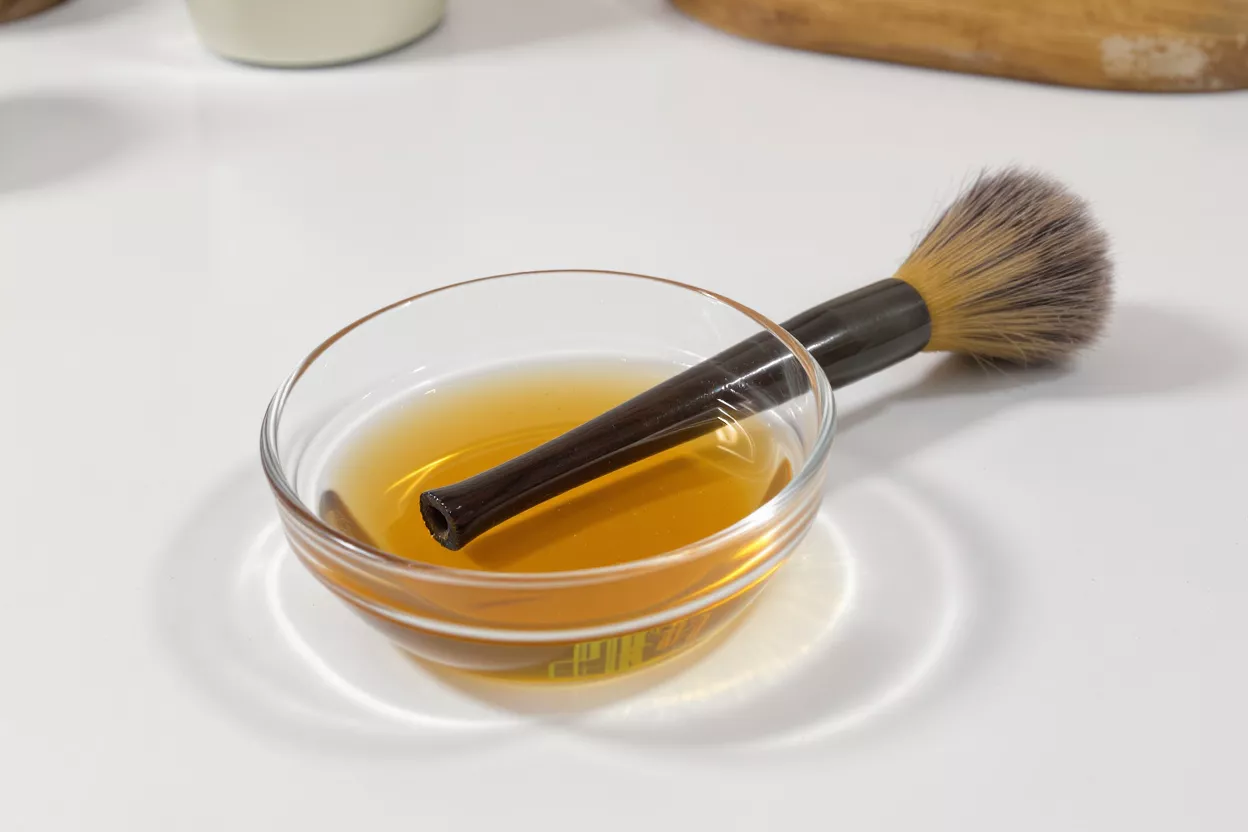
The isopropyl and salt method: The most reliable cleaning approach uses isopropyl alcohol and coarse salt. Place the downstem in a sealable bag or container, add alcohol to submerge it, then toss in salt to act as an abrasive. Shake gently, and the salt scrubs away resin while the alcohol dissolves it. Rinse thoroughly with warm water before your next session.
Regular cleaning is not just about aesthetics. Resin buildup clogs the diffusion slits, restricting airflow and dulling flavor over time. A grimy stem can make even premium flower taste stale, so a quick clean every week or two keeps your hits crisp. Many users keep a dedicated container of cleaning solution ready, much like keeping a quality glass cleaning solution kit on hand for the whole rig.
For stubborn buildup in narrow diffusion holes, pipe cleaners or cotton swabs help dislodge what shaking cannot reach. Always let glass return to room temperature before rinsing with hot water, since sudden thermal shifts can crack even durable borosilicate. Patience here protects your investment and preserves smooth, clean draws.
Common Downstem Problems and Fixes
Stuck downstems: A stem fused into the joint by sticky resin is a common frustration. Warm water loosens the residue, and gentle rocking usually frees it. Never force a stuck stem, as twisting too hard snaps the fragile glass at the joint. A little warm water and patience almost always wins.
Clogged diffusion slits reduce airflow and produce weak, lazy bubbling. This signals it is time for a deep clean, since trapped resin and ash gradually block the holes. If cleaning does not restore flow, the slits may be permanently caked, making replacement the simpler fix given how affordable removable stems are.
Cracks and chips usually stem from thermal shock or accidental knocks during cleaning. Once a downstem cracks, it cannot seal properly and will compromise filtration. The good news is replacement stems are inexpensive and widely sized in standard 14mm and 18mm joints, so a broken stem rarely means the end of a beloved pipe.
Choosing the Right Downstem for Your Setup
Match before you buy: The single most important step is confirming your joint size, joint gender, and required length before purchasing. Measure carefully, because a stem that is too short leaves smoke barely touching water, while one too long crowds the base and splashes water into your mouth. Accurate measurement prevents the most common buying mistakes.
Consider your priorities next. If smoothness rules, opt for a diffused or showerhead stem and accept slightly more drag. If you value fast, easy clearing, an open-ended stem suits you better. Think about how you actually use your piece day to day, whether you favor slow, flavorful sessions or quick, powerful hits.
Finally, invest in quality glass from reputable makers. A well-made borosilicate downstem pays for itself through durability and consistent performance, sparing you frequent replacements and harsh hits. Whether you are filtering dense diamonds, flavorful diesel-leaning flower, or everyday bud, the right downstem transforms an ordinary pipe into a smooth, dependable companion. Treat this small component with the attention it deserves, and every session will reward you with cleaner, cooler, more flavorful draws.