


E-nail
Master your dabs with an e-nail.
What Is an E-Nail and How Does It Work
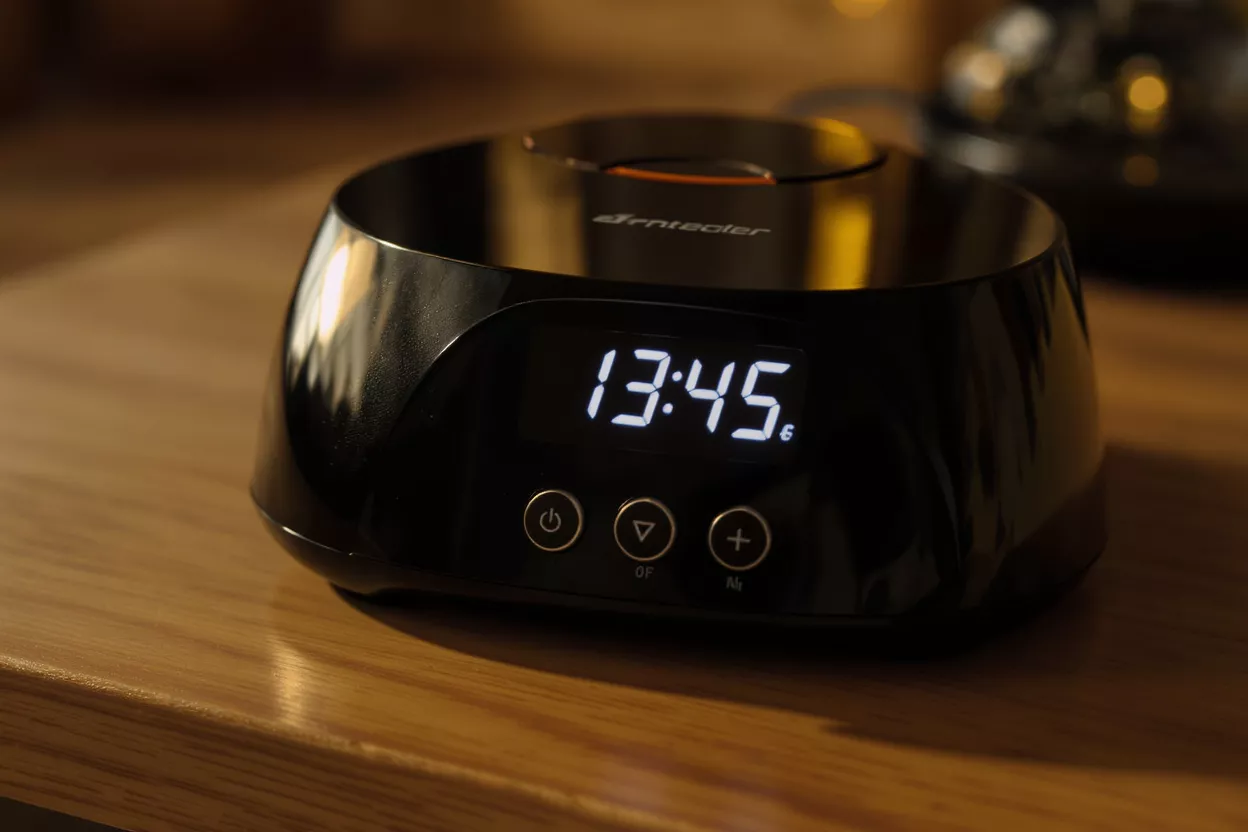
An e-nail is an electronic heating device that replaces the butane torch traditionally used to vaporize cannabis concentrates. Instead of relying on an open flame and guesswork, it uses an electric coil wrapped around a heating element to hold a precise, user-set temperature indefinitely. For anyone serious about dabbing, the e-nail solves the single biggest variable in the entire process: heat consistency.
The core appeal is repeatability. A torch heats a nail to an unknown temperature that begins dropping the moment the flame leaves. An e-nail locks onto a target reading and a digital controller keeps it there, dab after dab, with no waiting and no scorching. This turns dabbing from a timing-dependent ritual into something closer to a controlled lab process, where the same dial setting produces the same result every session.
At a high level, every e-nail shares three working parts: a power-supply controller box, a heating coil, and a compatible nail or banger that the coil heats. The controller reads temperature from a thermocouple sensor inside the coil and adjusts power flow to maintain your setpoint. Understanding how these pieces interact is the foundation for getting clean, flavorful vapor instead of harsh smoke.
How E-Nail Temperature Control Works
Temperature control is the entire reason e-nails exist, and it works through a feedback loop. A thermocouple — a junction of two metals that generates a tiny voltage proportional to heat — sits inside the coil and constantly reports the actual temperature back to the controller. The controller compares that reading to your target and pulses power to the coil accordingly, much like a thermostat managing a furnace.
PID controllers are the gold standard. Higher-end e-nails use a PID (Proportional-Integral-Derivative) algorithm that predicts how the coil will overshoot or drift and corrects in advance. The practical result is a temperature that hovers within a degree or two of your setpoint rather than swinging wildly. Cheaper on-off controllers cycle harder and tolerate wider drift, which is usually fine for casual use but matters when you are chasing specific terpene profiles.
The temperature you choose directly shapes what you taste and feel. Lower readings preserve volatile terpenes and produce a lighter, more flavorful vapor, while higher readings vaporize more material faster at the cost of harshness. Because the e-nail holds whatever you dial in, you can experiment systematically and find the exact window your concentrate prefers.
E-Nail vs Traditional Torch Dabbing
The torch-versus-e-nail debate comes down to control versus convenience versus cost. Torch dabbing is cheap to start and portable, but it forces you to guess at heat using timing tricks, color changes, or a separate infrared thermometer. The margin between a too-hot harsh dab and a too-cold sticky puddle is narrow, and it shifts every time you swap concentrates.
An e-nail eliminates that guesswork entirely, which is why it has become standard for daily dabbers and shared sessions. Here is how the two approaches compare on the factors that actually affect your experience:
- 🔥 Heat accuracy: Torches rely on timing and visual cues; e-nails hold an exact, repeatable setpoint indefinitely.
- ⏱️ Session speed: No reheat wait between dabs with an e-nail, ideal for groups passing a rig.
- 💰 Upfront cost: Torches and butane are inexpensive; e-nails carry a higher initial price but no fuel costs.
- 🔌 Portability: Torches work anywhere; most e-nails need a wall outlet, though battery models exist.
- 🌿 Flavor consistency: E-nails make low-temperature, terpene-rich dabs effortless to reproduce.
For occasional use or travel, a torch still makes sense. But if you dab regularly, value flavor, or simply dislike handling an open flame, the e-nail repays its cost in consistency and convenience within weeks.
Parts of an E-Nail Setup
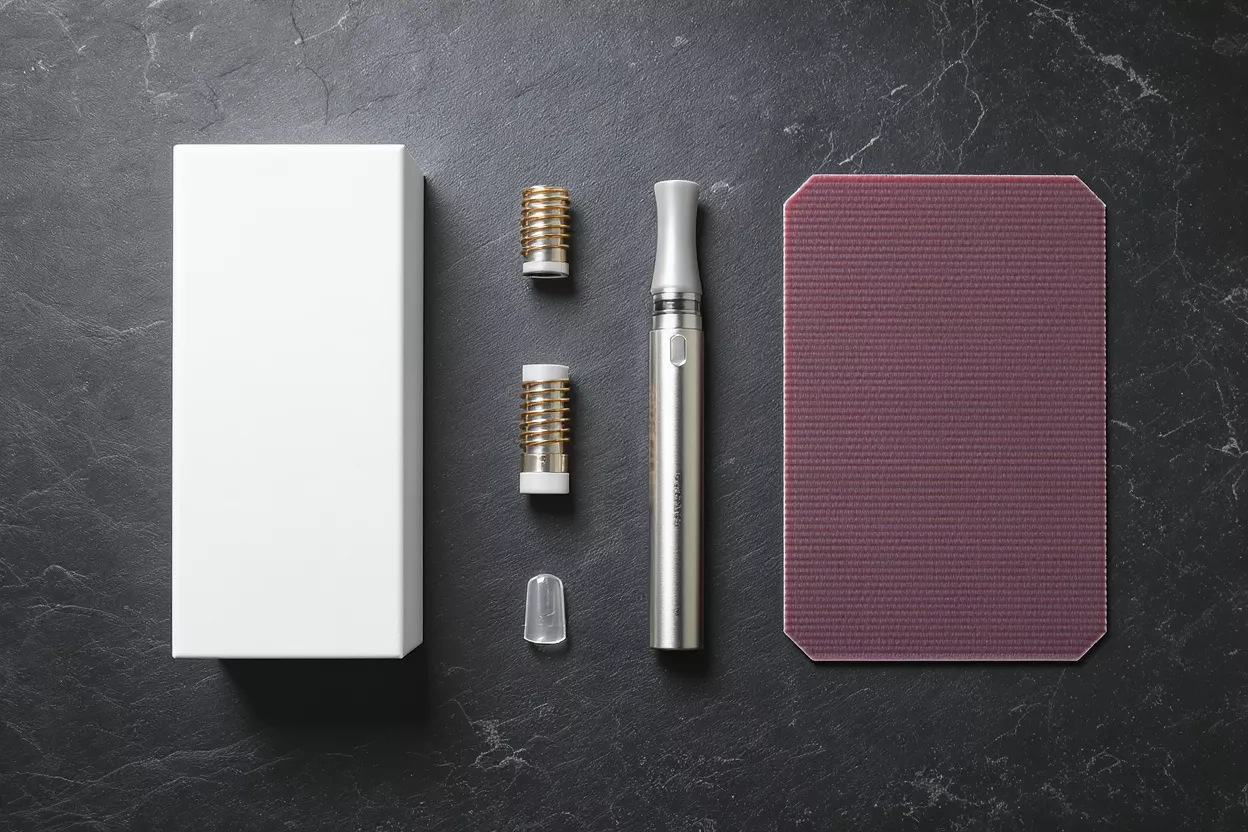
A complete e-nail kit is more than a single gadget — it is a small system of interconnected components, and knowing each one helps you troubleshoot and upgrade intelligently. The controller box is the brain, housing the temperature display, the PID circuitry, and the dial or buttons you use to set your target.
The coil is the workhorse. It is an insulated cord that wraps around your nail and carries both the heating element and the thermocouple. Coils come in different diameters and shapes to fit specific nail sizes, so matching coil to nail is essential. A loose or mismatched coil reports inaccurate temperatures and heats unevenly, undermining the whole point of the device.
The nail itself is what your concentrate touches, and it screws or seats into the coil. Bangers, flat-top nails, and domeless designs all pair with e-nail coils, giving you flexibility in how you dab. Below is a quick reference for the pieces you will handle in a typical setup:
- 🎛️ Controller box: Sets, displays, and regulates temperature through the PID circuit.
- 🔗 Heating coil: Wraps the nail and contains the element plus thermocouple sensor.
- 🍯 Nail or banger: The heated surface where you apply your concentrate.
- 🧢 Carb cap: Traps heat and lowers pressure for fuller low-temp vaporization.
- 🪛 Dab tool: Doses and places concentrate onto the hot surface cleanly.
Best E-Nail Temperature for Flavor and Effect
There is no single perfect e-nail temperature, but there are well-mapped ranges that reliably produce different experiences. The art is matching your setpoint to your concentrate and your goal — flavor, vapor volume, or potency. Because an e-nail holds your reading steadily, you can move through these ranges deliberately and learn what each one does.
Low-temperature dabbing lives between roughly 450°F and 550°F. This window preserves delicate terpenes, yields a smooth, flavorful vapor, and is gentle on the throat. It is the preferred range for connoisseurs chasing the full taste of live rosin or sauce, though it leaves more residue to clean.
Higher temperatures, in the 550°F to 650°F range, vaporize concentrate faster and produce larger, warmer clouds with more immediate intensity. The tradeoff is harsher vapor and some terpene loss. Here is a practical breakdown of common ranges:
- ❄️ 450–500°F: Maximum flavor and terpene retention, thin vapor, very smooth.
- 🌡️ 500–550°F: Balanced sweet spot — strong flavor with satisfying vapor density.
- 🔥 550–600°F: Bigger clouds and faster effects, noticeably warmer on the throat.
- 💨 600–650°F: Full vaporization and intensity, harshest on the lungs, most terpene loss.
Types of E-Nail Coils and Nails
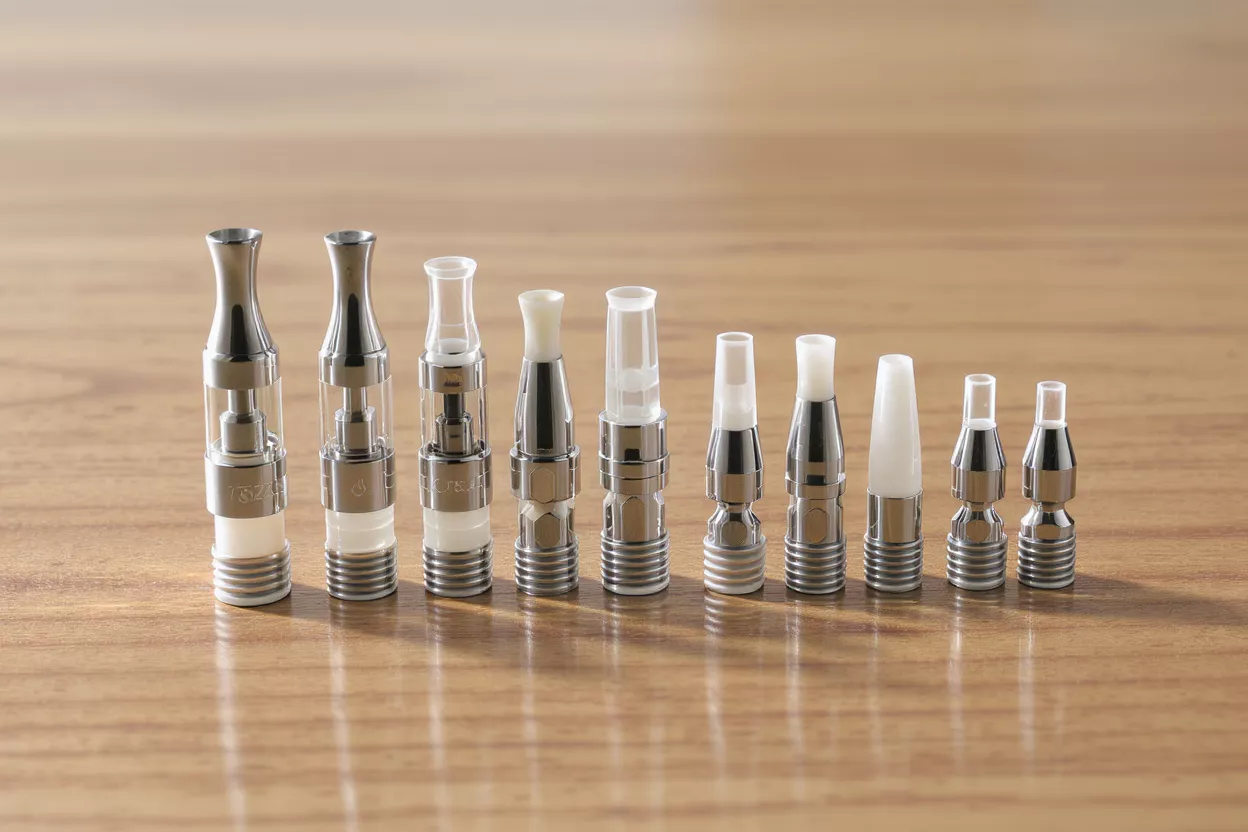
The material and shape of your nail influence heat retention, flavor, and durability, so e-nail users have several options to weigh. Quartz, titanium, and ceramic each behave differently under the same coil, and your choice shapes both taste and maintenance.
Quartz is the flavor favorite. It heats quickly, stays chemically neutral, and delivers the cleanest taste, which is why most low-temperature enthusiasts prefer quartz bangers. Its drawback is lower heat retention, meaning it cools faster — a non-issue with an e-nail since the coil maintains temperature continuously.
Titanium is nearly indestructible and retains heat well, making it forgiving for travel and heavy use, though some users detect a faint metallic note if it is poorly seasoned. Ceramic sits between the two: excellent flavor and smooth heating, but more fragile and slower to reach temperature. Coil shape matters too — flat coils suit flat-bottom bangers while spiral coils wrap around traditional nails.
E-Nail Benefits for Everyday Dabbing
The benefits of an e-nail go beyond simple convenience, though convenience alone wins over many users. The most immediate advantage is eliminating butane entirely. No torch means no fuel to buy, no flame near your face, and no risk of inhaling residual butane from an improperly purged dab.
Consistency is the deeper benefit. Because the device holds your exact temperature, every dab tastes and hits the same way, which makes dialing in a new concentrate fast and removes the frustration of wasted, scorched material. For people using cannabis concentrates therapeutically, this repeatability translates into reliable, predictable dosing session after session.
E-nails also shine in social settings and for accessibility. A heated, ready nail lets a group pass the rig without anyone juggling a torch, and users with limited hand strength or mobility find a stable, flame-free setup far easier to manage. Once you experience never waiting for a nail to cool to the right temperature, going back to a torch feels like a step down.
Are E-Nails Safe to Use
E-nails are widely regarded as safer than torch dabbing precisely because they remove the open flame and the butane canister from the equation. That said, they are still high-heat electrical devices, and respecting a few basics keeps every session uneventful.
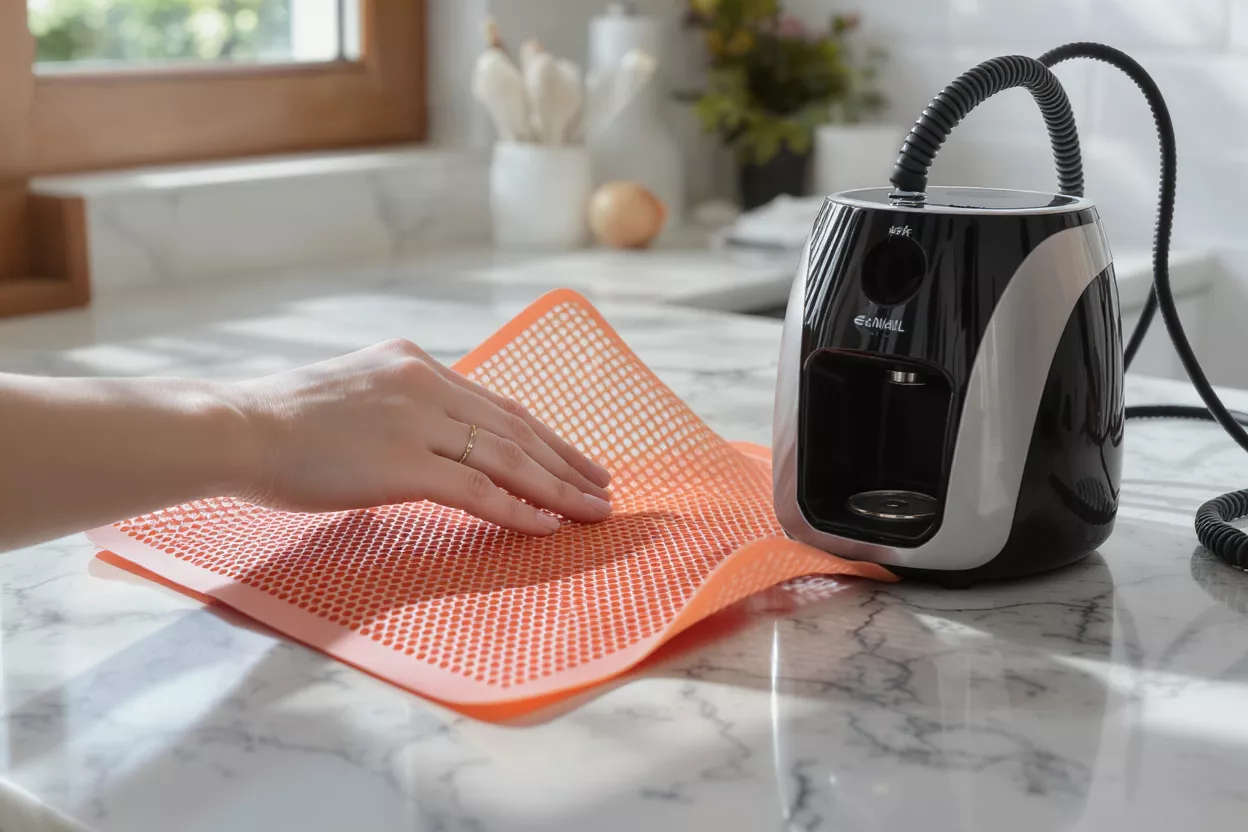
The nail still gets dangerously hot. A coil-wrapped nail can sit at 500°F or more with no visible glow, so it is easy to forget it is scorching. Always assume the nail and coil are hot, keep them clear of flammable surfaces, and let everything cool before disassembly. A heat-resistant mat protects your work area and your hands.
Electrical safety matters as well. Buy from reputable makers, inspect the coil cord regularly for fraying, and never use a device with damaged insulation near water. Quality controllers include safety cutoffs that shut the unit down if it overheats or loses its thermocouple signal — a feature worth paying for. Used sensibly, an e-nail is one of the safer ways to enjoy concentrates.
How to Clean and Maintain an E-Nail
Regular cleaning keeps an e-nail tasting fresh and extends the life of every component. Residue from concentrate carbonizes onto the nail over time, dulling flavor and forcing you to dab hotter to clear it — the opposite of what you want.
The hot-swab method is fastest. While the nail is still warm but not scorching, wipe the inside with a cotton swab to lift fresh residue before it hardens. For built-up carbon, let the nail cool, then soak it in isopropyl alcohol and gently scrub. Never soak the coil or controller — only the nail itself should ever touch liquid.
Protect the coil by handling its cord gently, avoiding sharp bends, and storing the unit so the wire is not crushed or kinked. Periodically check that the coil still fits snugly around the nail, since a loose coil reads temperature inaccurately. A few minutes of upkeep after sessions preserves both flavor and the device itself for years of use.
Choosing the Right E-Nail for Your Rig
Picking an e-nail starts with your existing rig and your habits. Coil size must match your nail diameter — a 20mm coil will not properly heat a 16mm nail — so confirm compatibility before buying. If you already own a favorite banger, choose a coil and controller that fit it rather than replacing your whole setup.
Prioritize the controller quality. A genuine PID controller with a clear display and safety cutoffs is worth more than flashy extras, because it determines how accurately and safely the device holds temperature. Consider whether you want a corded unit for home use or a portable, battery-powered e-nail for flexibility, keeping in mind that battery models trade some power stability for mobility.
In summary, an e-nail transforms dabbing from a flame-and-guesswork ritual into a precise, repeatable experience. By holding your chosen temperature steadily, it unlocks consistent flavor, eliminates butane, improves safety, and makes sharing effortless. Match the coil to your nail, invest in a solid PID controller, keep everything clean, and you gain a setup that delivers the same clean, flavorful vapor every single time you reach for your rig.

Comments