


E-rig
Discover how an e-rig works, top temperature settings, and expert tips for dabbing concentrates.
What Is an E-Rig and How Does It Work
An e-rig is an electronic dab rig that replaces the open flame of a torch with a battery-powered heating element, giving you push-button control over how you vaporize concentrates. Instead of guessing when a quartz nail has reached the right temperature, you set a precise number on a display, press a button, and wait for the device to signal that it is ready. This shift from improvisation to instrumentation is what makes the e-rig such a meaningful upgrade for anyone who values consistency.
The appeal goes beyond convenience. By controlling heat electronically, an e-rig produces repeatable results dab after dab, which matters when you are working with expensive material and trying to preserve delicate terpenes. Many newer units add app connectivity, session timers, and dosage tracking that turn a once-fiddly ritual into something closer to a measured experience.
Most e-rigs share a common anatomy: a rechargeable battery base, an atomizer or heating chamber where the concentrate vaporizes, and a glass or silicone attachment that filters and cools the vapor through water. Understanding these three parts is the fastest way to understand how the whole device behaves and how to keep it running well.
How E-Rigs Heat Concentrates
The heating method is the heart of any e-rig, and there are two dominant approaches that shape the entire experience. Each has a distinct feel, learning curve, and impact on flavor.
Conduction heating works by placing concentrate in direct contact with a hot surface, usually a ceramic or quartz dish. It heats quickly and is forgiving for beginners, though it can create hot spots if you overload the chamber. Convection heating instead passes hot air over the concentrate without direct contact, producing cleaner, more even vaporization that many flavor chasers prefer. A growing number of premium e-rigs blend both methods to balance speed and purity.
Temperature regulation is what separates an e-rig from a simple electric nail. Onboard sensors monitor the heating element and adjust power in real time to hold your target temperature, preventing the wild swings that cause harsh, burnt hits with a torch.
- 🔥 Conduction: Fast heat-up, bigger clouds, slightly more risk of scorching at high settings.
- 🌬️ Convection: Even vaporization, superior terpene preservation, gentler on the lungs.
- ⚡ Hybrid: Combines rapid readiness with clean flavor for the best of both worlds.
E-Rig vs Traditional Dab Rig
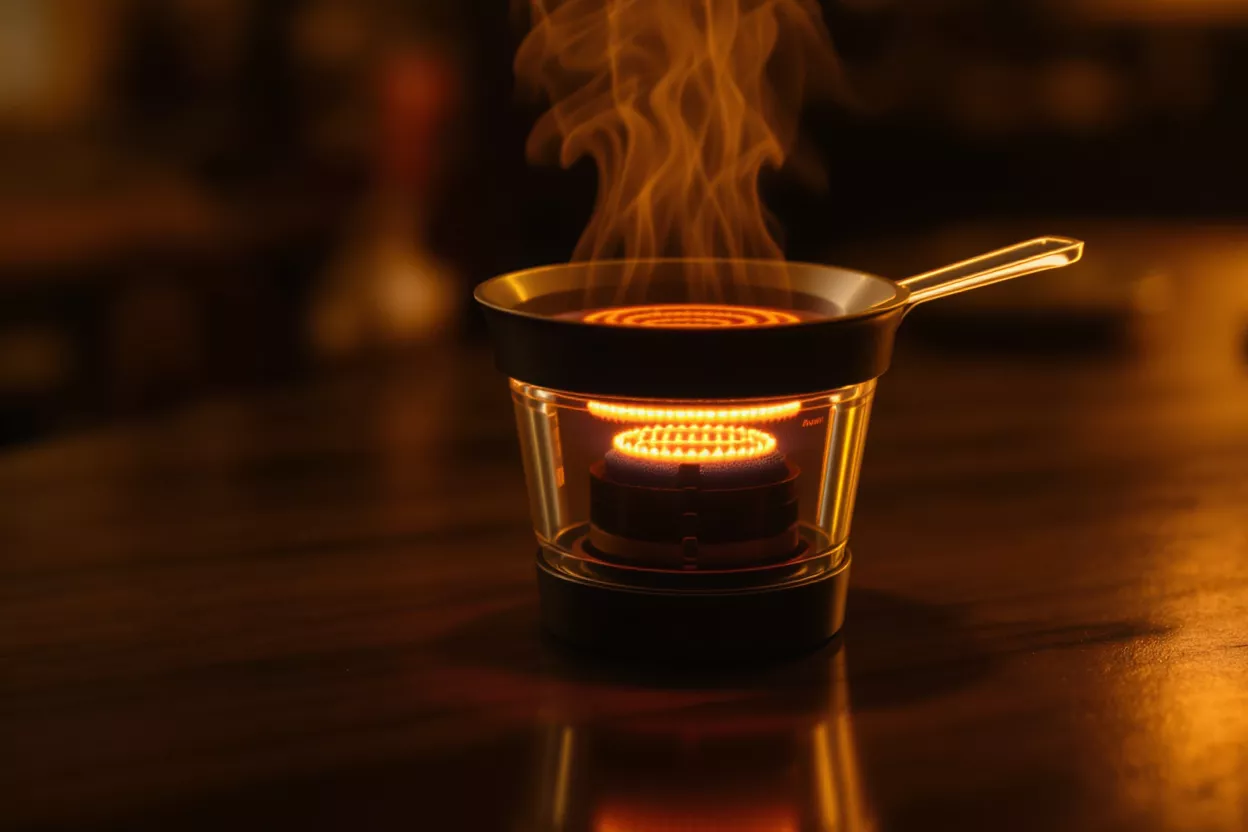
The traditional dab rig setup relies on a butane or propane torch to heat a nail, a method that has worked for years but demands skill and patience. You heat the nail until it glows, wait an exact interval for it to cool to the sweet spot, then apply your dab. Get the timing wrong and you either scorch the concentrate or barely vaporize it.
Safety is the most obvious advantage of going electric. An open flame combined with a glowing-hot nail introduces real burn and fire risk, especially in shared or casual settings. E-rigs eliminate the torch entirely, which makes them far more welcoming for newcomers and far safer for everyday use at home.
That said, traditional rigs still have devoted fans. They are typically cheaper upfront, have no battery to charge or degrade, and offer a tactile ritual that some enthusiasts genuinely love. The decision comes down to whether you prioritize precision and ease or simplicity and lower cost.
- ✅ Precision: E-rigs hold an exact temperature; torches rely on guesswork and timing.
- 🔋 Power: E-rigs need charging; traditional rigs work anywhere a torch will light.
- 💰 Cost: Traditional rigs cost less initially; e-rigs save on butane over time.
- 🧳 Portability: Many e-rigs are cordless and travel-friendly; glass rigs are fragile and stationary.
Types of E-Rigs Available Today
E-rigs come in several formats, and the right category depends largely on how and where you plan to use yours. Knowing the landscape helps you avoid overpaying for features you will never touch.
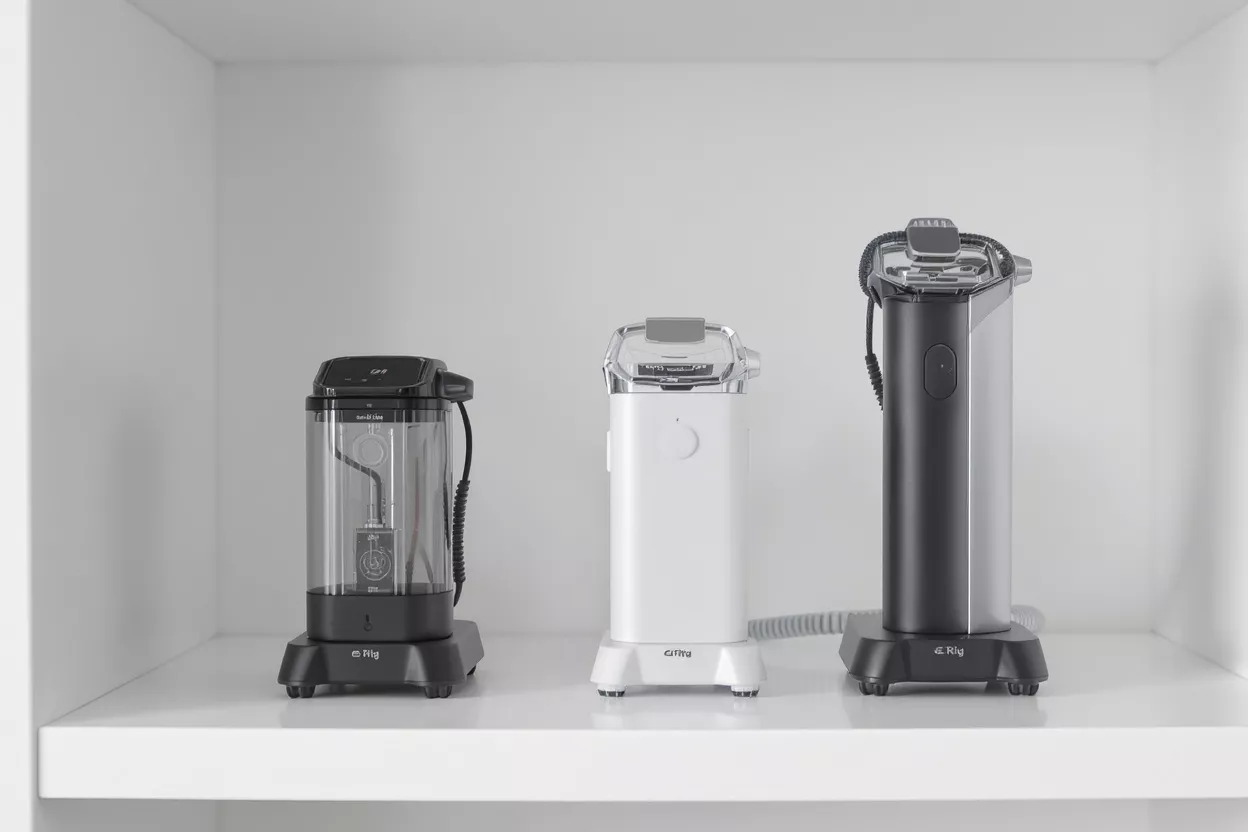
Portable e-rigs are the most popular category, combining a built-in battery with a compact glass or silicone attachment so you can dab anywhere. They strike a balance between desktop performance and on-the-go freedom, and most modern flagship devices fall into this group. Desktop e-rigs stay plugged in and prioritize raw power and large capacity, making them ideal for home sessions or social gatherings where vapor production matters more than mobility.
There is also a category of e-nails, which are not full rigs but heating units that retrofit onto your existing glass. These let you upgrade a traditional rig with electronic temperature control without replacing the whole setup, a smart middle path for people already invested in quality glass.
Best E-Rig Temperature Settings for Concentrates
Temperature is the single biggest lever you control on an e-rig, and dialing it in transforms your experience. Low and high settings produce dramatically different results from the same concentrate, so it pays to understand the ranges.
Low temperatures, roughly 315–450°F, prioritize flavor. At this range the heat is gentle enough to vaporize terpenes without burning them, delivering clean, aromatic hits that showcase the character of the extract. The trade-off is smaller, cooler clouds and the need to take slower draws. This range suits flavorful products like live resin and sauce.
High temperatures, roughly 550–650°F, prioritize vapor volume. The hotter the surface, the faster and more completely the concentrate vaporizes, producing thick, warm clouds and stronger immediate effects. The downside is harsher flavor and some terpene loss. Most experienced users settle into a middle zone around 500°F that balances taste with respectable cloud production.
E-Rig Benefits for Dabbing
The benefits of an e-rig are not marketing fluff; each one solves a specific frustration that torch users know well. The core advantage is consistency, but it cascades into several practical wins.
Because the device holds your chosen temperature automatically, every session tastes and feels the same, which is impossible to guarantee with a torch. This repeatability protects your concentrate investment and lets you actually compare different extracts on equal footing. Add in the elimination of butane purchases and the removal of fire risk, and the value proposition becomes clear for regular dabbers.
Modern units stack convenience features on top of the fundamentals. Session timers, haptic feedback, and app integration let you track usage and fine-tune your routine in ways that simply were not possible before.
- 🎯 Consistency: Identical temperature every dab means predictable flavor and effect.
- 🛡️ Safety: No open flame removes burn and fire hazards from the equation.
- 💸 Savings: No recurring butane cost and less wasted concentrate from scorching.
- 📱 Smart features: App control and dose tracking add measurement to a once-imprecise ritual.
How to Choose an E-Rig
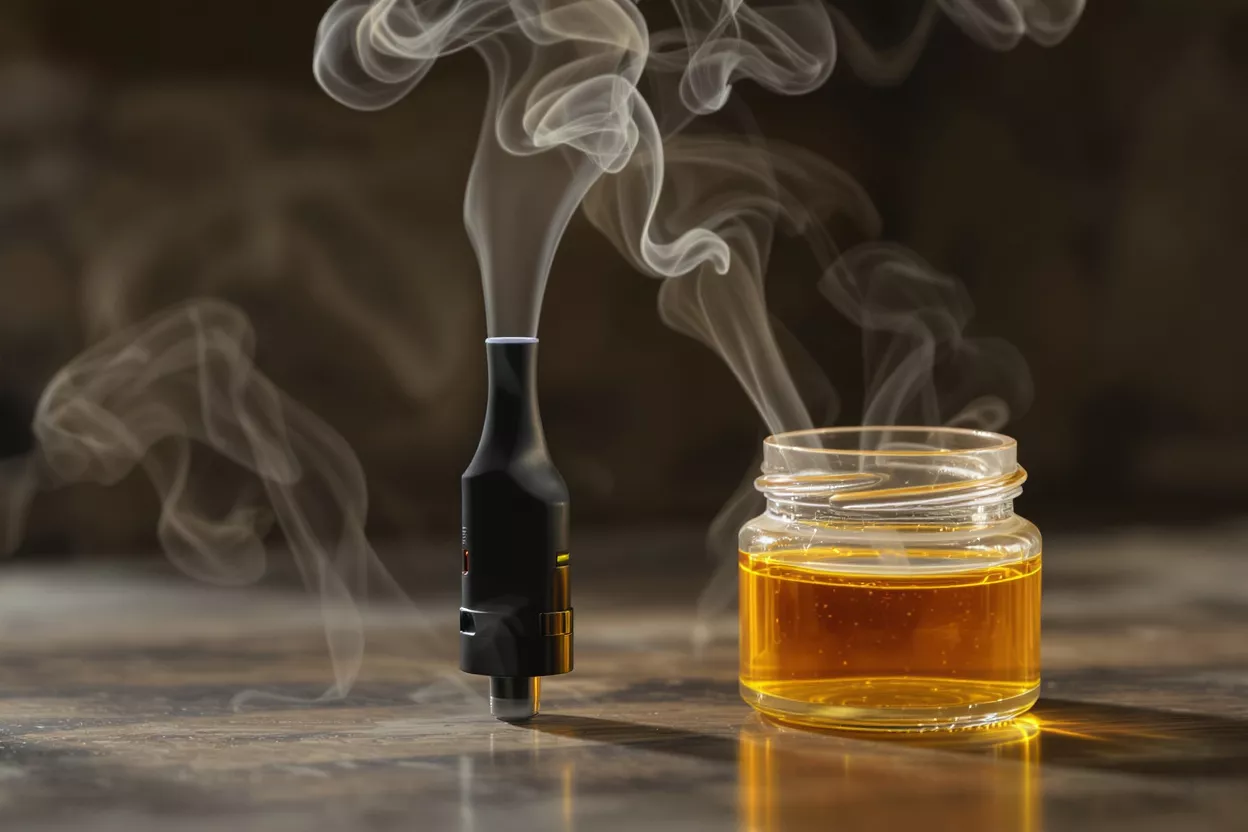
Picking the right e-rig means matching the device to your habits rather than chasing the flashiest spec sheet. A few key factors separate a purchase you will love from one you will regret.
Battery life and charging should top your list if you value portability, since a unit that dies after a handful of dabs will frustrate you quickly. Look for USB-C charging and removable batteries where possible. Heating chamber material matters next: ceramic dishes deliver pure flavor and even heat, quartz heats fast and cleans easily, while titanium is durable but can impart a slight taste some users dislike.
Atomizer replacement cost is an often-overlooked factor. The heating chamber is a consumable that wears out over months of use, so check the price and availability of replacements before committing to a platform. A cheap device with expensive proprietary atomizers can cost more long-term than a pricier unit with affordable parts.
How to Clean and Maintain an E-Rig
Regular cleaning keeps your e-rig tasting fresh and extends its lifespan, and the routine is simpler than maintaining old-fashioned glass. Residue buildup is the enemy of flavor, so a little upkeep pays off in every session.
After each session, a quick swab of the warm chamber with a cotton tip removes most leftover residue before it hardens. Isopropyl alcohol dissolves stubborn buildup, but it should only touch the parts that allow it, never the electronic base or heating coil directly. Always check your manufacturer's guidance, because materials and tolerances vary between devices.
- 🧽 Daily: Swab the warm chamber with a dry or lightly dampened cotton tip after use.
- 💧 Weekly: Empty and rinse the water attachment to prevent stale, musty vapor.
- 🚫 Avoid: Submerging the battery base or soaking the heating element in liquid.
The water filtration piece deserves attention too. Changing the water before each session and rinsing the glass weekly prevents the stale, musty flavor that ruins otherwise good concentrate.
Are E-Rigs Safe to Use
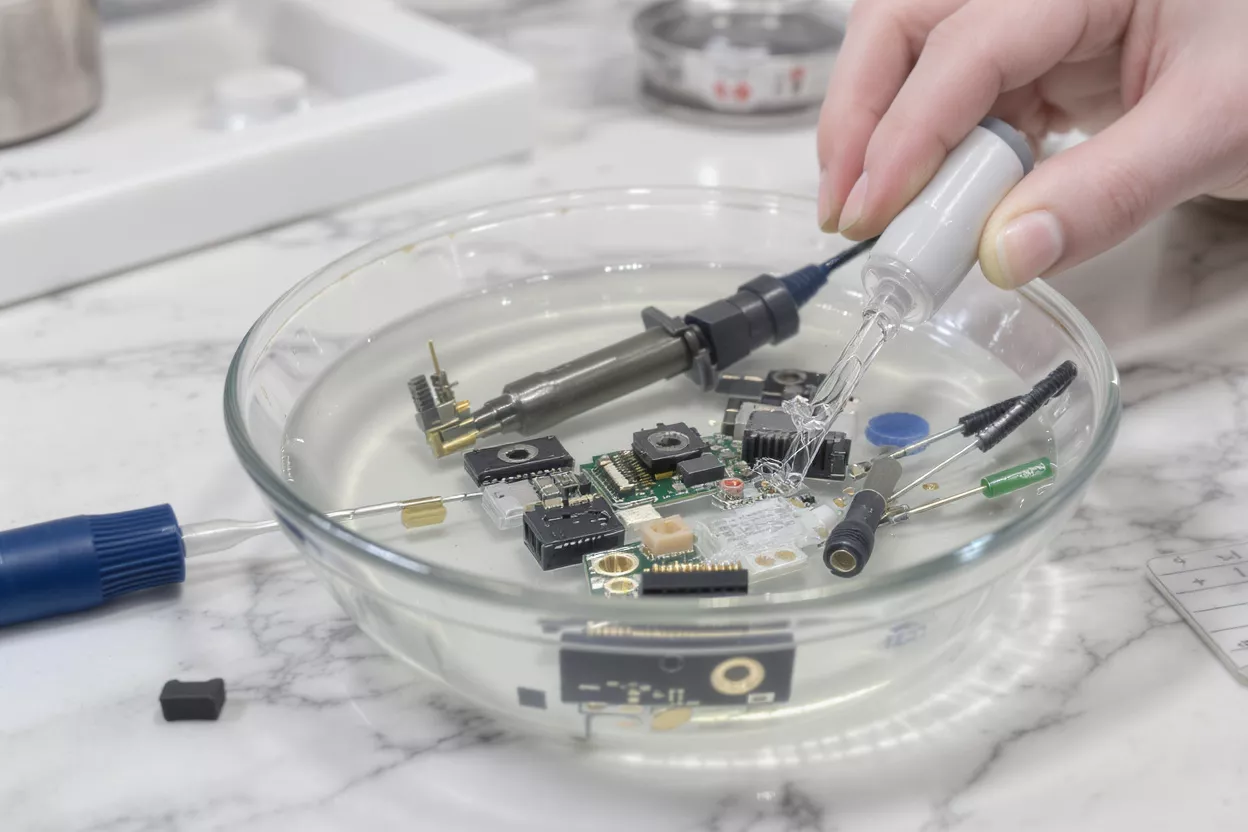
E-rigs are widely considered safer than torch-and-nail setups, primarily because they remove the open flame from the equation. Still, like any battery-powered device, they carry their own set of considerations worth understanding before you buy.
Battery safety is the main concern with any electronic device. Use only the charger supplied with your unit, avoid charging unattended overnight, and replace any battery that swells, overheats, or holds a poor charge. Reputable brands build in overcharge and short-circuit protections, which is one more reason to buy from established makers rather than the cheapest available option.
Material quality also affects safety. Look for chambers made from food-grade ceramic, quartz, or titanium, and steer clear of mystery metals or low-grade components that could degrade under repeated heating. Buying from a trusted vendor remains the simplest way to ensure you are inhaling vapor and nothing else.
E-Rig FAQs and Buying Tips
A few recurring questions come up for nearly everyone shopping for their first e-rig, and clearing them up early saves both money and disappointment. The good news is that the category has matured to the point where solid options exist at almost every price.
People often ask whether an e-rig works with every concentrate, and the answer is yes for the most part. Shatter, wax, budder, rosin, and live resin all vaporize well, though stickier extracts can be slightly messier to load. Just match your temperature to the product for the best results.
Another common question concerns how long an e-rig lasts. With proper cleaning and battery care, a quality unit serves reliably for years, though the atomizer chamber is a consumable you will replace periodically. Treating that replacement as routine maintenance rather than a defect keeps expectations realistic and your sessions enjoyable.
In the end, an e-rig modernizes the dabbing ritual by trading guesswork for control, danger for safety, and inconsistency for precision. Whether you prioritize pure terpene flavor at low temperatures or thick clouds at high heat, the right electronic rig adapts to your preferences and rewards a little maintenance with years of dependable, repeatable sessions. For anyone serious about getting the most from their concentrates, it is an upgrade that quickly justifies itself.



Comments