

Elixir
Discover how a cannabis elixir works, dosing tips, and benefits over edibles.
A cannabis elixir is one of the most elegant and historically rooted ways to consume cannabinoids, blending the precision of modern extraction with a tradition of medicinal preparations that stretches back centuries. If you have ever wished for a discreet, fast-acting, and easily measurable alternative to smoking or edibles, the elixir deserves a place on your radar. These liquid preparations dissolve compounds like THC and CBD into a carrier base, most often alcohol, creating a versatile product you can drop under your tongue or stir into a favourite drink. In this guide we will unpack what an elixir actually is, how it interacts with your body, how it compares to similar products, and how to choose and use one with confidence.
What Is a Cannabis Elixir?
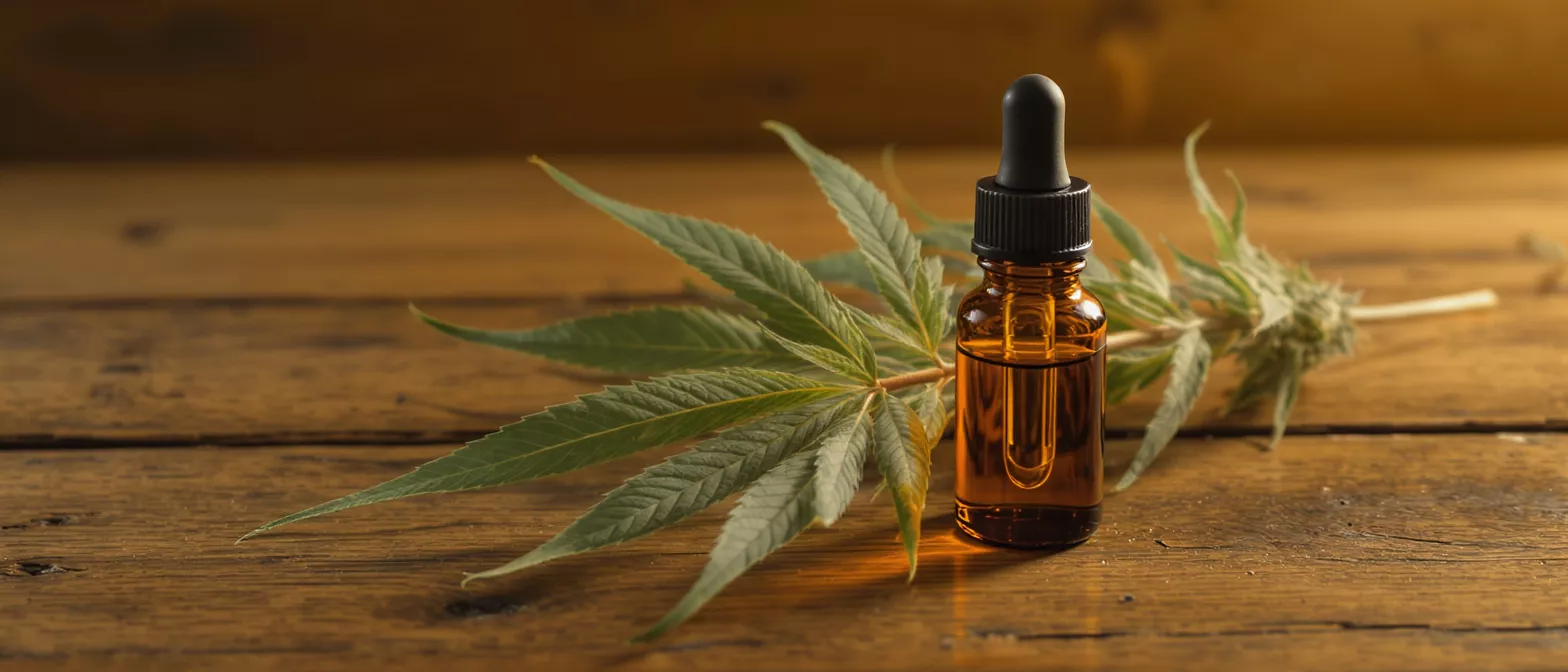
A cannabis elixir is an oral liquid that contains cannabinoids dissolved in a base, traditionally a high-proof alcohol such as grain spirit. The word "elixir" historically described sweetened, flavoured medicinal solutions used by apothecaries, and modern cannabis versions carry that same spirit of careful, palatable preparation. Rather than inhaling smoke or chewing a gummy, you administer a measured liquid dose, often using a dropper built into the bottle cap.
The historical roots run deep. Long before prohibition reshaped the legal landscape, cannabis tinctures and elixirs were staples in Western medicine cabinets and pharmacy shelves throughout the nineteenth and early twentieth centuries. They appeared in formularies as accepted treatments for pain, sleeplessness, and digestive complaints. Today's products revive that legacy with the benefit of laboratory testing, consistent potency, and clear labelling that the original apothecaries could only dream of.
What sets an elixir apart is the marriage of accurate dosing and flexible use. Because the cannabinoids are already extracted and suspended in liquid form, your body does not have to break down plant matter or digest a solid edible before the compounds become available. This makes elixirs a favourite among people who value control over their experience and who want something more refined than rolling a joint.
How Cannabis Elixirs Work in the Body
The defining feature of an elixir is its potential for sublingual absorption. When you place drops under your tongue and hold them there for sixty to ninety seconds, cannabinoids pass through the thin mucous membranes directly into your bloodstream. This route bypasses the digestive system and liver on the first pass, allowing effects to begin within fifteen to forty-five minutes rather than the one to two hours typical of swallowed edibles.
Sublingual versus swallowed makes a real difference. If you swallow an elixir or add it to a drink, the cannabinoids travel through your digestive tract and are metabolised by the liver. With THC, this converts the compound into 11-hydroxy-THC, a metabolite that is more potent and longer-lasting than what reaches your blood sublingually. The same product can therefore deliver two distinct experiences depending on how you take it.
The endocannabinoid system is the destination. Once cannabinoids enter circulation, they interact with cannabinoid receptors distributed throughout the body and brain. THC binds strongly to CB1 receptors to produce psychoactive effects, while CBD works more indirectly, modulating receptor activity and influencing other signalling pathways without producing a high.
Elixir vs Tincture: What Is the Difference?
People often use "elixir" and "tincture" interchangeably, and for good reason: both are alcohol-based liquid extracts of cannabis. The distinction is largely one of formulation and presentation. A tincture is, strictly speaking, a concentrated solution of plant material in alcohol, often plain in taste and clinical in feel.
An elixir is a tincture dressed for the occasion. Historically the term implied added sweeteners, flavourings, and sometimes complementary herbs, transforming a sharp medicinal extract into something pleasant to consume. Modern cannabis elixirs frequently include natural flavours, honey, glycerin, or fruit essences that soften the bite of alcohol and make daily use more enjoyable.
Here is a quick comparison to keep the categories straight:
- 🌿 Tincture: Concentrated alcohol extract, minimal added ingredients, often unflavoured and intended for precise medicinal dosing.
- 🍯 Elixir: A tincture base enhanced with sweeteners, flavours, or botanicals for a smoother, more palatable experience.
- 💧 Oil drops: Cannabinoids in a carrier oil such as MCT rather than alcohol, with slower sublingual absorption.
- 🥤 Beverage additive: Many elixirs double as mixers, dissolving cleanly into teas, cocktails, or sparkling water.
Types of Cannabis Elixirs You Can Buy
Cannabis elixirs come in several formulations tailored to different goals. The most fundamental division is by cannabinoid profile, which determines whether you experience intoxication, gentle relief, or something in between. Reading the label carefully is essential, since the ratio of THC to CBD shapes the entire experience.
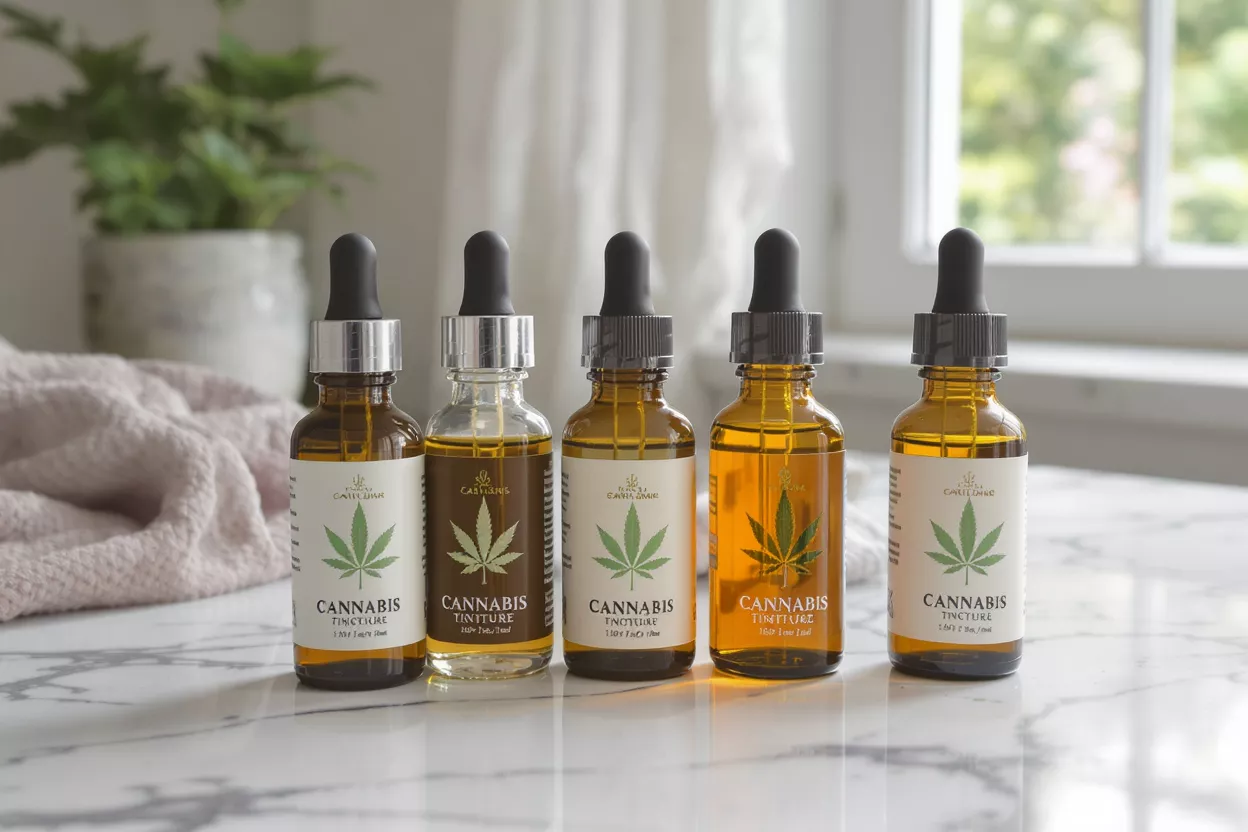
Cannabinoid ratios define the category. A high-THC elixir suits those seeking euphoria or strong relief from pain and insomnia, while a high-CBD or CBD-only elixir appeals to people wanting calm and recovery without a head change. Balanced one-to-one formulas aim for the middle ground, combining the therapeutic synergy of both compounds while tempering the intensity of THC alone.
Spectrum matters as much as ratio. Full-spectrum elixirs retain the plant's full range of cannabinoids and terpene compounds, producing the so-called entourage effect. Broad-spectrum products remove THC while keeping other beneficial molecules, and isolate-based elixirs contain a single purified cannabinoid for maximum predictability.
Common types you will encounter include:
- ⚡ High-THC elixir: Potent and psychoactive, favoured for strong relief and recreational use.
- 🌙 High-CBD elixir: Non-intoxicating, popular for daytime calm and post-exercise recovery.
- ⚖️ Balanced 1:1 elixir: Equal parts THC and CBD for moderate, well-rounded effects.
- 🌈 Full-spectrum elixir: Whole-plant blend that leverages the entourage effect.
How to Take a Cannabis Elixir
The beauty of an elixir lies in its flexibility, but getting the most from it requires a little technique. The two primary methods are sublingual administration and oral ingestion, each producing a distinct onset and duration that you can choose based on your needs for the day.
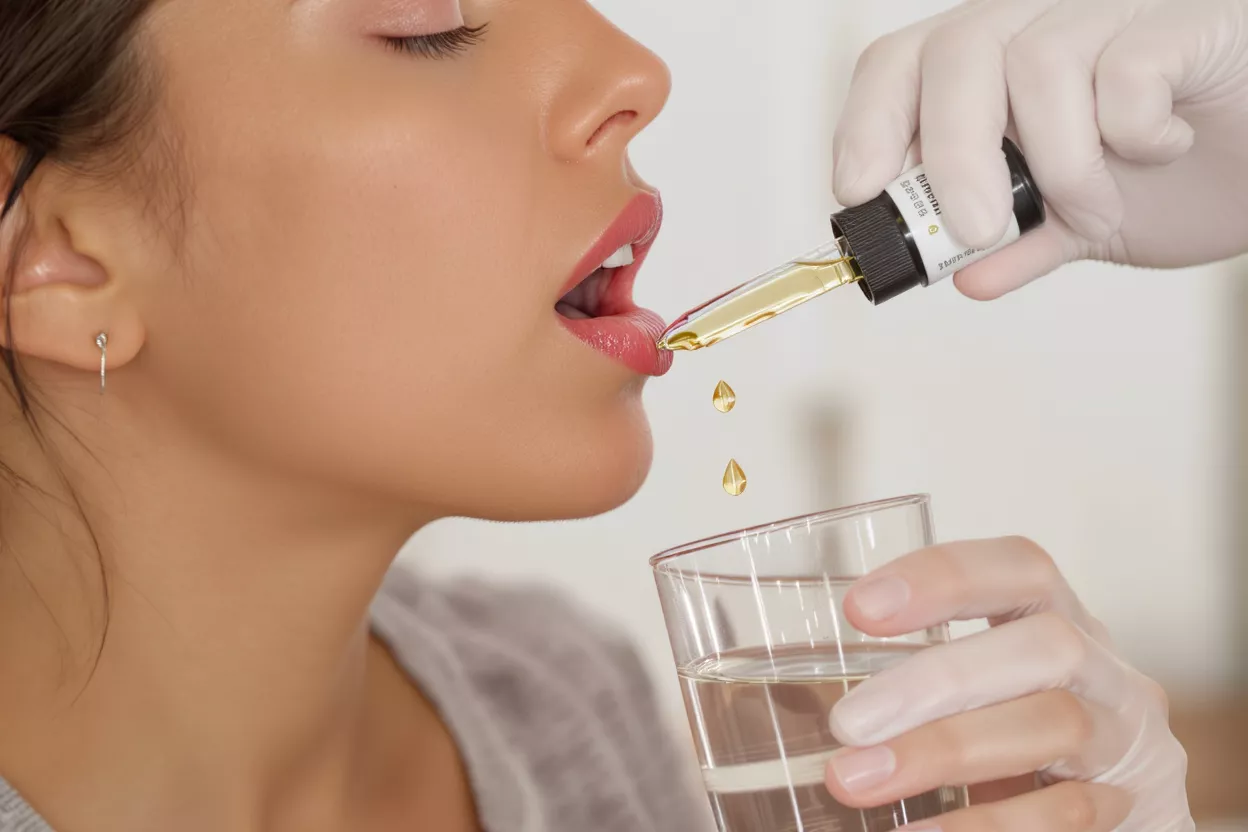
The sublingual method delivers speed. Shake the bottle, draw your measured dose into the dropper, and deposit it beneath your tongue. Hold the liquid in place for at least a minute before swallowing, resisting the urge to talk or move it around. This contact time gives the cannabinoids a chance to absorb through the mucous membranes, producing a faster and more controllable onset.
Mixing into food and drink offers convenience. Adding an elixir to tea, juice, or a smoothie masks the taste entirely and turns dosing into a ritual. Keep in mind that this approach shifts the experience toward edible territory, with a slower onset and a longer, often stronger effect because the liver processes the cannabinoids. Avoid adding alcohol-based elixirs to very hot liquids, which can flash off some of the alcohol and alter the dose.
Consistency is your ally. Take your elixir at roughly the same time each day if you use it for wellness routines, and always keep notes on how a given dose affected you so you can fine-tune over the following sessions.
Cannabis Elixir Dosing Guide for Beginners
Dosing an elixir is far easier than dosing flower or homemade edibles because the potency is printed clearly on the label, usually expressed as milligrams of cannabinoid per millilitre or per full dropper. This precision is one of the format's greatest strengths, letting you titrate carefully toward your ideal amount.
Start low and go slow remains the golden rule. For newcomers, beginning with two to two and a half milligrams of THC is sensible, then waiting the full onset window before considering more. Because sublingual effects arrive within roughly half an hour, you can assess your response relatively quickly compared with waiting hours for an edible.
A simple framework for finding your dose:
- 📋 Read the label: Note the milligrams per dropper so you know exactly what one measured dose delivers.
- 🔢 Begin small: Take a low dose of 2 to 2.5 mg THC, or 10 to 15 mg CBD for non-intoxicating products.
- ⏱️ Wait fully: Allow 45 minutes for sublingual onset before deciding whether to add more.
- 📈 Adjust gradually: Increase in small increments over separate sessions until you reach your sweet spot.
Tolerance shifts the maths over time. Regular users naturally require more to feel the same effect, and taking periodic breaks can help reset sensitivity. Body weight, metabolism, and whether you have eaten all influence how a dose lands, so treat any chart as a starting point rather than a rule.
Cannabis Elixir Benefits Over Other Methods
Elixirs occupy a sweet spot between the rapid onset of inhalation and the long duration of edibles, offering advantages that explain their enduring popularity. They give you control, discretion, and consistency in a single small bottle.
Precision dosing tops the list. Unlike flower or freshly baked edibles, where potency can vary wildly, a lab-tested elixir delivers the same milligram count every time. The dropper lets you measure to fractions of a millilitre, which is invaluable for anyone managing symptoms or building a careful wellness routine.
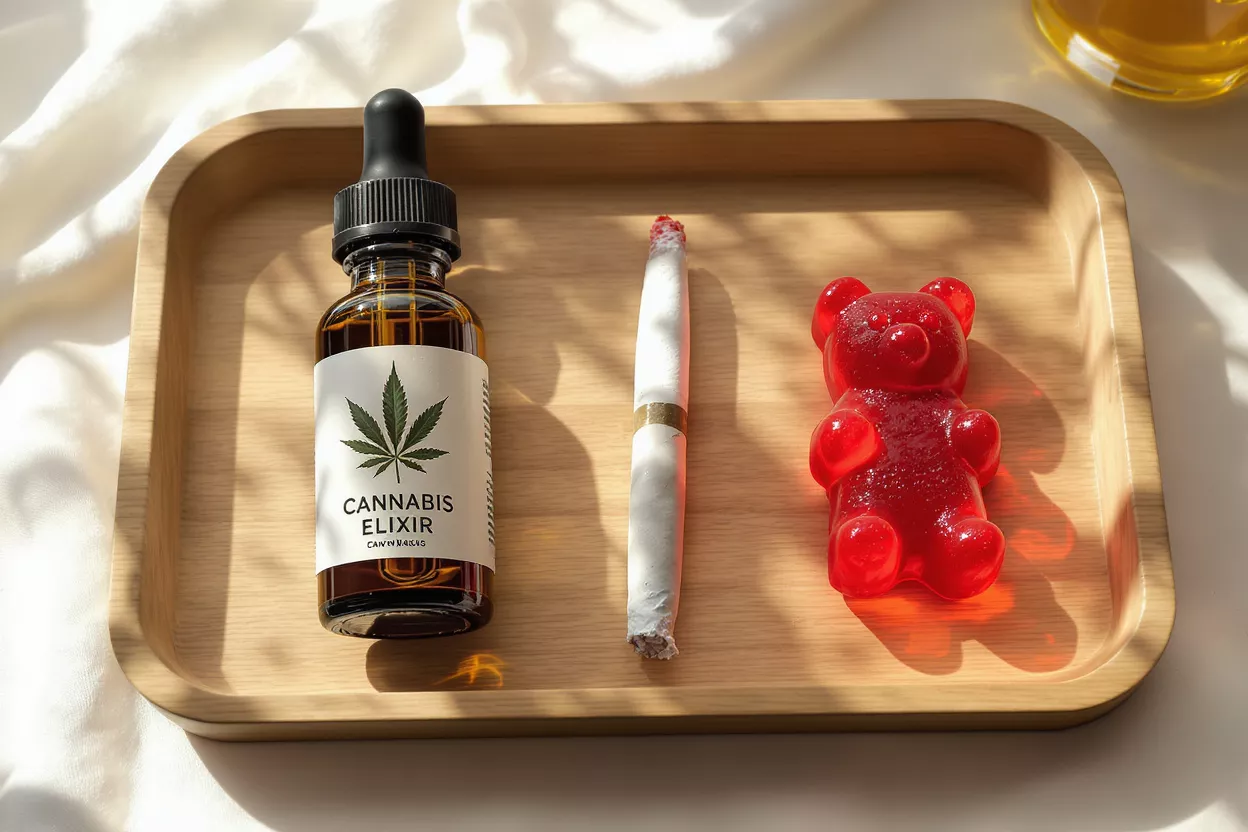
Lung-friendly and discreet. Because there is no combustion, elixirs avoid the respiratory irritation associated with smoking. They produce no smoke and no lingering odour, and a small bottle slips easily into a bag or pocket, making them one of the most discreet ways to medicate or relax in public-facing situations.
Additional advantages worth noting include a long shelf life, since alcohol acts as a natural preservative, and remarkable versatility, given that the same product can be taken sublingually for speed or mixed into a drink for a gentler, extended effect. Few other formats give you that much choice from a single purchase.
How to Make a Cannabis Elixir at Home
Crafting your own elixir is a rewarding project for the hands-on enthusiast, though it demands patience and attention to safety. The core process involves decarboxylating cannabis to activate its cannabinoids, then steeping it in high-proof alcohol to draw those compounds out into the liquid.
Decarboxylation comes first. Raw cannabis contains acidic cannabinoids like THCA that must be heated to convert into the active THC most people seek. Spreading ground flower on a tray and baking it gently in a low oven completes this decarboxylation step, after which the material is ready to infuse.
Patience produces potency. Combine the decarbed flower with a food-grade high-proof spirit in a sealed jar and let it steep, shaking occasionally. Some makers use a quick warm extraction, while others favour a long cold soak over several weeks for a smoother result. Straining through cheesecloth removes the plant matter, leaving a clear liquid you can flavour with honey or natural extracts.
A note of caution: high-proof alcohol is flammable, so never heat it near an open flame, and always work in a well-ventilated space. Home extracts are also difficult to test for exact potency, so dose homemade elixirs cautiously until you understand their strength.
Are Cannabis Elixirs Safe to Use?
For most healthy adults, cannabis elixirs are a well-tolerated way to consume cannabinoids, and their precise dosing actually makes them safer than many alternatives where potency is a guessing game. As with any cannabis product, sensible use and awareness of your own limits are key.
Side effects are usually mild and dose-dependent. Taking too much THC can cause dry mouth, dizziness, rapid heartbeat, or anxiety, all of which fade as the compound clears your system. These experiences are almost always tied to overshooting your dose, which underscores the value of starting low and increasing gradually.
Mind the alcohol base and interactions. Although the amount of alcohol in a single dose is tiny, those who avoid alcohol entirely may prefer a glycerin or oil-based alternative. Cannabis can also interact with certain medications, particularly blood thinners and drugs processed by the same liver enzymes, so consult a healthcare professional if you take prescription medicine. Keep all elixirs sealed, labelled, and stored well out of reach of children and pets.
Choosing the Right Elixir for Your Needs
With so many formulations on the market, selecting the right elixir comes down to matching the product to your goals. Begin by clarifying whether you want intoxication, gentle wellness support, or a balance of both, then let that decision guide the cannabinoid ratio you choose.
Lab testing separates quality from hype. Reputable elixirs come with a certificate of analysis confirming cannabinoid content and screening for contaminants like pesticides, solvents, and heavy metals. Always favour products with transparent testing and clear milligram labelling over anything vague about its contents.
Consider these factors before you buy, and you will rarely go wrong: identify your desired cannabinoid profile, check that the potency suits your experience level, confirm the base suits your preferences, and verify that independent testing backs up the label. An elixir that ticks those boxes will reward you with a consistent, controllable, and genuinely pleasant experience.
Cannabis elixirs blend centuries of medicinal tradition with the precision of modern science, offering a discreet, flexible, and easily dosed path to the effects you seek. Whether you prefer the rapid clarity of sublingual drops or the slow, lingering warmth of a cannabis-infused drink, the format adapts to your routine rather than the other way round. By starting with a low dose, choosing lab-tested products, and paying attention to how your body responds, you can make the elixir one of the most rewarding and reliable tools in your cannabis repertoire.

Comments