

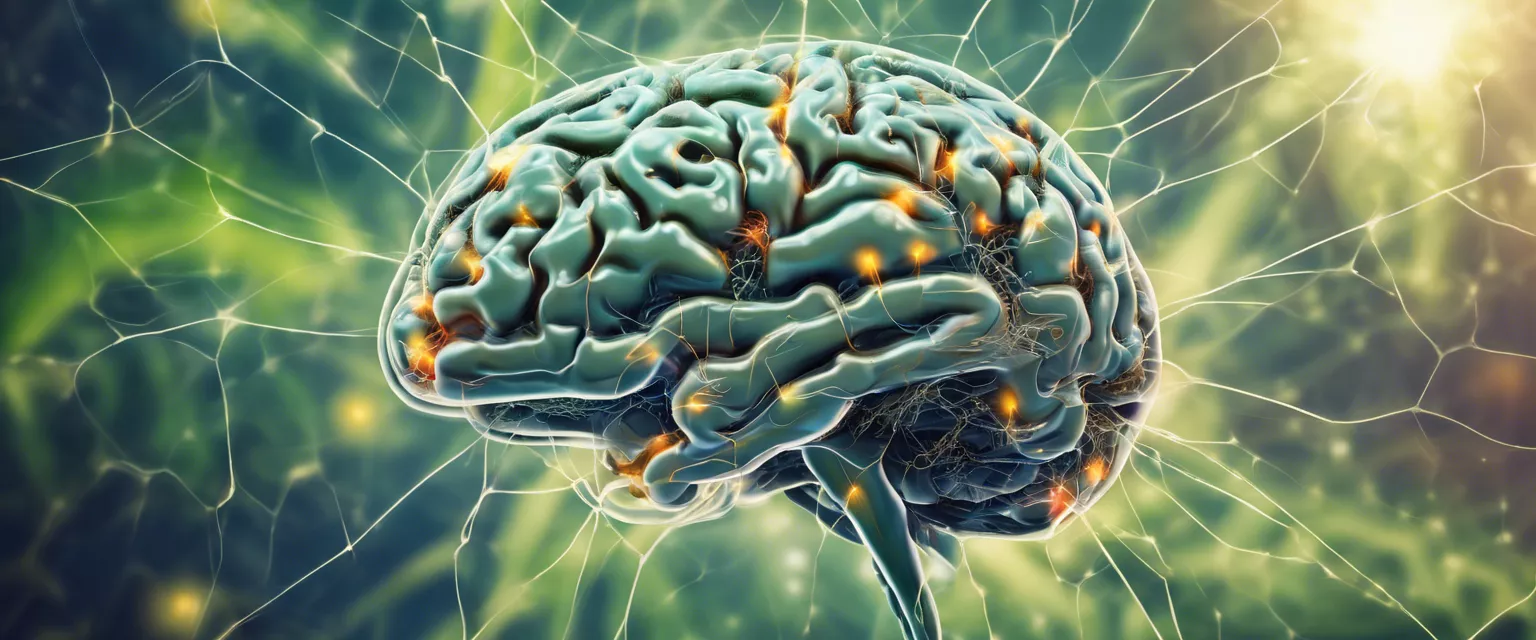
Endocannabinoid system
Learn how the endocannabinoid system regulates mood, pain, sleep & immunity.
What Is the Endocannabinoid System?
The endocannabinoid system is one of the most important physiological networks you have probably never heard of. Discovered only in the early 1990s, this vast signaling system spans the brain, central nervous system, immune cells, organs, and connective tissue. Its job is deceptively simple to summarize but extraordinarily complex in practice: it helps keep the body in balance. When researchers first identified the receptors that THC binds to, they inadvertently uncovered an entire regulatory framework that operates in nearly every animal with a backbone.
What makes this system remarkable is that it predates human use of cannabis by hundreds of millions of years. The plant did not create these receptors; our bodies already had them, along with naturally produced molecules that activate them. Cannabis simply happens to contain compounds that fit these receptors like a key into a lock, which is why the herb produces such wide-ranging physical and mental effects.
For anyone interested in how cannabis works, the endocannabinoid system is the foundational concept. It explains why a single plant can influence mood, appetite, pain perception, sleep, and immune function all at once. Understanding it transforms cannabis from a mysterious intoxicant into a comprehensible interaction between plant chemistry and human biology.
How the Endocannabinoid System Works
The endocannabinoid system functions through three core components working in concert: receptors that receive chemical signals, endocannabinoids that act as the signaling molecules, and enzymes that build and break down those molecules on demand. Unlike many neurotransmitters that are stored in advance, endocannabinoids are synthesized precisely when and where they are needed, then degraded quickly afterward. This makes the system fast, targeted, and self-limiting.
Retrograde signaling sets it apart. Most chemical messengers in the brain travel from one neuron to the next in a forward direction. Endocannabinoids reverse this flow. They are produced by the receiving neuron and travel backward to the sending neuron, where they dampen the release of other neurotransmitters. In effect, the endocannabinoid system acts as a dimmer switch, telling overactive cells to slow down and quieting excessive signaling before it causes problems.
This feedback mechanism is why the system is so deeply involved in regulation rather than direct action. It rarely turns things fully on or off; instead it fine-tunes. When you understand this dimmer-switch nature, the broad and sometimes subtle effects of cannabis start to make much more sense.

Endocannabinoid System Receptors: CB1 and CB2
Two primary receptors define how the endocannabinoid system interacts with both internal and external cannabinoids. These are known as CB1 and CB2, and their distribution throughout the body explains much of what cannabis does.
- 🧠 CB1 receptors: Concentrated heavily in the brain and central nervous system, CB1 receptors influence memory, mood, motor control, appetite, and pain perception. They are the primary site where THC produces its psychoactive effects.
- 🛡️ CB2 receptors: Found mostly in the immune system, spleen, and peripheral tissues, CB2 receptors play a major role in inflammation and immune response. Activating them generally does not produce a high.
- 🔄 Overlapping roles: While this division is useful, both receptor types appear in many tissues at varying densities, and their effects often overlap depending on context.
Why receptor location matters. Because CB1 receptors cluster in the brain, compounds that strongly activate them tend to produce noticeable cognitive and perceptual changes. CB2 activation, by contrast, tends to work quietly in the background, modulating immune activity and inflammation without altering consciousness. This anatomical difference is the key to understanding why some cannabinoids feel intoxicating while others do not.
Researchers continue to identify additional receptors and channels that respond to cannabinoids, suggesting the system is broader than the original two-receptor model. Even so, CB1 and CB2 remain the central characters in nearly every explanation of how cannabis exerts its effects.
What Are Endocannabinoids: The Body's Own Cannabinoids
Endocannabinoids are the molecules your body manufactures to activate cannabinoid receptors. The two best-studied examples are anandamide and 2-arachidonoylglycerol, usually shortened to 2-AG. These compounds are built from fatty acids already present in cell membranes, which is part of why they can be produced so quickly on demand.
Anandamide, the bliss molecule. Named after the Sanskrit word for joy, anandamide influences mood, memory, appetite, and pain. It binds readily to CB1 receptors and is often credited with contributing to the pleasant, runner's-high sensation that follows sustained exercise. Anandamide is fragile, however, broken down rapidly by an enzyme called FAAH, so its effects are typically brief.
2-AG, the abundant messenger. Present in far higher concentrations than anandamide, 2-AG engages both CB1 and CB2 receptors and is heavily involved in immune function, inflammation, and neural development. Together these two endocannabinoids handle the bulk of the system's day-to-day signaling, with enzymes constantly building and dismantling them to keep communication precise.
How THC and CBD Affect the Endocannabinoid System
The reason cannabis affects us at all is that its compounds mimic or influence our own endocannabinoids. THC closely resembles anandamide, allowing it to bind directly to CB1 receptors. This direct activation is what produces euphoria, altered perception, increased appetite, and the other hallmark effects of cannabis intoxication.
How CBD works differently. CBD does not bind strongly to CB1 or CB2 receptors the way THC does. Instead, it influences the system indirectly, partly by slowing the breakdown of anandamide so that your own endocannabinoids linger longer. It also interacts with serotonin and other receptor systems, which helps explain its calming, non-intoxicating character.
The interplay between cannabinoids and terpenes contributes to what many call the entourage effect, where compounds work together to shape the overall experience. Because THC and CBD engage the endocannabinoid system through different mechanisms, their combination often feels more balanced than either compound alone.
What Does the Endocannabinoid System Regulate?
The reach of the endocannabinoid system is genuinely impressive. Because its receptors are scattered throughout the brain, organs, and immune tissue, it participates in an enormous range of physiological processes, often subtly tuning each one toward balance.
- 😴 Sleep: The system helps govern sleep-wake cycles and the depth of restorative rest.
- 🍽️ Appetite: It influences hunger signals, which is why cannabis can stimulate the desire to eat.
- 🌡️ Pain and inflammation: Endocannabinoid signaling dampens pain perception and moderates inflammatory responses.
- 🧘 Mood and stress: It buffers the body's reaction to stress and contributes to emotional stability.
- 🧠 Memory and learning: CB1 activity shapes how memories form and fade.
This breadth is precisely why cannabis produces such varied effects from person to person. Two people with different baseline endocannabinoid activity can respond quite differently to the same dose, since the plant is interacting with a system that was already calibrated uniquely in each individual.
It is worth emphasizing that the endocannabinoid system does not work in isolation. It communicates constantly with the nervous, immune, and endocrine systems, acting as a kind of master coordinator that helps these networks stay in conversation with one another.

The Endocannabinoid System and Homeostasis
If the endocannabinoid system has a single overarching purpose, it is the maintenance of homeostasis, the stable internal environment that keeps cells and organs functioning optimally. Homeostasis is the body's tendency to correct itself when conditions drift too far in any direction, and the endocannabinoid system is one of its most versatile regulators.
Balance through feedback. When a system becomes overactive, endocannabinoids are released to calm it. When activity drops too low, signaling adjusts to encourage it. This constant correction happens beneath conscious awareness, quietly nudging temperature, immune activity, neural firing, and countless other variables back toward their ideal ranges.
This balancing role helps explain why cannabis is studied for such a wide array of conditions. By influencing a system designed to restore equilibrium, cannabinoids may help shift an out-of-balance body back toward normal function. It also underscores why more is not always better, since overwhelming a finely tuned regulatory network can disrupt the very balance it is meant to maintain.
Clinical Endocannabinoid Deficiency Explained
One intriguing hypothesis proposes that some chronic conditions stem from an underactive endocannabinoid system, a concept known as clinical endocannabinoid deficiency. The theory, advanced by researcher Ethan Russo, suggests that insufficient endocannabinoid tone could contribute to disorders that have long puzzled clinicians.
Conditions under investigation. Migraine, fibromyalgia, and irritable bowel syndrome are the most frequently cited examples. These conditions share certain features, including heightened pain sensitivity and a lack of clear structural cause, which led researchers to wonder whether a common underlying deficiency might connect them.
While the hypothesis remains under study and is far from settled science, it offers a compelling framework for understanding why cannabinoid therapies sometimes help where conventional treatments fall short. If a person's natural endocannabinoid signaling is insufficient, supplementing the system with plant cannabinoids could conceivably restore a measure of balance. Ongoing research continues to test this idea against clinical evidence.
Supporting the Endocannabinoid System Naturally
Cannabis is not the only way to influence endocannabinoid tone. A growing body of evidence suggests that everyday lifestyle choices meaningfully affect how well this system functions, which means you can support your own endocannabinoid health without any plant at all.
Exercise and the endocannabinoid system. Sustained physical activity raises anandamide levels, and many researchers now attribute the famous runner's high more to endocannabinoids than to endorphins. Regular movement appears to keep the system responsive and well regulated.
Diet also plays a role, since endocannabinoids are built from fatty acids. A healthy balance of omega-3 and omega-6 fats provides the raw materials the body needs to produce these molecules. Beyond food and exercise, quality sleep, stress reduction, and practices like meditation have all been associated with healthier endocannabinoid signaling. These habits will not replace medical treatment, but they form a sensible foundation for keeping a vital regulatory system in good working order.
Endocannabinoid System Research and Future Directions
Although it was discovered only a few decades ago, the endocannabinoid system has become one of the most active frontiers in modern physiology. Each year brings new insight into how it shapes health and disease, and scientists are still mapping the full extent of its influence.
Beyond the two-receptor model. Researchers have identified additional receptors and signaling pathways that respond to cannabinoids, expanding the picture well past CB1 and CB2. Some studies point toward an "expanded endocannabinoid system," sometimes called the endocannabinoidome, encompassing a far larger network of molecules and enzymes than originally imagined.
The therapeutic implications are significant. Drugs that target endocannabinoid enzymes, rather than receptors directly, may one day offer the benefits of cannabinoid modulation with greater precision and fewer side effects. As cannabis policy continues to liberalize worldwide, research funding is growing, and our understanding deepens accordingly.
In the end, the endocannabinoid system stands as a powerful reminder of how intricately the human body is wired for balance. It explains why a single plant can touch so many aspects of our wellbeing, from sleep and appetite to mood and pain. Whether you approach cannabis as a consumer, a patient, or simply a curious mind, understanding this remarkable network gives you a far richer appreciation of what happens when plant and body meet. As science continues to illuminate its workings, the endocannabinoid system may well prove to be a cornerstone of future medicine.




Comments