


Entourage effect
Discover how the entourage effect shapes your cannabis experience.
What Is the Entourage Effect in Cannabis?
The entourage effect is the theory that cannabis works best when its many chemical compounds act together rather than in isolation. Instead of viewing the plant as a delivery vehicle for a single molecule like THC, the entourage effect frames cannabis as a botanical orchestra, where cannabinoids, terpenes, and trace compounds combine to produce an outcome greater than the sum of their parts.
The term was popularized in 1998 by researchers Raphael Mechoulam and Shimon Ben-Shabat, who observed that biological systems often respond more strongly to a mixture of related molecules than to one purified compound. In cannabis, this means that the calming character of a particular strain, the depth of its pain relief, or the texture of its high may depend on dozens of minor players working in concert.
Why the entourage effect matters for everyday consumers: understanding this concept changes how you shop. It explains why two products with identical THC percentages can feel completely different, and why "more THC" does not automatically mean a better experience. The full chemical profile of a flower or extract shapes how the body actually responds.
How Does the Entourage Effect Work?
At the center of the entourage effect is the endocannabinoid system, a network of receptors found throughout the brain, nervous system, and immune tissue. Cannabis compounds interact with this system in overlapping ways, and the entourage effect describes how those interactions modify one another.
Modulation at the receptor level: some compounds bind directly to CB1 receptors while others influence how strongly those receptors respond. CBD, for instance, can soften the intensity of THC by changing how the receptor reacts, which is why high-CBD products often feel gentler even at the same THC dose.
Beyond direct receptor binding, terpenes appear to influence the body through their own pathways, affecting inflammation, mood, and how easily compounds cross cell membranes. The combined picture is a layered set of interactions rather than a single switch being flipped, and that complexity is exactly what the entourage effect attempts to capture.
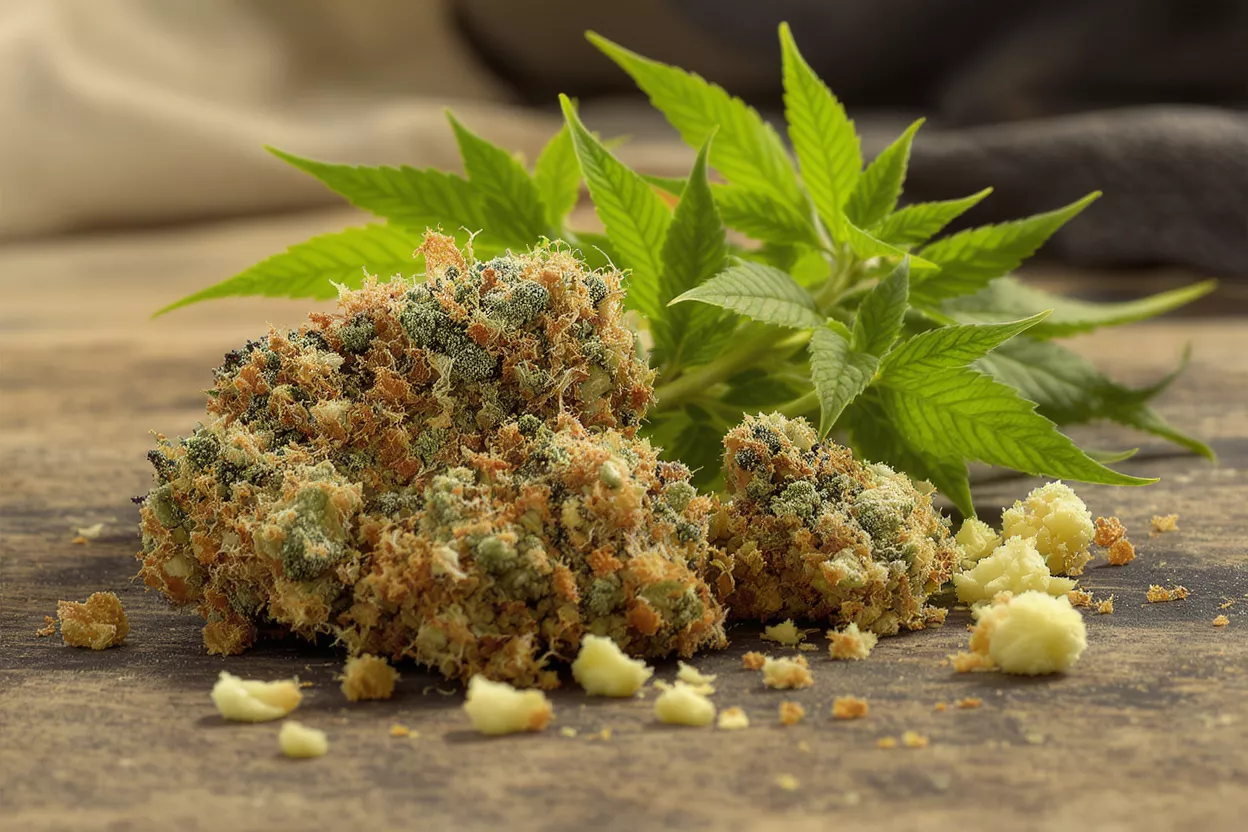
The Cannabinoids Behind the Entourage Effect
Cannabis produces more than a hundred cannabinoids, though only a handful appear in meaningful amounts. Each contributes a slightly different character to the entourage effect, and the ratio between them shapes the overall experience far more than any single number on a lab report.
The major and minor cannabinoids most often discussed in entourage research include:
- 🌿 THC: the primary psychoactive compound, responsible for euphoria and much of cannabis's intensity.
- 💧 CBD: non-intoxicating and known for tempering THC while supporting calm and balance.
- 🌙 CBN: a mildly sedating cannabinoid often linked to relaxation and sleep support.
- ✨ CBG: the "mother cannabinoid" precursor, studied for focus and anti-inflammatory potential.
- 🔥 THCV: a fast, clear-headed compound that may temper appetite at lower doses.
Why ratios matter more than potency: a flower at 18% THC with a rich spread of CBG and CBD can deliver a fuller, more rounded effect than a 28% product stripped of everything else. The entourage effect rewards diversity in the chemical profile, not raw strength alone.
Terpenes and the Entourage Effect
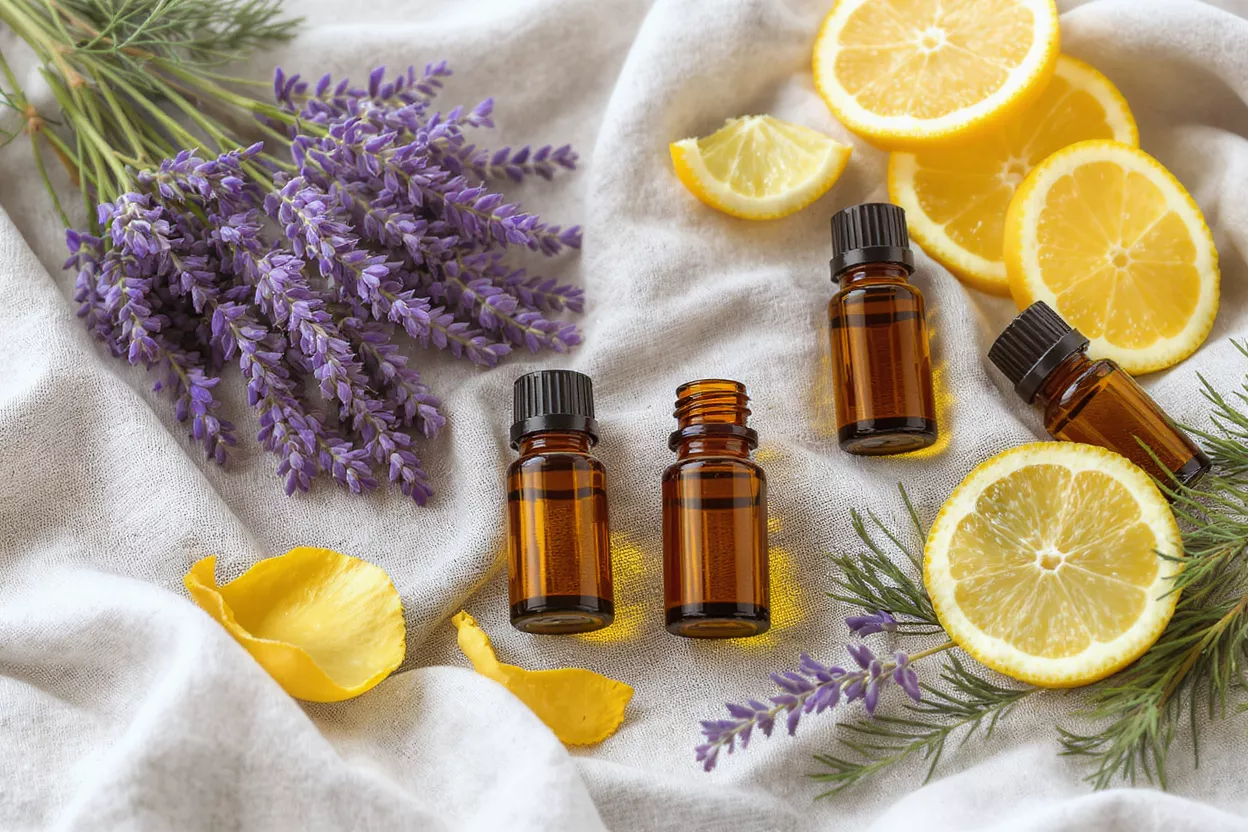
Terpenes are the aromatic oils that give cannabis its smell, from citrus and pine to diesel and earth. They are not unique to cannabis; the same molecules appear in lavender, hops, and black pepper. Within the entourage effect, terpenes are believed to do far more than provide fragrance, subtly steering the direction and feel of each strain.
Some of the most influential terpenes and their associated qualities include:
- 🍋 Limonene: bright and citrusy, often associated with uplifted mood.
- 🌲 Pinene: sharp and piney, linked to alertness and clear breathing.
- 🛋️ Myrcene: earthy and musky, connected to the heavy, relaxing "couch-lock" feel.
- 💜 Linalool: floral like lavender, studied for calming and soothing effects.
- 🌶️ Caryophyllene: peppery and spicy, unique for binding directly to cannabinoid receptors.
Myrcene illustrates the entourage effect well. A strain heavy in this terpene tends to feel more sedating regardless of its cannabinoid content, which is why two indica-labelled flowers with different terpene profiles can produce noticeably different nights.
Entourage Effect vs Isolated Cannabinoids
For years, the pharmaceutical instinct was to isolate and purify a single active molecule. Pure THC and pure CBD products exist and have genuine uses, but they tell only part of the story. The entourage effect argues that something is lost when a compound is separated from its natural companions.
The case of pure THC: isolated, high-dose THC can feel sharp, anxious, or racy for many people. When the same THC arrives alongside CBD, myrcene, and linalool, that edge is often smoothed into a more comfortable experience. The supporting compounds appear to buffer some of THC's less pleasant effects.
This does not make isolates useless. Precision dosing, predictable effects, and zero detectable THC all have value for certain users and situations. But for those seeking the full therapeutic and recreational depth of cannabis, the entourage effect suggests the whole plant offers something an isolate cannot replicate.
What Does Research Say About the Entourage Effect?
The science of the entourage effect sits in an interesting place: widely embraced by the cannabis community, partially supported by preliminary research, and still awaiting large-scale clinical confirmation. Honesty about that gap is part of understanding the topic well.
What the evidence supports: the CBD-THC interaction is the most firmly established. Clinical work on the cannabis-derived medication nabiximols, which contains both compounds, found it better tolerated than THC alone, lending weight to the idea that cannabinoids modify one another in the body.
Terpene synergy is more speculative. Laboratory and animal studies suggest terpenes can influence inflammation, anxiety, and cannabinoid activity, but rigorous human trials remain limited. Researcher Ethan Russo has published influential work proposing terpene-cannabinoid synergies, and while the hypotheses are compelling, the field still needs controlled studies to confirm exactly how strong these effects are in real people.

Entourage Effect Benefits for Cannabis Users
Whatever the state of the formal research, many consumers report that whole-plant products simply feel more complete. The entourage effect offers a practical framework for understanding those experiences and choosing products more intelligently.
Smoother, more balanced effects: the buffering interaction between THC and CBD can reduce the anxiety and racing thoughts some people feel from THC-dominant products, making the overall experience more approachable, especially for newer or sensitive users.
More tailored outcomes: because terpenes and minor cannabinoids steer the direction of effects, full-spectrum products let users match a profile to a goal, whether that is daytime focus, evening relaxation, or sleep support. The richer the profile, the more nuanced the result tends to be, which is one reason connoisseurs pay close attention to lab panels rather than chasing the highest THC number on the shelf.
Full Spectrum vs Broad Spectrum vs Isolate
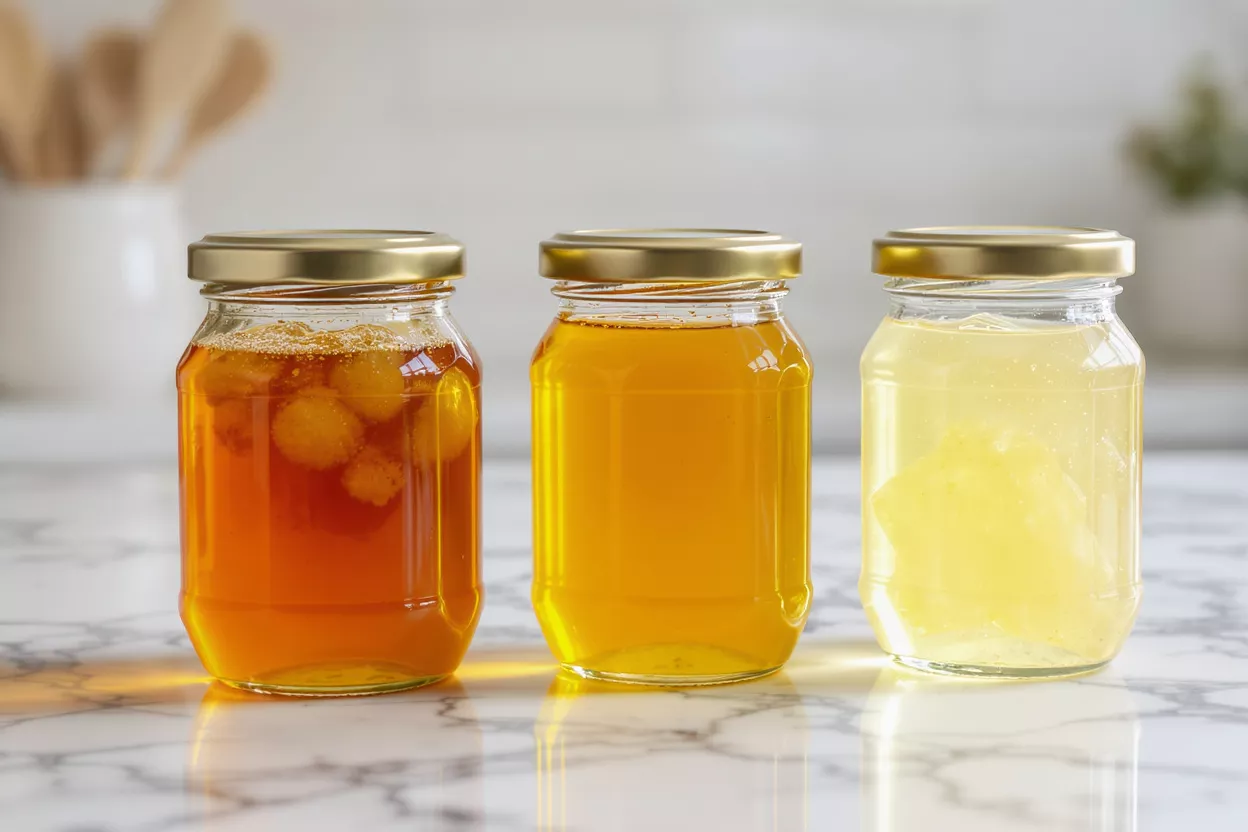
When shopping for extracts, oils, and edibles, you will encounter three categories that map directly onto the entourage effect. Knowing the difference helps you choose products that align with what you actually want.
- 🌱 Full spectrum: contains the complete range of cannabinoids and terpenes, including trace THC, for the strongest entourage effect.
- 🍃 Broad spectrum: retains most compounds and terpenes but removes detectable THC, a middle ground for those avoiding THC.
- 💎 Isolate: a single purified cannabinoid with no entourage support, ideal for precise, predictable dosing.
Choosing the right category: if you want the deepest, most well-rounded experience, full spectrum aligns best with the entourage effect. If you must avoid THC for personal or professional reasons, broad spectrum preserves much of the synergy without it, while isolates suit anyone who values exact control over total effect.
Reading a certificate of analysis is the most reliable way to know which category you are buying, since labels alone can be vague. A detailed lab panel reveals the full cannabinoid and terpene spread that drives the entourage effect.
How to Experience the Entourage Effect
Putting the theory into practice is straightforward once you know what to look for. The goal is to choose products that preserve as much of the plant's natural chemistry as possible rather than stripping it down to a single number.
Start with whole-plant products: fresh, well-cured flower and full-spectrum extracts retain the broadest mix of cannabinoids and terpenes. Live resin and live rosin, made from flash-frozen plants, are especially prized for preserving the delicate terpene content that drives much of the entourage effect.
Pay attention to terpene data on lab reports, not just THC and CBD percentages. If you know that myrcene relaxes you or limonene lifts your mood, you can select strains around those compounds. Keeping a simple journal of what you try and how it felt turns the entourage effect from an abstract idea into a personal map of what works for your body.
Is the Entourage Effect Real or Marketing?
Because the term appears so often on packaging, it is fair to ask whether the entourage effect is genuine science or clever salesmanship. The honest answer is that it is both grounded in real biology and frequently exaggerated by marketing.
The solid foundation: the interaction between THC and CBD is well documented, and the endocannabinoid system clearly responds to multiple compounds at once. That much is not in dispute, and it gives the entourage effect a legitimate scientific core.
The overreach happens when brands attach sweeping claims to specific terpene blends without evidence to back them. A healthy approach is to treat the entourage effect as a real and useful principle while staying skeptical of overly precise promises. In summary, the entourage effect captures a genuine truth about cannabis: the plant works as an integrated whole, and its cannabinoids, terpenes, and minor compounds shape one another in ways a single isolated molecule never could. Understanding that synergy helps you read labels with a sharper eye, set realistic expectations, and ultimately choose products that match what your body and mind are looking for.

Comments