


Ethanol hash oil (EHO)
Learn what ethanol hash oil (EHO) is, how it's made, and why it's popular.
What Is Ethanol Hash Oil (EHO)?
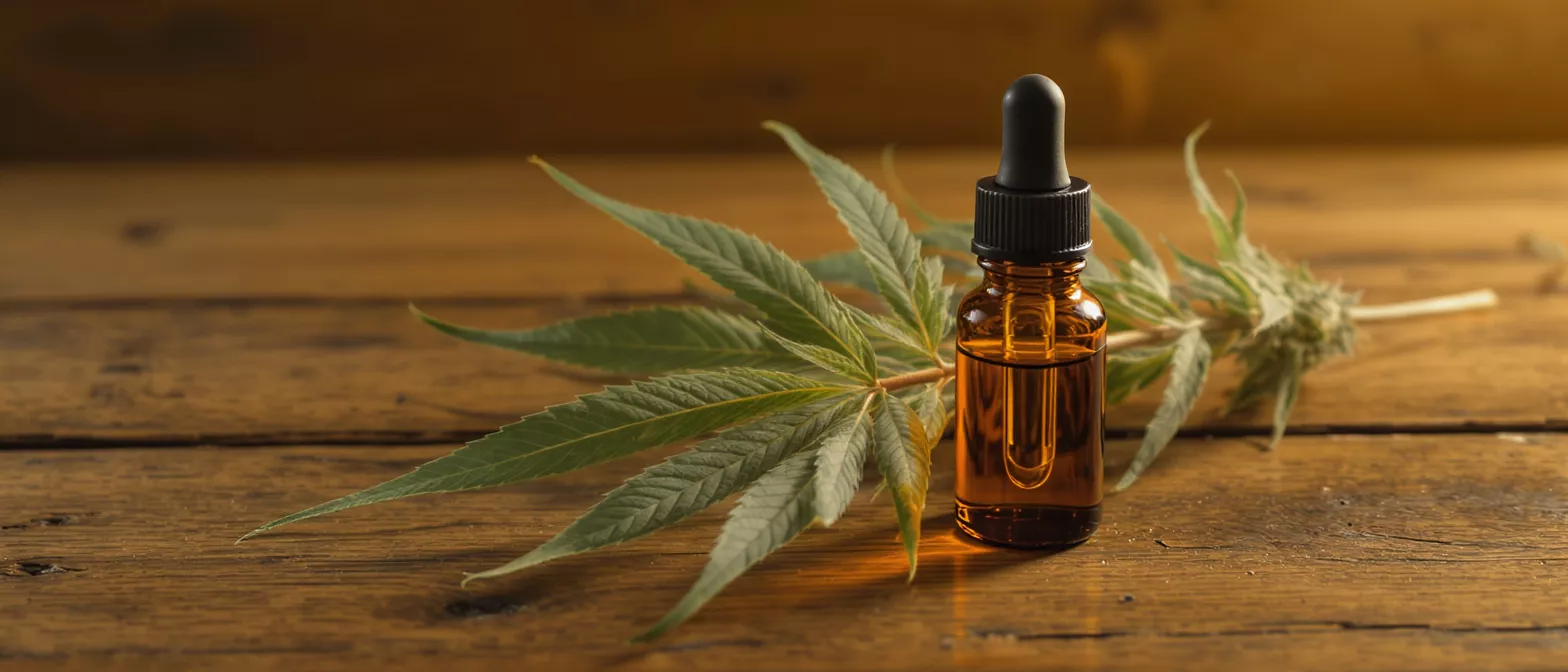
Ethanol hash oil (EHO) is a cannabis concentrate produced by soaking plant material in food-grade ethanol to dissolve the resinous compounds locked inside the trichomes. Once the ethanol pulls the cannabinoids and aromatic oils out of the flower, the solvent is evaporated away, leaving behind a thick, potent oil rich in THC, CBD, and a spectrum of supporting plant molecules. The term covers a broad family of products because the same basic solvent can yield everything from a runny tincture to a stable, dabbable extract depending on how the maker finishes the work.
The appeal of ethanol as an extraction medium is rooted in both safety and scale. Unlike hydrocarbon gases, ethanol is a familiar food-grade liquid, which makes it attractive to home producers and large commercial labs alike. A single ethanol run can process pounds of biomass efficiently, which is why many of the cannabis oils filling vape cartridges and edible recipes today begin life as some form of EHO.
It helps to understand where EHO sits in the wider concentrate landscape. While solventless products like rosin rely on heat and pressure, ethanol hash oil belongs to the solvent-extracted category, sharing a category with hydrocarbon and CO2 products. What distinguishes it is the polar, alcohol-based solvent at the heart of the process.
How Ethanol Hash Oil (EHO) Is Made
The extraction wash: Production begins by submerging dried, often ground cannabis in ethanol. The alcohol acts as a solvent, stripping cannabinoids and terpenes off the plant surface and into the liquid. Contact time matters: a quick wash grabs the desirable resin while leaving behind much of the chlorophyll and waxes, whereas a long soak extracts more of everything, including bitter plant compounds.
Filtration and solvent removal: After the wash, the cannabis-infused ethanol is filtered to remove suspended plant matter. The clean liquid then moves to evaporation, where gentle heat and often a vacuum drive the alcohol off as vapor. Done properly, this leaves a concentrated oil and recoverable ethanol that can be reused, keeping the process economical.
The final texture depends entirely on post-processing choices. Stop early and you have a full-spectrum oil suited to tinctures and capsules. Push further through purging and refinement and you approach a clean distillate-grade product. This flexibility is one reason ethanol remains a workhorse solvent across the industry.
Why Ethanol Is Used as a Solvent
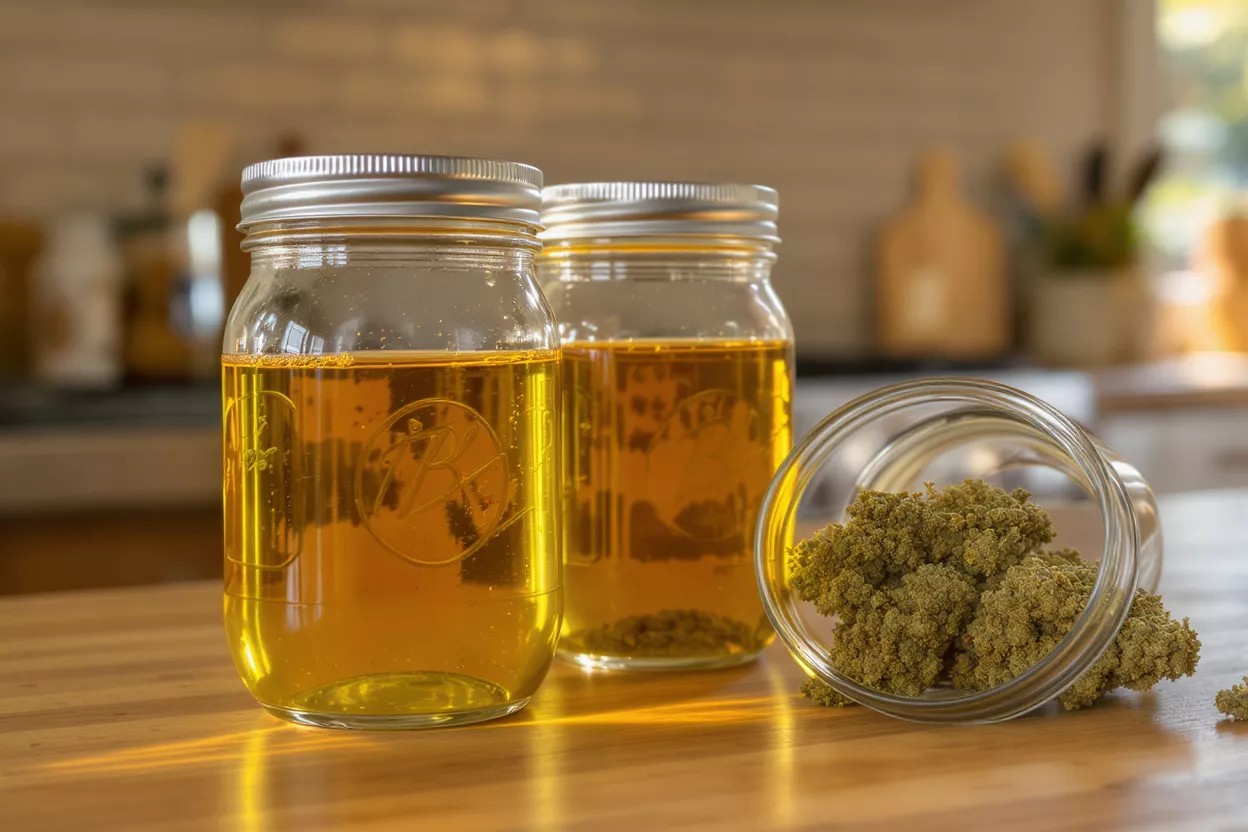
A polar solvent with broad reach: Ethanol is a polar molecule, which means it readily dissolves a wide range of compounds, including the full bouquet of cannabinoids and many water-soluble plant constituents. This breadth makes it excellent for capturing a complete, full-spectrum profile, though it also means careful technique is needed to avoid pulling in unwanted material.
Safety and accessibility: Food-grade ethanol is non-toxic in the trace amounts that remain after proper purging, and it does not carry the explosion risk associated with pressurized hydrocarbon gases. Regulators and quality labs are comfortable with residual ethanol limits, and the solvent itself is widely available, two factors that have cemented its place in licensed production.
Scalability seals the case. Ethanol extraction systems range from small benchtop setups to industrial centrifuges capable of processing enormous batches in a single shift. Few other methods combine this kind of throughput with a solvent regulators already trust for food and pharmaceutical use.
Cold vs Warm Ethanol Extraction
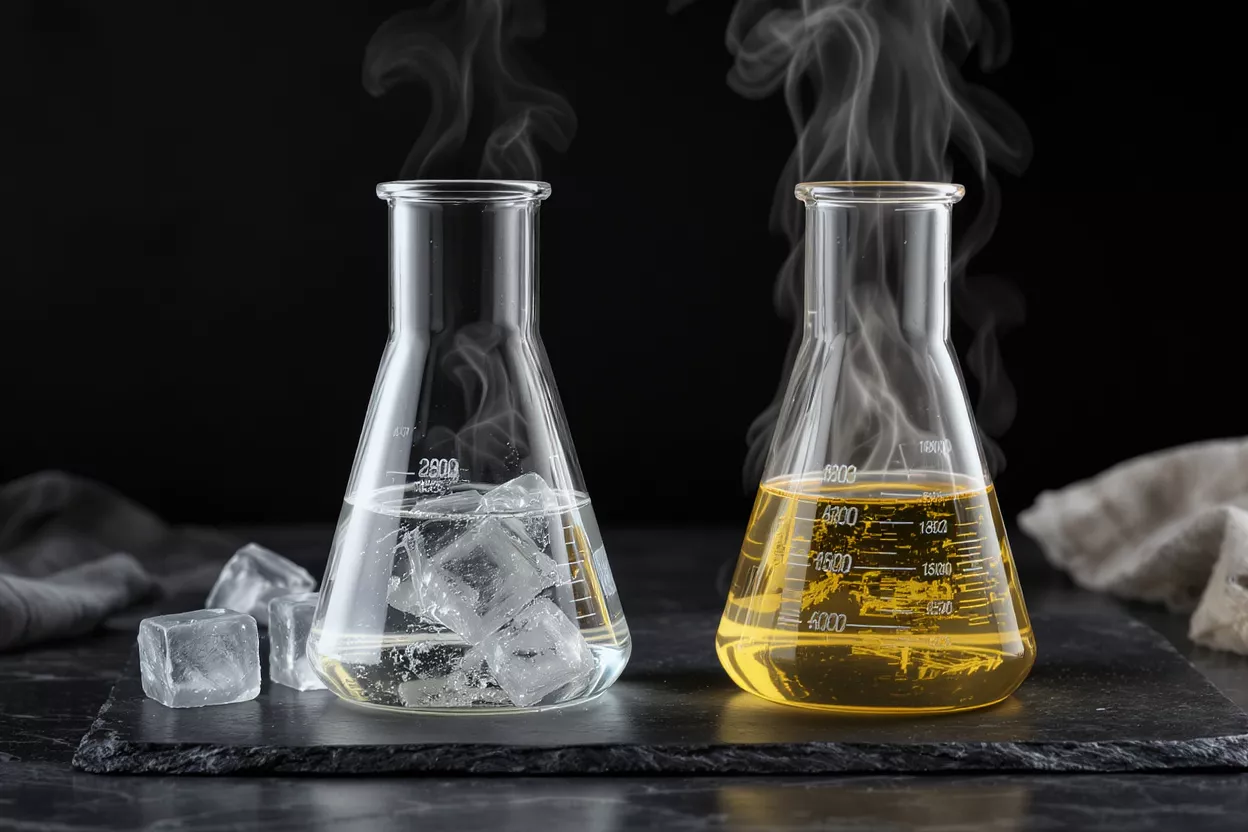
Cold ethanol extraction: Chilling the ethanol to well below freezing before it touches the plant is the most popular professional approach. At low temperatures the alcohol becomes more selective, grabbing cannabinoids and terpenes while leaving fats, waxes, and chlorophyll behind. The result is a cleaner crude that needs less post-processing, which is why cryogenic extraction has become an industry standard.
Warm or room-temperature extraction: Running ethanol warmer increases its solvent power and speeds up the wash, pulling more total material in less time. The trade-off is a dirtier extract heavy in chlorophyll and plant waxes, which demands extra refinement steps to clean up. Some makers accept this for efficiency, then rely on winterization to polish the oil.
The choice between cold and warm is ultimately a balance of selectivity versus speed. Below is a quick comparison of the two approaches.
- ❄️ Cold extraction: Highly selective, minimal chlorophyll, cleaner crude, less post-processing, but requires chilling equipment.
- 🔥 Warm extraction: Faster and higher yield per wash, but pulls more waxes and pigments, demanding more cleanup downstream.
- ⚖️ The verdict: Most premium producers favor cold ethanol for the quality of the starting material it delivers.
Types of Ethanol Hash Oil (EHO) Products
One of the strengths of ethanol hash oil (EHO) is its versatility as a base material. The same initial extract can be steered toward radically different finished goods depending on how it is refined and formulated. This adaptability is why ethanol underpins so much of the modern product shelf.
From crude to refined: A minimally processed full-spectrum oil retains the plant's original terpene and cannabinoid balance, making it popular for tinctures and capsules where an entourage effect is desired. Push the oil through additional purification and you arrive at a high-purity distillate, the clear, nearly flavorless concentrate that fills the majority of vape cartridges.
The range of products built on an ethanol foundation is genuinely wide:
- 💧 Tinctures: Alcohol-based or oil-suspended drops measured under the tongue for discreet, controllable dosing.
- 🛢️ Vape oils: Refined distillate, often with terpenes reintroduced, loaded into cartridges and pens.
- 🍬 Edibles: Decarboxylated oil infused into gummies, chocolates, and baked goods.
- 💊 Capsules: Precisely dosed softgels for a pharmaceutical-style experience.
- 🧴 Topicals: Oil blended into creams and balms for localized application.
Ethanol Hash Oil (EHO) vs BHO and CO2
Compared to BHO: Butane hash oil uses pressurized hydrocarbon gas to produce concentrates famous for their high terpene retention and textures like shatter, wax, and budder. BHO can preserve delicate flavors beautifully, but the flammable solvent demands closed-loop equipment and rigorous safety controls. Ethanol sidesteps the explosion hazard, trading a little of the artisanal dab-texture appeal for a far gentler and more scalable workflow.
Compared to CO2: Supercritical CO2 extraction is prized for being solventless in the residual sense, since the gas simply evaporates away leaving nothing behind. However, CO2 systems are expensive, slower, and often require more downstream winterization than people expect. Ethanol generally wins on throughput and equipment cost, while CO2 appeals to brands marketing a clean, gas-free origin story.
There is no single best method, only the right tool for a given goal. Ethanol's combination of safety, full-spectrum capture, and industrial scale is precisely why it dominates the production of mass-market oils, edibles, and tinctures even as hydrocarbon methods rule the premium dab market.
Winterization and Post-Processing
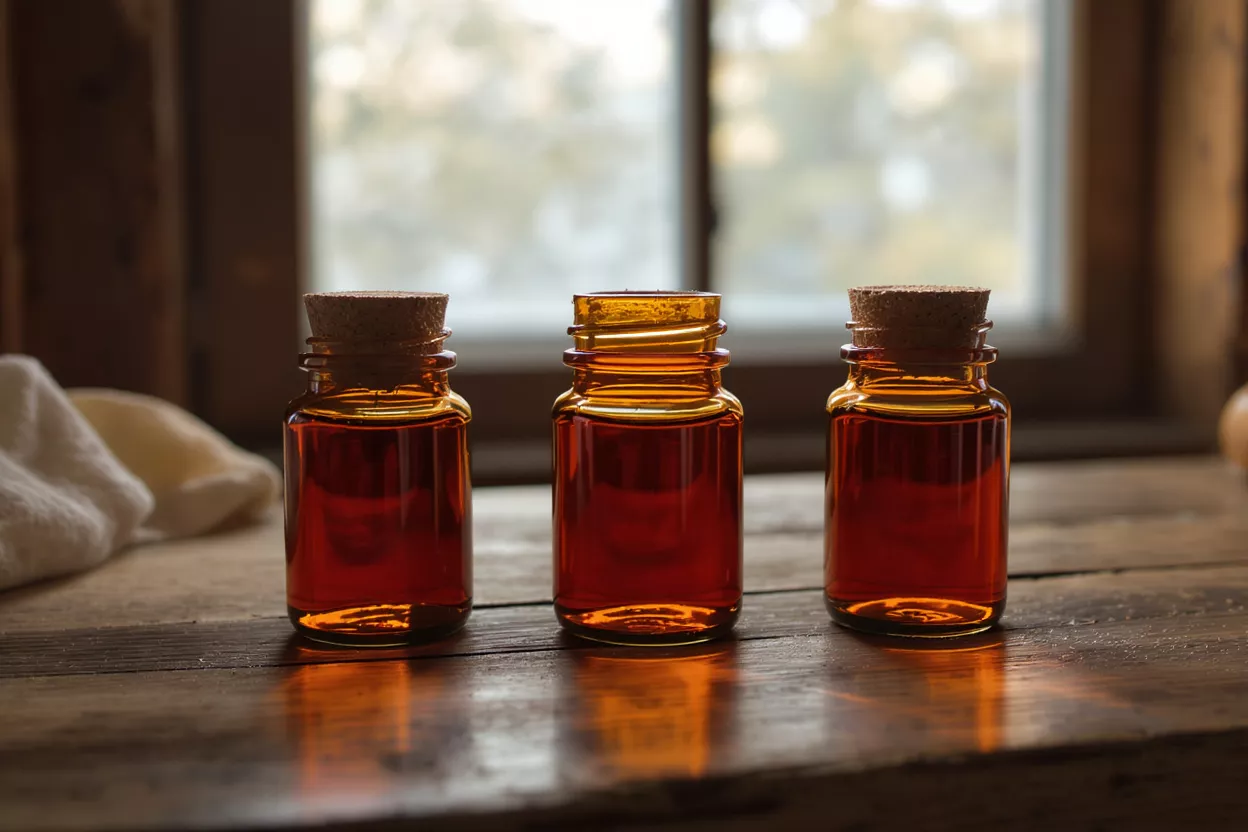
What winterization does: Winterization is a cleanup step where the crude oil is dissolved back into cold ethanol and chilled, causing fats, waxes, and lipids to clump together and fall out of solution. Filtering removes these solids, leaving a smoother, more stable oil. This is especially important for warm-extracted crude or any oil destined for vaping, where waxes can harshen the experience.
Further refinement: After winterization, makers may decarboxylate the oil to activate its cannabinoids, then run it through short-path or wiped-film distillation to isolate and concentrate the target compounds. Each pass strips away more impurities and raises potency, transforming a humble crude into a crystal-clear distillate.
Quality producers finish by testing for residual solvents, ensuring the trace ethanol left behind falls well within safe regulatory limits. Proper purging is the difference between a clean, compliant product and one that tastes of alcohol or fails lab screening.
Is Ethanol Hash Oil (EHO) Safe?
Residual solvent considerations: When made and purged correctly, ethanol hash oil is considered one of the safer concentrate categories. Ethanol is food-grade and non-toxic at the trace levels permitted after evaporation, and licensed products are lab-tested to confirm residuals sit below strict thresholds. The solvent's familiarity in food and medicine is a large part of why regulators are comfortable with it.
The risk of home production: The real hazards arise with improper technique. Inadequate purging can leave too much ethanol behind, and ethanol vapor is flammable, so evaporation should always happen in a well-ventilated space away from open flames. Buying from a licensed source with published test results removes most of this uncertainty for the everyday consumer.
As with any potent cannabis concentrate, the potency itself warrants respect. EHO products can carry very high cannabinoid percentages, so starting with a small dose and waiting to gauge effects is the sensible approach, particularly with edibles and tinctures.
How to Use Ethanol Hash Oil (EHO)
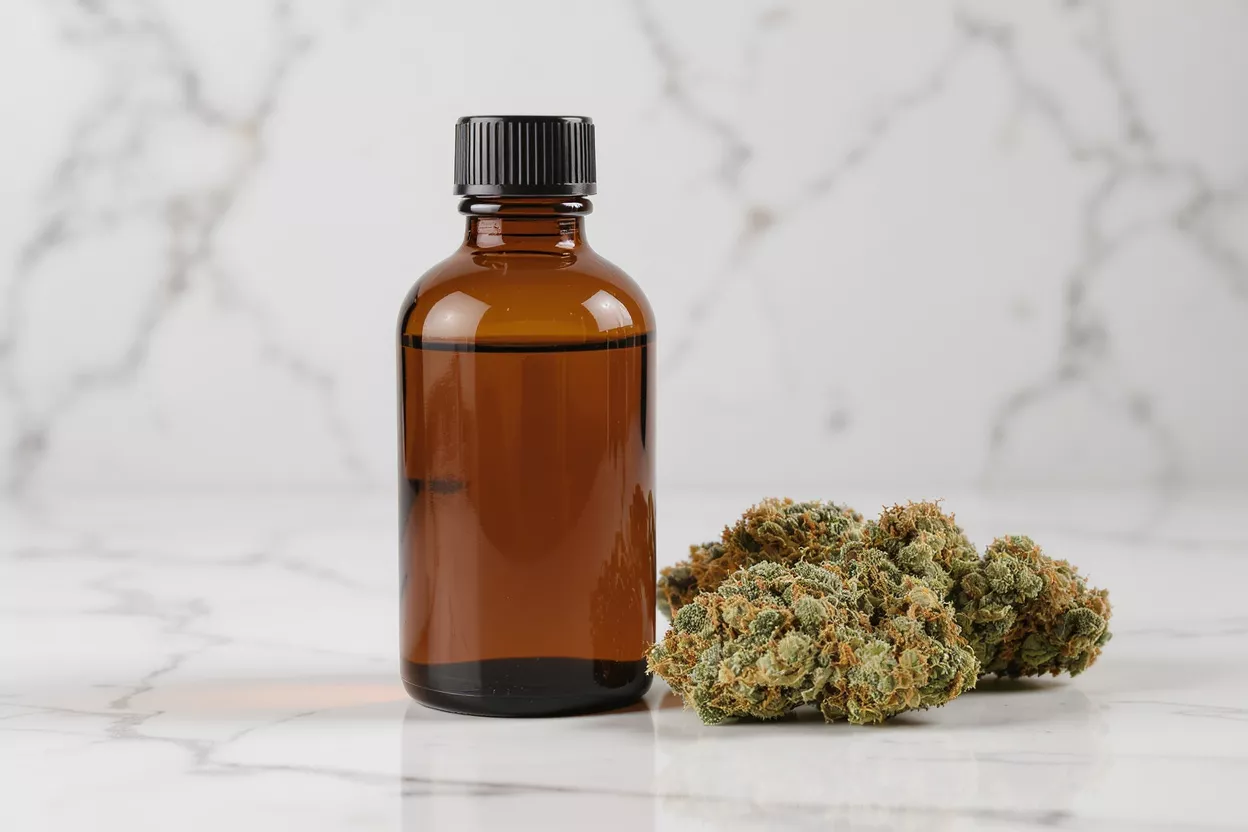
Matching the product to the method: How you use ethanol hash oil depends on which form you have. A refined distillate cartridge is designed for vaporizing, delivering fast-acting effects within minutes. Full-spectrum tinctures are taken sublingually, held under the tongue for absorption, while infused edibles and capsules are swallowed for a slower, longer-lasting experience.
Dosing with intention: Because EHO can be remarkably potent, dose conservatively until you know how a given product affects you. Vaped THC peaks quickly and fades within an hour or two, whereas oral products can take 30 to 90 minutes to onset and last several hours, so patience prevents overconsumption.
For newcomers, oil-based capsules and pre-dosed tinctures offer the most predictable path because each serving is measured. More experienced users may prefer the immediacy of a distillate vape or the flexibility of dosing raw oil into their own recipes.
How to Store Ethanol Hash Oil (EHO)
Protecting potency and flavor: Like all cannabis oils, EHO degrades when exposed to light, heat, air, and time. Cannabinoids slowly convert and terpenes evaporate, dulling both potency and aroma. Storing your oil in an airtight container, away from direct sunlight and heat sources, dramatically extends its useful life.
Practical storage habits: A cool, dark cupboard suits most products, while a refrigerator can help for long-term storage of tinctures and oils. Keep lids tightly sealed between uses to limit oxygen exposure, and always store concentrates securely out of the reach of children and pets given their concentrated strength.
Ethanol hash oil (EHO) endures as a cornerstone of modern cannabis production precisely because it balances safety, scalability, and versatility better than almost any alternative. From the cold-wash crude that fills industrial centrifuges to the crystal-clear distillate in a vape cartridge, this single solvent quietly powers a huge share of the products on dispensary shelves. Understanding how it is made, refined, and best used lets you choose ethanol-derived products with genuine confidence.


Comments