

Fenchol
Discover fenchol, the cannabis terpene with antibacterial and brain-health benefits.
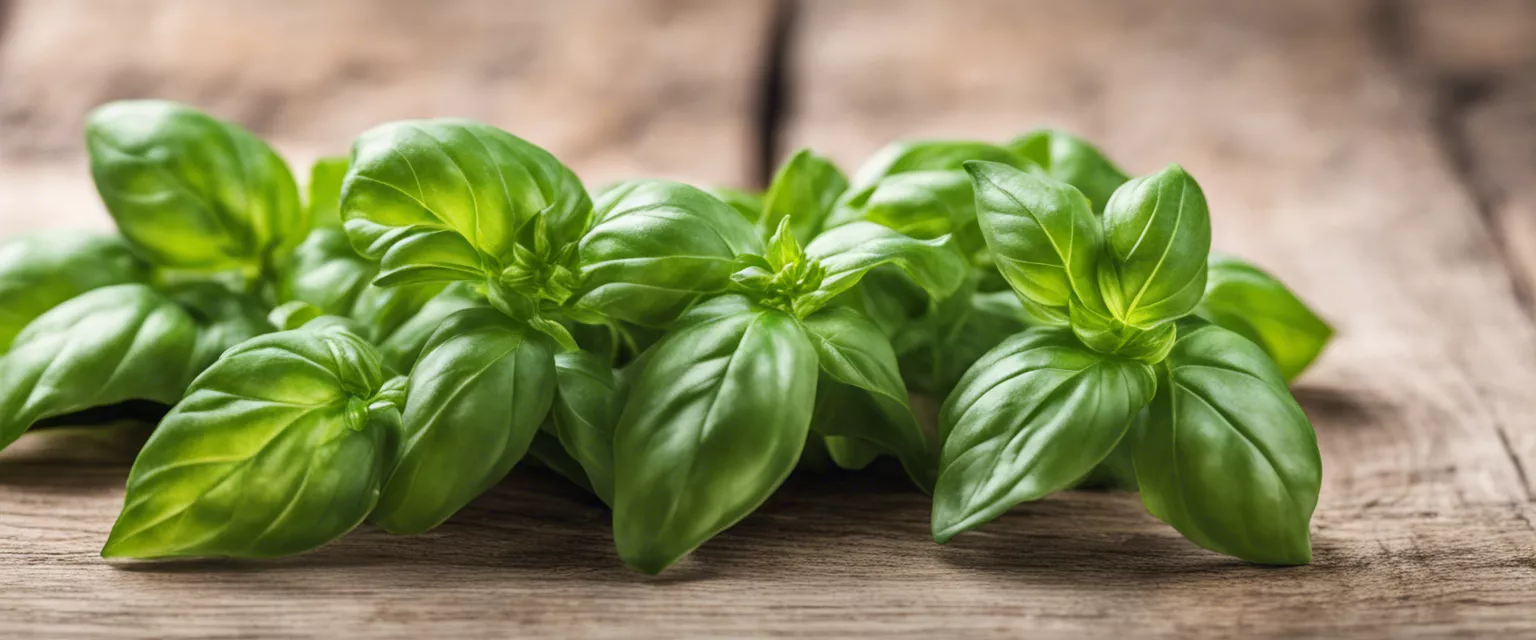
If you have ever noticed a bright, almost camphor-like sharpness layered beneath the sweet herbal aroma of fresh basil, you have already met fenchol. This naturally occurring compound is one of the lesser-discussed members of the cannabis aromatic family, yet it carries an outsized influence on how certain cultivars smell, taste, and potentially interact with the body. As interest in the full spectrum of cannabis chemistry deepens, fenchol has begun to attract attention from researchers and connoisseurs alike for reasons that extend well beyond fragrance.
This guide unpacks what fenchol is, how it behaves within the cannabis plant, where else it shows up in the natural world, and what current science suggests about its potential effects on health. Whether you are a cultivator chasing specific aroma profiles or simply curious about the molecules shaping your experience, understanding fenchol adds valuable depth to your appreciation of the plant.
What Is Fenchol?
Fenchol is a monoterpene alcohol, a class of aromatic compounds that plants produce as part of their essential oils. Chemically, it shares a close relationship with fenchone, its ketone counterpart, and it belongs to the broader family of terpenes that give cannabis and countless other botanicals their distinctive signatures. Its molecular structure features a bicyclic ring system, which contributes to both its stability and its characteristic scent.
Where the name comes from: Fenchol takes its name from fennel, the aromatic herb in which it appears prominently. Sometimes written as fenchyl alcohol, it occurs naturally in two mirror-image forms, or enantiomers, that can differ subtly in their aromatic qualities. This kind of structural nuance is common among terpenes and helps explain why two plants with overlapping chemistry can still smell remarkably different.
In cannabis, fenchol typically appears as a minor or secondary terpene rather than a dominant one. It rarely headlines a strain's chemical profile the way myrcene or limonene might, but its presence rounds out the bouquet and contributes to the overall sensory and possibly therapeutic character of a given cultivar.
How Fenchol Works in Cannabis
Within the living cannabis plant, fenchol is synthesized in the trichomes, the resinous glandular structures that coat flowers and surrounding foliage. These tiny factories produce cannabinoids and terpenes together, which is why aroma and chemistry are so tightly linked. Fenchol forms through enzymatic pathways that convert geranyl pyrophosphate, a universal terpene precursor, into its finished bicyclic shape.
The compound does not act in isolation. Researchers increasingly describe an "entourage effect," in which terpenes and cannabinoids may modulate one another's behavior. Fenchol's potential contribution to this interplay is part of what makes it interesting beyond its scent.
Why concentration matters: The amount of fenchol in any harvest depends on genetics, growing conditions, and post-harvest handling. Because terpenes are volatile, improper drying, excessive heat, or prolonged storage can drive them off, diminishing both aroma and any associated effects. Careful curing preserves fenchol along with the rest of the terpene spectrum.
What Does Fenchol Smell and Taste Like?
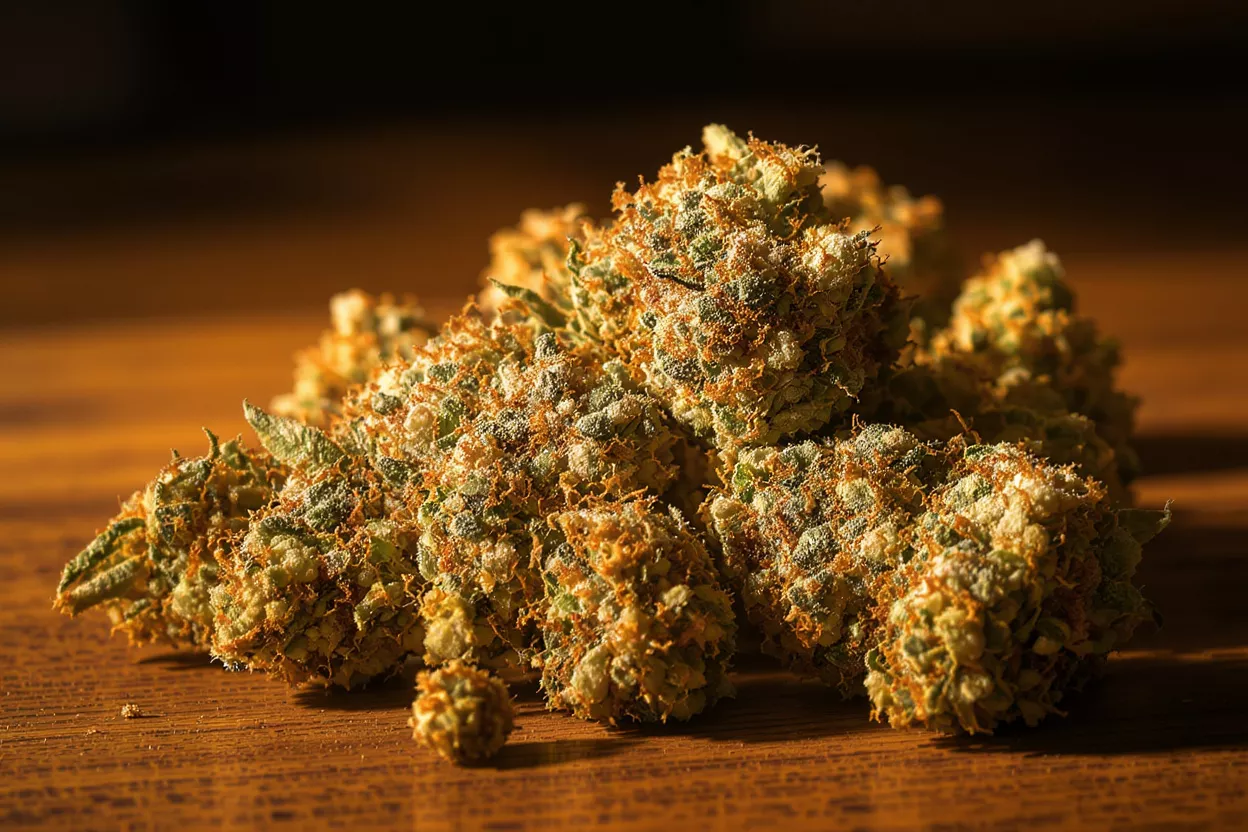
Fenchol delivers a complex aromatic profile that sits at the crossroads of sweet and pungent. Most people describe it as earthy and herbaceous with a distinctly piney edge, accented by subtle camphor and lemon notes. It is the kind of scent that reads as fresh and slightly medicinal, reminiscent of a walk through a garden of culinary herbs.
On the palate, fenchol carries those same herbal and woody qualities into flavor, lending cannabis a savory, almost basil-like dimension that balances sweeter or more citrus-forward terpenes. This makes it a valuable supporting player in the overall taste of a cultivar.
Here is how fenchol's sensory contributions tend to break down:
- 🌿 Herbal core: A green, basil-and-fennel character that anchors the aroma in something fresh and botanical.
- 🌲 Pine and camphor: Sharp, slightly cooling notes that add brightness and lift.
- 🍋 Citrus undertone: A faint lemony edge that keeps the profile from turning too heavy.
- 🪵 Woody depth: Earthy, resinous warmth that grounds the lighter top notes.
Where Fenchol Is Found in Nature
Cannabis is far from the only plant that produces fenchol. In fact, the compound is widespread across the botanical world, which is why its aroma feels familiar even to people who have never thought consciously about terpenes. Basil is one of the richest dietary sources, and fenchol contributes meaningfully to that herb's signature scent.
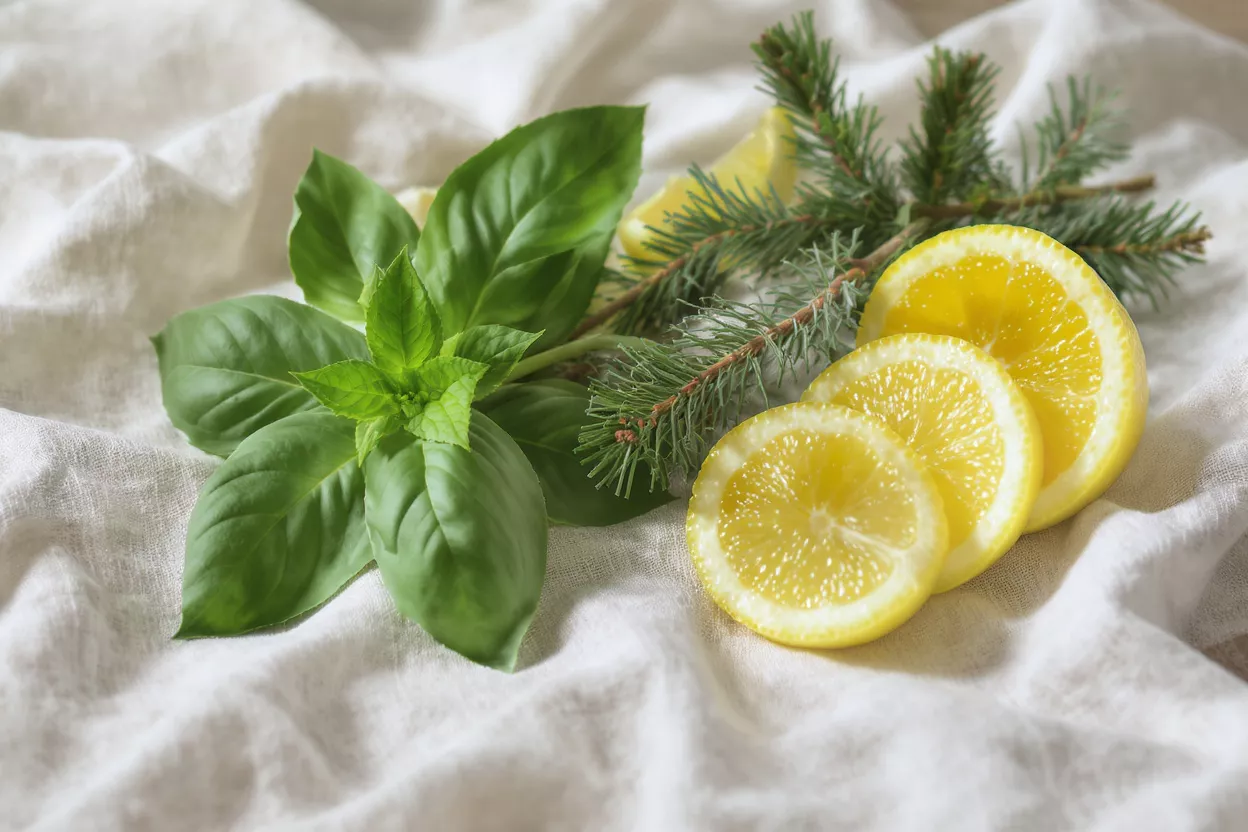
Common natural sources: Beyond basil and the fennel that gave it its name, fenchol appears in a surprising range of aromatic plants and is used in flavoring and fragrance applications. Its pleasant, versatile profile makes it a useful component in both culinary and perfumery contexts.
- 🌿 Basil: A leading dietary source, central to the herb's fresh, peppery aroma.
- 🌱 Fennel: The plant that inspired the terpene's name, rich in related compounds.
- 🌳 Cedar and pine: Coniferous trees whose resins carry fenchol's woody side.
- 🍋 Limes and lemongrass: Citrus and grass species that contribute brighter facets.
- 🌸 Nutmeg and aromatic spices: Warm culinary botanicals where it adds complexity.
This broad distribution matters because it means humans have been consuming fenchol safely through food and beverages for as long as we have cooked with herbs. That long history of dietary exposure provides important context when evaluating its safety in cannabis.
Fenchol Health Benefits and Research
Scientific interest in fenchol has grown alongside the broader study of cannabis terpenes, and early findings suggest the compound may offer more than aromatic appeal. While much of the research remains preclinical, conducted in laboratory and animal models rather than large human trials, the directions it points toward are genuinely promising.
Antioxidant activity: Several studies indicate that fenchol exhibits antioxidant properties, meaning it may help neutralize reactive molecules known as free radicals. Oxidative stress is implicated in aging and a range of chronic conditions, so compounds that counter it draw understandable attention from researchers.
Anti-inflammatory potential: Preliminary work also suggests fenchol may help moderate inflammatory responses. Inflammation underlies many uncomfortable and harmful processes in the body, and terpenes that influence these pathways are an active area of investigation within the wider study of cannabinoids and their companion compounds.
Fenchol and Brain Health
One of the most intriguing developments in fenchol research concerns the brain. A widely discussed study published in 2021 explored how fenchol interacts with the gut-brain axis and its potential relevance to neurological health, particularly in the context of Alzheimer's disease.
The gut microbiome connection: Researchers found that fenchol, produced in the gut partly through the activity of beneficial bacteria, appeared to reduce the accumulation of a protein associated with neurodegeneration. The mechanism involved a specific receptor that helps regulate processes linked to brain aging, offering a plausible pathway for the compound's protective potential.
It is important to keep these findings in perspective. The work was conducted in laboratory models, and a great deal of additional research is required before anyone can claim fenchol prevents or treats any disease. Still, the results have energized scientific curiosity about how everyday dietary terpenes might influence long-term brain health.
What this research underscores is the broader principle that the compounds in cannabis and common foods are not merely incidental flavorings. They are biologically active molecules whose effects we are only beginning to map in detail.
Fenchol Antibacterial and Antifungal Properties
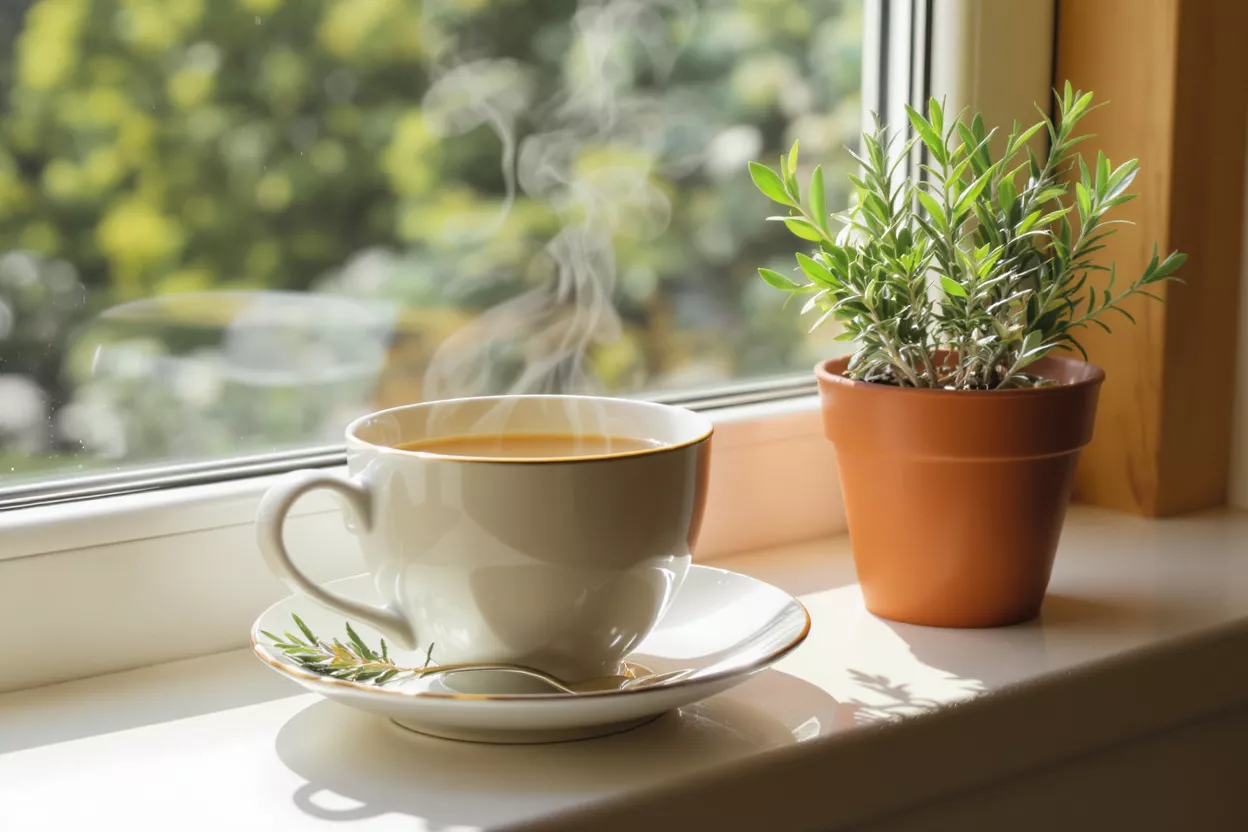
Among fenchol's most consistently reported attributes are its antimicrobial qualities. Laboratory studies have demonstrated that the terpene can inhibit the growth of certain bacteria and fungi, which helps explain why so many fenchol-rich plants have been valued historically for preservation and traditional remedies.
Why plants make it: From the plant's perspective, fenchol is part of a chemical defense system. Terpenes deter pests, ward off microbial invaders, and protect delicate reproductive structures. The antibacterial and antifungal activity we observe in the lab is, in essence, a window into the compound's natural protective role.
These properties have practical implications. In cannabis cultivation and processing, terpenes with antimicrobial qualities may contribute modestly to the resilience of the plant material, though they are no substitute for proper handling and storage. In the wider world, the same activity supports fenchol's longstanding use in fragrances and flavorings, where freshness and stability matter.
Fenchol vs Other Cannabis Terpenes
Understanding fenchol is easier when you place it alongside the more familiar terpenes that frequently share its company in cannabis. Each contributes its own aromatic and potential therapeutic character, and together they create the layered complexity that distinguishes one cultivar from another.
How it compares: Where myrcene leans musky and herbal and pinene delivers crisp forest freshness, fenchol bridges the two with its earthy, piney, slightly camphoraceous signature. It rarely dominates, but it adds nuance that a profile would miss in its absence.
- 🌿 Fenchol: Earthy, herbal, piney with camphor and citrus accents; antioxidant and antimicrobial interest.
- 🍋 Limonene: Bright citrus aroma, often associated with uplifting impressions.
- 🌲 Pinene: Sharp pine scent, the most common terpene in the natural world.
- 🌸 Linalool: Floral, lavender-like, frequently linked with calming qualities.
- 🥭 Myrcene: Musky and earthy, typically the most abundant terpene in cannabis.
Seen in this company, fenchol functions as a connective thread, harmonizing the louder terpenes around it and contributing both depth and a touch of cooling brightness to the overall expression of a strain.
Strains High in Fenchol
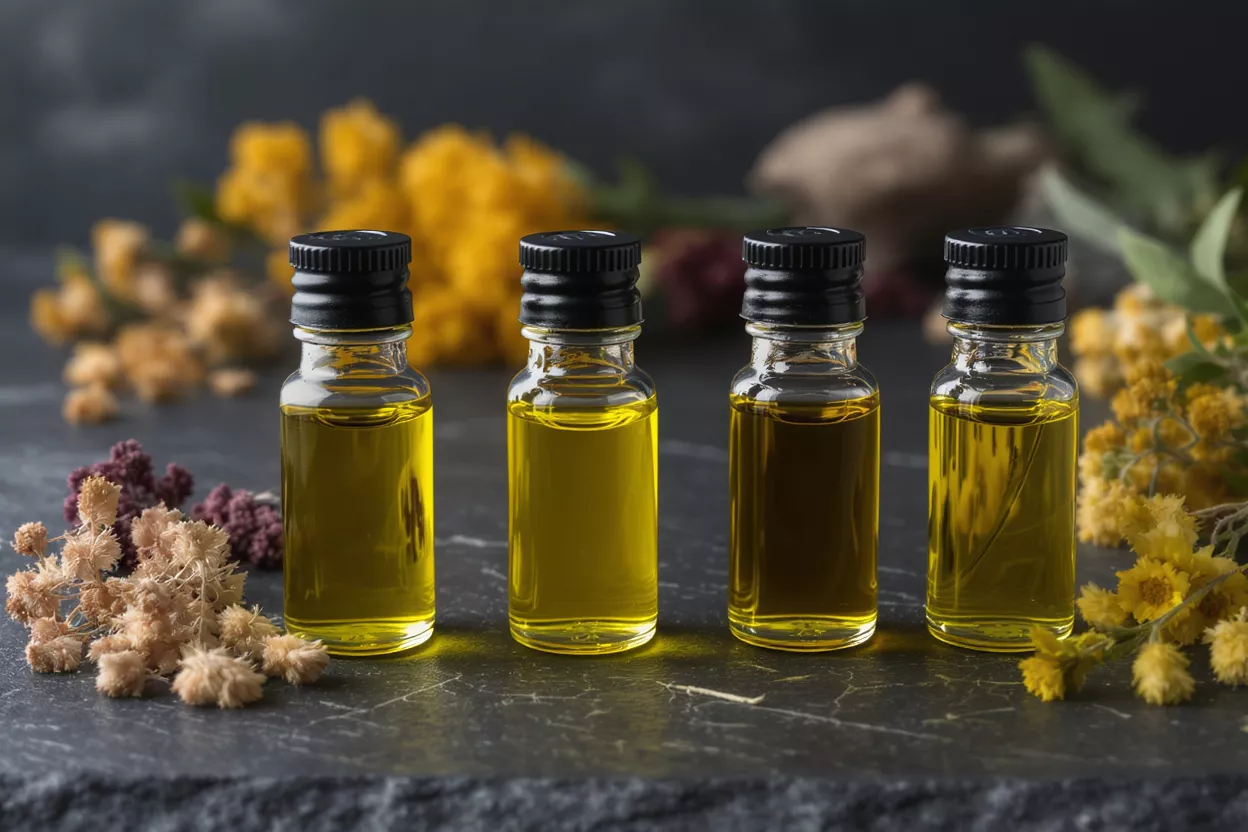
Because fenchol is usually a secondary terpene, no cultivar is defined solely by it the way some strains are by myrcene or limonene. That said, certain genetic lineages tend to express more fenchol than others, and lab testing increasingly makes it possible to seek them out.
What to look for: Strains that present earthy, herbal, and piney aromas with a subtle savory or camphor edge are good candidates for elevated fenchol content. Many cultivars with complex, spice-forward profiles carry meaningful amounts alongside their dominant terpenes. The most reliable approach is to consult a certificate of analysis, where a terpene panel lists fenchol explicitly.
If you are drawn to the sensory and potential wellness qualities described throughout this guide, ask your retailer for lab results rather than relying on aroma alone. Human noses are good at detecting the presence of herbal and piney notes, but only analytical testing can confirm and quantify fenchol's contribution to a particular batch.
Is Fenchol Safe?
For the vast majority of people, fenchol is a familiar and well-tolerated compound. Humans have consumed it for millennia through basil, fennel, nutmeg, and countless other culinary plants, and it is recognized as a flavoring agent. This deep history of dietary exposure offers strong reassurance about its general safety at the modest levels found in food and cannabis.
Sensible precautions: As with any aromatic compound, concentrated forms warrant respect. Pure essential oils and isolated terpenes should never be ingested undiluted, and individuals with sensitivities or allergies to aromatic plants should exercise appropriate caution. The amounts naturally present in cannabis flower are far lower than these concentrated extracts.
Anyone who is pregnant, nursing, managing a medical condition, or taking medication should consult a qualified healthcare provider before significantly increasing their intake of any terpene-rich product. This is standard, sensible advice rather than a reflection of any specific concern about fenchol itself.
Fenchol may not command the spotlight the way better-known terpenes do, but it rewards a closer look. From its fresh basil-and-pine aroma to its antioxidant, antimicrobial, and intriguing brain-health research, this versatile compound illustrates how even minor constituents of cannabis carry real significance. As science continues to illuminate the plant's full chemical orchestra, fenchol stands as a reminder that the supporting players often deserve as much attention as the stars. Seek out lab-tested products, appreciate the nuance it brings, and enjoy the deeper understanding it adds to every aromatic experience.

Comments