

Flower
Learn what cannabis flower is, how it forms, and what makes it potent.
What Is Cannabis Flower?
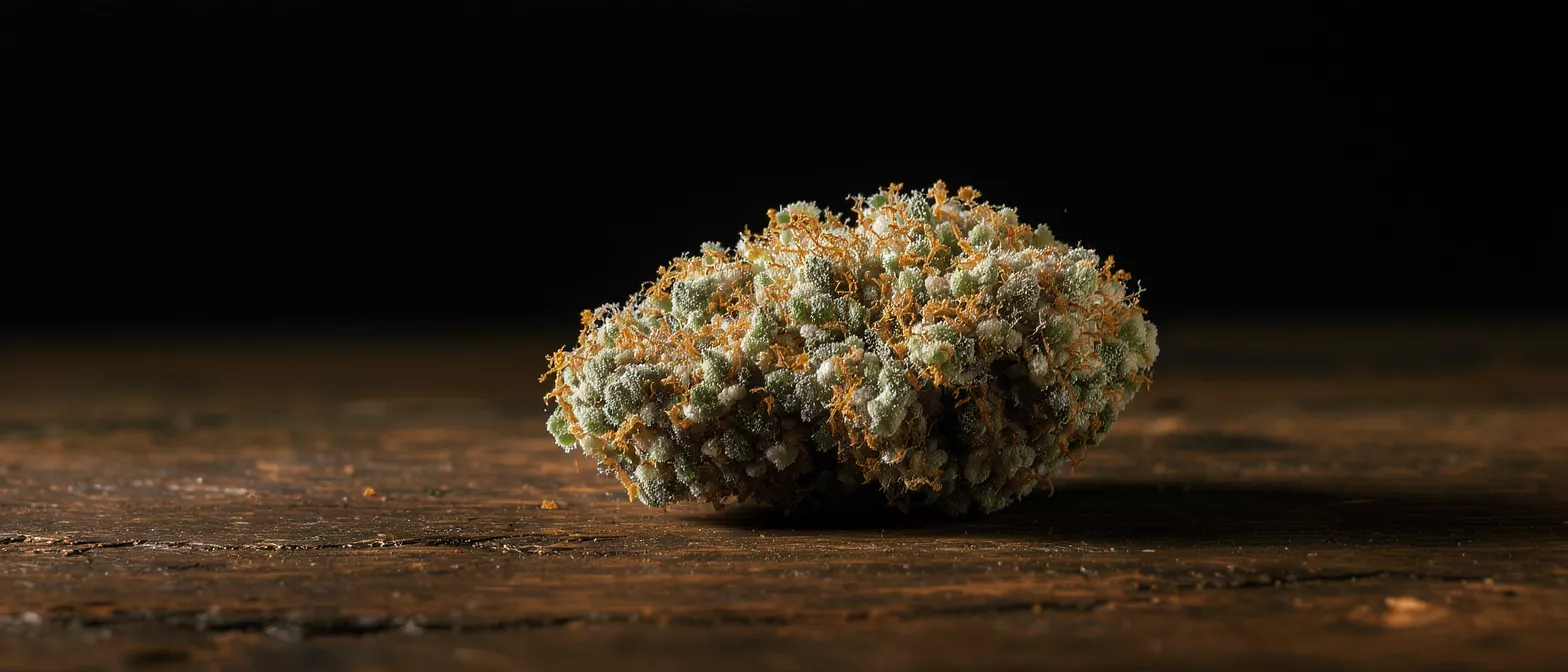
Cannabis flower is the smokable, trichome-covered bud that forms on the mature female cannabis plant, and it remains the most recognizable and widely consumed form of the plant despite the rise of concentrates and edibles. When people picture cannabis, they picture flower: dense, fragrant clusters dusted in a frost of resin glands. This is the part of the plant where the chemistry happens, where cannabinoids and aromatic compounds accumulate in the highest concentrations.
The term itself can be slightly misleading to newcomers. Cannabis flower is not a single petal-bearing bloom in the way a rose is. Instead, it is a tightly packed collection of small floral structures, leaves, and resin-producing glands that botanists call an inflorescence. What gets harvested, dried, and sold is this cured cluster, prized for its potency and flavour.
Understanding flower is the foundation for understanding nearly everything else in cannabis. Concentrates are extracted from it, edibles are infused with cannabinoids derived from it, and the strain names that fill dispensary menus all describe genetic variations of the same flowering plant. Knowing how flower forms, what makes it potent, and how to evaluate quality gives you a clear lens for every other product on the shelf.
How Cannabis Flower Forms on the Plant
Why only female plants produce usable flower: Cannabis is dioecious, meaning individual plants are typically either male or female. Female plants produce the resinous flowers that consumers want, while male plants produce pollen sacs. Growers cultivating for flower carefully remove or avoid males, because once a female is pollinated she diverts energy into seed production rather than fattening her buds with resin. This is why high-quality flower is almost always seedless, a condition often described by the Spanish term sinsemilla.
The role of the light cycle: Flowering is triggered by changes in the photoperiod. When daylight shortens in late summer, or when an indoor grower switches lights to a twelve-hour cycle, the plant shifts from vegetative growth into its flowering stage. Over the following weeks, small white hairs called pistils emerge, followed by the swelling of bud sites and the gradual accumulation of glittering resin.
As the flower matures, the plant pours its resources into producing trichomes, the tiny glandular structures that hold the plant's most valuable compounds. Harvest timing hinges on watching these glands shift from clear to cloudy to amber, a visual cue that the cannabinoid content has reached its peak. Cut too early and potency suffers; wait too long and the effect profile shifts toward heavy sedation.
Parts of the Flower: Buds, Nugs, and Heads
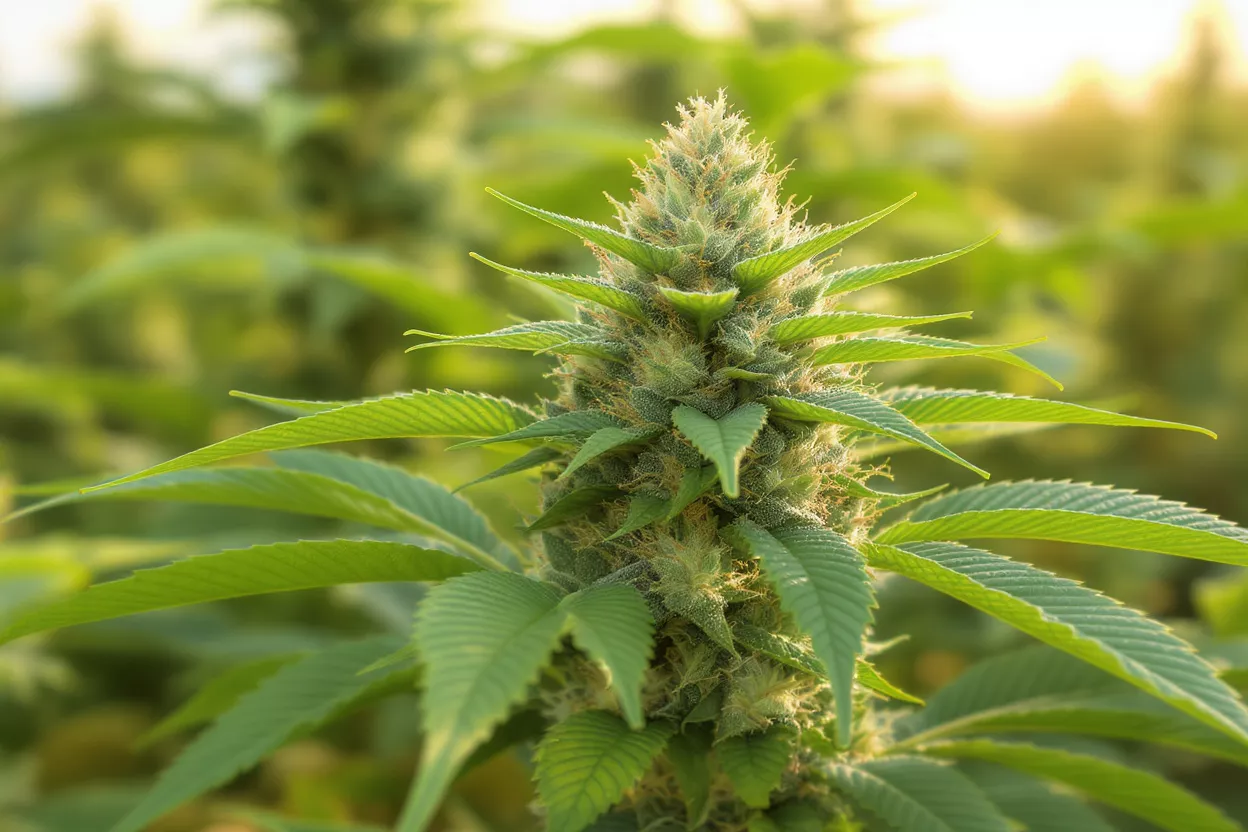
The vocabulary around cannabis flower can feel like slang soup, but each term refers to something specific. A "bud" is the general word for an individual flower cluster. A "nug" is casual shorthand for a smaller, dense, well-formed bud, the kind you would break apart before rolling or packing a bowl. "Heads" is a regional term, common in parts of Canada and the UK, that refers to the prime flowering tops of the plant.
The position of a bud on the plant matters more than many beginners realize. The large, dense flowers at the top of the plant, often called colas, receive the most direct light and tend to be the most potent and visually impressive. Lower buds, sometimes called "popcorn nugs" for their small rounded shape, develop in shadier conditions and are often less dense but still perfectly enjoyable.
Surrounding the actual flowers are sugar leaves, the small leaves coated in resin that grow directly out of the buds. These differ from the larger fan leaves, which carry little cannabinoid content and are trimmed away. Quality trimming removes excess leaf material while preserving the resinous flower, which is one reason well-manicured flower commands a premium.
- 🌿 Cola: The main flowering top of the plant, the largest and most resin-rich section.
- 🍿 Popcorn nugs: Smaller lower buds, less dense but flavourful and economical.
- ✂️ Sugar leaves: Resin-coated trim leaves, often saved for extracts rather than smoked.
- 🍃 Fan leaves: Large iconic leaves with minimal cannabinoid content, trimmed away.
What Gives Flower Its Potency
Trichomes are where the magic lives: The frosty crystals coating quality flower are not decoration, they are the plant's chemical factories. Each trichome is a microscopic gland that produces and stores cannabinoids like THC and CBD along with aromatic terpenes. The density and ripeness of these glands largely determine how potent and flavourful a given batch of flower will be.
The role of terpenes in aroma and effect: Beyond raw potency, the experience of flower is shaped heavily by terpenes, the aromatic oils responsible for the smell of pine, citrus, fuel, or sweet berry. Many researchers and consumers believe terpenes work alongside cannabinoids in what is called the entourage effect, subtly steering whether a strain feels uplifting, relaxing, or somewhere in between.
The dominant cannabinoid is usually THC, the compound responsible for the classic psychoactive high, though high-CBD flower has grown popular among those seeking effects without strong intoxication. The interplay between these compounds, along with the full terpene profile, is what makes one strain feel meaningfully different from another even at similar potency numbers.
Types of Cannabis Flower Strains
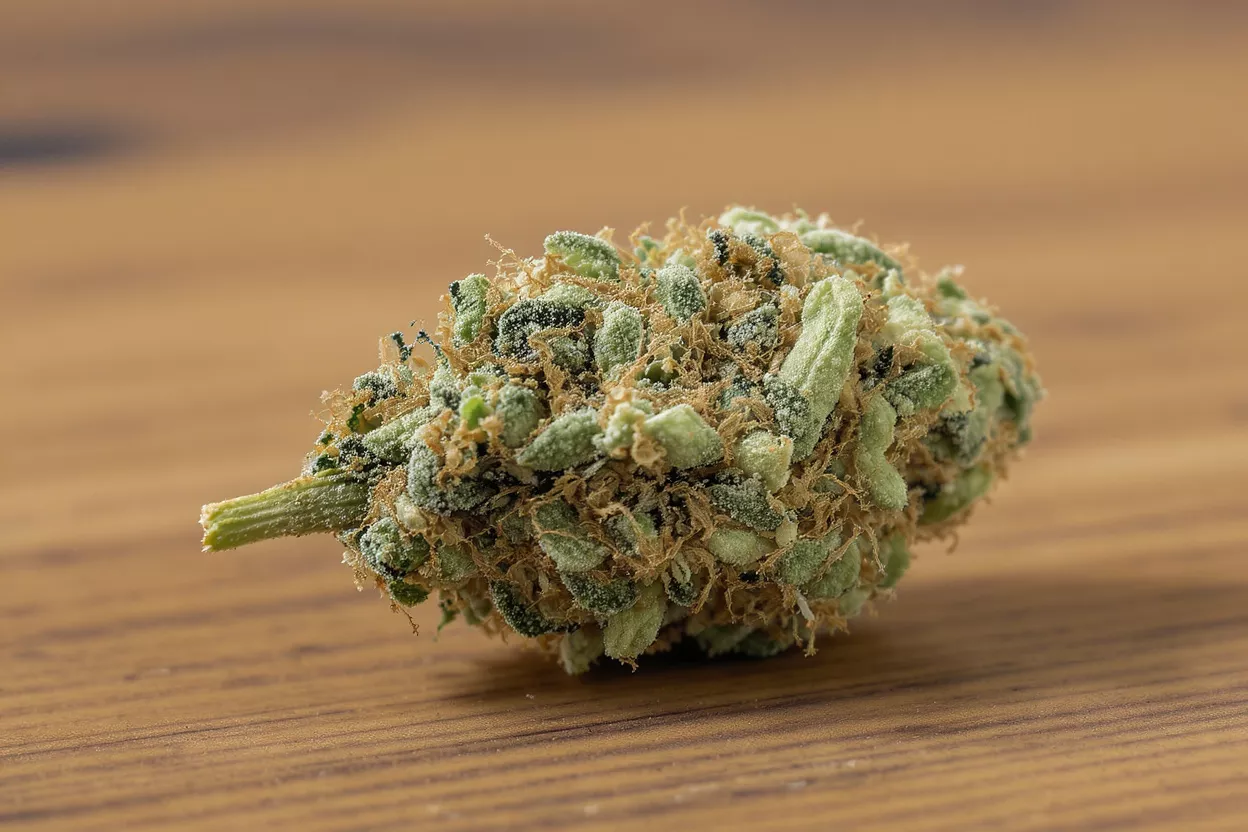
Cannabis flower is traditionally sorted into three broad categories: indica, sativa, and hybrid. Indica strains are popularly associated with relaxing, body-heavy effects suited to evening use, while sativa strains carry a reputation for energetic, cerebral effects better suited to daytime. Hybrids blend genetics from both lineages to land somewhere in the middle.
It is worth noting that modern science has complicated this tidy framework. The indica-versus-sativa labels originally described the plant's physical growth structure rather than its effects. Researchers increasingly argue that a strain's specific cannabinoid and terpene profile predicts its experience far more reliably than the indica or sativa label printed on the jar.
Still, the categories remain a useful starting vocabulary for shoppers. Strain names like Blue Dream, Granddaddy Purple, or Sour Diesel describe distinct genetic lineages with characteristic aromas and effects, and learning a few favourites is the easiest way to navigate an overwhelming menu.
- 😴 Indica-leaning: Often chosen for relaxation, evening wind-down, and physical comfort.
- ⚡ Sativa-leaning: Often chosen for daytime focus, creativity, and social energy.
- ⚖️ Hybrids: Blended genetics offering a balance of the two, tunable toward either end.
- 🌱 High-CBD: Lower psychoactivity, favoured by those seeking calm without a strong high.
How to Judge Good Quality Flower
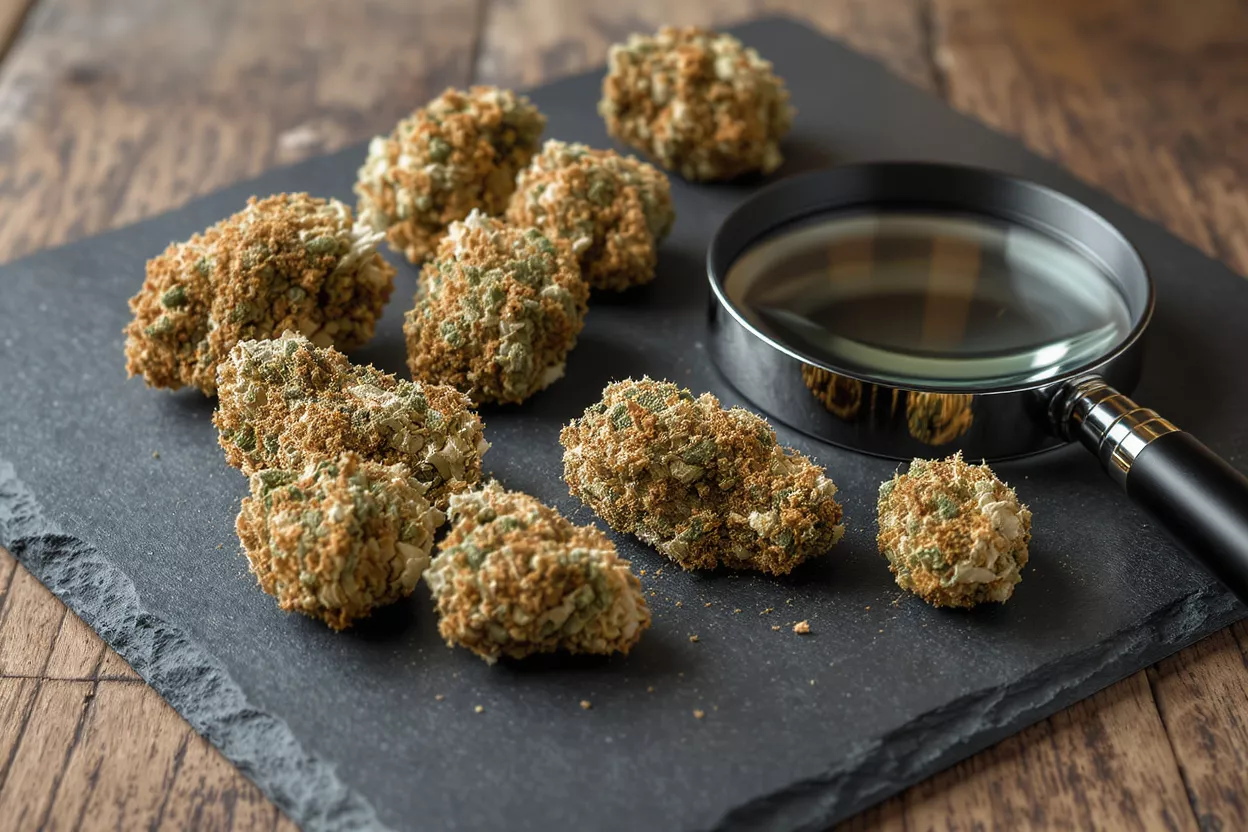
Use your eyes first: High-quality flower looks alive with resin. Look for a generous coating of trichomes that gives the bud a frosted appearance, vibrant colour ranging from deep green to purple with bright orange pistils, and a structure that is neither bone-dry and crumbly nor damp and spongy. Excessive brown, washed-out colour, or visible seeds are warning signs.
Trust your nose: Aroma is one of the most reliable indicators of quality and freshness. Good flower announces itself with a strong, pleasant smell, whether that is pungent fuel, sweet fruit, or earthy pine. A flat, hay-like, or musty smell can indicate old flower or improper curing, and a sharp ammonia note may point to mould or excess moisture.
Texture and the way flower breaks apart tell their own story. Properly cured buds should feel slightly sticky and spring back gently when pressed, then break apart cleanly without turning to dust. The presence of a visible network of trichomes when you grind it, along with a smooth burn that leaves clean white-grey ash, rounds out the picture of well-grown, well-cured flower.
How Cannabis Flower Is Cured and Stored
The journey from harvest to jar is where good flower becomes great. After cutting, the plant is dried slowly in a controlled environment to remove moisture without destroying delicate terpenes. Rushing this stage produces harsh, grassy-tasting flower, which is why patient growers treat drying as carefully as they treat cultivation.
Curing develops flavour and smoothness: After the initial dry, flower is cured in sealed containers that are periodically opened to release moisture and exchange air, a process often called burping. Over several weeks, curing breaks down residual chlorophyll, smooths the smoke, and allows the aroma to deepen. Properly cured flower is dramatically more pleasant to consume than rushed product.
Once cured, storage determines how long that quality lasts. Flower keeps best in airtight glass containers held in a cool, dark place away from light and heat, both of which degrade cannabinoids and terpenes over time. Maintaining the right humidity, often with small humidity-control packs, prevents flower from drying into harsh dust or growing damp enough to mould.
- 🌡️ Cool and dark: Store away from sunlight and heat to preserve potency.
- 🫙 Airtight glass: Glass jars protect aroma far better than plastic baggies.
- 💧 Humidity control: Aim for roughly 58–62% relative humidity inside the container.
- 🚫 Avoid the freezer: Freezing can make brittle trichomes snap off the bud.
Ways to Consume Cannabis Flower
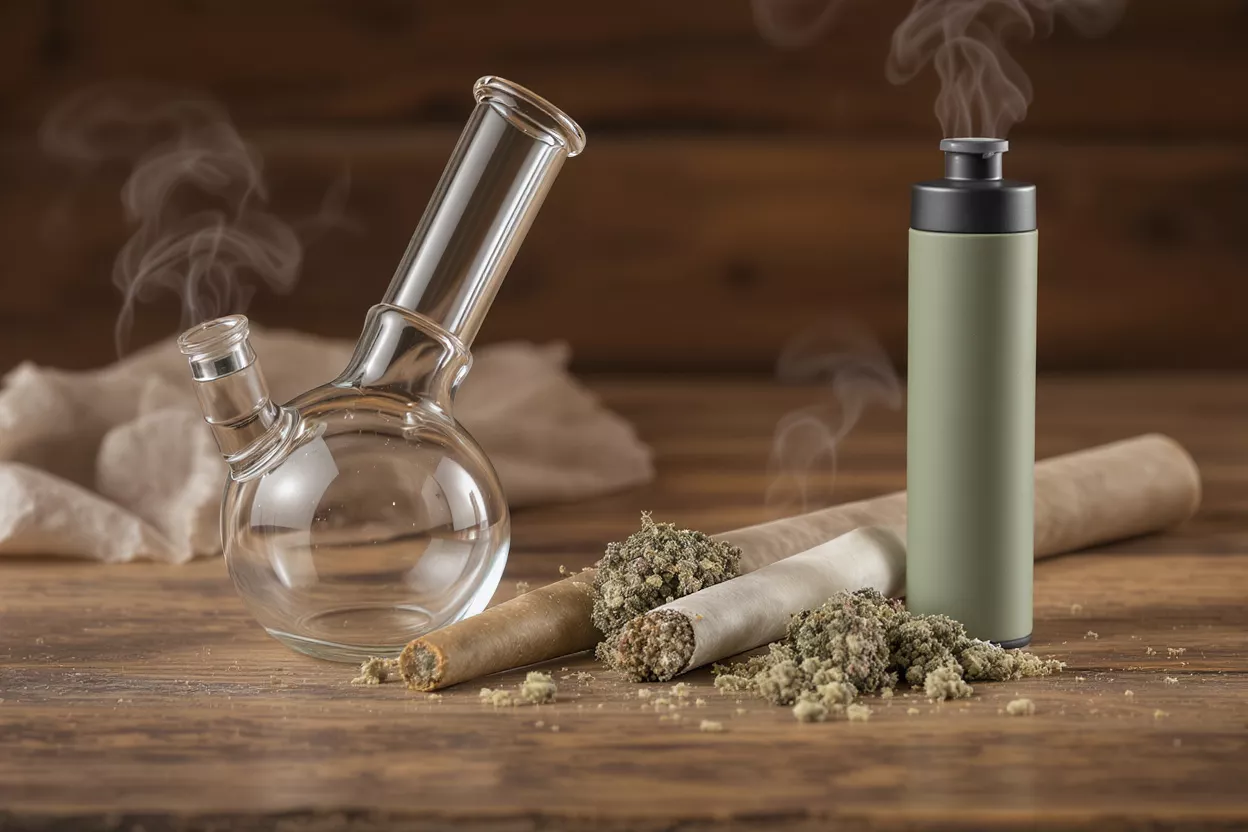
The most traditional way to enjoy flower is by smoking it, whether rolled into a joint, packed into a pipe, or filtered through water in a bong. These methods are simple, immediate, and offer fine control over dosing, since effects arrive within minutes and let you gauge how much you need.
Vaporizing offers a smoother alternative: Dry-herb vaporizers heat flower below combustion temperature, releasing cannabinoids and terpenes as vapour rather than smoke. Many consumers prefer this for the cleaner flavour, the reduced harshness, and the efficiency, since vaporizing extracts more from the same amount of flower than burning it does.
Flower can also be the raw material for homemade products. Decarboxylated and infused into butter or oil, it becomes the base for edibles, while pressing or extracting it yields concentrates. Even so, the bud itself remains the starting point, which is why understanding flower quality pays dividends no matter how you ultimately choose to consume it.
Flower Versus Concentrates and Edibles
Flower, concentrates, and edibles each occupy a different niche, and understanding the trade-offs helps you pick the right tool. Flower offers the full-spectrum experience of the whole plant, immediate onset, and intuitive dosing, all at an accessible price. Its main drawbacks are a stronger smell, the need for combustion or a vaporizer, and a shorter shelf life than processed products.
Concentrates concentrate everything: Extracts like rosin, shatter, and live resin strip away plant material to deliver intense potency in small amounts. They are efficient and flavourful when made well, but they demand more equipment and a higher tolerance, making them better suited to experienced consumers than to newcomers.
Edibles, by contrast, trade speed for duration. Effects can take up to two hours to appear and last far longer than inhaled cannabis, which makes careful low-and-slow dosing essential. Flower remains the most beginner-friendly format precisely because its rapid feedback loop makes it hard to dramatically overshoot a comfortable dose.
How to Choose the Right Flower for You
Choosing flower starts with honest intent. Ask what you actually want from the experience: relaxation at the end of a long day, a creative spark for a project, relief from physical discomfort, or simple social enjoyment. Matching that goal to a strain's cannabinoid and terpene profile matters more than chasing the highest THC number on the menu.
Potency is not the whole story: Beginners in particular benefit from starting with moderate-THC flower or balanced THC-to-CBD options, which deliver a manageable experience with less risk of anxiety or overwhelm. A well-rounded mid-potency strain with an appealing terpene profile often delivers a more enjoyable session than a maximum-strength flower that leaves you uncomfortable.
Cannabis flower endures as the heart of the plant for good reason. It is the original product from which everything else is derived, the most direct expression of a strain's genetics, and a uniquely transparent way to learn what your body responds to. By understanding how flower forms, what drives its potency, and how to judge and store it well, you gain the knowledge to make confident choices and get genuine value from every gram you bring home.
Comments