

Full-spectrum extracts
Discover how full-spectrum extracts preserve cannabinoids, terpenes & the entourage effect.
What Are Full-Spectrum Extracts
Full-spectrum extracts capture the complete chemical fingerprint of the cannabis plant rather than isolating a single molecule. When processors pull cannabinoids, terpenes, flavonoids, and trace plant compounds out of the flower together, the resulting concentrate mirrors the plant's natural ratios. This whole-plant approach has become one of the most discussed concepts in modern cannabis science because it changes how a product feels, smells, and acts in the body.
The term gets used loosely across the industry, so it helps to anchor it precisely. A genuine full-spectrum product retains measurable levels of multiple cannabinoids alongside the aromatic compounds that give each cultivar its signature character. Nothing has been stripped down to a single purified powder. That preservation is the entire point.
Why the "full spectrum" label matters: The distinction is not marketing fluff. Research increasingly suggests that the combined activity of many plant compounds produces effects that no single isolated cannabinoid can replicate. When you understand what sits inside a full-spectrum concentrate, you can read a lab report intelligently and choose products that match your goals rather than relying on hype.
How Full-Spectrum Extracts Work
To understand how these extracts work in the body, it helps to start with the endocannabinoid system, the network of receptors that regulates mood, appetite, pain signaling, and sleep. Cannabinoids from the plant interact with this system in different ways, some binding directly to receptors and others modulating activity indirectly.
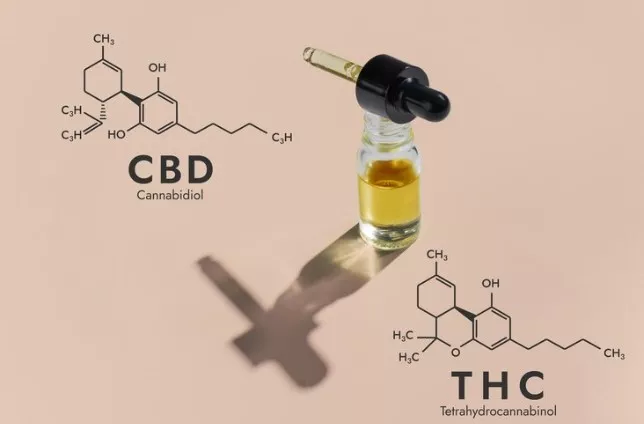
In a full-spectrum extract, dozens of compounds arrive together rather than in isolation. THC and CBD are the headline molecules, but minor cannabinoids and aromatic terpenes also contribute. Each compound nudges the system in a slightly different direction, and the net result is a more layered experience than a single-molecule product delivers.
The role of terpenes in absorption: Beyond their aroma, terpenes appear to influence how cannabinoids cross cell membranes and how the brain responds to them. Some terpenes are associated with relaxation while others lean energizing. This is why two extracts with identical THC numbers can feel noticeably different — the supporting cast changes the whole performance.
Full-Spectrum vs Broad-Spectrum vs Isolate
Choosing between extract categories is easier once you know what each one keeps and what it removes. The three main tiers exist on a spectrum of processing, from minimally refined to almost completely purified.
- 🌿 Full-spectrum: Retains the entire cannabinoid and terpene profile, including trace THC. Best for people who want the complete entourage effect and do not need to avoid THC.
- 🍃 Broad-spectrum: Keeps most compounds but removes detectable THC through additional processing. A practical middle ground for those who want plant synergy without THC.
- 💎 Isolate: A single cannabinoid purified to 99% or higher, with all terpenes and other compounds stripped away. Flavorless and predictable, but with no entourage support.
The trade-off comes down to completeness versus control. Full-spectrum offers the richest experience but contains THC and a more variable profile. Isolate is precise and neutral but flat in effect. Broad-spectrum tries to capture the best of both, though the extra processing can reduce terpene content along the way.
Which category suits your needs: Drug testing, sensitivity to THC, and desired intensity all factor into the decision. Someone managing nuanced symptoms may favor full-spectrum, while a person subject to workplace screening might choose broad-spectrum or isolate. There is no universally superior option, only the one that fits your situation.
Types of Full-Spectrum Extracts
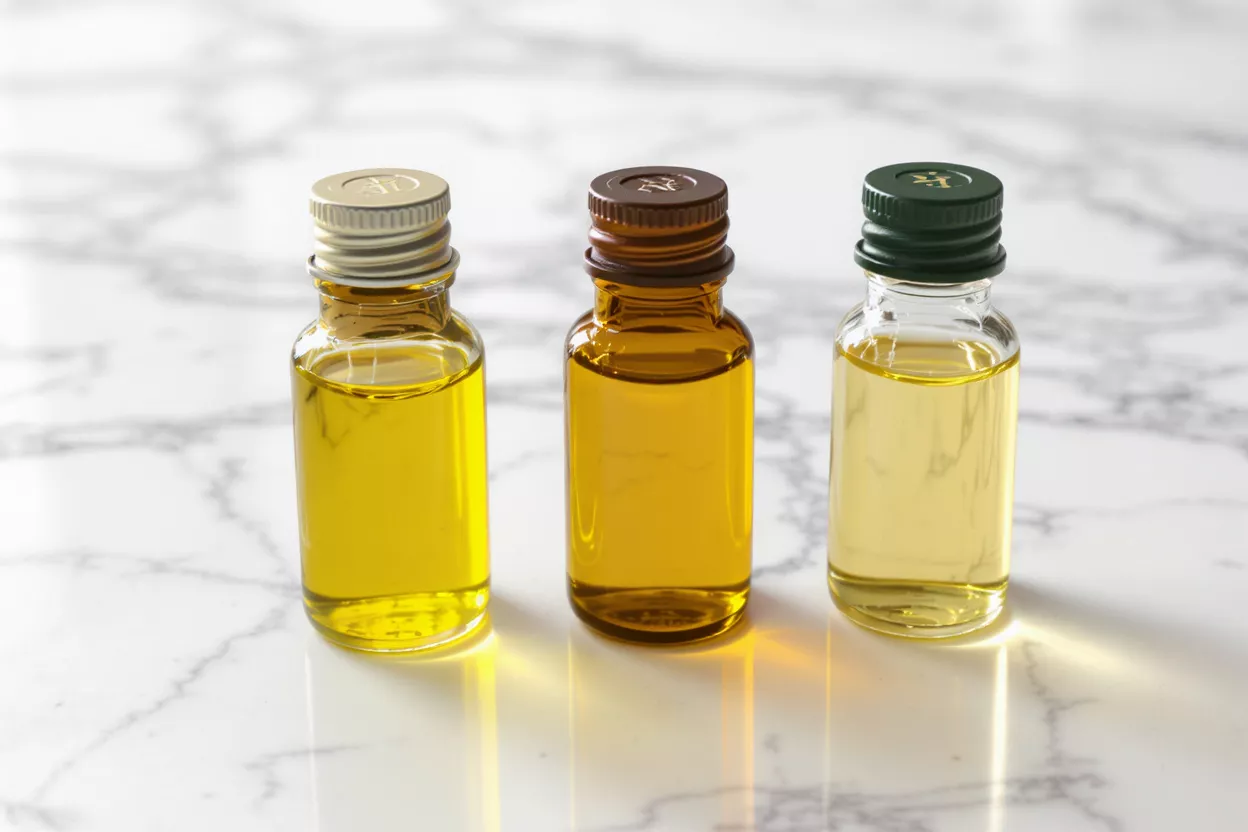
Full-spectrum is a quality category, not a single product. It shows up across many concentrate formats, each with its own texture, potency, and ideal use case. Knowing the formats helps you shop with intention rather than guessing from a menu.
- 🛢️ Live resin: Made from flash-frozen fresh plant material, it preserves the most volatile terpenes for an intensely aromatic, true-to-strain extract.
- 🧈 Budder and badder: Whipped concentrates with a creamy consistency that balance flavor and ease of handling.
- 🍯 Full-spectrum oil: The base for many tinctures and capsules, dosed easily and taken orally.
- 🪨 Rosin: A solventless extract pressed with heat and pressure, prized by purists for its clean process.
- 💠 Sauce and diamonds: A terpene-rich liquid surrounding crystalline cannabinoid structures, offering high potency with full flavor.
The format you choose shapes the ritual as much as the effect. A tincture built on full-spectrum oil suits discreet daily use, while live resin appeals to dab enthusiasts chasing flavor. None is inherently better; they simply meet different needs.
Consistency also signals freshness and handling. Concentrates that have separated or sugared up are still usable, and the change often reflects natural terpene and cannabinoid behavior over time rather than any flaw in the extract.
The Entourage Effect Explained
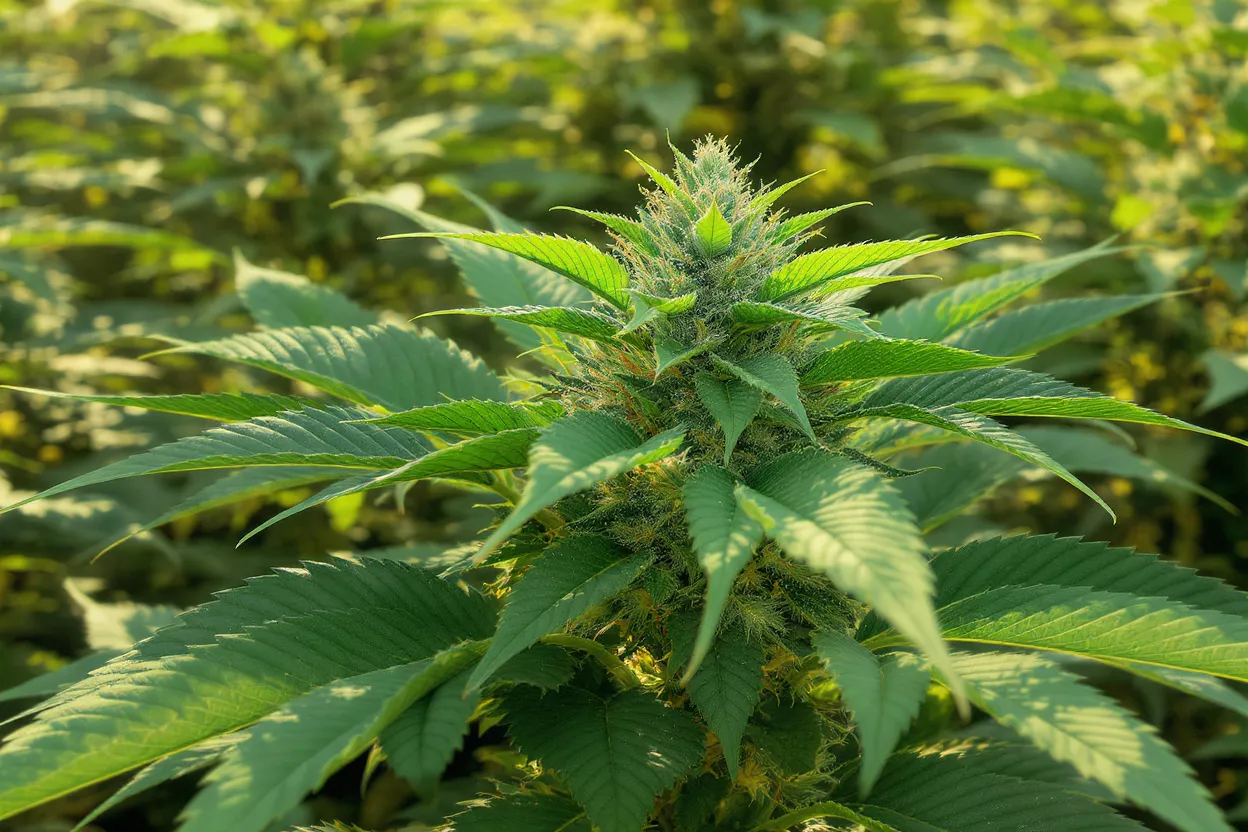
The entourage effect is the central idea behind full-spectrum extracts. It proposes that cannabis compounds work better together than alone, with each molecule influencing how the others behave. The whole becomes greater than the sum of its parts.
A frequently cited example involves CBD's ability to soften some of the more intense effects of THC. When the two appear together in natural ratios, many users report a smoother, more balanced experience than high-THC isolate products provide. Terpenes layer onto this interaction, steering the experience toward calm or alertness depending on the profile.
What the research actually shows: The entourage effect remains an active area of study rather than settled science. Laboratory and preliminary clinical work support the concept, and many patients describe outcomes consistent with it, but researchers are still mapping exactly which combinations matter most. Treat it as a well-supported working theory, not an ironclad guarantee, and let your own measured experience guide you.
Full-Spectrum Extracts Benefits
The appeal of full-spectrum extracts comes down to a richer, more rounded experience that single-molecule products struggle to match. Because the natural compound ratios stay intact, the effects tend to feel more complete and less one-dimensional.
More nuanced effects from synergy: Many users find that full-spectrum products deliver relief at lower doses than isolates, likely thanks to the combined activity of multiple compounds. This can mean using less product overall while still achieving the desired result, which is both economical and gentler on tolerance.
Closer to the natural plant: For people who value minimally processed products, full-spectrum extracts represent the closest thing to consuming the whole flower in concentrated form. The flavor and aroma carry through, preserving the character of the original cultivar in a way that purified products cannot.
That said, the benefits come with realistic expectations. Full-spectrum products vary batch to batch, and the presence of THC means they are not suitable for everyone. The advantage is depth and authenticity, not predictability.

How Full-Spectrum Extracts Are Made
Production methods determine how much of the plant's profile survives the journey from flower to finished extract. The goal is always to pull out the good compounds while leaving behind plant waxes, chlorophyll, and unwanted residue.
Solvent-based extraction: Methods using CO2 extraction or hydrocarbons like butane efficiently strip cannabinoids and terpenes from the plant. CO2 is prized for being clean and tunable, while hydrocarbon methods often capture terpenes exceptionally well when handled by skilled operators.
Solventless extraction: Techniques such as ice water hash and rosin pressing rely on physical force, cold, and heat rather than chemicals. These appeal to consumers who want the purest possible product with no risk of residual solvent, and they often deliver superb flavor.
Whatever the method, preserving terpenes is the central challenge. These compounds are volatile and degrade under high heat, so the best processors work at controlled temperatures to keep the aromatic profile intact. The difference between a flat extract and a vibrant one usually traces back to how carefully temperature was managed during processing.
How to Use Full-Spectrum Extracts
Full-spectrum extracts adapt to nearly any consumption style, which is part of their appeal. The right method depends on how quickly you want effects, how discreet you need to be, and your comfort with equipment.
- 💧 Sublingual oils: Held under the tongue for fast, controllable absorption without inhaling anything.
- 🔥 Dabbing: Vaporizing concentrates at high heat for immediate, potent effects favored by experienced users.
- 🍪 Edibles and capsules: Full-spectrum oil infused into food or pills for long-lasting, body-forward effects.
- 💨 Vaporizing: Using a concentrate pen or device for a balance of convenience and potency.
Start low and go slow: Because full-spectrum products contain THC and a complex compound mix, newcomers should begin with a small amount and wait to gauge effects before taking more. This is especially true with edibles, where onset can take an hour or longer and the experience tends to be stronger and longer-lasting.
Tracking your dose and the specific product helps you find what works. Since profiles vary between batches and cultivars, keeping brief notes on what you used and how it felt turns trial and error into a repeatable routine.

Are Full-Spectrum Extracts Safe
For most healthy adults, full-spectrum extracts are well tolerated when sourced responsibly and used in sensible amounts. The main safety considerations involve product quality, THC content, and individual sensitivity rather than the whole-plant approach itself.
The importance of lab testing: Quality extracts come with a certificate of analysis verifying cannabinoid content and screening for pesticides, residual solvents, and heavy metals. This document is your best protection against contaminated products. A reputable brand makes it easy to access, and you should treat its absence as a red flag.
Because these extracts contain THC, expect intoxicating effects scaled to the dose and your tolerance. Common short-term effects like dry mouth, drowsiness, or temporary anxiety at high doses are generally mild and pass on their own. Anyone who is pregnant, nursing, taking prescription medication, or managing a health condition should consult a healthcare provider first, as cannabinoids can interact with certain drugs.
Choosing Quality Full-Spectrum Extracts
Knowing how to evaluate a full-spectrum product separates a satisfying purchase from a disappointing one. The market is crowded, and label language is inconsistent, so a few simple checks go a long way.
Read the certificate of analysis first: Before anything else, look at the lab report. It confirms the cannabinoid and terpene breakdown and verifies the product passed contaminant screening. A rich terpene profile and a diverse cannabinoid panel are hallmarks of a genuine full-spectrum extract rather than a relabeled distillate.
Consider source and process: Extracts made from quality, well-grown cannabis simply start with more to work with. Pair that with a careful extraction method and you get a vibrant, flavorful product. Ask where the flower came from and how the concentrate was made; transparent producers answer readily.
Full-spectrum extracts reward the curious consumer. By preserving the plant's complete chemistry, they offer a depth of experience that isolates and distillates cannot match, anchored in the entourage effect that defines whole-plant cannabis. Read the lab report, start with a modest dose, choose a format that fits your life, and let your own results guide you. Approached with a little knowledge, these extracts deliver some of the most authentic and rewarding experiences cannabis has to offer.



Comments